Engineered Quartz Components & Analytical Glassware Portfolio
Direct from our Donghai precision glassworks, we supply research institutions, wafer fabs, and commercial laboratories across the Dallas–Fort Worth Metroplex with certified ultra-pure fused quartz and zero-background single-crystal sample mounts.
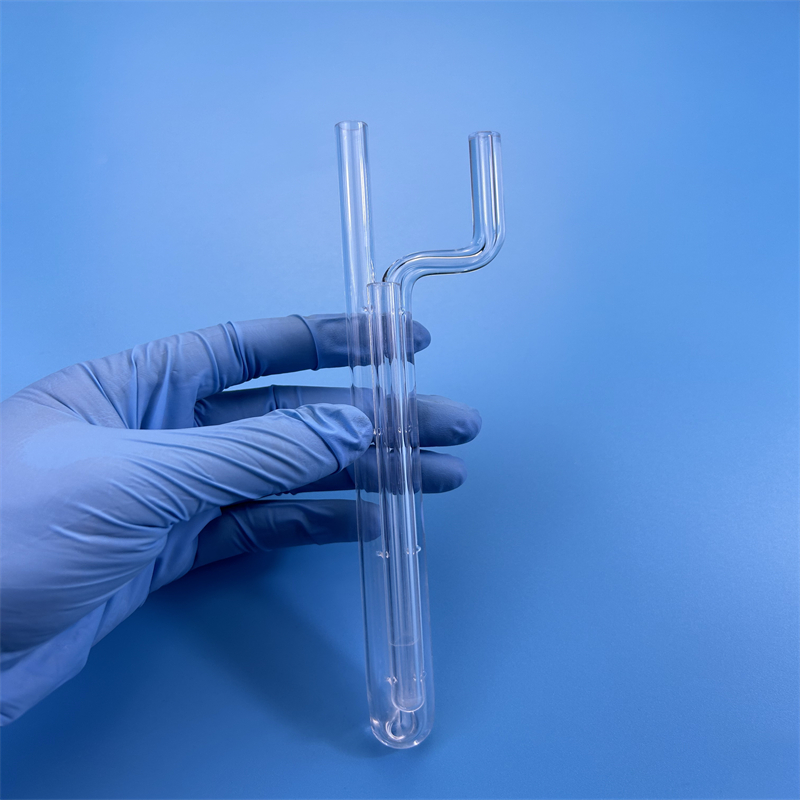
Chemisorption BET Test High Pressure 99.99% Pure Quartz Twin Tube
Specialized twin-tube design for high-pressure gas physisorption and chemisorption analysis. Bended and welded with zero devitrification seams for Quantachrome instruments.
Explore Specifications →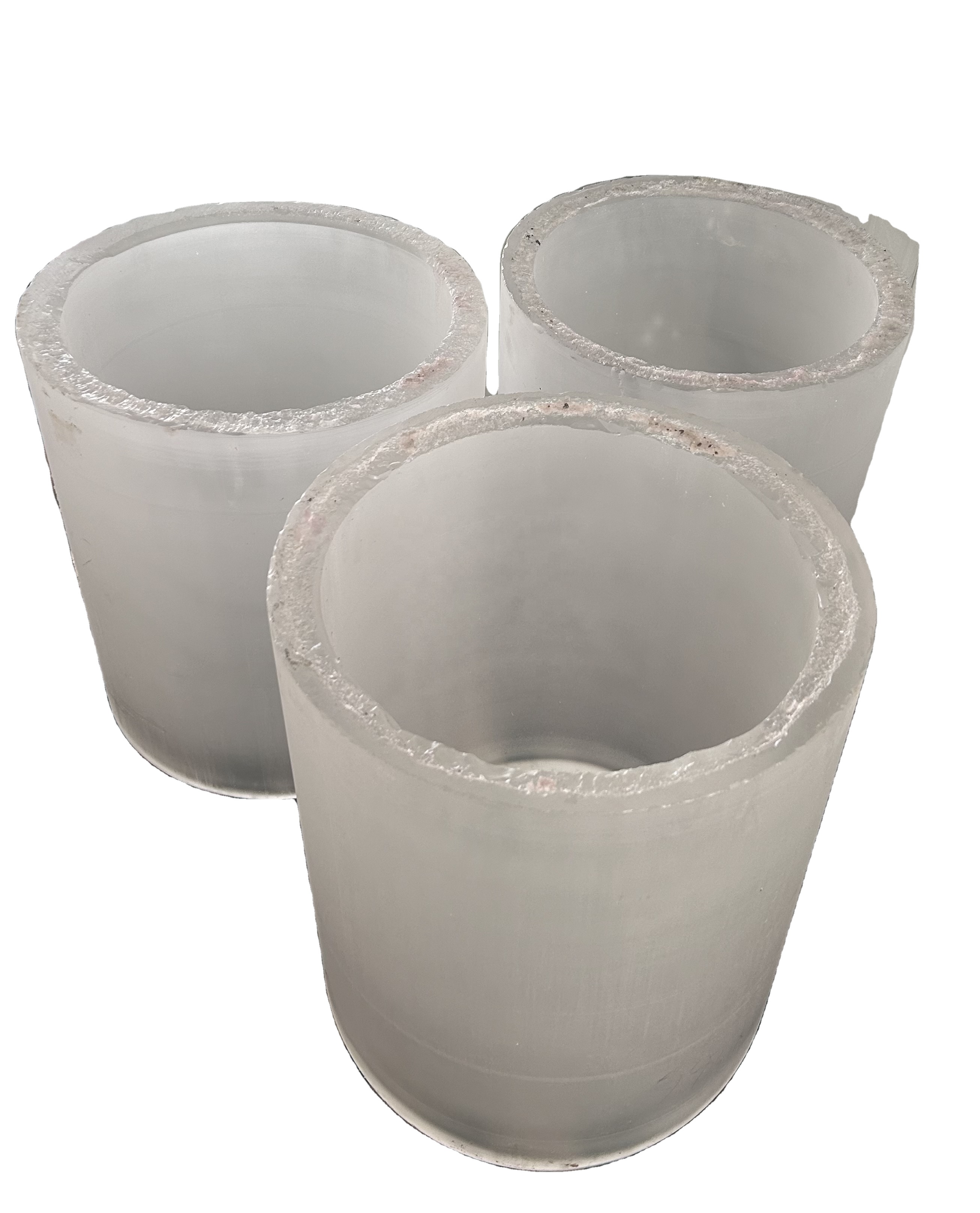
Open Ended Fused Quartz Frosted Glass Cylinder Ingot
Precision-moulded and frosted fused quartz cylinders designed for beam path conditioning, diffuse scattering stages, and thermal insulation shielding in high-temperature XRD ovens.
Explore Specifications →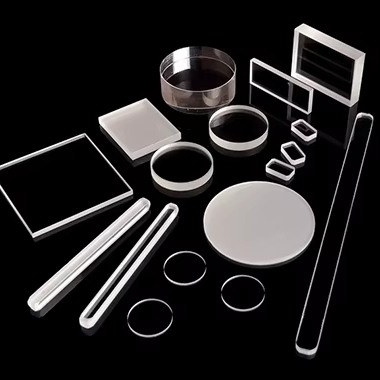
High Temperature Fused Transparent Quartz Optical Test Sheet
Ultra-flat optical-grade quartz sheets engineered for thin-film XRD substrates, grazing-incidence analysis, and transmission diffraction mounts resistant up to 1100°C continuous.
Explore Specifications →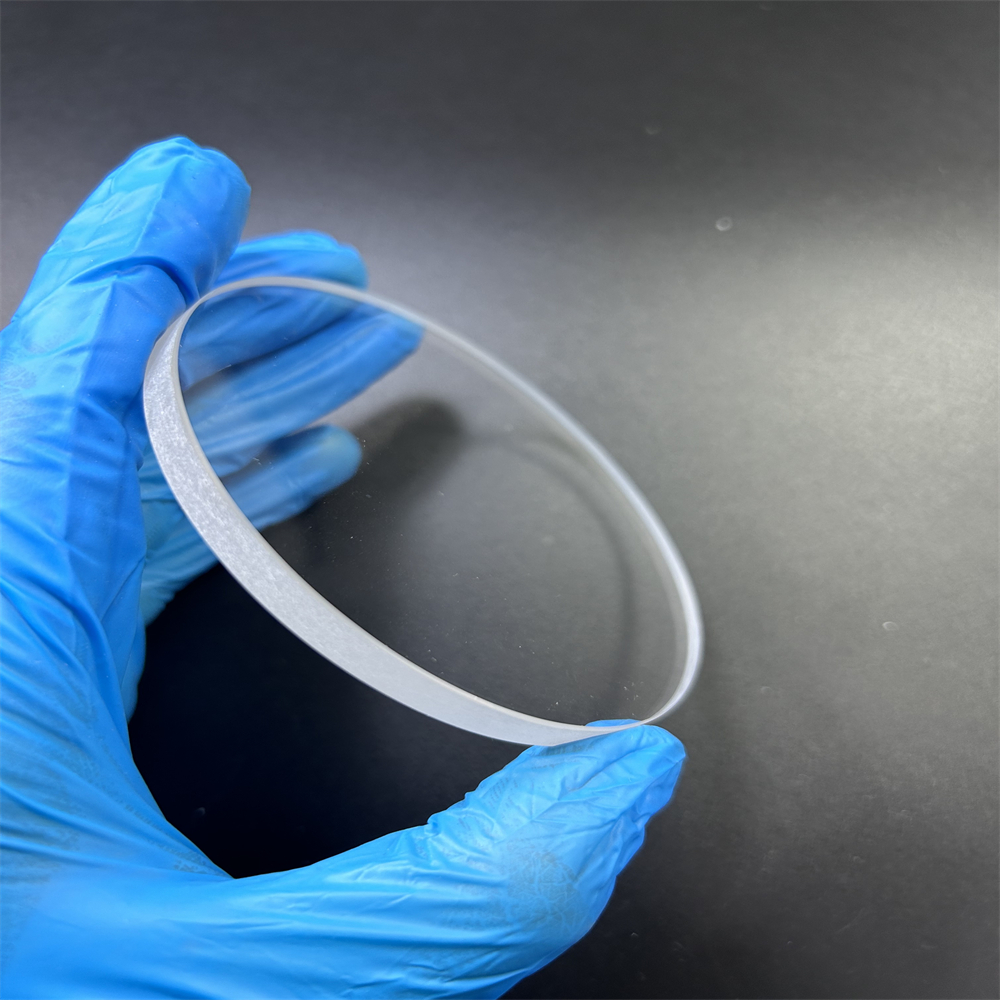
High Precision Fused Silica Quartz Glass Wafer
Semiconductor-grade double-side polished fused silica wafers. Ideal for high-pressure XRD diamond anvil cells, cleanroom wafer cassette carriers, and lithography metrology.
Explore Specifications →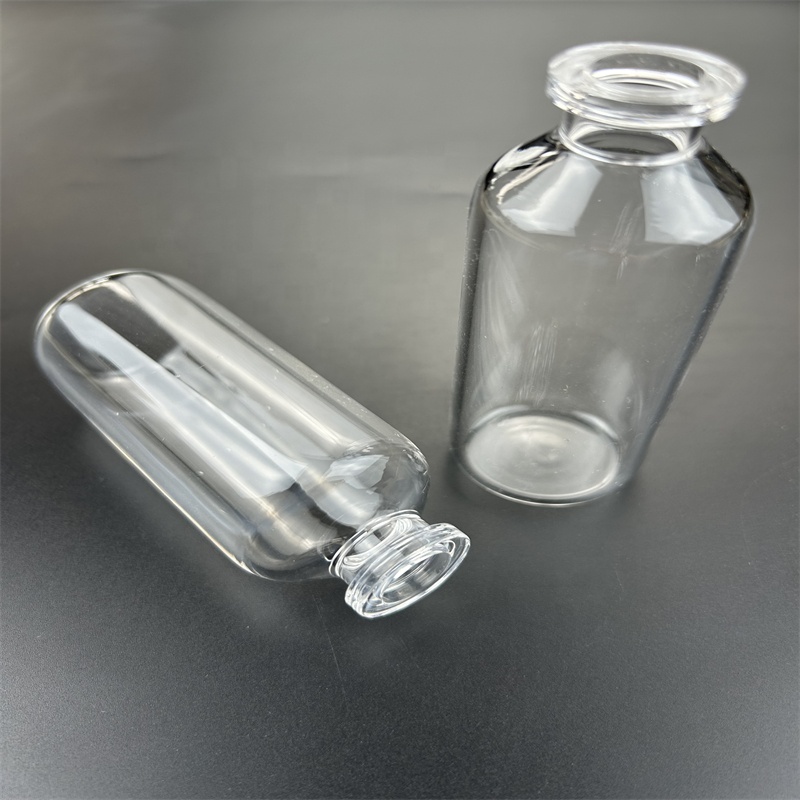
Corrosion-Resistant Transparent Medical Grade Quartz Ampoules
Heavy-wall flame-sealable quartz ampoules for in-situ powder synthesis and sealed-tube XRD crystallographic investigations of air-sensitive metal-organic and perovskite compounds.
Explore Specifications →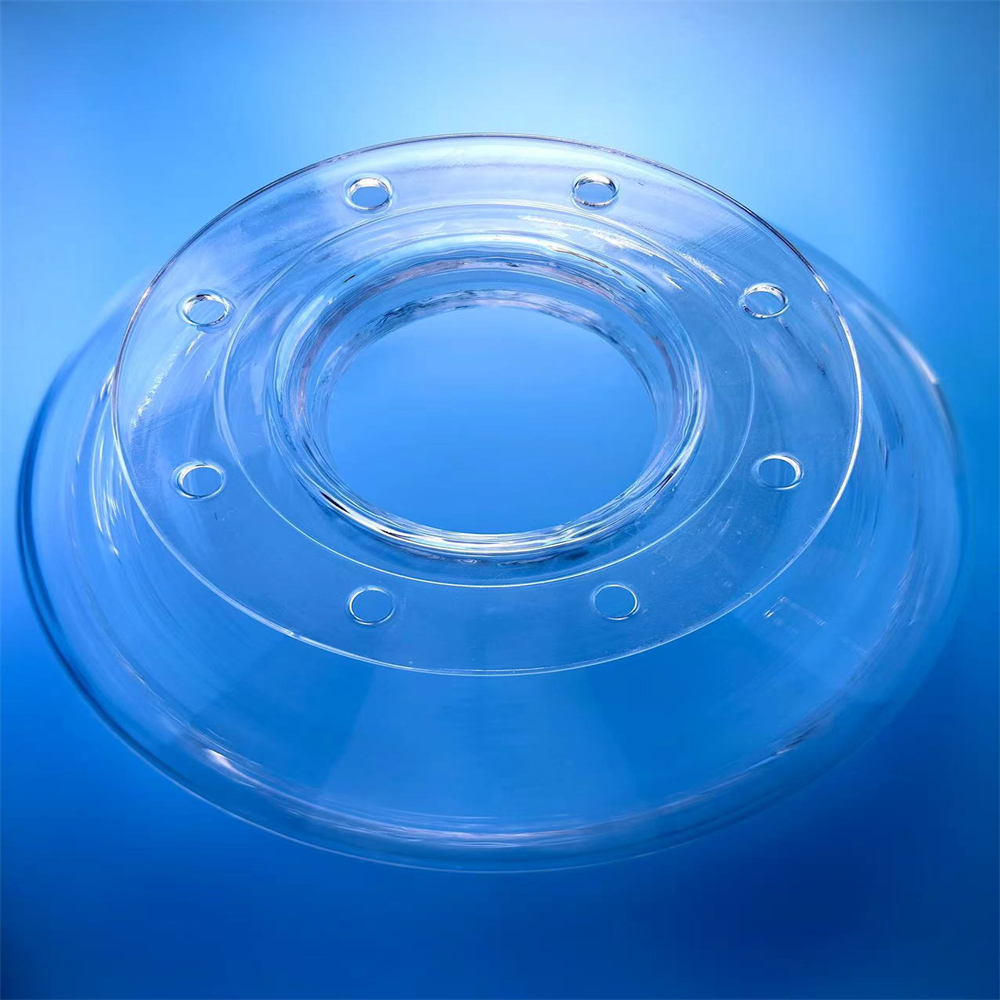
Twin Tube High Purity Flange Quartz Vacuum Assembly
Fused silica polished flange rings with integrated twin bores, delivering reliable high-vacuum coupling for environmental XRD chambers and CVD real-time phase change monitoring.
Explore Specifications →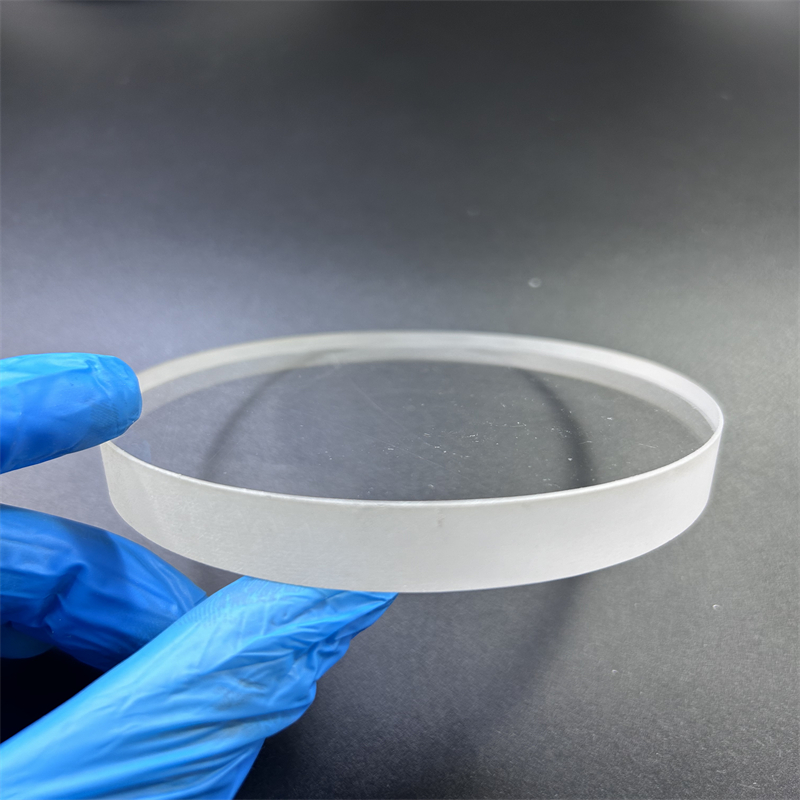
High Temperature Polished Fused Quartz Carrier Disc
High-flatness round quartz discs compatible with Bruker, Malvern Panalytical, and Rigaku XRD sample spinners. Chemically inert to organic solvents and harsh stripping acids.
Explore Specifications →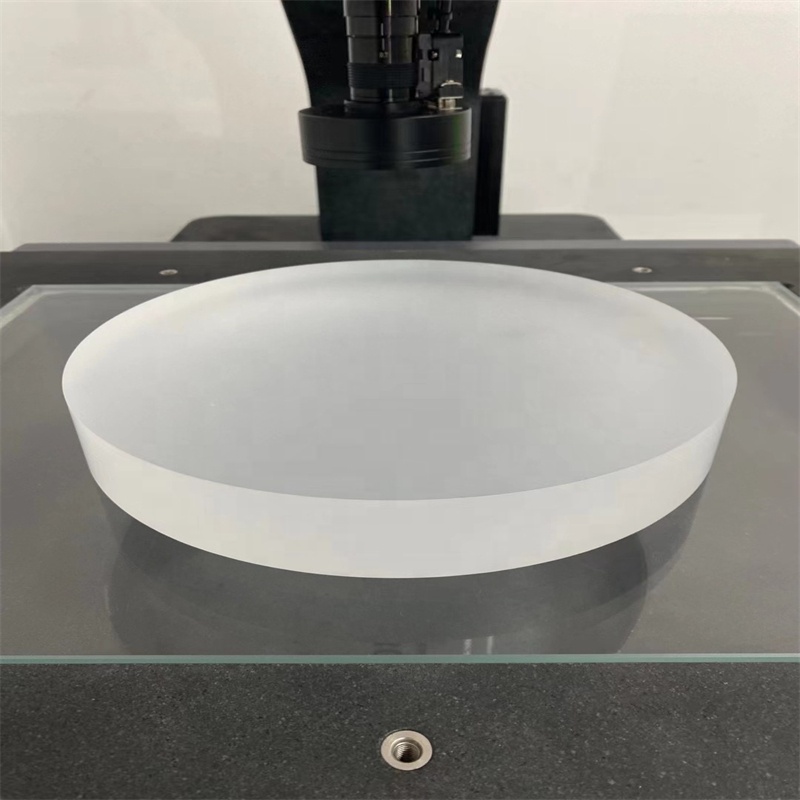
Clear Fused Quartz High-Temperature XRD Plate
Premium precision-ground rectangular and square quartz plates tailored for XRD goniometer stages. Micro-machined with internal cavity wells from 0.1mm to 1.5mm depths.
Explore Specifications →Technical Whitepaper: Crystallographic Optimization of Quartz in Modern X-Ray Diffraction
In quantitative and qualitative X-ray Powder Diffraction (XRPD) and Thin-Film Grazing Incidence X-Ray Diffraction (GIXRD), the sample carrier cannot be treated as a passive mechanical bracket. The substrate interacts directly with the primary incident X-ray beam (commonly Cu K-alpha, Co K-alpha, or Mo radiation), dictating signal-to-noise ratios, peak detection limits, and peak profile broadening.
The Zero-Background Principle: By accurately orienting single-crystal α-quartz along specific non-diffracting crystallographic planes (such as the [510] or [0001] cut with off-axis angle polishing), Bragg reflections are eliminated from the 2θ scanning quadrant (typically 5° to 90° 2θ). This suppresses the broad diffuse amorphous scatter hump characteristic of conventional borosilicate glass, allowing microgram-scale powder diffraction without baseline distortion.
For high-temperature in-situ dynamic diffraction chambers (such as Anton Paar HTK stages or Rigaku high-temperature attachments), amorphous high-purity fused silica (SiO₂ ≥ 99.99%) represents the gold standard substrate. With an ultra-low linear thermal expansion coefficient of 5.5 × 10⁻⁷ /K between 20°C and 1000°C, fused quartz prevents dimensional displacement of the sample surface along the goniometer focusing circle (Rowland circle). Misalignment errors (displacement Δ2θ = -2s·cosθ / R) are kept below instrument detection limits.
| Physical / Chemical Property | High-Purity Fused Quartz (Zelvo Standard) | Zero-Background Single Crystal Quartz | Standard Borosilicate Lab Glass |
|---|---|---|---|
| SiO₂ Purity Level | ≥ 99.99% (Ultra-low trace transition metals) | ≥ 99.999% Synthetic Single Crystal | ≈ 80% (Contains B₂O₃, Na₂O, Al₂O₃) |
| Diffraction Baseline Profile | Low amorphous broad hump (2θ = 21°) | Zero background scatter (Flat baseline) | High amorphous diffuse halo across 15°–35° 2θ |
| Continuous Thermal Rating | 1100 °C (Short term up to 1300 °C) | 573 °C (Limited by α-β quartz phase transition) | 450 °C (Softens above 500 °C) |
| Thermal Expansion (CTE) | 5.5 × 10⁻⁷ / K (Thermal shock immune) | Parallel: 7.1 × 10⁻⁶ / K; Perpendicular: 13.2 × 10⁻⁶ / K | 33 × 10⁻⁷ / K |
| Trace Impurities (Al, Fe, Ti) | Al < 15 ppm, Fe < 1.0 ppm, Ti < 1.5 ppm | Total impurities < 5 ppm | Compound additives > 150,000 ppm |
| Chemical Stability | Resistant to concentrated HCl, HNO₃, H₂SO₄ | High resistance to universal solvents & acids | Susceptible to ion-leaching & alkaline etching |
Furthermore, our Donghai fabrication center deploys surface micro-milling and diamond abrasive planarization to guarantee surface roughness down to Ra < 1.0 nm. This prevents micro-shadowing effects at low grazing incidence angles (α < 0.5°), empowering precision metrology on atomic layer deposited (ALD) ultra-thin dielectric films.
Dallas–Fort Worth Application Scenarios for Advanced Quartz Carriers
The Dallas-Fort Worth metroplex has evolved into one of the most critical technology corridors in North America. From the semiconductor legacy of the "Silicon Prairie" to aerospace defense manufacturing and energy transition laboratories, our high-precision XRD quartz carriers fulfill rigorous analytical requirements across regional operations.
Semiconductor Metrology & Compound Fabs
Across Richardson's Telecom Corridor and the expanding wafer manufacturing facilities in Sherman and Dallas, compound semiconductors (GaN-on-Si, SiC power devices, and GaAs RF circuits) demand accurate rocking curve XRD measurements. Zelvo's ultra-flat quartz carriers provide an absolute mechanical reference plane, eliminating goniometer z-axis misalignment during lattice-mismatch stress and epitaxial layer quality evaluations.
Aerospace & Defense High-Temp Coatings
In Fort Worth and Grand Prairie aerospace manufacturing clusters, testing thermal barrier coatings (TBCs) and ceramic matrix composites (CMCs) under operational turbine environments requires in-situ high-temperature XRD. Our 1100°C-rated fused quartz sample holders withstand rapid thermal cycling without devitrification, allowing structural characterization of yttria-stabilized zirconia (YSZ) phase transitions under oxidizing atmospheres.
Energy, Catalysis & Carbon Capture
Serving petrochemical research labs and carbon capture utilization and storage (CCUS) projects rooted in Texas energy infrastructure, our BET chemisorption twin-tubes and XRD quartz holders evaluate catalytic metal dispersion and zeolitic catalyst aging. Unaffected by sulfuric vapors and acid regeneration cycles, our 99.99% SiO₂ glass prevents spurious chemical contamination in catalytic surface science.
Academic & Nanotechnology Research
From the Cleanroom Facilities at the University of Texas at Dallas (UTD) to research suites at SMU and UT Arlington, academic teams working on solid-state batteries, 2D MXenes, and metal-organic frameworks (MOFs) utilize our custom micro-cavity quartz plates. Cavities as shallow as 0.2mm allow researchers to gather clean crystallographic data from milligram quantities of newly synthesized nanomaterials.
Market Trends Shaping Crystallography Procurement in North Texas
The materials characterization landscape in North Texas is experiencing unprecedented shifts. Driven by the CHIPS and Science Act and private capital investments across the I-35 corridor, regional procurement officers and laboratory directors are restructuring their consumables sourcing pipelines:
1. Accelerating Shift to Operando & In-Situ Analysis
Standard room-temperature powder XRD is no longer sufficient for modern materials development. Labs across Dallas are shifting to in-situ environmental chambers where battery cathodes, hydrogen catalysts, and dielectric thin films are analyzed while undergoing thermal and electric stress. This transition has rendered conventional glass and metal holders obsolete, generating huge demand for engineered fused silica capable of surviving 1000°C+ thermal shock.
2. Direct-from-Manufacturer Factory Engagement
Traditional domestic catalog distributors in North America impose markup premiums of 200% to 400% on quartz consumables, while suffering from rigid minimum order tiers and inflexible catalog dimensions. Dallas research facilities are increasingly choosing direct international partnerships with specialized manufacturers like Zelvo Quartz, securing single-piece prototype agility alongside substantial bulk cost savings.
3. Rigorous Contamination Control Standards
As semiconductor packaging steps into 3nm and beyond, trace alkali metal contamination (sodium, potassium, lithium) from analytical holders can migrate into cleanroom vacuum chambers, poisoning secondary processes. Laboratories in the Telecom Corridor now specify ICP-MS certified quartz materials containing less than 1 ppm total alkali metals, a threshold strictly audited across our furnace runs.
Why Dallas Metrology Engineers Partner with Zelvo Quartz
Lianyungang Zelvo Quartz Products Co., Ltd. bridges high-purity natural silica reserves with cutting-edge optical fabrication. Located in Donghai County, China's "Crystal Capital", our dedicated workshops provide turnkey manufacturing from raw ingots to micron-toleranced analytical holders.
Donghai Raw Material Cluster
Positioned at the epicenter of China's largest quartz purification hub, we select high-grade crystalline feedstock with natural chemical purity. Our fused silica ingots undergo multi-stage magnetic separation, acid leaching, and vacuum electric-arc melting to ensure uniform optical density and bubble-free matrices.
Micron-Tolerance CNC Machining
Equipped with 5-axis ultrasonic CNC milling centers, picosecond laser drilling tables, and double-sided lapping machines, we achieve dimensional tolerances down to ±0.02 mm. Whether creating stepped circular wells, micro-channels, or angled edge bevels for automated sample changers, our tooling satisfies exact CAD drawings.
DFW Direct Express & DDP Logistics
We provide full door-to-door Delivered Duty Paid (DDP) logistics into the Dallas–Fort Worth area. Consignments are packed using vacuum sealed anti-static wrapping, shock-absorbing high-density polyethylene cradles, and reinforced export plywood crates, guaranteeing zero transit micro-fractures directly into your lab.
Frequently Asked Questions by Dallas Procurement Specialists
Technical, logistical, and commercial inquiries addressed for university researchers, fab facility buyers, and laboratory managers across North Texas.
Q1 How do your XRD quartz sample carriers eliminate the amorphous background hump in low-angle diffraction (2θ < 20°)?
For applications where low-angle diffuse scatter must be eliminated (such as investigating clay minerals, mesoporous silicas, or organic pharmaceuticals), we supply custom Zero-Background Plates (ZBPs) cut from synthetic single-crystal quartz along crystallographically non-diffracting planes (typically [510] or [0001] cut). Unlike fused quartz which retains a subtle amorphous halo centered near 2θ ≈ 21°, single-crystal ZBPs generate zero coherent Bragg scattering across the scan axis when aligned on a parallel or Bragg-Brentano goniometer.
Q2 What are the lead times and shipping routes for custom-machined quartz parts sent to Dallas, Texas?
Standard catalog dimensions (such as 25mm discs or 1-inch square slides) are dispatched from inventory within 48 hours. Custom drawing-based parts (requiring laser pocket milling, precision beveling, or capillary welding) typically require 7 to 10 working days for CNC fabrication and optical polishing. Air express shipments (via DHL/FedEx/UPS directly into Dallas/Fort Worth International Airport - DFW) take approximately 3 to 5 business days for door-to-door delivery. We handle all customs formalities under DDP terms.
Q3 Can you manufacture custom-depth recessed wells for micro-gram or radioactive/toxic powder containment?
Yes. Our ultrasonic CNC and picosecond laser milling systems allow us to machine cavity depths from 0.05 mm (50 microns) up to several millimeters with flat bottom parallelism of ±0.01 mm. Recessed wells are widely used in Dallas research facilities to analyze tiny specimen volumes without powder blow-off under helium/vacuum purged goniometer paths, or for containment sealing with Kapton/Mylar thin films.
Q4 How do your fused quartz sample holders perform under in-situ high-temperature XRD conditions up to 1100°C?
Our fused quartz components are produced from 99.99% SiO₂ with exceptional devitrification resistance. In inert (N₂, Ar) or reducing (H₂/Ar) atmospheres, they operate continuously at 1100°C and can withstand transient thermal peaks up to 1300°C without mechanical sagging or loss of structural integrity. Because the thermal expansion coefficient is exceedingly low (5.5 × 10⁻⁷ /K), sample height displacement errors on the goniometer focus plane remain virtually undetectable.
Q5 What documentation, material traceability, and purity reports do you provide for semiconductor compliance?
Every industrial shipment to Texas semiconductor fabs or university cleanrooms is accompanied by a Certificate of Conformance (CoC), dimensional inspection reports with micrometer verification, and spectral transmission curves upon request. We can also provide Glow Discharge Mass Spectrometry (GDMS) or ICP-OES trace impurity analysis documenting total metal contamination levels down to sub-ppm metrics.
Q6 Are your quartz carriers compatible with major commercial diffractometers (Bruker, Panalytical, Rigaku)?
Yes. We manufacture drop-in replacement discs, rectangular carriers, and sample rings that conform precisely to OEM specifications, including Bruker D8 Advance/Discover (standard 25mm, 30mm, 51.5mm rings), Malvern Panalytical Empyrean/Aeris (standard 27mm and 32mm stages), Rigaku SmartLab/Miniflex, and Anton Paar high-temperature environmental stages. Custom outer diameters, indexing notches, and flange bevels can be fabricated from your technical sketches.
Q7 What is your policy on Minimum Order Quantities (MOQ) for experimental or custom-geometry prototypes?
We uphold a flexible 1-piece MOQ for custom-machined plates, slotted substrates, and flanged laboratory quartz apparatus. We recognize that advanced academic research and industrial R&D require single-piece experimental proofing before scaling up to batch production. Bulk volume discounts automatically apply for recurring laboratory consumables, sample changer carousel sets, and replacement tube inventories.
Q8 How do you prevent breakage and surface scratching during international transit?
Quartz substrates and XRD sample carriers are cleaned via multi-stage ultrasonic degreasing, sealed in dust-free nitrogen-flushed poly-bags, and encased within individual high-density slotted sponge cassettes. Outer packaging uses heavy-gauge corrugated cartons reinforced with corner protectors, or custom export-grade wooden crates lined with 50mm shock-damping foam, ensuring 100% damage-free delivery into North Texas facilities.
Accelerate Your Crystallography & Materials Metrology Research
Collaborate directly with Donghai's leading fused quartz engineering team. Send us your CAD drawings, dimensional specifications, or temperature parameters, and receive a comprehensive technical feasibility review and competitive quote within 2 hours.
Contact Us