High-Purity Quartz Glass Components for Industrial Precision
Manufactured from ≥99.99% SiO₂ fused silica, supporting prototype development (MOQ 1 piece) to full container delivery for research and manufacturing infrastructure across Aalborg and Jutland.
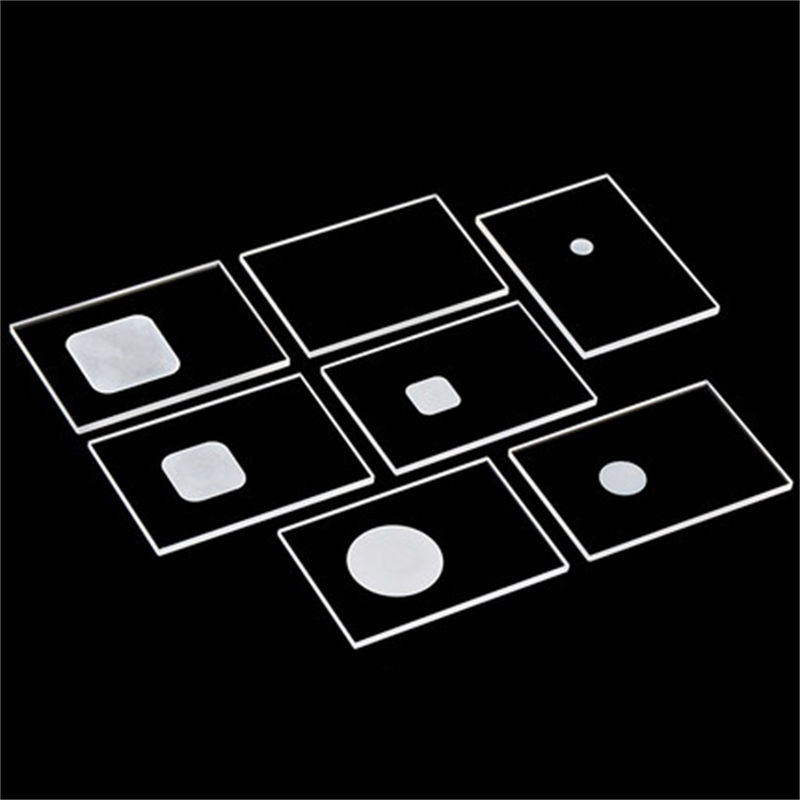
High Temperature Fused Quartz Glass Sheet for XRD Sample Tank Testing
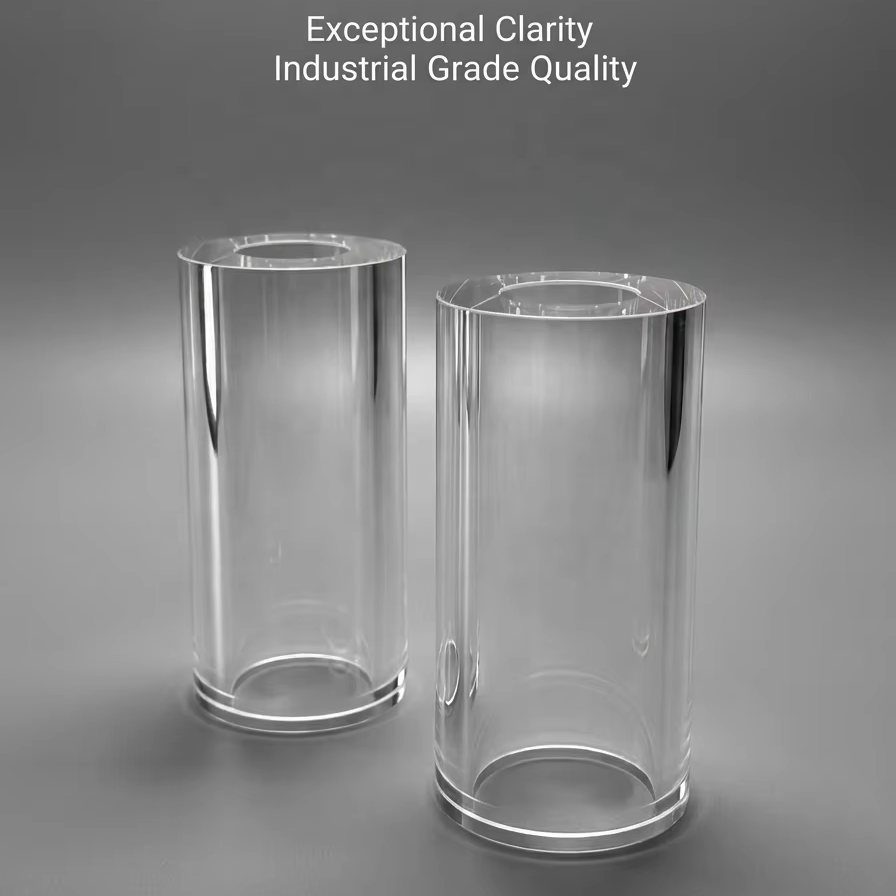
Both Ends Polished High Purity Transparent Quartz Twin Tube
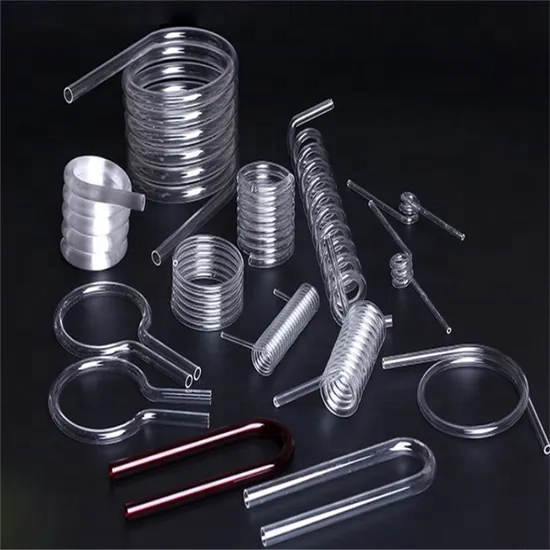
Custom Different Sizes U-Bent Quartz Glass Spiral Tube
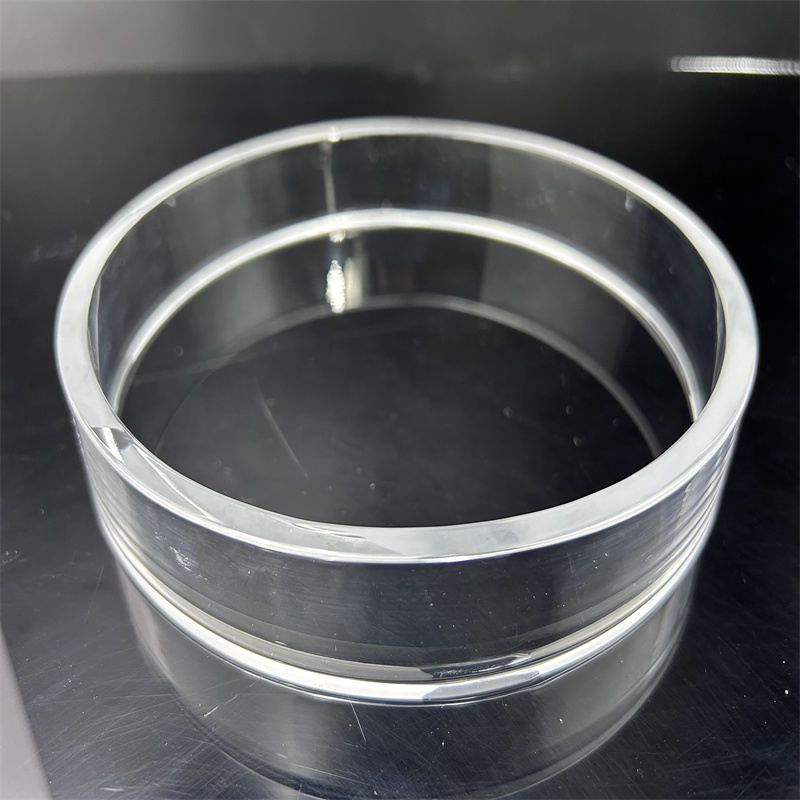
High Transparent Corrosion-Resistant Quartz Glass Bell Jar
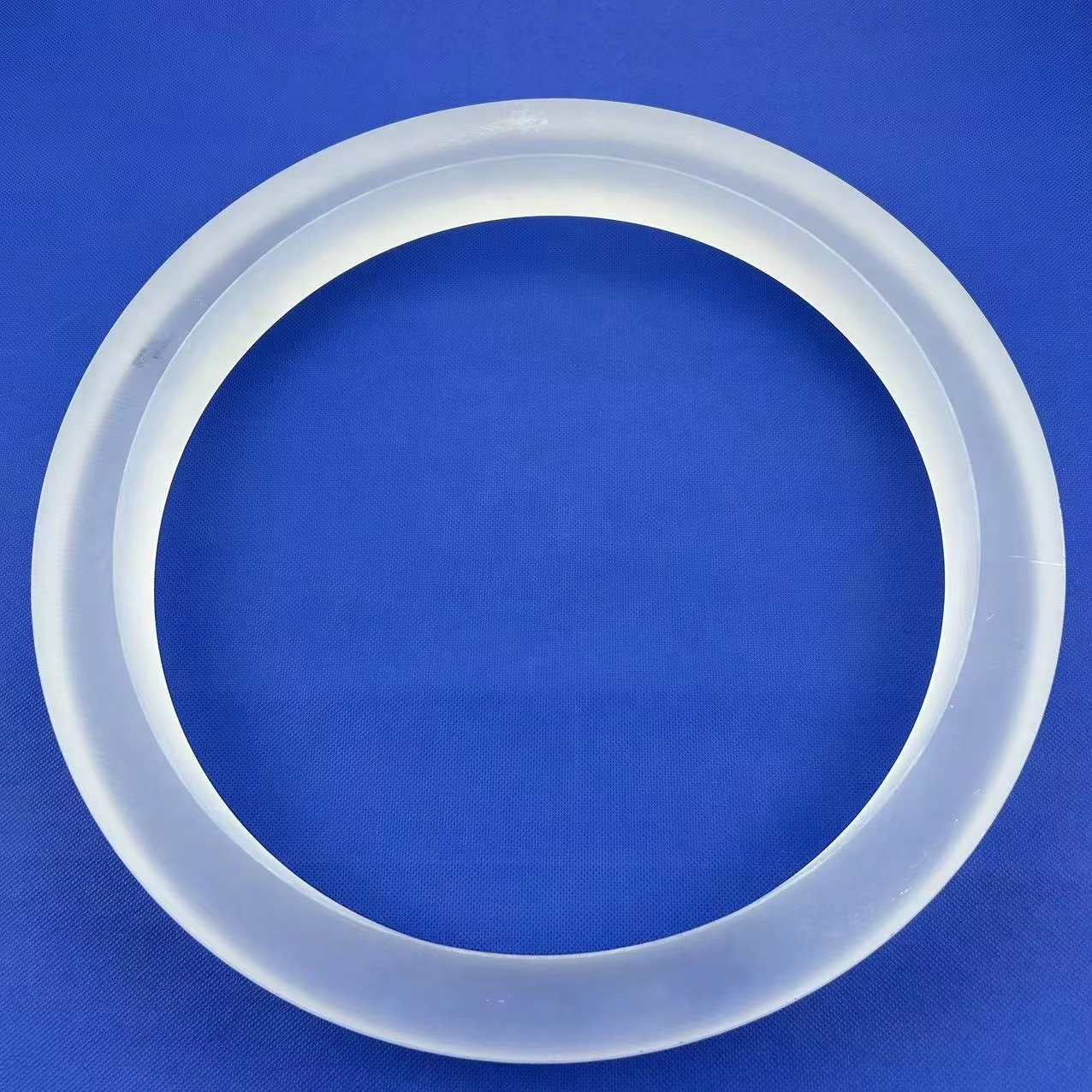
Custom Coated 99.99% Pure Quartz Rings for Semiconductor CVD
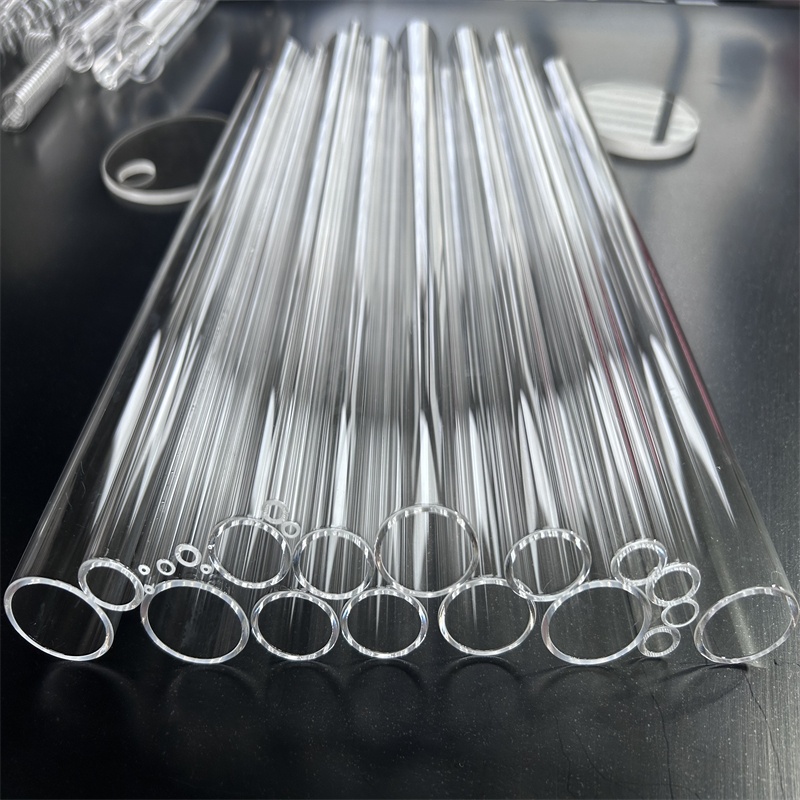
High Temperature Clear 99.99% Pure Fused Quartz Twin Tube
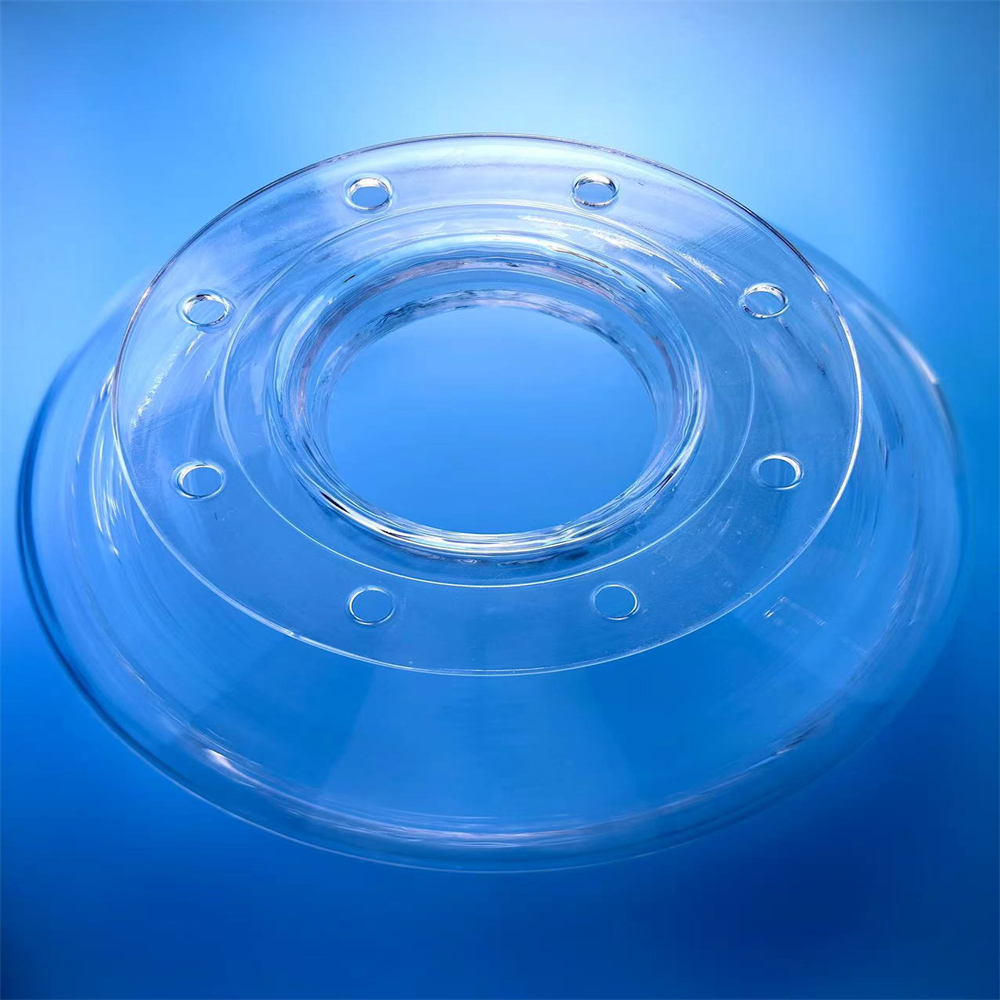
Flanged High Purity Fused Quartz Tube with Polished Ring
High Temperature Clear Transparent Optical Grade Quartz Glass
Technical Whitepaper: Engineering Criteria for U-Bent Quartz Glass Tubes in Hostile Environments
In high-performance industrial and research applications across Denmark, specifically within the municipal and industrial clusters surrounding Aalborg and the greater Limfjorden region, the requirement for robust fluid handling and radiant transmission in corrosive, high-thermal environments is paramount. Unlike straight fused silica tubes, a U-bent quartz glass tube introduces complex thermodynamic and geometrical considerations. The structural transition from a linear column to an engineered U-geometry accommodates thermal expansion along dual axes, mitigates mechanical strain at vessel connection ports, and permits continuous counter-flow heat or photochemical exchange within space-constrained chambers.
Standard borosilicate glasses collapse under continuous operating temperatures above 500°C and demonstrate catastrophic failure when subjected to abrupt thermal differentials. In contrast, fused quartz (≥99.99% amorphous silicon dioxide, SiO₂) exhibits an exceptionally low coefficient of linear thermal expansion (5.5 × 10⁻⁷ /K between 20°C and 320°C). This allows U-tubes to withstand cyclic exposure up to 1100°C continuously, with short-term resistance reaching 1300°C. For industrial facilities situated along the Port of Aalborg (Aalborg Havn), such thermal shock immunity is vital for inline gas monitoring, marine scrubber sensor conduits, and UV disinfection ballasts where seawater or cold process liquids may interact near high-temperature elements.
Geometry Integrity, Wall Thinning Control, and Annealing Kinetics
A fundamental challenge in the production of export-grade U-bent quartz tubes is managing the wall-thinning ratio along the outer bend radius (Extrados) and preventing wrinkling or diameter compression on the inner bend radius (Intrados). During CNC-assisted oxy-hydrogen flame manipulation, the molten silica must maintain a tight temperature window between 1650°C (forming viscosity) and 1750°C (evaporation boundary). Zelvo Quartz enforces stringent mathematical modeling for every custom bend:
- Wall Uniformity Index: Outer wall thickness retention of ≥82% of initial nominal tube wall thickness ($T_{min}/T_{nom} \ge 0.82$).
- Ovality Tolerances: Cross-sectional ovality along the bend zone maintained strictly within <4.5% to ensure unobstructed hydraulic or photonic flow.
- Stress Birefringence Relief: Mandatory post-forming annealing at 1150°C to 1215°C with slow, programmed thermal decay, fully neutralizing residual mechanical stress fields detectable under cross-polarization inspection.
- Leg Parallelism & Centerline Pitch: Center-to-center leg distance ($C/C$) calibrated within ±0.25 mm, enabling seamless flange coupling into stainless-steel or PTFE reactor manifolds.
| Material Classification | SiO₂ Purity | Softening Point | Max Continuous Temp | Thermal Shock (ΔT) | Hydroxyl [OH⁻] Content | Optical Transmission (254nm) |
|---|---|---|---|---|---|---|
| High-Purity Fused Quartz (Zelvo Standard) | ≥ 99.99% | 1683 °C | 1100 °C | 1100 °C to 20 °C Water Quench | < 20 ppm (Standard) / < 5 ppm (Dry) | ≥ 90% (Optical Class) |
| Semiconductor Synthetic Silica | ≥ 99.9999% | 1730 °C | 1200 °C | 1200 °C to 20 °C Water Quench | < 1 ppm (Ultra-Low) | ≥ 92% (Deep UV / Excimer) |
| Ozone-Free UV Fused Quartz | ≥ 99.99% + Ti Doped | 1675 °C | 1050 °C | 1000 °C to 20 °C Water Quench | < 30 ppm | Blocks <220nm / High at 254nm |
| Borosilicate Glass 3.3 (Benchmark) | ≈ 81.0% | 820 °C | 450 °C | Max 150 °C Differential | N/A (Multi-component) | Opaque below 310 nm |
Precision Quartz Applications Across the Aalborg Industrial Axis
Tailored component engineering engineered specifically to meet the environmental and regulatory constraints of North Jutland's maritime clean-tech, green fuel synthesis, and industrial manufacturing sectors.
Maritime Clean-Tech & Scrubbers
Aalborg serves as a premier engineering hub for global maritime auxiliary equipment (e.g., marine boilers, exhaust gas recirculation, and sulfur scrubber systems). U-bent quartz tubes act as optical measurement sight glasses and gas sampling loops exposed to hot acidic exhaust (SOx, NOx) and salt-laden marine atmospheres.
Power-to-X & Green Hydrogen
North Jutland is at the epicenter of Danish PtX projects, converting offshore wind energy into e-methanol, ammonia, and green hydrogen. Our U-bent quartz tubes function as reaction manifolds in high-temperature solid oxide electrolyzer cells (SOEC) and catalytic micro-reactors demanding pure non-reactive surfaces.
Cement & Mineral Kiln Pyrometry
Home to landmark mineral and cement infrastructure (including white cement leader Aalborg Portland), the region requires robust optical access to 1450°C rotary clinker kilns. U-shaped cooling-jacketed quartz conduits shield sensitive pyrometer optics from intense radiant heat and abrasive calcination particulates.
Aalborg University (AAU) R&D
Researchers at AAU Energy and the Department of Chemistry & Bioscience push boundaries in biomass gasification, fuel cell validation, and photochemical water purification. We provide bespoke 1-piece prototypes manufactured directly from CAD sketches with rapid European air dispatch.
North Denmark Green Transition Trends: Impact on Quartz Component Procurement
Denmark's legally binding mandate under the Danish Climate Act to slash greenhouse gas emissions by 70% by 2030 (relative to 1990 levels) and reach complete carbon neutrality by 2045 has initiated a radical re-engineering of industrial infrastructure across Northern Jutland. Aalborg is leading this paradigm shift through concentrated investments in Carbon Capture and Storage (CCS), municipal district heating electrification via mega-scale heat pumps, and hydrogen transport infrastructure connecting the Limfjord corridor with central European export pipelines.
This green transition directly dictates technical requirements for industrial glass and ceramics. Procurement specialists and mechanical design teams in Aalborg are transitioning away from high-maintenance metal alloys in aggressive acidic or oxidative gas streams, replacing them with ultra-pure fused quartz. Quartz glass eliminates metal ion leaching in sensitive electrolysis processes and tolerates the extreme thermal swings inherent in intermittent renewable-powered heating systems.
Project Greensand and local carbon capture test benches utilize specialized U-bent and helical quartz reaction tubes to evaluate amine-based absorption and high-temperature catalytic desorption under direct UV or IR illumination.
Strict IMO limits on marine sulfur and ballast water invasive species mandate UV-C reactors operating at 254nm. U-bent quartz lamp jackets optimize photonic density within compact naval engine rooms while resisting 16-bar hydrodynamic surges.
Danish equipment manufacturers are increasingly bypassing local multi-tier distributors in favor of direct-from-source relationships with verified quartz manufacturers, shortening lead times for specialized geometric builds from months to weeks.
Factory-Direct Purity, Precision Engineering, and European Export Logistics
Headquartered in Donghai County, Jiangsu—China's recognized "Crystal Capital"—Lianyungang Zelvo Quartz Products Co., Ltd. combines raw mineral dominance with precision glass-forming craftsmanship.
99.99% SiO₂ Purity Control
Direct access to premium silica concentrates ensures trace metallic impurities (Fe, Al, Ti, Na, K, Li) are maintained under 20 ppm total. This suppresses devitrification risk, prevents optical discoloration, and safeguards your processes from catalyst poisoning.
Advanced Finishing & CNC Bending
Beyond standard straight drawing, our workshop features proprietary horizontal flame lathes, multi-axis laser cutting, precision hole drilling, slotting, and flame fire-polishing. We effortlessly form compound U-bends, twin-bore assemblies, and polished flange unions.
Dedicated Engineering Support
Consult directly with quartz glass specialists holding over 10 years of hands-on fabrication experience. We review 2D/3D CAD drawings (STEP, DWG, PDF) within 2 hours, offering actionable Design for Manufacturability (DFM) feedback on wall thickness and bend radii.
Damage-Free Global Logistics
Engineered packaging protocols utilizing custom multi-density polyethylene suspension foam, moisture barrier wrap, and fumigated plywood structural crates. Full DDP shipping direct to your facility in Aalborg, Aarhus, or Copenhagen with zero-break guarantee.
Frequently Asked Questions by Danish & Nordic Buyers
Everything Aalborg technical purchasers, plant maintenance supervisors, and academic researchers need to know about specifications, certifications, logistics, and testing.
What are the exact logistics routes and transit durations from your factory to Aalborg?
How do you manage Danish customs, VAT (Moms), and EU compliance declarations?
Can you produce U-bent tubes with non-standard bend radii or compound helical configurations?
What dimensional tolerances and quality inspections are documented prior to export?
How does fused quartz perform under direct thermal quenching in cold seawater environments?
What is the minimum order quantity (MOQ), and do you support single-piece prototyping?
What chemical environments will cause degradation or etching of fused quartz?
How do you guarantee that fragile quartz tubes arrive intact in Denmark?
Accelerate Your Engineering Project in Aalborg with Direct Factory Expertise
Whether you are retrofitting marine scrubbers along the Limfjord, designing advanced Power-to-X reactors, or requiring bespoke research quartzware for Aalborg University, our sales engineering team provides instant feasibility reviews, material optimization, and guaranteed lead times.