Featured UV Quartz Sleeves & Reactor Enclosures
Every component is produced from optical-grade ≥99.99% SiO₂ fused silica, offering up to 92% internal transmittance at 253.7 nm UV-C germicidal wavelengths with custom flanging, dome sealing, and fire-polished edges.
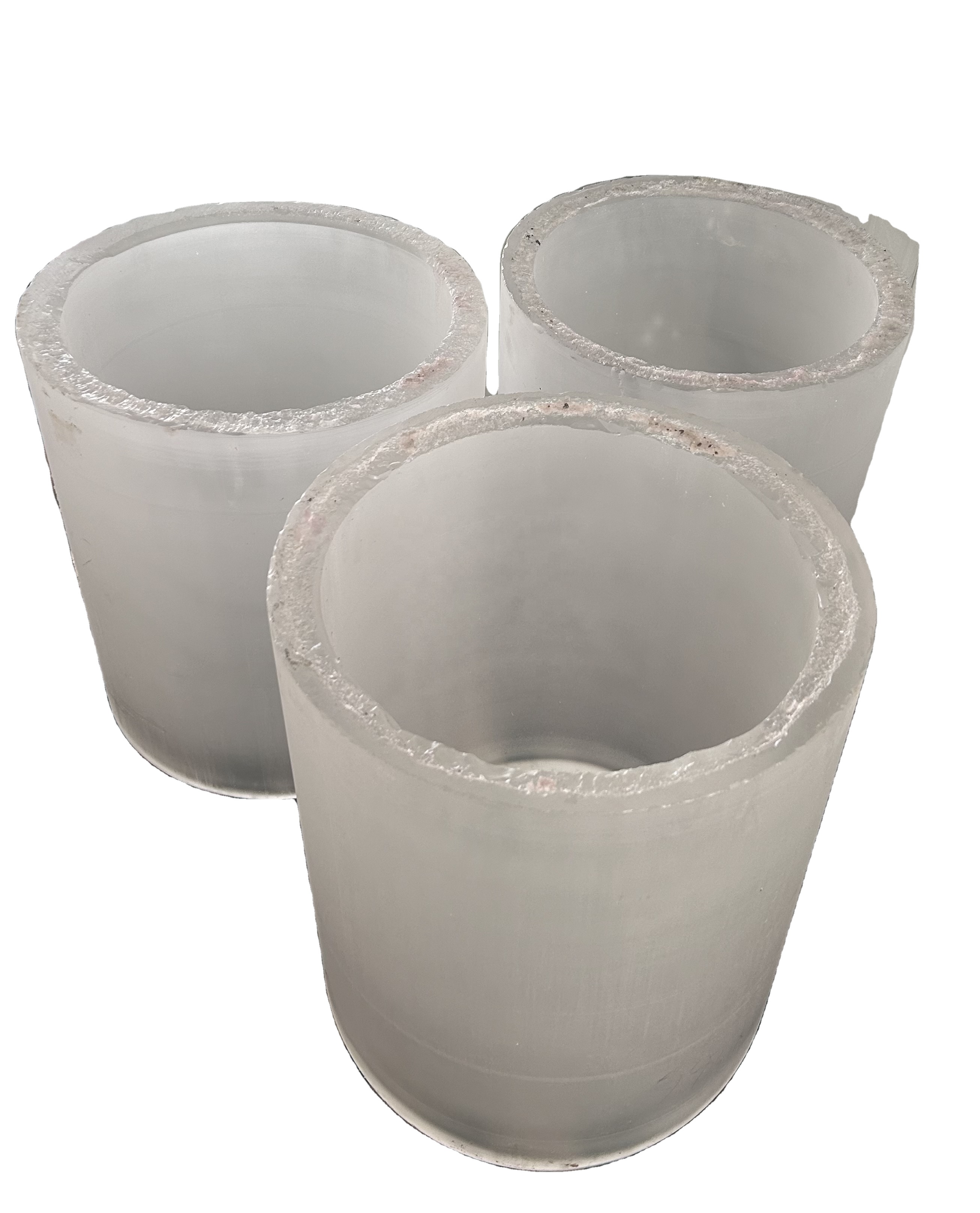
Open Ended Fused Quartz Frosted Glass Cylinder Ingot
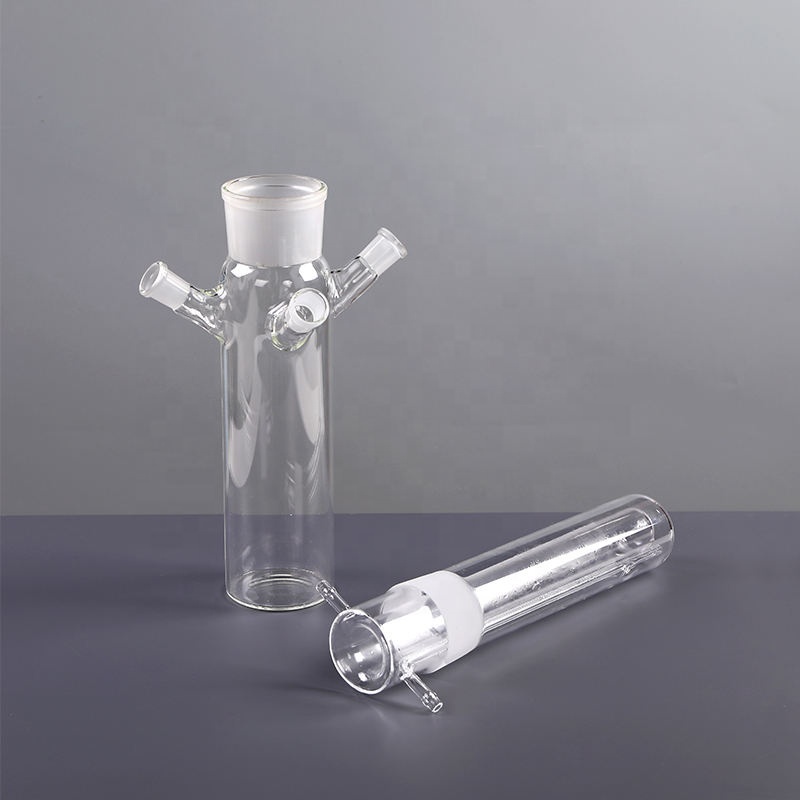
High-Purity Quartz Photocatalytic Degradation Reactor
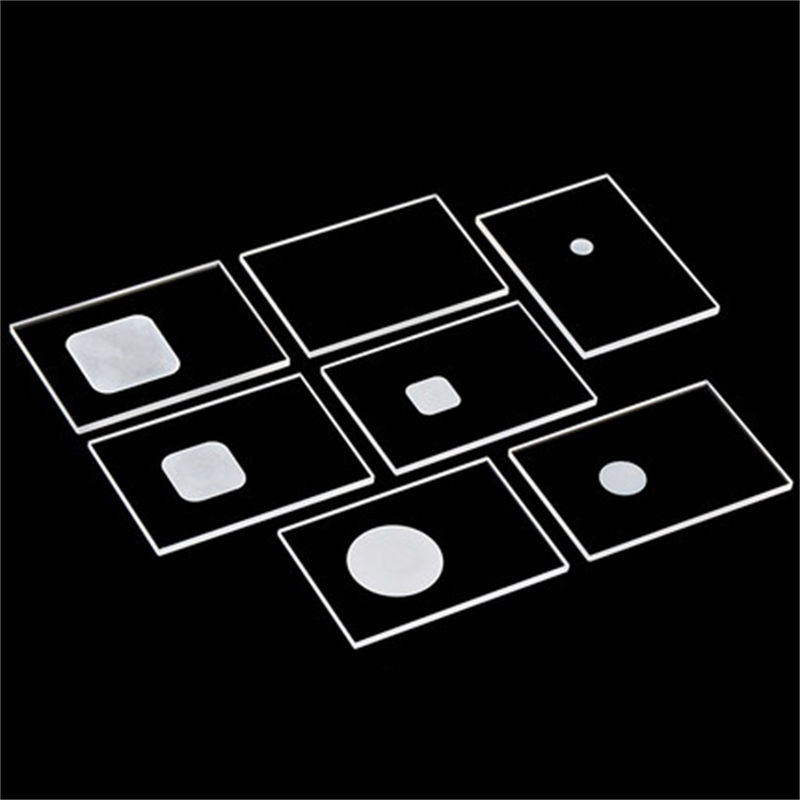
High-Temp Fused Quartz Optical Carrier Sheet (1100°C)
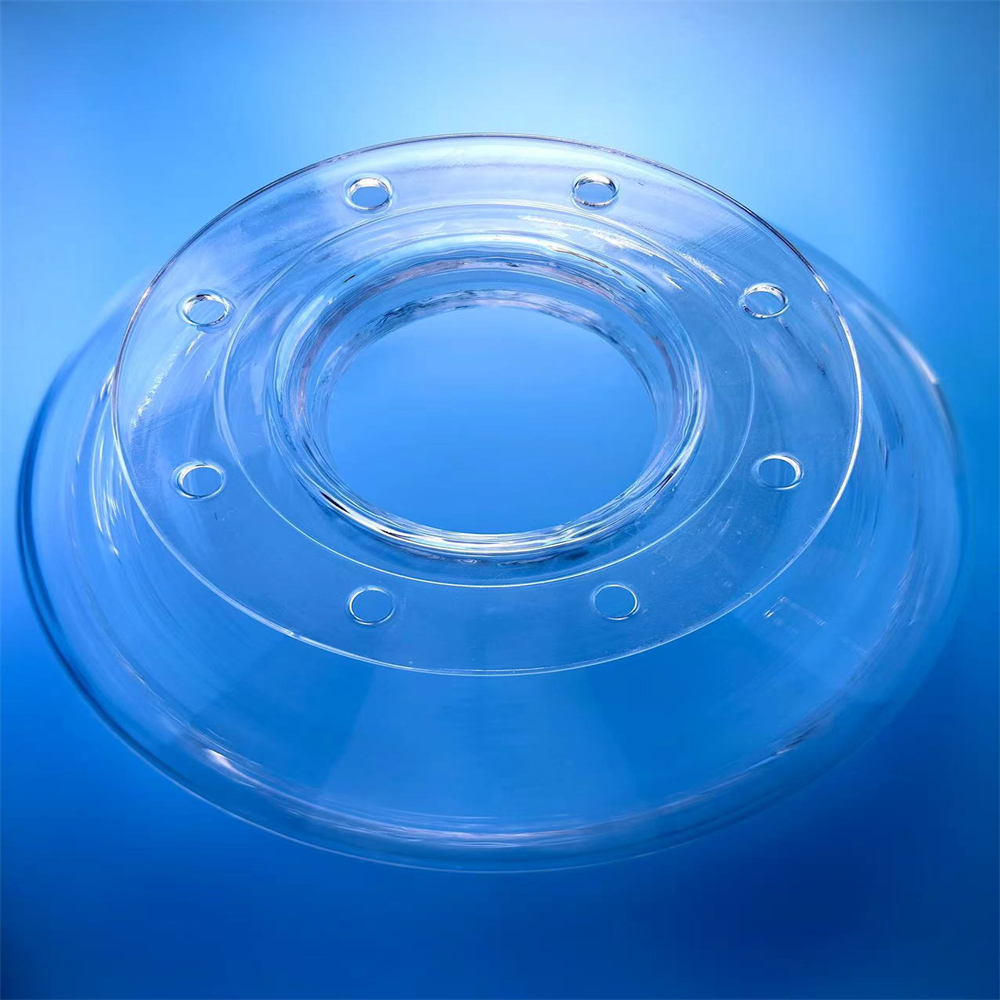
Clear High-Purity Twin Quartz Tube with Welded Flange
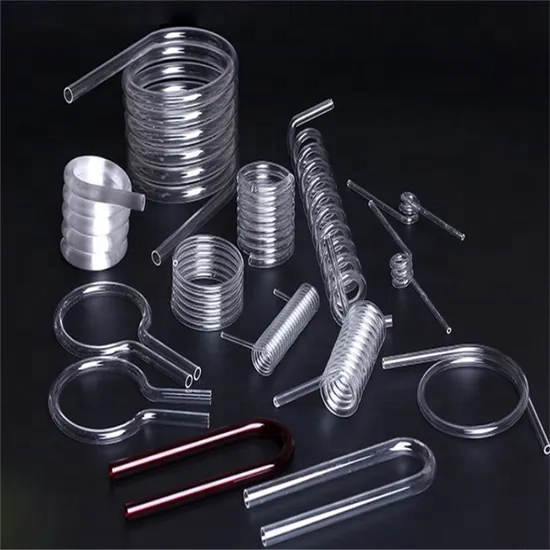
Custom U-Bent & Spiral Quartz Glass Reactor Assembly
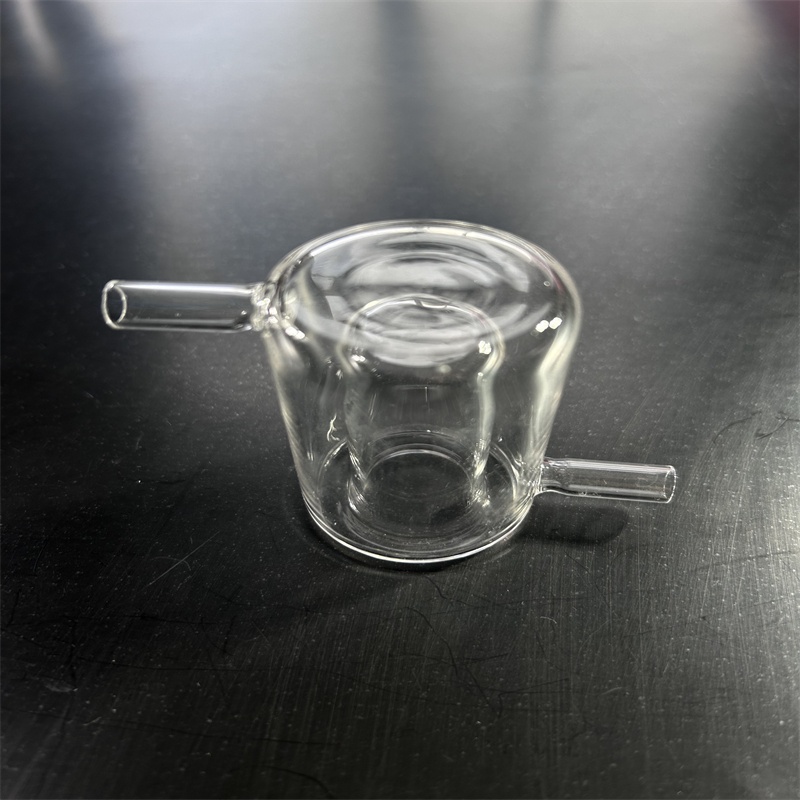
99.99% Pure Ozone-Free High-Temp Twin Sleeve Reactor
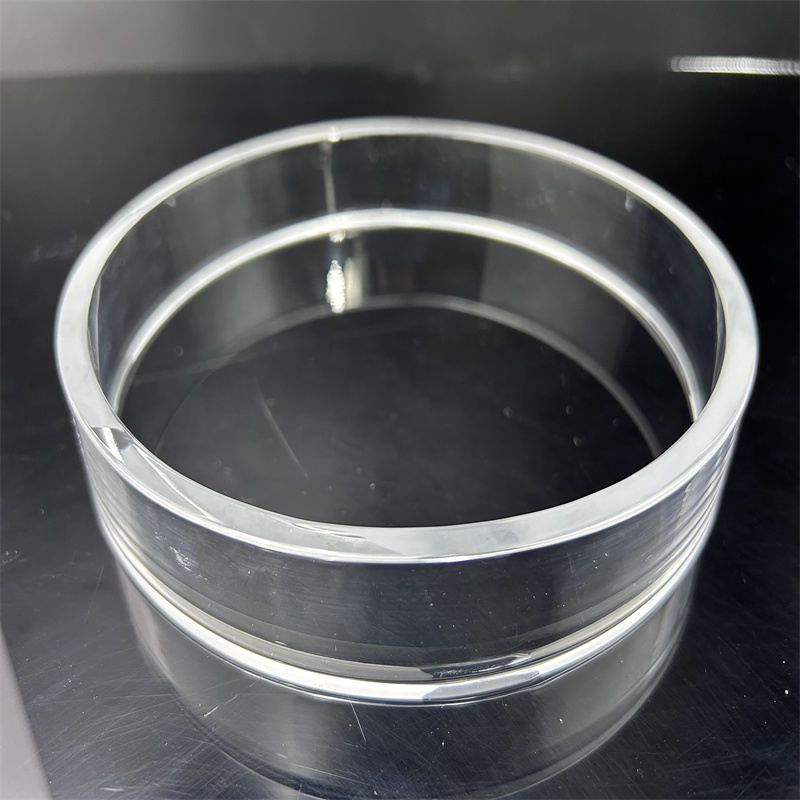
Corrosion-Resistant Fused Quartz Chamber Bell Jar
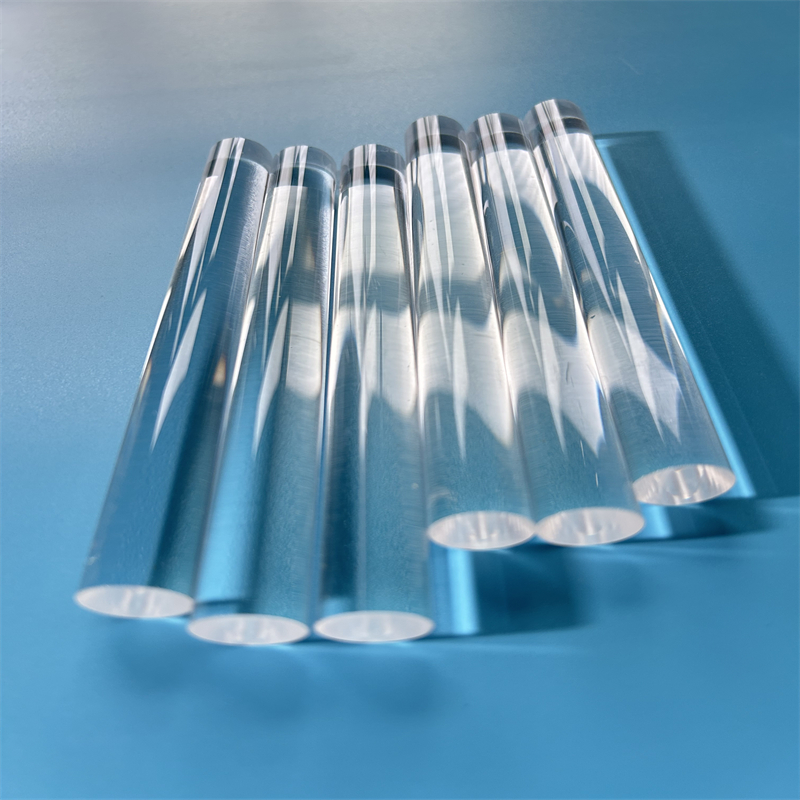
Optical Quartz Light Guide Cylinder Rod (99.99% SiO₂)
Technical Evaluation of UV Quartz Sleeves for Central Indiana Municipal & Industrial Systems
Ultraviolet disinfection and advanced oxidation processes (AOP) have become critical technological pillars across Indiana's municipal water treatment landscape, pharmaceutical manufacturing corridors, and heavy industrial facilities. At the core of every high-performance UV disinfection system lies a critical, consumable boundary element: the fused quartz sleeve. This precision-engineered barrier isolates the electrical arc discharge of low-pressure high-output (LPHO) or medium-pressure (MP) mercury-vapor lamps from incoming liquid streams while ensuring maximum transmission of germicidal photons within the UV-C spectral window (200 nm to 280 nm).
For operations managers and procurement engineers in the greater Indianapolis region—encompassing Marion County, Hamilton County, Hendricks County, and the broader White River drainage basin—selecting the appropriate quartz sleeve material is not merely a dimensional replacement task. It dictates long-term pathogen inactivation kinetics, log-reduction compliance, electrical power efficiency, scaling resistance against regional hard-water minerals, and maintenance lifecycle overhead.
Material Classifications: Fused Quartz (Type II) vs. Synthetic Fused Silica (Type III)
A primary failure point in industrial UV procurement is conflating generic optical quartz with application-specific vitreous silica. In municipal and high-flux industrial environments, quartz sleeves fall strictly into two metallurgical and chemical categories:
1. Natural Fused Quartz (GE 214 Equivalent): Fabricated via the thermal fusion of natural high-purity crystalline quartz sands mined in Donghai County or Spruce Pine. The material features an SiO₂ concentration of ≥99.99%. Its typical transmission at the critical germicidal peak of 253.7 nm reaches 88% to 90% through a standard 1.5 mm wall thickness. It exhibits superior structural rigidity, high softening points (~1683°C), and exceptional mechanical hoop strength under high hydraulic flow dynamics.
2. Synthetic Fused Silica (UV-Grade / VUV Transmissive): Synthesized via the vapor-phase hydrolysis of high-purity silicon tetrachloride (SiCl₄). Free from metallic trace impurities (aluminum, iron, titanium, alkali metals < 0.1 ppm), synthetic fused silica exhibits unmatched deep-UV optical transmission, registering up to 92% to 94% transmission at 254 nm and sustaining exceptional transmissive efficiency at 185 nm. This allows intentional photolysis of ozone or hydroxyl radical production for destructive PFAS/PFOA remediation and trace pharmaceutical destruction in pure water pharmaceutical loops.
| Physical / Optical Property | Natural Fused Quartz (Zelvo Standard) | Synthetic Fused Silica (VUV Grade) | Commercial Borosilicate Glass |
|---|---|---|---|
| SiO₂ Purity Grade | ≥ 99.99% | ≥ 99.9999% | ≈ 80% (plus B₂O₃, Na₂O, Al₂O₃) |
| UV-C Transmittance @ 253.7 nm (1.5mm wall) | 89.0% – 91.5% | 92.0% – 94.0% | < 0.5% (UV Blocking) |
| VUV Transmittance @ 185 nm (Ozone Generating) | Optional Doped (<1%) or Clear (≈65%) | ≥ 85% Optical Transparency | 0% |
| Thermal Expansion Coeff. (20°C–320°C) | 5.5 × 10⁻⁷ /°C | 5.0 × 10⁻⁷ /°C | 33.0 × 10⁻⁷ /°C |
| Thermal Shock Resistance | Instant Quench: 1100°C into 20°C H₂O | Instant Quench: 1150°C into 20°C H₂O | Cracks under ΔT > 160°C |
| Continuous Operating Temp | 1100°C | 1150°C | 450°C |
| Solarization Degradation Rate (12,000 hrs) | < 3.5% Transmission Loss | < 1.0% Transmission Loss | Severe Optical Browning |
| Hydroxyl (OH⁻) Ion Concentration | < 5 ppm – 30 ppm | 100 ppm – 1200 ppm (Controlled) | N/A |
Hydroxyl (OH⁻) Control and Solarization Mechanics
Solarization represents the gradual degradation of UV transmittance resulting from photochemical reactions within the glass matrix under continuous shortwave radiation. Trace contaminants such as Fe³⁺ or Ti⁴⁺ trap liberated electrons, forming color centers (such as E' centers) that attenuate 253.7 nm and 185 nm transmission over time. At Zelvo Quartz, precisely managed thermal annealing and controlled vacuum degassing reduce hydroxyl content to below 20 ppm in our low-OH product lines. This guarantees that installations across Indianapolis wastewater facilities sustain steady UV dose kinetics across multi-year cycles without premature sleeve replacement.
Burst Pressure and Structural Hydraulic Design
Submerged quartz sleeves installed within closed-vessel UV reactors must withstand substantial hydrodynamic pressures, hydraulic surges (water hammer), and vibration induced by turbulent cross-flow. The mechanical bursting pressure of cylindrical fused quartz tubes is governed by Lamé's thick-wall cylinder formulation:
P = S × (r_o² - r_i²) / (r_o² + r_i²)
Where:
P is internal bursting pressure (MPa), S represents the ultimate tensile strength of fused quartz (typically 48 to 50 MPa under ambient conditions), r_o is the outer radius, and r_i is the inner radius. For external hydraulic pressure (standard sleeve immersion), quartz exhibits compressive strength exceeding 1,100 MPa—more than twenty times its tensile strength. This ensures catastrophic crushing is practically impossible provided that mechanical point loads are isolated with calibrated fluoropolymer (PTFE/Viton) O-rings and precision wall concentricity is held within ±0.05 mm.
Localized Application Scenarios in Central Indiana
From municipal wastewater plants on the White River to the high-density pharmaceutical production facilities flanking Interstate 65, our quartz components power critical disinfection systems.
Municipal Water & Effluent
Indianapolis utilities—such as the massive Belmont and Southport Advanced Wastewater Treatment Facilities operated by Citizens Energy Group—treat hundreds of millions of gallons daily. Replacing seasonal chlorine contact basins with open-channel horizontal and vertical quartz sleeve banks neutralizes Cryptosporidium and Giardia cysts without generating dangerous trihalomethanes (THMs). Our fire-polished, custom-length sleeves (up to 2000 mm) withstand turbulent river discharge fluctuations while resisting hard mineral buildup.
Biopharma & Life Sciences
Central Indiana's biotechnology cluster, anchored by global pharmaceutical enterprises and specialized CDMOs along the I-65 and I-70 corridors, mandates strictly validated clean-in-place (CIP) and steam-in-place (SIP) sanitization loops. Our synthetic fused silica sleeves achieve Total Organic Carbon (TOC) reduction at 185 nm down to sub-ppb thresholds in USP-grade purified water (PW) and Water-for-Injection (WFI) generation loops, providing full material trace certification.
Automotive & Industrial Finishing
Indiana represents a premier automotive and industrial manufacturing hub. Advanced e-coating lines, robotic paint booths, and optical resin curing systems utilize high-intensity medium pressure UV mercury and gallium lamps. We supply specialized single-ended domed quartz jackets and twin-tube quartz emitters capable of handling severe thermal radiation loads without geometric sagging, bubble formation, or envelope cracking.
Emerging Technology Trends & Regulatory Shifts in Indiana
1. Stricter IDEM Regulations and Disinfection Byproduct Mitigation
The Indiana Department of Environmental Management (IDEM) continues to heighten enforcement regarding secondary disinfection residuals and carcinogenic chlorination byproducts. As environmental permits limit total residual chlorine (TRC) to non-detectable levels before discharging into sensitive tributaries such as Fall Creek and the White River, facilities must pivot to ultraviolet irradiation. This transition has escalated demand for non-standard, large-diameter quartz sleeves designed to retrofit older chlorine contact basins into high-flux pressurized or gravity-fed UV channels.
2. Advanced Oxidation Processes (AOP) for PFAS Destruction
Per- and polyfluoroalkyl substances (PFAS) represent an acute environmental priority across the Midwestern industrial belt. Traditional 254 nm germicidal UV lacks the bond-cleavage energy required to break high-strength carbon-fluorine bonds directly. Next-generation AOP reactors engineered for Indianapolis environmental projects combine high-flux 185 nm VUV emission with persulfate or hydrogen peroxide photolysis. This process generates massive quantities of sulfate ($SO_4^{\bullet-}$) and hydroxyl ($^{\bullet}OH$) radicals. These systems require custom synthetic fused silica reaction chambers and dual-barrier sleeves featuring near-zero 185 nm attenuation and rigorous pressure tolerance.
3. Adoption of Hybrid UV-LED and High-Output Amalgam Upgrades
Energy optimization initiatives driven by regional municipal utilities have expedited the retirement of legacy medium-pressure arc systems in favor of variable-power low-pressure high-output (LPHO) amalgam lamps. Because amalgams operate at elevated glass envelope temperatures (approximately 90°C to 120°C optimum mercury-indium cold spot temperature), the geometric precision of the surrounding quartz sleeve is paramount. Irregular wall thicknesses produce uneven thermal dissipation, destabilizing lamp efficiency. Zelvo Quartz provides ultra-precise dimensional control (±0.05 mm wall uniformity), ensuring uniform thermal equilibrium across varying winter and summer water temperatures.
4. Mitigation of Supply Chain Disruptions via Direct Engineering Channels
Over the past three years, maintenance managers in Indiana have faced extended OEM lead times (ranging from 16 to 26 weeks) for branded quartz replacement sleeves. Municipalities cannot afford compliance shutdowns due to out-of-stock glass envelopes. Our direct-from-manufacturer supply model bridges this vulnerability: we reverse-engineer, manufacture, and deliver exact-fit replacement sleeves for Trojan Technologies®, Wedeco®, Aquafine®, and Ozonia® systems with lead times measured in days rather than months, backed by comprehensive dimensional inspection reports.
Precision Fabrication & Enterprise Manufacturing Strengths
Capitalizing on our primary manufacturing base in Donghai County—the crystal and quartz capital of China—we blend world-class raw silica sourcing with sub-millimeter cold-working and fire-polishing craftsmanship.
High-Purity Raw Materials
We source certified ≥99.99% SiO₂ fused silica with metallic impurities below 15 ppm. Our quartz is free of air lines, blisters, striations, and inclusions, ensuring exceptional optical homogeneity and structural longevity under deep UV irradiation.
CNC Machining & Fire Finishing
Our workshop utilizes computer-controlled laser cutting, diamond grinding, CNC slotting, and multi-axis glass-blowing lathes. We achieve wall tolerances of ±0.05 mm, precise domed closures, and bead-welded flange collars tailored to exact reactor seals.
Rapid Technical Review
You speak directly with quartz engineers rather than generic intermediaries. We provide detailed feasibility reviews, tolerance optimization, and complete commercial quotations within two hours of drawing submission.
Zero-Breakage Global Logistics
Every quartz sleeve is packed in high-density customized EPE foam cradles, sealed against humidity, and housed within export-grade reinforced wooden crates. We offer complete door-to-door DDP transit to facilities throughout Central Indiana.
Indianapolis Procurement & Engineering FAQ
Direct answers to the most common technical, operational, and commercial questions raised by facility engineers, plant superintendents, and equipment distributors.
How does Central Indiana's hard water affect quartz sleeve selection and cleaning frequency?
What is the functional difference between single-ended domed and open-ended quartz sleeves?
Can Zelvo Quartz custom-manufacture sleeves matching legacy or OEM system dimensions?
How do you verify optical transmission and ensure low solarization before dispatch?
What are your transit protocols to ensure fragile glass shipments arrive intact in Indianapolis?
What payment and international trade terms do you accommodate for Indiana businesses?
Need Custom Quartz Sleeves for Your Disinfection System?
Send your drawings, system dimensions, or OEM part numbers to our technical team today. Receive a comprehensive feasibility evaluation, optical transmittance verification, and direct-factory pricing within 2 hours.