Featured High-Purity Fused Quartz & Diffraction Carriers
Direct-from-manufacturer fused silica components, precision-engineered for XRD sample wells, in-situ furnace environments, and rigorous analytical spectroscopy.
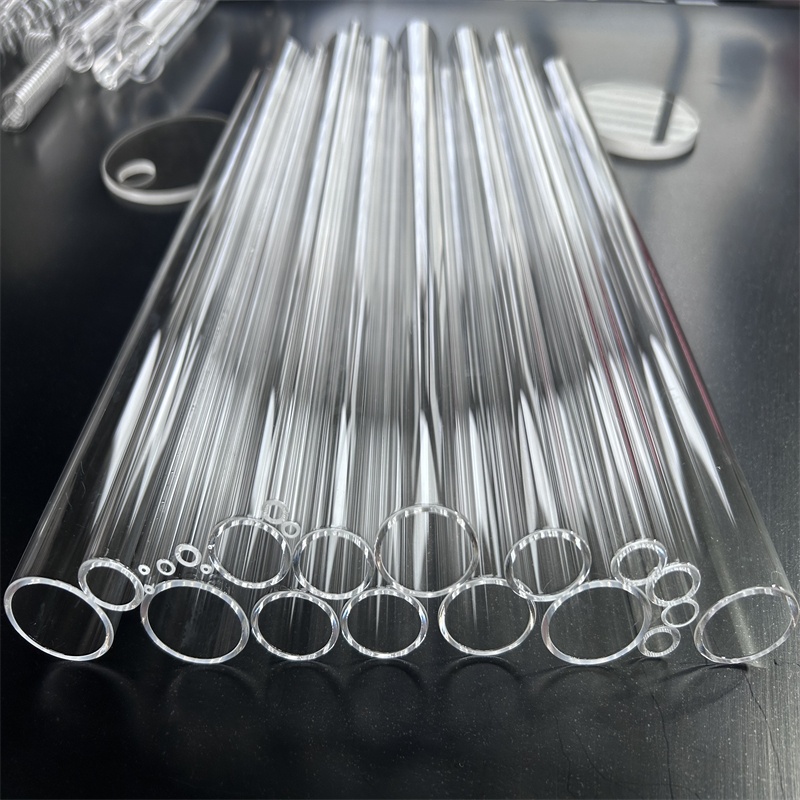
High Temperature Heat Resistant Clear 99.99% Pure Fused Quartz Twin Tube
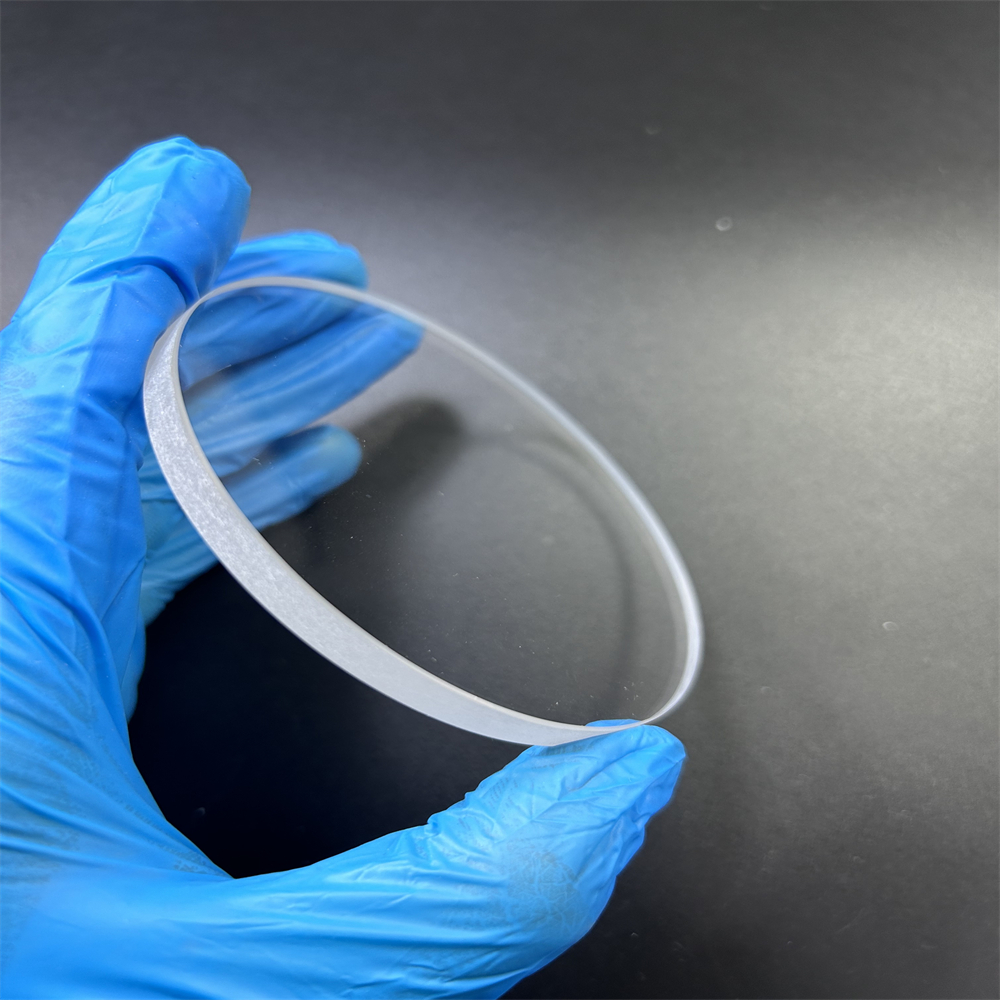
High Pressure Fused Silica Quartz Glass Wafer Transparent UV Sheet
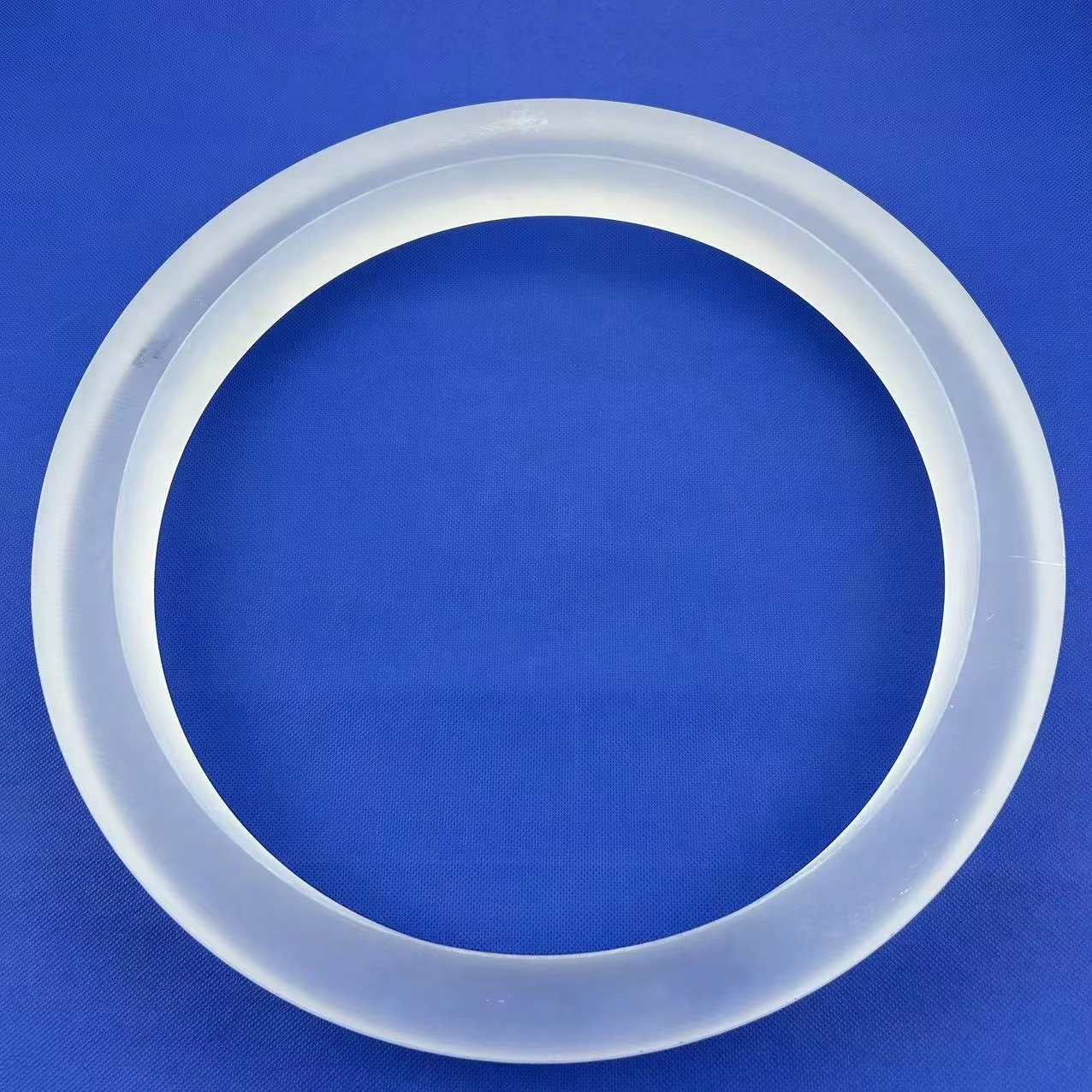
Custom Coated 99.99% Pure Quartz Rings for Semiconductor CVD Optics
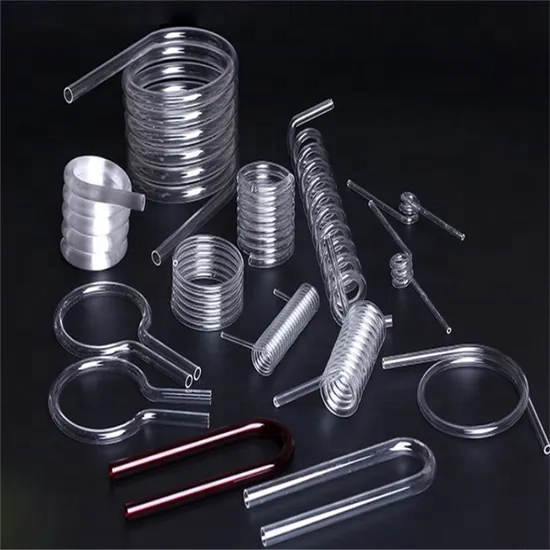
Custom Different Sizes U-Bent Quartz Glass Spiral Tube
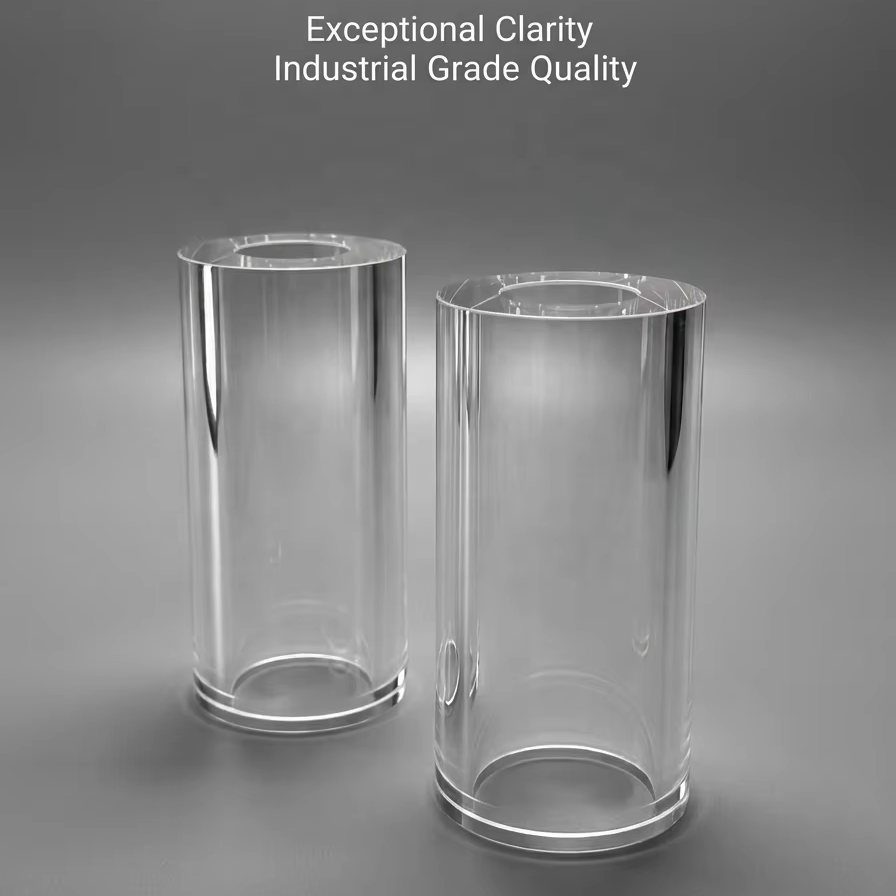
Both Ends Polished High Purity Transparent Quartz Twin Tube
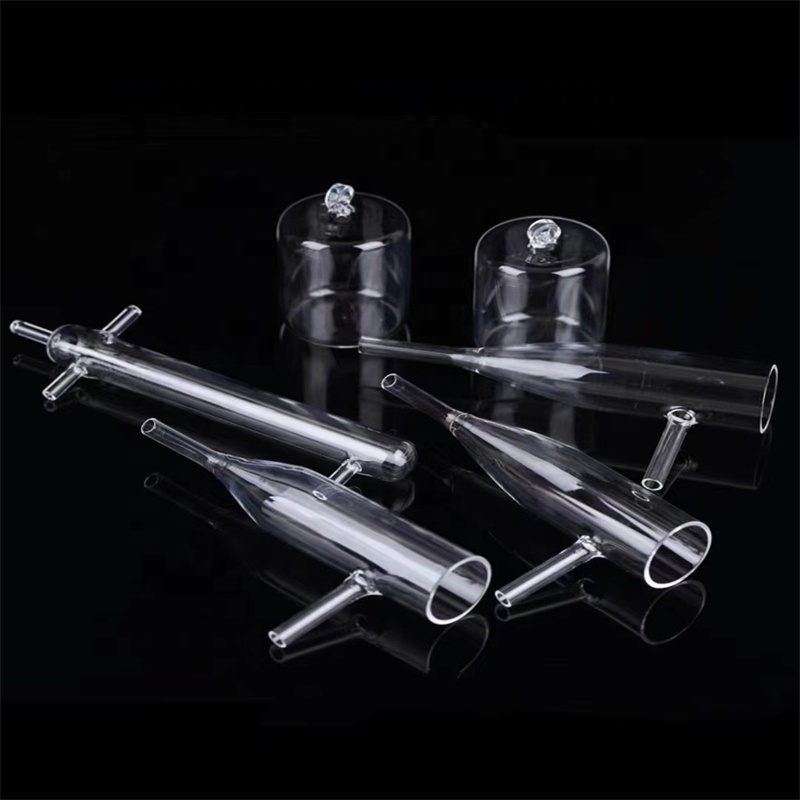
Custom Clear Laboratory High Temperature Twin Tube 99.99% Pure
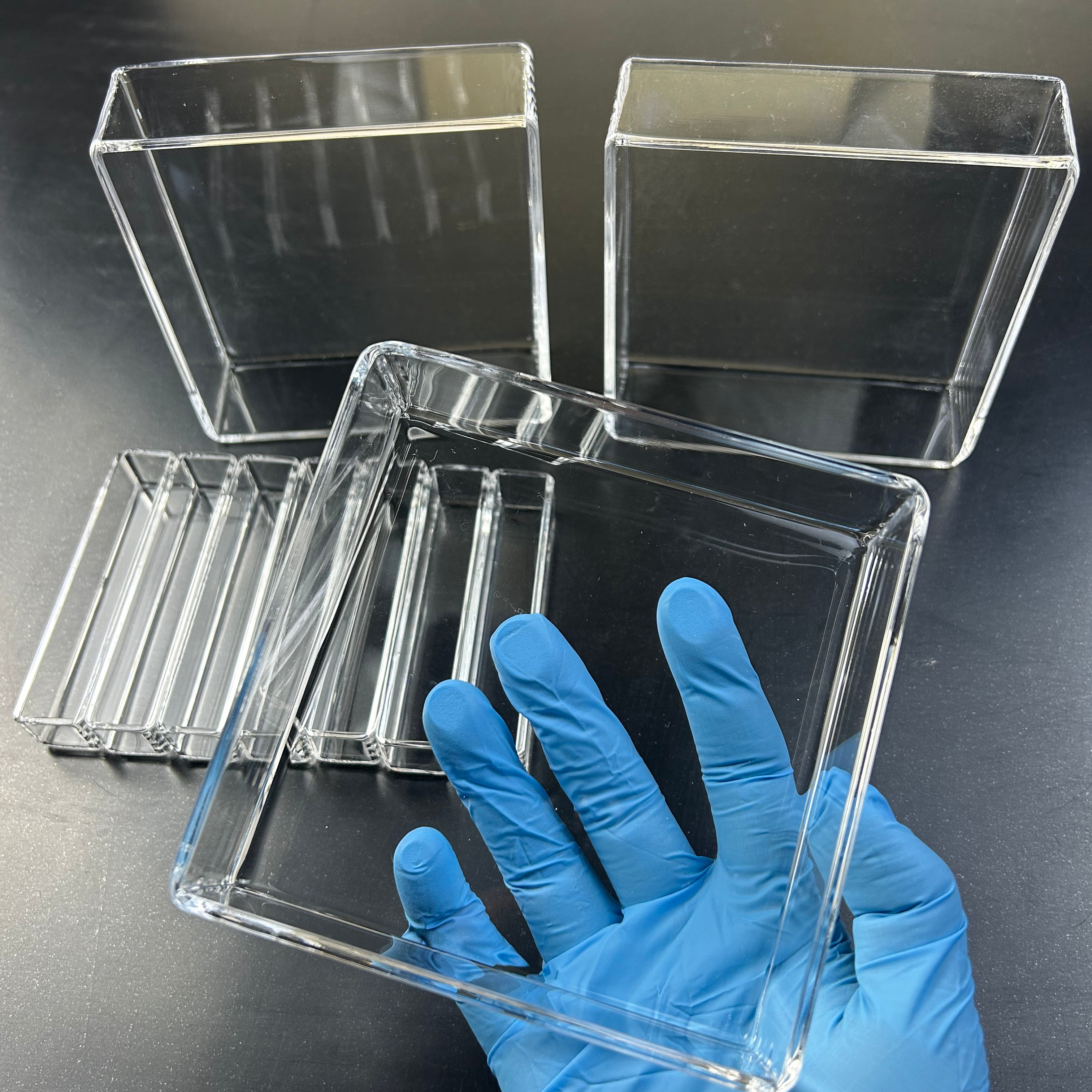
Fused Quartz Glass High Temperature Resistant Cylinder Crucible
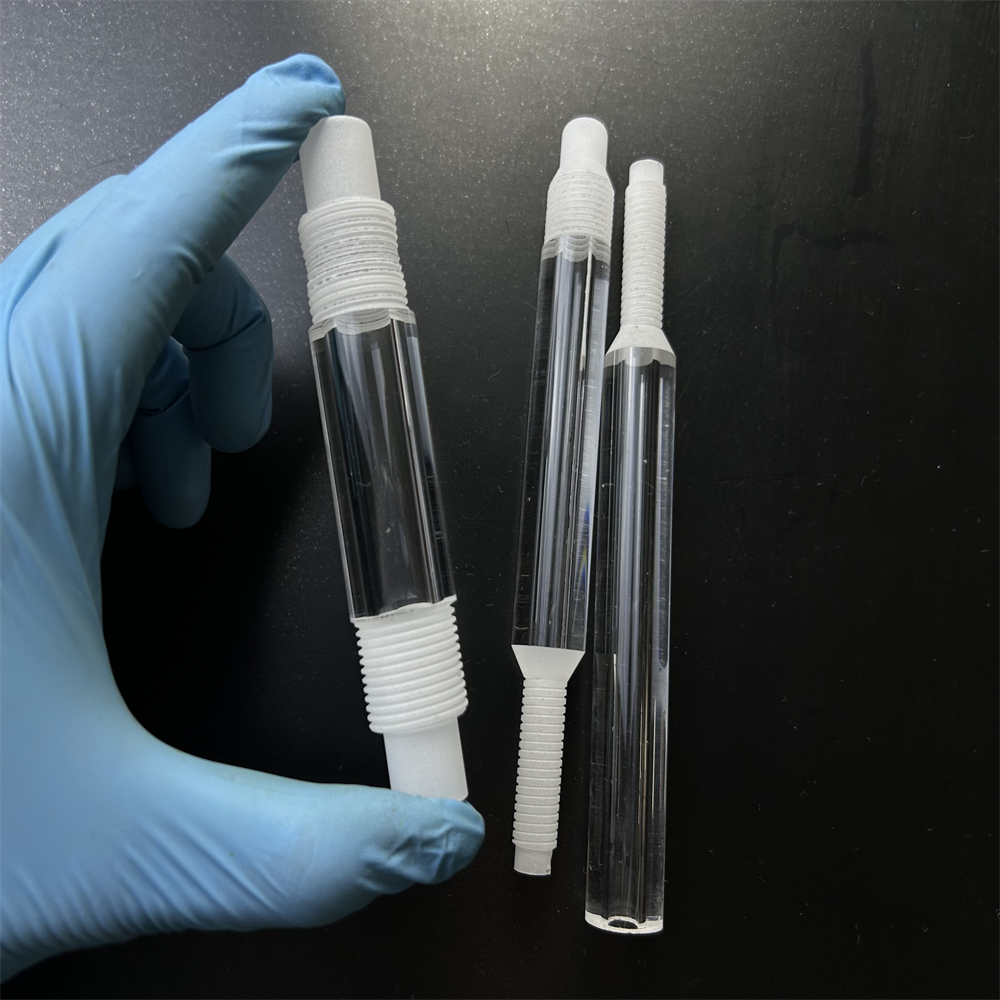
Customized High Purity Threaded Transparent UV Quartz Glass Tube
Crystallographic Engineering of Quartz Sample Carriers for Advanced X-Ray Powder Diffraction
In the domain of modern X-ray diffraction (XRD) and grazing incidence X-ray diffraction (GIXRD), the sample substrate is never an inert observer. It is a critical component of the optical beam path. In high-resolution laboratory diffractometers across Slovenia—from Bruker D8 Discover and Malvern Panalytical Empyrean platforms to specialized in-situ Rigaku assemblies—the choice of sample holder directly controls background noise, baseline drift, instrumental peak broadening, and the detection threshold of minor crystalline phases.
1. Zero-Background Plates (ZBH) vs. Amorphous Fused Silica Substrates
To understand the application of quartz in XRD, precision characterization facilities distinguish between two core forms of silicon dioxide substrates:
- Single-Crystal Zero-Background Quartz Plates (ZBH): Fabricated from high-purity crystalline quartz cut along non-diffracting crystallographic orientations (typically an off-axis cut, such as the [0001] cut tilted off the Bragg plane by 2°–6° or specific cuts like [510]). When positioned in standard Bragg-Brentano reflection geometry, destructive interference prevents the crystal lattice from satisfying Bragg's Law ($\lambda = 2d\sin\theta$) across the standard scan envelope of $2\theta = 3^\circ \text{ to } 90^\circ$. This eliminates all substrate reflection peaks, allowing characterization of microgram-scale powder samples, thin films, or weakly scattering organic compounds without obscuring subtle reflections.
- High-Purity Amorphous Fused Quartz (Fused Silica): Created by fusing 99.99% crystalline silica sand in high-temperature furnaces. Structurally non-crystalline, fused quartz exhibits an isotropic, disordered network that generates a characteristic, broad amorphous "halo" or hump concentrated between $2\theta = 15^\circ \text{ and } 30^\circ$. When diffraction investigations target high-angle crystalline phases ($2\theta > 35^\circ$), or when experimental protocols demand elevated temperatures (up to 1100°C continuous, 1300°C short-term) and thermal shock resistance that crystalline quartz cannot survive, amorphous fused quartz serves as the standard substrate material.
2. Substrate Material Performance Comparison Matrix
When Slovenian laboratory procurement officers and principal investigators balance signal-to-noise ratios, thermal survivability, and cost efficiency, selecting between fused silica, crystalline quartz, silicon, and aluminum requires clear parameter evaluation:
| Substrate Material | SiO₂ / Purity Grade | Background Noise Profile ($2\theta$) | Max Continuous Temp | Thermal Expansion ($\alpha$) | Ideal Analytical Domain |
|---|---|---|---|---|---|
| Off-Axis Single Crystal Quartz | > 99.999% Optical Crystal | Completely flat, zero Bragg peaks | ≈ 550 °C (α-β transition) | Anisotropic (7.5 - 13.7 × 10⁻⁶/K) | Nanomaterials, trace APIs, low-volume powders |
| Amorphous Fused Silica (Zelvo) | ≥ 99.99% Synthetic / Natural | Diffuse hump between 15° – 30° | 1100 °C (1300 °C peak) | 5.5 × 10⁻⁷ /K (isotropic) | In-situ high-temperature XRD, metallurgy, battery testing |
| Zero-Background Silicon (Si 510) | Semiconductor Grade (> 99.9999%) | Zero Bragg peaks in standard scan | ≈ 800 °C (oxidation risk) | 2.6 × 10⁻⁶ /K | Room-temperature standard phase analysis |
| Standard Aluminum Sample Stage | Commercial Al 6061 alloy | Intense sharp substrate peaks | ≈ 400 °C | 23 × 10⁻⁶ /K | Bulk geological specimens, coarse screening |
XRD Quartz Sample Carrier Ecosystem Across Slovenia
How Slovenia's leading research institutes, pharmaceutical manufacturers, and metallurgical facilities deploy custom quartz carriers for mission-critical structural characterization.
Central Slovenian Academic Hub (Ljubljana)
At the Jožef Stefan Institute (IJS) and the National Institute of Chemistry (Kemijski Inštitut), researchers investigating advanced battery chemistries (lithium-sulfur, post-lithium sodium-ion cathode intercalation) and heterogeneous catalysts require customized, air-tight, and capillary-based fused quartz sample holders. In operando XRD cells, the high chemical inertness of 99.99% SiO₂ prevents side reactions with corrosive organic carbonates and battery electrolytes during synchrotron and in-house diffractometer testing.
Pharmaceutical Corridor (Novo Mesto & Mengeš)
Slovenia's pharmaceutical titans—such as Krka d.d. in Novo Mesto and Lek Pharmaceuticals (Sandoz) in Mengeš and Ljubljana—rely on zero-background quartz cavity plates for rigorous Active Pharmaceutical Ingredient (API) polymorph screening. Detecting trace amorphous phases (< 0.5 wt%) or pseudo-polymorphic transformations under varying relative humidity demands sample holders with zero baseline distortion and precise well depths (down to 0.1 mm) to prevent sample displacement errors in Rietveld refinement.
Metallurgical & Materials Engineering (Koroška & Podravska)
In Slovenia's industrial heartlands—including SIJ Metal Ravne, SIJ Acroni in Jesenice, and Talum in Kidričevo—investigating retained austenite, residual stresses, and intermetallic precipitate crystallization requires robust, high-temperature sample stages. Fused silica holders from Zelvo endure thermal cycling in in-situ Anton Paar or Rigaku environmental chambers up to 1100°C without mechanical sagging, oxidation, or metallurgical phase contamination.
Market Trends & Procurement Drivers in the Republic of Slovenia (2025–2030)
As Slovenia deepens its participation in European Horizon Europe research initiatives and solidifies its status as a high-technology industrial exporter within the EU single market, procurement strategies for laboratory quartzware are undergoing three systemic shifts:
1. Strict EU REACH & Traceability Compliance
Slovenian buyers demand complete material documentation. Raw fused silica must comply with EU Regulation (EC) No 1907/2006 (REACH) and RoHS directives. Zelvo ensures every batch of XRD quartz plates is shipped with a comprehensive Certificate of Analysis (CoA) confirming SiO₂ content ≥ 99.99% and heavy metal concentrations (Pb, Cd, Hg, Cr⁶⁺) below analytical detection thresholds.
2. Demand for Custom Micro-Cavity Geometry
Standard OEM sample holders often feature fixed well dimensions that consume excessive powder volumes—unacceptable in expensive pharmaceutical synthesis or scarce nanomaterial trials. Slovenian laboratories increasingly procure customized quartz holders with well volumes ranging from 2 mm diameter micro-wells (depth 0.1 mm) up to 25 mm diameter shallow wells, directly matching the goniometer geometry of Bruker, Malvern Panalytical, and Rigaku.
3. Direct Manufacturer Sourcing & DDP Logistics
Eliminating multi-tier European distributor markups has become a priority for institutional procurement officers in Slovenia. By partnering directly with verified manufacturers in Donghai, China, Slovenian facilities achieve cost reductions of 40–60% while maintaining delivery times within 4–6 business days via DHL/FedEx Express directly to Ljubljana Airport (LJU) or Koper port logistics hubs under DDP (Delivered Duty Paid) terms.
Engineering & Manufacturing Advantages from Donghai to Slovenia
Why research consortia, original equipment manufacturers, and corporate laboratories partner with Zelvo Quartz.
China's Crystal Capital Origin
Located in Donghai County, Jiangsu, we control the entire mineral refinement chain, securing highest-purity natural silica sand (>99.99% SiO₂) with trace iron content < 0.8 ppm.
Micron CNC & Laser Milling
Equipped with 5-axis CNC diamond tooling and UV laser cutting stations, we achieve pocket depth tolerances of ± 0.01 mm and surface roughness Ra down to 0.8 nm.
Rapid Drawing Feasibility
Our engineering department reviews CAD/STEP drawings within 2 hours, confirming dimensional feasibility, thermal expansion profiles, and chamber mount geometries.
Shockproof EU Logistics
Custom multi-layer polyethylene shock absorption and fumigated wooden outer crating guarantee zero-breakage delivery to Ljubljana, Maribor, Celje, or Koper.
From Concept Drawing to Laboratory Dispatch
A disciplined 5-step technical procurement process built for research and industrial reliability.
Design & Drawing Review
Submit 2D/3D sketches (PDF, DXF, STEP). Our engineers verify goniometer fit, well volume, and thermal expansion limits.
Quartz Grade Selection
We select single-crystal cut, standard clear fused quartz, or synthetic silica based on target $2\theta$ scans and temperatures.
Precision CNC Machining
Laser cutting, CNC cavity milling, and chemical-mechanical flame polishing maintain critical angular planarities.
Interferometry & QA
Dimensional inspection via optical calipers and surface roughness profilometry. Full inspection photos supplied prior to packing.
Global DDP Shipping
Vacuum-sealed, anti-static shock packaging shipped via express courier directly to your laboratory bench in Slovenia.
Frequently Asked Questions by Slovenian Lab Managers
In-depth technical answers addressing purity, crystallographic orientation, instrument compatibility, and customs clearance.