Featured XRD Sample Carriers & High-Purity Fused Quartz Systems
From off-axis single-crystal zero-background sample wells to slotted furnace test chips and UV-grade light guides, our components are precision-machined in Donghai and calibrated to eliminate amorphous halos, peak displacement, and baseline drift across laboratory diffractometers throughout the Venice metropolitan area.
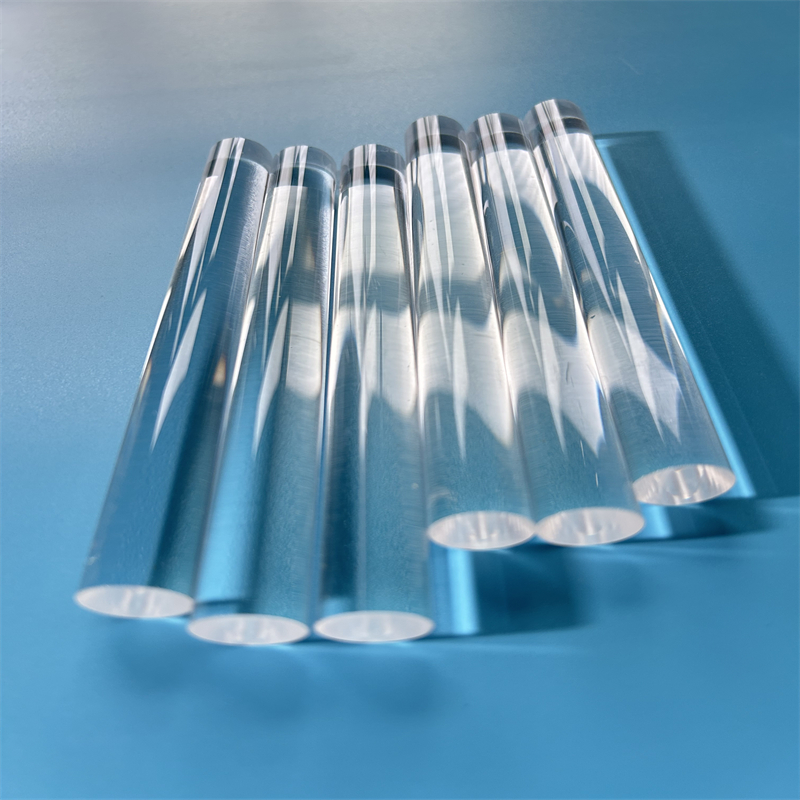
Custom Guitu Quartz GT Model High Purity Optical Light Guide Cylinder Rod
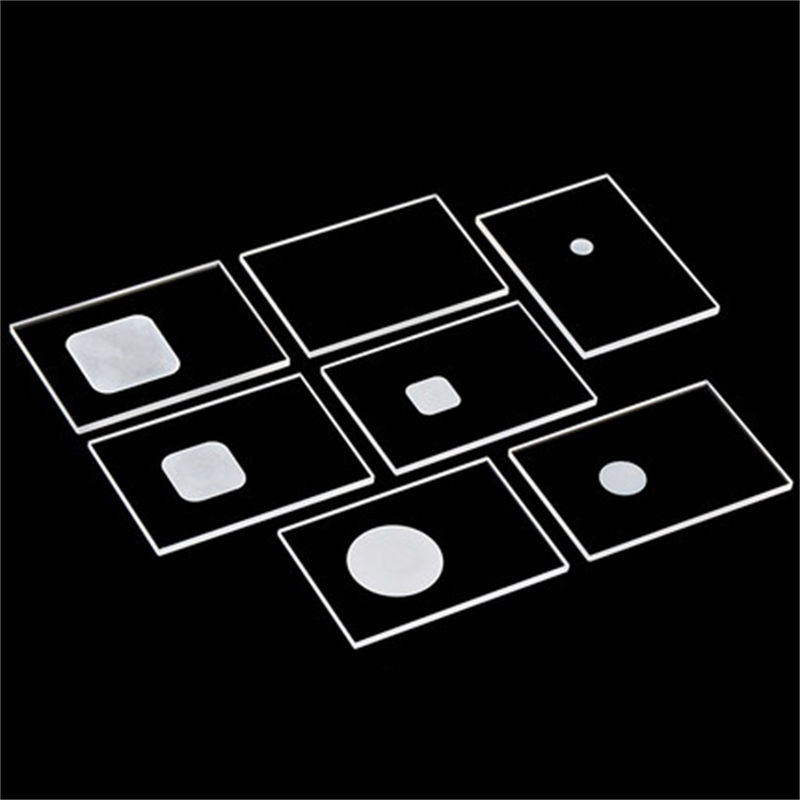
High Temperature Fused Quartz Glass Sheet for XRD Slotted Carrier Tank
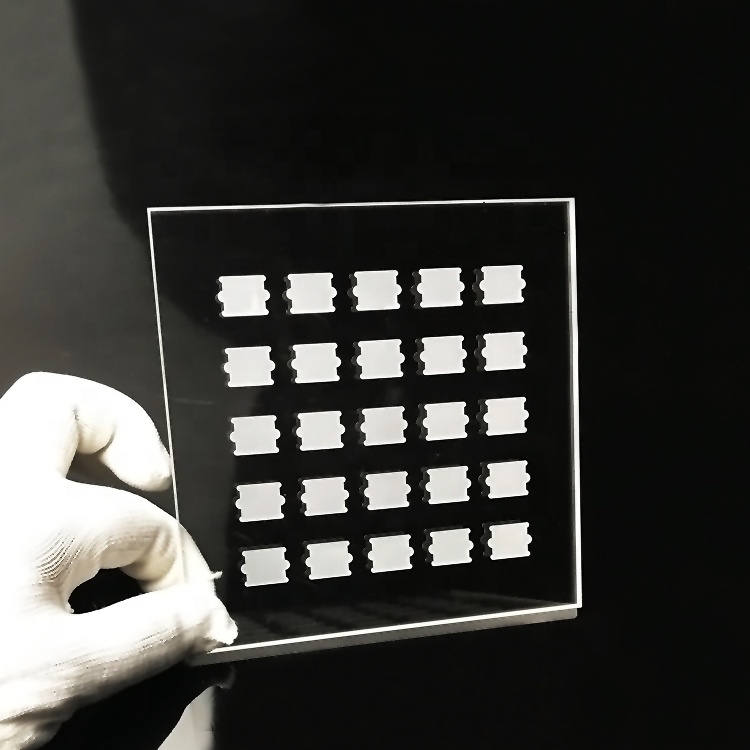
Factory Custom Fused Quartz Circular High-Temp XRD Sample Holder
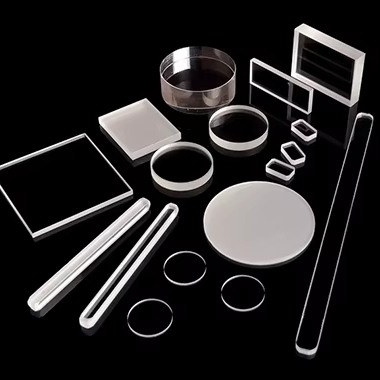
Custom Optical Grade Fused Transparent Quartz Test Sample Sheet
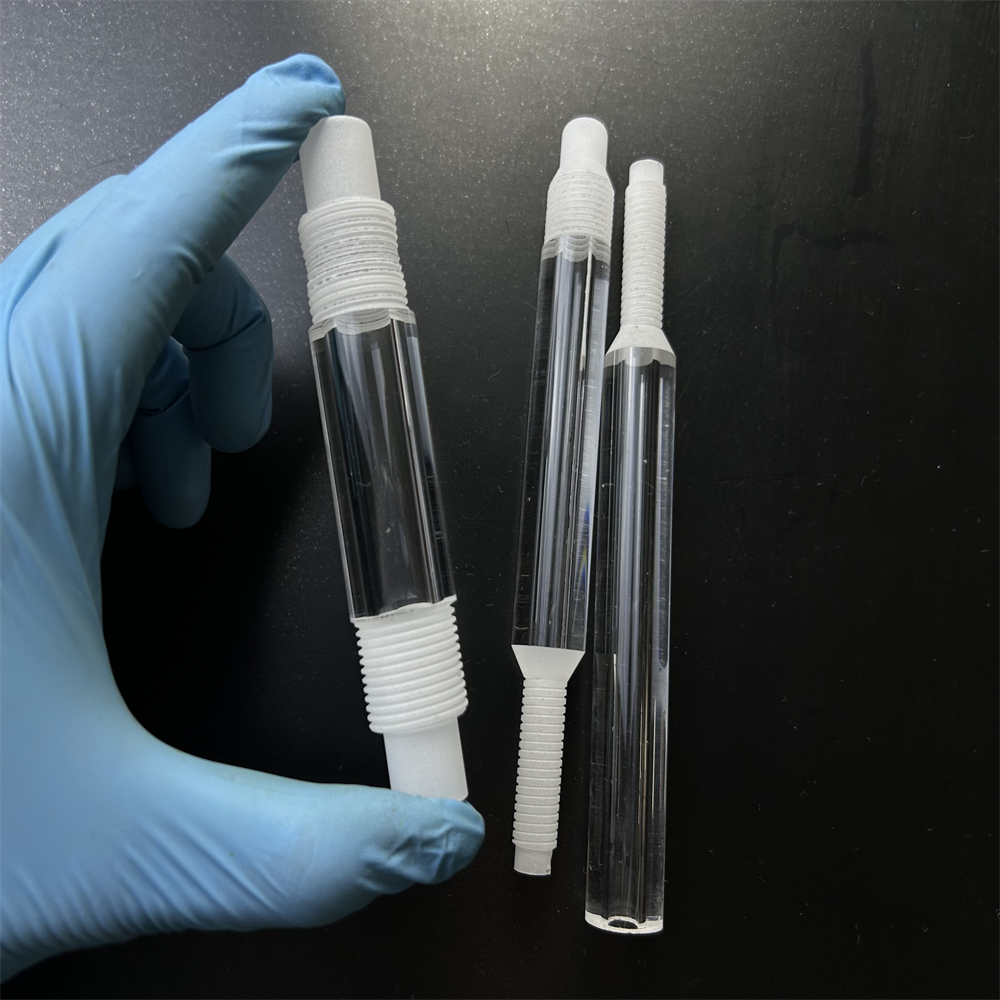
Customized High-Purity Threaded UV Quartz Glass Tube for In-Situ Cells
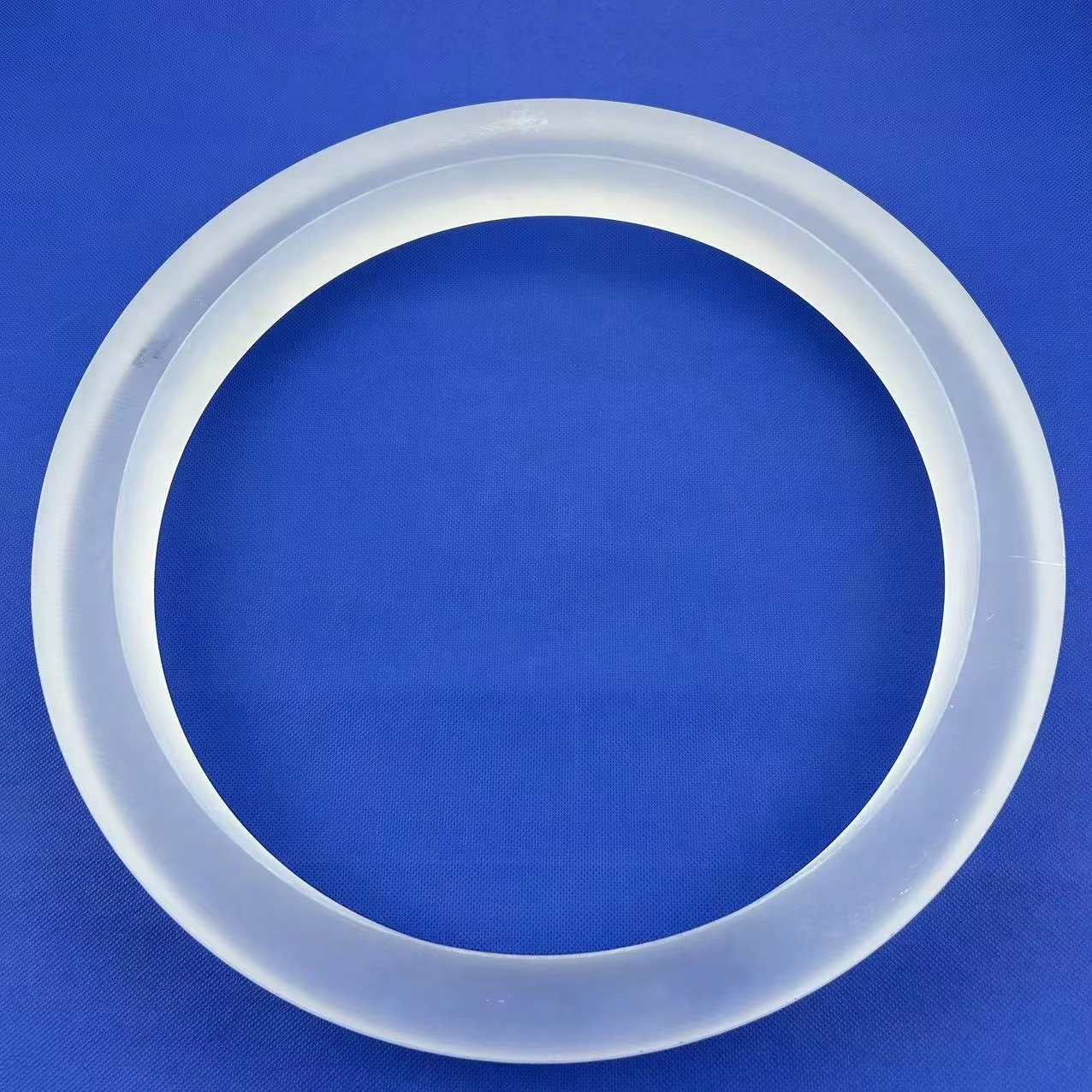
Custom Coated 99.99% Pure Quartz Rings for CVD & High-Vacuum XRD
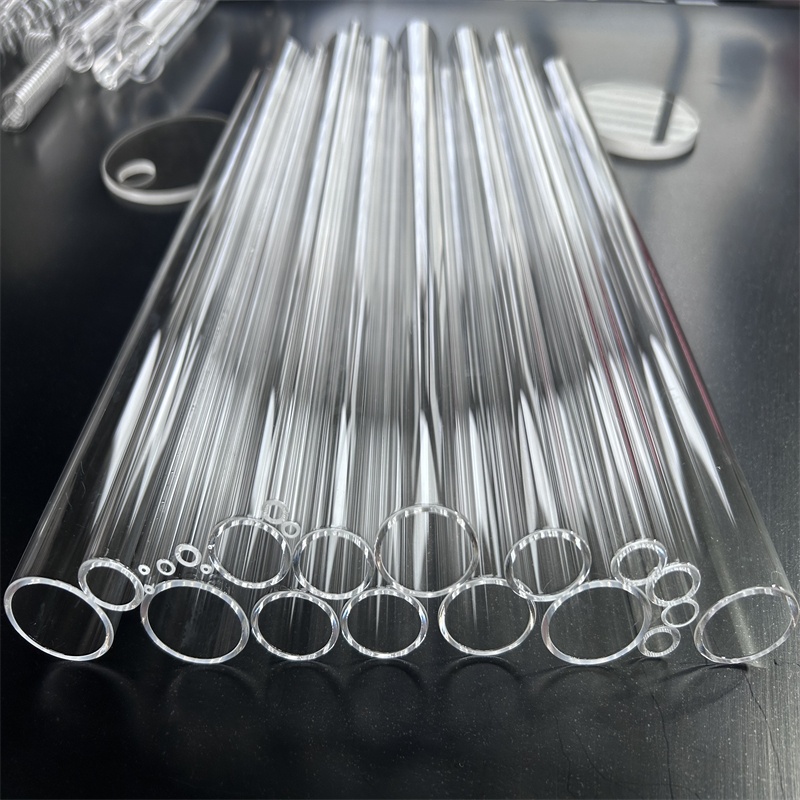
High-Temp Heat Resistant Clear 99.99% Pure Fused Quartz Twin Tube
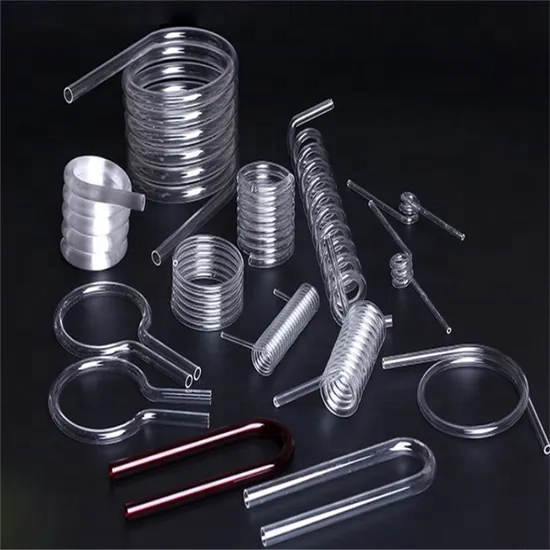
Custom Precision U-Bent Quartz Glass Spiral Tube for Environmental Cells
Physics of Zero-Background Quartz Carriers: Eliminating Amorphous Halos and Specimen Displacement in X-Ray Powder Diffraction
In high-resolution X-ray powder diffraction (XRPD), the signal-to-noise ratio (SNR) is governed not merely by source flux and detector efficiency, but critically by the parasitic scattering introduced by the specimen substrate. Standard glass slides and generic amorphous silica holders generate a prominent, broad diffuse scatter halo between 15° and 30° 2θ (with Cu-Kα radiation, λ = 1.5406 Å), completely obscuring the characteristic reflection peaks of trace crystalline phases, delicate organic pigments, and sub-micron archaeological residues.
To overcome this analytical bottleneck, Lianyungang Zelvo Quartz Products Co., Ltd. engineers two distinct classes of sample carriers tailored to the analytical rigs operating across the Venetian lagoon: single-crystal zero-background plates (ZBP) cut along non-diffracting crystallographic planes, and synthetic high-temperature fused quartz slotted chips. When single-crystal α-quartz is precision-sliced off-axis (such as along the (511) or specific non-reflecting miscut planes) and optically polished with chemical-mechanical planarization (CMP), destructive interference suppresses all Bragg reflections within normal scan ranges (3° to 120° 2θ). Consequently, background noise is reduced to near-cosmic baseline levels (< 10 counts per second), unlocking the definitive phase identification of microgram-scale samples.
| Substrate Material Class | Crystalline / Amorphous State | Parasitic 2θ Halo (Cu-Kα) | Continuous Temperature Limit | Specimen Displacement Control | Target Research Application |
|---|---|---|---|---|---|
| Zelvo Off-Axis Single Crystal Quartz (ZBP) | Single-crystal α-SiO₂ (non-reflecting cut) | Zero Bragg peaks; background < 8 counts/sec | 573 °C (α-to-β transition threshold) | Flat polished surface; ±0.003 mm precision well | Micro-pigments, historical mortar traces, pharmaceuticals |
| Zelvo High-Purity Fused Quartz Plate | 99.99% Amorphous Fused Silica | Very low, repeatable broad hump (21°–23°) | 1100 °C (continuous) / 1300 °C (intermittent) | Precision-ground laser slotted cavity (±0.01 mm) | Murano glass batch melting, geopolymer vitrification |
| Silicon Low-Background Plate (Si 510/711) | Single-crystal Silicon | Zero Bragg peaks, minimal diffuse scatter | 800 °C (in inert atmosphere) | Lapped wafer, shallow chemical etched cavity | Ambient room-temperature organic powder testing |
| Standard Soda-Lime Glass Slide | Multicomponent Silicate Glass | Massive amorphous mound spanning 18°–35° 2θ | < 450 °C (thermal degradation) | Poor; warps under heat; uneven thickness (±0.1 mm) | Routine educational screening only (unsuitable for micro-phases) |
In Bragg-Brentano parafocusing diffractometers widely deployed in Italian research institutes (e.g., Bruker D8 Advance, Malvern Panalytical Empyrean, Rigaku SmartLab), specimen displacement (Δh) from the focal circle is the primary cause of peak shifts: Δ2θ = −2s · cos(θ) / R. Zelvo eliminates this systemic error by machining bespoke cavity depths (from 0.05 mm for micro-powders up to 1.0 mm for bulk mineral fragments) with diamond-turned flat parallelism within ± 2 μm across the entire optical aperture.
Localized Application Scenarios in Venice & the Veneto Industrial Ecosystem
The unique environmental and historic conditions of the Venetian archipelago—ranging from aggressive saline lagoon aerosols and historic masonry preservation to high-temperature glass kilns on Murano—impose strict demands on analytical sample holders.
1. Venetian Heritage Conservation & Archaeometry
Restoration scientists at Ca' Foscari University and Venetian preservation laboratories analyze micro-scrapings from Renaissance frescoes (Titian, Tintoretto), historic marmorino plasters, and Istrian stone facades facing severe salt weathering.
- Zero-background plates allow detection of micro-sublimates: gypsum (ΔH₂O phase changes), thenardite/mirabilite salt transitions.
- Cavity wells as shallow as 0.05 mm hold ≤ 2 milligrams of non-renewable historical pigment.
- Complete resistance to cleaning with nitric, hydrochloric, and organic conservation solvents.
2. Murano Vitreous Synthesis & Devitrification R&D
Murano glass studios, experimental glass laboratories, and refractory engineering firms test crystalline phase segregation (cassiterite opacifiers, tridymite/cristobalite crystallization) under elevated thermal cycles.
- Continuous operational integrity up to 1100 °C inside Anton Paar and Rigaku high-temperature XRD stages.
- Near-zero coefficient of thermal expansion (5.5 × 10⁻⁷ /K) guarantees planarity without sample popping.
- No interfacial silicon cross-diffusion with high-alkali glass batches during in-situ heating cycles.
3. MOSE Lagoon Sediments & Marine Infrastructure
Environmental engineering research linked to the MOSE floodgate barrier, Porto Marghera petrochemical sediment monitoring, and CNR-ISMAR marine biology studies require robust mineralogical evaluation.
- Identification of corrosive sulfate attack products (ettringite, thaumasite) in underwater reinforced concrete.
- High-purity chemical inertness protects against corrosive hypersaline lagoon waters and heavy-metal sludge.
- Custom multi-well arrays enable high-throughput screening of benthic sediment drill cores.
From Donghai Raw Quartz Capital to Venetian Research Precision
Located in Donghai County, Jiangsu Province—globally celebrated as China's crystal and quartz silicon nexus—Lianyungang Zelvo Quartz Products Co., Ltd. oversees every stage of production from 99.99% SiO₂ fused silica purification to robotic laser drilling, CNC micro-milling, flame edge welding, and cleanroom optical inspection.
While European lab suppliers often impose rigid standard catalogs with 8-week delivery lead times and high minimum orders, Zelvo provides custom drawing-based fabrication starting from a single piece (1 pc MOQ). Whether your laboratory needs a circular disc holder with a 20 mm × 0.2 mm pocket for a Bruker sample ring or slotted quartz carriers for an Anton Paar HTK environmental furnace, our senior engineers review your CAD drawings and confirm dimensional feasibility within 2 hours.
Proprietary Micro-Machining Capabilities
Technological Trends Reshaping Material Characterization in the Venice Academic Corridor
The analytical landscape across Northern Italy is experiencing a decisive transformation driven by next-generation benchtop diffractometers, in-situ reactive chambers, and heritage preservation protocols.
In-Situ Environmental & Non-Ambient XRD
Laboratories in Marghera and regional universities are moving beyond static room-temperature scans toward dynamic, reactive non-ambient diffraction. Studying real-time catalyst reduction, geopolymer carbonation, and Murano glass crystallization requires fused quartz sample carriers that withstand aggressive gas flows (H₂, CO₂, SO₂) and thermal cycling up to 1100 °C without degradation or outgassing.
Sub-Milligram Non-Destructive Archaeometry
Venetian regulatory bodies (Soprintendenza) strictly restrict heritage sampling to micro-drillings under 1 mg. This constraint renders conventional deep sample cups obsolete. The analytical trend demands custom micro-cavity zero-background quartz carriers engineered with pocket depths between 0.05 mm and 0.1 mm, maximizing beam irradiation while maintaining pristine flat-specimen geometry.
Sustainable Geopolymers & Green Cements
Veneto-based industrial materials research is prioritizing low-clinker eco-cements, alkali-activated slag, and recycled vitreous pozzolans for coastal marine protection. Detecting amorphous-to-crystalline phase development in these multi-phase systems demands sample holders with zero interfering background, ensuring precise Rietveld quantitative phase analysis (QPA).
Frequently Asked Technical & Procurement Questions for Venice Researchers
Everything you need to know regarding crystallography calibration, custom dimensions, chemical decontamination, and rapid air transport to the Veneto region.
What is the difference between single-crystal zero-background quartz and high-purity fused silica holders?
Can Zelvo manufacture custom pocket cavity dimensions matching our specific diffractometer sample rings?
How do we clean and decontaminate quartz sample carriers between experimental runs without etching the polished surface?
What is the minimum order quantity (MOQ) and lead time for university laboratories in Venice?
How are fragile optical quartz components packaged to ensure zero breakage during international transit to the Venice Lagoon?
Why European Analytical Facilities Partner with Zelvo Quartz
With over a decade of dedicated quartz manufacturing heritage, we combine the cost and material advantages of China's primary raw quartz supply with the rigorous technical precision expected by European metrology laboratories.
Request Custom XRD Sample Carrier Dimensions or Complete Catalog
Equipping a new laboratory diffractometer in Venice or need a customized cavity depth for historical micro-specimens? Send us your technical sketches, target operating temperatures, or equipment model numbers. Our engineering team reviews feasibility and provides dimensional verification within 2 hours.