Featured CE-Compliant High-Purity Fused Quartz Components
Engineered for extreme thermal stability, chemical inertness, and ultra-low metal contamination across industrial diffusion, chemical vapor deposition (CVD), and semiconductor processing line-ups.
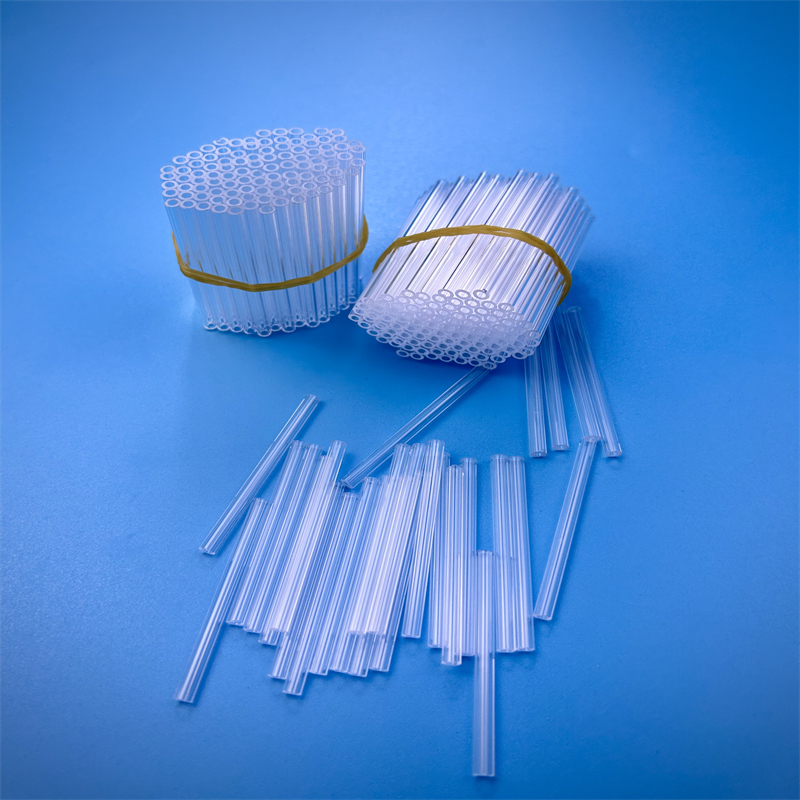
High Quality Transparent U-Bent Quartz Glass Tube Bending/Cutting/Welding Services
View Specifications →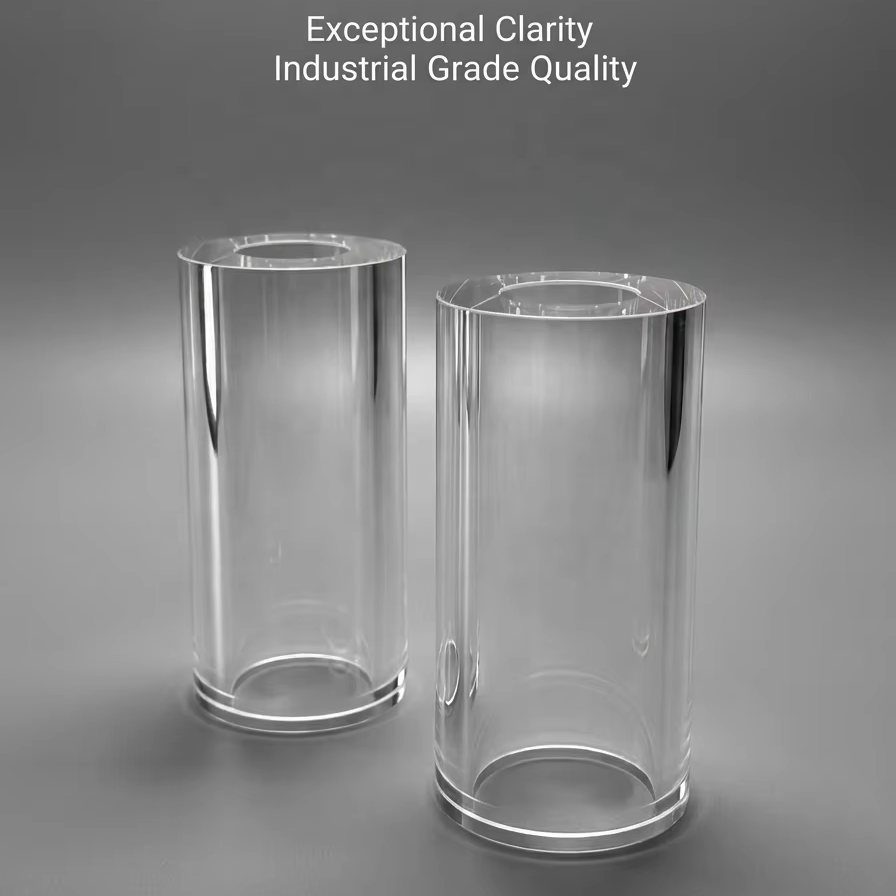
Factory Custom Both Ends Polished High Purity Transparent Quartz Twin Tube
View Specifications →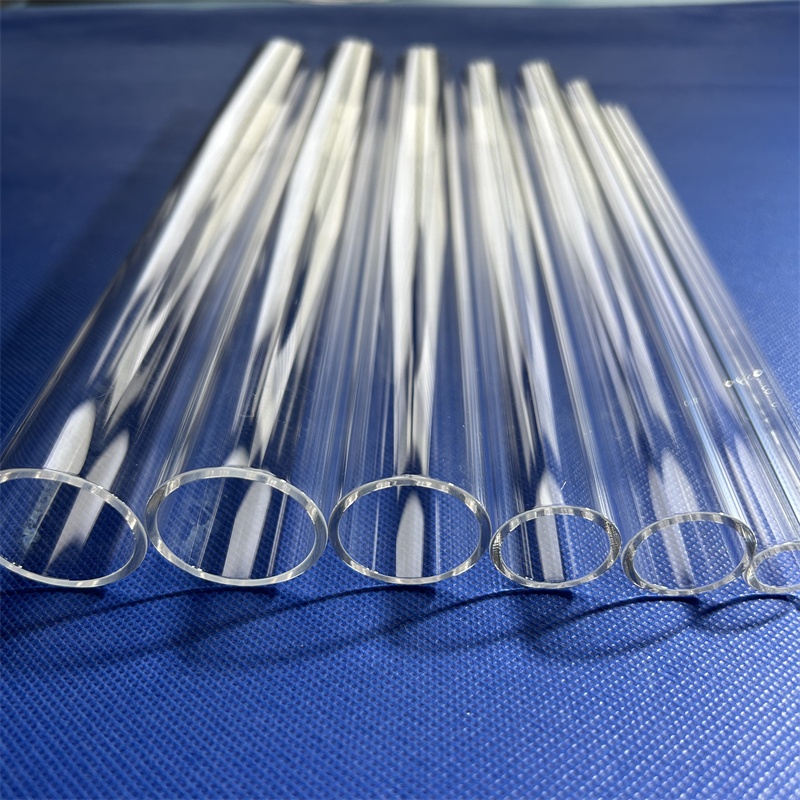
Transparent High Pressure 99.99% Pure Quartz Glass Tube Furnace Reactor
View Specifications →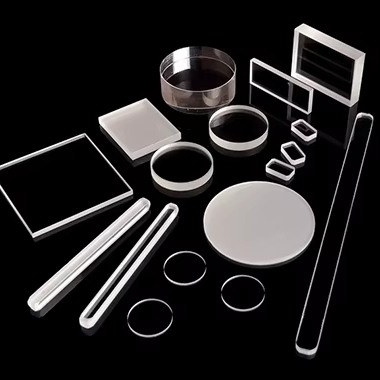
Custom Size High Temp Fused Transparent Quartz Glass Optical Grade Sample Sheet
View Specifications →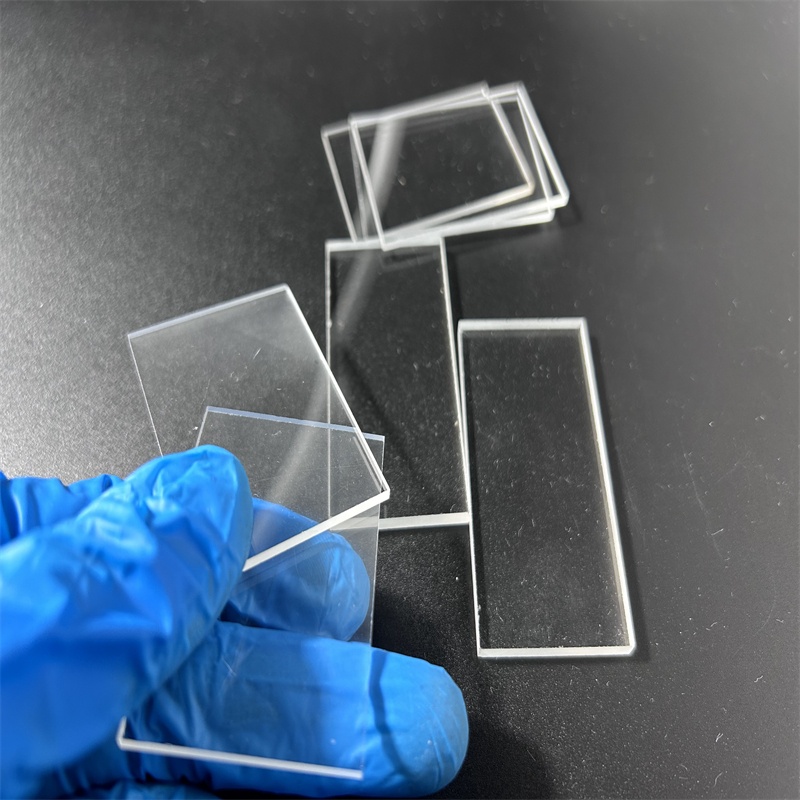
Customized High Temp Transparent Fused Quartz Glass Sheet Optics Grade Plate
View Specifications →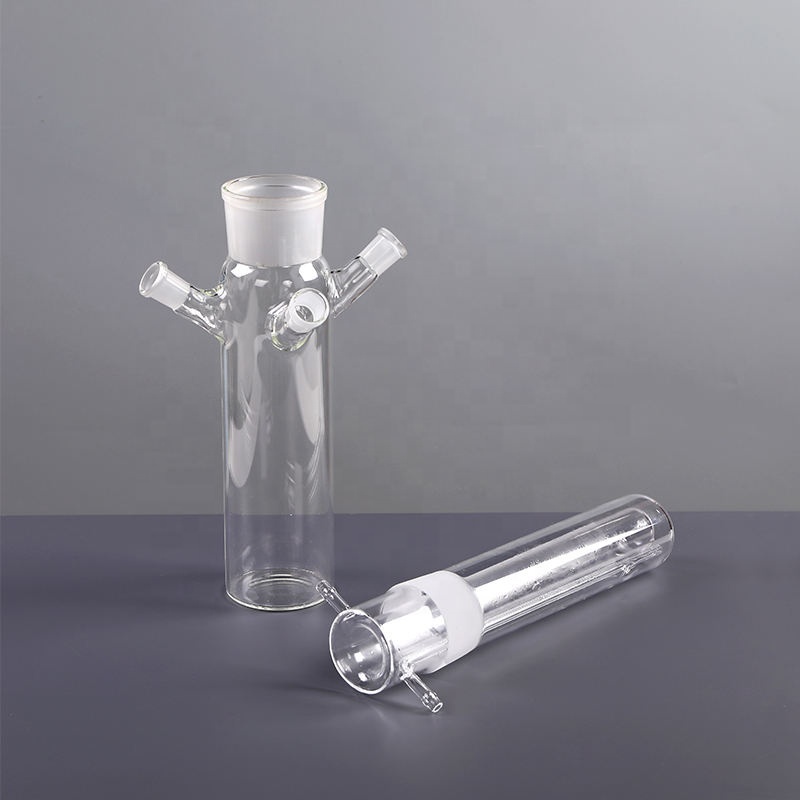
Customized High-purity Quartz Glass Reactor Container Photocatalytic Unit
View Specifications →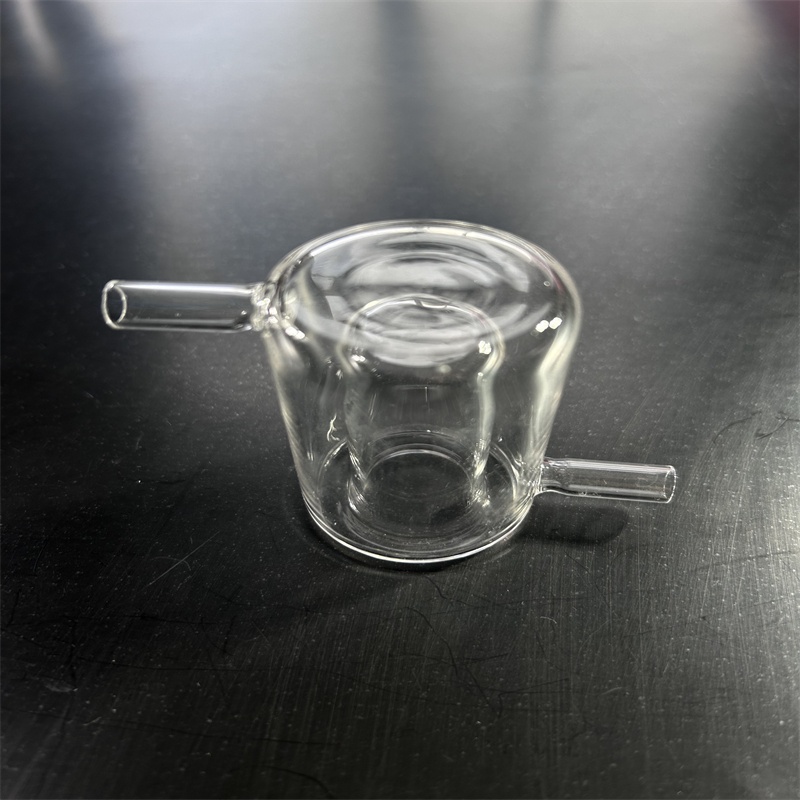
Custom 99.99% Pure Ozone Free High Temp Quartz Glass Reactor Twin Tube
View Specifications →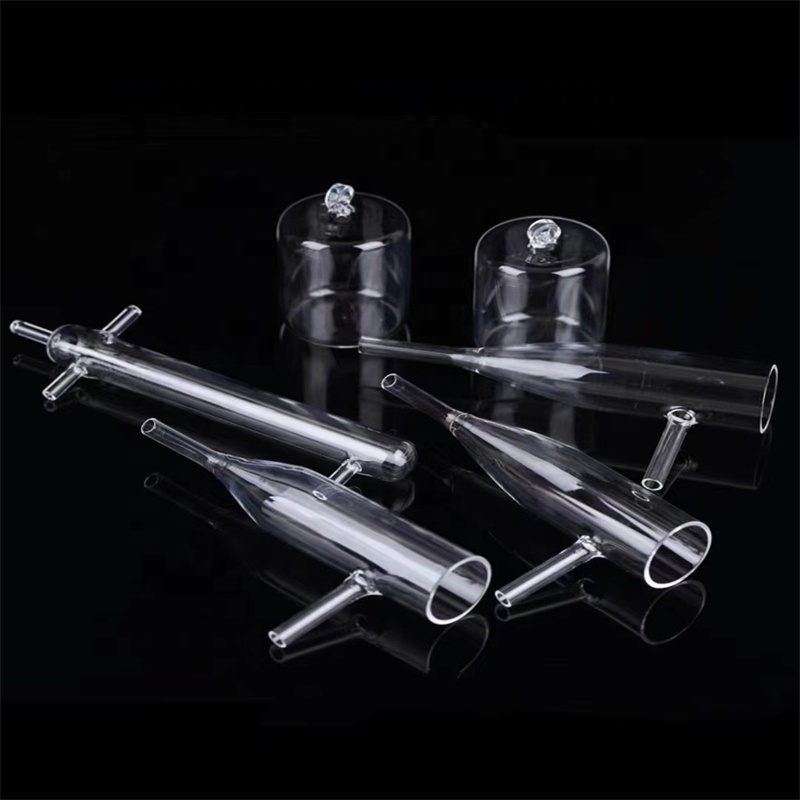
Custom Clear Laboratory High Temp Twin Tube Quartz Glass CVD Vacuum Tube
View Specifications →Engineering Excellence from China's Quartz Hub (Zelvo Quartz)
Combining raw natural crystal purities with advanced secondary thermal processing, Lianyungang Zelvo Quartz Products Co., Ltd. delivers high-purity quartz diffusion tubes, furnace liners, and processing vessels configured to ISO and CE specifications.
Core Enterprise Competencies & Processing Precision
Located in Donghai County, Jiangsu—widely recognized as China's "Crystal Capital"—Zelvo Quartz leverages immediate access to superior-grade silica raw material reserves combined with world-class secondary machining technology. We cater to global semiconductor fabricators, photovoltaic cell manufacturers, laboratory instrument OEMs, and high-temperature furnace builders.
Precision CNC & Laser Finishing
In-house capabilities for micron-level laser drilling, diamond-wheel slotting, edge chamfering, and high-precision CNC flanging for tight-tolerance optical and furnace assemblies.
Flame Bending & Fire Polishing
Specialized glassblowers execute seamless flame welding, zero-bubble flange attachment, U-bend profiling, and fire polishing to eliminate surface micro-cracks.
CE & Traceability Compliance
Every manufacturing batch undergoes stringent polariscope thermal stress inspection, dimensional verification, and chemical analysis using ICP-MS spectrometers.
Chemical Impurity Breakdown (Typical ICP-MS Analysis in PPM)
| Element (Trace Impurity) | Aluminum (Al) | Iron (Fe) | Sodium (Na) | Potassium (K) | Lithium (Li) | Calcium (Ca) | Copper (Cu) |
|---|---|---|---|---|---|---|---|
| Standard Semiconductor Grade (PPM) | 12.0 - 15.0 | 0.1 - 0.3 | 0.5 - 0.8 | 0.4 - 0.6 | 0.3 - 0.5 | 0.4 - 0.7 | < 0.01 |
| Ultra-Purity Synthetic Quartz (PPM) | < 0.1 | < 0.02 | < 0.05 | < 0.05 | < 0.02 | < 0.05 | < 0.005 |
Industrial Evolution of High-Purity Quartz Diffusion Tubes
As semiconductor node scaling continues below 7nm and solar photovoltaic cells transition to high-efficiency N-Type TOPCon and HJT architectures, the technical demands placed on quartz process tubes have shifted dramatically.
1. Wafer Diameter Scaling & Dimensional Stability
Historically, 150mm (6-inch) and 200mm (8-inch) semiconductor wafer fabrication relied on horizontal quartz diffusion tubes with inner diameters ranging from 220mm to 280mm. The global standard for modern mega-fabs utilizes 300mm (12-inch) wafers and vertical furnace systems, requiring heavy-wall quartz diffusion tubes with outer diameters exceeding 400mm to 500mm and lengths up to 2.5 meters.
Manufacturing large-bore quartz tubes introduces critical mechanical engineering challenges. Under thermal cycles ranging from 800°C to 1200°C, gravitational sag becomes a primary failure mechanism. Leading manufacturers combat high-temperature distortion by controlling hydroxyl (OH⁻) radicals within the quartz lattice.
2. Hydroxyl (OH⁻) Management & Viscosity Optimization
The concentration of hydroxyl groups (OH⁻) directly influences the viscosity and thermal softening point of fused quartz glass. For high-temperature diffusion processes operating at or above 1150°C, low-hydroxyl quartz (< 5 ppm OH⁻) is mandatory to extend operational service life and limit deformation.
| Quartz Material Class | OH⁻ Content Range | Annealing Point (°C) | Softening Point (°C) | Primary Application Area |
|---|---|---|---|---|
| Electrically Fused Quartz (Type I) | < 5 - 15 ppm | 1215 °C | 1683 °C | High-temp diffusion, POCl3 tubes, CVD liners |
| Flame-Fused Quartz (Type II) | 150 - 400 ppm | 1160 °C | 1660 °C | Photovoltaic standard furnaces, UV lamps, lab ware |
| Synthetic Fused Silica (Type IV) | 800 - 1000 ppm | 1080 °C | 1600 °C | Extreme UV optics, photomask substrates, excimer laser components |
3. Photovoltaic Manufacturing Transition: TOPCon & LPCVD Demands
In the solar energy domain, the migration from P-Type PERC cells to N-Type TOPCon (Tunnel Oxide Passivated Contact) architecture has quadrupled the demand for specialized high-purity quartz furnace tubes. TOPCon processing involves LPCVD (Low-Pressure Chemical Vapor Deposition) poly-silicon deposition and boron doping at temperatures near 1000°C. These processes release aggressive chemical gases, requiring quartz diffusion tubes with exceptionally smooth, flame-polished inner walls that resist chemical etching and particulate flaking.
Future Sourcing & Procurement Trends (2025–2030)
Global supply chain managers, fab procurement directors, and laboratory equipment buyers must navigate evolving regulatory standards, Total Cost of Ownership (TCO) models, and rapid custom drawing requirements.
1. Total Lifetime Cost Over Unit Purchase Price
Experienced procurement engineers prioritize run-hours over initial purchase costs. High-purity quartz diffusion tubes that last 30% longer under continuous thermal cycles minimize costly furnace downtime and prevent wafer contamination events that can cause millions in losses.
2. Stringent CE & Environmental Compliance
European and North American buyers increasingly mandate full CE certification, RoHS 3 compliance, and REACH declaration. Manufacturers must prove trace heavy metal levels are strictly contained and production waste thermal energy is responsibly managed.
3. Agility in Drawing-Based Customization
Off-the-shelf stock tubing is rapidly being replaced by direct-to-drawing fabrication. Fab engineers require bespoke flanges, thermocouple wells, gas inlet nozzles, and welded support rings delivered with fast turnaround times and low Minimum Order Quantities (MOQ = 1 pc).
Comparative Analysis: Standard Commercial Quartz vs. CE-Certified Ultra-Purity Quartz
| Feature / Parameter | Standard Commercial Quartz Tube | CE Certified Ultra-Purity Quartz Tube |
|---|---|---|
| SiO₂ Purity Level | 99.9% (3N Grade) | 99.99% - 99.999% (4N8 - 5N Grade) |
| Dimensional Tolerance | ± 0.5 mm to ± 1.0 mm | Precision Ground / Laser Machined (± 0.1 mm) |
| Surface Imperfections | Visible micro-bubbles, minor striations | Zero-bubble zone in functional core, fire-polished surface |
| Thermal Shock Resistance | Moderate; risk of devitrification at high cycles | Superior; minimal devitrification up to 1300°C |
| Trace Metal Yield Risk | High risk of alkali vapor leaching into wafers | Zero contamination risk for semiconductor cleanrooms |
| Quality Verification | Basic visual check | Polariscope stress testing, ICP-MS reports, CE certificates |
Technical Procurement FAQ
Common questions answered by our engineering and export compliance team to simplify your quartz sourcing process.
CE Certification confirms that our quartz diffusion tubes and high-pressure process vessels meet strict European Union health, safety, and environmental protection standards. This covers structural pressure integrity under the Pressure Equipment Directive (PED 2014/68/EU) and high-temperature operational safety standards (EN 61010-1) for thermal processing equipment.
High-purity clear fused quartz (99.99% SiO₂) can operate continuously at temperatures up to 1100°C. For short durations or specialized process cycles, it can withstand up to 1300°C. The softening point occurs at approximately 1683°C. For continuous operation above 1150°C, low-hydroxyl (OH < 5 ppm) quartz is strongly recommended to minimize thermal sagging.
Yes. We specialize in custom drawing-based fabrication. Whether you require complex 2D sketches or 3D CAD models (STEP/DWG/IGS), our facility executes precision laser cutting, CNC grooving, flame bending, custom flange welding, and optical surface polishing down to specified dimensional tolerances.
All high-purity quartz tubes undergo ultrasonic cleaning in ultra-pure DI water and acid etching (HF bath) if required. Parts are dried in cleanroom environments, double-vacuum sealed in anti-static PE bags, and protected by custom-cut high-density shock-absorbing EPE foam inside sturdy export wooden crates to eliminate transit vibration risks.
Our standard MOQ starts at 1 piece for custom engineering prototypes and research projects. Standard custom prototypes typically ship within 7 to 12 working days, while bulk production runs (for photovoltaic furnace rebuilds or fab tool maintenance) are scheduled according to release agreements.
Fused quartz offers exceptional resistance to virtually all inorganic acids, including concentrated Nitric Acid (HNO₃), Hydrochloric Acid (HCl), Sulfuric Acid (H₂SO₄), and Aqua Regia at elevated temperatures. The primary exceptions are Hydrofluoric Acid (HF) and Phosphoric Acid (H₃PO₄) at temperatures above 150°C.
Require Custom Quartz Fabrications or Technical Quotes?
Our engineering team reviews custom drawings, CAD models, and specs within 2 hours. Get direct access to competitive factory pricing and dedicated technical feedback.
Send an Inquiry