CE Certified Quartz Glass Cylinders & Precision Assemblies
Explore our standard and custom-fabricated high-purity fused silica cylinders, bell jars, wafers, and specialized laboratory apparatus designed for zero-contamination applications.
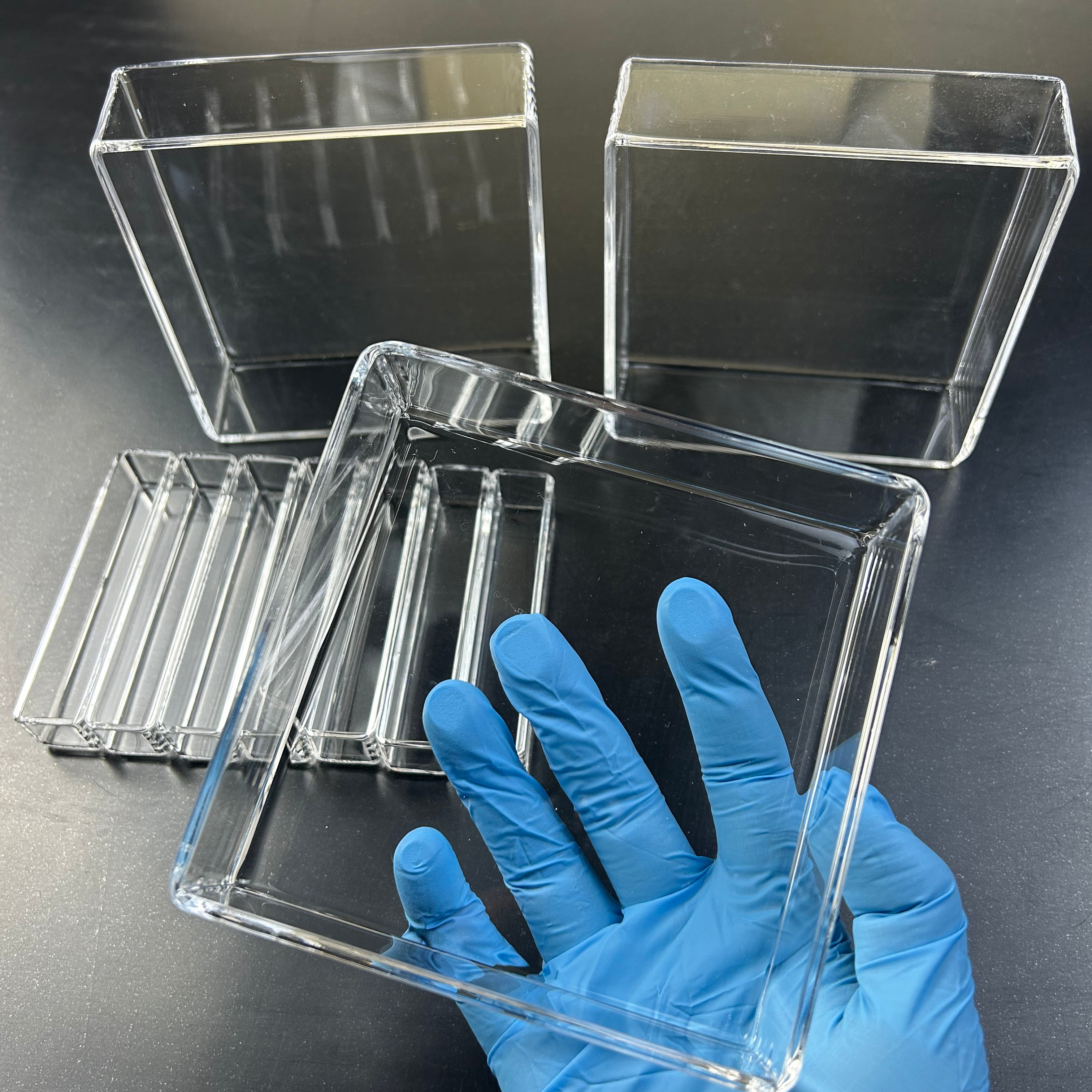
High Temperature Fused Quartz Glass Cylinder Crucible Tank
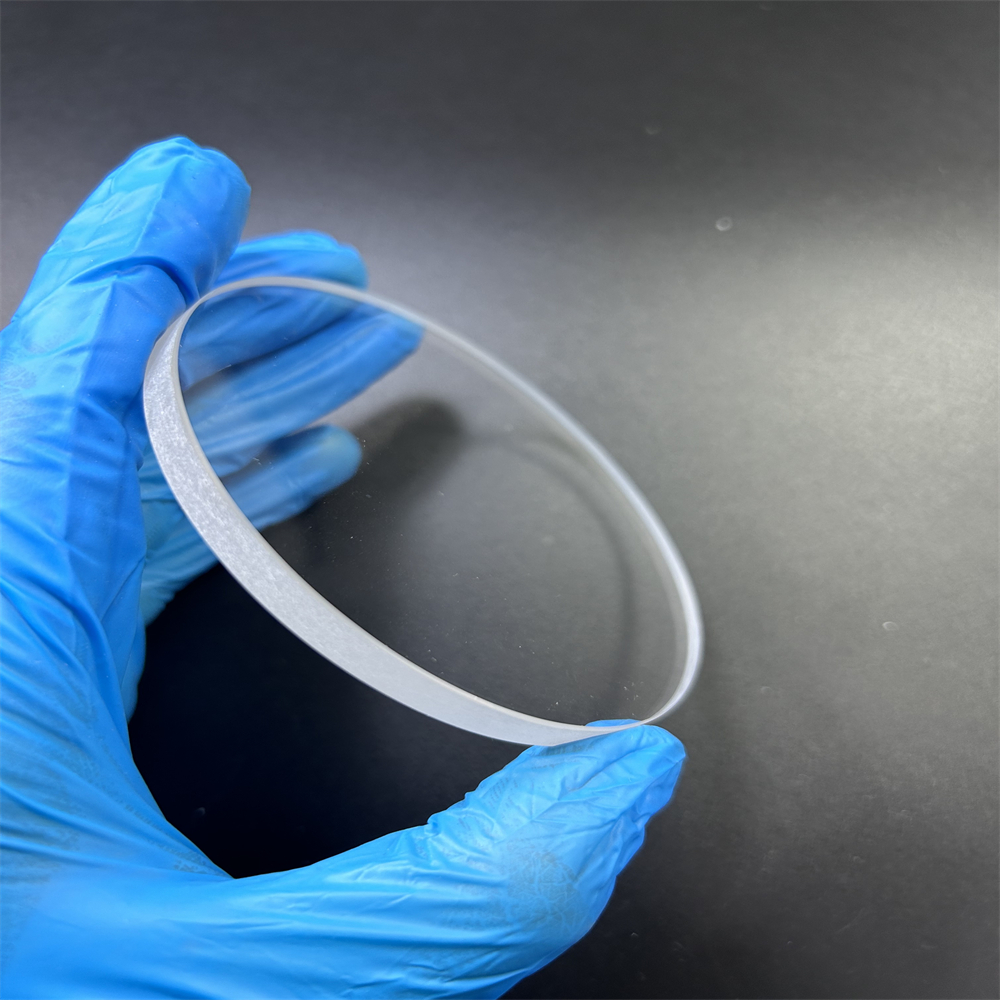
High Pressure Fused Silica Quartz Glass Wafer & Optical Sheet
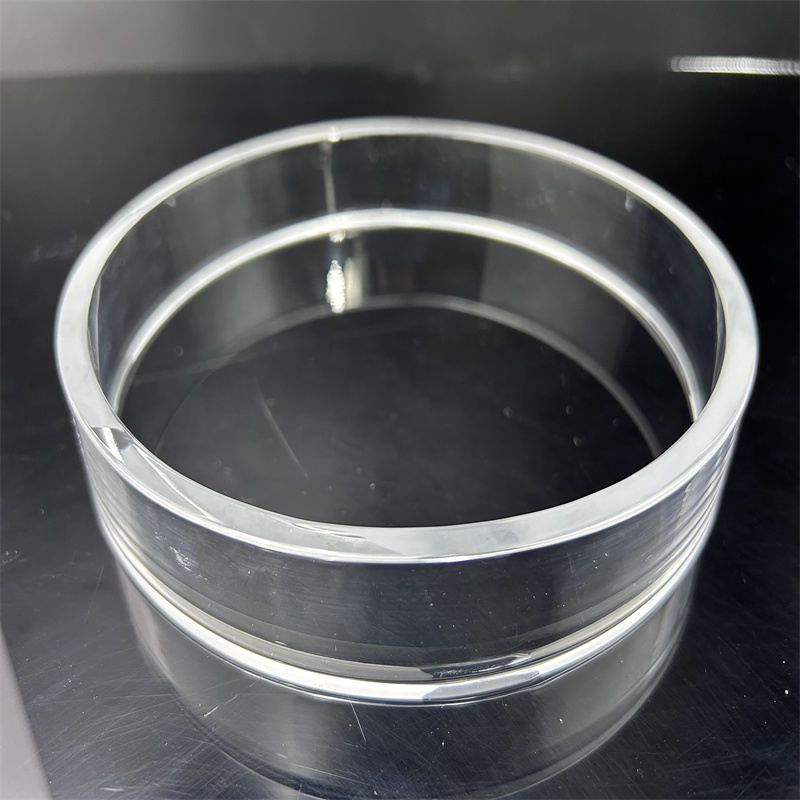
Corrosion-Resistant Fused Quartz Bell Jar Cylinder
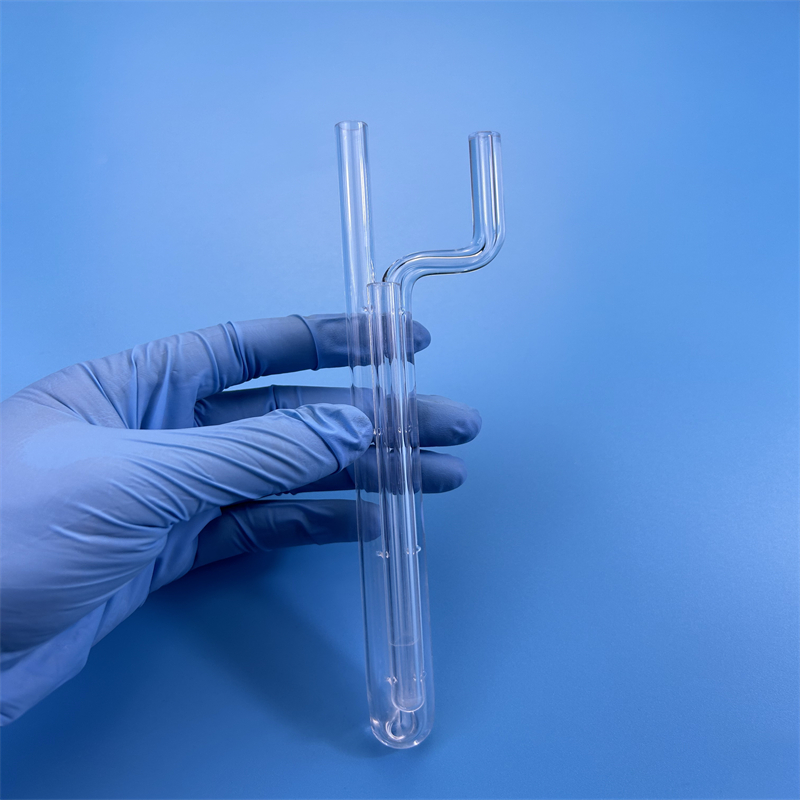
Chemisorption BET Test Ozone-Free Quartz Glass Twin Tube
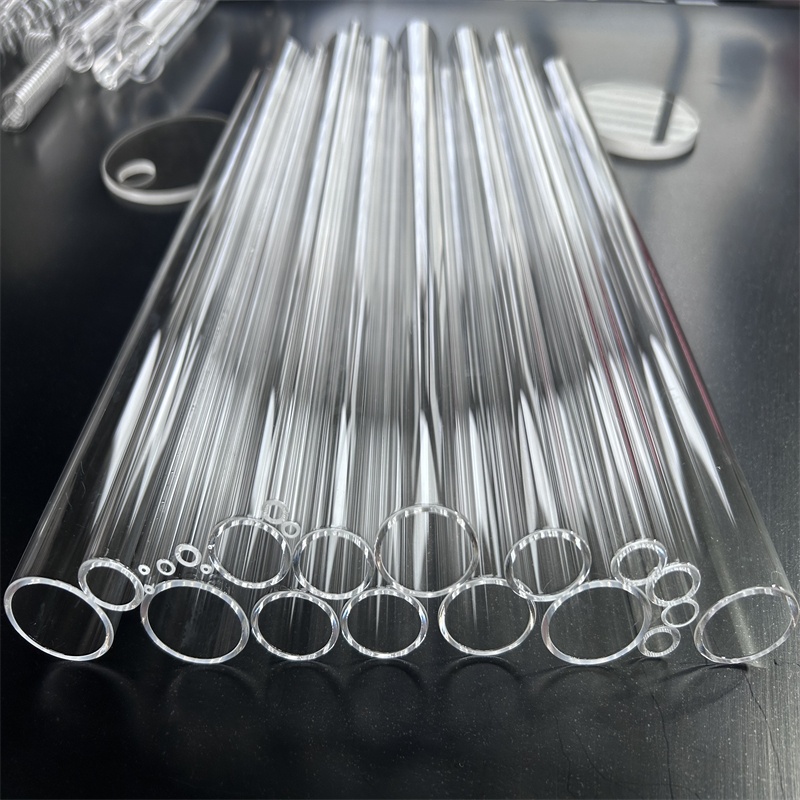
High Temperature Pure Fused Quartz Twin Tube Assembly
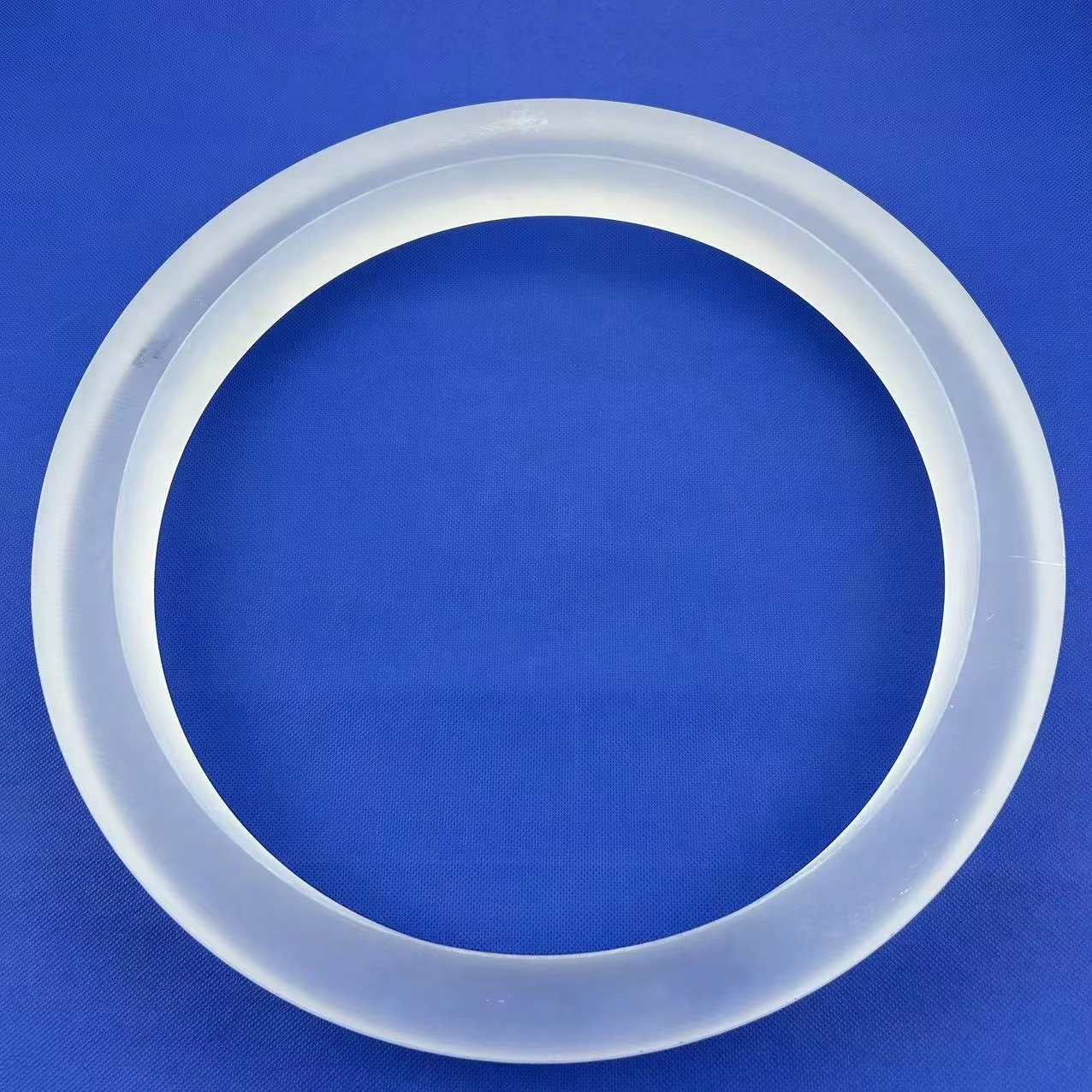
Custom Coated 99.99% Pure Quartz Rings & Flanges
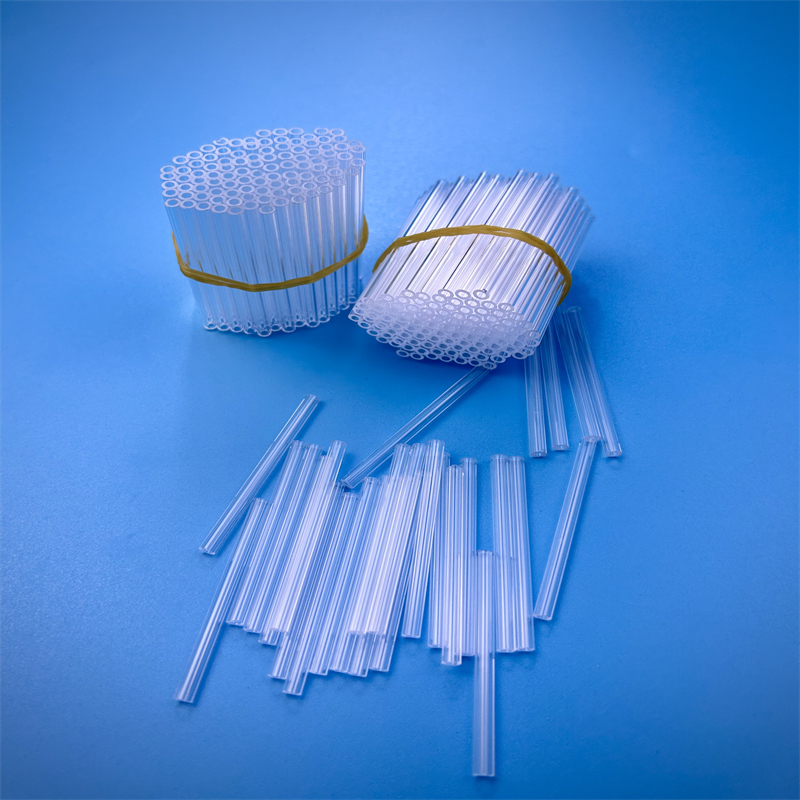
High Purity Transparent U-Bent Quartz Glass Cylinder
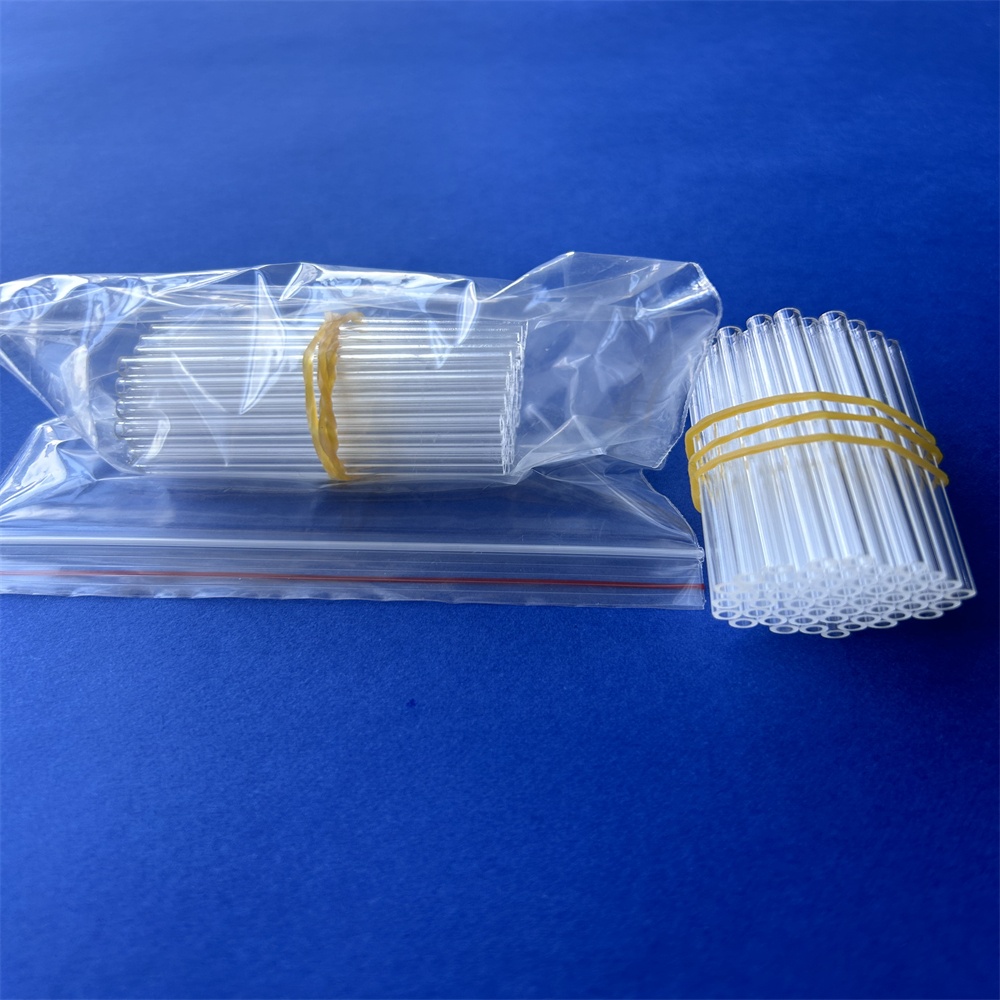
Small Diameter (0.1–20mm) Quartz Glass Capillary Tube
Technical Architecture & Material Engineering of Fused Quartz Cylinders
Industrial quartz glass cylinders represent an indispensable category of critical material components across advanced technological sectors, including semiconductor wafer processing, chemical vapor deposition (CVD), photolithography optics, and ultra-high-temperature vacuum furnace applications. Fused quartz is produced by melting naturally occurring high-purity crystalline quartz or synthetic silicon tetrachloride ($SiCl_4$) at temperatures exceeding $1700^\circ\text{C}$. The resulting non-crystalline, vitreous silica matrix yields unmatched thermal shock endurance, optical clarity spanning deep ultraviolet to far infrared wavelengths, and chemical inertness under severe acid and plasma exposure.
When procuring CE certified quartz glass cylinders for critical industrial or lab operations, enterprise buyers must evaluate material specs beyond dimensional sizing. The chemical purity profile—specifically trace metal contamination measured in parts per million (ppm) and hydroxyl ($OH^-$) content—directly influences operational longevity, devitrification resistance, and thermal sagging thresholds.
Information Gain Key Takeaway: Devitrification & High-Temperature Physics
Above $1150^\circ\text{C}$, vitreous fused silica gradually transitions into crystalline cristobalite—a process known as devitrification. Operating in contaminated atmospheres (containing trace alkali ions like sodium, potassium, or lithium) drastically accelerates devitrification. Zelvo Quartz employs proprietary ultrasonic cleaning and cleanroom flame-polishing protocols that reduce surface micro-defects and ionic residues, extending cylinder service life by up to 35% in high-temp diffusion applications.
Material Property Comparison Matrix for Fused Silica Cylinders
To assist procurement teams and mechanical engineers in selecting the correct glass grade, the following technical matrix outlines key physical, thermal, mechanical, and electrical parameters of our high-purity quartz cylinders:
| Physical Property | Standard Clear Fused Quartz | Synthetic UV Fused Silica | Testing Standard / Condition |
|---|---|---|---|
| Silicon Dioxide ($SiO_2$) Content | ≥ 99.99% (4N) | ≥ 99.999% (5N) | ICP-MS Analysis |
| Hydroxyl ($OH^-$) Content | < 5 ppm to 30 ppm | 100 ppm – 1200 ppm (Grade Dependent) | FTIR Spectroscopy |
| Density | 2.20 g/cm³ | 2.201 g/cm³ | ASTM C693 |
| Coefficient of Thermal Expansion (CTE) | 5.5 × 10⁻⁷ / K (20°C to 320°C) | 5.4 × 10⁻⁷ / K (20°C to 320°C) | Dilatometry (ASTM E228) |
| Softening Point | 1683 °C | 1600 °C – 1650 °C | ASTM C338 |
| Annealing Point | 1215 °C | 1180 °C | ASTM C336 |
| Max Continuous Service Temp | 1100 °C | 950 °C – 1050 °C | Air Atmosphere |
| Max Short-Term Peak Temp | 1300 °C | 1200 °C | < 2 Hours Duration |
| Refractive Index ($n_d$) | 1.4585 (at 589.3 nm) | 1.4585 (at 589.3 nm) | Refractometry |
| Dielectric Strength | 25 – 40 kV/mm | 30 – 45 kV/mm | 20°C, 1 MHz |
CE Compliance & Quality Verification Standards
CE Certification for industrial quartz components confirms that manufacturing processes comply with European health, safety, and environmental protection standards under the Low Voltage Directive (LVD 2014/35/EU) and Pressure Equipment Directive (PED 2014/68/EU) where applicable. Every batch of CE certified quartz glass cylinders manufactured by Lianyungang Zelvo Quartz Products Co., Ltd. undergoes rigorous dimensional verification, strain gauge stress analysis to ensure zero annealing residual stress, and hydro-static pressure safety testing prior to export.
Manufacturing Excellence from China's Crystal Capital
Situated in Donghai County, Lianyungang—the world-renowned hub for quartz raw material processing—Zelvo Quartz bridges raw silica purity with advanced European-standard fabrication techniques.
Drawing-Based Precision Milling
We support full custom fabrication based on 2D/3D CAD files (STEP, DWG, PDF). Capabilities include CNC micro-drilling, grooving, slotting, end-flanging, and sub-micron surface grinding.
Rigorous Polarimetric QC
Each quartz cylinder undergoes thermal stress profiling via polarimetry to eliminate internal tension, preventing cracking during high-temperature thermal cycling in customer facilities.
Flexible Low MOQ Prototyping
From single-piece R&D prototypes for university research labs to volume supply agreements for OEM furnace manufacturers, we offer scalable pricing with 1-piece minimum orders.
100% Onsite Verified Factory
Legal entity, manufacturing workshop, laser processing units, and flame welding bays are independently audited and verified onsite by global inspection agencies.
Fast Engineering Response
Our technical sales engineers review tolerances, thermal constraints, and manufacturing feasibility, delivering comprehensive quotes within 2 hours of drawing submittal.
Zero-Breakage Packaging
Custom foam-fitted internal cradles and reinforced plywood export crates guarantee safe air and ocean shipping to North America, Europe, Southeast Asia, and the Middle East.
Future Procurement Trends for Quartz Glass Cylinders (2025–2030)
As semiconductor node sizes shrink below 2nm and high-efficiency photovoltaic solar cells (TOPCon and Heterojunction HJT) scale production globally, procurement requirements for quartz glass components are evolving rapidly. Strategic purchasing managers must align their supply chains with four decisive industry trends:
1. Escalating Demand for Ultra-High Purity (5N+) Synthetic Quartz Cylinders
Traditional electric-melted natural quartz (containing ~20-30 ppm total metallic impurities) is reaching its physical limits in sub-2nm semiconductor fabrication. Next-generation Atomic Layer Deposition (ALD) and Chemical Vapor Deposition (CVD) equipment requires synthetic fused silica cylinders with less than 0.1 ppm total metal trace contamination. Buyers are transitioning toward hybrid supply strategies: utilizing cost-effective high-purity natural fused silica for outer thermal shields while specifying synthetic quartz cylinders for process-critical plasma reaction zones.
2. Large-Diameter, Thick-Wall Cylinder Fabrication Capabilities
The solar PV industry's expansion into 300mm and larger silicon ingot pulling has created a surge in demand for large-diameter quartz cylinders (outer diameters ranging from 400mm to over 800mm with wall thicknesses exceeding 10mm to 15mm). Procuring large-diameter cylinders requires suppliers equipped with heavy-duty CNC glass lathes, automated flame-welding gantries, and oversized stress-relief annealing kilns capable of maintaining dimensional concentricity under intense thermal load.
3. Customized Hydroxyl ($OH^-$) Tailoring for Specialized Wavelengths
Procurement teams now explicitly categorize quartz glass cylinders based on hydroxyl levels. High-OH quartz ($> 1000\text{ ppm}$) offers high deep-UV transmission (down to 193 nm for photolithography equipment) but exhibits absorption bands in the near-infrared spectrum ($2.72\ \mu\text{m}$). Conversely, low-OH quartz ($< 5\text{ ppm}$) is mandatory for infrared industrial heating, laser transmission, and high-temperature furnace tubes to prevent vacuum bubble formation and thermal embrittlement.
4. Supply Chain Traceability and Environmental Sustainability
Global original equipment manufacturers (OEMs) are imposing stringent ESG (Environmental, Social, and Governance) compliance criteria. Buyers now demand full material origin transparency—from raw quartz sand refining in Donghai to final CE-certified cylinder fabrication—ensuring zero toxic chemical runoff during hydrofluoric acid etching and 100% closed-loop process water recycling.
Technology & Development Trends in Quartz Processing
The precision fabrication of fused quartz glass cylinders has evolved from traditional manual bench-flame glassblowing to automated, computerized machining platforms. Key technological developments reshaping quartz manufacturing include:
- Femtosecond Laser Micro-Machining: Traditional mechanical drilling with diamond core bits introduces micro-cracks along cylinder edges, requiring extensive hydrofluoric acid etching to prevent crack propagation under thermal shock. Modern femtosecond laser drilling achieves ultra-clean micro-holes (down to 0.1mm diameter) with heat-affected zones under 5 microns, critical for gas-distribution showerheads in semiconductor reactors.
- Plasma-Assisted Surface Polishing: Plasma polishing utilizes high-density plasma arcs to melt thin surface layers without causing macroscopic shape distortion. This yields sub-nanometer surface roughness ($Ra < 0.5\text{ nm}$), significantly minimizing particulate entrapment in vacuum chemical processes.
- Robotic Flame Bending & Welding: Computer-controlled robotic arms synchronized with hydrogen-oxygen burner rigs execute compound U-bends, twin-tube fusion, and heavy flange welding with zero human error, providing 100% repeatable geometry across batch production runs.
- Protective Anti-Corrosion Coatings: In halogen-rich etch environments (e.g., fluorine or chlorine plasmas in chip manufacturing), pure quartz glass slowly etches away over time. Breakthroughs in thin-film atomic layer deposition (ALD) allow applying ultra-thin yttria ($Y_2O_3$) or alumina ($Al_2O_3$) barrier coatings onto inner cylinder surfaces, multiplying component service life up to 5 times.
Frequently Asked Procurement & Engineering FAQ
Everything you need to know about material selection, custom tolerances, CE certification, and international lead times for quartz glass cylinders.
What is the exact purity level of your CE certified quartz glass cylinders?
What continuous temperatures can your quartz cylinders withstand without sagging?
How do you ensure zero breakage during international sea and air freight?
Can you manufacture quartz cylinders to custom engineering drawings and tight tolerances?
What does CE certification mean for quartz glass cylinders?
What is your minimum order quantity (MOQ) and sample lead time?
How does fused quartz handle thermal shock compared to standard borosilicate glass?
What payment and incoterms options do you support for international orders?
Request Your Custom Quartz Cylinder Quote Today
Need custom dimensions, laser-drilled gas ports, or high-purity fused silica components? Send us your drawing or specifications. Our senior engineering team will evaluate your project and respond within 2 hours with full pricing and technical feedback.