Flagship High-Purity Fused Quartz Vessels & Components
Custom-fabricated from 99.99% high-purity SiO₂ to support rigorous chemical digestion, high-temperature thermal annealing, and photocatalytic synthesis.
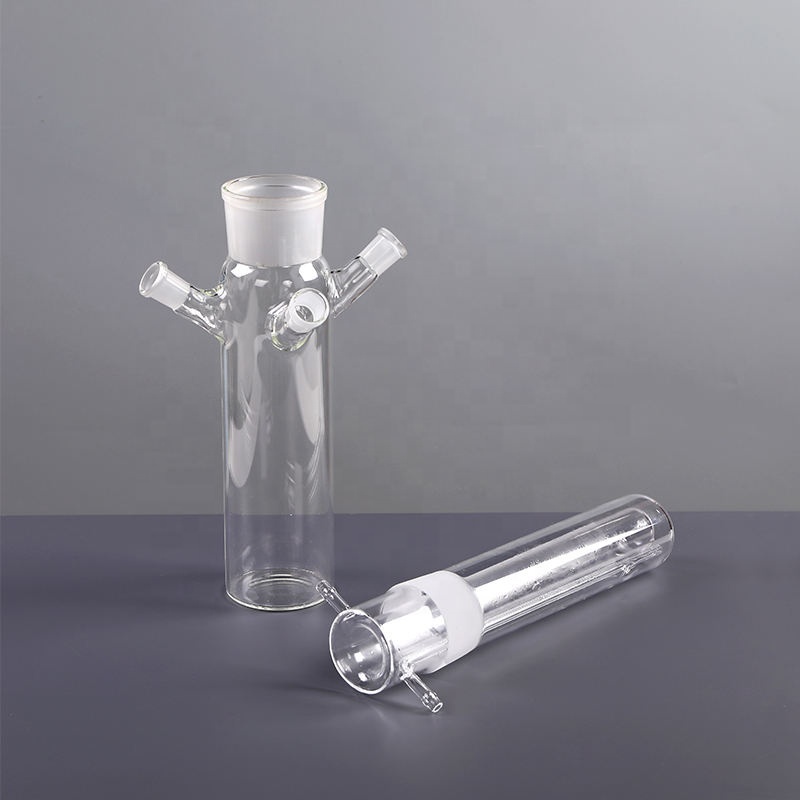
High-Purity Quartz Glass Reactor Container
Specialized for internal illumination, photocatalytic degradation, and severe acidic digestion with cold-wall bending and precision gas port welding.
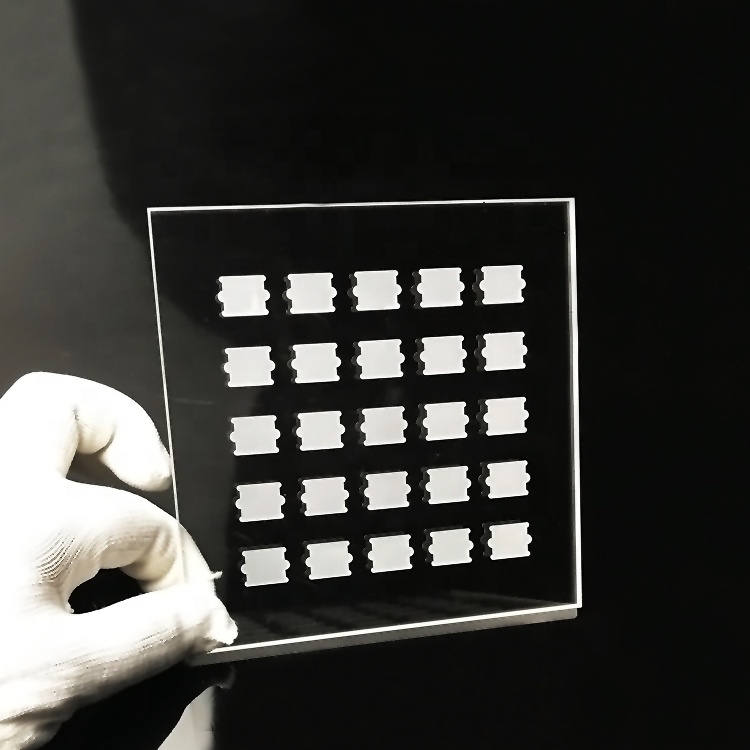
Fused Quartz Circular XRD Sample Holder
Zero-background amorphous quartz specimen holders engineered with micro-cavity CNC cutting and fire-polished edges for high-resolution X-ray diffraction.
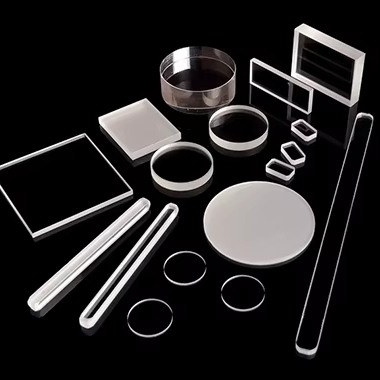
Optical Grade Test Sample Quartz Sheet
High-transmission JGS1 / JGS2 optical quartz sheets configured for spectral viewports, laser ablation windows, and high-temperature vacuum viewing ports.
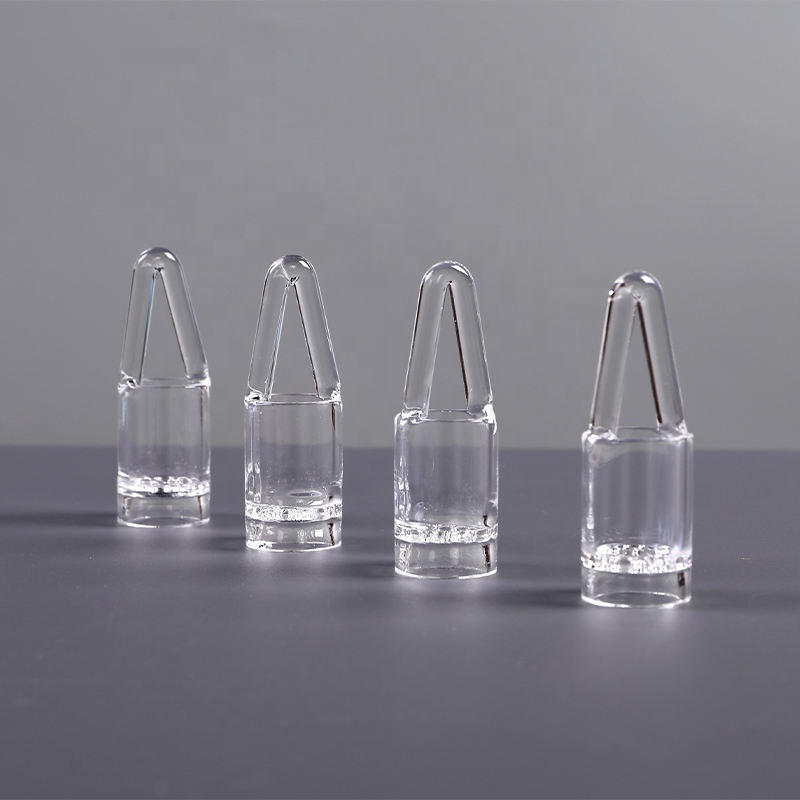
High Pressure Heavy-Wall Quartz Tube
Heavy-wall fused quartz tubing tested for hydraulic and pneumatic burst integrity, ideal for supercritical extraction vessels, ozone synthesis, and furnace liners.
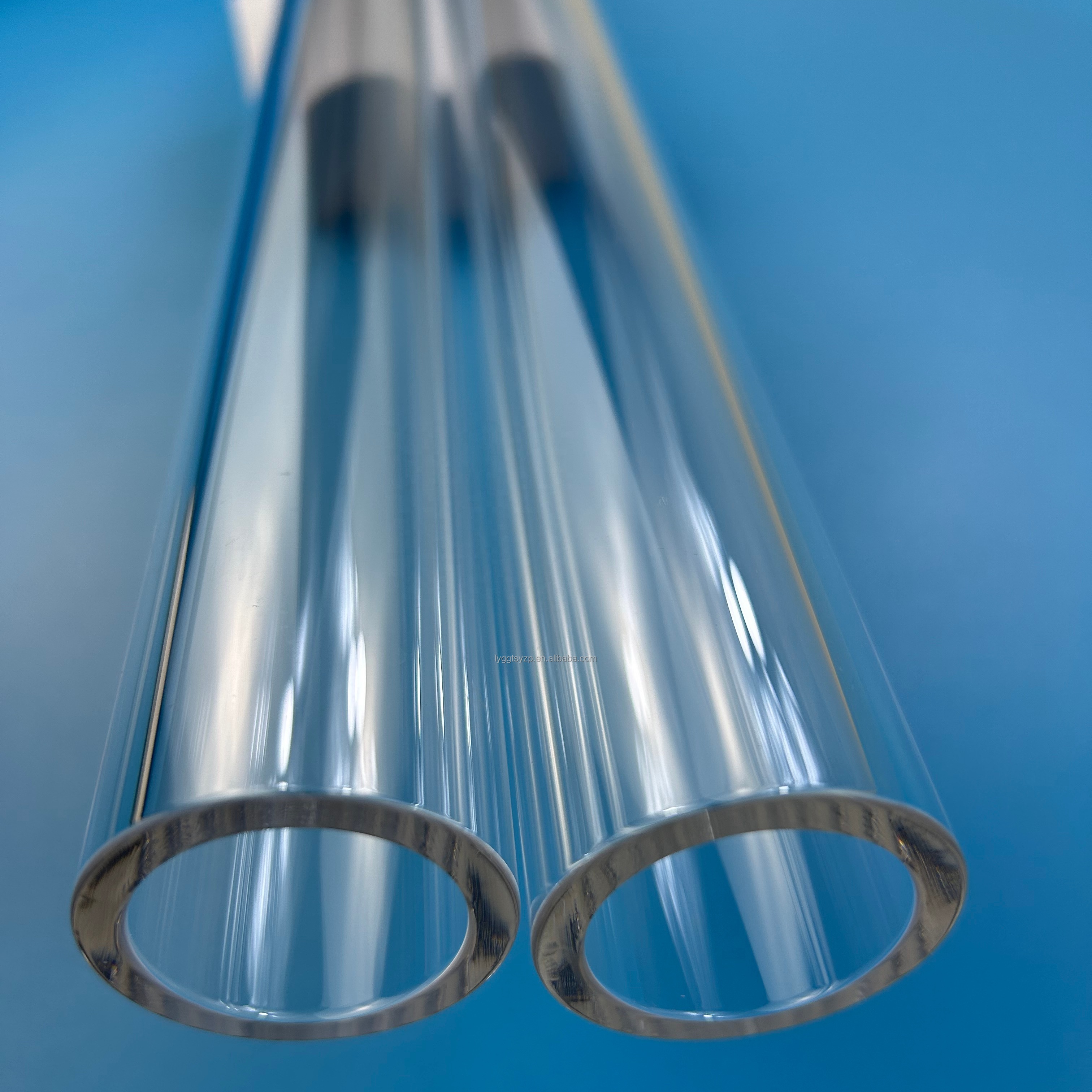
Polished Clear Quartz Twin Tube
Dual-channel structural quartz geometry specifically tailored for rapid thermal processing (RTP), infrared emitters, and chemical vapor deposition conduits.
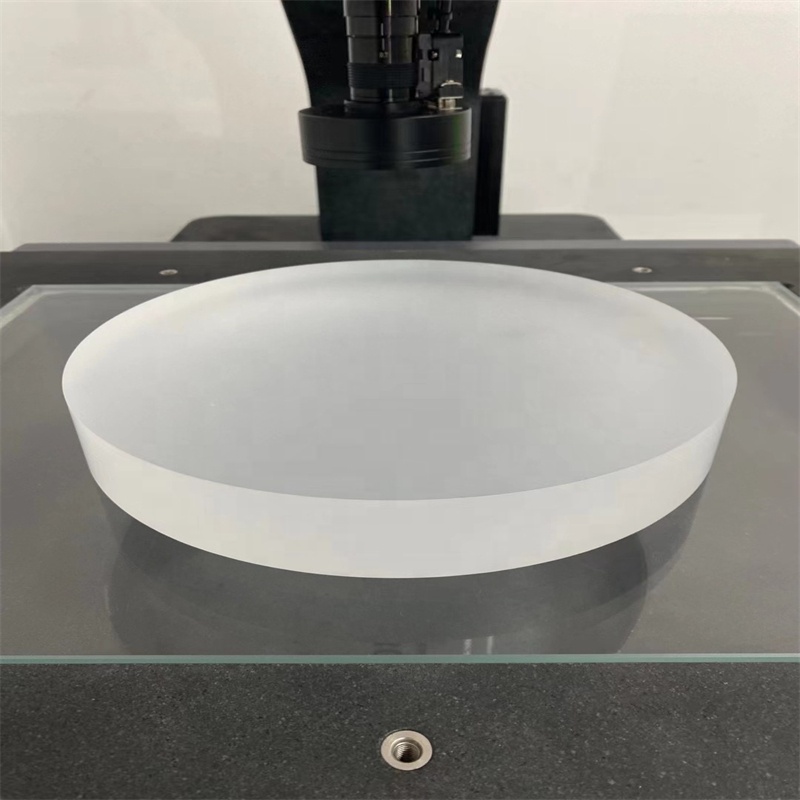
High Temperature Fused Quartz Plate
Precision ground and lapped clear silica plates engineered to withstand continuous thermal gradients up to 1100°C without mechanical delamination or bowing.
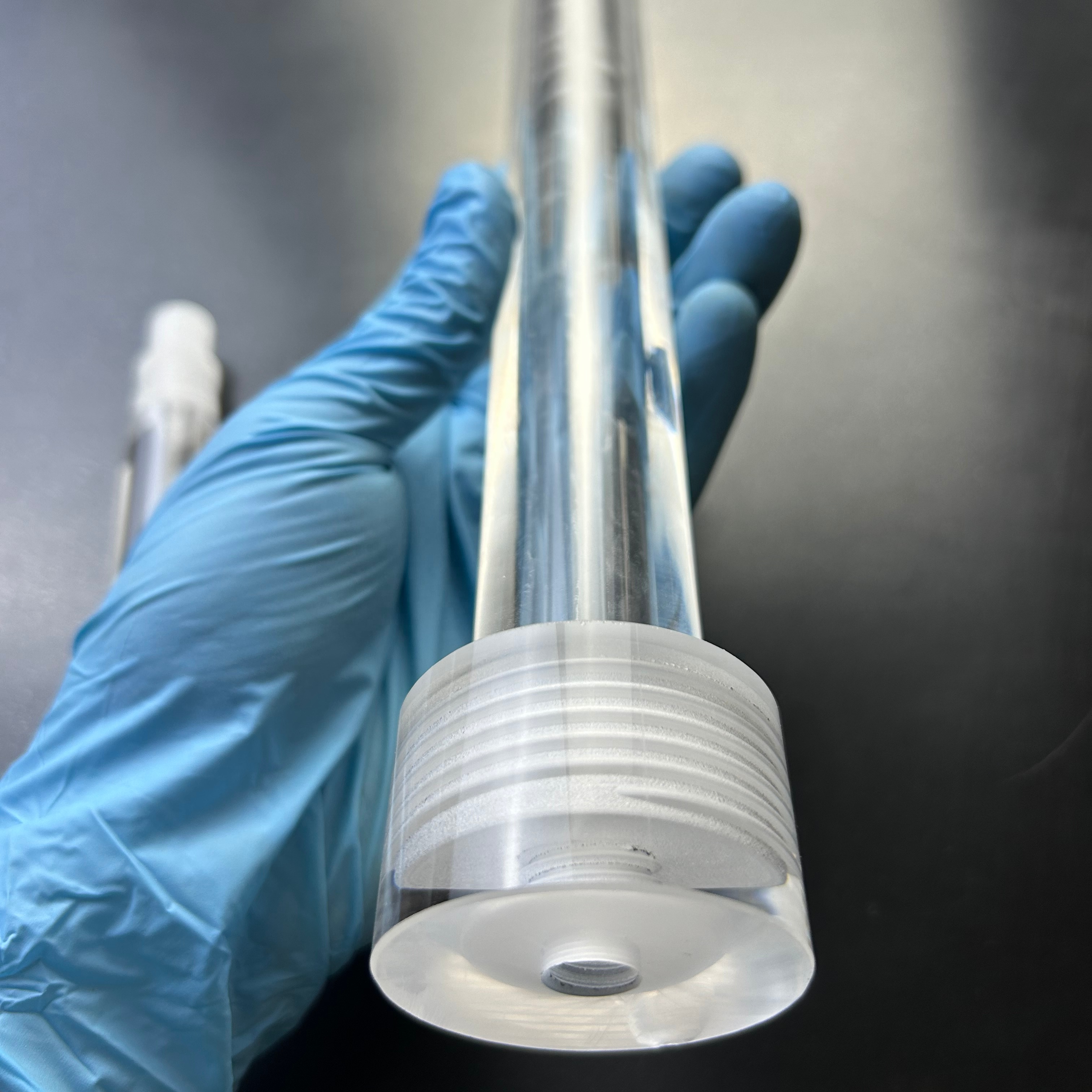
Customized High-Pressure Twin Tube
Multi-bore quartz heat-exchange vessel configured with welded manifolds and end-flanges, fabricated through specialized thermal lathe joinery and micro-flame sealing.
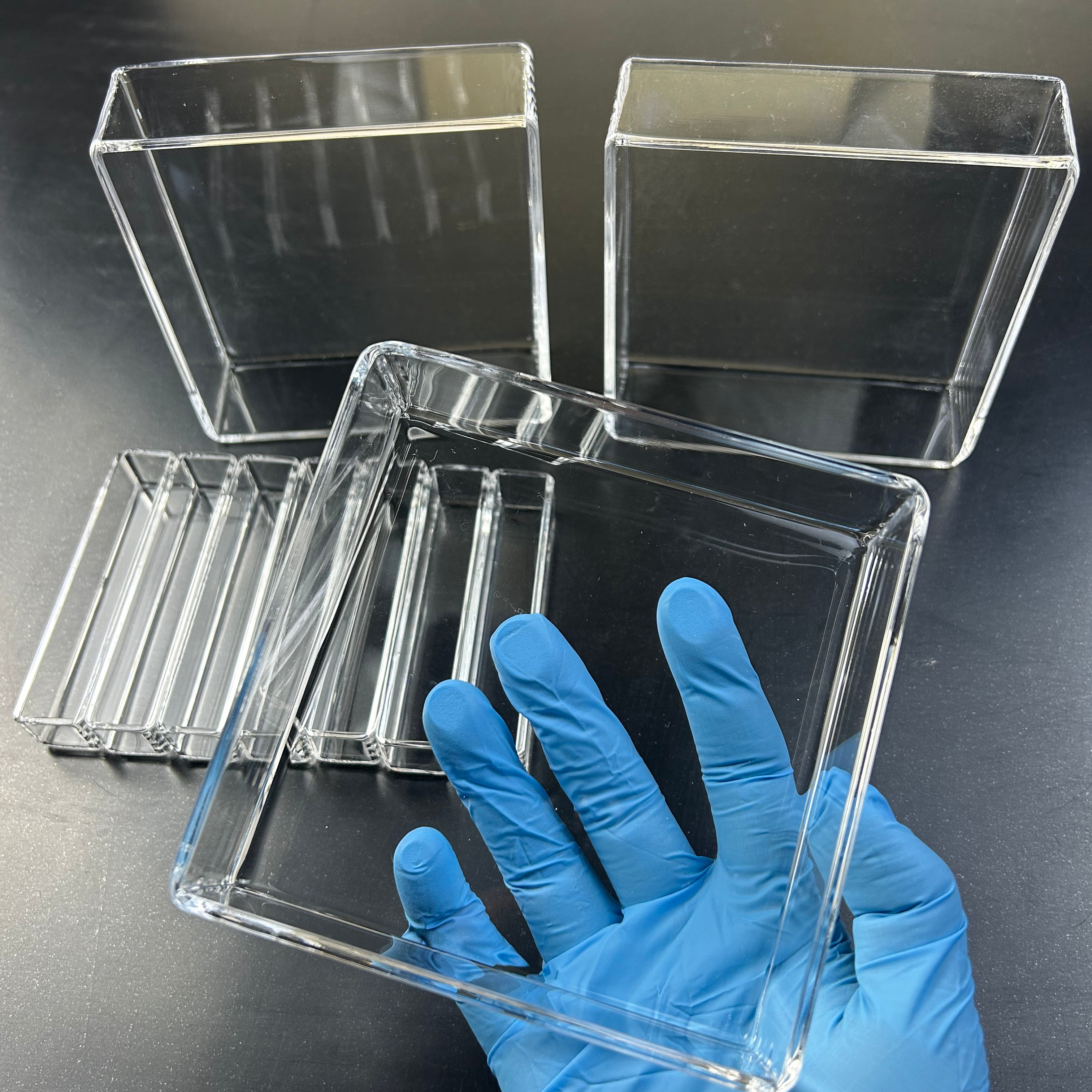
Fused Quartz Cylinder Crucible Tank
Large-diameter circular cylindrical vessel designed for photovoltaic silicon melting, high-temperature calcination, molten salt containment, and vapor-phase synthesis.
Industry White Paper: CE Certification Standards for Industrial Quartz Vessels
When sourcing fused quartz vessels for mission-critical industrial applications—such as semiconductor chemical vapor deposition (CVD), subcritical hydrothermal crystallization, or high-temperature corrosive digestion—procurement engineers must navigate strict regulatory, mechanical, and material science considerations. The European CE mark serves as a mandatory declaration of conformity within the European Economic Area (EEA), verifying that quartz vessels meet stringent safety, health, and environmental protection requirements under the European Pressure Equipment Directive (PED 2014/68/EU) and EN 61010-1 Safety Requirements for Electrical Equipment for Measurement, Control, and Laboratory Use.
Unlike standard borosilicate 3.3 laboratory glass, fused quartz vessels are subjected to thermal operating environments exceeding 1100°C and operational vacuum pressures below 10⁻⁵ Torr. Ensuring that a fused quartz reactor container or cylindrical crucible complies with CE mandates requires documented traceability across three scientific domains: chemical purity of the SiO₂ raw material, precision annealing to relieve internal hoop stress, and certified non-destructive pressure proof-testing.
Material Metallurgy & Chemical Contaminant Thresholds
Lianyungang Zelvo Quartz Products Co., Ltd. controls raw material extraction and purification in Donghai County—the epicenter of global quartz mineral refining. For CE-compliant pressure and reaction vessels, elemental impurities such as alkali metals (Li, Na, K) must be held strictly below critical parts-per-million (ppm) levels. Alkali ions act as crystallization catalysts that induce devitrification—the rapid transition of amorphous fused silica into crystalline cristobalite at temperatures exceeding 1050°C. Crystalline phase transformation causes catastrophic volumetric shrinkage (~5%) accompanied by micro-cracking and burst failures under operating pressure.
| Impurity Element | Zelvo Standard Grade (ppm) | Semiconductor Optical Grade (ppm) | Impact on Vessel Integrity & Compliance |
|---|---|---|---|
| Aluminum (Al) | 14.0 – 18.0 | < 8.0 | Substitutes for Si⁴⁺ in the tetrahedron; balances network charge. |
| Iron (Fe) | < 0.2 | < 0.05 | Induces optical UV-absorption bands; degrades photochemical efficiency. |
| Sodium (Na) | < 0.7 | < 0.1 | High mobility accelerates network rupture and devitrification kinetics. |
| Potassium (K) | < 0.8 | < 0.1 | Increases high-temperature dielectric loss; compromises RF heating vessels. |
| Calcium (Ca) | < 0.4 | < 0.2 | Reduces softening point; accelerates nucleated phase separation. |
| Hydroxyl Radical (OH⁻) | < 20 (Low-OH Gas Fusion) | < 5 (Synthetic Fused Silica) | Determines IR cutoff wavelength; controls viscosity and strain points. |
Hydrostatic Burst Testing & Stress Birefringence Standards
Under CE PED Module A/B verification for industrial vessels operating at internal gauge pressures above 0.5 bar, every batch of Zelvo fused quartz cylindrical vessels undergoes automated polariscope stress evaluation according to ASTM C148. Residual path difference (optical retardation) is restricted to ≤ 10 nm/cm following secondary hydrogen-oxygen flame annealing in our CNC annealing kilns. This eliminates brittle fracture hazards during rapid thermal cycling between 1100°C process setpoints and 20°C ambient atmosphere.
Enterprise Manufacturing Capabilities & Quality Infrastructure
Headquartered on Huanghe Road, Donghai County, Lianyungang Zelvo Quartz Products Co., Ltd. operates an integrated precision quartz processing facility combining traditional high-temperature glass-blowing artistry with multi-axis CNC laser drilling, ultrasonic milling, and cold glass slicing.
Our facility serves original equipment manufacturers (OEMs), Tier-1 semiconductor fabricators, and national energy laboratories across North America, Southeast Asia, South America, the Middle East, and Southern Europe. Through comprehensive in-house quality gates, Zelvo Quartz bridges the gap between academic R&D prototyping and multi-ton industrial vessel supply lines.
Cold Glass CNC & Laser Machining
Multi-axis precision diamond grinding, ultrasonic coring, and high-energy CO₂ laser cutting achieve hole tolerances within ±0.05 mm without micro-chipping or subsurface micro-crack propagation.
Thermal Joinery & Lathe Welding
Specialized quartz glassblowers with over a decade of bench experience operate hydrogen-oxygen glass lathes to weld flanges, ground joints, side-ports, and double-wall cooling jackets with zero residual strain.
Cleanroom Packaging & Shockproof Crating
Every CE-rated vessel undergoes multi-stage ultrasonic degreasing and deionized acid wash before being sealed in anti-static film and suspended inside shock-damped, export-certified plywood crates.
Strategic Sourcing: Future Procurement Trends in Quartz Glass Vessels
The global procurement market for high-purity quartz apparatus is experiencing a paradigm shift driven by technological transitions in third-generation compound semiconductors (SiC, GaN), next-generation perovskite/silicon tandem solar cells, and industrial-scale green hydrogen photocatalysis. Procurement departments and scientific buyers must adapt to five dominant macro-trends:
- Shift from Standard Borosilicate to High-Purity Fused Silica: Chemical reactors previously built with heavy-wall borosilicate are rapidly being replaced with fused quartz. The superior chemical inertness of SiO₂ against boiling mineral acids (with the exception of HF and concentrated phosphoric acid above 300°C) eliminates trace ion contamination in high-purity pharmaceutical and battery-precursor synthesis.
- Demand for Ultra-Low OH Synthetic Fused Silica: As semiconductor wafer processing migrates to advanced sub-3nm nodes and EUV lithography support, vessels must exhibit near-zero hydroxyl content (<1 ppm OH⁻) to resist continuous halogen plasma etching (NF₃, CF₄) without structural erosion.
- Tightening of CE PED Mechanical Traceability: Western European and North American buyers increasingly require complete metallurgical test certificates (EN 10204 3.1) and burst pressure verification documentation, shifting away from uncertified generic glass fabricators.
- On-Demand Custom Drawing Fabrication Over Static Catalogs: The standardization of laboratory setups has given way to tailored process configurations. Suppliers must support 1-piece minimum order quantities (MOQ) directly from STEP/CAD drawings with short 10-to-15 day fabrication lead times.
- Multi-Region Export Freight Risk Mitigation: In response to fragile global logistics channels, procurement directors demand comprehensive DDP (Delivered Duty Paid) door-to-door terms with zero-breakage insurance guarantees and pre-shipment dimensional video inspections.
Next-Generation Technological & Material Development Trends
As industrial processing parameters push the physical limits of fused silica, material scientists and manufacturing engineers are introducing breakthroughs in quartz formulation, surface modification, and composite sealing geometries:
1. Plasma Spraying & Surface Vitrification
Micro-plasma arc polishing achieves atomically smooth surfaces (Ra < 0.5 nm) on reaction vessel interiors, preventing the mechanical anchoring of catalytic deposits and drastically reducing particle shedding during cyclic chemical batch runs.
2. Direct Fused Quartz-to-Metal Graded Seals
Novel transition alloys (such as molybdenum and kovar powder gradients) enable direct thermal fusion between fused silica vessels and ultra-high-vacuum (UHV) stainless steel CF/KF flanges, eliminating volatile polymer O-rings that fail above 200°C.
3. Doped Optical Quartz for Spectral Selectivity
Titanium- and cerium-doped quartz vessel formulations filter out unwanted 185nm and 254nm ozone-generating wavelengths while maximizing deep-UV and infrared transmission, safeguarding lab personnel and optimizing photochemical synthesis yields.
4. Automated Optical Flaw Inspection (AOI)
Integrating polarized telecentric vision systems allows 100% automated inspection of internal bubble inclusions, seed concentrations, and striations, ensuring zero vessel failure during continuous high-pressure operations.
Frequently Asked Questions: Industrial Quartz Vessel Procurement
Common engineering, regulatory, and logistics inquiries answered directly by our senior fabrication team:
1. What specific testing and documentation accompany CE-certified quartz vessels?
2. What is the continuous vs. peak operating temperature limit for fused quartz vessels?
3. How does fused quartz react to extreme thermal shock compared to standard borosilicate?
4. Can Zelvo Quartz manufacture vessels based on proprietary CAD/technical drawings?
5. What is the Minimum Order Quantity (MOQ) and standard lead time for custom vessels?
6. What international shipping terms and anti-breakage guarantees are provided?
7. Which chemical reagents and environmental exposures must be avoided?
8. What are the best cleaning protocols to ensure vessel longevity?
Connect with Senior Quartz Fabrication Engineers
Whether you require a single high-pressure photocatalytic digestion reactor, custom-ground optical windows, or high-volume CVD furnace twin tubes, our technical team provides rapid feasibility reviews and competitive ex-factory pricing within 2 hours.