High-Purity Quartz & Fused Silica Flanged Solutions
Direct from our Donghai machining facility: Custom drawing fabrication with CNC ultrasonic drilling, fire-polished sealing faces, and optical-grade homogeneity tested up to 1300°C.
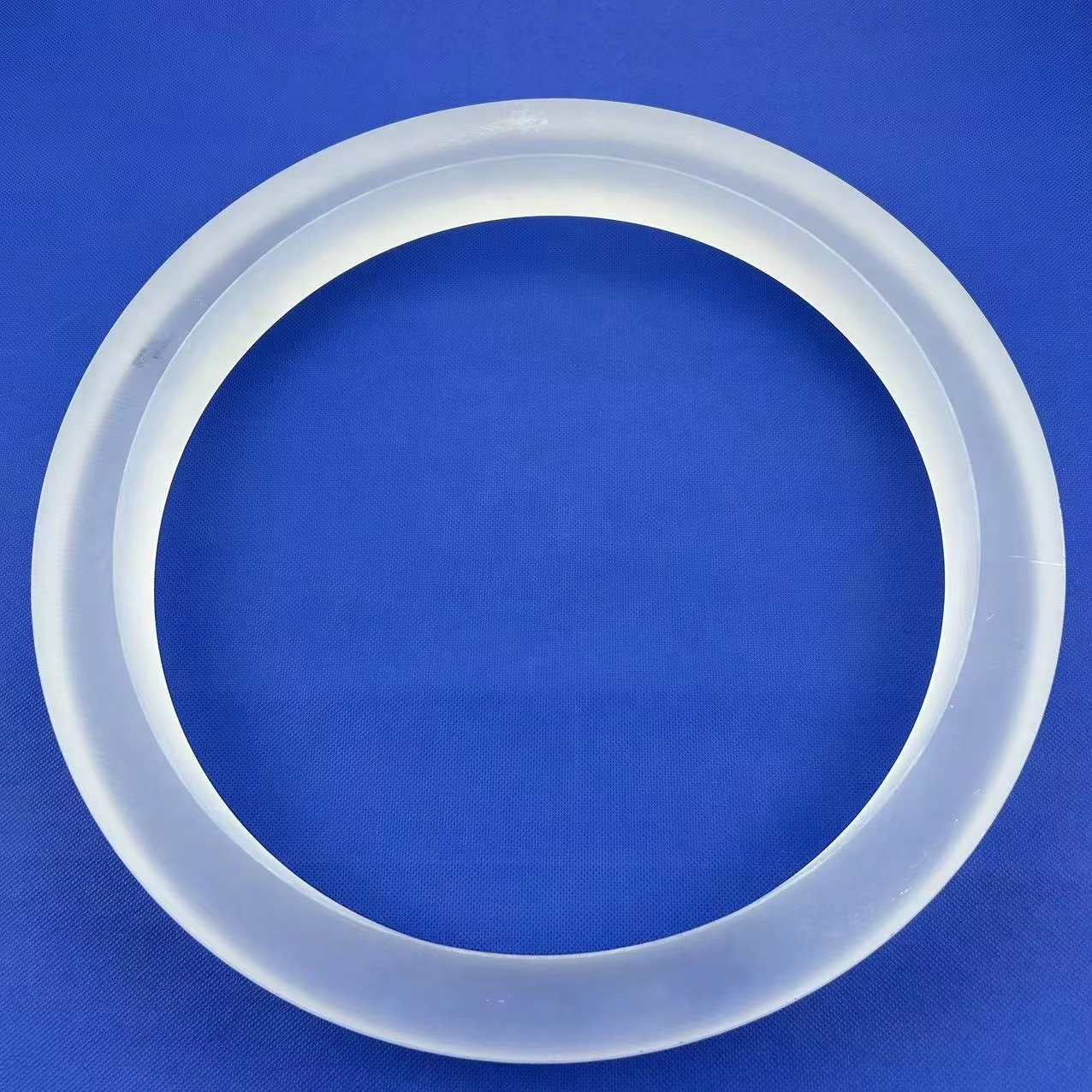
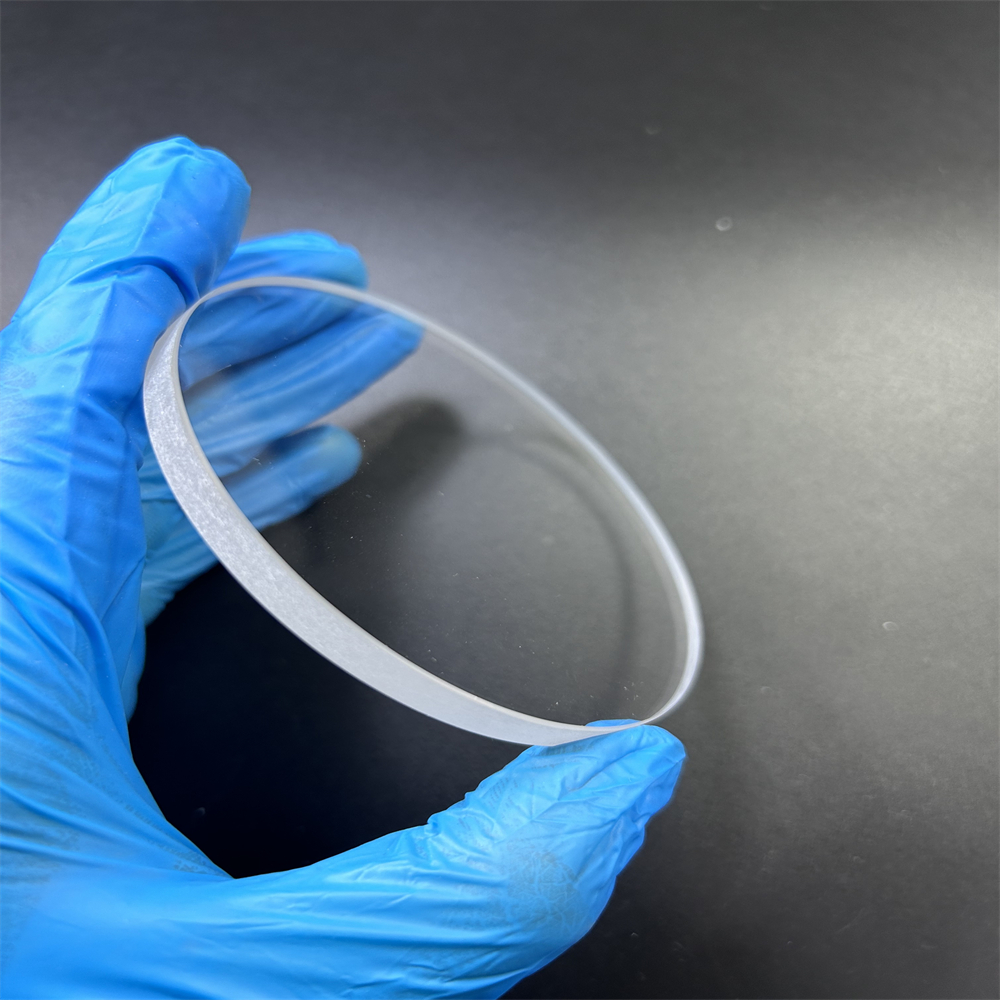
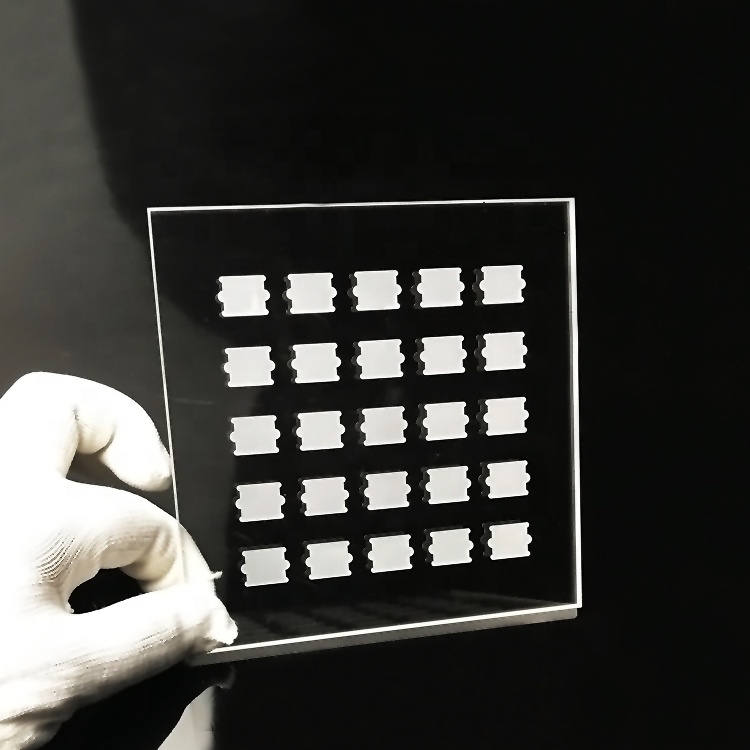
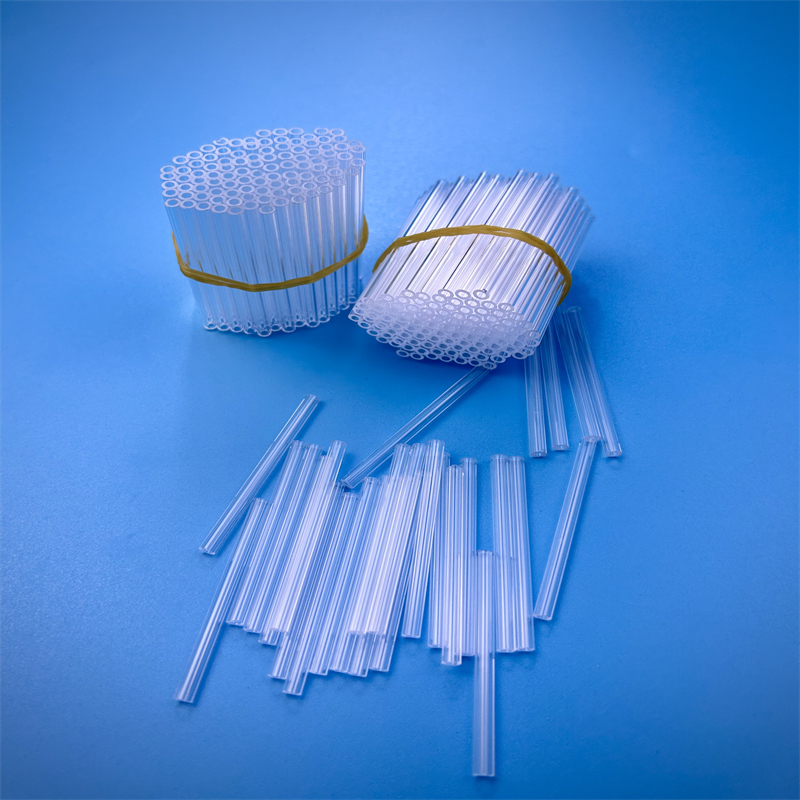
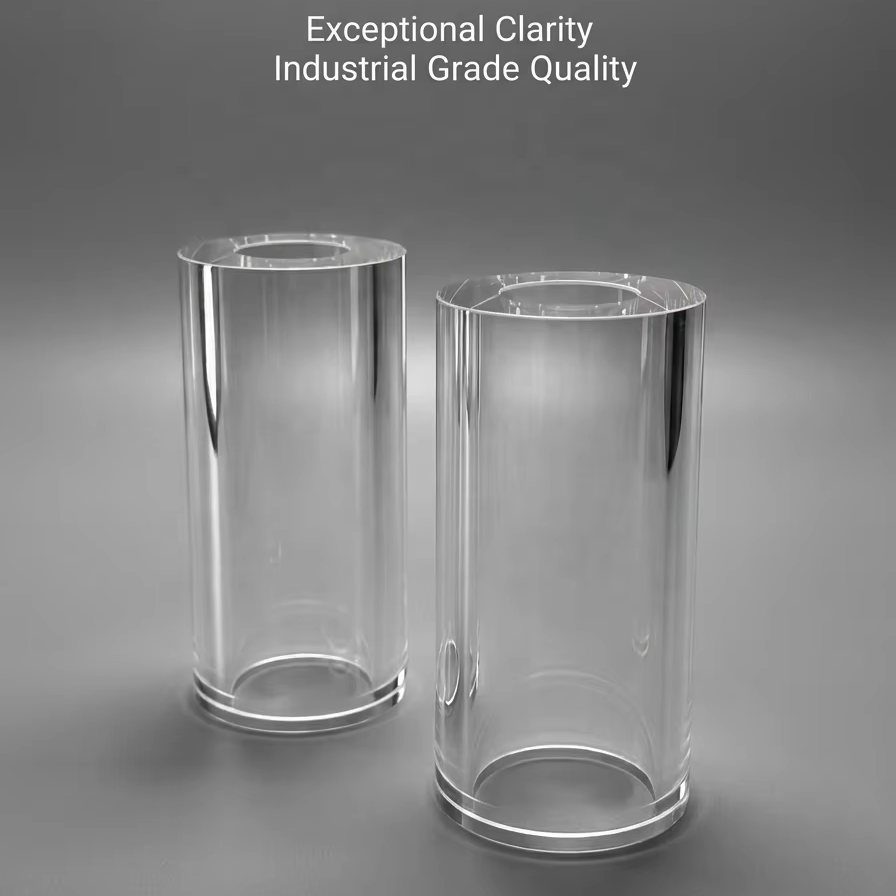
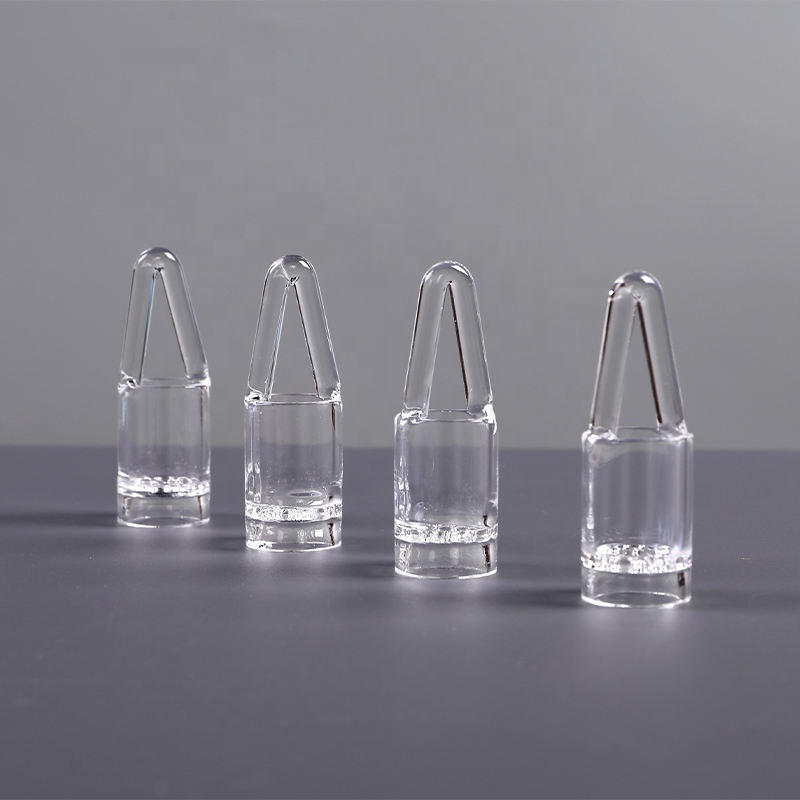
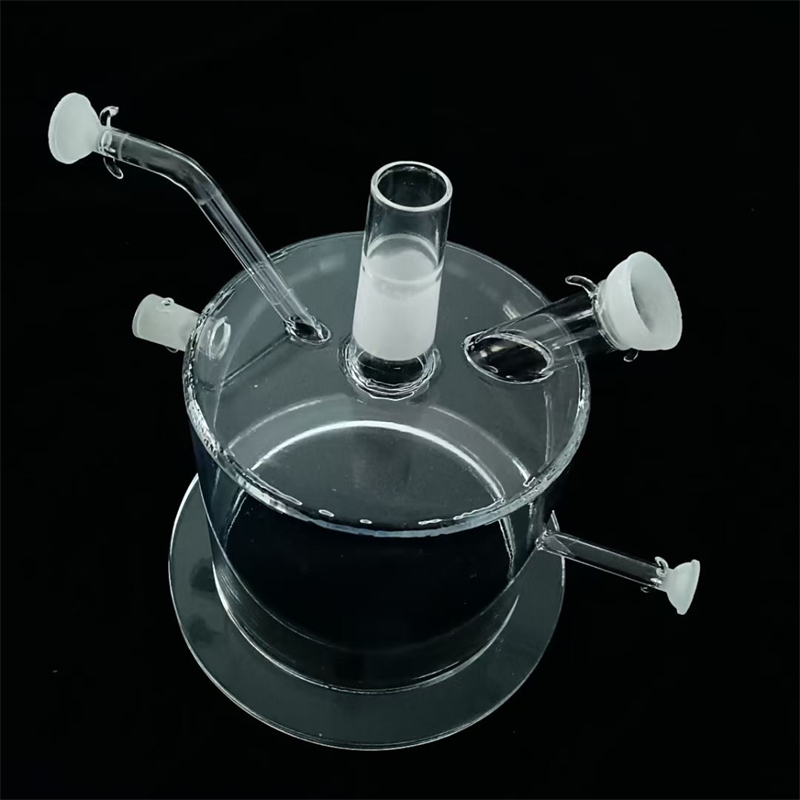
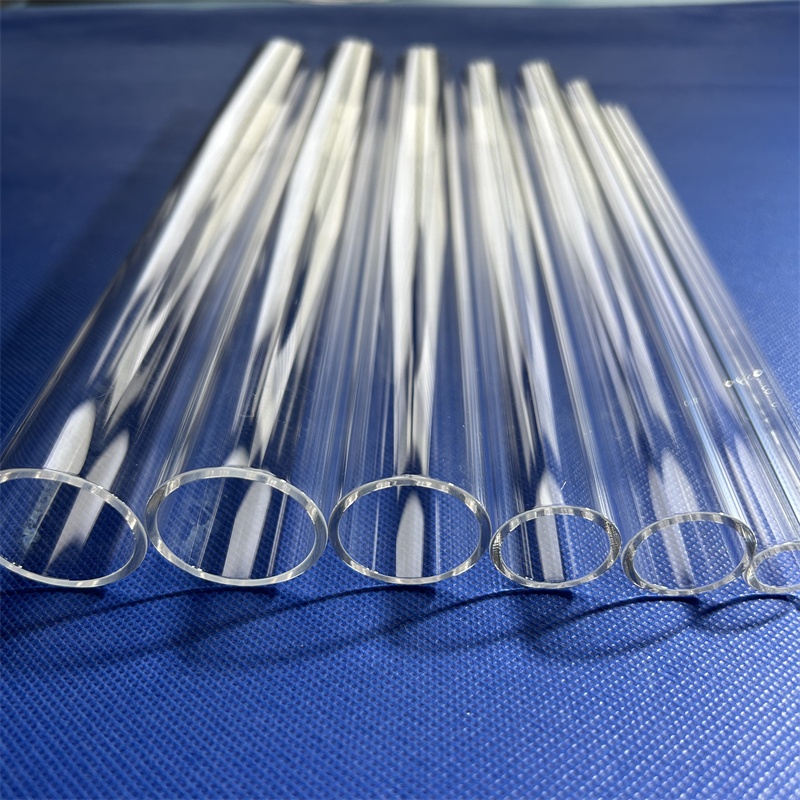
1. Material Science Differentiation: Fused Silica vs. Natural Quartz Flanges
Procurement directors and vacuum engineers must discern between electric-arc melted natural quartz glass and synthetic fused silica (chemical vapor deposited SiCl₄) when configuring flanged ports. Natural quartz, while cost-efficient and thermally resilient up to continuous working temperatures of 1100°C, contains structural impurities (aluminum, iron, lithium, titanium) in the 15–30 ppm range. In contrast, synthetic fused silica features metallic contamination below 0.1 ppm, providing near-zero absorption in the deep ultraviolet (DUV 193 nm) spectrum and eliminating plasma etching pinholes during advanced semiconductor manufacturing.
Thermal stability is dictated by an extremely low coefficient of thermal expansion (CTE: 5.5 × 10⁻⁷ /K), rendering fused silica virtually immune to severe thermal cycling. A properly manufactured fused silica flange can be repeatedly heated to 1100°C and plunged directly into ambient water without catastrophic fracture. However, executing precision bolt-hole circles and polished sealing faces on fused silica requires specialized stress-relieving annealing protocols to eliminate internal birefringence.
Donghai Cluster Advantage
Direct mine-to-machining supply chain integration in Jiangsu reduces material costs by 30-40% compared to Western and Japanese equivalents while assuring immediate ingot availability.
Ultra-Fast Response Engineering
Direct communication with veteran CAD/CAM silica specialists. Feasibility analysis, drawing tolerance optimization, and cost modeling provided within 2 business hours.
Sub-Micron Machining & Polish
Laser drilling, ultrasonic cavity grooving, and CNC planar grinding achieving face flatness to λ/4 and surface roughness of Ra < 0.2 μm for leak-free Viton/Kalrez elastomeric sealing.
Cleanroom Vacuum Packing
Ultrasonic solvent cleaning, Class 10,000 cleanroom nitrogen flushing, double-vacuum static-shield bagging, and custom shockproof suspended wooden crate packaging for zero transit breakage.
Comprehensive Fused Silica Flange Technical Specifications
Empirical physical, mechanical, optical, and vacuum performance parameters verified under ISO/SEMI laboratory protocols at Lianyungang Zelvo Quartz Products Co., Ltd.
| Property / Characteristic | Test Standard / Method | Natural Clear Fused Quartz | Synthetic Fused Silica (JGS1 / Suprasil Equivalent) |
|---|---|---|---|
| Chemical Purity (SiO₂) | ICP-OES Mass Spectrometry | ≥ 99.99% | ≥ 99.9999% (< 0.1 ppm total metals) |
| Hydroxyl Radical (OH⁻) Concentration | FTIR Spectroscopy | < 5 ppm (Low-OH) or ≈ 30 ppm | < 1 ppm (Dry) to 1200 ppm (UV Wet Grade) |
| Density (ρ) | Archimedes Immersion | 2.20 g/cm³ | 2.201 g/cm³ |
| Coefficient of Thermal Expansion (CTE) | Dilatometry (20°C – 320°C) | 5.5 × 10⁻⁷ K⁻¹ | 5.2 × 10⁻⁷ K⁻¹ |
| Continuous Service Temperature | Atmospheric Furnace | 1100 °C | 1150 °C |
| Maximum Short-Term Peak Temperature | Inert Atmosphere | 1300 °C | 1350 °C |
| Annealing Point / Softening Point | ASTM C598 / C338 | 1215 °C / 1683 °C | 1180 °C / 1600 °C |
| Dielectric Breakdown Strength | 20 °C, 1 MHz Frequency | 25 – 40 kV/mm | > 45 kV/mm |
| Helium Leak Integrity (Flanged Assembly) | Mass Spectrometer Sniffer Test | < 1.0 × 10⁻¹⁰ mbar·l/s | < 1.0 × 10⁻¹¹ mbar·l/s |
| Standard Sealing Face Flatness | Laser Fizeau Interferometry | λ / 2 to λ / 4 @ 632.8 nm | λ / 4 to λ / 10 (Custom Optical Polish) |
| Available Flange Standard Formats | Dimensional Metrology (CMM) | ISO-KF (NW16, NW25, NW40, NW50), ISO-LF, CF (ConFlat 1.33" to 10"), Custom Bolt-Circle & O-ring Counter-bored | |
Future Procurement Trends in Fused Silica Flanges
How Tier-1 semiconductor fabs, laser manufacturers, and quantum laboratories are restructuring their optical quartz supply chains through 2030.
1. Demand Surge in Sub-3nm ALD & Plasma CVD
As semiconductor process nodes shrink below 3nm, parasitic metal contamination from conventional stainless steel and aluminum flanges has become intolerable. Global equipment OEMs are aggressively retrofitting reaction chamber entry manifolds with monolithic fused silica flanged spools to eliminate micro-arcing and heavy-metal vapor migration.
2. Direct Laser Hermetic Glass-to-Metal Joining
Procurement teams are shifting away from leak-prone elastomer O-rings in high-temperature vacuum furnaces. The market is accelerating toward hybrid fused silica flanges pre-bonded with Kovar or titanium sleeves via femtosecond laser welding, creating leak-free metal-to-quartz seals operational from cryogenic -196°C to +450°C continuously.
3. Direct OEM Sourcing from Donghai Clusters
Western enterprise procurement is actively disintermediating European and American trading distributors. Sourcing managers increasingly partner directly with verified Chinese manufacturing centers like Zelvo Quartz in Donghai, capturing immediate 40% margin improvements and compressing lead times from 18 weeks to 14 days.
Navigating Total Cost of Ownership (TCO) in Quartz Flange Procurement
Purchasing agents often make the critical error of evaluating fused silica flanges strictly on initial unit purchase price rather than chamber lifecycle longevity. Flanges with inadequate thermal annealing or improper edge chamfering fail rapidly due to stress concentration under bolt preload. At Zelvo Quartz, every flanged component undergoes computerized polariscope birefringence screening and rigorous dimensional verification via coordinate measuring machines (CMM). Our customers achieve an estimated 3.2× longer service life across rigorous fluorine (NF₃/CF₄) plasma cleaning cycles, dramatically mitigating unplanned fab downtime costs.
Technological Manufacturing Trends in Fused Silica Fabrication
Pioneering modern fabrication methods that prevent subsurface damage and ensure ultra-flat hermetic sealing interfaces.
Ultrasonic 5-Axis Milling & Sub-Surface Damage (SSD) Mitigation
Traditional diamond abrasive machining of vitreous silica introduces micro-fractures known as subsurface damage (SSD), extending 20 to 80 μm beneath the cut face. Under continuous thermal stress and vacuum cyclic loading, these latent fissures propagate, precipitating sudden flange fracture. Zelvo Quartz employs cutting-edge ultrasonic-assisted diamond rotary milling, operating at 20–40 kHz oscillation. The microscopic hammer action generates higher material removal rates while inducing compressive surface stresses that restrict crack propagation, leaving an SSD zone < 5 μm that is cleanly eradicated during chemical acid etching.
Automated Hydrogen-Oxygen Glass Lathe Welding & Annealing
Welding a large fused silica flange to a thick-walled quartz process tube (up to Φ450 mm OD) demands exceptional thermal management. Temperature differentials across the heat-affected zone (HAZ) can induce severe localized stresses. Our workshop utilizes automated dual-burner hydrogen-oxygen CNC glass-blowing lathes that uniformly preheat the joint interface to 1250°C. Following precision weld fusion, the assembly enters our programmable electric annealing furnace for a multi-stage stress-relief cycle:
- Ramp Phase: Heated to the silica annealing point (1180°C – 1215°C) at a controlled rate of 5°C/min.
- Soaking Soak: Maintained for 120 to 240 minutes depending on flange wall thickness (up to 50 mm) to achieve structural relaxation.
- Critical Cooling: Precision step-down cooling at 0.5°C/min through the transformation range (1215°C down to 1020°C).
- Final Descent: Inert furnace cooling to ambient temperature, guaranteeing residual strain optical path difference ≤ 10 nm/cm.
Step 1: Ingot Metrology
Ultrasonic sound-velocity density testing, bubble inclusion mapping (Class 0 per DIN 3140), and spectrographic purity assay before slicing.
Step 2: CNC Profiling
Ultrasonic diamond core drilling of bolt arrays, CNC lathe milling of O-ring containment grooves, and precision bevel edging to DIN standards.
Step 3: Lapping & Inspection
Double-sided planetary chemical-mechanical polishing (CMP), Ra < 0.2 μm finishing, laser flatness testing, and helium leak certification.
Procurement & Engineering FAQ
Detailed technical answers to the most frequent design, specification, and logistics inquiries submitted by global quartz flange buyers.
1. What is the fundamental operational difference between natural fused quartz and synthetic fused silica flanges?
2. How can we prevent quartz flange cracking when bolting to stainless steel chamber flanges?
3. Can fused silica flanges achieve helium leak rates suitable for Ultra-High Vacuum (UHV) systems?
4. What standard flange profiles do you manufacture, and can you build to custom CAD drawings?
5. What dimensional tolerances and surface flatness can your factory guarantee?
6. What is the Minimum Order Quantity (MOQ) and sample lead time?
7. How do you inspect and document internal thermal stress before shipment?
8. What chemical exposure environments can fused silica flanges endure?
9. How do you guarantee zero transit breakage for overseas shipments?
10. Can you produce fused silica flanges with integrated transparent viewports or optical coatings?
Ready to Optimize Your Fused Silica Flange Sourcing?
Submit your 2D/3D mechanical drawings or technical RFQ specifications. Our chief quartz glass engineers review your thermal and mechanical parameters, responding with a definitive feasibility assessment and pricing model within 2 hours.