Featured Precision Quartz Components & Components
Engineered in Donghai Quartz Hub for Solar Processing, Semiconductor CVD, Thermal Furnaces, and R&D Systems.
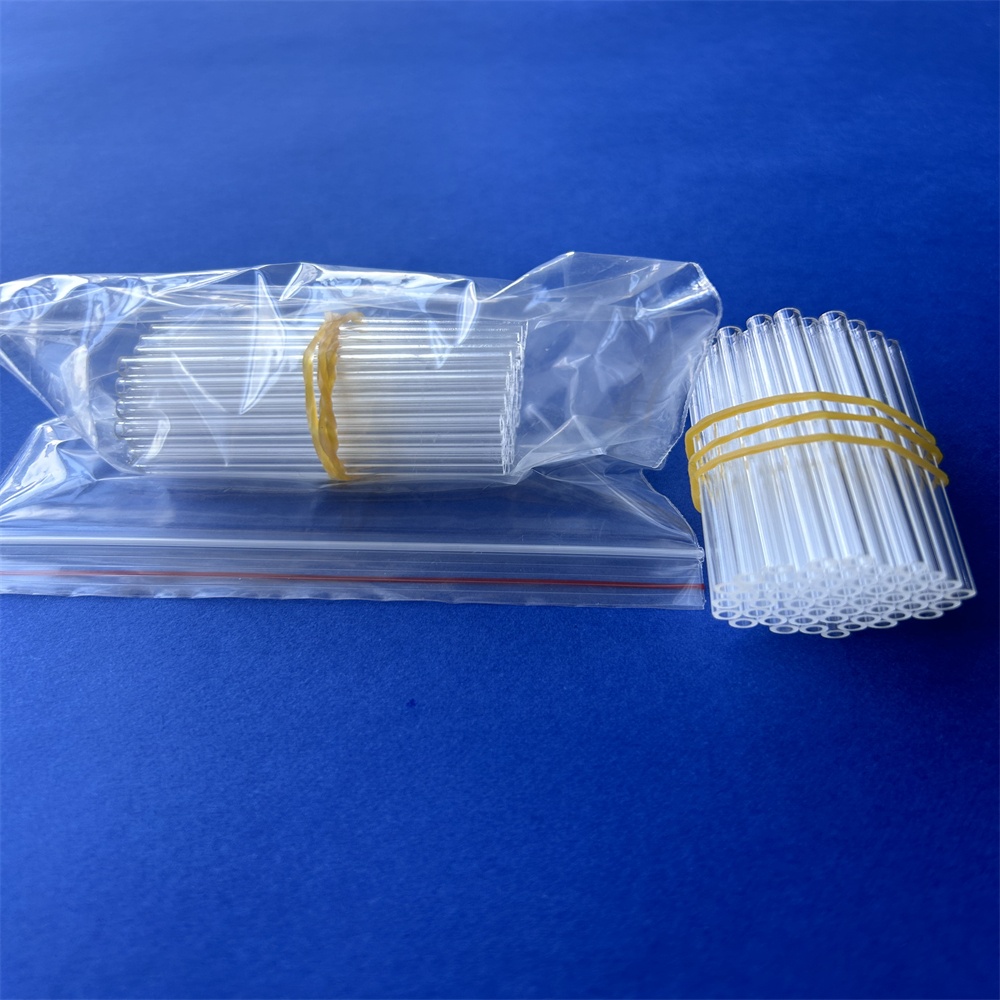
Small Diameter 0.1-20mm High Temp 99.99% Pure Quartz Capillary Tube
View Product Details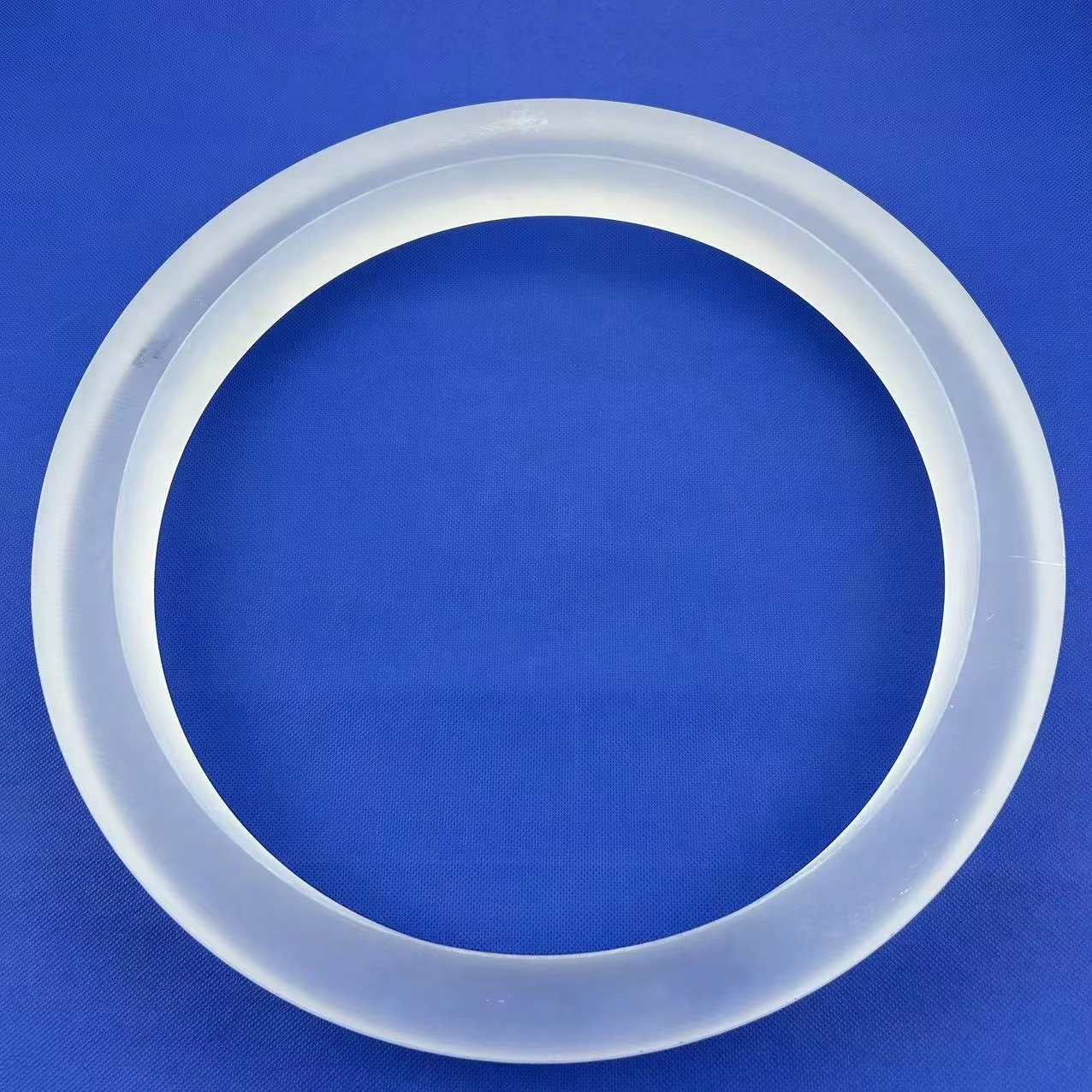
Custom Coated 99.99% Pure Quartz Rings for Semiconductor CVD Optics
View Product Details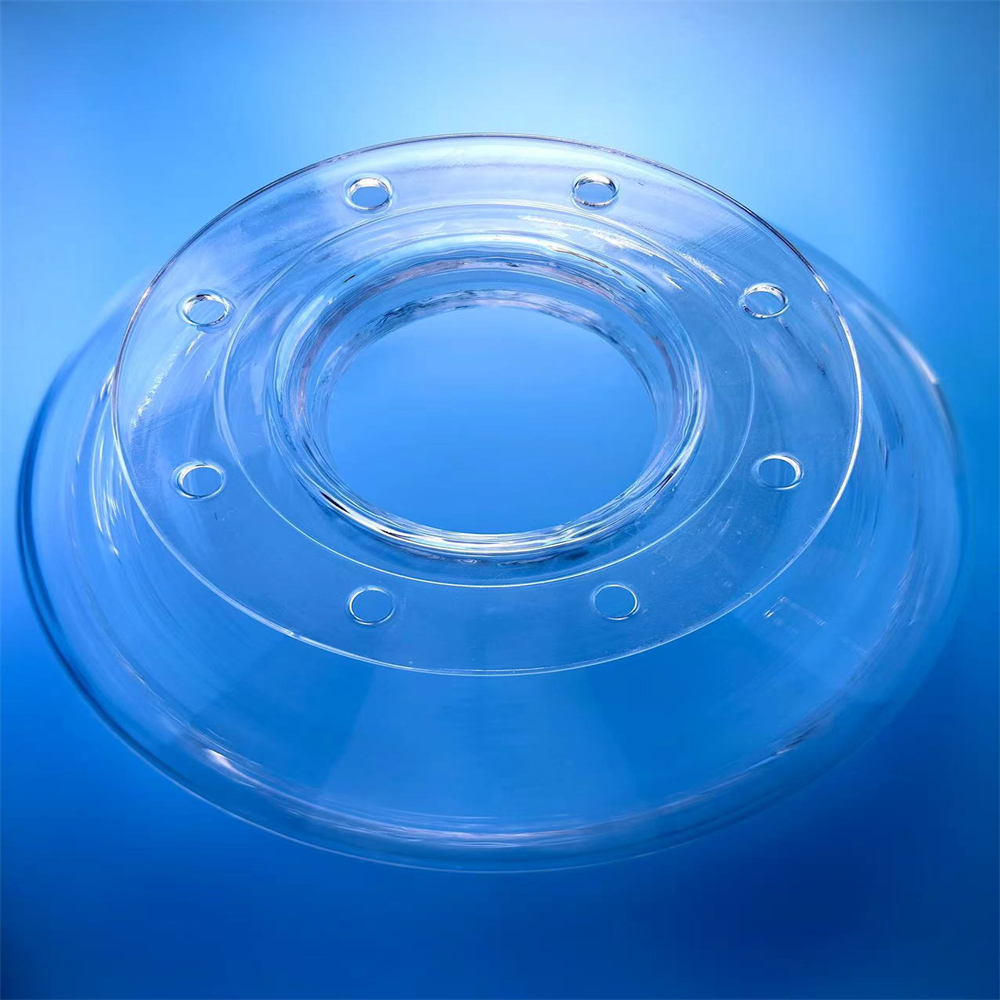
Customize Size Thickness Twin Tube Clear High Purity Flange Quartz Tube
View Product Details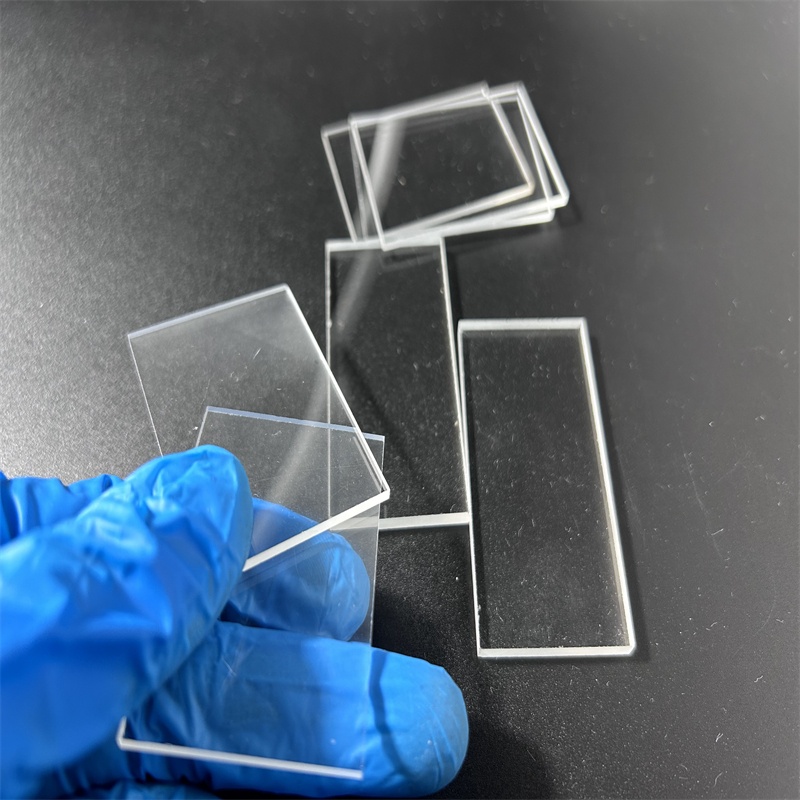
Customized High Temperature Transparent Fused Quartz Glass Sheet
View Product Details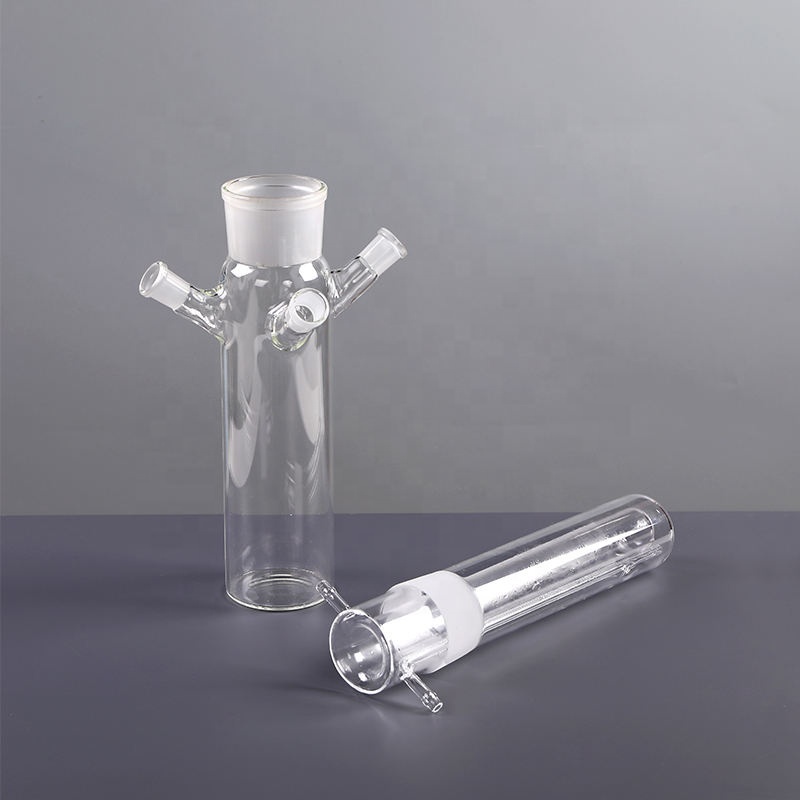
Customized High-Purity Quartz Glass Reactor Container
View Product Details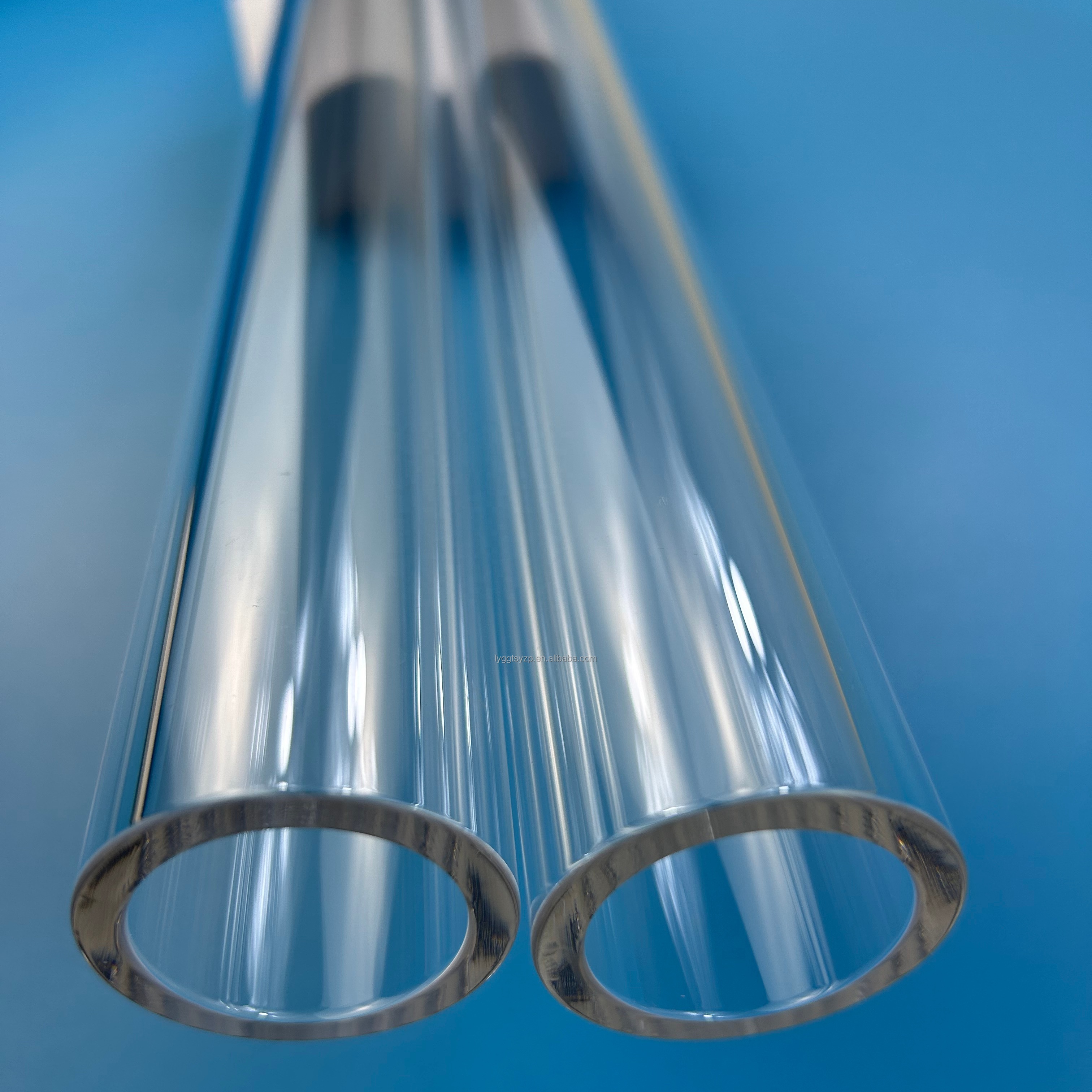
Polished Clear Quartz Twin Tube Ozone Free Heater Tube
View Product Details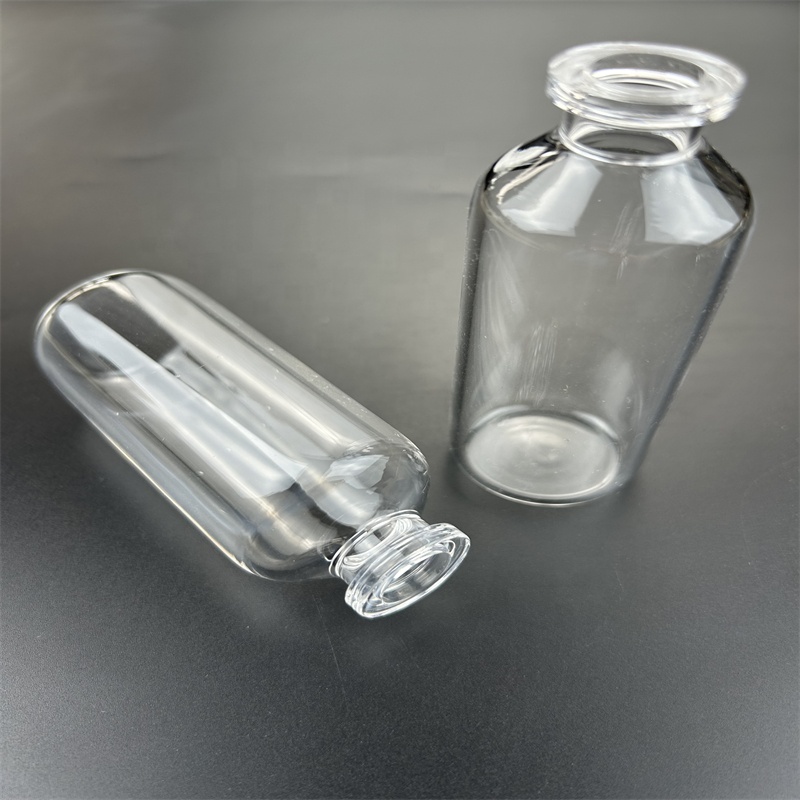
Custom High Pressure Corrosion Resistant 99.99% Quartz Ampoules
View Product Details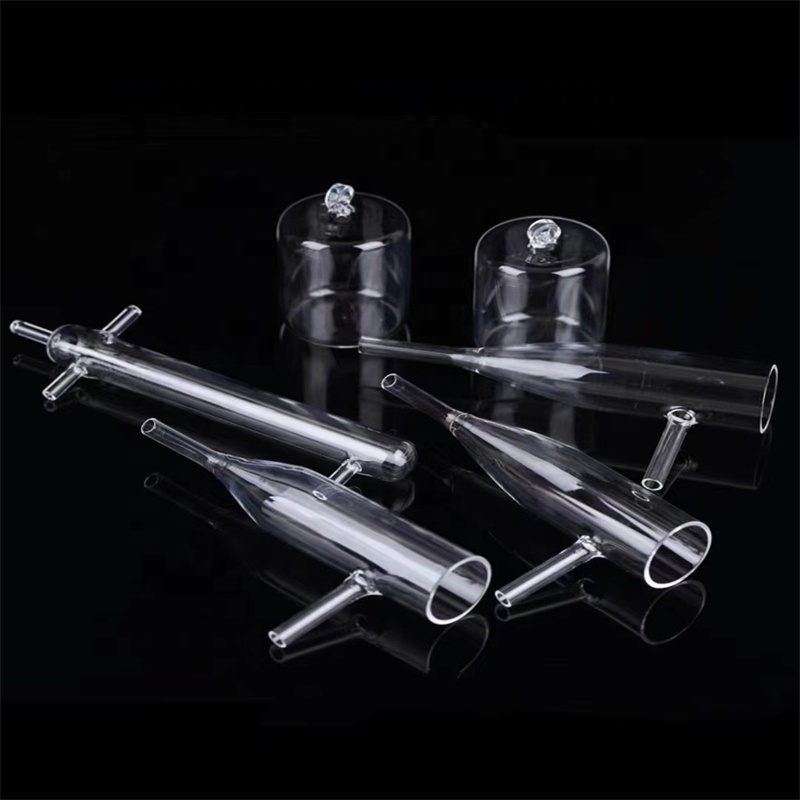
Custom Clear Lab High Temp Twin Tube CVD Furnace Vacuum Tubes
View Product Details1. The Critical Role of High-Purity Solar Quartz Crucibles in Czochralski (Cz) Monocrystalline Silicon Production
In the photovoltaic (PV) manufacturing value chain, the production of single-crystal silicon ingots via the Czochralski (Cz) pulling process demands extraordinary thermal, chemical, and structural integrity. The solar quartz crucible serves as the primary direct-contact vessel holding molten silicon at temperatures exceeding 1,450°C to 1,550°C during extended crystal growth cycles. As global PV manufacturing shifts decisively toward N-type TOPCon (Tunnel Oxide Passivated Contact) and Heterojunction (HJT) cell architectures, wafer thickness continues to thin down while purity standards skyrocket.
During Czochralski crystallization, any micro-structural imperfection, metallic impurity release, or premature devitrification (cristobalite phase transformation) within the quartz crucible can cause dislocation defects, crystal slippage, or complete loss of structure in the silicon ingot. Top-tier Chinese solar quartz crucible factories leverage specialized rotational arc-melting fused silica technology, forming a dual-layer structure: an opaque outer layer saturated with micro-bubbles for uniform heat dissipation, and an ultra-pure, zero-bubble synthetic quartz inner layer that directly interfaces with the silicon melt.
2. Structural Architecture & Micro-Mechanical Engineering of Solar Quartz Crucibles
A high-performance solar quartz crucible is not a simple glass bowl; it is a multi-layered thermodynamic system designed to withstand extreme compressive and thermal degradation stresses over multiple days in high-vacuum induction furnaces. The structural cross-section consists of two main concentric regions:
A. The Outer Opaque Layer (High Bubble Density for Thermal Insulation)
The exterior wall comprises high-purity fused quartz containing millions of microscopic, evenly distributed gas bubbles (bubble volume fraction ~10-15%). This layer acts as a diffuse thermal radiator, distributing radiant heat uniformly from the graphite heater elements into the internal charge, preventing localized thermal spikes and stress fracturing.
B. The Inner Transparent Layer (Zero-Bubble, High-Viscosity Coating)
The inner wall (typically 1.5mm to 3.0mm thick) undergoes intense vacuum arc fusion to melt out all trapped gases, achieving a transparent, void-free layer. For advanced solar crucibles, this inner surface is synthesized or coated with ultra-pure synthetic quartz sand. As molten silicon dissolves the inner quartz layer at a controlled rate (~1–2 micrometers per hour), the bubble-free morphology prevents gas bubbles from detaching into the melt, eliminating pinholes and oxygen precipitation defects in the growing ingot.
Technical Data Matrix: Solar Grade vs. Semiconductor Grade Quartz Crucibles
| Performance Specification | Standard Solar Grade (P-Type PERC) | Advanced Solar Grade (N-Type TOPCon/HJT) | Semiconductor Grade (12-inch Wafer) |
|---|---|---|---|
| Raw Material Base | High Purity Natural Quartz Sand | Synthetic Inner Layer + Natural Outer Base | 100% Synthetic Quartz Powder |
| SiO₂ Purity Level | ≥ 99.99% (4N) | ≥ 99.998% (4N8 to 5N) | ≥ 99.9999% (6N) |
| Total Impurities (Al, Fe, Na, K, Li, Cu) | < 20–30 ppm | < 8–12 ppm (Inner Layer < 0.5 ppm) | < 0.1–0.5 ppm |
| Inner Layer Bubble Diameter | < 0.10 mm | < 0.03–0.05 mm (Zero-Bubble Zone) | Absolute Zero Bubbles |
| Continuous Thermal Life (Hours) | 200 – 280 Hours | 350 – 450+ Hours | > 500 Hours |
| Dominant Diameters | 28" – 32" Crucibles | 36" – 40" Large Crucibles | 24" – 32" Heavy Duty |
3. Future Procurement Trends in the Global Solar Quartz Crucible Supply Chain
The rapid scaling of global solar manufacturing capacity has transformed the sourcing, engineering, and lifetime expectations of quartz crucibles. Procurement directors and silicon furnace operators should monitor four major industrial trends:
Trend 1: Scaling to 36-Inch to 42-Inch Extra-Large Crucibles for G12/G12R Wafers
With the dominance of 210mm (G12) and rectangular (G12R) silicon wafers, ingot pulling charges have expanded from 400kg up to 800kg–1000kg per furnace run. To accommodate larger silicon charges, crucible diameters have enlarged from traditional 28-inch vessels to 36-inch, 38-inch, and 40+ inch designs. Manufacturing these gigantic quartz crucibles requires massive rotational arc furnaces with computerized temperature zoning to prevent wall sagging and deformation.
Trend 2: Transition to Continuous Czochralski (CCz) Feeding Technologies
To reduce electricity consumption and increase productivity, ingot pulling is moving toward CCz (Continuous Czochralski), where solid granular silicon is continuously fed into the melt during crystal growth. This subjects the quartz crucible to continuous thermal exposure for up to 400 to 500 hours—double that of traditional batch Cz. Crucibles must feature exceptional devitrification resistance (controlled formation of a uniform $\beta$-cristobalite layer) to maintain mechanical rigidity without spalling or flaking into the liquid silicon.
Trend 3: Hybrid Material Supply & Synthetic Raw Material Domination
Geopolitical and supply concentration risks surrounding natural high-purity quartz sand deposits (such as Spruce Pine mines) have accelerated Chinese manufacturers' development of synthetic quartz sand. Synthetic silica produced via chemical silane hydrolysis yields unprecedented purity with zero fluid inclusions, mitigating chemical supply bottlenecks and establishing China as the global hub for high-purity synthetic quartz processing.
Trend 4: Eco-Friendly Carbon Neutral Processing & Waste Recycling
Tier-1 Chinese factories are implementing closed-loop heat recovery in arc-fusion systems and specialized recycling of spent crucible bases into secondary refractory silica materials, matching the ESG compliance mandates of international solar module brands.
4. Key Factory Advantages & Advanced Fabrication Capabilities
Located at the epicenter of China's quartz glass industry—Donghai County, Lianyungang, Jiangsu Province—our manufacturing network combines raw material access, precision machining, and custom glass fabrication. By integrating advanced hot-working and cold-machining processing technologies, we deliver custom fused quartz tubes, optical plates, high-purity rods, and crucibles engineered to exact customer specifications.
99.99% High-Purity Raw Materials
Refined from purified natural crystal sand and synthetic quartz precursors, yielding ultra-low metal contamination (Al < 8ppm, Fe < 0.2ppm, Na/K < 0.5ppm).
Precision Laser Machining & CNC
Equipped for laser drilling, optical micro-grooving, diamond wheel precision grinding, edge chamfering, and clean flame-polishing for zero micro-cracks.
Rigid Quality Assurance & Inspection
Full dimensional laser scanning, polarized stress annealing verification, bubble density grading, and ICP-MS chemical purity reports for every batch.
≤ 2-Hour Rapid Response Service
Direct 1-on-1 technical support from glass engineers. Fast drawing analysis, feasibility feedback, and rapid quotation response within 2 hours.
1-Piece Prototype & Custom Fabrication
We support 1-piece minimum order quantities (MOQ) for custom drawings, laboratory research prototypes, and specialized industrial equipment parts.
Shock-Proof Cleanroom Export Packaging
Products undergo ultrasonic cleanroom washing, clean-film vacuum sealing, customized shock-absorption foam cladding, and reinforced wooden crate export shipping.
5. Frequently Asked Questions (Procurement & Technical FAQ)
Detailed technical answers to common questions from international procurement managers and solar plant equipment operators:
What purity level is guaranteed for your solar quartz crucibles and custom quartz glass products?
Our standard industrial quartz products feature ≥ 99.99% (4N) SiO₂ purity. For solar N-type TOPCon/HJT crystal pulling and semiconductor furnace applications, we supply crucibles and components made with synthetic quartz inner layers reaching ≥ 99.998% to 99.999% purity. Comprehensive ICP-MS test certificates detailing elemental breakdown (Fe, Al, Na, K, Li, Ca, Mg, Cu) are provided with shipment.
How do you prevent devitrification and deformation of quartz crucibles at high temperatures?
Devitrification (crystallization into cristobalite) is controlled through strict impurity control (especially alkali metals Na and K, which catalyze crystallization). Our crucibles are produced using high-viscosity fused silica sand with controlled barium doping or synthetic coating technology, promoting a dense, uniform, thin-film $\beta$-cristobalite layer that enhances mechanical rigidity and prevents flaking at 1500°C.
Can you fabricate customized quartz components based on engineering drawings or CAD files?
Yes. Our engineering team accepts 2D and 3D CAD drawings (STEP, DWG, DXF, PDF). We offer comprehensive hot and cold machining services including CNC laser drilling, precision cutting, slot grooving, U-bending, flame welding, surface frosting, and high-gloss optical polishing from a minimum quantity of 1 piece.
What continuous thermal operating limits apply to fused quartz glass tubes and lab ware?
Fused quartz components can operate continuously at up to 1,100°C and handle short-term peak thermal spikes up to 1,300°C–1,350°C. The softening point is approximately 1,683°C. For prolonged high-temperature furnace use, proper thermal ramp-up and stress annealing protocols must be maintained to avoid thermal shock fracturing.
What are the lead times and shipping conditions for international buyers?
Standard prototypes and stock size quartz tubes/plates ship within 3–7 business days. Custom complex fabricated parts or large crucible orders typically require 10–20 days. We ship under EXW, FOB, CFR, CIF, DDP, and DDU terms via air freight, ocean freight, or DHL/FedEx express courier, supported by specialized shock-proof packaging guarantees.
Why is the zero-bubble inner layer crucial for solar ingot yield?
When molten silicon (1420°C+) dissolves a crucible inner surface containing gas micro-bubbles, the gas expands and releases micro-bubbles into the liquid silicon. These bubbles float up to the crystallization interface, interrupting monocrystalline lattice growth and causing crystal dislocations (loss of single crystal structure). A zero-bubble synthetic layer (< 0.05mm) guarantees maximum single-crystal silicon yield.
Require Custom Quartz Components or Crucible Technical Specifications?
Send us your technical requirements, 2D/3D CAD drawings, or custom dimensions. Our expert glass engineers provide drawing feasibility reviews and transparent quotes within 2 hours.