Precision High-Purity Quartz Glass Products
Manufactured strictly from natural crystal fusion and synthetic silica precursors. Guaranteed thermal stability up to 1300°C, extreme UV-NIR transmission, and sub-micron dimensional tolerance machining.
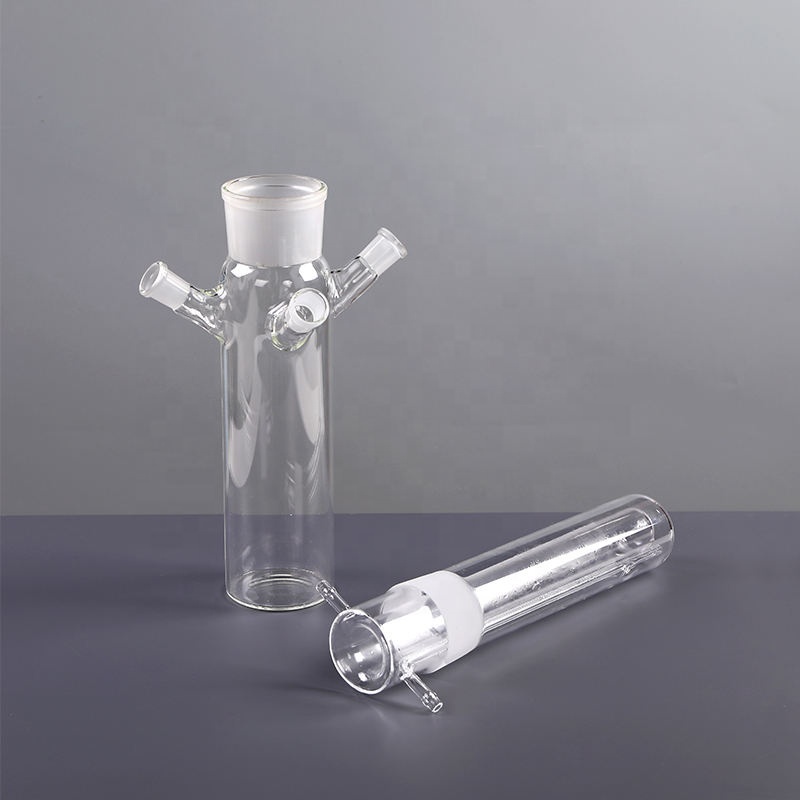
High-Purity Quartz Internal Illumination Reactor
Internal cold-well immersion jacket engineered for complete UV light penetration during photochemical degradation, wastewater synthesis, and catalytic experiments.
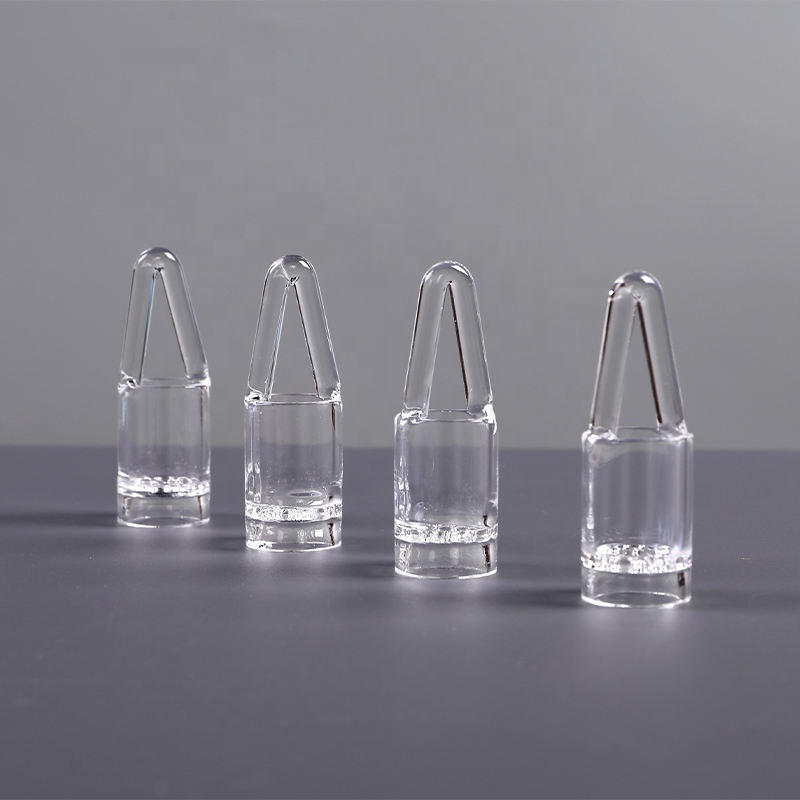
High-Pressure Ozone-Free Quartz Glass Tube
Thick-walled fused silica tubing with high mechanical burst thresholds, optimized for discharge lamps, high-temp fluid transport, and CVD process tubes.
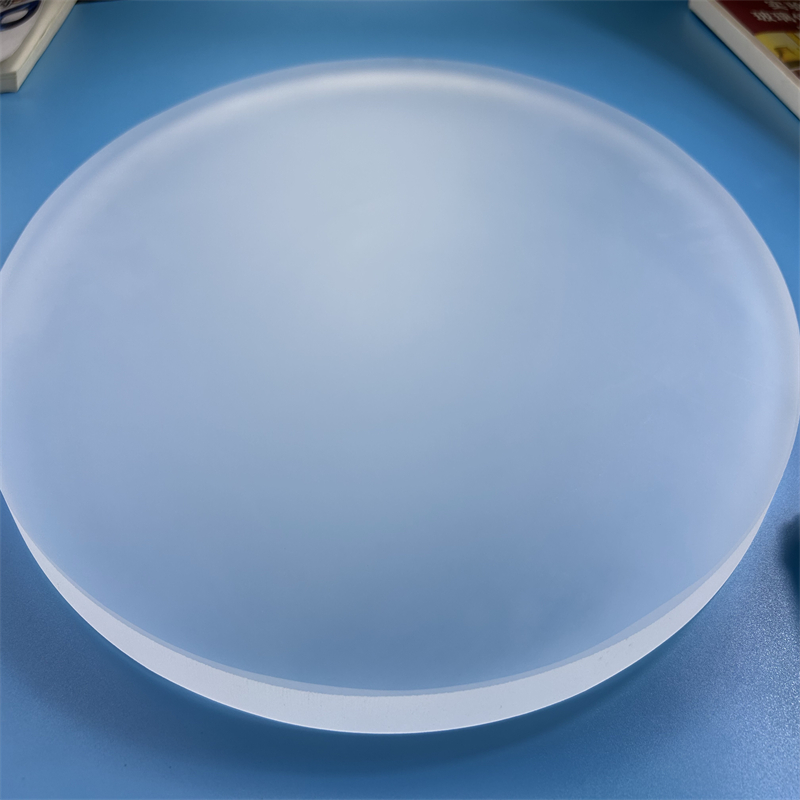
High-Temp Frosted Quartz Disc & Flange Plate
Micro-abrasive frosted quartz plates providing diffuse optical reflection, thermal radiation baffling, and non-slip pedestals inside semiconductor diffusion ovens.
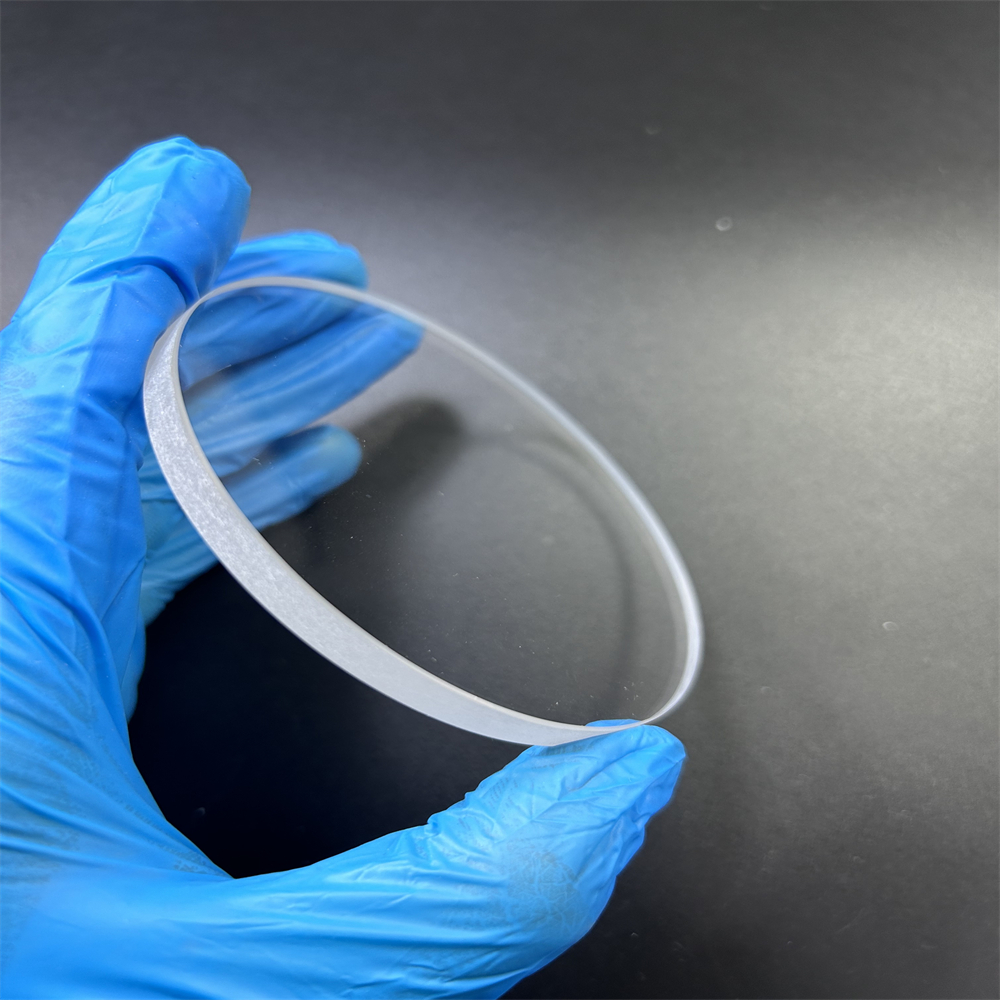
UV Fused Silica Optical Glass Wafer & Window
Synthetically polished fused silica substrates offering superior UV deep cut-off (down to 185nm), laser damage resistance, and ultra-low bubble classification.
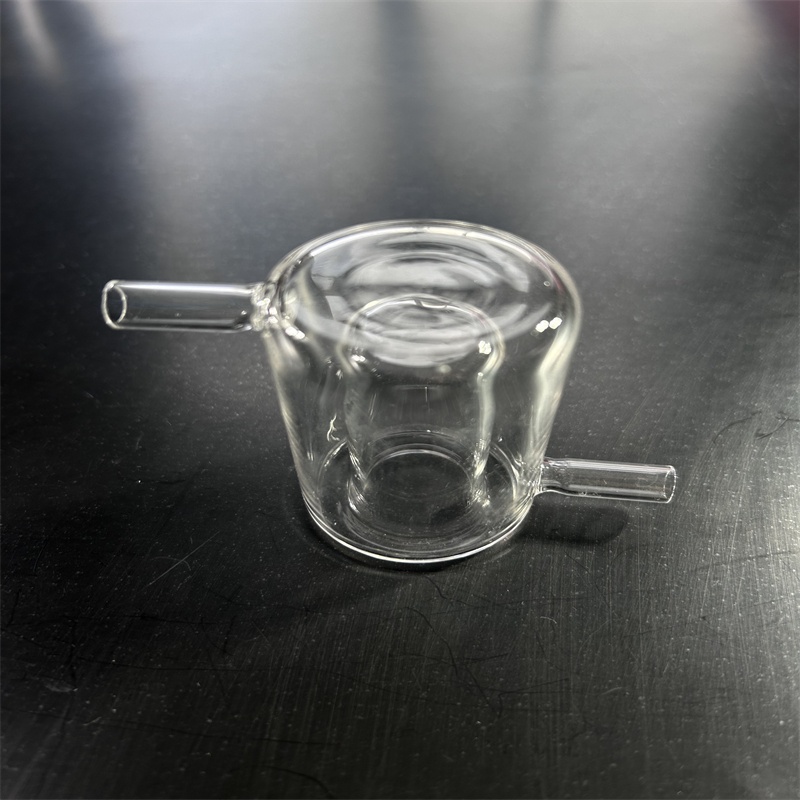
Dual-Channel Twin-Bore Quartz Glass Reactor
Precision-blown parallel twin reaction assemblies featuring custom inlet manifolds, gas spargers, and calibrated thermal sensor observation ports.
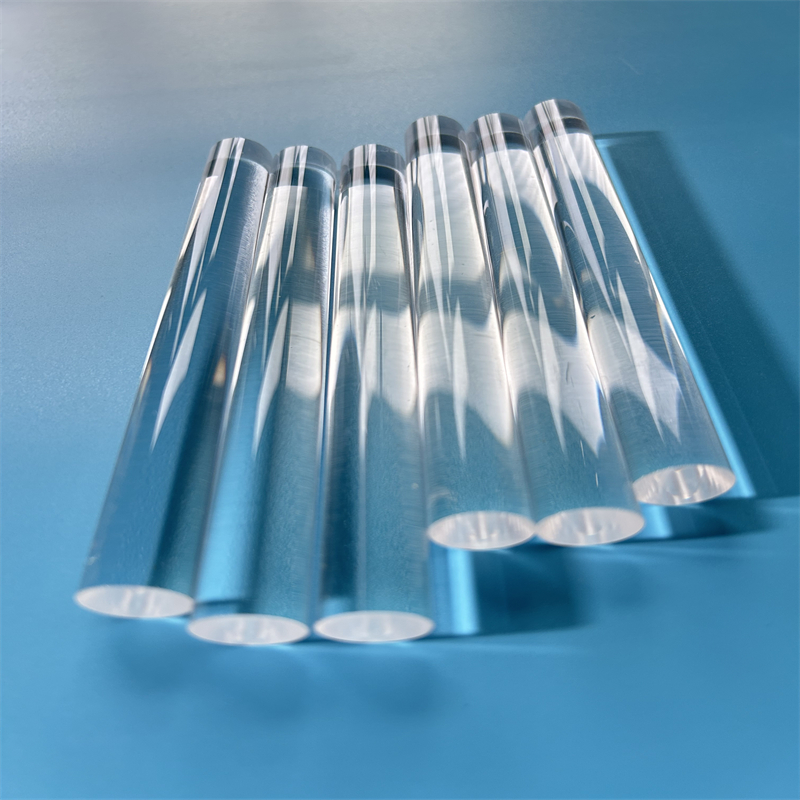
Optical Quartz Light Guide Rod & Solid Ingot
Ultra-pure solid fused quartz cylinders with optical end-face polishing for laser transmission conduits, sensor couplers, and semiconductor probe assemblies.
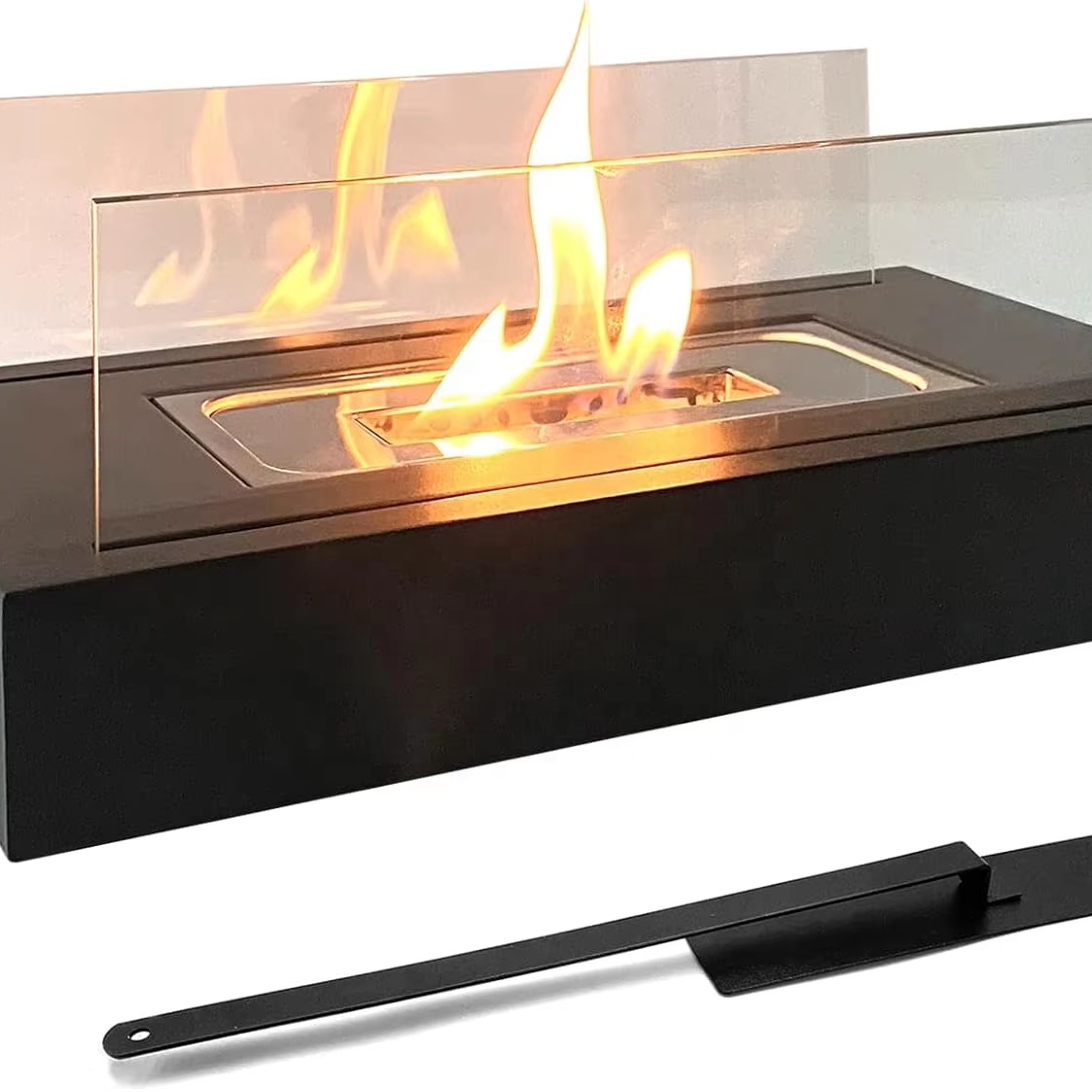
High-Precision Thermal Sight & Viewport Quartz
Extreme thermal shock-resistant observation windows capable of withstanding direct 1000°C flames without cracking or solarizing under persistent UV radiation.
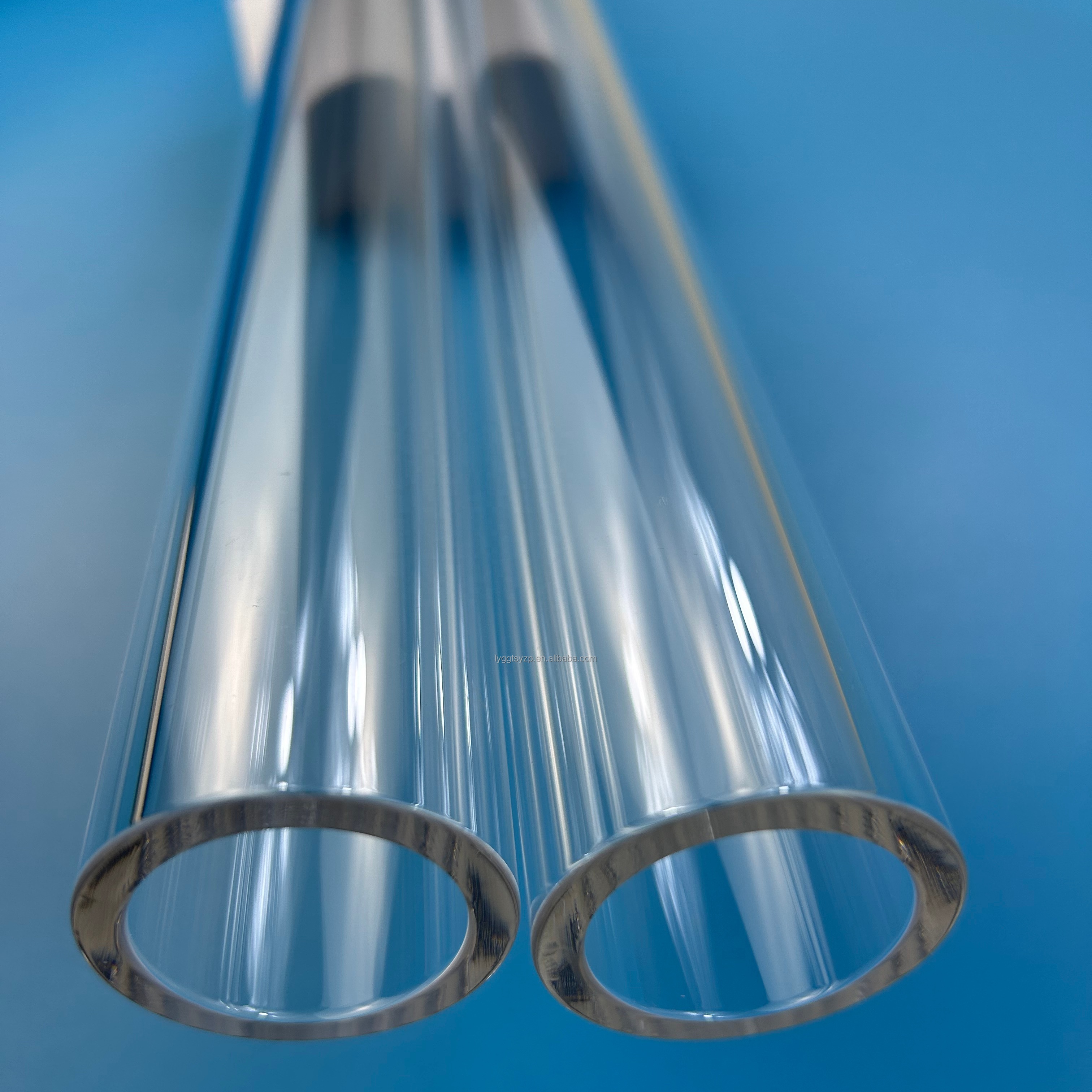
Polished Clear Quartz Twin Tube for Furnace Heaters
Figure-8 and twin-bore geometric quartz profiles engineered specifically for medium and short-wave infrared emitter manufacturing and industrial curing lines.
Material Science Deep-Dive: Fused Quartz vs. Synthetic Silica
Understanding the thermomechanical thresholds, hydroxyl (OH) radical concentration, and trace elemental impurities is crucial when specifying quartz glassware for atomic layer deposition (ALD), high-temperature vacuum chambers, and deep-UV optics.
| Characteristic / Parameter | Type I / II Natural Fused Quartz | Type III Synthetic Fused Silica (JGS1) | Borosilicate 3.3 Glass (Reference) |
|---|---|---|---|
| Raw Material Precursor | Donghai Natural Rock Crystal / Pegmatite | SiCl₄ Vapor Phase Hydrolysis | Silica Sand, Boric Oxide, Soda |
| SiO₂ Chemical Purity | ≥ 99.99% (4N) to 99.999% (5N) | ≥ 99.9999% (6N) | ≈ 81% |
| OH (Hydroxyl) Radical Content | < 5 ppm (Dry Grade) up to 30 ppm | 800 – 1200 ppm | Not Applicable |
| Maximum Working Temp (Continuous) | 1100 °C – 1150 °C | 1000 °C – 1050 °C | 500 °C |
| Maximum Working Temp (Short Peak) | 1300 °C | 1200 °C | 550 °C |
| Softening Point / Annealing Point | 1683 °C / 1215 °C | 1585 °C / 1120 °C | 820 °C / 560 °C |
| Coefficient of Thermal Expansion (CTE) | 5.5 × 10⁻⁷ / K (0–300 °C) | 5.2 × 10⁻⁷ / K (0–300 °C) | 33 × 10⁻⁷ / K |
| UV-VIS-NIR Spectral Transmission | 260 nm – 2500 nm (> 90%) | 185 nm – 2500 nm (Extreme Deep UV) | 350 nm – 2000 nm |
| Thermal Shock Behavior | Drop 1100°C red-hot into 20°C water: No crack | Drop 1050°C into ice water: No crack | Cracks at > 150°C thermal gradient |
| Trace Elements (Al, Fe, Ti, Na, K, Li) | < 20 ppm Total Impurity | < 0.1 ppm Total Impurity | Heavy Alkali / Alkaline Content |
The Donghai Industrial Advantage: Direct Factory Manufacturing
Headquartered in Donghai County, Jiangsu Province—globally acknowledged as the "Crystal Capital of China"—Lianyungang Zelvo Quartz Products Co., Ltd. operates at the epicentre of the world's most concentrated silicon dioxide supply chain. We eliminate trading markups and guarantee uncompromised metallurgical traceability from raw quartz vein processing to sub-millimeter CNC component finishing.
Custom Drawing Evaluation
Upload your CAD, STEP, DWG, or hand-annotated PDF sketches for same-day metallurgical review, thermal profiling, and cost estimation.
✔ Complex CNC edge grinding & bevelling
✔ Fire polishing, frost etching & flanging
✔ Optical planar polishing (Ra ≤ 0.5nm)
High-Purity Quartz Precision Processing Capabilities
Overcoming the brittleness and extreme softening temperature of fused silica requires cutting-edge equipment alongside generational glassworking craftsmanship.
High-Precision Laser Drilling & Slotting
Utilizing high-frequency picosecond and CO₂ laser machining centers, we perform micro-drilling on quartz plates, discs, and reactor walls without micro-fracturing or edge chipping. We routinely achieve hole diameters down to 0.2 mm with dimensional tolerances controlled within ±0.02 mm.
H₂-O₂ Flame Welding & Dimensional Bending
Fused silica softens only above 1600°C. Our senior master glassblowers use specialized oxyhydrogen torches in temperature-controlled stations to seamlessly weld high-pressure flanges, internal light immersion sleeves, twin-bore tubes, and spiral condensation coils without introducing devitrification seeds.
Optical Planar Lapping & Flame Polishing
From commercial sandblasted matte diffusers to epi-ready synthetic wafer polishing, we provide surface finishes customized to exact optical scattering requirements. Dual-side mechanical chemical polishing reaches surface roughness below Ra 0.5 nm with wave-front distortion kept under λ/4 per 25mm diameter.
Future Global Procurement Trends in Industrial Quartz
As semiconductor process nodes shrink beneath 3nm, photovoltaic cells transition to high-efficiency n-type TOPCon/HJT architectures, and green chemistry scales, quartz procurement is encountering critical structural shifts.
1. Ultra-Low Alkali Metal Thresholds
In next-gen semiconductor lithography and ALD diffusion, mobile alkali ions (Na, K, Li) cause fatal gate-oxide breakdown. Enterprise buyers are shifting specifications toward sub-ppb trace metal limits, making inductively coupled plasma mass spectrometry (ICP-MS) batch certificates mandatory.
2. Large-Bore Diameter Scaling
Solar ingot pulling and large-batch semiconductor diffusion furnaces increasingly utilize quartz furnace tubes exceeding Ø450mm to Ø650mm with wall thicknesses of 8mm–12mm. Fabricating these massive tubes requires high-viscosity synthetic quartz blends that eliminate high-temperature gravitational sagging.
3. Direct-from-Source OEM Disintermediation
Global procurement teams in North America and Western Europe are actively bypassing regional resellers, opting instead to partner directly with onsite-verified Donghai fabrication facilities. Direct factory engagement slashes acquisition expenses by 40%–60% while accelerating iterative prototyping lead times.
4. Extended Devitrification Resistance
To resist cristobalite nucleation and thermal phase transformation over prolonged 1200°C furnace runs, process engineers now demand specialty-annealed, sandblasted, or plasma-treated quartz surfaces that extend continuous operational lifespans past 1500 thermal hours without cracking.
Technological & Material Development Trajectories
The high-purity quartz manufacturing industry is transitioning from legacy artisan glassblowing to standardized CNC cyber-physical manufacturing.
Continuous Sol-Gel Synthetic Silica Synthesis
While traditional fused quartz depends on scarce high-grade natural mineral deposits, Chinese research hubs are scaling chemical gas-phase chlorination and synthetic sol-gel sintering. This technology generates quartz glass with purity surpassing 99.9999% (6N), virtually eliminating micro-bubble inclusion clusters and offering total UV deep transparency down to 170 nm.
Plasma Surface Passivation Against Cristobalite
Devitrification occurs when amorphous SiO₂ undergoes crystalline rearrangement into cristobalite above 1150°C in the presence of trace moisture or airborne alkali particles. Cutting-edge manufacturing processes now integrate atmospheric plasma torch glazing that seals microscopic micro-fissures and cleans surface hydroxyls, tripling furnace component longevity.
Sub-Micron 5-Axis Ultrasonic CNC Machining
Combining ultrasonic oscillation with diamond rotary tools allows complex geometries—such as labyrinth fluid channels, internal manifold porting, and interlocking wafer carriers—to be milled into solid fused quartz blocks at feed rates four times faster than conventional wet grinding, with zero brittle subsurface micro-fracturing.
From Engineering CAD to Secure Global Delivery
Our streamlined export pipeline ensures tight quality control, zero miscommunication, and safe arrival of sensitive quartz glass worldwide.
Drawing & RFQ Review
Submit 2D/3D drawings with tolerances. Our engineering team reviews thermal profiles and feasibilities within 2 hours.
Material Grade Match
Matching JGS1, JGS2, or JGS3 optical grades based on your required UV cut-off, OH content, and thermal cycle requirements.
Precision Fabrication
Laser drilling, CNC lathe machining, flame welding, and complete furnace de-stressing annealing at 1215°C.
Optical & CMM QA
Dimensional coordinate measuring, spectrophotometer transmission verification, and polarized optical stress testing.
Shockproof Freight
Double vacuum seal, customized high-density pearl foam cushion, and heavy-duty non-coniferous export crates via air or sea.
Frequently Asked Questions by Industrial Buyers
Direct technical answers addressing physical parameters, custom processing tolerances, chemical resistance, logistics, and supply agreements.
What are the key technical differences between JGS1, JGS2, and JGS3 quartz glass?
JGS2 (Fused Quartz from Natural Crystal): Melted under hydrogen-oxygen flame from natural crystalline silica. It delivers excellent visual and near-infrared transmission (220nm – 2500nm), making it the prime industrial choice for standard viewport windows, furnace tubes, and lab glassware.
JGS3 (Optical Quartz with Low OH Content): Melted under vacuum or electric resistance furnaces. It features virtually zero hydroxyl content (OH < 5 ppm), allowing total spectral transparency throughout the infrared range up to 3500nm without the typical water absorption dip at 2730nm.
What dimensional machining tolerances can your Donghai factory maintain?
• Outer Diameter & Wall Thickness (Standard Tubing): ±0.1 mm to ±0.3 mm depending on tube bore size.
• Precision CNC Milling & Cutting: ±0.05 mm on linear length and width dimensions.
• Laser Micro-Drilling & Wafer Slicing: Tolerances within ±0.01 mm to ±0.02 mm.
• Optical Polished Flatness: Surface flatness down to λ/4 to λ/10 per inch, with parallelism under 10 arcseconds upon request.
Can your quartz glass withstand direct flame heating and rapid cold-water quenching?
What chemicals or environments cause chemical corrosion on high-purity quartz?
Corrosion Vulnerabilities:
1. Hydrofluoric Acid (HF): Dissolves SiO₂ rapidly at room temperature via the reaction SiO₂ + 4HF → SiF₄ + 2H₂O.
2. Phosphoric Acid (H₃PO₄): Attacks quartz at temperatures exceeding 150°C.
3. Hot Concentrated Alkalis: Caustic sodium hydroxide (NaOH) or potassium hydroxide (KOH) solutions attack quartz surfaces above 80°C, stripping optical polish and promoting devitrification.
What is your Minimum Order Quantity (MOQ) and prototyping turnaround timeline?
How do you guarantee that brittle quartz glass components will not shatter during international air/sea transit?
What international commercial trade terms (Incoterms) and payment methods are accepted?
How do you inspect residual internal thermal stress in flame-welded and blown quartz parts?
Initiate Your Custom High-Purity Quartz Procurement
Whether you require small-batch R&D quartz lab prototypes, optical-grade laser wafers, or regular shipping container loads of CVD diffusion tubes, Zelvo Quartz delivers direct factory manufacturing pricing backed by rigorous metallurgical control.