Featured Quartz Glass Components & Wholesale Products
Explore top-tier fused quartz glass tubes, plates, cylinders, and bespoke optical blocks fabricated to exact engineering specifications.
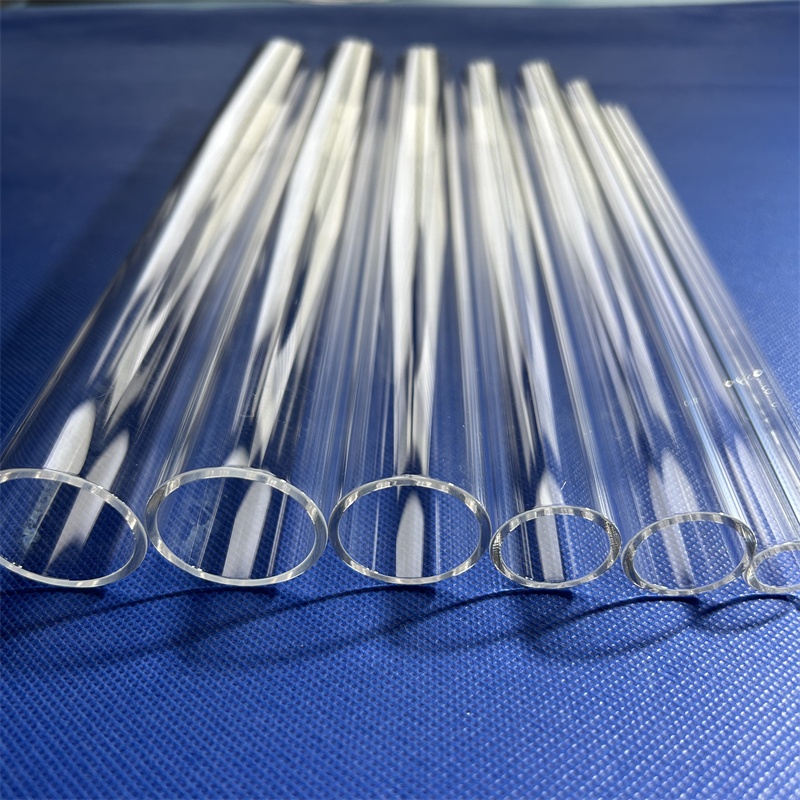
Transparent High Pressure 99.99% Pure Quartz Glass Tube Furnace Boiler Chemical Applications Corrosion Bending Moulding
View Details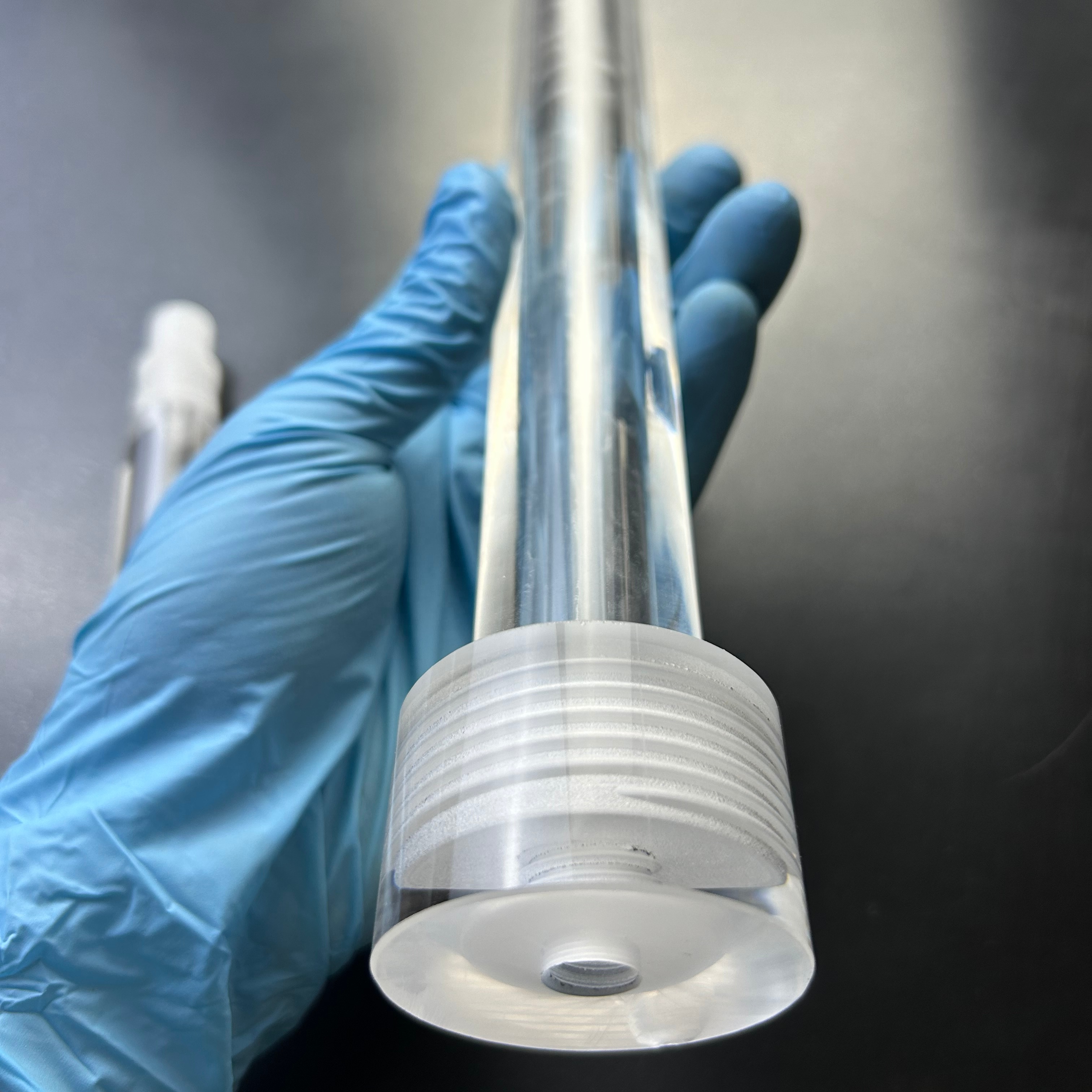
Customizable High Pressure High Quality Polished Clear Transparent 99.99% Pure Quartz Glass Twin Tube Bending/Welding/Cutting
View Details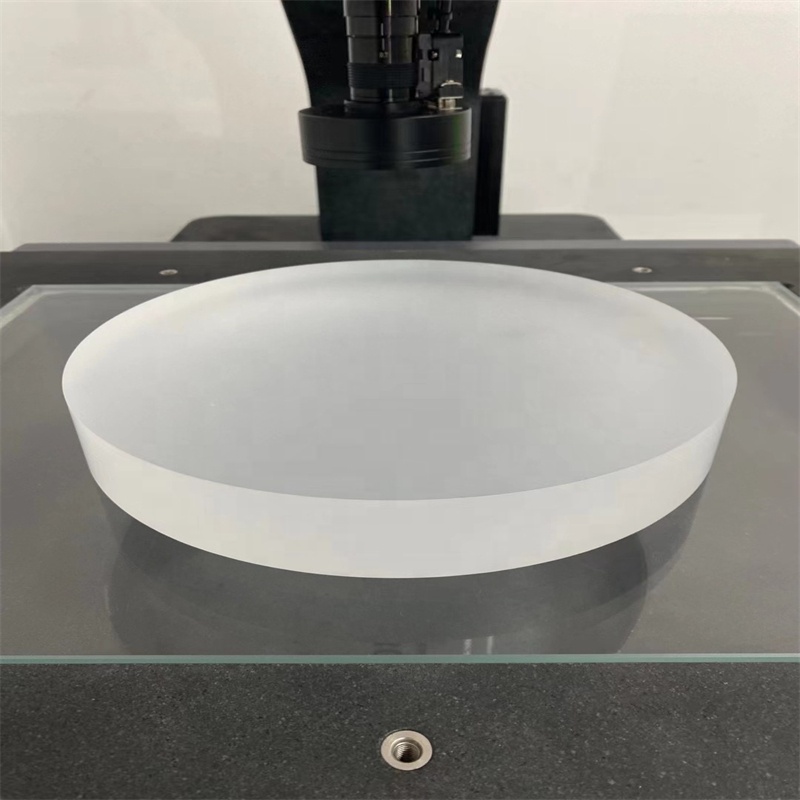
Custom Size Clear Fused Quartz Plate Premium Quality High Temperature Resistance (1100C) Glass Sheet for Optics Welding
View Details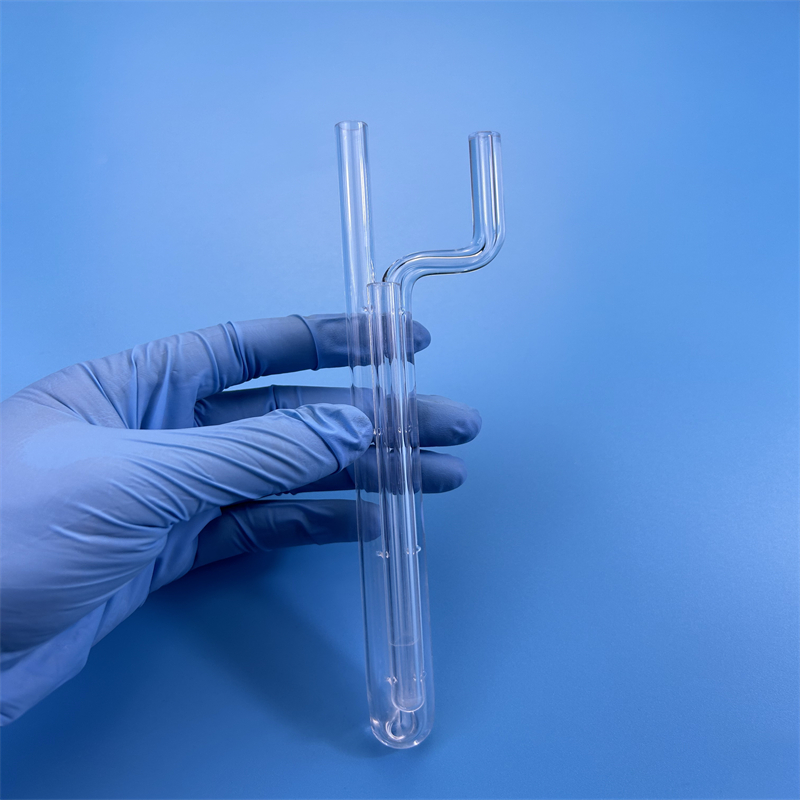
Chemisorption BET Test High Pressure 99.99% Pure Ozone Free Clear Quartz Glass Twin Tube Bending Welding Services Quantachrome
View Details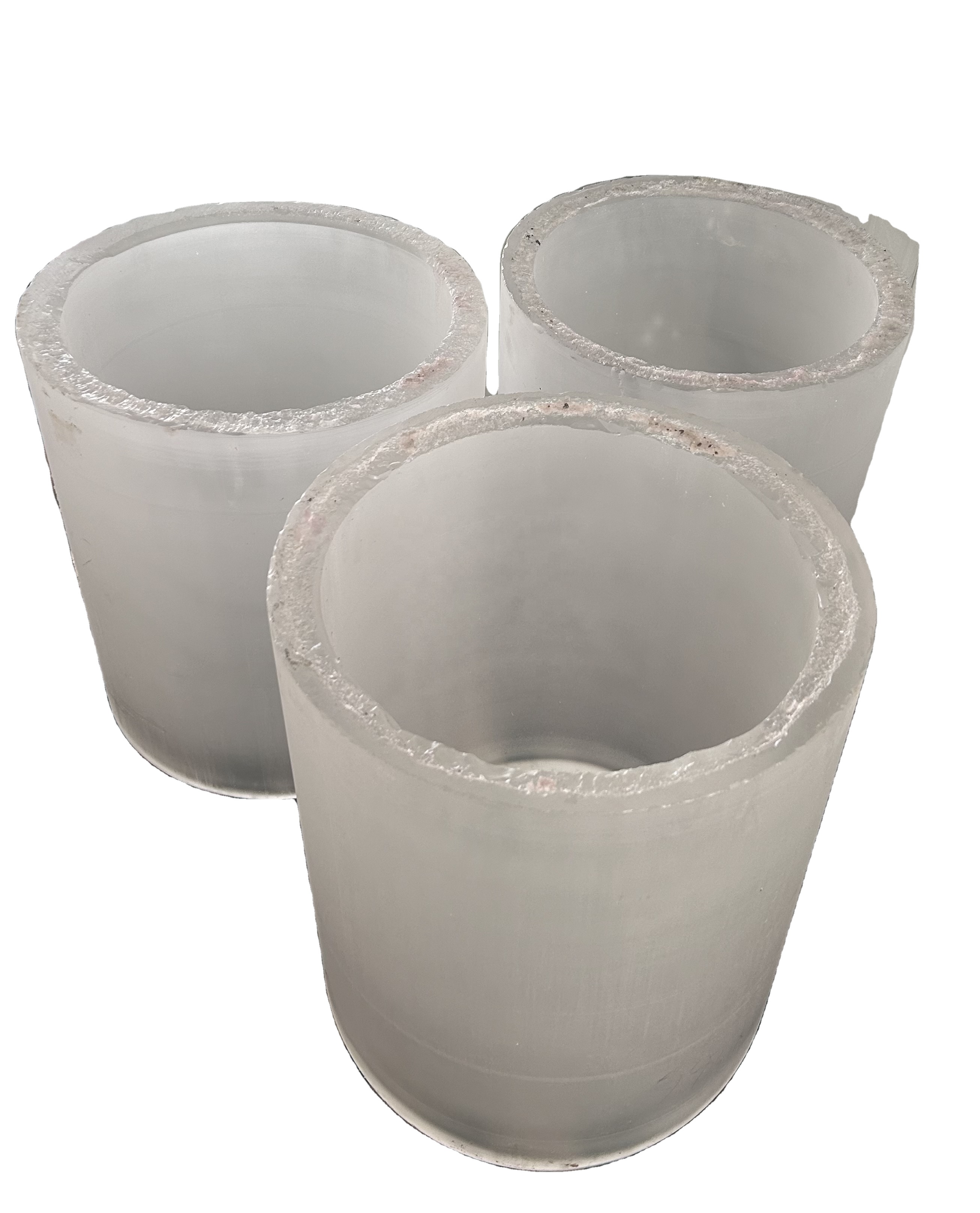
Open Ended Fused Quartz Frosted Glass Cylinder Ingot with Moulding Welding Cutting Services Custom Sizes for Optics Applications
View Details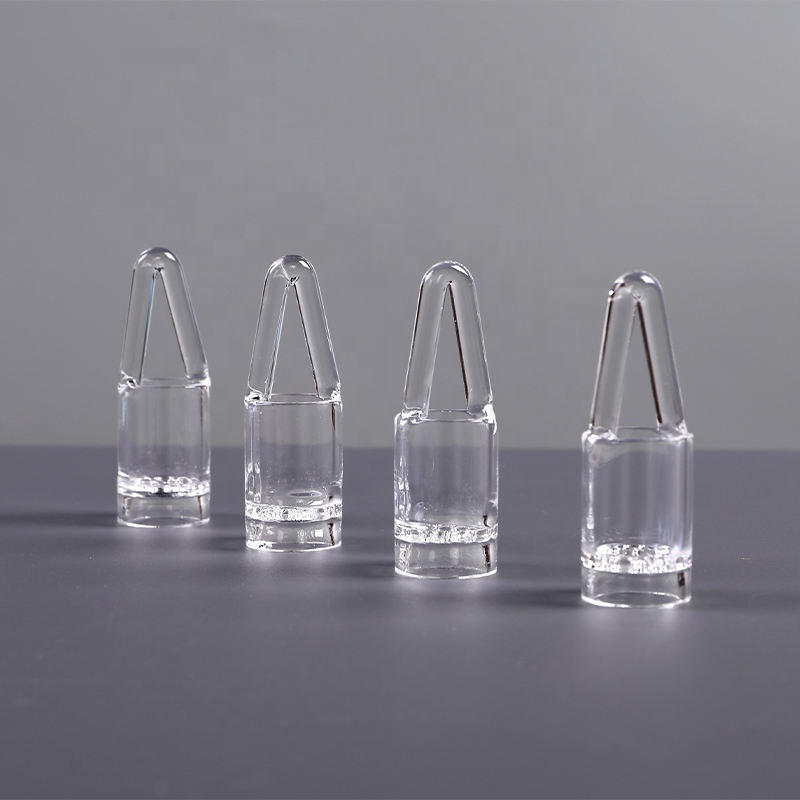
Factory Custom High Pressure 99.99% Pure Quartz Glass Tube Bending/Welding Ozone Free Polished Surface
View Details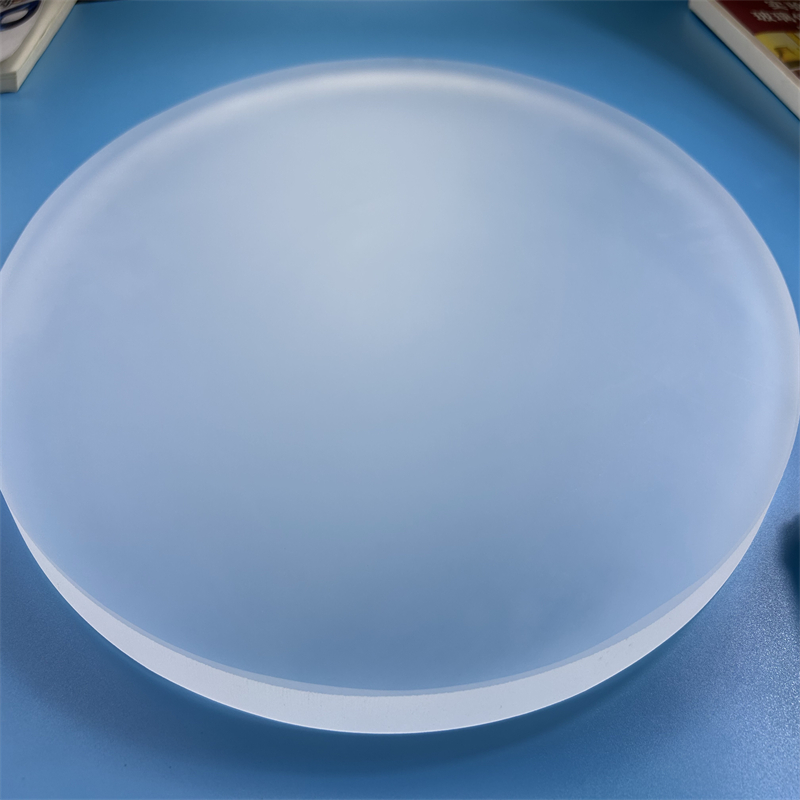
High Temperature Resistance Frosted Quartz Disc/Plate Semiconductor Applications Welding Cutting Custom Sizes Fused Quartz
View Details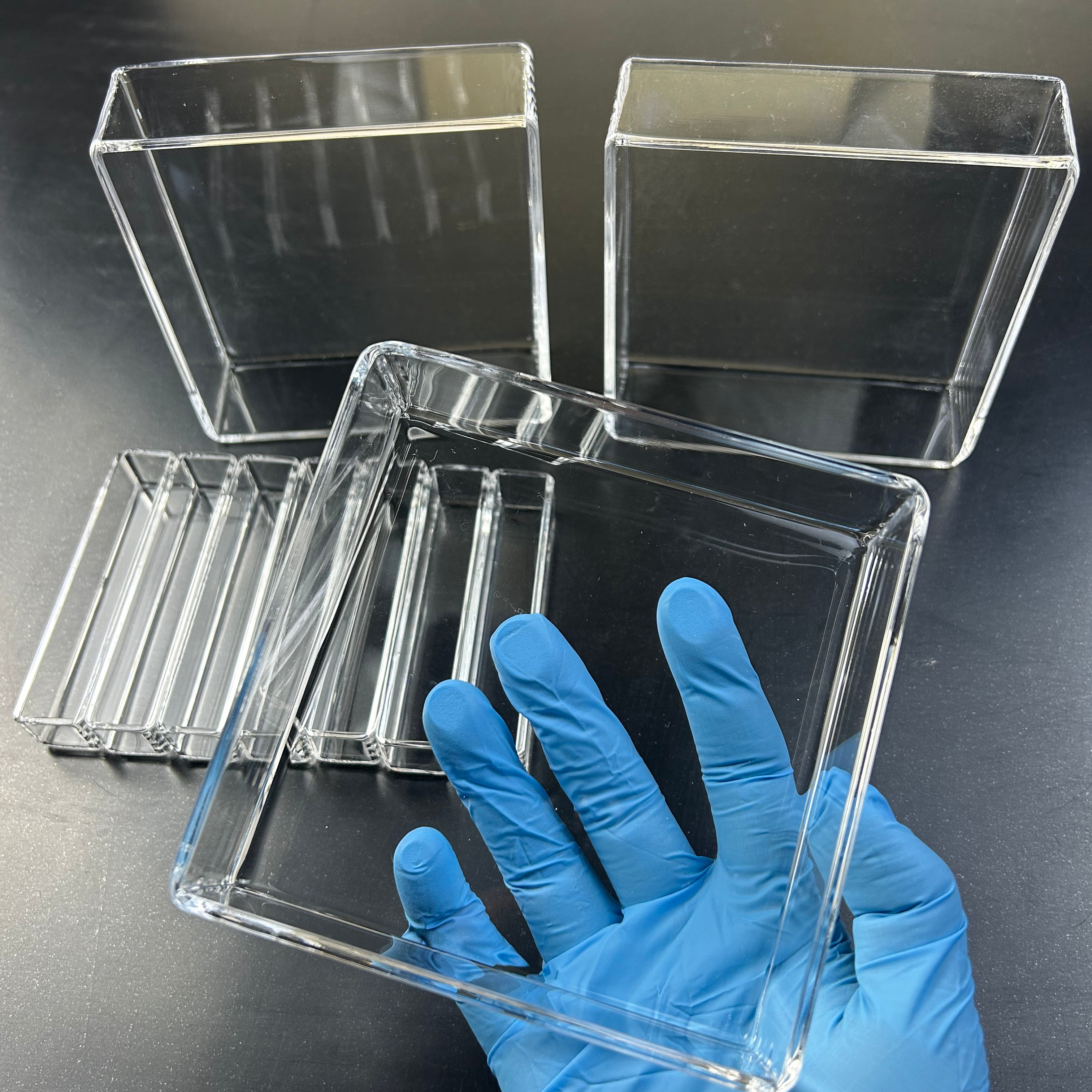
Manufacturers Customized Fused Quartz Glass High Temperature Resistant Circular Cylinder Crucible Tank Welding Cutting Custom
View DetailsIndustry Whitepaper: High-Purity Fused Quartz Glass Blocks Manufacturing & Global Supply Chain Analysis
In modern high-technology manufacturing—spanning semiconductor lithography, photovoltaics, deep-UV optics, quantum computing, and high-temperature chemical synthesis—fused quartz glass blocks (also referred to as synthetic fused silica ingots, quartz blank slabs, and optical quartz substrates) represent a foundational class of high-performance materials. As global industries demand stricter material tolerances, higher optical homogeneity, and absolute chemical inertness, sourcing quartz blocks from established manufacturing hubs in China has shifted from a cost-optimization strategy to a core component of supply chain resilience.
Lianyungang Zelvo Quartz Products Co., Ltd., situated in Donghai County, Jiangsu Province—globally acknowledged as China's premier "Crystal Capital"—stands at the intersection of raw material abundance, advanced electric-fusion furnace engineering, and high-precision CNC finishing capabilities. By synthesizing natural crystalline quartz vein deposits (refined to >99.99% SiO₂) alongside state-of-the-art synthetic silicon tetrachloride chemical vapor deposition (CVD) processes, Chinese manufacturers produce quartz glass blocks that rival tier-1 Western manufacturers in purity, bubble class, thermal stability, and deep-UV/IR optical transmission.
Technical Value Proposition: Fused quartz exhibits an exceptionally low coefficient of thermal expansion (5.5 × 10⁻⁷ /K), enabling high thermal shock resistance up to 1300°C, virtually zero dielectric loss across microwave frequencies, and superior resistance against plasma erosion in semiconductor etching chambers.
1. Material Classification & Optical Grade Standardizations
When evaluating wholesale quartz glass blocks from Chinese suppliers, procurement officers and optical engineers must classify materials based on spectral transmission requirements and manufacturing methodologies. Fused quartz blocks are categorized into three primary grades:
| Material Grade | Production Method | Spectral Transmission Range | Primary Industrial Applications |
|---|---|---|---|
| JGS1 (Synthetic Fused Silica) | Chemical Vapor Deposition (SiCl₄ + O₂) | 185 nm – 2500 nm (Deep UV to Near IR) | Laser optics, photolithography masks, UV windows, semiconductor wafer carriers. |
| JGS2 (Fused Natural Quartz) | Oxy-Hydrogen Flame / Electric Fusion | 220 nm – 2500 nm (UV-Vis-NIR) | High-temperature view ports, furnace sight glasses, semiconductor process chambers. |
| JGS3 (Infrared Synthetic Quartz) | Vacuum Electric Fusion (Low OH < 5 ppm) | 260 nm – 3500 nm (Far IR Transmission) | IR sensors, thermal imaging lenses, high-power CO₂ laser optics, defense guidance systems. |
Selecting the appropriate block material requires balancing optical homogeneity, bubble class (pursuant to DIN 58927 / ISO 12123 guidelines), and impurity caps for trace elements such as Aluminum (Al), Iron (Fe), Sodium (Na), and Hydroxyl (OH⁻) content.
Advanced Fabrication & Engineering Processing
A standard fused quartz glass block serves as an intermediate substrate. Transformative value lies in secondary high-precision machining, glass blowing, and laser surface finishing. Zelvo Quartz integrates full-spectrum fabrication under one roof:
Future Procurement & Sourcing Trends (2025–2030)
As global technology sectors evolve toward smaller semiconductor node architectures (Sub-2nm), higher power density industrial lasers, and next-generation green hydrogen reaction vessels, international procurement strategies for quartz glass blocks are experiencing structural shifts:
A. Surge in Large-Format Synthetic Quartz Block Demand
Legacy natural quartz blocks containing minor micro-inclusions or hydroxyl trace levels are increasingly inadequate for high-fluence laser systems and 300mm/450mm semiconductor wafer fabrication tools. International buyers are expanding procurement of large-dimension synthetic fused silica blocks (dimensions exceeding 500mm × 500mm × 100mm) that guarantee zero bubble formation, high laser damage threshold (LDT > 15 J/cm² at 355nm), and extreme refractive index uniformity (Δn < 2 × 10⁻⁶).
B. Demand for Prototyping Agility with 1-Piece Low MOQ
R&D institutions, university research labs, and aerospace startup OEMs no longer accept multi-ton minimum order commitments. Modern B2B procurement favors suppliers capable of offering drawing-based custom prototyping from 1 piece, allowing rapid iterative testing before launching mass production runs.
C. Supply Chain Consolidation & Direct Factory Verification
Due to global geopolitical realities and freight cost volatile cycles, enterprise buyers are bypassing intermediary traders in favor of direct manufacturer partnerships in China's raw material hubs (Donghai). Onsite-verified facilities with transparent export documentation, DDP (Delivered Duty Paid) shipping capabilities, and real-time technical consultation are capturing market share.
Product Technological Development Trends
To maintain competitive advantage in precision optics and harsh chemical environments, quartz block manufacturing technology is advancing along three critical axes:
1. Ultra-Low Hydroxyl (OH) Content Optimization: Advanced vacuum electric degassing techniques reduce OH⁻ concentration below 2 ppm, eliminating the 2.7 µm absorption band and dramatically improving optical transmission for thermal IR optics and ultra-pure gas combustion tubes.
2. Plasma Etching Resistance Enhancements: Doping quartz formulations with trace rare-earth elements (such as Yttrium or Aluminum oxides) increases resistance against halogen plasma erosion in semiconductor dry etching equipment, extending quartz tool life by up to 300%.
3. Cold Machining & Micro-Crack Prevention: Transitioning from traditional mechanical diamond grinding to ultrasound-assisted CNC diamond machining and sub-surface damage-free chemical-mechanical polishing (CMP) prevents micro-fissures from propagating under severe thermal cycles.
Enterprise Strength: Lianyungang Zelvo Quartz Products Co., Ltd.
Situated at the heart of Donghai's quartz crystal industry zone, Zelvo Quartz combines deep material domain expertise with state-of-the-art multi-axis CNC milling, glass blowing, and optical finishing facilities.
Frequently Asked Questions (FAQ) for Global Quartz Buyers
1. What purity level can Zelvo Quartz achieve for custom quartz glass blocks?
2. What are the maximum dimensions you can produce for wholesale quartz blocks?
3. How does fused quartz block perform under extreme thermal cycling?
4. Can you manufacture precision optical quartz windows and blocks according to my CAD drawings?
5. What is the Minimum Order Quantity (MOQ) for custom quartz parts?
6. How do you guarantee scratch-free and crack-free transit during international shipping?
7. Which international trade and payment terms do you support?
8. What inspection documentation is provided with wholesale quartz orders?
Need Custom Quartz Blocks or Precision Machined Substrates?
Submit your engineered drawings or project requirements today. Our senior application engineers will review material feasibility, tolerances, and pricing within 2 hours.
Inquire Now