High-Precision Quartz Components & Optical Substrates
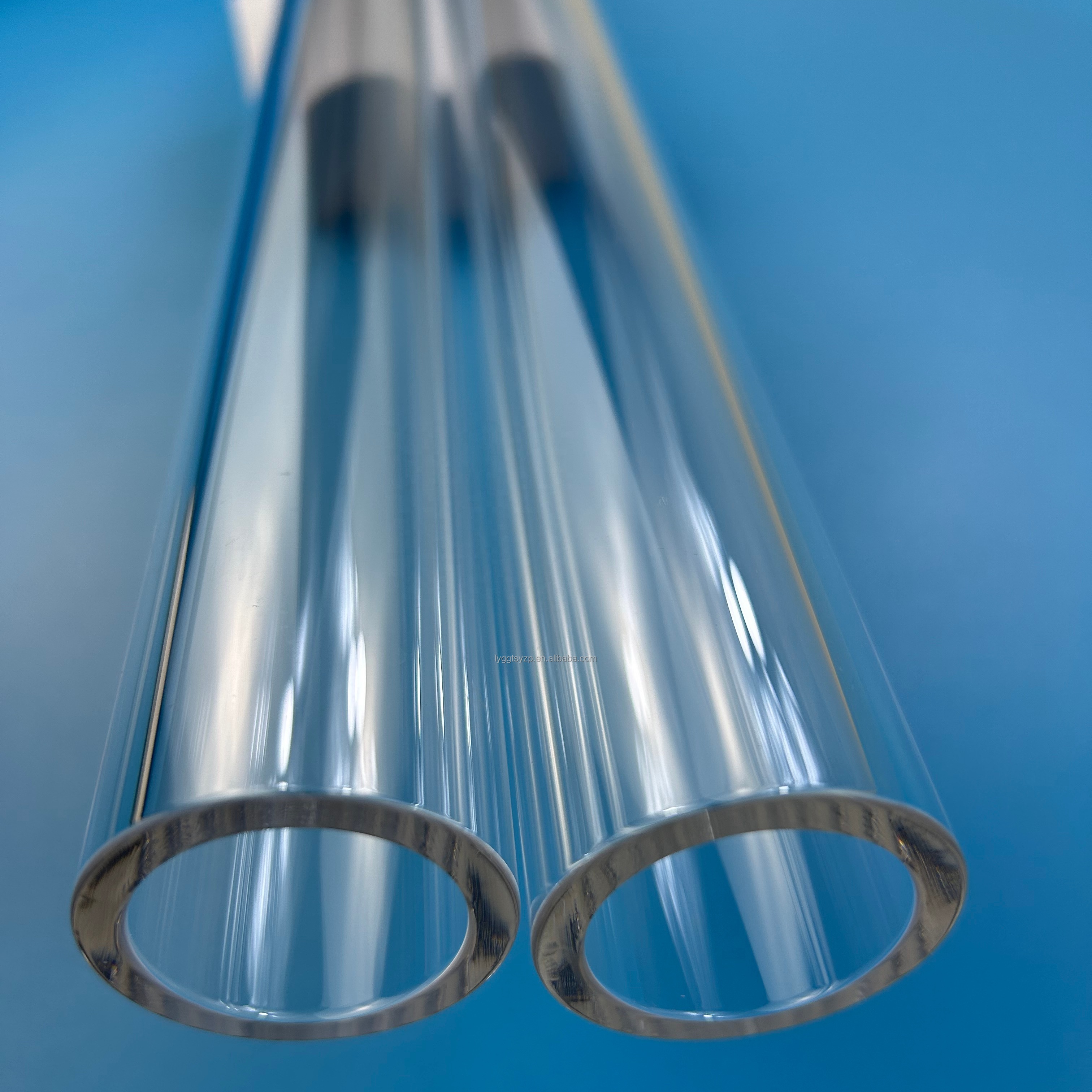
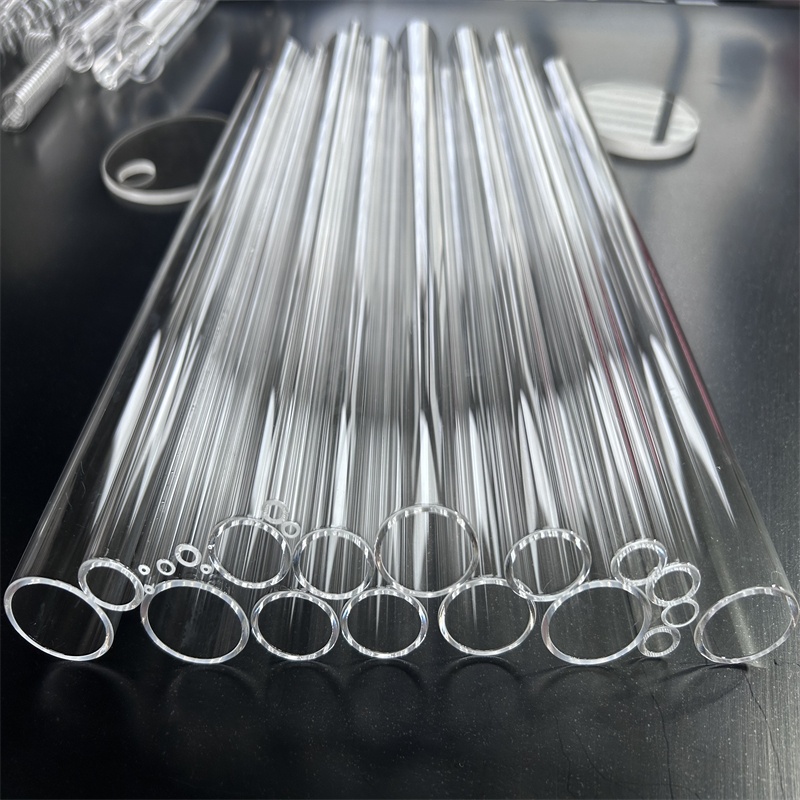
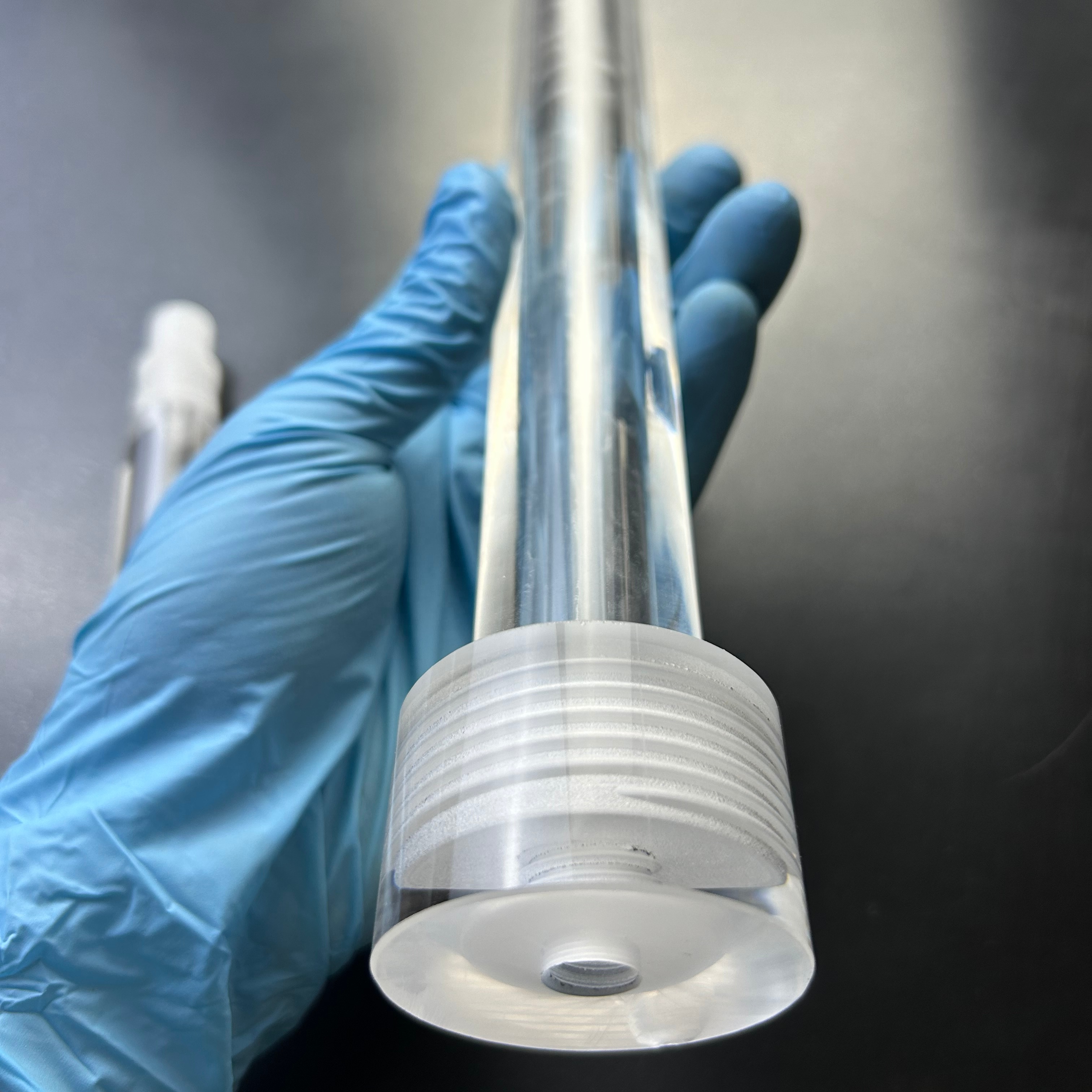
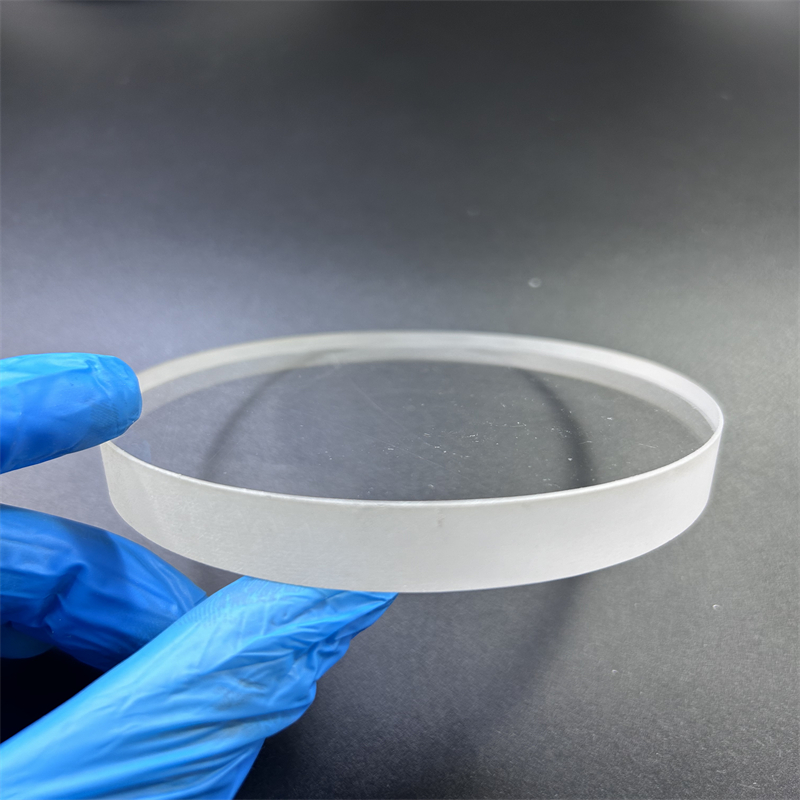
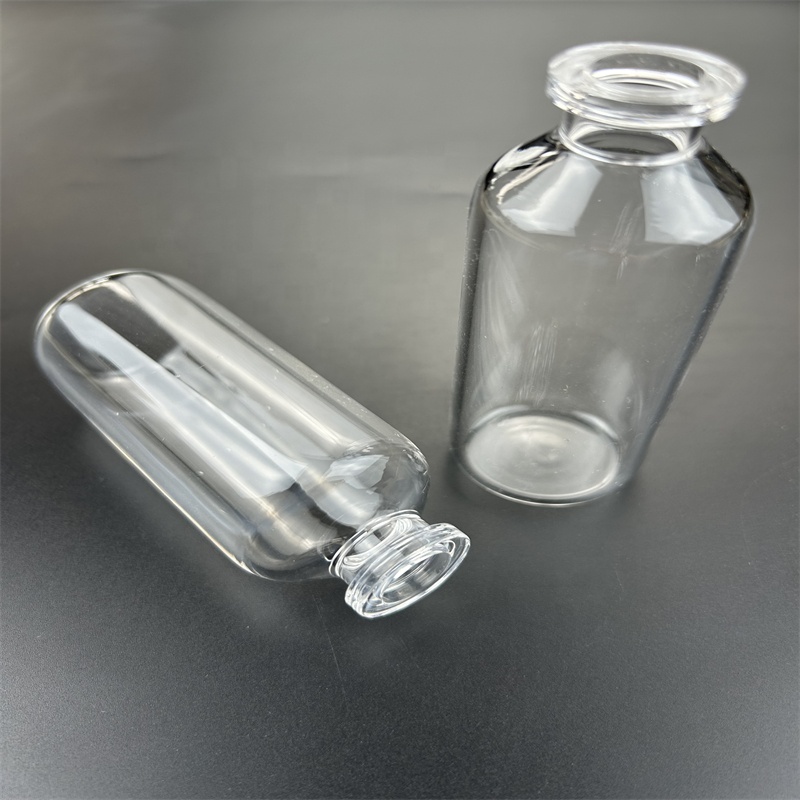
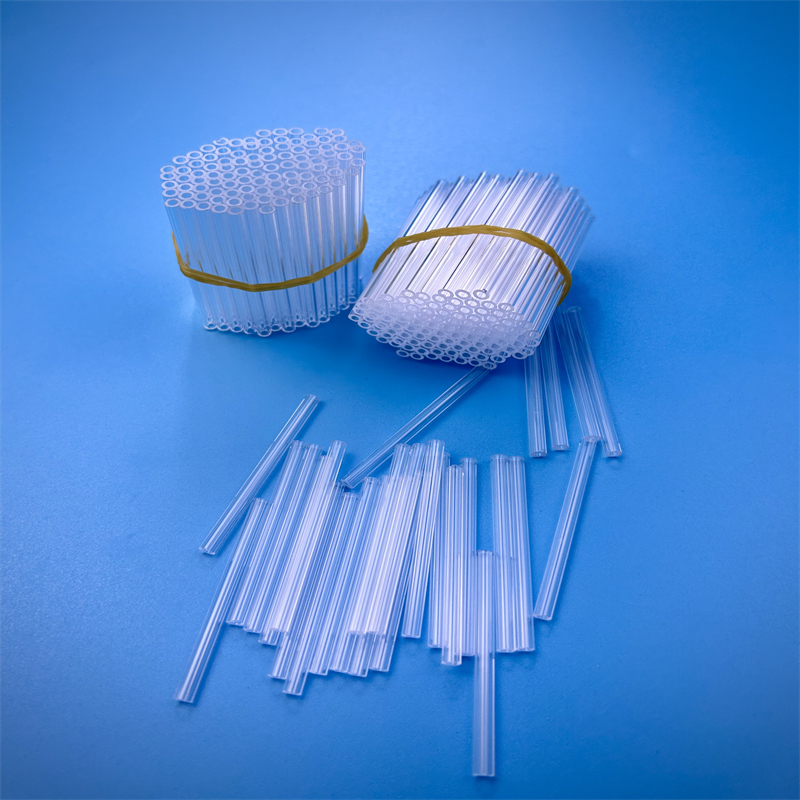
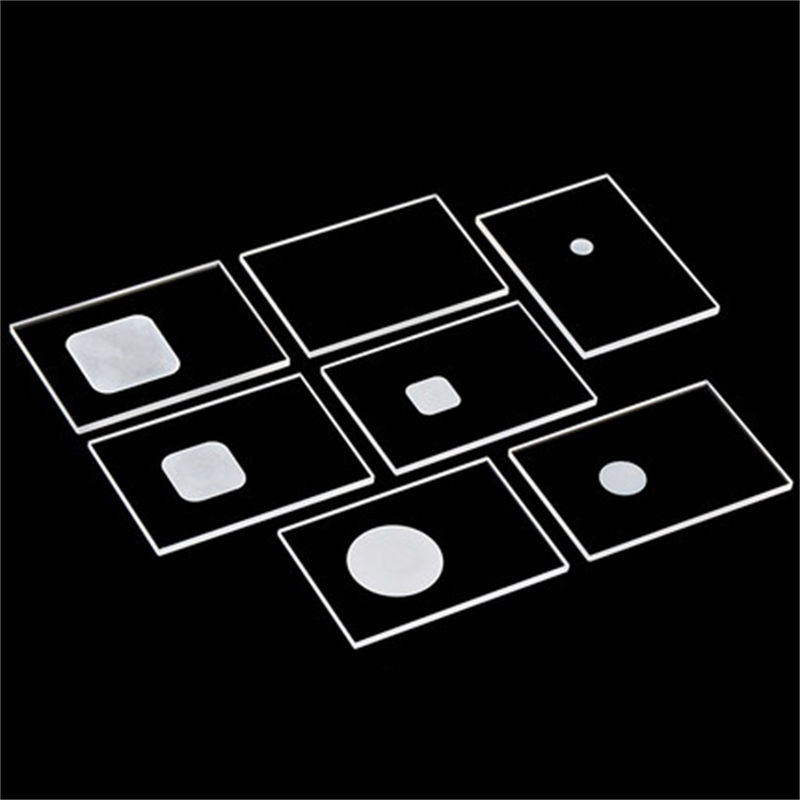
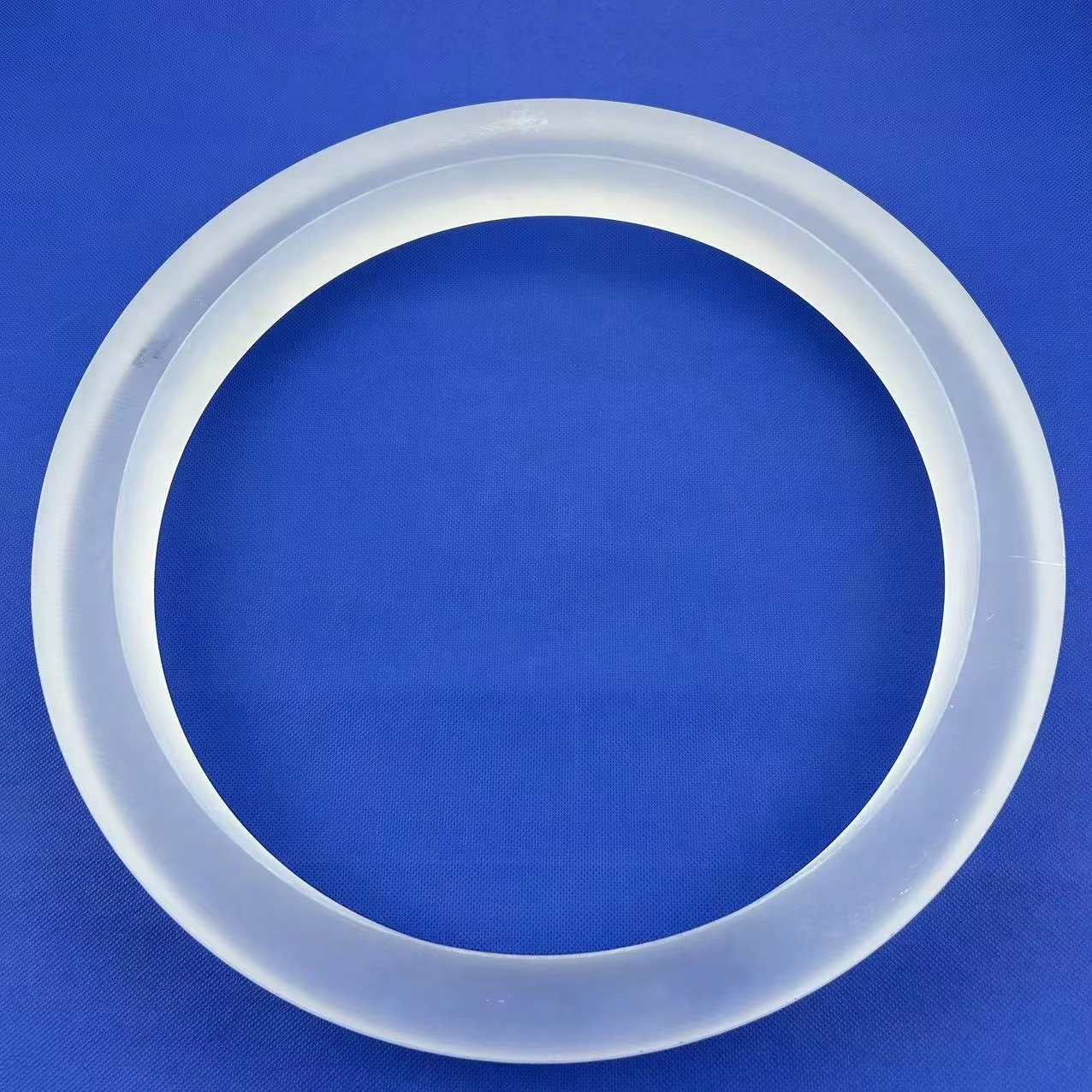
Explore our core catalog of 99.99% SiO2 fused quartz tubes, optical plates, discs, rings, and medical-grade instruments manufactured to exact engineering drawings.
Engineering Whitepaper: Synthetic Fused Silica & Quartz Prism Technology
In modern optical engineering, selecting a trusted quartz glass prism supplier and exporter requires an in-depth evaluation of material chemistry, spectral transmittance, optical homogeneity, laser damage threshold (LDT), and sub-nanometer surface polish capabilities. Quartz prisms—crafted from high-purity synthetic fused silica (SiO2 ≥ 99.9999%) or electrical-fusion quartz glass—serve as pivotal beam-steering, dispersion, polarization, and image-rotation optics across advanced optoelectronic systems.
From semiconductor deep-ultraviolet (DUV) photolithography steppers operating at 193nm and 248nm to high-intensity industrial fiber laser systems operating at 1064nm, quartz glass offers an unbeatable combination of ultra-low thermal expansion coefficient (5.5 × 10⁻⁷ /K), high mechanical hardness (Mohs 5.5–6.5), superior chemical inertia against acid corrosion, and extraordinary optical clarity from 175nm up to 3.5 microns.
1. Optical Material Classification: JGS1, JGS2, and JGS3 Synthetic Quartz Glass
The optical behavior of a quartz prism is governed primarily by its raw material synthesis process and hydroxyl (OH⁻) radical concentration. When evaluating quartz optical substrates, engineers categorize quartz glass into three standardized industry grades:
JGS1 (Synthetic High-Purity Fused Silica - Deep UV Grade)
Synthesized using high-purity silicon tetrachloride (SiCl4) vapor deposition in an oxy-hydrogen flame. JGS1 is virtually bubble-free and inclusion-free, exhibiting zero fluorescence in the visible spectrum. It possesses a high OH- content (typically 800 to 1000 ppm), making it completely transparent in the Deep Ultraviolet (DUV) spectrum down to 175nm, with optimal performance at 193nm (ArF excimer laser) and 248nm (KrF excimer laser). Ideal for right-angle DUV prisms, dispersion prisms, and spectroscopy beam splitters.
JGS2 (Standard Fused Quartz - UV & Visible Grade)
Produced by electrically melting natural high-purity crystal quartz rocks in a vacuum or inert gas atmosphere. JGS2 exhibits excellent optical clarity through the UV-Vis spectrum (220nm to 2500nm). Containing a lower hydroxyl content (OH⁻ < 30 ppm), it minimizes absorption bands in the near-infrared while preserving mechanical strength and thermal stability up to 1100°C continuous working temperatures.
JGS3 (Infrared Synthetic Fused Silica - IR Grade)
Manufactured via specialized plasma furnace synthesis or water-free gas fusion processes. JGS3 reduces OH⁻ impurity levels to below 5 ppm (frequently < 1 ppm). This ultra-low hydroxyl content eliminates the strong OH⁻ absorption band at 2.73 µm, extending optical transmission cleanly into the Infrared (IR) spectrum up to 3.5 µm. Chosen for IR laser prisms, thermal imaging, and gas-sensing spectroscopic devices.
2. Comparative Material Property Matrix for Optical Quartz Substrates
The following quantitative benchmark matrix illustrates the physical, thermal, and optical parameters governing precision quartz glass prisms:
| Physical / Optical Parameter | JGS1 (Synthetic UV) | JGS2 (Standard Quartz) | JGS3 (Infrared Grade) |
|---|---|---|---|
| Primary Spectral Bandwidth | 175 nm – 2200 nm (Deep UV) | 220 nm – 2500 nm (UV-Vis) | 260 nm – 3500 nm (Near-IR) |
| Hydroxyl (OH⁻) Concentration | 800 – 1200 ppm | < 30 ppm | < 5 ppm (Down to <1 ppm) |
| Refractive Index (nd @ 589.3nm) | 1.4584 | 1.4585 | 1.4584 |
| Abbe Number (vd) | 67.8 (Low Dispersion) | 67.6 | 67.8 |
| Density (g/cm³) | 2.201 g/cm³ | 2.203 g/cm³ | 2.201 g/cm³ |
| Coefficient of Thermal Expansion (0-300°C) | 5.5 × 10⁻⁷ /K | 5.4 × 10⁻⁷ /K | 5.5 × 10⁻⁷ /K |
| Knoop Hardness (kg/mm²) | 600 kg/mm² | 610 kg/mm² | 600 kg/mm² |
| Laser Damage Threshold (1064nm, 10ns pulse) | > 18 J/cm² | > 12 J/cm² | > 15 J/cm² |
3. Precision Quartz Prism Geometries & Beam-Steering Mechanics
As leading overseas quartz glass prism suppliers and exporters, we fabricate a wide array of optical prism geometries engineered to solve complex light manipulation challenges:
Right-Angle Prisms
Utilized to deviate light paths by 90° or 180° depending on whether light enters the leg or hypotenuse face. When paired with internal total reflection (TIR) or metallic/dielectric mirror coatings, right-angle quartz prisms eliminate chromatic dispersion in high-power laser alignment.
Equilateral Dispersion Prisms
Designed with 60° equilateral angles to separate light into its component wavelengths. Quartz dispersion prisms exploit wavelength-dependent refractive index variations to deliver superior spectral resolution in UV-Vis analytical spectrophotometers.
Penta Prisms
Five-sided beam-steering prisms providing a constant 90° beam deviation regardless of alignment angle variations. In precision optical sighting, rangefinding, and semiconductor wafer metrology, quartz penta prisms prevent pointing errors caused by mechanical vibration.
Dove & Schmidt Prisms
Inverting optics that rotate an image by 180° without altering beam path direction. When rotated along their longitudinal axis, quartz Dove prisms rotate the transmitted optical image at twice the mechanical rotation speed, crucial for thermal imaging and interferometry.
Corner Cube Retroreflectors
Featuring three mutually perpendicular reflective facets that reflect incoming light beams precisely back to their origin (180° retroreflection). Quartz retroreflectors are imperative in satellite laser ranging, military telemetry, and remote laser surveying.
Rhomboid & Anamorphic Prisms
Displace an optical beam laterally without inverting image orientation or altering polarization states. Anamorphic quartz prism pairs transform elliptical diode laser beams into clean, symmetrical circular profiles.
4. Industry Procurement & Future Sourcing Trends (2025–2030)
The global demand for high-purity quartz optical components is undergoing a rapid transition driven by four major industrial megatrends:
A. EUV & DUV Semiconductor Photolithography
As semiconductor fabrication nodes shrink toward 2nm and sub-1nm architectures, photolithography tools demand optical substrates with near-zero bubble counts (Class 0 under ISO 12123) and wavefront distortion below λ/20. Synthetic silica JGS1 prisms coated with fluorinated anti-reflective coatings are increasingly required to withstand billions of high-frequency 193nm pulse exposures without solarization or compaction.
B. Multi-Kilowatt Industrial Fiber Laser Processing
With fiber laser power levels exceeding 20kW to 60kW in metal cutting and additive manufacturing, standard optical glass (e.g., N-BK7) suffers from thermal lensing and catastrophic laser-induced damage. Global B2B buyers are migrating strictly toward low-absorption fused quartz prisms capable of maintaining thermal focal stability at power densities exceeding 10 MW/cm².
C. Quantum Computing & Trapped-Ion Metrology
Quantum state manipulation relies on ultraclean, narrow-linewidth laser sources. Quartz retroreflectors and penta prisms manufactured with angular tolerances under 1 arcsecond ensure precise phase locking and optical path length stabilization inside vacuum cryogenic chambers.
D. Supply Chain Resiliency & Direct Factory Engineering
Modern procurement directors are bypassing intermediary traders in favor of vertically integrated manufacturers located in direct quartz processing clusters like Donghai, Jiangsu. Direct engagement with specialized factories allows direct review of STEP files, rapid prototyping, and custom batch delivery with full batch-traceability certificates.
5. Advanced Processing & Surface Finishing Capabilities
Transforming synthetic quartz ingots into sub-nanometer polished prisms requires combining traditional flame-working expertise with state-of-the-art CNC optical machining:
- Five-Axis CNC Optical Grinding: Enables complex 3D prism chamfering, lightweighting pockets, micro-drilling, and custom mounting notch fabrications with dimensional tolerances within ±0.01mm.
- Magnetorheological Finishing (MRF) & Ion Beam Polishing (IBP): Deterministic polishing technologies that correct localized figure errors, achieving surface flatnesses better than λ/20 (@ 632.8nm) and surface roughness Ra < 0.5 nanometers.
- Thin-Film Vacuum Deposition: Electron-beam (E-beam) and Ion-Assisted Deposition (IAD) vacuum chamber coating allows tailored anti-reflective (AR), high-reflective (HR), beamsplitter (BS), and dielectric polarisation coatings optimized for laser wavelengths from 193nm to 2940nm.
- Extreme Thermal Stress Annealing: Multi-day computer-controlled electric annealing schedules eliminate residual internal birefringence to levels under 2 nm/cm, preventing thermal beam distortion under intense laser loads.
6. Enterprise Advantages & Global OEM/ODM Partnership Capabilities
Located in Donghai County, Jiangsu Province—recognized globally as China's "Crystal Capital"—Lianyungang Zelvo Quartz Products Co., Ltd. stands out as a top-tier manufacturer and verified supplier of high-purity quartz products. We combine deep raw material integration with advanced fabrication capabilities:
Geographic Cluster Strength
Direct access to Donghai's world-class raw quartz refining ecosystem guarantees consistent 99.99% to 99.9999% SiO2 supply chains at highly competitive factory-direct pricing.
Full-Spectrum Customization
From 1-piece prototyping to large volume production runs, our team supports custom drawing reviews (STEP, DWG, PDF), precision laser drilling, micro-grooving, flame welding, and polishing.
Rigorous Quality Control
Every component undergoes rigorous spectral transmission testing, ZYGO interferometric wavefront verification, dimensional micrometer checks, and bubble/inclusion inspections prior to shipment.
Frequently Asked Questions (FAQ) for Quartz Optics Procurement
Technical solutions and procurement details for optical design engineers, sourcing directors, and laboratory researchers.
What is the distinction between synthetic fused silica (JGS1) and natural fused quartz (JGS2) in prism manufacturing?
What wavefront error and surface scratch-dig tolerances can Zelvo Quartz achieve on prisms?
What is the Laser Damage Threshold (LDT/LIDT) for fused quartz optics under pulsed laser exposure?
What files and drawing formats are accepted for custom quartz component production?
What is your minimum order quantity (MOQ) and sample lead time?
How do you package fragile quartz glass components to guarantee damage-free international transit?
Need High-Precision Quartz Optics or Custom Glass Components?
Consult directly with our engineering department in Donghai. Send your technical drawings, specifications, or optical requirements for immediate technical review.