Featured Industrial & Laboratory Quartz Components
Engineered from optical-grade synthetic fused silica and 99.99% pure fused quartz. Direct manufacturer fabrication supporting custom drawings, standard 10mm UV pathlengths, and specialized flow-through spectrophotometry cells with 1-piece MOQ.
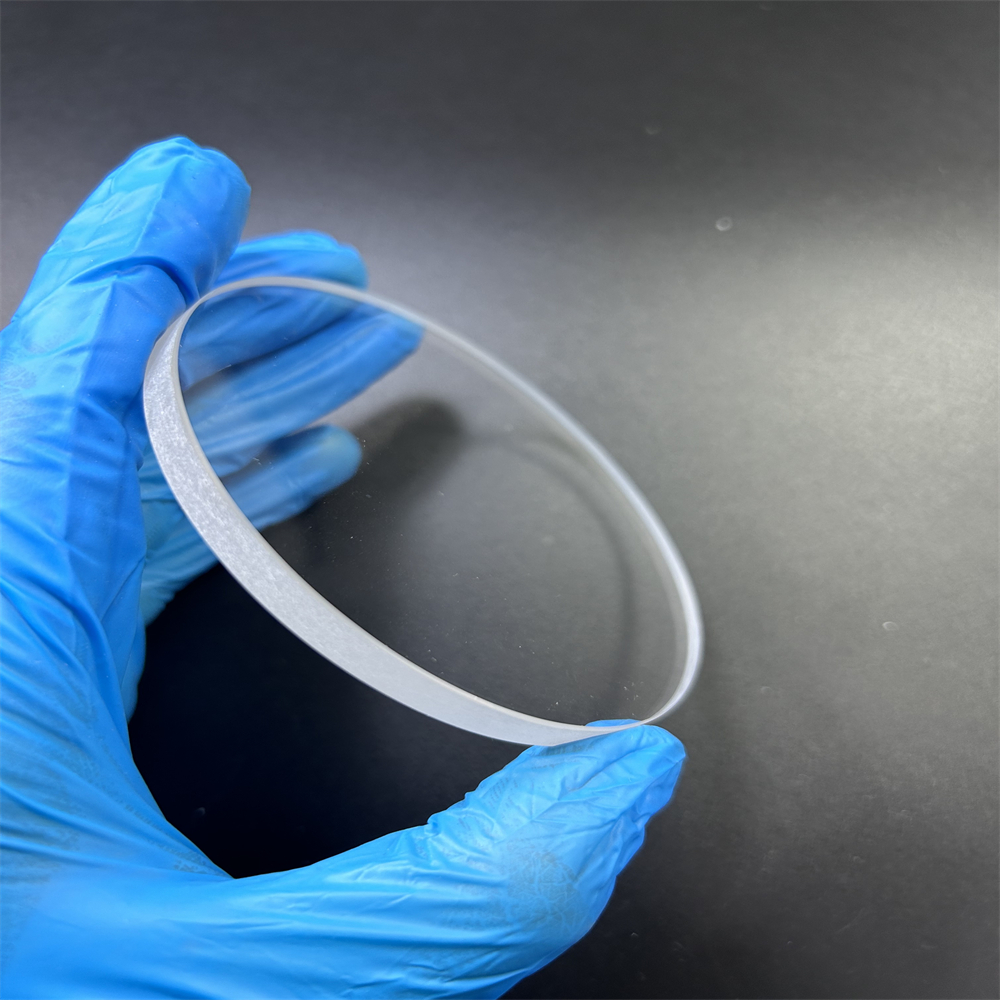
High Pressure Fused Silica Quartz Glass Wafer UV Sheet
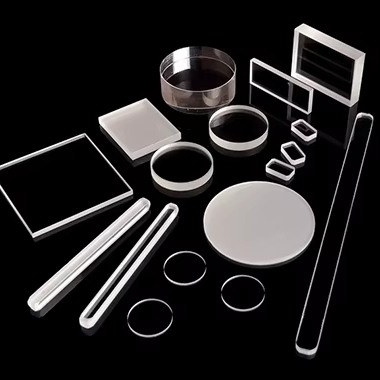
Custom Optical Fused Transparent Quartz Glass Sheet
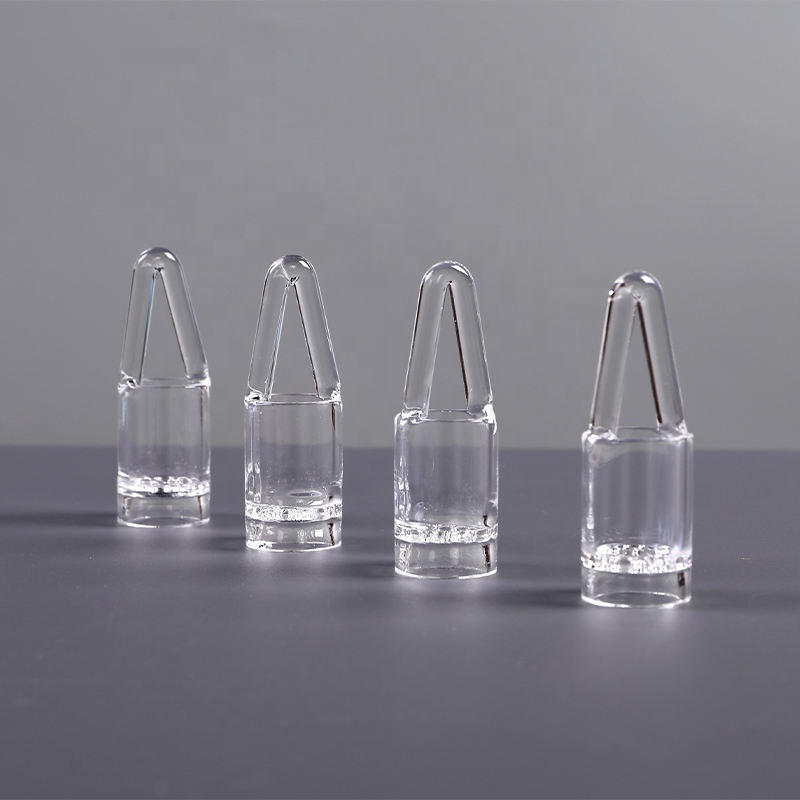
High Pressure 99.99% Pure Quartz Glass Flow Tube
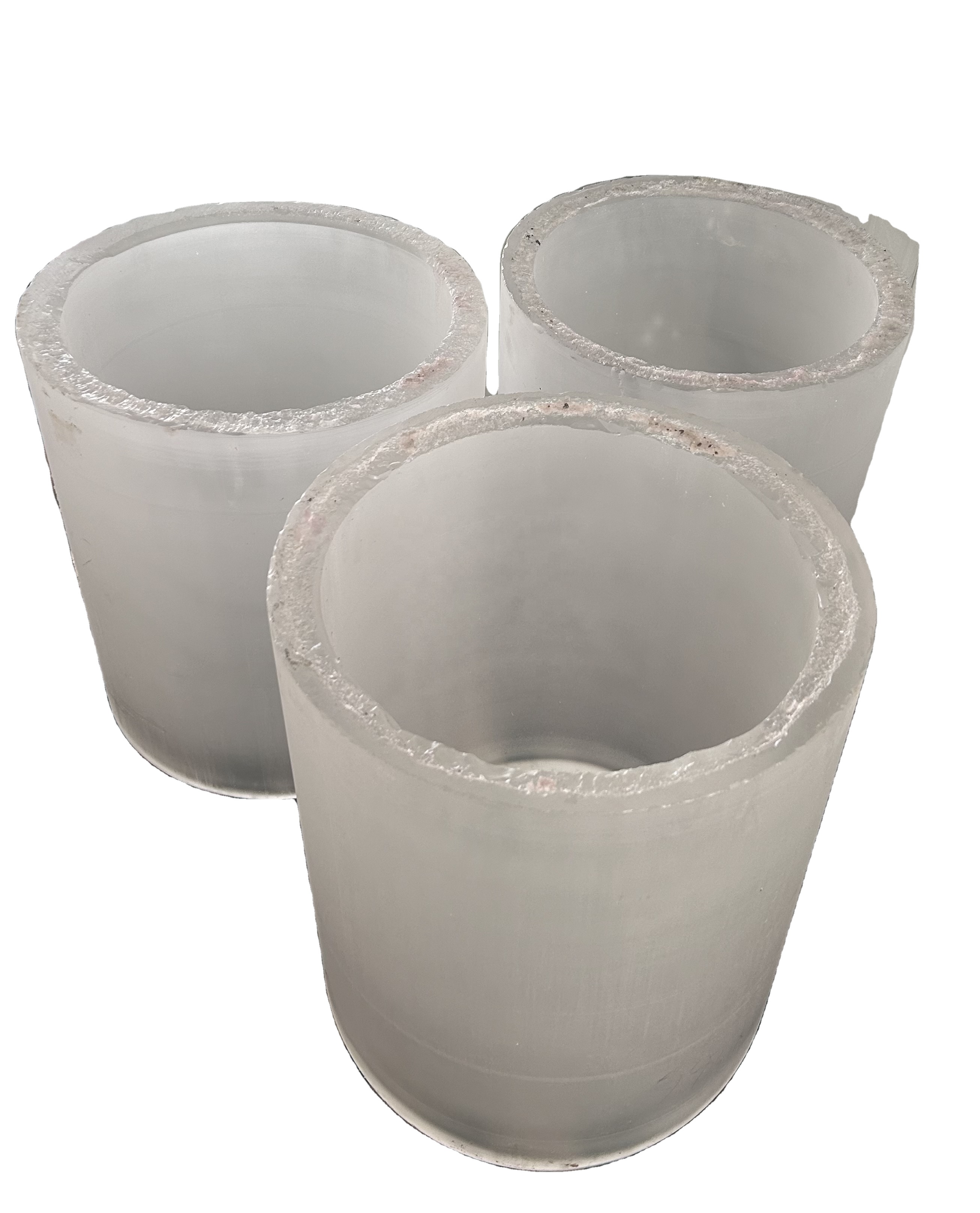
Open Ended Fused Quartz Frosted Cylinder & Optics Body
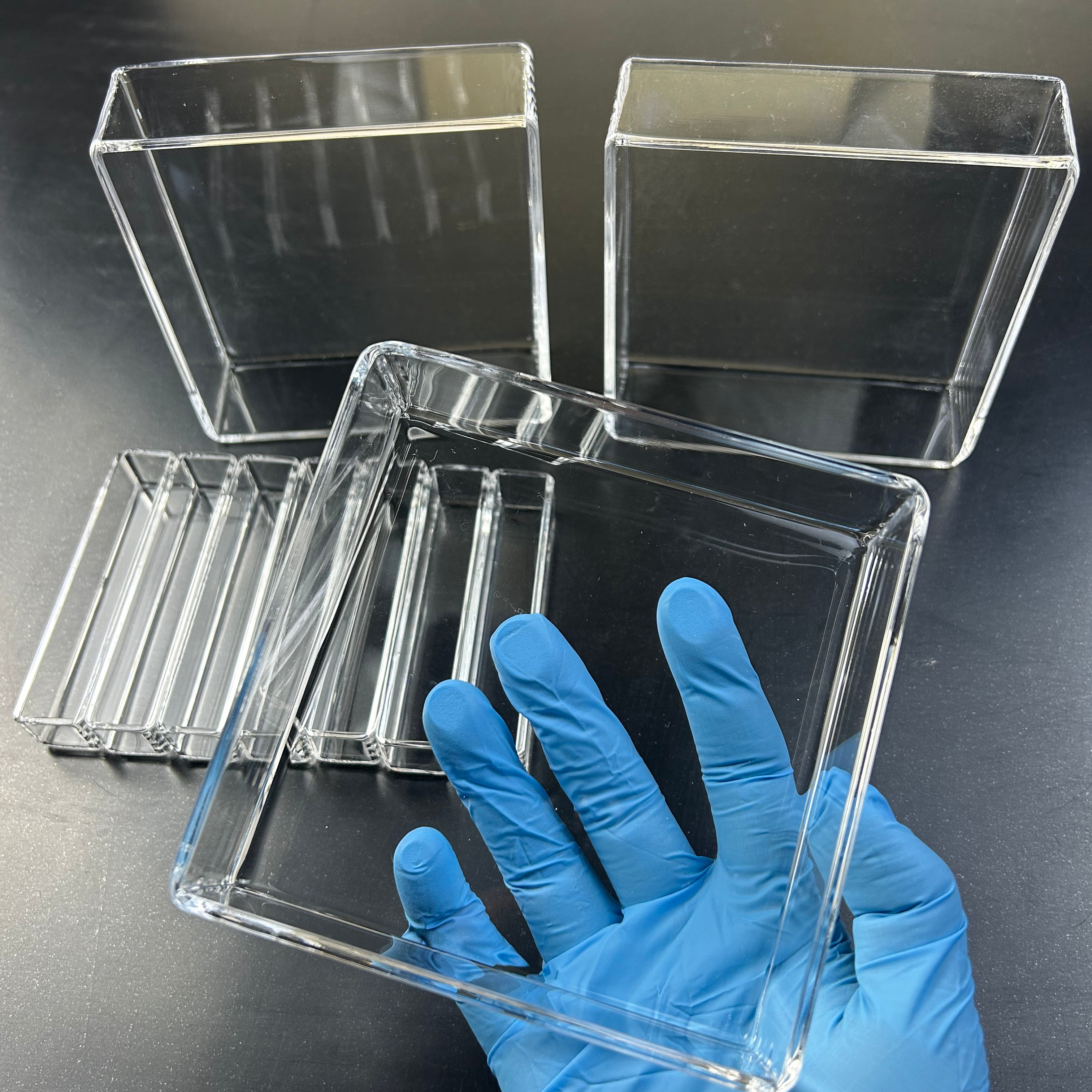
Custom Fused Quartz Crucible & Reaction Tank
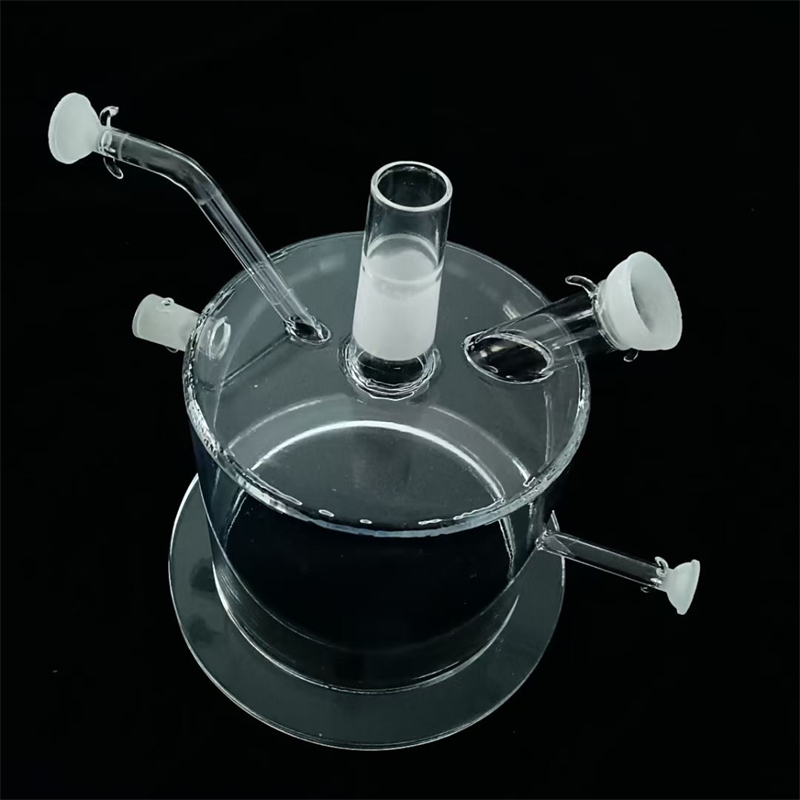
Clear High Pressure Quartz Capillary & Flow Tube
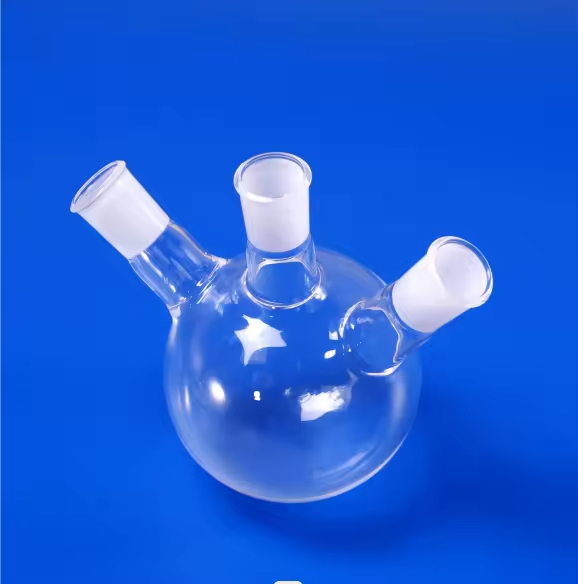
Transparent Quartz Twin Tube Reaction & Analysis Flask
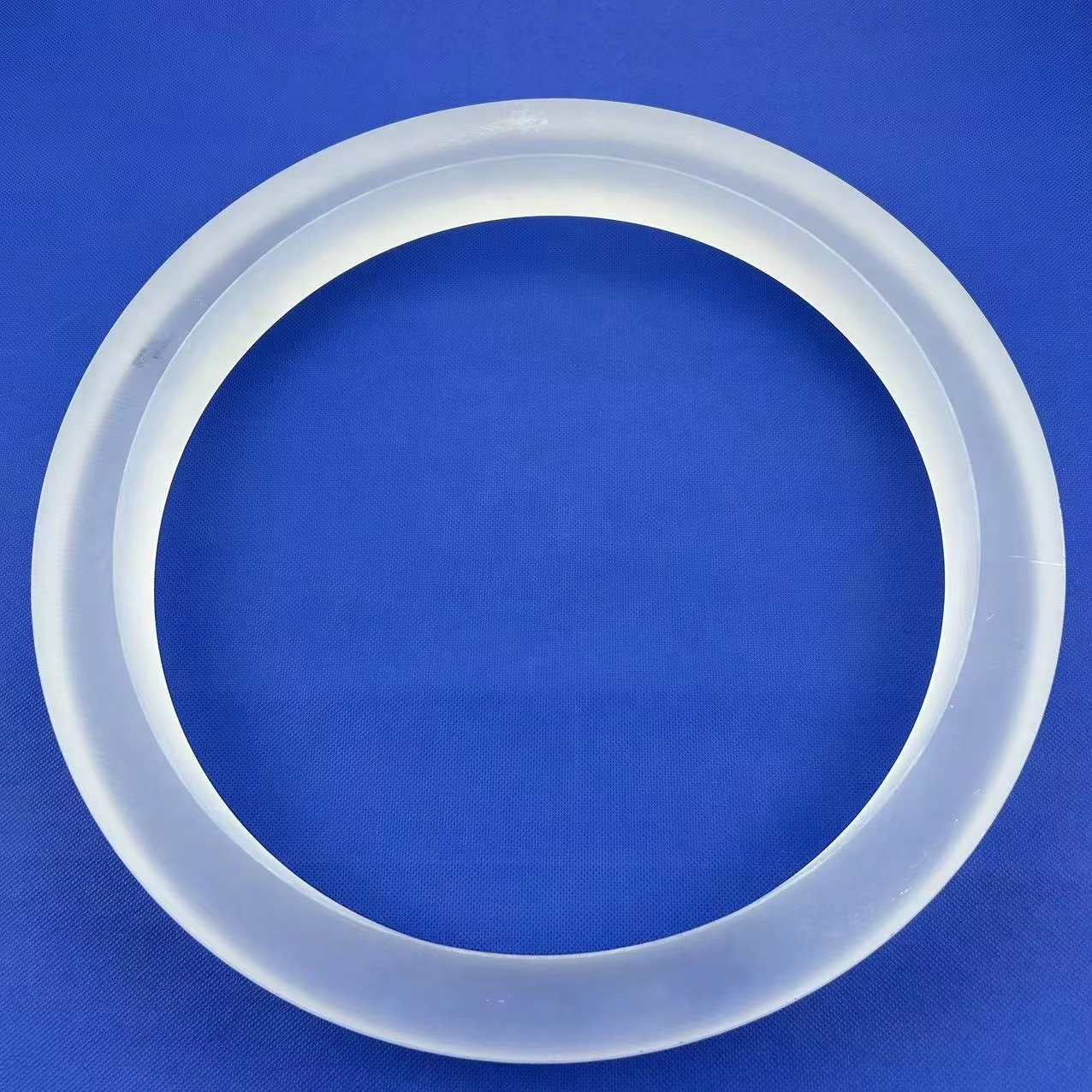
Custom Coated 99.99% Pure Quartz Flange Optics Ring
Spectrophotometric Cuvette Metrology: The Difference Between Analytical Certainty and Optical Distortion
In analytical chemistry, molecular biology, and pharmaceutical dissolution testing, the optical cuvette is not merely a sample holder; it is an active optical component inside the spectrophotometer beam path. Under the Beer-Lambert Law ($A = \varepsilon \cdot c \cdot l$), any micro-variance in the internal pathlength ($l$) directly propagates into quantitative concentration error ($c$). Standard commercial optical glass degrades significantly below 340 nm due to intrinsic iron impurity absorption band tails. Precision UV-Vis-NIR spectrophotometry demands Synthetic Fused Silica (Type JGS1 / Suprasil equivalent) with an absolute transmission cutoff extending down to 190 nm.
Traditional cheap glass cells rely on synthetic epoxy adhesives or low-melting-point glass frit glaze to seal the four vertical plates. When exposed to harsh organic solvents widely used in Bulgarian HPLC and spectroscopy laboratories—such as dimethyl sulfoxide (DMSO), tetrahydrofuran (THF), dichloromethane, or concentrated nitric acid—adhesive bonds leach oligomers, producing spurious absorbance peaks between 210 nm and 260 nm. Zelvo Quartz employs Direct High-Temperature Thermal Molecular Fusion Bonding (1200°C), transforming individual optical windows into a monolithic quartz body without chemical adhesives or flux.
| Substrate Material Class | Usable Spectral Range | Internal Transmittance (10mm, 200nm) | Sealing Technology | Solvent Compatibility | Primary Analytical Purpose |
|---|---|---|---|---|---|
| Far UV Synthetic Fused Silica (JGS1) | 190 nm – 2,500 nm | > 82.0% | Direct Molecular Fusion (Adhesive-Free) | Universal (Acids, Bases, Organics, DMSO) | DNA/RNA Oligonucleotides, Protein UV Assay (260/280nm) |
| Optical Fused Quartz (JGS2 / Suprasil 300) | 220 nm – 2,500 nm | > 75.0% (at 220nm) | High-Temperature Thermal Weld | Universal Organic & Mineral Acid Matrix | Routine Pharmaceutical QC, Trace Heavy Metals, HPLC-UV |
| Infrared Quartz Glass (JGS3 / Infrasil) | 260 nm – 3,500 nm | Negligible (< 200nm) | Molecular Fusion Bonding | Universal Solvents & Non-aqueous Media | FTIR Spectral Photometry, Organic CH/OH Band Analysis |
| Standard Optical Crown Glass (Boro 3.3) | 340 nm – 2,500 nm | 0% (Opaque below 320nm) | Epoxy / Glaze Adhesive | Limited (Attacked by aggressive organic solvents) | Visible Range Enzymatic Assays, Wine Anthocyanin Colorimetry |
Tailored Optical Applications Across Bulgaria's Key Clusters
From pharmaceutical formulation facilities in Sofia and Dupnitsa to environmental water monitoring along the Danube and agricultural testing in the Thracian Valley, Zelvo Quartz supplies CE certified optical cuvettes aligned with Bulgarian national standards (BDS EN ISO) and European pharmacopoeial monographs.
Pharmaceutical QA/QC & API Formulation
Bulgaria's pharmaceutical centers in Dupnitsa, Sofia, and Troyan rely on our 10mm and 50mm UV fused quartz cells for active pharmaceutical ingredient (API) assay, automated dissolution testing, and purity validation adhering to European Pharmacopoeia (Ph. Eur. 2.2.25) UV spectrophotometry standards.
Ecological & Water Analysis
Regional environmental inspectorates in Ruse, Pleven, and Varna monitor water quality along the Danube River and Black Sea coastal marine reserves. Our long-pathlength cylindrical and rectangular cells (50mm, 100mm) ensure low detection thresholds for trace nitrates, phosphates, and heavy metals.
Wine Chemistry & Agrobiology
Viticulture and food analysis laboratories in Plovdiv, Stara Zagora, and Sliven implement our semi-micro quartz cuvettes for phenolic maturation analysis, total polyphenol index (TPI @ 280 nm), anthocyanin determination, and enzymatic testing of agricultural grains and Bulgarian essential rose oils.
Biomedical Research & Academia
Laboratories within Sofia Tech Park, the Bulgarian Academy of Sciences (BAS), and medical universities in Sofia and Plovdiv employ our micro-volume sub-micro cuvettes (50 μL - 100 μL) and fluorescence cells for nucleic acid quantification, fluorometric protein kinetics, and crystal growth analysis.
Key Sourcing Dynamics Reshaping Laboratory Procurement in Bulgaria
As Bulgarian analytical industries integrate deeply with broader EU supply networks under Horizon Europe and IVDR regulatory frameworks, scientific equipment procurement is undergoing fundamental structural changes.
Transition to Strict EU IVDR 2017/746 Compliance
Bulgarian clinical diagnostic facilities and commercial test labs are phasing out non-traceable glass consumables. Laboratory auditors require CE-marked optical cells with certified dimensional verification, lot-traceable transmission validation, and full compliance with BDS EN ISO 17025 calibration traceability to prevent analytical drift in patient diagnostics.
Direct Manufacturer Tier-1 Engagement
Procurement directors at major Bulgarian production facilities are systematically bypassing Western European reseller catalogs, which often impose a 40% to 70% middleman markup on quartzware originating from Asian crystal basins. By working directly with verified manufacturing plants like Zelvo Quartz, labs secure custom-drawn cells with rapid DDP delivery.
Shift Towards Micro-Volume & Flow-Through Spectrometry
With high-value reagents in monoclonal antibody (mAb) development, genomics, and biopharmaceuticals commanding thousands of euros per milligram, Bulgarian R&D centers are converting standard 3.5 mL cells to 100 μL micro-cells and automated continuous flow-through quartz chips that drastically reduce sample waste and eliminate manual pipetting contamination.
Factory-Direct Quartz Engineering: Donghai Precision for Bulgarian Industry
Headquartered in Donghai County—China's legendary "Crystal Capital" which processes over 80% of the world's high-purity quartz raw material—Lianyungang Zelvo Quartz Products Co., Ltd. combines generational glassblowing skill with high-precision CNC laser micro-fabrication.
99.99% SiO₂ Raw Mineral Purity
Direct supply contracts with ultra-pure silica deposits ensure that trace metals (Fe, Al, Ti, Cu) remain below 1.5 ppm, guaranteeing zero background absorption interference across the critical 200–300 nm biological UV window.
Sub-Micron CNC & Laser Cold Processing
Our workshop houses high-precision 5-axis CNC ultrasonic milling, laser micro-drilling, and laser cutting lines capable of creating intricate microfluidic quartz cuvettes, double-bore chambers, and slotted sample stages down to ±0.005 mm.
Rapid ≤2h Technical Drawing Review
Our English-speaking application engineering team provides comprehensive design-for-manufacturability feedback, thermal expansion modeling, and precise quotation within 2 hours of drawing submission.
Zero-Stress Export Packaging & DDP Bulgaria
Each optical cuvette and quartz wafer is ultrasonically decontaminated, vacuum-packed in optical-grade lint-free dust enclosures, and housed in shock-absorbing foam crates. Full DDP shipping with direct customs clearance into Bulgaria.
Frequently Asked Questions for Bulgarian Buyers
Clear answers regarding CE conformity, Bulgarian customs protocols, optical matching, and handling procedures for laboratory and industrial purchasing agents.
What regulatory CE documentation is provided with your quartz cuvettes for Bulgarian laboratories?
Every shipment destined for Bulgaria includes a factory Certificate of Conformity (CoC) verifying compliance with EU Directive 98/79/EC and Regulation (EU) 2017/746 (IVDR) for laboratory analysis accessories. Our optical cuvettes are manufactured according to DIN 58963 standard external geometry ($12.5 \times 12.5 \times 45\text{ mm}$), ensuring 100% mechanical and optical compatibility with all commercial spectrophotometers (Shimadzu, PerkinElmer, Thermo Fisher, Agilent, Analytik Jena) installed in Bulgarian research institutions.
Additionally, each batch can be accompanied by an individual transmission spectrophotometric scan report certifying >82% transmittance at 200 nm.
How does molecular fusion bonding differ from standard glued quartz cuvettes?
Glued cuvettes utilize chemical epoxies or glazes to bond the polished optical plates to the frosted side walls. When Bulgarian pharmaceutical and chemical laboratories use aggressive organic solvents (such as acetone, chloroform, toluene, diethyl ether, or acetonitrile) or undergo ultrasonic cleaning in hot detergent baths, adhesives expand, dissolve, or leach compounds into the sample, destroying photometric accuracy.
Zelvo Quartz uses high-temperature flame fusion bonding where the quartz plates are thermally fused at temperatures exceeding 1200°C. The resulting cuvette is a seamless, monolithic quartz block that is chemically impervious to all analytical solvents and handles thermal cycling without seam separation.
What are the import procedures, customs duties, and delivery lead times to Bulgaria?
Quartz laboratory glassware and optical cuvettes are classified under EU TARIC code 7017 10 00 00 (Laboratory, hygienic or pharmaceutical glassware of fused quartz or other fused silica). We handle all international trade terms including FOB, CIF, CIP Sofia Airport, and DDP (Delivered Duty Paid) directly to your laboratory facility in Sofia, Plovdiv, Varna, Burgas, or Ruse.
Under DDP terms, Zelvo Quartz manages export documentation, air freight, customs declaration, and Bulgarian local VAT (ДДС) processing. Air express delivery via DHL/FedEx typically arrives at Bulgarian facilities within 5 to 8 business days following dispatch.
Can Zelvo Quartz produce matched pairs or matched sets of cuvettes for dual-beam spectrophotometers?
Yes. Dual-beam spectrophotometers require that the reference cell and sample cell have virtually identical optical characteristics. We provide precision optical matching: every cell in a matched pair or set of four is measured under spectrophotometry at 200 nm, 220 nm, and 240 nm.
We guarantee that the transmission variance between matched cells does not exceed ΔT < 0.5% across the entire UV-Vis operating range, completely eliminating baseline drift and manual calibration offsets.
What is the recommended cleaning protocol to maintain optical transmission over years of use?
Never clean optical quartz windows with abrasive powders or mechanical scouring pads. For routine organic residues, soak cells in high-purity spectrophotometric-grade ethanol or isopropanol followed by deionized water rinse. For stubborn protein precipitation or biological films (common in BAS life-science labs), soak in a 2% Hellmanex III solution or 50% warm nitric acid for 30 minutes.
Because our cuvettes feature direct molecular fusion, they are fully safe for dilute mineral acid baths. Always dry optical cuvettes by air evaporation or with lint-free lens paper dabbed gently against the frosted walls—never wipe the transmissive optical windows.
Can you fabricate custom geometry cuvettes or microfluidic flow cells from our CAD drawing?
Absolutely. Approximately 45% of our workshop output is entirely custom-engineered. Whether you require micro-aperture black quartz masked cells (to eliminate stray scatter light), jacketed temperature-controlled cells with GL-14 thread fittings, or specialized demountable circular cells for viscous polymers, simply email your 2D sketch or 3D STEP/DWG drawing. Our engineers will verify optical feasibility and provide a firm quote starting from an MOQ of just 1 piece.
Request a Fast Optical Cuvette Quote or Drawing Consultation
Contact our engineering sales team with your target optical pathlength, spectral range (UV or Visible), quantity, and custom specifications. We offer rapid design review and direct quotation within 2 hours on European business days.