High-Purity Quartz Vessels & Precision Components
Manufactured from 99.99% high-purity fused silica (SiO₂). Designed to endure thermal cycling up to 1300°C with exceptional resistance to chemical corrosion in semiconductor and analytical environments.
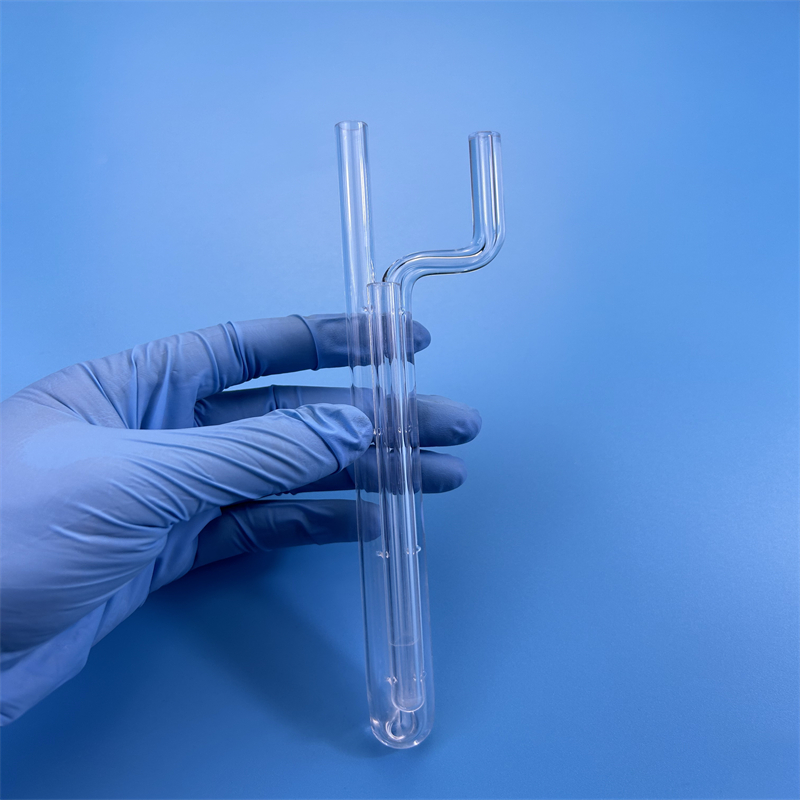
Chemisorption BET Test High Pressure Quartz Glass Twin Tube
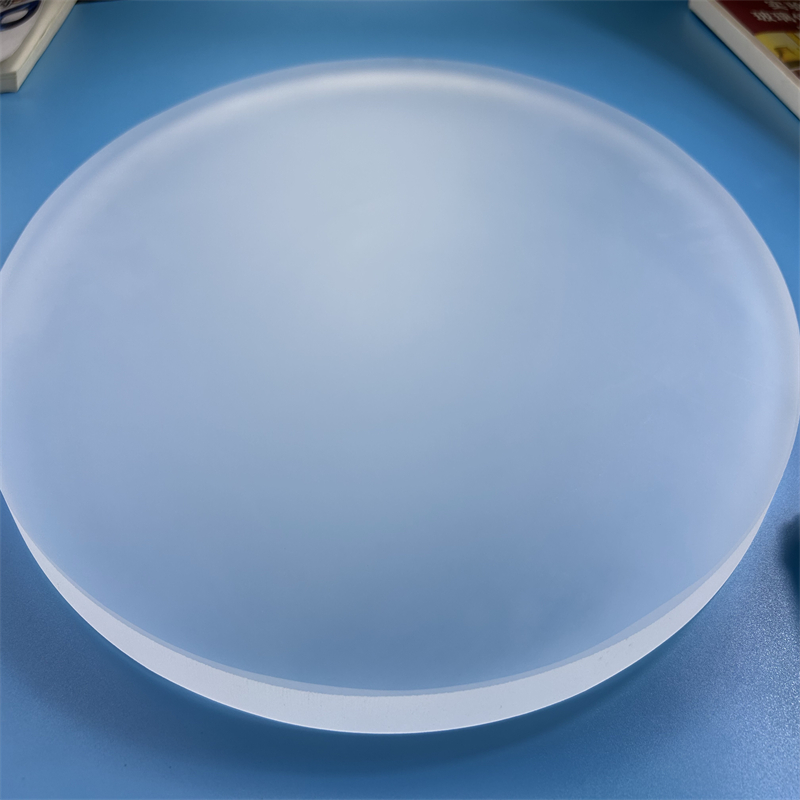
High Temperature Resistance Frosted Quartz Disc/Plate
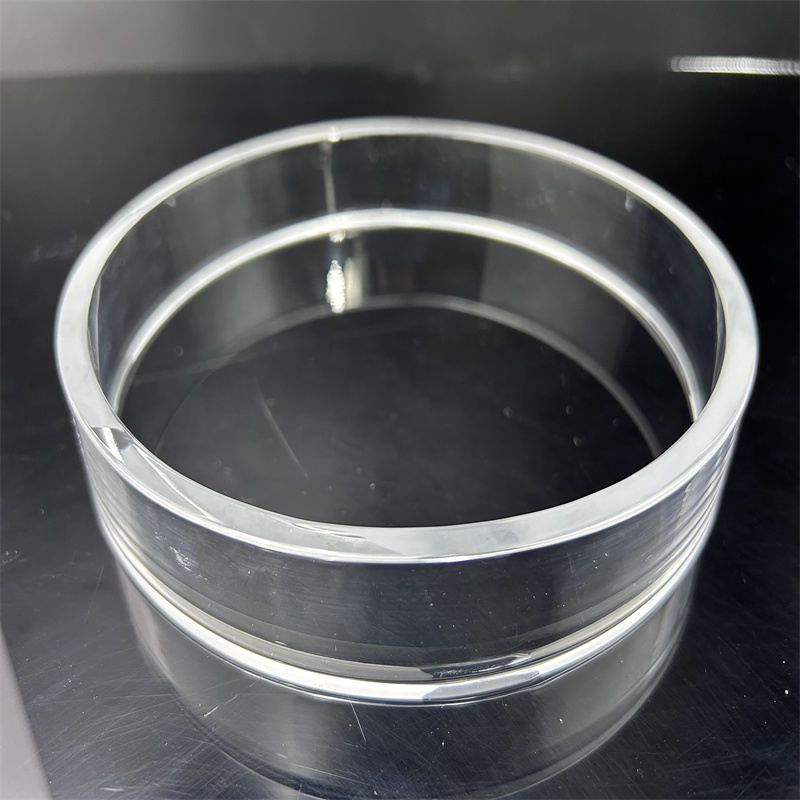
High Purity Fused Quartz Bell Jar for Semiconductor Equipment
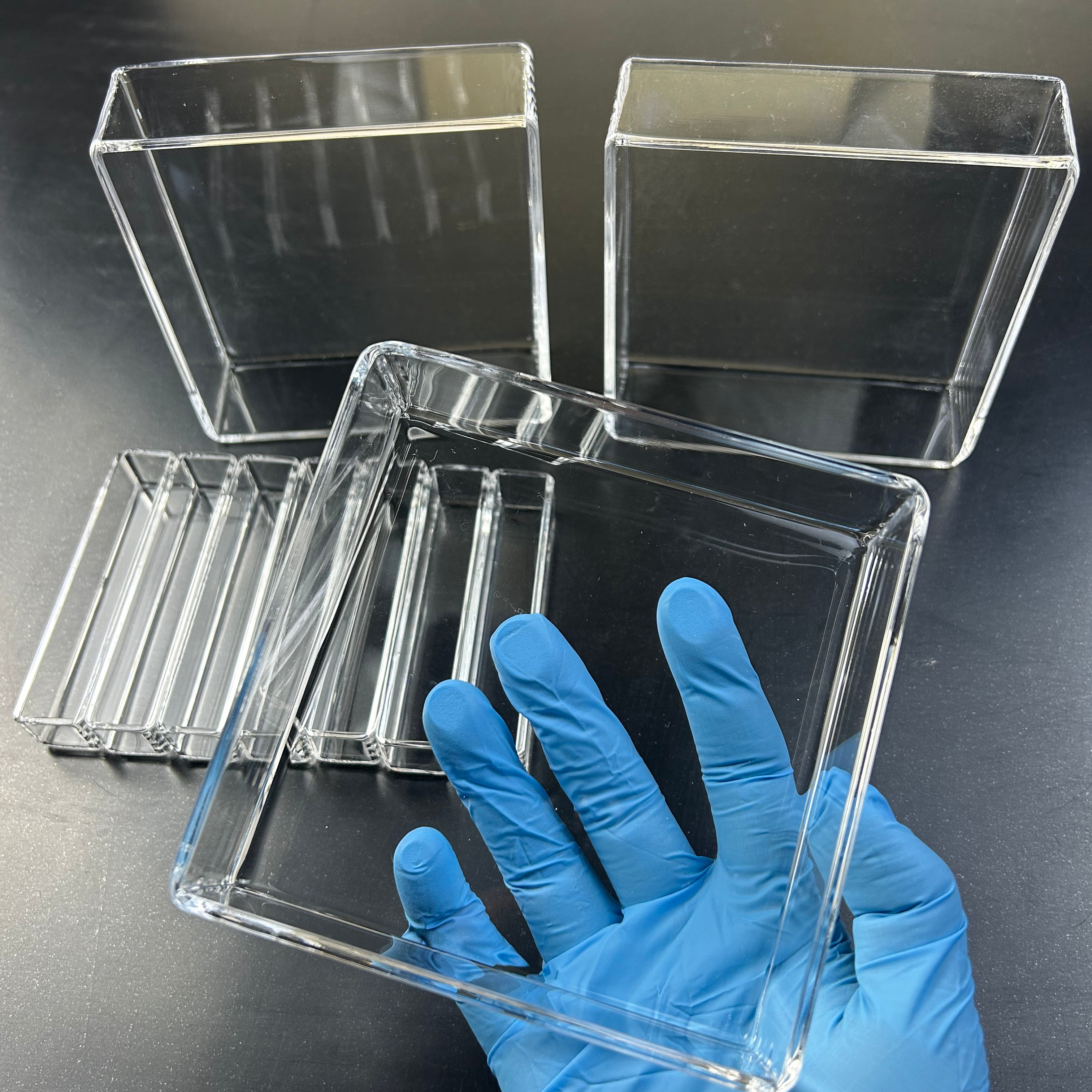
Custom Fused Quartz Glass Circular Crucible Tank & Cylinder
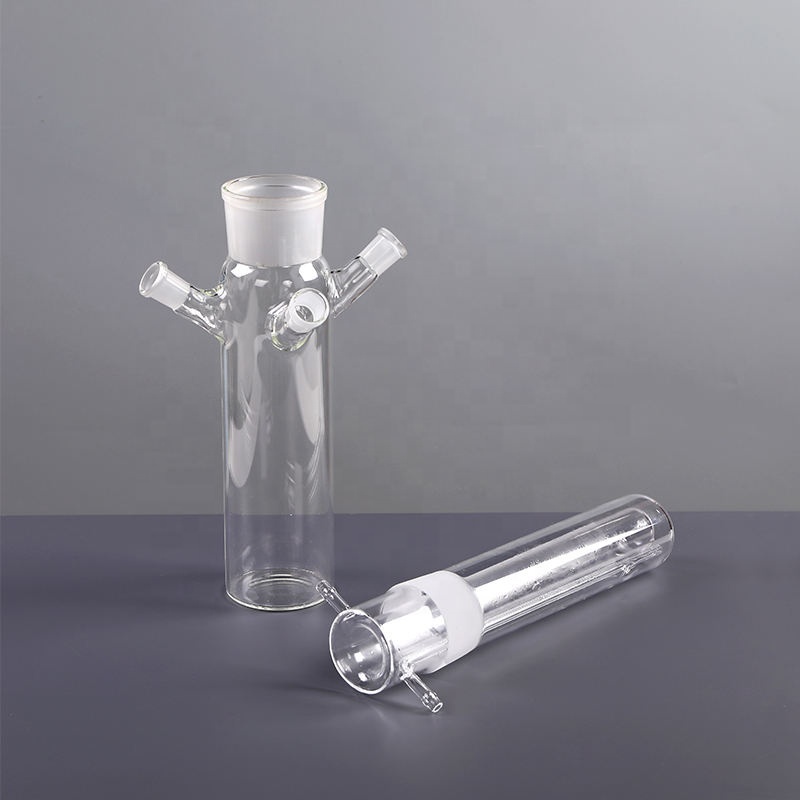
Quartz Glass Reactor with Internal Illumination Well
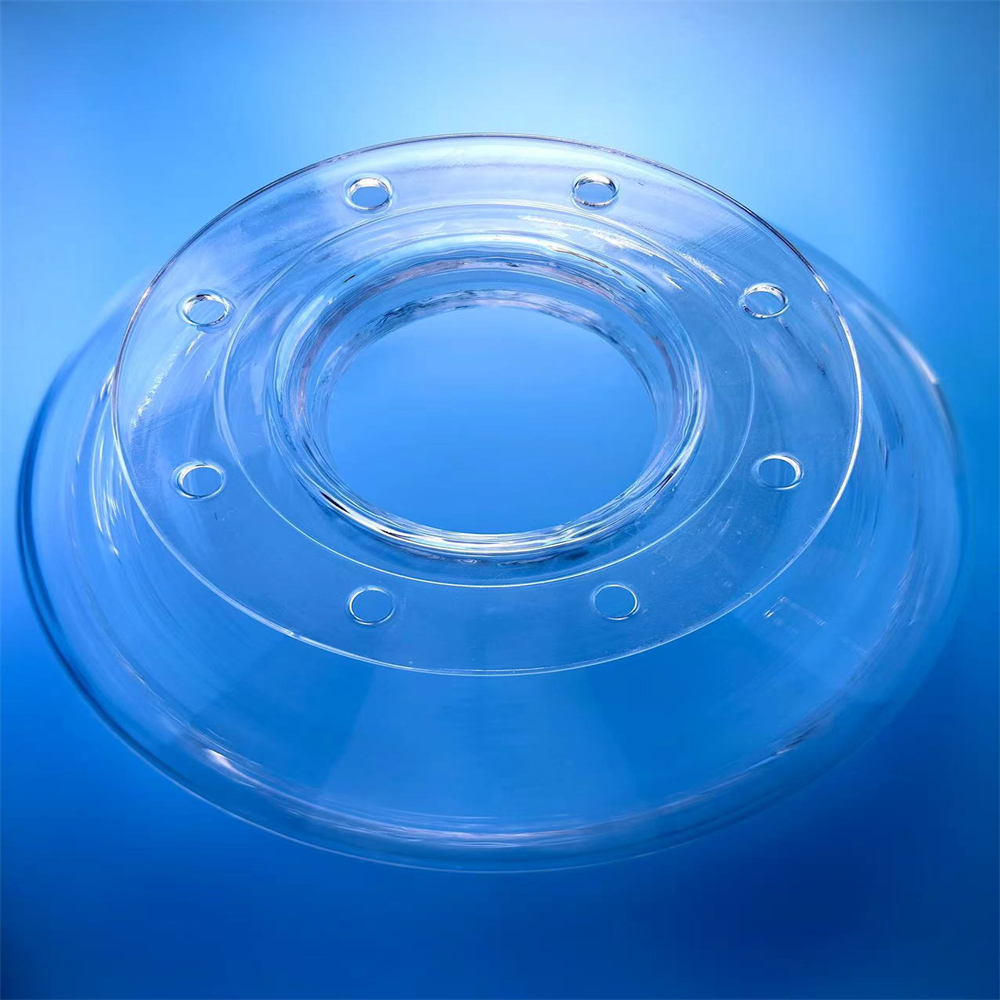
High Purity Twin-Bore Flanged Quartz Tube Assembly
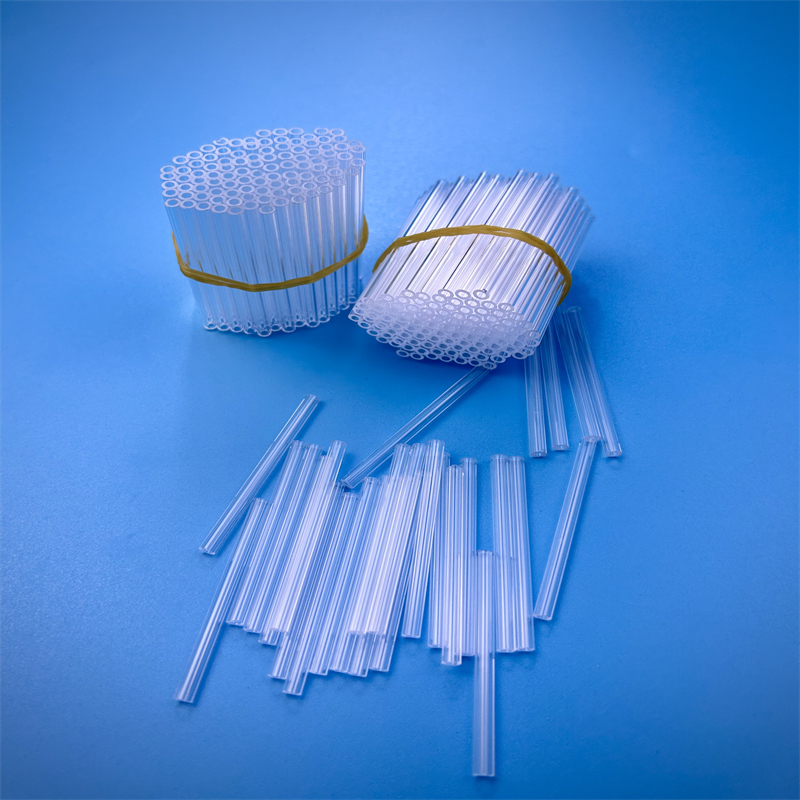
High Purity Transparent U-Bent Quartz Glass Tube
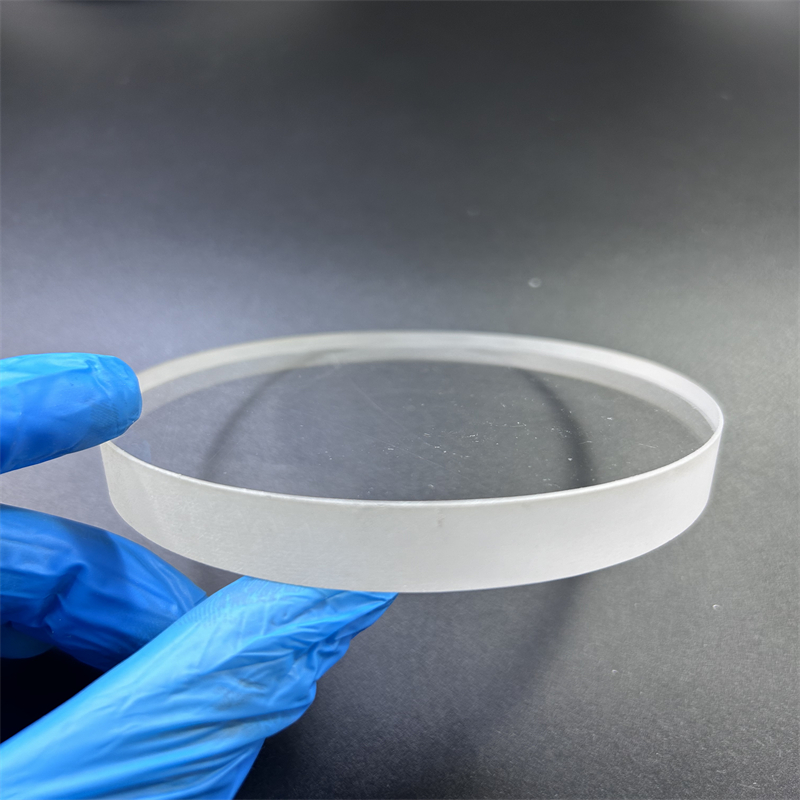
High Temperature UV Optical Fused Quartz Glass Plate
Semiconductor Wafer Boats: Fabrication Tolerances & Material Integrity
Meeting the microscopic thermal stress and trace metal criteria of Japanese microelectronics manufacturers across Kanagawa Prefecture and the Greater Tokyo Bay.
Sub-Millimeter Structural Integrity in Diffusion & Oxidation
In modern semiconductor thermal operations—ranging from low-pressure chemical vapor deposition (LPCVD) to boron/phosphorus diffusion and dry thermal oxidation—the quartz wafer boat (carrier) operates at the exact boundary of process repeatability and defect introduction. Fused quartz is the industry standard due to its near-zero coefficient of thermal expansion ($5.5 \times 10^{-7}/\text{K}$) and extreme chemical inertness against aggressive acid strippers.
As a premier China direct manufacturer catering to procurement teams in Yokohama, we execute computer-controlled multi-axis CNC diamond wheel slotting and advanced laser micro-machining. This delivers slot width tolerances down to ±0.03 mm and pitch tolerances within ±0.05 mm. Such precision prevents mechanical pinching, warpage, or micro-scratching on delicate 100mm, 150mm, 200mm, and 300mm silicon and silicon carbide (SiC) wafers during automated robotic wafer-transfer cycles.
- Flame-Annealed Slot Root Fillets: Specialized micro-torch flame polishing eliminates micro-cracks and shear stresses originating from mechanical grinding.
- Ultra-Low Alkali Metal Composition: $Na, K, Li \le 0.1\,\text{ppm}$ ensures zero mobile ionic charge migration into gate dielectric layers during high-temperature drives.
- Devitrification Retardation: Ultra-dense quartz matrix preserves structural geometry beyond 1150°C without premature cristobalite crystallization.
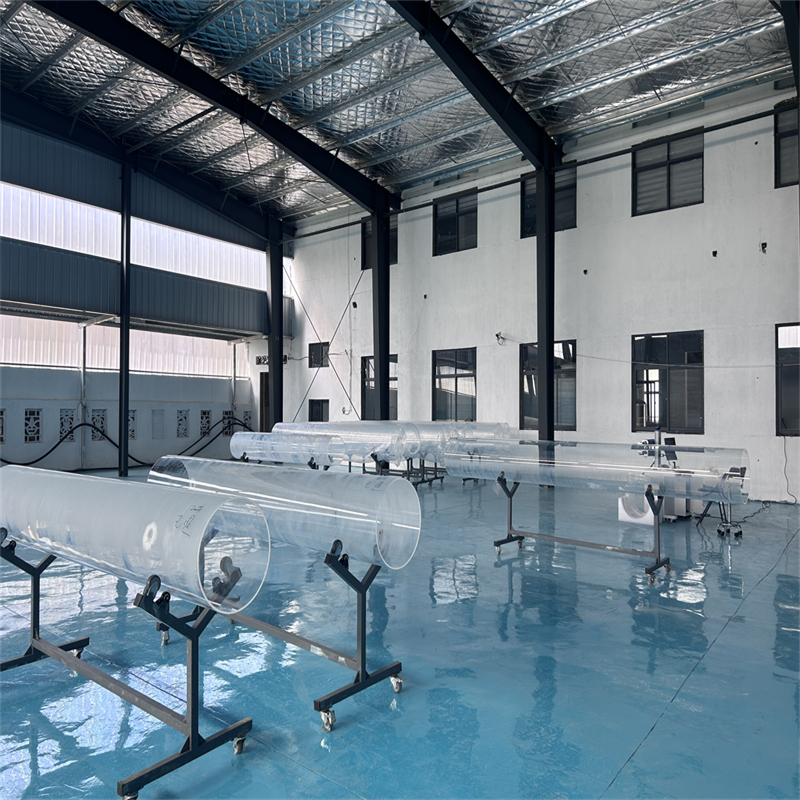
Material Benchmark: Physical & Thermal Properties
Comprehensive metallurgical data for thermal processing engineers evaluating quartzware life expectancy in automated furnaces.
| Property Parameter | Fused Quartz (Semiconductor Grade) | Synthetic Fused Silica | Standard Borosilicate Glass |
|---|---|---|---|
| SiO₂ Purity Content | ≥ 99.995% | ≥ 99.9999% | ≈ 81% |
| Continuous Operating Temp | 1100°C | 1200°C | 450°C |
| Short-Term Peak Temp | 1300°C | 1450°C | 500°C |
| Softening Point | 1683°C | 1730°C | 820°C |
| Thermal Expansion (20–320°C) | 5.5 × 10⁻⁷ /K | 5.0 × 10⁻⁷ /K | 33 × 10⁻⁷ /K |
| Thermal Shock Tolerance | Water quench from 1100°C to 20°C without crack | Quench from 1200°C to 20°C | Destroys above 150°C delta |
| Dielectric Constant (1 MHz) | 3.75 | 3.80 | 4.60 |
| Hydroxyl (OH⁻) Content | < 5 ppm (Standard) / < 1 ppm (Dry) | < 1000 ppm to < 5 ppm | N/A |
Yokohama Regional Applications: Keihin Industrial Corridor to Advanced Labs
Delivering precision custom glass solutions across Kanagawa Prefecture's microelectronics clusters, academic research facilities, and coastal industrial plants.
Keihin Industrial Cluster: Thermal Oxidation & Diffusion
The manufacturing zone stretching across Yokohama's Kanagawa and Tsurumi wards houses vital semiconductor component, power IC, and sensor fabs. Our horizontal quartz diffusion boats, twin-bore process tubes, and thermal liners endure continuous 1050°C operational cycles in multi-shift automated furnace lines, drastically lowering mean time between replacements (MTBR).
Suehiro & Science Frontier: Nanomaterial & BET Analysis
Centering around the Yokohama Science Frontier cluster in Suehiro-cho, advanced R&D institutes, nanomaterial startups, and analytical facilities demand BET chemisorption sample tubes and internal illumination reactors. Our high-pressure double-walled quartzware provides zero baseline nitrogen outgassing for sub-nanometer surface area characterization.
Shin-Yokohama R&D Corridor: Next-Gen SiC & GaN Power Devices
Shin-Yokohama's technology development centers focus intensely on wide-bandgap (WBG) electronics for electric mobility and energy infrastructure. Silicon carbide sublimation and GaN MOCVD processes require bell jars and crucibles with ultra-low trace iron and titanium to eliminate parasitic substrate contamination at temperatures exceeding 1200°C.
Emerging Technology Trends Reshaping Yokohama's Quartz Procurement
How the evolution of wide bandgap power electronics, decarbonized clean energy, and international direct supply chains impact Kanagawa's procurement engineers.
Transition to High-Yield SiC Epitaxy
With major Japanese automotive Tier-1 suppliers surrounding Yokohama accelerating the deployment of 800V EV power electronics, local foundries are converting 150mm lines to 200mm SiC wafer processing. The heavier density of compound wafers requires reinforced cross-member quartz boats with thickened support rods to eliminate high-temperature droop and deflection during extended furnace dwell cycles.
Stringent Plasma Resistance in Dry Etching
Advanced semiconductor packaging facilities throughout Yokohama are deploying higher-density fluorine-based ($CF_4, C_4F_8$) plasma etching chemistries. Standard quartz glass faces rapid erosion under aggressive reactive ion environments. Procurement engineers increasingly demand fire-compacted, low-bubble-class quartz with zero sub-surface inclusions, ensuring prolonged chamber life and zero particle contamination.
Near-Source Direct Procurement from China
Domestic quartz glass processing costs in Japan have surged, alongside lead times often reaching 16 to 24 weeks for bespoke components. Yokohama procurement specialists are establishing agile direct lines with verified Chinese manufacturers located in Donghai County. Benefiting from coastal logistics to Yokohama Port and Haneda air corridors, buyers achieve 30–50% cost reductions and dispatch timelines under 10–14 days.
Zelvo Quartz: Direct Manufacturing Powerhouse from China's Crystal Capital
Operating from Donghai County, Jiangsu Province—the global hub of natural high-purity quartz reserves and precision glassblowing mastery.
Donghai Industrial Heritage
Direct access to world-class quartz raw material matrices allows end-to-end trace metal control from smelting to final CNC profile cutting, guaranteeing pure SiO₂ stoichiometry.
Rapid Technical Quotation
Our sales engineering division conducts direct review of 2D/3D technical drawings (CAD, DWG, STEP) with comprehensive feasibility feedback delivered within 2 hours.
Drawing-to-Part Customization
From complex slotted wafer boats and twin-wall jacketed reactors to laser-cut optical discs, our glassblowers handle non-standard experimental builds from an MOQ of 1 piece.
Cleanroom Double Packaging
Every piece undergoes ultrasonic acid leaching, deionized water rinsing, and vacuum double-PE heat sealing inside a controlled environment to ensure zero on-arrival dusting.
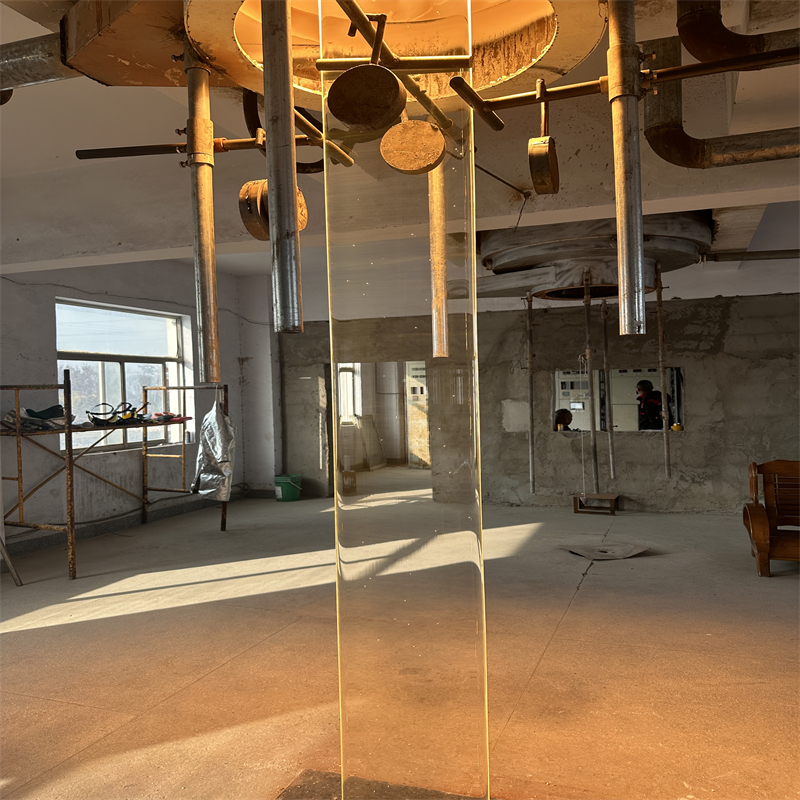
Precision Artisanship Backed by Advanced Tooling
At Zelvo Quartz, seasoned glassblowers with over a decade of dedicated quartz-welding mastery operate side-by-side with computer-controlled laser drilling and optical cutting machinery. Because fused quartz softens only at temperatures exceeding 1680°C, forming precision contours requires extreme flame temperatures ($2000^\circ\text{C}+$ oxy-hydrogen torches) paired with synchronized rotational lathes.
Our dimensional inspection department utilizes optical coordinate measuring machines (CMM) and laser micrometer calipers to verify wafer slot pitches, outer diameter roundness, and wall uniformity across multi-piece production lots. A complete photo-inspection dossier and Certificate of Conformance (CoC) accompany every order dispatched to Yokohama.
Frequently Asked Questions by Yokohama Sourcing Engineers
Addressing international logistics, technical drawing standards, trace metal verification, and cleanroom handling protocols for Japanese corporate buyers.
What are typical air and maritime transit timelines from your factory to Yokohama Port or Haneda Airport?
How do your quartz glass boats and furnace tubes comply with Japanese Industrial Standards (JIS) and SEMI specifications?
Can you manufacture complex customized wafer carrier boats directly from Japanese CAD sketches or DXF/STEP files?
What anti-breakage packaging standards are implemented to protect fragile quartzware during international transit?
What is the minimum order quantity (MOQ) for bespoke laboratory vessels and prototype wafer carriers?
Which payment terms and international trading currencies do you support for Japanese corporations?
Request Custom Quotation or Engineering Review
Have a specialized furnace boat drawing, a custom CVD quartz tube requirement, or an urgent BET sample tube shortage in Yokohama? Submit your specifications today for direct engineer analysis and pricing within 2 hours.