Semiconductor
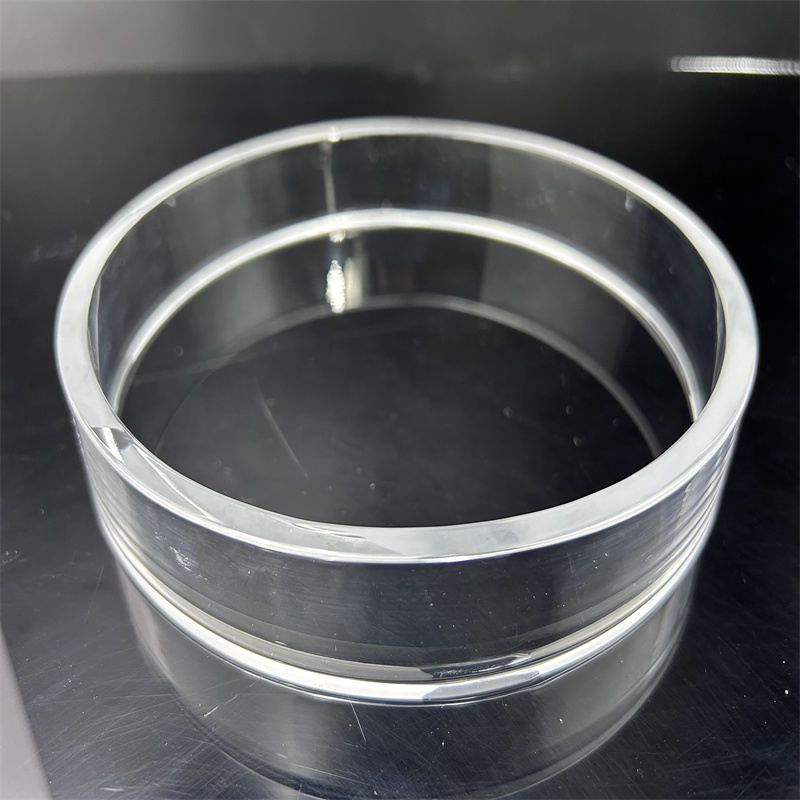
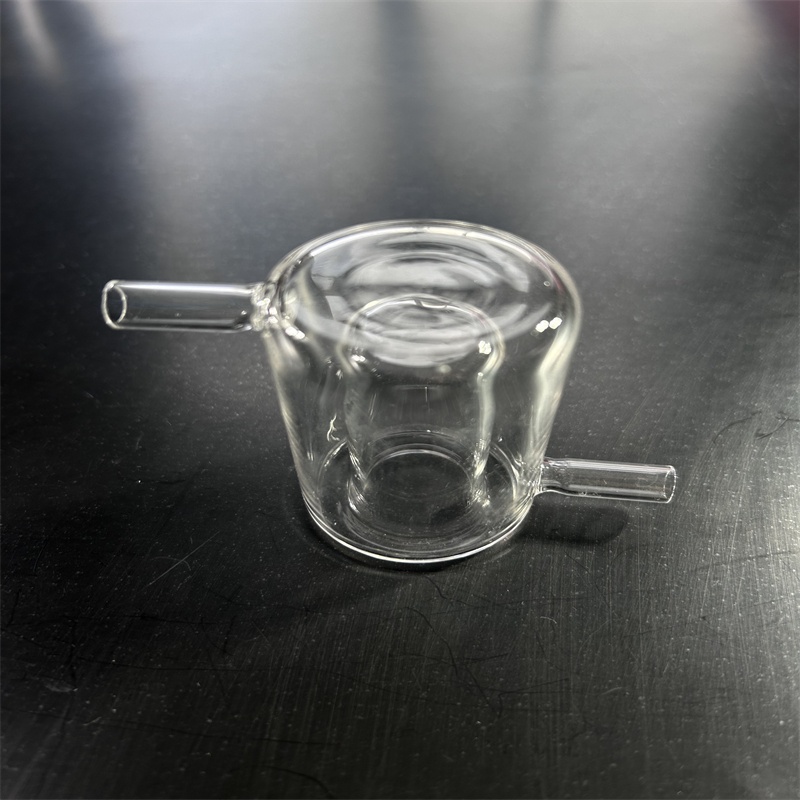
High-Purity Fused Quartz Glass Bell Jar for Semiconductor Cutting
99.99% SiO₂
Corrosion Resistant
Class A Vacuum
Manufactured in Donghai County—China's Quartz Processing Epicenter—and directly exported with custom CAD drafting, laser CNC slotting, and optical annealing to Niš industrial centers.
The city of Niš, historically renowned as the electronic and micro-engineering capital of Southeast Europe through the legacy of Elektronska Industrija Niš (EI Niš), is currently undergoing an accelerated technological renaissance. Anchored by the Science and Technology Park Niš (Naučno-tehnološki park Niš - NTP), the Faculty of Electronic Engineering (Elektronski fakultet, Univerzitet u Nišu), and tier-one automotive electronics clusters in industrial corridors like Sever (North) and Bulevar 12. Februar, Niš has evolved into a key node for specialized hardware, precision mechatronics, power electronics, and photolithography-adjacent research.
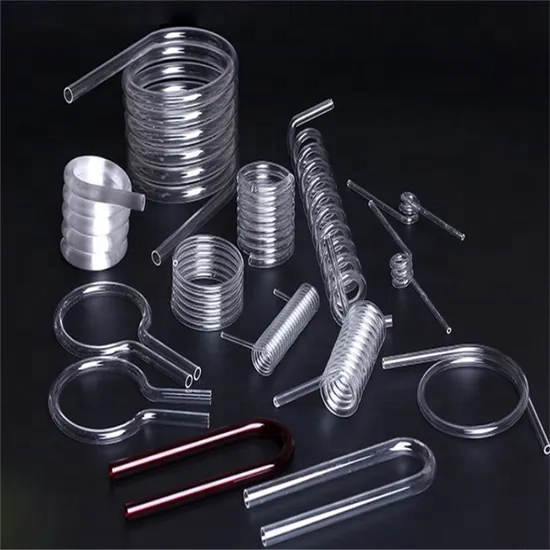
As advanced electronic manufacturing facilities, research cleanrooms, and testing facilities expand, the demand for Custom OEM Fused Silica Tubes has seen unprecedented qualitative shifts. In this high-stress manufacturing environment, regular borosilicate 3.3 or generic refractory ceramics no longer satisfy the stringent limits on thermal expansion, electrical resistivity at high operating temperatures, and low dielectric loss tangents. Modern automated assembly lines for automotive lighting modules (such as those integrated within regional supplier networks serving European OEMs), laser-assisted soldering chambers, and industrial sensing assemblies require high-temperature transparent conduits that retain absolute structural integrity up to 1100°C continuously and resist volatile chemical vapors.
For regional instrumentation engineers, university scientists, and plant procurement managers across Niš, Aleksinac, and the wider Nišava District, sourcing fused silica is fundamentally an exercise in risk mitigation. Trace elemental contamination—particularly alkali metals such as Sodium ($Na$), Potassium ($K$), and Lithium ($Li$) exceeding 1 ppm—can trigger rapid devitrification or destroy gate oxide integrity in semiconductor wafer processing. As a direct manufacturer headquartered in Donghai, Jiangsu (China's crystal capital) with over a decade of deep technical heritage, Lianyungang Zelvo Quartz Products Co., Ltd. bridges this crucial engineering gap by delivering high-purity OEM fused silica and quartz glass fabricated directly against European CAD blueprints.
Fused silica and fused quartz represent the pinnacle of vitreous glass technology. Unlike multicomponent borosilicate (which contains ~81% SiO₂, ~13% B₂O₃, and ~4% Na₂O) or soda-lime formulations, fused silica is a single-component amorphous system ($SiO_2$). This simple chemical composition creates an extraordinarily rigid tetrahedral molecular network with high bond energies ($Si-O$ bond energy $\approx 460 \text{ kJ/mol}$), producing several physical extremes: an almost negligible coefficient of thermal expansion, exceptional broadband electromagnetic transparency spanning the deep ultraviolet (DUV) to near-infrared (NIR), and superior dielectric strength.
The continuous operating benchmark for our natural fused quartz tube lines is rated at 1100°C, with intermittent short-dwell thresholds reaching 1300°C. The softening point occurs at 1683°C, with the annealing point controlled precisely at 1215°C. One of the greatest hazards in high-temperature vacuum furnaces and chemical vapor deposition (CVD) equipment is devitrification—the phase transformation from metastable amorphous silica into crystalline cristobalite. Cristobalite undergoes a catastrophic displacive $\alpha \to \beta$ phase inversion around 220°C–270°C accompanied by a sharp volumetric contraction (~5%), causing structural spalling and cracking upon cooling.
Devitrification is primarily nucleated by surface particulate impurities, fingerprint residues, and airborne alkali ions ($Na^+$, $Ca^{2+}$). By strictly controlling the alkali metal content to $< 1.5 \text{ ppm}$ total and maintaining pristine chemical etching protocols before shipping, our OEM fused silica tubes resist crystallization even during prolonged heating ramps within Niš industrial furnaces.
| Physical / Chemical Property | Zelvo Standard Fused Quartz | Synthetic Fused Silica (JGS1) | Borosilicate Glass 3.3 |
|---|---|---|---|
| SiO₂ Purity Content | ≥ 99.99% | ≥ 99.9999% | ~ 80.5 - 81.0% |
| Density ($\rho$) | 2.20 g/cm³ | 2.201 g/cm³ | 2.23 g/cm³ |
| Coefficient of Thermal Expansion (20–320°C) | 5.5 × 10⁻⁷ / K | 5.2 × 10⁻⁷ / K | 33.0 × 10⁻⁷ / K |
| Thermal Shock Resilience ($\Delta T$) | > 1000 °C (Water Quench) | > 1100 °C (Water Quench) | ~ 150 - 180 °C |
| Strain Point / Annealing Point | 1120 °C / 1215 °C | 1075 °C / 1180 °C | 510 °C / 560 °C |
| Dielectric Constant ($\epsilon_r$ at 1 MHz) | 3.75 | 3.80 | 4.60 |
| UV Transmission Cut-off Edge ($T_{50\%}$) | ~ 220 nm | ~ 185 nm (Excimer Grade) | ~ 310 nm |
| Hydroxyl Content ($[OH^-]$) | < 10 – 30 ppm (Standard) | < 1 – 1200 ppm (Grade Variant) | High Bound Volatiles |
In analytical surface characterization, atomic absorption spectroscopy, and semiconductor epitaxial processes, trace impurity outgassing directly dictates yield rates. Our production process maintains the following elemental boundaries:
Lithium ($Li$ < 0.2 ppm), Sodium ($Na$ < 0.5 ppm), and Potassium ($K$ < 0.4 ppm). Eliminates high-temperature ion migration and premature micro-crystallization in automated furnace tubes.
Iron ($Fe$ < 0.2 ppm), Copper ($Cu$ < 0.05 ppm), Chromium ($Cr$ < 0.05 ppm). Ensures near-zero optical absorption coefficients across visible and UV spectra without internal coloration.
Titanium ($Ti$ < 1.0 ppm) and Aluminum ($Al$ < 12.0 ppm). Carefully balanced to enhance structural viscosity and creep resistance under elevated thermal loads.
How technical plants, electronics manufacturers, and academic laboratories deploy Zelvo's custom silica solutions.
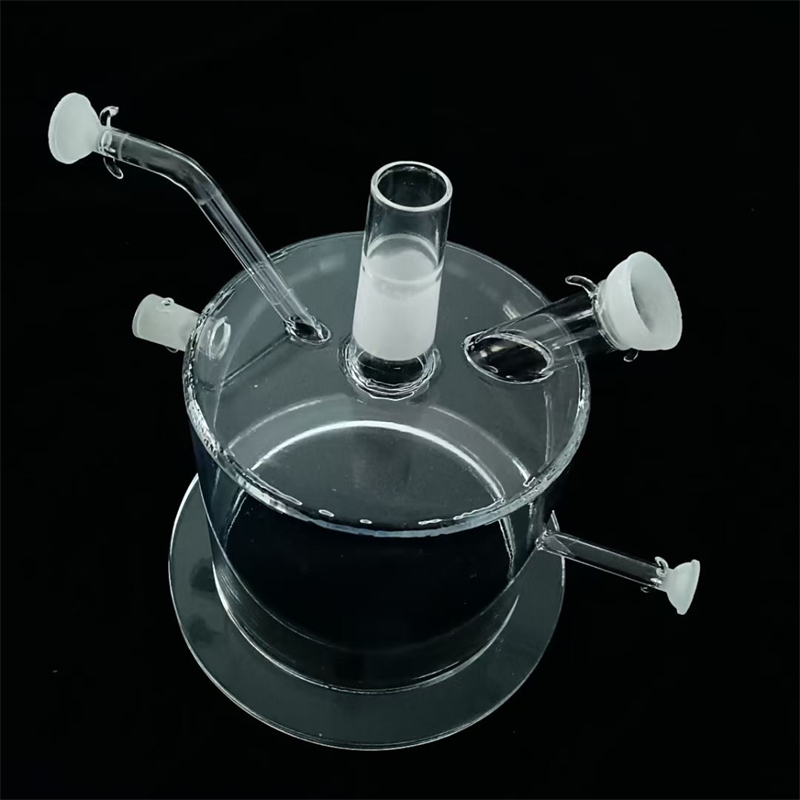
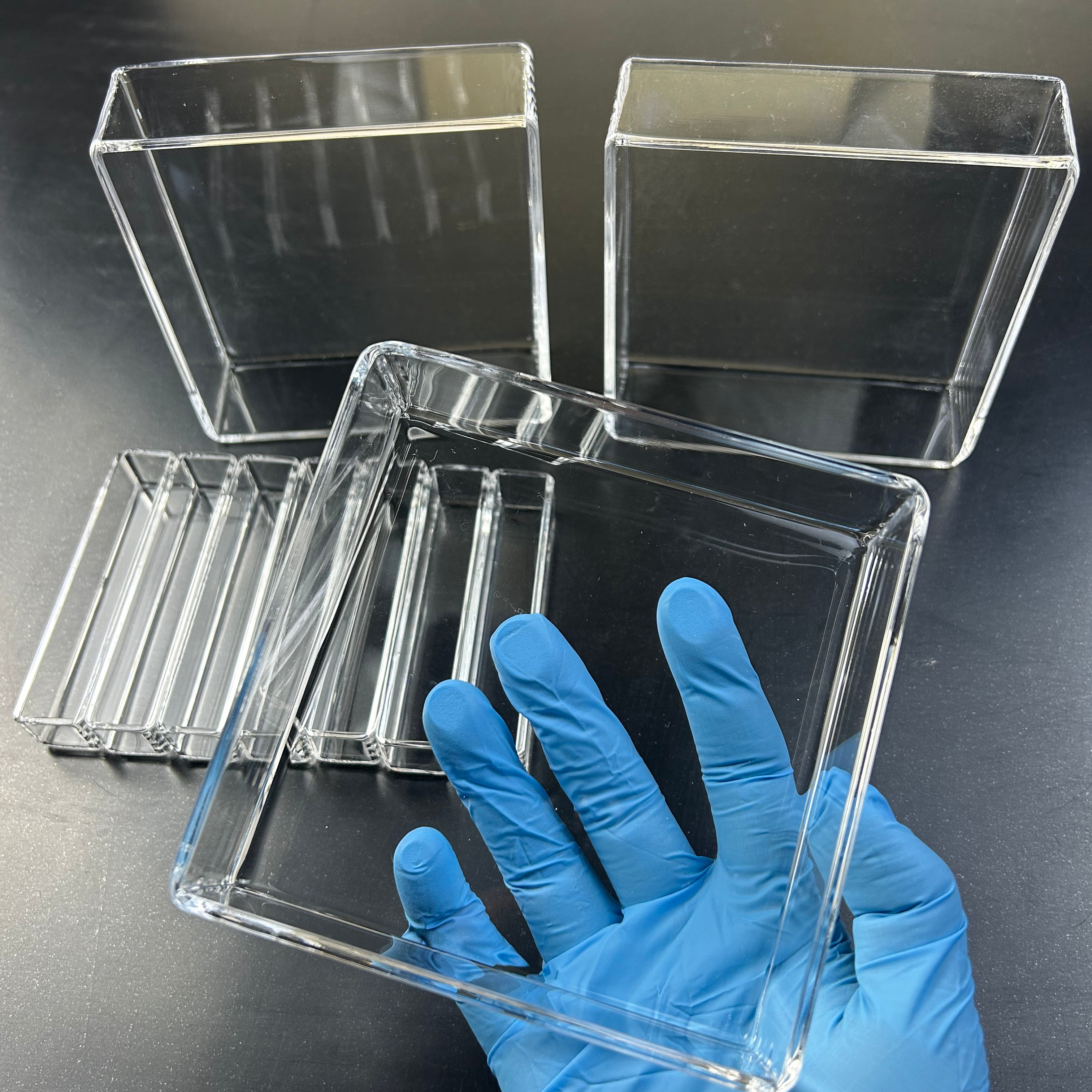
Local electronics companies and start-ups housed in NTP Niš operating precision CVD reactors, wire bonders, and thick-film hybrid circuits require quartz bell jars, wafer boats, and slotted carrier plates. Our high-precision semiconductor-grade bell jars and twin-bore heating envelopes maintain high vacuum pressures down to $10^{-6} \text{ Torr}$ without pinhole leaks, delivering consistent environments for thin-film deposition and chip-scale prototyping.
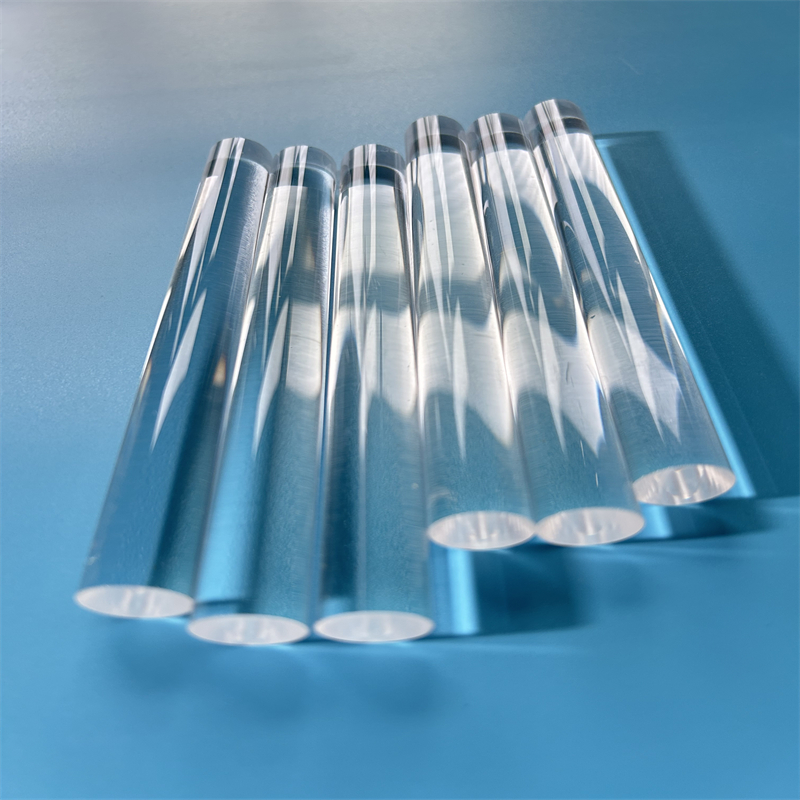
With major automotive tier-suppliers producing sensors, mechatronics, and optical components along Corridor X, our ozone-free and clear fused quartz tubes serve as critical envelopes for high-intensity UV curing lamps and IR reflow heaters. The high transmittance across the 254nm and 365nm UV lines accelerates adhesive polymerisation without solarization or tube clouding, reducing maintenance downtime on high-throughput assembly lines.
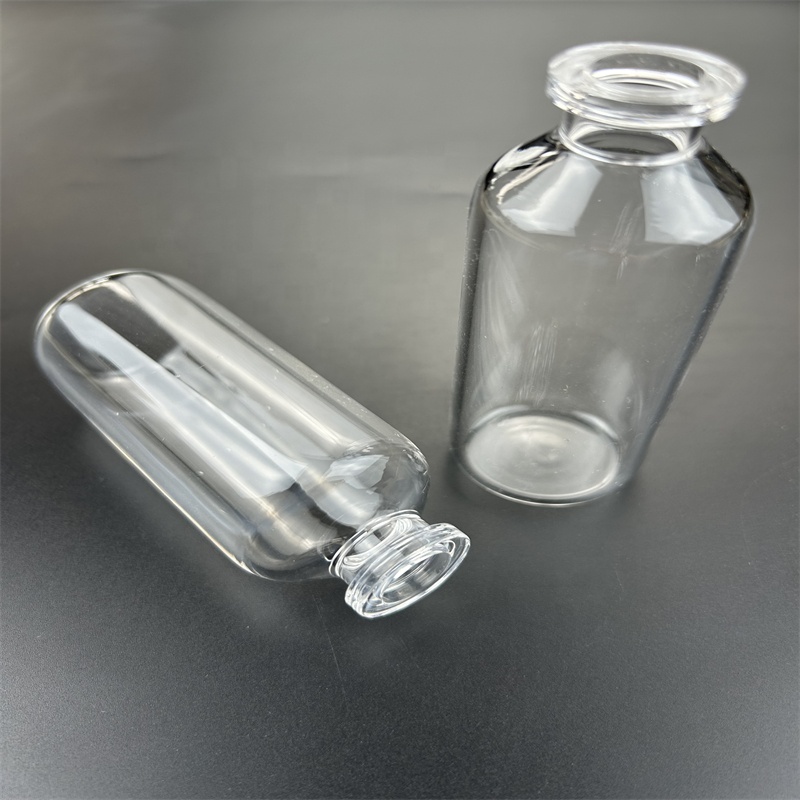
The Faculty of Sciences and Mathematics (PMF) and the Faculty of Electronic Engineering at the University of Niš utilize our custom bulb BET sample tubes and slotted fused quartz zero-background XRD plates. Engineered to match instrument ports (including Microtrac BELSORP and Micromeritics setups), our tubes resist repeated liquid nitrogen quenching (-196°C) to degassing ovens (400°C) without micro-fissuring.
For regional foundries, non-ferrous casting plants, and cable manufacturers in the South Banat and Nišava regions, our fused quartz circular crucibles and heavy-wall transparent tubes provide the thermal insulation and mechanical resistance needed for molten aluminum, precious metals, and high-purity alloy sampling, guaranteeing chemical inertness against harsh acid slags.
Over the past four years, European industrial conglomerates have increasingly restructured their tier-supply networks toward the Western Balkans, taking advantage of Serbia’s strategic position, bilateral investment partnerships, and modernized transport infrastructure. Located directly at the junction of Pan-European Corridor X (connecting Central Europe to Greece and Turkey) and the branch toward Sofia, Niš has positioned itself as an agile manufacturing outpost for the EU market.
This dynamic has introduced new requirements for quartz and fused silica component procurement:
Combining raw material access in Donghai County with precision German-style machining capabilities.
Located in Donghai County, Jiangsu—the premier silica refining hub of Asia. We secure high-grade pegmatite quartz veins, assuring stable supply and cost savings passed directly to our OEM buyers in Serbia.
Our workshop integrates multi-axis CNC glass machining, precision laser drilling down to Ø 0.2 mm, diamond wheel slotting, and oxy-hydrogen flame lathe welding with runout tolerances held within ± 0.05 mm.
Every tube is individually encapsulated in custom-molded high-density polyethylene (EPE) shock-absorbing foam, vacuum-sealed to prevent surface moisture adsorption, and crated in heavy ISPM-15 export-certified timber.
Direct communication with quartz manufacturing engineers. Submit STEP, DXF, or PDF drawings to receive technical feasibility reviews, thermal profile evaluations, and quotes within two hours during working shifts.
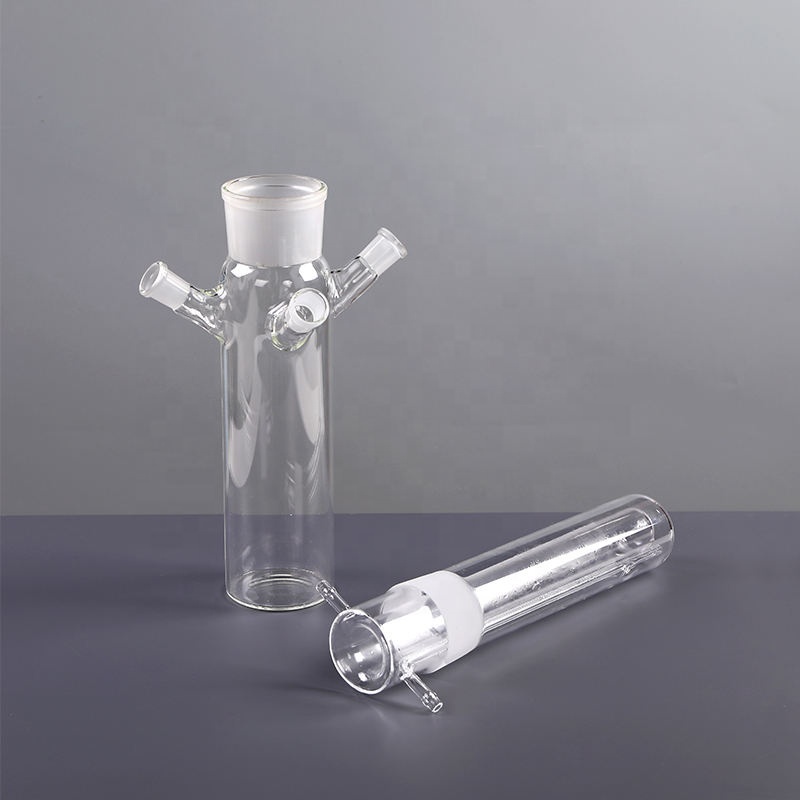
We eliminate punitive order barriers. Whether your lab needs a single bespoke internal-illumination reactor for a doctoral thesis or 5,000 quartz sleeves for assembly lines, every order receives equal technical focus.
Full support for EXW, FOB, CIF, CIP, and complete DDP (Delivered Duty Paid) terms to Serbia, handling customs declarations, tariff processing, and doorstep trucking directly to your facility.
Clear, technical, and commercial answers regarding material selection, international logistics, and operational tolerances.
Whether you require prototype sample tubes for an experimental reactor or regular OEM quartz supply for automated assembly lines, our engineering desk is ready to review your CAD files and technical criteria.