Featured High-Purity Fused Quartz & Crucible Components
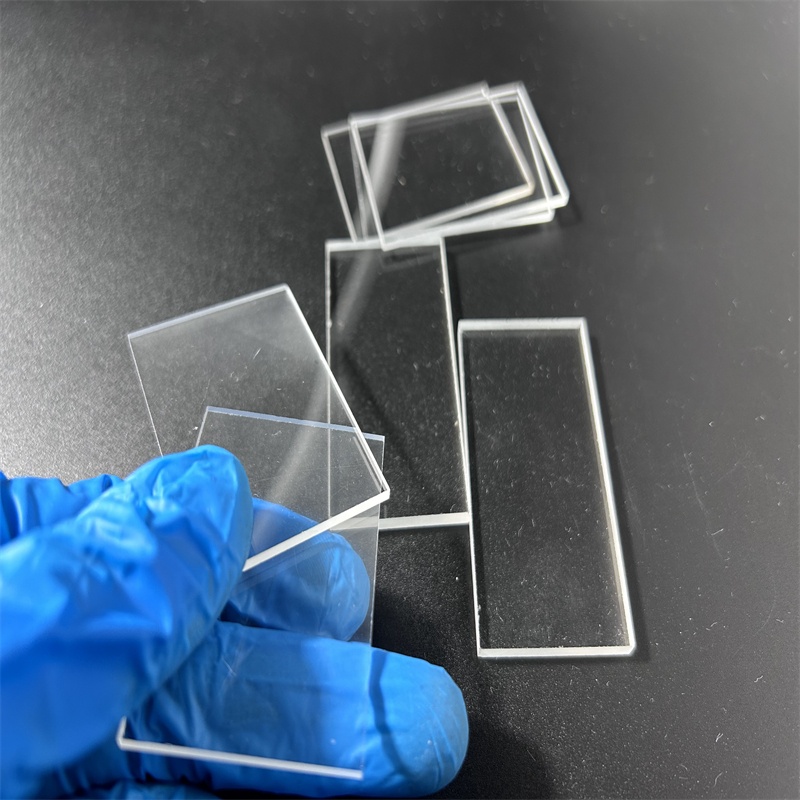
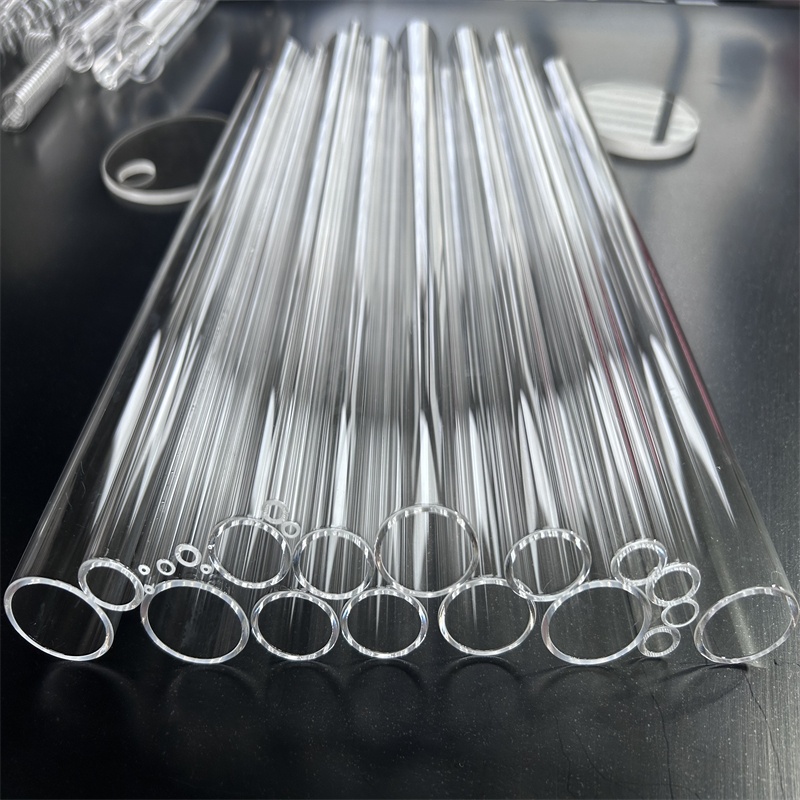
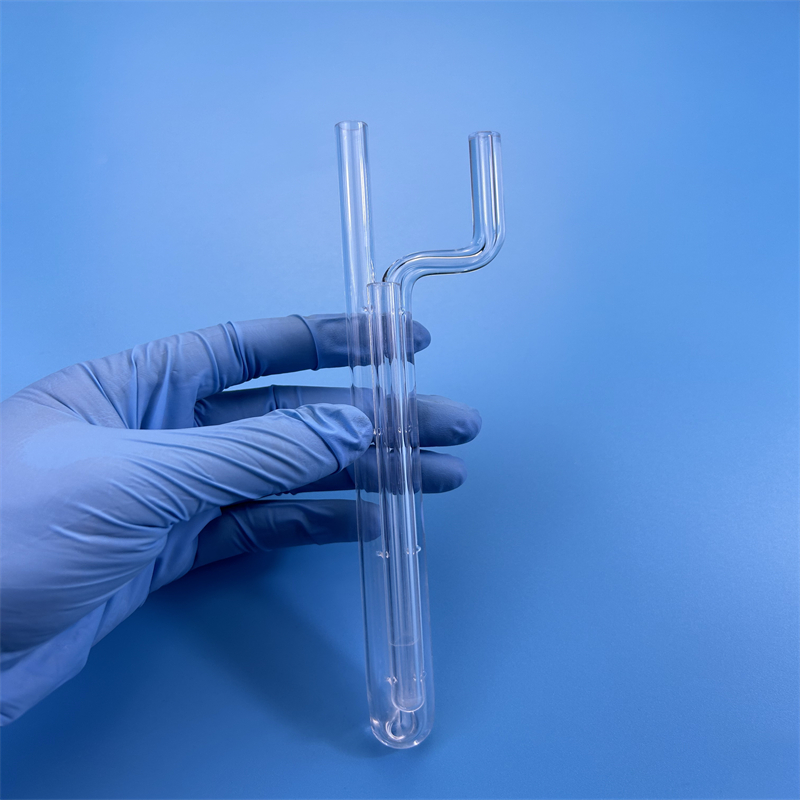
Custom-engineered thermal containers, optical windows, twin tubes, and reactor components fabricated from ultra-pure natural and synthetic silica (SiO₂ ≥ 99.99%).
Engineering Solar Quartz Crucibles for Ultra-Pure Silicon Ingot Pulling
In modern photovoltaic silicon manufacturing and advanced semiconductor-grade crystal pulling, the quartz crucible serves as the vital sacrificial reaction vessel that contains the liquid silicon melt at temperatures exceeding 1425 °C to 1550 °C. For solar ingot pullers across Switzerland, particularly advanced research clusters surrounding the Greater Zurich Area, ingot purity, carrier lifetime, and oxygen precipitation depend directly on the thermodynamic stability and inner surface chemistry of the quartz crucible.
The Multi-Layer Structural Paradigm: Arc-Fused Synthetic vs. Natural Silica
A standard single-layer natural quartz crucible is no longer sufficient to sustain the long pulling cycles required by high-efficiency N-type TOPCon, Heterojunction (HJT), and perovskite-silicon tandem crystal technologies. Modern crystal growth relies on our multi-layer arc-fused crucible structure:
1. Outer Opaque Layer (Bubble-Rich Matrix): Fabricated from ultra-pure natural quartz sand. This layer contains uniformly distributed micro-bubbles (typically 20 μm to 100 μm in diameter) that function as a thermal radiation diffuser. This diffuse scattering prevents hot-spot thermal gradients generated by graphite heaters from creating localized overheating on the silicon melt, while ensuring structural mechanical rigidity at elevated vacuum levels (≤ 10⁻⁴ mbar).
2. Inner Transparent Layer (Micro-Bubble-Free Silica): Directly interfacing with molten polysilicon, this inner barrier consists of either high-purity refined natural quartz or synthetic fused silica with purity up to 99.999% (5N). By utilizing rotational centrifugal arc-melting, micro-bubbles are evacuated from this layer to eliminate the risk of bubble bursting during the crystallization process. When a bubble bursts in conventional crucibles, quartz fragments enter the silicon melt, inducing dislocation networks and terminating single-crystal structure growth.
Mitigating Devitrification Kinetics & Cristobalite Inclusions
During the typical 50 to 120-hour pulling run of a Czochralski puller, amorphous silica undergoes structural phase transition into crystalline β-cristobalite. Cristobalite possesses a different coefficient of thermal expansion than amorphous SiO₂. When the crucible wall dissolves slowly into the melt (releasing controlled oxygen), non-uniform cristobalite layer flaking causes particulate contamination. Our OEM manufacturing process precisely controls transition metal impurities (such as alkali ions Na, K, Li, and transition metals Fe, Cu, Ni) down to sub-ppm levels, radically retarding devitrification kinetics and extending stable pulling hours.
| Critical Parameter | Standard Solar Grade (CZ) | N-Type High-Purity Solar Grade | Semiconductor / Synthetic Layer Grade |
|---|---|---|---|
| SiO₂ Content (%) | ≥ 99.99% | ≥ 99.995% | ≥ 99.999% (Synthetic Fused) |
| Alkali Metals (Li, Na, K) | ≤ 1.2 ppm | ≤ 0.5 ppm | ≤ 0.05 ppm |
| Transition Metals (Fe, Cu, Ni, Cr) | ≤ 0.8 ppm | ≤ 0.2 ppm | ≤ 0.02 ppm (ICP-MS Verified) |
| Aluminum Content (Al) | ≤ 12.0 ppm | ≤ 7.0 ppm | ≤ 0.1 ppm |
| Inner Layer Bubble Ratio | ≤ 0.1% (Bubble-Free ≥ 1.5mm) | ≤ 0.05% (Bubble-Free ≥ 2.5mm) | Zero Detectable Micro-Bubbles (≥ 3.0mm) |
| Softening Temperature (°C) | 1680 °C | 1710 °C | 1730 °C |
| Thermal Expansion Coefficient | 5.5 × 10⁻⁷ / K | 5.5 × 10⁻⁷ / K | 5.2 × 10⁻⁷ / K |
| Diameter Range (Inches) | 14" to 28" | 18" to 36" | Custom CAD Drawings (8" to 38") |
Precision Application Scenarios in Greater Zurich & Switzerland
Serving world-leading scientific institutions, university spin-offs, and industrial clean-tech laboratories across Canton Zurich.
ETH Zürich & Empa Clean-Tech R&D
Providing specialized 8" to 14" synthetic quartz crucibles and slotted reaction vessels to scientific researchers in Dübendorf and Zürich-Hönggerberg working on novel organometal halide perovskite crystallization, tandem cell layers, and crystalline silicon carrier recombination limits.
N-Type TOPCon & HJT Ingot Pilot Lines
Deploying heavy-wall, synthetic-coated 24" to 32" solar crucibles for pilot wafer pullers in Switzerland's industrial belts. Engineered to endure continuous molten silicon exposure without oxygen release spikes, supporting ultra-high carrier lifetimes (> 2 ms).
Directional Solidification (DSS) Systems
Manufacturing square and rectangular slip-cast fused silica crucibles with specialized silicon-nitride (Si₃N₄) non-stick release coatings for directional solidification casting, serving Zurich advanced sensor foundries and specialty solar-silicon metallurgical labs.
Thermal CVD & Epitaxial Thin-Film Coating
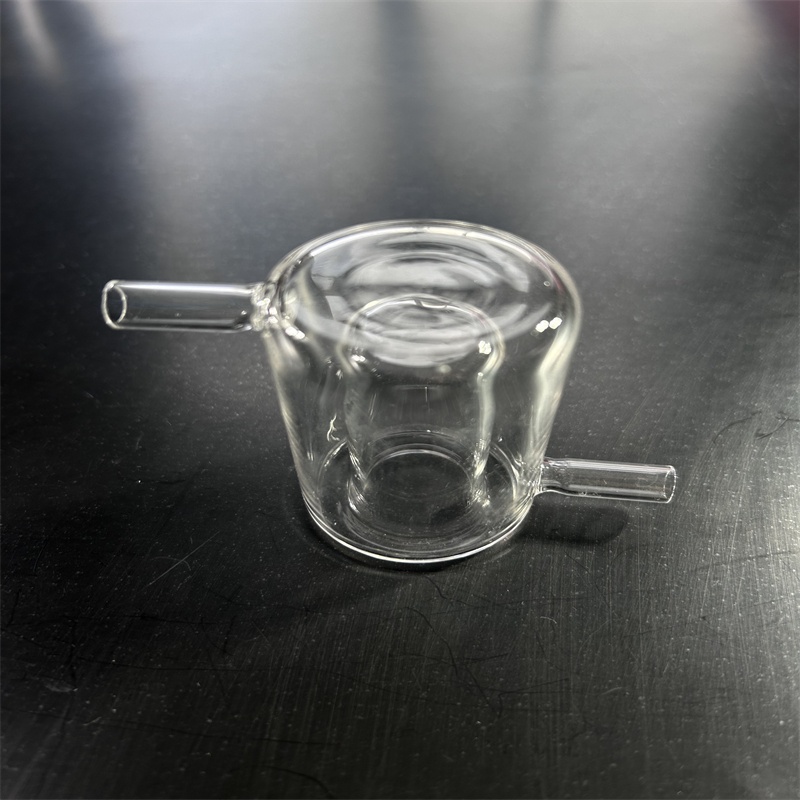
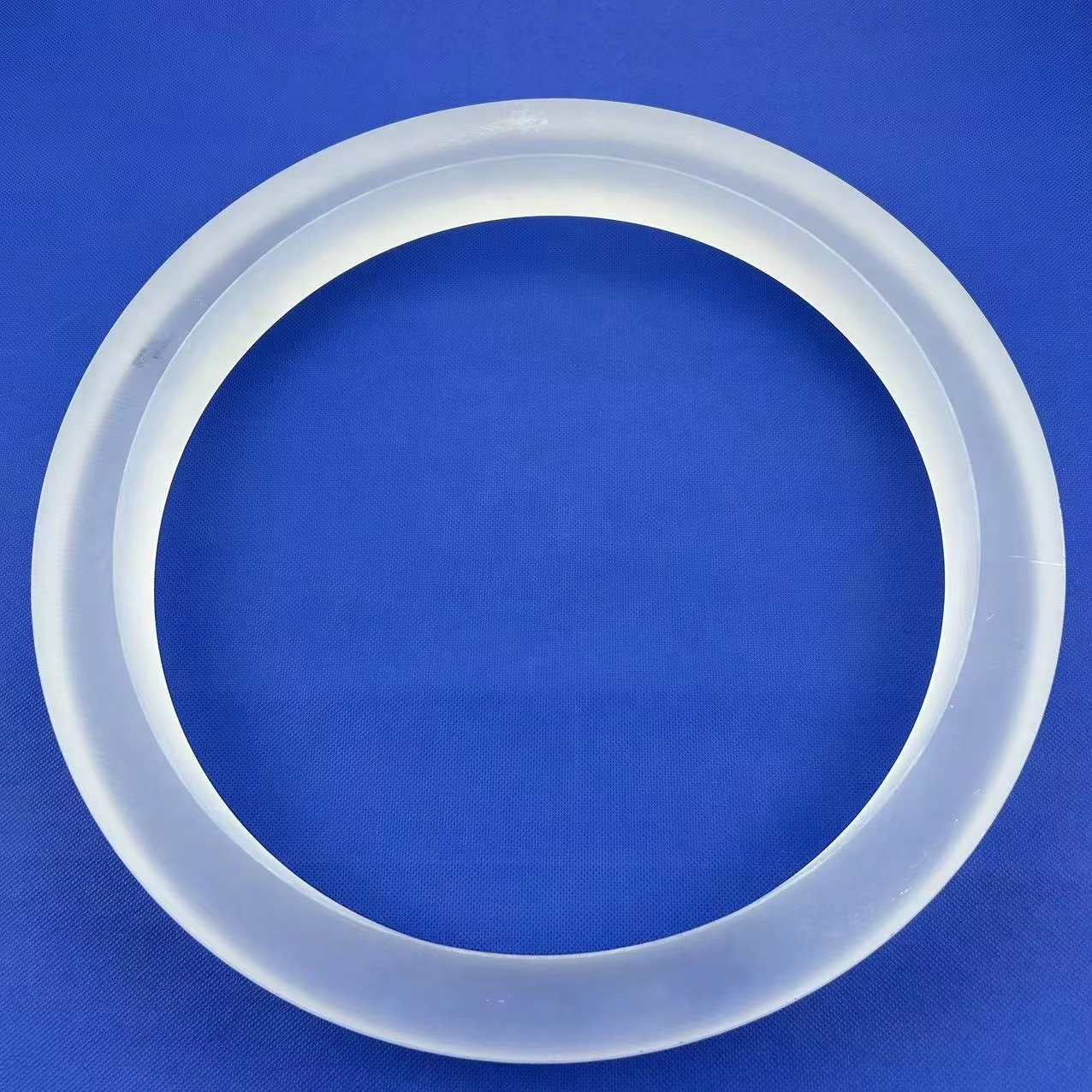
Supplying Zurich precision manufacturers with quartz furnace liners, flange adapter rings, twin-bore process tubes, and wafer boats for chemical vapor deposition (CVD) under aggressive halogen and silane atmospheres up to 1300 °C.
Photovoltaic Evolution & Sourcing Trends in the Swiss Market
Switzerland's progressive energy agenda, formalized through the Swiss Energy Strategy 2050 and federal Net-Zero GHG mandates, has established the Greater Zurich Area as a premier European hotbed for next-generation solar technology engineering. Rather than competing in commoditized large-scale module assembly, the Zurich industrial landscape focuses on high-IP, high-efficiency architectures: perovskite-on-silicon tandem cells, heterojunction PV, and specialized building-integrated photovoltaics (BIPV).
Perovskite-Silicon Tandem Efficiencies > 30%
Swiss academic and commercial institutions are breaking efficiency records using multi-junction cell architectures. Growing the underlying silicon base crystal requires crucible vessels with near-zero boron, phosphorus, and carbon dissolution to maintain strict dopant profiles.
Stringent Cleanroom & Trace Contamination Audits
Zurich procurement standards mandate strict ICP-MS impurity verification. Materials entering cleanroom facilities must have verified trace alkali metal concentrations under 0.1 ppm to protect costly multi-zone crystal pullers from cross-contamination.
Circular Economy & Extended Thermal Cycles
Driven by strict Swiss ESG criteria, solar ingot producers demand extended crucible longevity. Our micro-bubble-free synthetic layers resist devitrification cracking across 4-6 recharging silicon pull cycles, significantly cutting net crucible consumption per megawatt.
Rapid Prototype Prototyping (MOQ: 1 Pc)
With high R&D density across Winterthur, Technopark Zürich, and Schlieren, Swiss project managers require responsive OEM manufacturing that accommodates custom CAD modifications without forcing standard 50-piece minimum container orders.
Frequently Asked Questions by Buyers in Zurich
Technical, quality control, logistics, and customs answers specifically tailored for Swiss buyers.
Factory-Direct Manufacturing Excellence & Purity Guarantees
Lianyungang Zelvo Quartz Products Co., Ltd. operates state-of-the-art quartz fabrication facilities in Donghai County, Jiangsu Province—globally celebrated as China's "Crystal Capital" and the world's premier cluster for high-purity natural silica reserves and thermal quartz processing technologies.
Raw Material Security & 99.99% SiO₂
Direct supply partnerships with Donghai high-purity silica deposits guarantee stable chemical purity, free from unexpected volatile elemental variations. Every batch of sand undergoes strict acid leaching, calcination, and magnetic separation before arc-melting.
Full In-House Fabrication Suite
Equipped with advanced multi-axis CNC laser cutting machines, high-precision grinding lathes, ultrasonic drillers, glass-blowing flame stations, and vacuum electric arc furnaces capable of handling crucibles and tubes up to 1000 mm in diameter.
≤ 2-Hour CET Engineering Feedback
Our dedicated bilingual sales engineering department synchronizes with Central European Time (CET). When you send technical drawings or requests for quotation, you receive direct feasibility feedback and thermal analysis within two working hours.
Verified Factory & Zero-Damage Guarantee
Onsite-verified manufacturer with ISO 9001 certified QA management, a 4.9/5 buyer satisfaction rating, and a 37% reorder rate. Every shipment to Switzerland carries our guaranteed zero-breakage policy with instant replacement dispatch.
Accelerate Your Silicon Crystallization Project Today
Send your CAD drawings, required SiO₂ purity grade, and working temperature parameters to our technical team. Receive a factory-direct quote and structural feasibility assessment within 2 hours.