High-Purity Quartz & Fused Silica Geometries
Direct from our manufacturing hub in Donghai to high-tech manufacturing, medical research, and vacuum facilities in Triesen and the Rhine Valley
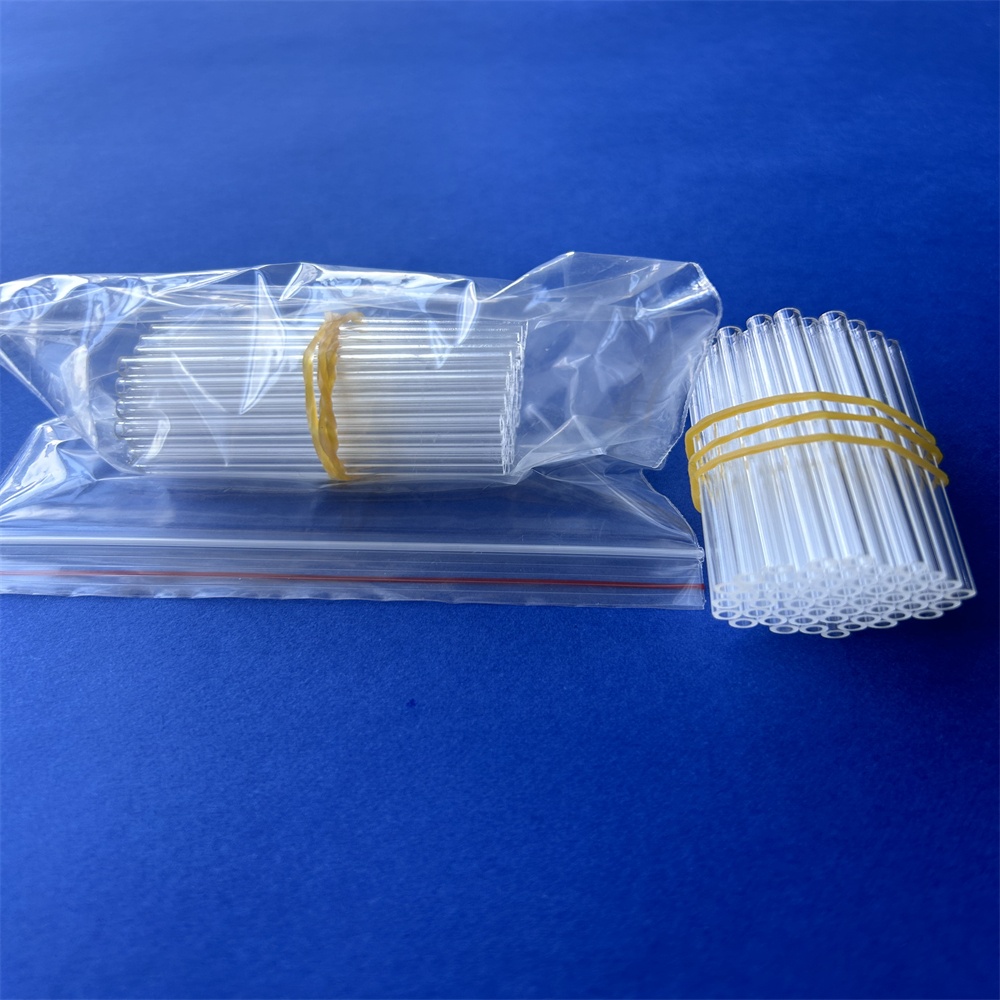
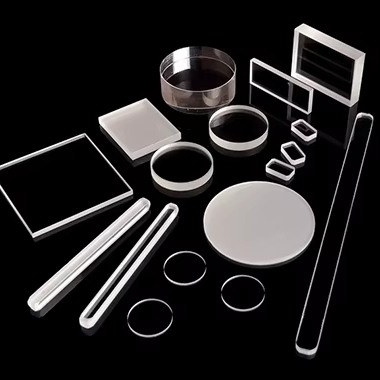
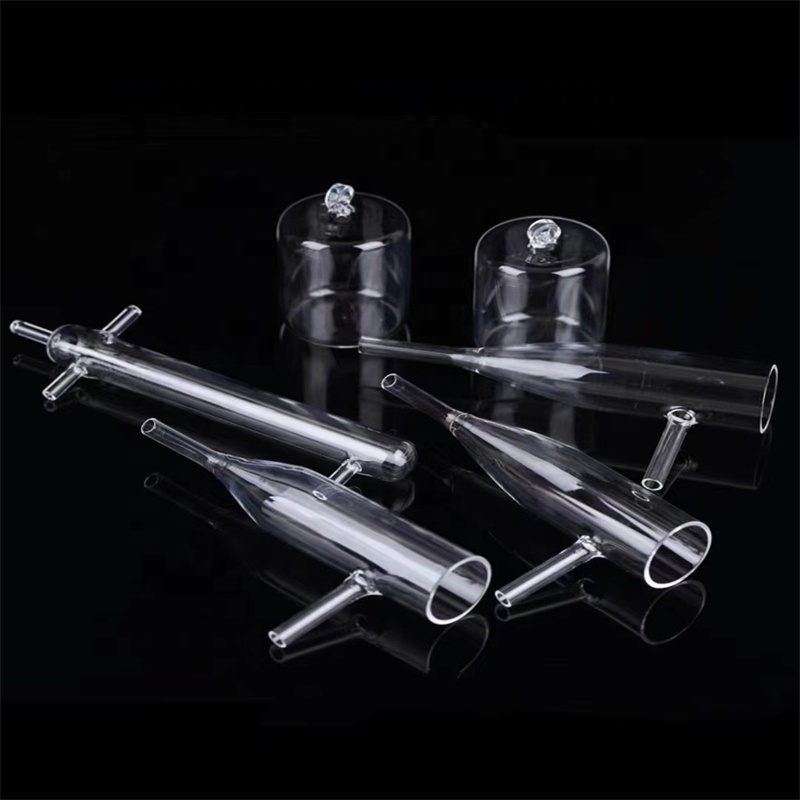
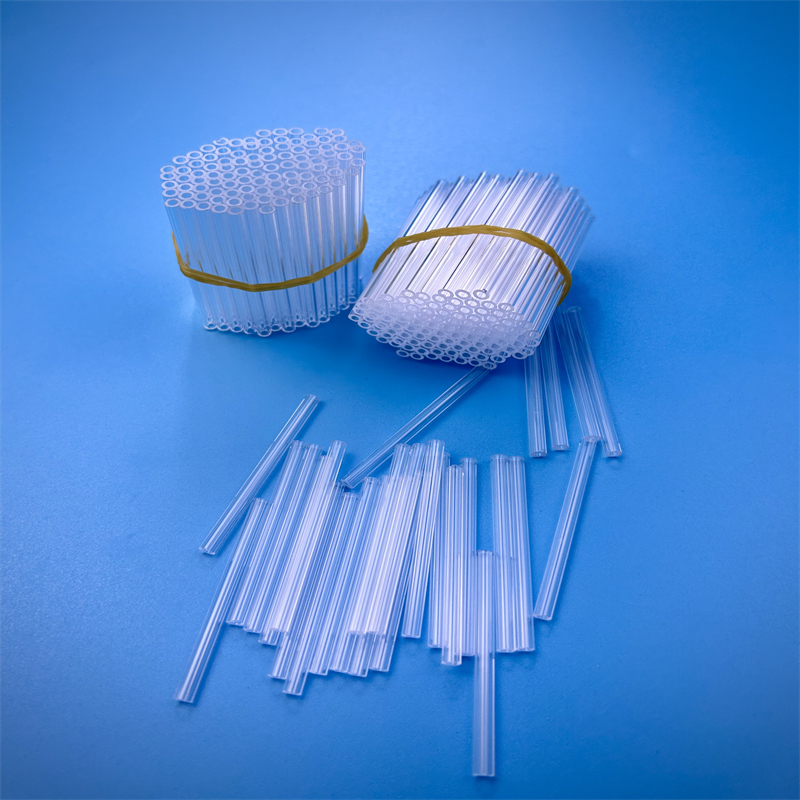
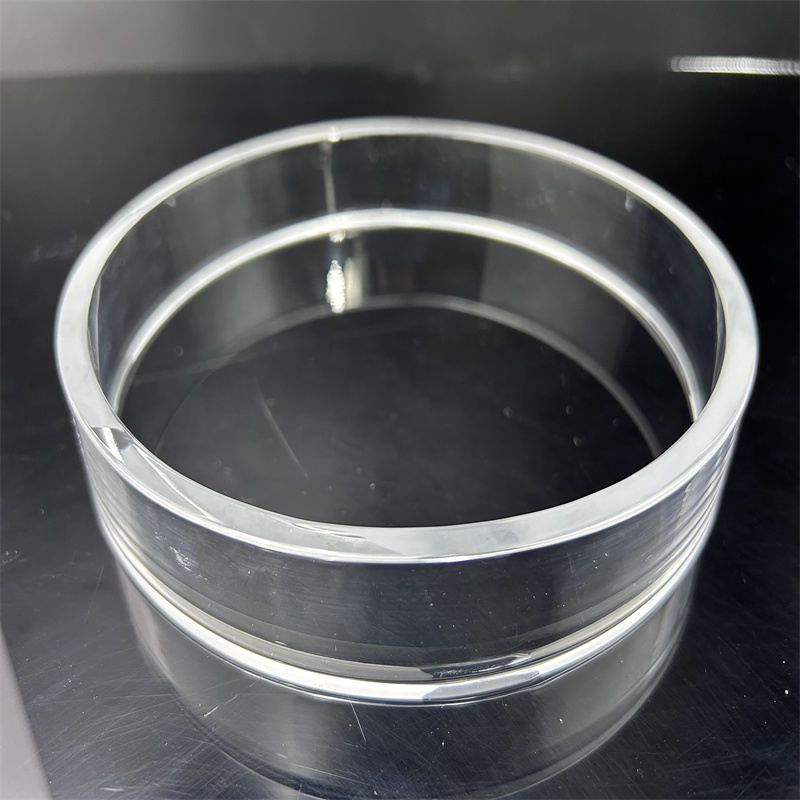
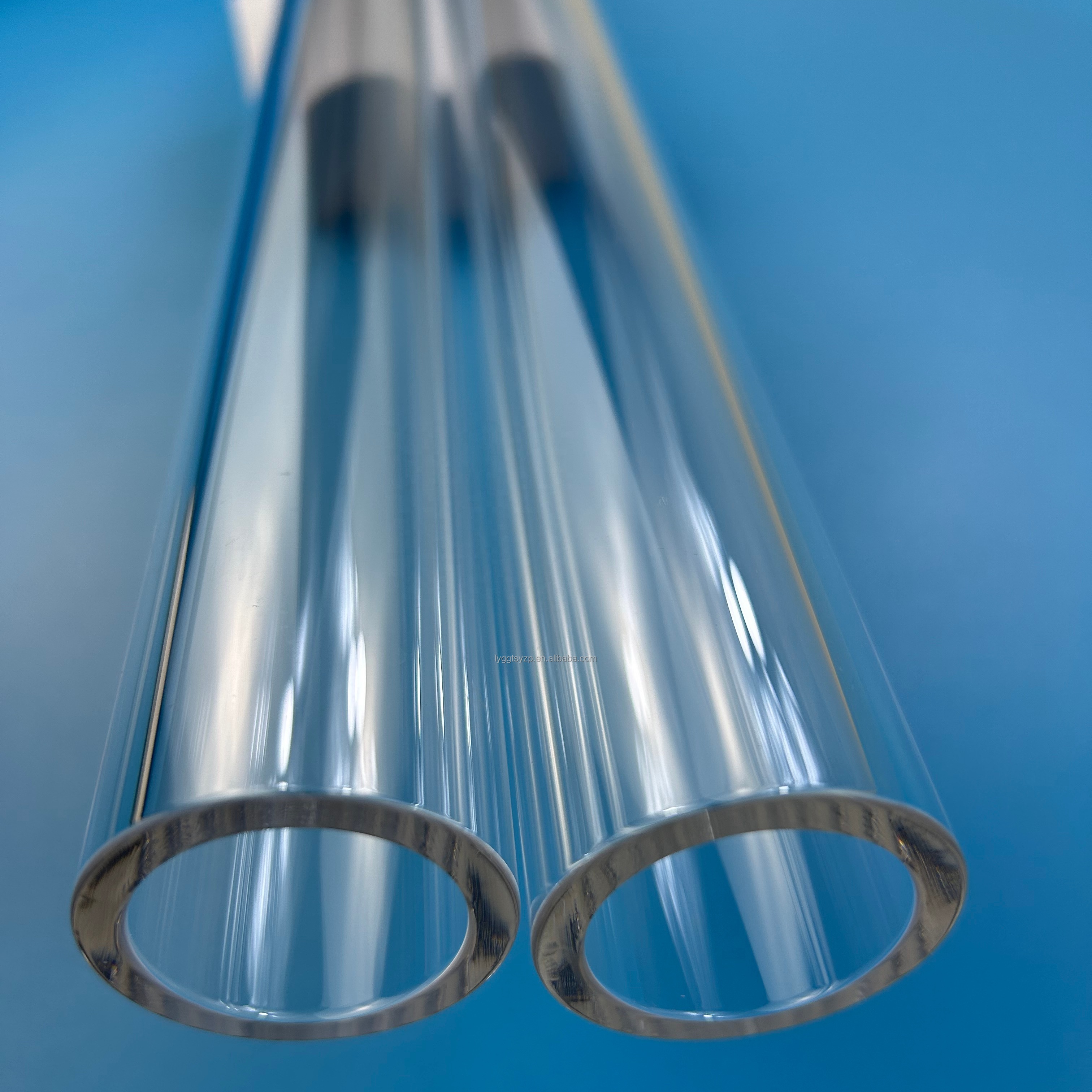
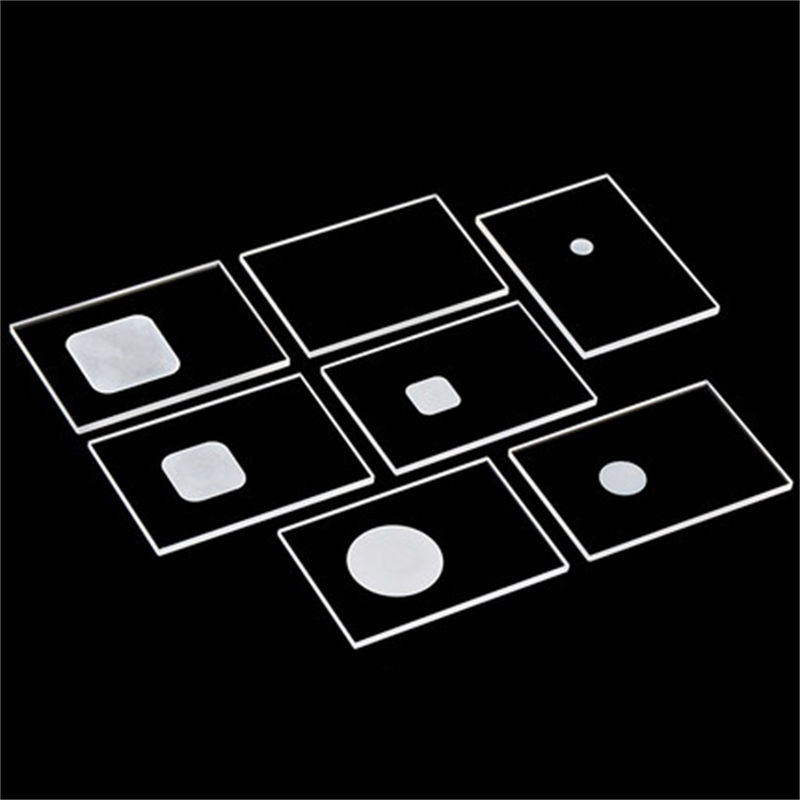
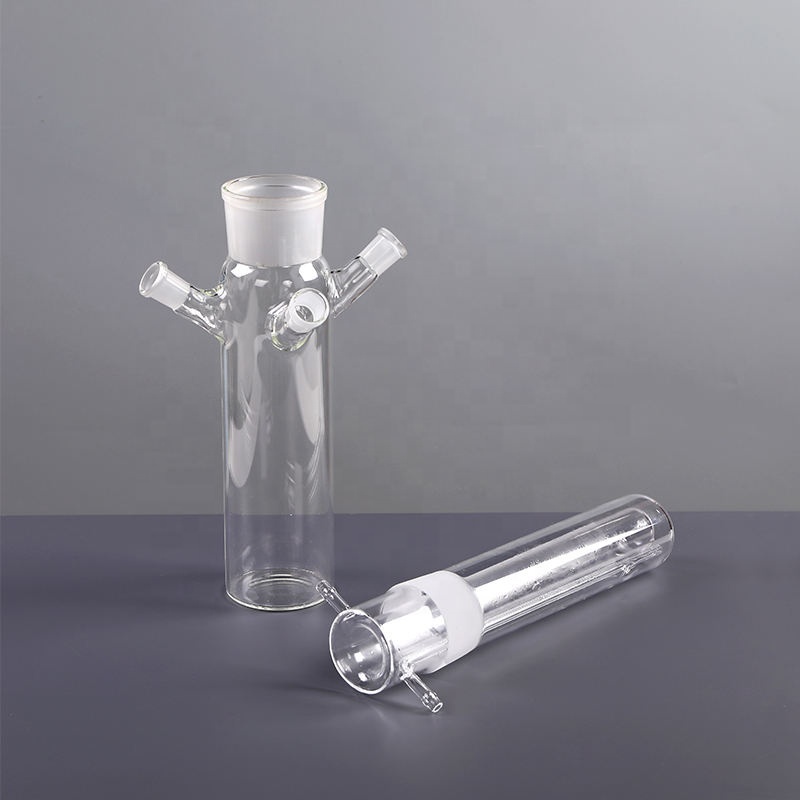
Fused Silica vs. Fused Quartz: Engineering Taxonomy
A rigorous examination of synthetic amorphous silicon dioxide versus natural crystalline fusion for precision applications in Triesen
CVD Synthetic Fused Silica (Type III & IV)
Synthetic fused silica is synthesized through the vapor-phase chemical hydrolysis or oxidation of high-purity silicon precursors, such as silicon tetrachloride (SiCl₄) or chlorine-free siloxanes, inside an oxygen-hydrogen or plasma torch. The resulting amorphous matrix exhibits virtually zero metallic impurities (total trace cations < 0.1 ppm), ensuring virtually no absorption bands throughout the deep-ultraviolet (DUV) range down to 185 nm.
For research labs and coating centers in the Rhine Valley, synthetic fused silica blocks represent the primary choice for excimer laser optical trains, deep-UV lithography beam splitters, and interferometer reference flats. Depending on post-synthesis thermal processing, synthetic silica is engineered with tailored hydroxyl (OH) content: high-OH material (up to 1,200 ppm) eliminates UV-induced color center defects, whereas moisture-free (< 1 ppm OH) material avoids deep infrared vibrational bands around 2.73 µm.
Electrically & Flame Fused Quartz (Type I & II)
Fused quartz is produced by melting naturally occurring high-purity crystalline quartz sand in high-temperature electric arc or gas-oxygen furnaces. Located in Donghai County—China's crystal capital—Zelvo Quartz refines raw pegmatite quartz through multi-stage acid leaching, thermal decrepitation, and magnetic separation, yielding crystalline feedstock with ≥ 99.99% SiO₂ purity.
Fused quartz blocks offer exceptional viscosity at extreme temperatures, boasting a strain point of 1,070 °C and an annealing point of 1,215 °C. Because of their superior mechanical stiffness, minimal devitrification tendencies up to 1,150 °C, and attractive cost efficiency in large monolithic formats, fused quartz blocks serve as heavy-duty thermal insulation spacers, CVD reaction chambers, diffusion boat fixtures, and ultra-high-vacuum (UHV) structural baseplates across Alpine industrial tooling facilities.
| Physical / Chemical Property | Synthetic Fused Silica (JGS1 / Suprasil Class) | Fused Natural Quartz (JGS2 / Infrasil Class) | Test Standard / Engineering Relevance |
|---|---|---|---|
| Chemical Purity (SiO₂) | ≥ 99.9999% (< 0.1 ppm trace metals) | ≥ 99.99% (Low Fe, Al, Ti, Alkalis) | ICP-MS Mass Spectrometry |
| Transmission Window | 185 nm – 2,500 nm (Exceptional DUV) | 260 nm – 3,500 nm (Broad Optical / NIR) | PerkinElmer Lambda 1050+ UV/Vis/NIR |
| Thermal Expansion (CTE) | 5.5 × 10⁻⁷ / K (0 °C to 300 °C) | 5.5 × 10⁻⁷ / K (0 °C to 300 °C) | DIN 51045 Dilatometry |
| Thermal Shock Tolerance | Instantaneous shock ΔT > 1,000 °C | Instantaneous shock ΔT > 1,000 °C | Water quench at 1,100 °C without cracking |
| Softening Point (log η = 7.6) | 1,600 °C – 1,650 °C | 1,683 °C | ASTM C338 Beam Bending Viscometry |
| Refractive Index Homogeneity | Δn down to ± 1 × 10⁻⁶ (Grade H4) | Δn ≈ ± 1 × 10⁻⁵ | Zygo GPI Phase-Shifting Interferometry |
| Dielectric Strength (20 °C) | 25 – 40 kV / mm (High frequency isolation) | 20 – 30 kV / mm | IEC 60243-1 Solid Dielectric Breakdown |
Fused Silica Block Applications Serving Triesen
Liechtenstein’s specialized micro-engineering, high-vacuum thin film, and sensor manufacturing ecosystems demand exact physical tolerance blocks
PVD & CVD Vacuum Deposition
The Rhine Valley corridor is globally celebrated for thin-film optical coatings, hard wear-resistant tribological surfaces, and vacuum technology. Our fused quartz and silica blocks serve as precision insulating pedestals, plasma containment rings, and thermal standoff isolators inside high-vacuum chambers operating below 10⁻⁶ mbar.
Laser Optics & Beam Shaping
Triesen’s advanced photonics system assemblers integrate our optical-grade fused silica blocks into high-power laser beam splitters, total internal reflection (TIR) prism blanks, and laser scanning reference cubes. The virtually zero bubble inclusions (Class 0 per DIN ISO 10110-3) prevent laser-induced damage thresholds (LIDT) degradation.
Metrology & CMM Reference Blocks
Due to an exceptionally low thermal expansion coefficient of 5.5 × 10⁻⁷ / K, machine tool builders and metrology calibration laboratories in Triesen employ our square, rectangular, and cylindrical quartz blocks as gauge blocks, optical mirrors, and kinematic reference fixtures unaffected by ambient workshop temperature swings.
Semiconductor & MEMS Wafer Fixturing
Fused silica blocks machined with vacuum chucking channels, pocket slots, and micro-holes provide flat structural carriers for chemical mechanical planarization (CMP), deep reactive ion etching (DRIE), and wafer bonding processes requiring extreme dimensional flatness (< λ/4).
Medical Diagnostics & Bio-Photonics
Liechtenstein's renowned dental instrument engineering and biomedical device innovators utilize synthesized silica blocks for microfluidic chip blanks, flow-cytometry optical cells, and spectro-photometer windows characterized by zero baseline auto-fluorescence under ultraviolet laser excitation.
Alpine Harsh-Environment Sensors
Sensors deployed across high-altitude alpine weather stations, avalanche detection grids, and rail infrastructure rely on hermetically sealed fused silica window blocks that endure cyclic freezing and thawing from -40 °C to +80 °C with negligible mechanical fatigue or moisture absorption.
Sub-Micron Fabrication: From Raw Ingot to Finished Block
Bridging traditional master glass-working techniques with state-of-the-art CNC diamond grinding and laser processing
Advanced Subtractive Quartz Machining
Machining amorphous silicon dioxide necessitates specialized toolpaths to prevent subsurface micro-fracturing and micro-crack propagation. At Zelvo Quartz, our 5-axis ultrasonic CNC milling centers utilize electroplated diamond tools with tailored grit sizes (from D151 roughing down to D15 finishing) lubricated with flood coolant to prevent thermal micro-shocks.
Our cold-working department delivers complex geometries on fused silica blocks, including blind holes, internal fluidic networks, stepped counterbores, chamfered edge bevels (typically 0.2 mm to 1.5 mm at 45° to eliminate chipping risk), and high-precision dovetail slider grooves.
- Tolerance: ± 0.01 mm
- Surface: Ra < 0.2 nm (Super-Polish)
- Flatness: λ/4 to λ/10 @ 632.8nm
- Parallelism: < 10 arcseconds
Thermal Annealing & Stress Birefringence Relief
Every block subjected to intense mechanical sawing, core drilling, or torch welding develops internal mechanical residual stress. If left unaddressed, this stress creates optical birefringence and elevates the risk of spontaneous catastrophic failure during subsequent thermal cycling or laser exposure.
Zelvo Quartz implements computer-controlled electric resistance annealing cycles. Blocks are elevated to the annealing dwell zone (1,150 °C – 1,200 °C), held until thermal equilibrium is established across the core, and slowly ramped down through the transformation range at less than 1 °C per minute. Residual optical retardation is verified via polariscopic inspection to fall below ≤ 5 nm / cm, satisfying European precision optical grade specifications.
Procurement & Supply Chain Resilience for Triesen Buyers
Overcoming European supply bottlenecks through direct manufacturer collaboration, tariff harmonization, and fast customs processing
Liechtenstein Customs Union & Switzerland Logistics Alignment
Procurement departments in Triesen operate within the Swiss-Liechtenstein customs union (Zollvertrag), meaning shipments crossing the border adhere to Swiss customs regulations and VAT treatment (MWST). Sourcing custom fused silica blocks from overseas vendors often introduces friction when intermediaries fail to provide accurate Swiss-compliant commercial invoices, EORI/UID documentation, and precise Harmonized System (HS) classifications.
Zelvo Quartz eliminates logistical friction by managing direct DDP (Delivered Duty Paid) and CIP (Carriage and Insurance Paid) shipments through major air freight hubs including Zurich Airport (ZRH) and Basel-Mulhouse (BSL), connecting directly via road feeder services into Triesen within 48 to 72 hours of departure from our factory. All optical blocks and high-temperature quartz ware are classified under standard WTO HS codes 7002.31 (Tubes of Fused Quartz) and 7017.10 (Laboratory Quartz Apparatus), ensuring transparent, demurrage-free clearance at the Swiss border.
Mitigating Raw Material Volatility & Lead-Time Risks
In recent years, European supply chains have faced unprecedented consolidation among local quartz melters, leading to delivery lead-times stretching from 16 to 34 weeks for basic optical blocks and specialty furnace components. For fast-iterating R&D teams and agile tooling companies in Triesen, such lead-times stall rapid product development cycles.
By establishing manufacturing operations in Donghai County—the epicenter of quartz crystal refining—Zelvo Quartz maintains permanent buffer stocks of raw synthetic fused silica boules and natural quartz ingots. From rapid 1-piece prototypes to volume production runs, our average lead-time for custom CNC-machined silica blocks is just 10 to 18 business days, allowing our Liechtenstein partners to compress their design-to-validation timeframe by over 60%.
Manufacturing Capabilities & Institutional Reliability
Delivering engineering-first quartz components backed by verified factory premises and transparent testing
Onsite-Verified Manufacturing
Unlike trading intermediaries, our factory premises in Donghai, Jiangsu Province, are independently inspected and verified. We maintain full in-house control over core drilling, ultrasonic milling, flame welding, optical polishing, and laser etching facilities.
10+ Years Dedicated Experience
Our workshop masters and sales engineers average over a decade of specialized quartz glass fabrication experience. We review 2D blueprints and 3D CAD files within 2 hours, offering constructive feedback on wall thickness, thermal expansion margins, and cost-effective tolerances.
Zero-Damage Export Packaging
Shipping brittle optical silica across continents demands zero-compromise packaging. Every block is sealed in dust-free antistatic vacuum pouches, isolated in multi-layer high-density EPE molded foam, and encased within shock-absorbing international export wooden crates with tip-n-tell tilt sensors.
Engineering & Procurement FAQ for Triesen Buyers
Addressing technical specifications, international trade logistics, and custom tolerance standards
What is the key differentiator between JGS1, JGS2, and JGS3 fused silica blocks?
Can Zelvo Quartz produce custom fused silica blocks according to CAD drawings?
What is your Minimum Order Quantity (MOQ) for prototypes intended for Triesen R&D projects?
How does fused silica perform under continuous thermal shock and extreme heat?
How are customs, duties, and currencies handled for orders delivered to Liechtenstein?
What quality inspection documentation is provided with each shipment?
Request a Precision Fused Silica Quotation
Upload your 2D blueprints or 3D STEP files for technical review. Our senior quartz engineering team will assess fabrication feasibility, recommend optimal purity grades, and submit a competitive proposal within 2 hours.