Engineered Quartz Components Available for Immediate Delivery to Panama
Fabricated in Donghai County—the crystal center of China—our custom fused quartz and fused silica plates undergo strict Zygo interferometer testing, fire-polishing, and laser micro-drilling tailored for Central American engineering tolerances.
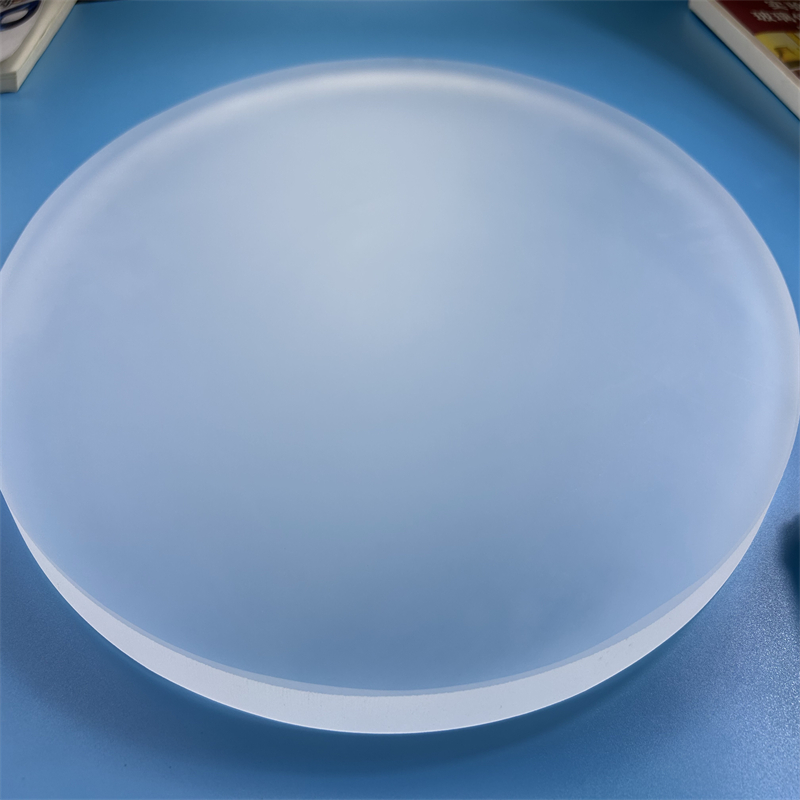
High Temperature Resistance Frosted Quartz Disc/Plate
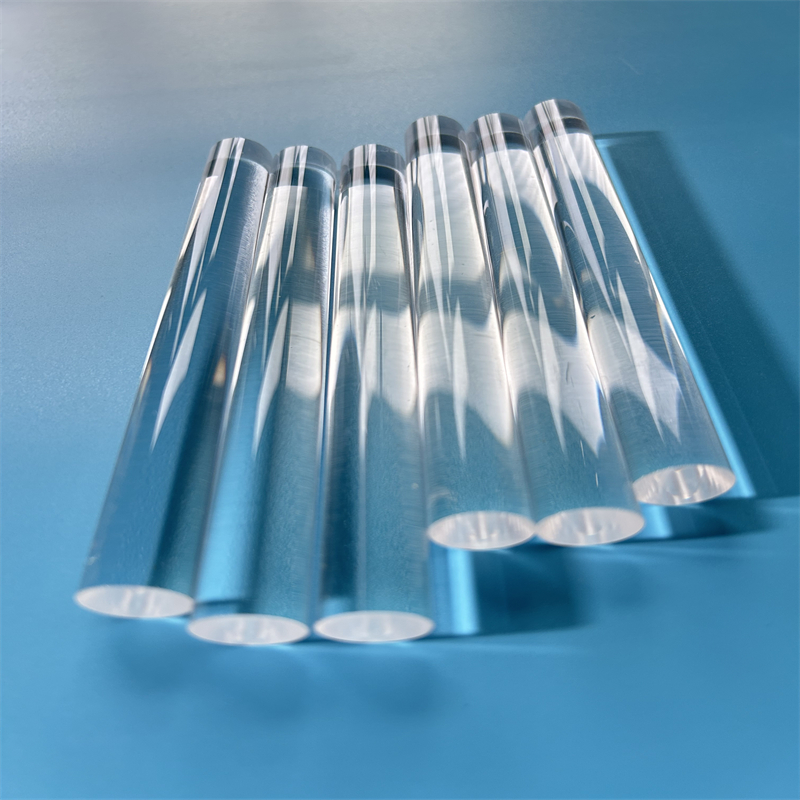
Custom Guitu Optical Quartz Light Guide Cylinder Rod
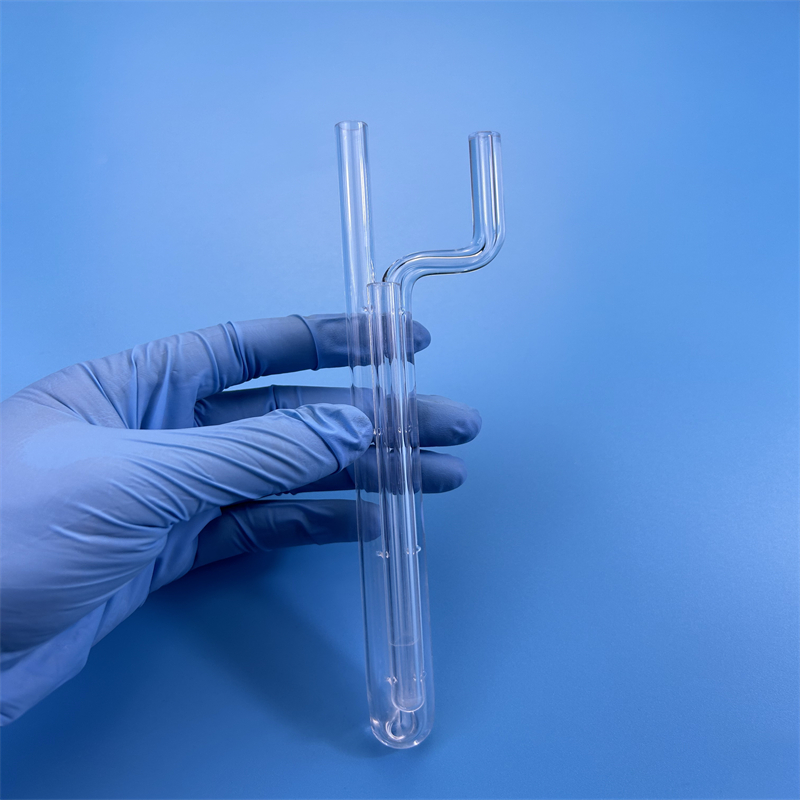
Chemisorption BET High-Pressure Quartz Twin Tube
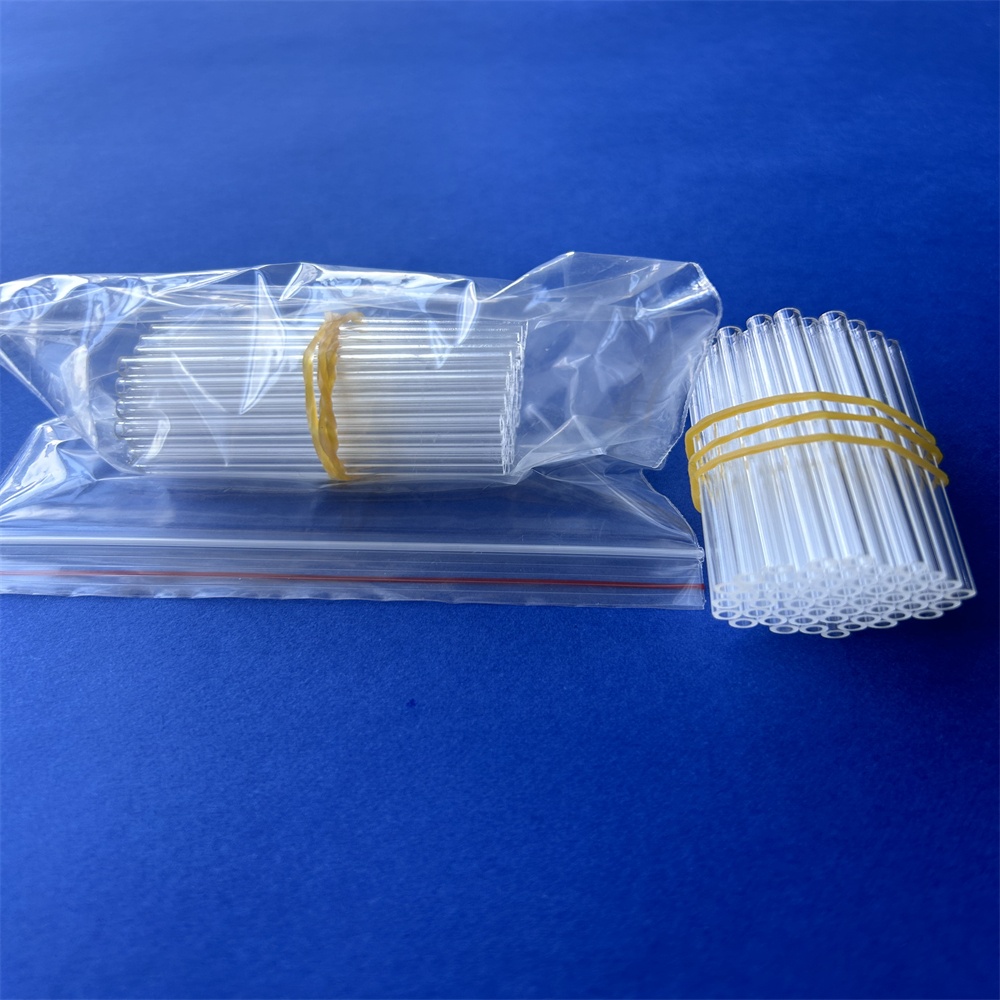
Small Diameter 0.1-20mm Pure Quartz Capillary Tube
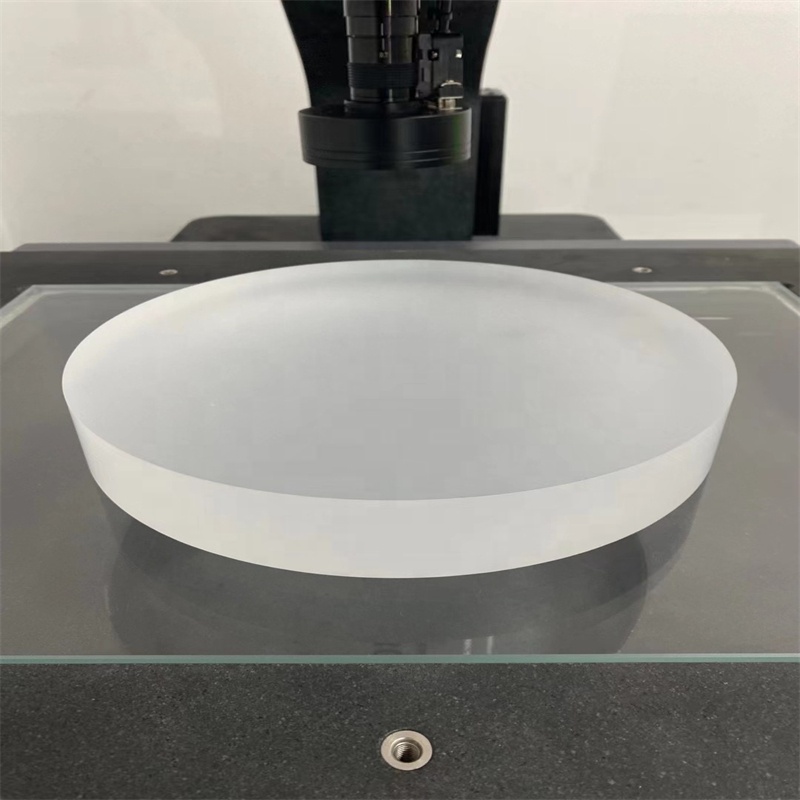
Custom Clear Fused Quartz Plate (1100°C Thermal Window)
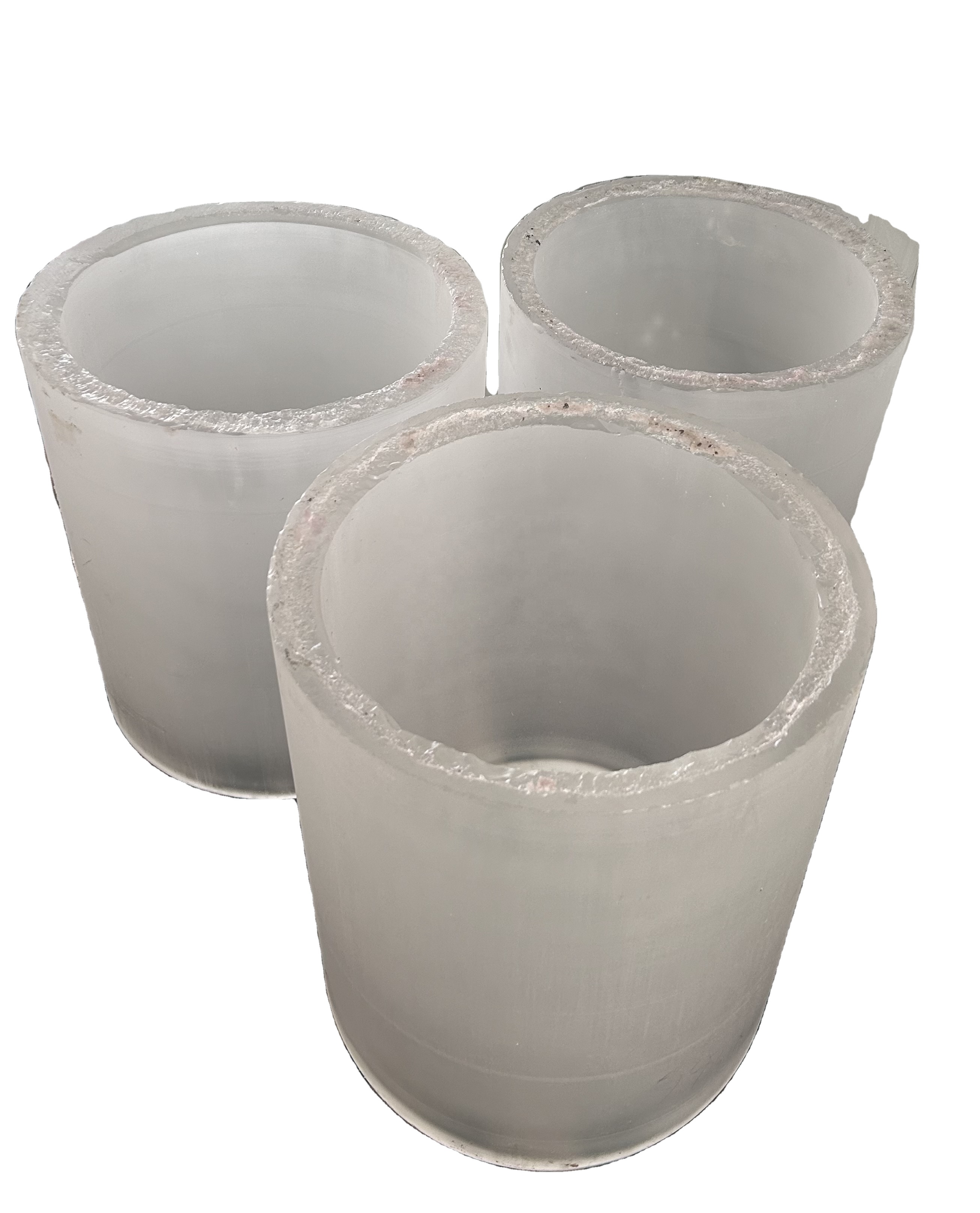
Open Ended Fused Quartz Frosted Cylinder & Ingot
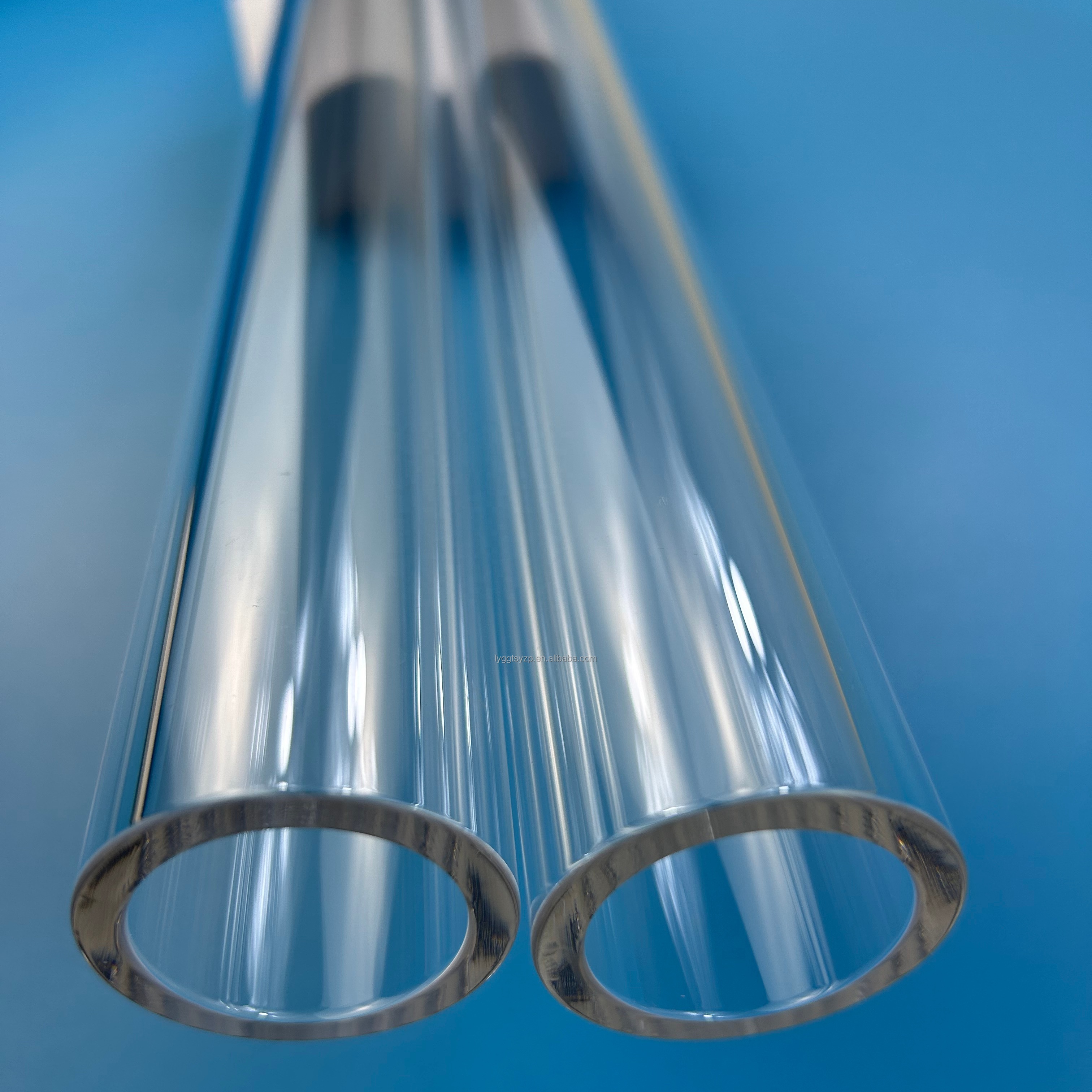
Polished Clear Quartz Twin Tube Semiconductor Heater
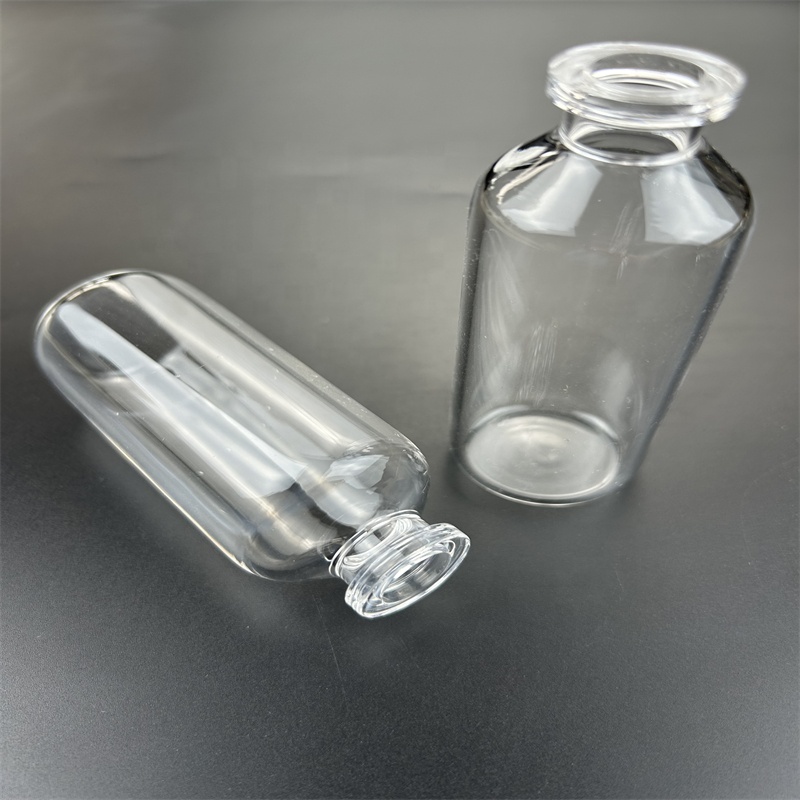
Medical-Grade Corrosion-Resistant Pure Quartz Ampoules
Fused Silica Engineering Fundamentals for Critical Central American Projects
A comprehensive metallurgical and optical analysis comparing Synthetic Fused Silica (Type III) against Natural Fused Quartz (Type II) under extreme maritime and equatorial operating environments.
1. Material Genesis: Synthetic Fused Silica vs. Natural Fused Quartz
Industrial designers and procurement engineers in Panama frequently encounter performance bottlenecks when substituting ordinary borosilicate glass or lower-tier natural quartz into high-demand marine observation, mining digestions, and spectroscopic monitoring stations. Fused silica plates are divided fundamentally into two raw material routes:
Natural Fused Quartz (Electrically or Flame-Fused): Manufactured by melting naturally occurring high-purity crystalline silica sand (SiO₂ ≥ 99.99%) sourced directly from geological deposits in Donghai, Jiangsu. This creates an amorphous material characterized by ultra-low hydroxyl (OH⁻) content (< 5 to 30 ppm), exceptional thermal stability up to 1100°C continuous operation, and superior transmission across the visible into the near-infrared spectrum (up to 3500 nm). It is the material of choice for industrial tube furnaces, marine viewport sight glasses, and chemical digestion vessels.
Synthetic Fused Silica (Chemical Vapor Deposition - CVD): Produced through the high-temperature flame hydrolysis of high-purity silicon tetrachloride (SiCl₄) or siloxanes. This process yields zero metallic impurities (trace elements < 0.1 ppm total) and completely eliminates micro-bubble inclusions, making it conform to DIN 58927 Class 0/A standards. Synthetic silica exhibits extraordinary deep-ultraviolet (DUV) transmission down to 185 nm (JGS1 equivalent), zero fluorescence under 254 nm excitation, and superior optical homogeneity with refractive index variations ($\Delta n$) held below $1 \times 10^{-6}$.
Technical Distinction for Panamanian Buyers: For Panama Canal water-depth sensors and infrared oil monitoring, Low-OH Fused Quartz provides maximum infrared throughput. For photolithography exposure, solar irradiance measurement in Tocumen, and biomedical fluorescence in City of Knowledge, High-Purity Synthetic Fused Silica (JGS1) is strictly required to prevent UV solarization.
2. Comprehensive Thermophysical & Mechanical Property Matrix
The following data table illustrates the critical design parameters required by mechanical and optical engineers calculating stress thresholds, thermal gradient tolerance, and wave-front stability.
| Physical / Optical Property | Standard Testing Protocol | Fused Quartz (JGS2 / JGS3) | Synthetic Fused Silica (JGS1) |
|---|---|---|---|
| Silicon Dioxide Purity (SiO₂) | ICP-OES / GD-MS | ≥ 99.99% (4N) | ≥ 99.9999% (6N) |
| Hydroxyl Radical (OH⁻) Content | FTIR Spectroscopy | < 5 ppm (IR Grade) / 30 ppm | > 800 – 1200 ppm (UV Grade) |
| Coefficient of Thermal Expansion (CTE) | Dilatometry (20°C to 320°C) | 5.5 × 10⁻⁷ / K | 5.2 × 10⁻⁷ / K |
| Maximum Continuous Service Temp | Static Air Furnace | 1100 °C | 1050 °C |
| Strain / Annealing Point | ASTM C336 / C598 | 1075 °C / 1215 °C | 1025 °C / 1140 °C |
| Softening Temperature Point | ASTM C338 Fiber Elongation | 1683 °C | 1665 °C |
| Thermal Shock Resistance ($\Delta T$) | Water Quench from Heat | > 1100 °C to 20 °C (No fracture) | > 1000 °C to 20 °C (No fracture) |
| Refractive Index ($n_d$ at 587.6 nm) | Abbe Refractometer (V-Block) | 1.4585 | 1.4584 |
| Abbe Number ($V_d$) | Dispersion Coefficient | 67.8 | 67.8 |
| Compressive Strength | ASTM C773 | 1150 MPa | 1100 MPa |
| Knoop Microhardness | Indentation (100g load) | 460 kg/mm² (Mohs 5.5–6.5) | 450 kg/mm² |
| Dielectric Constant ($\epsilon_r$ at 1 MHz) | ASTM D150 Resonance | 3.75 | 3.80 |
3. Precision Machining, Edge Dressing & Surface Metrology
Procuring custom plates requires tight mechanical tolerances to prevent structural shear failure when mounted into pressurized flange rings or underwater camera housings along the Panama Canal locks. Zelvo Quartz integrates 5-axis CNC ultrasonic diamond grinding alongside laser trepanning to achieve the following fabrication parameters:
- Dimensional Tolerances: Length and width machined down to $\pm 0.05\text{ mm}$; circular disc diameters calibrated to $\pm 0.02\text{ mm}$ for precision O-ring compression seals.
- Thickness Uniformity & Parallelism: Double-sided planetary lapping delivers parallelism $\le 10\text{ arcseconds}$ with thickness variations held below $\pm 0.01\text{ mm}$.
- Surface Figure (Flatness): Interferometer-certified surface flatness ranging from commercial grade ($2\lambda$ per inch) up to laser-grade precision optical flatness ($\lambda/4$ to $\lambda/10$ at $632.8\text{ nm}$).
- Edge Treatment Profiles: Standard pencil ground, $45^\circ$ protective chamfer ($0.3\text{ mm}$ to $1.5\text{ mm}$ to prevent micro-chipping), stepped step-cut flanges, and flame-polished hermetic edge sealing.
- Surface Roughness ($Ra$): Commercial ground ($Ra \approx 1.6\ \mu\text{m}$), fine ground ($Ra \approx 0.8\ \mu\text{m}$), optical scratch-dig 60/40 ($Ra \approx 2\text{ nm}$), up to super-polished laser substrates ($Ra \le 0.5\text{ nm}$).
Fused Silica Applications Driving Panama's Strategic Industries
From maritime logistics along the Balboa-Colón corridor to high-precision assay labs in Minera extraction facilities and biotech centers in Ciudad del Saber, fused quartz is the critical engineering material supporting national operations.
Panama Canal Maritime & Hydraulic Monitoring
The Panama Canal Authority (ACP) operates extensive hydraulic control complexes, culvert valve chambers, and automated tugboat telemetry. Fused silica window plates serve as high-pressure viewport covers in acoustic Doppler flowmeters and subsea LiDAR navigation systems. Unlike standard float glass, fused quartz withstands brackish tidal erosion, heavy sediment abrasion, and zero stress-corrosion cracking.
- Impervious to brackish water salinity
- Withstands hydrostatic pressures > 5 MPa
- Zero micro-scratch hazing from sand slurry
Colón Free Trade Zone Precision Tech Assembly
As the largest transit re-export zone in the Western Hemisphere, the Colón Free Zone (Zona Libre de Colón - ZLC) and Panama Pacifico Special Economic Area host automated inspection, barcode scanner manufacturing, and re-packaging centers. Precision fused silica plates provide zero-distortion light guides, flat inspection stages, and protective laser-cutting shields.
- Optical wave-front distortion < $\lambda/4$
- High laser damage threshold (LDT > 10 J/cm²)
- Rapid batch re-export compliance packaging
Mining Analytics & Petrochemical Assay
Panama's massive copper reserves and active mineral assay laboratories require rugged X-Ray Fluorescence (XRF) and X-Ray Diffraction (XRD) specimen plates. Fused quartz disc plates offer unmatched inertness when exposed to concentrated aqua regia, hydrofluoric acid dilutions, and sulfurous digestion vapors during copper tailings assays and crude bunkering verification.
- Zero background signal in XRD analysis
- Complete resistance to hot acidic fumes
- Withstands rapid burner quenching
Ciudad del Saber Biotech & Marine Science
Institutes such as INDICASAT AIP and the Smithsonian Tropical Research Institute (STRI) in Panama rely on UV-grade fused silica plates for microfluidic electrophoresis chips, marine chlorophyll fluorometers, and photobioreactor sight glasses. JGS1 grade silica ensures 92% internal transmission at deep UV wavelengths (254 nm and 365 nm) without background fluorescence.
- Zero auto-fluorescence under UV illumination
- Precision microfluidic laser-channel drilling
- Biocompatible USP Class VI compliance
Solar PV Testing & Tropical Meteorological Stations
Panama's National Energy Plan (Plan Energético Nacional) is accelerating utility-scale solar farms across Coclé and Herrera provinces. High-performance pyranometer domes and solar simulator reference cells require fused silica window plates that maintain consistent spectral transmission regardless of 95%+ relative humidity and blistering solar irradiance.
- Solarization-resistant synthetic silica matrix
- Immune to tropical fungal glass bloom
- Transmission range spans 190nm to 2500nm
Thermal Processing & Industrial Sight Glasses
Heavy bunkering facilities at Port of Balboa and chemical plants in Colón utilize industrial quartz sight glasses mounted on thermal boilers, superheated steam manifolds, and incinerator viewports. Fused silica sheets allow real-time combustion observation under constant operational temperatures exceeding 1000°C with safety factor ratings exceeding 4:1.
- DIN 7080 & ASTM C1036 certified standards
- High thermal shock resilience to water spray
- Machined bevels for robust packing compression
Panamanian Procurement Trends for Fused Silica Substrates
How regional logistics investments, automated infrastructure upgrades, and environmental compliance are reshaping quartz consumption across the Isthmus of Panama.
Transition to Automated Canal Hydrological Sensors
With water conservation being paramount for the Neopanamax Locks across Gatun Lake and Culebra Cut, ACP engineers are upgrading optical telemetry and salinity sensors. Standard borosilicate sight windows are being widely replaced with high-purity fused silica plates, eliminating biofouling adhesion and withstanding mechanical scraper wipers without surface hazing.
Expansion of the 'Hub of the Americas' Nearshoring
Multinational industrial equipment assemblers are setting up regional distribution centers within the Colón Free Zone and Panama Pacifico. This shift creates growing demand for rapid-prototyping custom quartz components delivered on 1-piece MOQs, allowing Panamanian plants to assemble and test optoelectronic sub-assemblies before re-exporting to Latin America.
Stricter Industrial Emission & Bunkering Compliance
Panama's maritime authority has tightened MARPOL Annex VI regulations for bunker fuel inspection. Certified petroleum analytical labs along Balboa and Cristobal require high-temperature BET sample tubes, combustion reactor plates, and FTIR spectroscopic quartz windows to verify sulfur and aromatic hydrocarbons within heavy fuel oil samples under tight maritime schedules.
Why Panama's Leading Engineers Partner with Zelvo Quartz
Based in Donghai, China's quartz capital, Lianyungang Zelvo Quartz Products Co., Ltd. bridges high-precision Chinese raw-material manufacturing with swift Latin American logistics.
100% Onsite-Verified Factory
Our workshop and warehouse in Donghai are independently verified. We oversee the entire vertical manufacturing chain from raw quartz ore refining to laser CNC edge grinding.
Fast Technical Response
Direct communication with quartz manufacturing engineers. We review technical drawings, confirm CAD tolerances, and provide feasibility feedback within 2 hours.
Drawing-Based Customization
Full-spectrum CNC fabrication: laser micro-hole drilling (down to 0.1 mm), step grooving, circular discs, slotting for XRD sample holders, and custom edge fire-polishing.
Export-Certified Packaging
Shock-absorbing multi-layer foam, vacuum-sealed nitrogen pouches, and ISPM-15 compliant export wooden crates ensure zero moisture ingress or breakage during maritime transport.
Panamanian Procurement & Technical FAQ
Clear, direct answers regarding customs tariffs, air vs. ocean freight to Panama, climate resistance, and engineering drawing reviews.
What are the HS Codes and import customs procedures for fused silica plates entering Panama?
What is the typical shipping lead time and logistical method to Tocumen (Air) or Balboa/Manzanillo (Sea)?
How do fused silica plates perform in Panama's tropical climate with 95%+ relative humidity?
What is your Minimum Order Quantity (MOQ) for custom CAD-dimensioned quartz plates?
What engineering drawing formats do you accept for CAD review and quotation?
Ready to Engineer Your Custom Fused Silica Solution?
Connect directly with our engineering sales team. Upload your dimensional drawing or CAD file to receive feasibility feedback, material grade optimization, and a competitive direct-factory quote within 2 hours.