Standard & Custom Fused Silica Tubes for Nakhon Ratchasima Industries
Precision fabricated from 99.99% raw silicon dioxide crystals. Directly supplied from China's quartz hub to the industrial parks of Suranaree, Navanakorn Korat, and academic synchrotron research clusters.
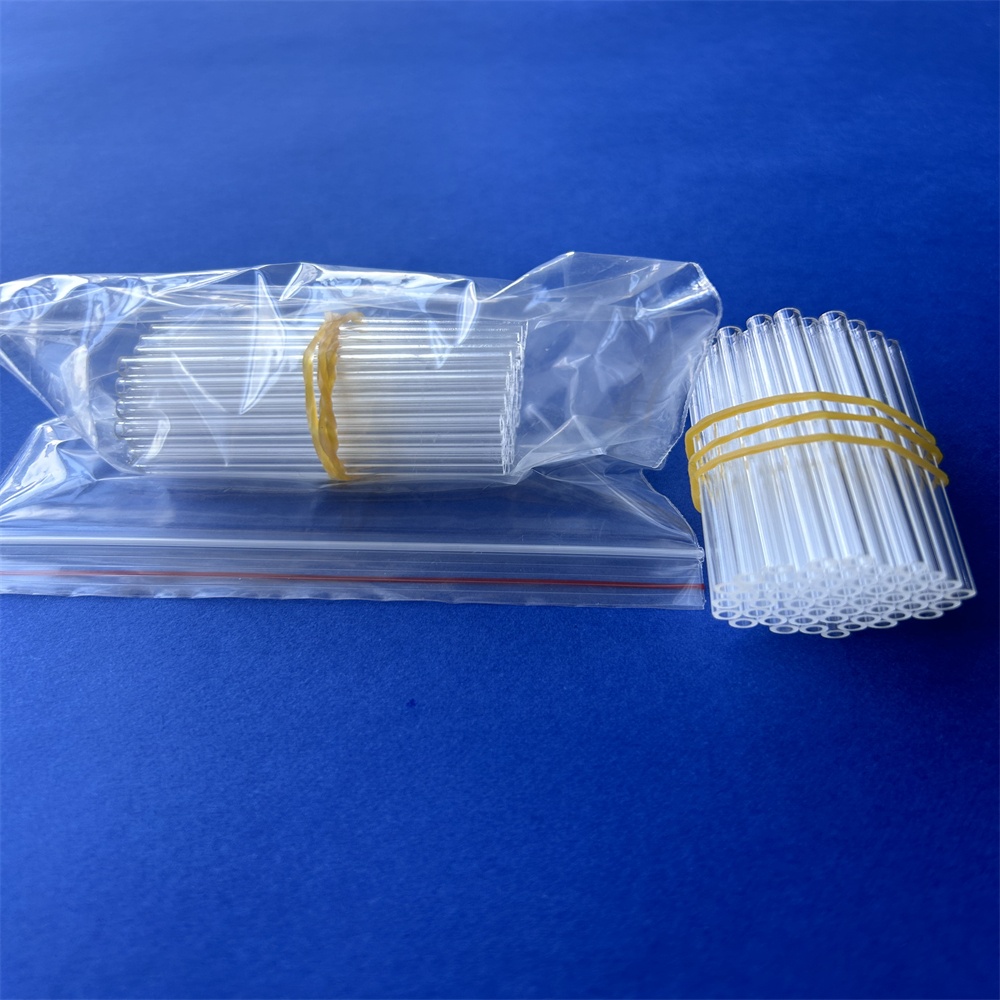
Small Diameter 0.1-20mm High Temperature Resistant 99.99% Pure Quartz Capillary Tube Cutting Bending Welding Services Ozone Free
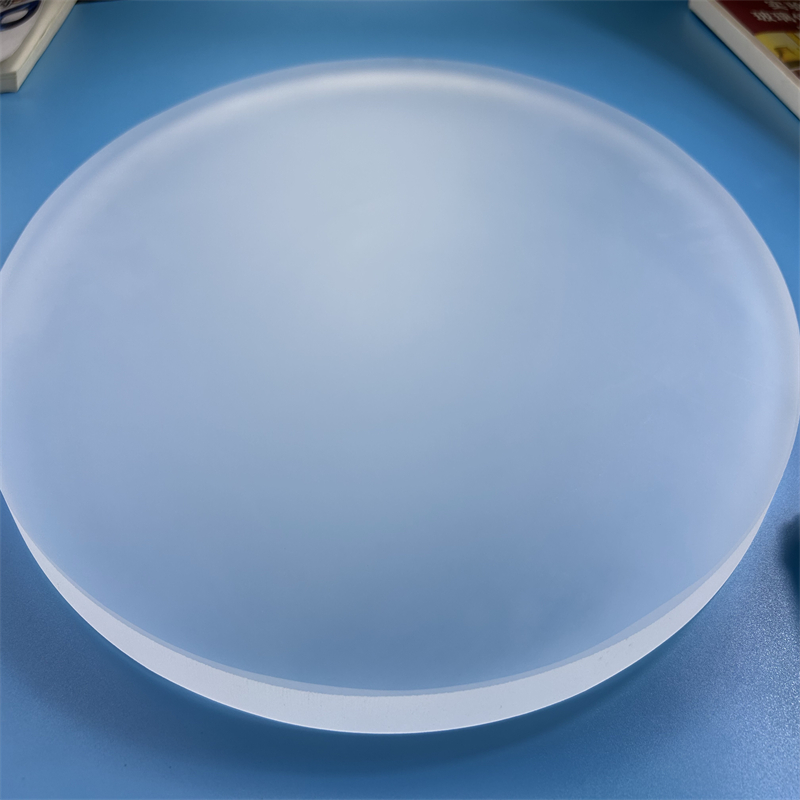
High Temperature Resistance Frosted Quartz Disc/Plate Semiconductor Applications Welding Cutting Custom Sizes Fused Quartz
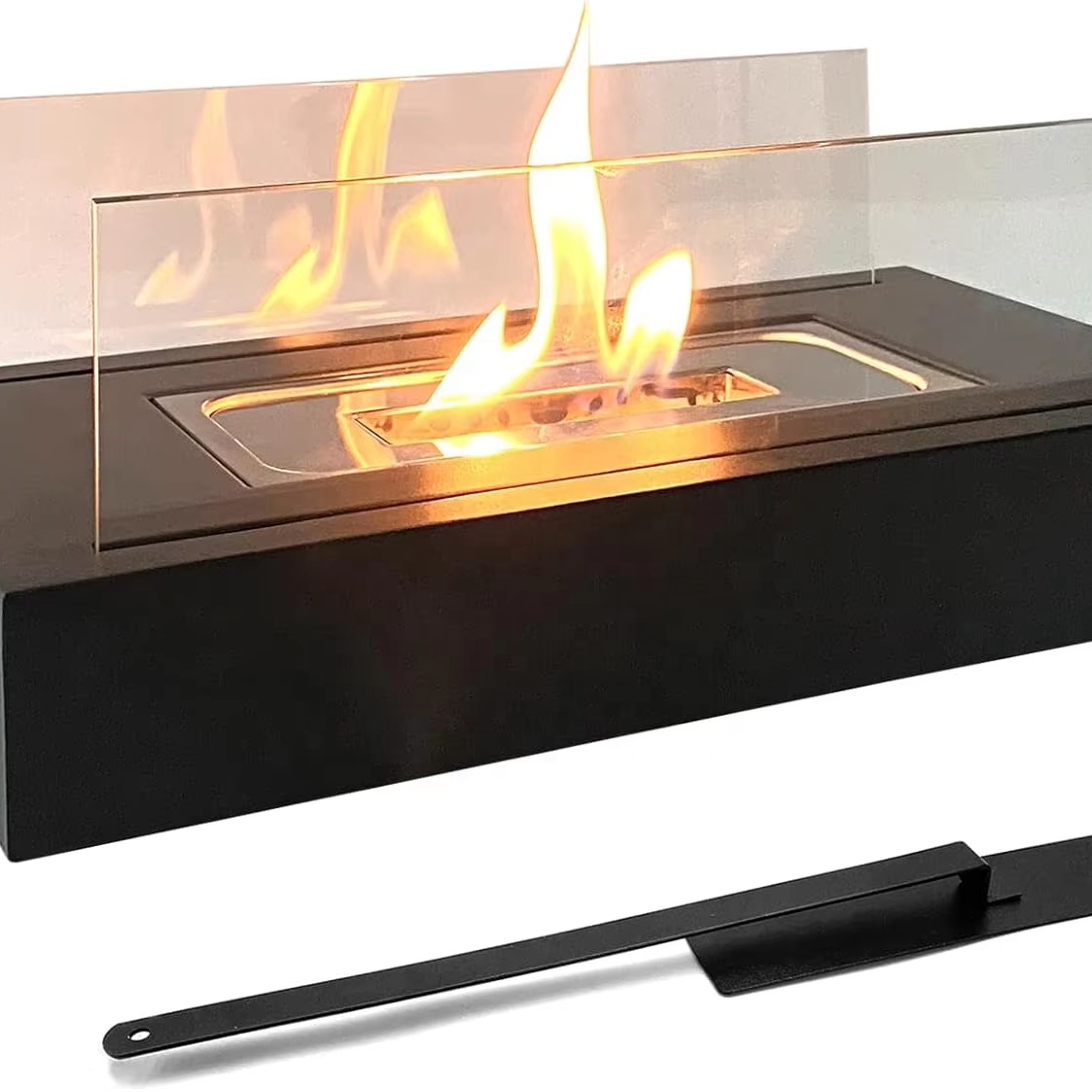
Factory Customization Outdoor Camping Portable High Temperature Clear Transparent High Precision Optical Grade Quartz Glass
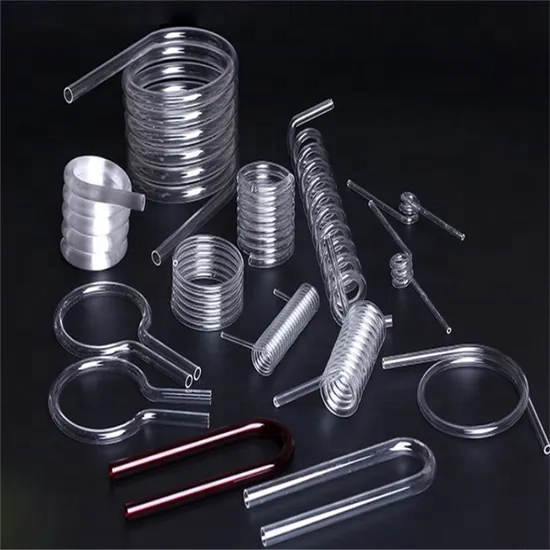
Custom Different Sizes U-Bent Quartz Glass Spiral Tube with Moulding Cutting Bending and Welding Services
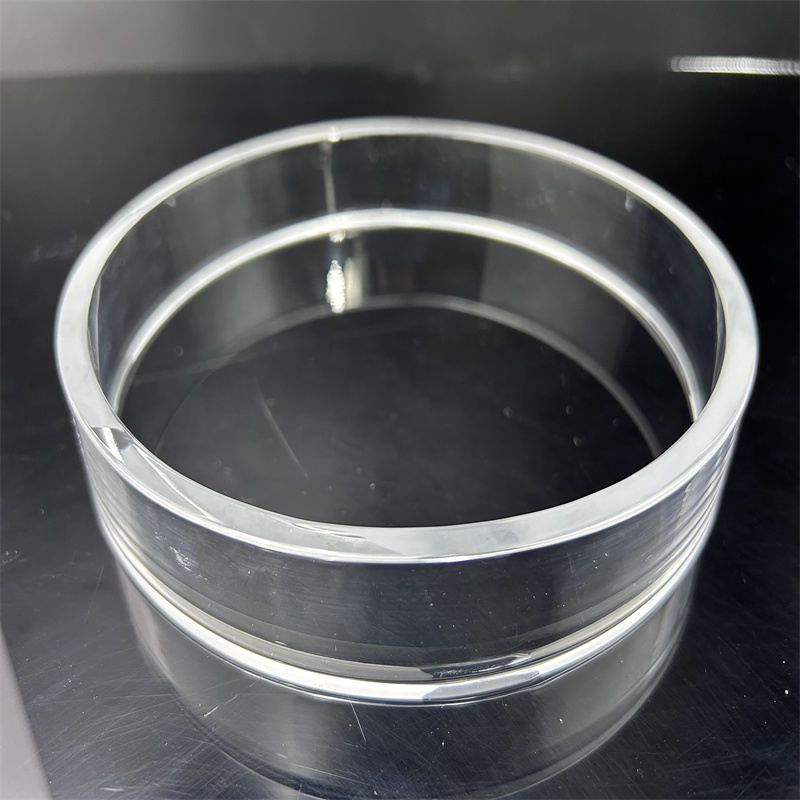
Customizable High Transparent Corrosion-resistant High Purity Fused Quartz Glass Bell Jar Semiconductor Applications Cutting
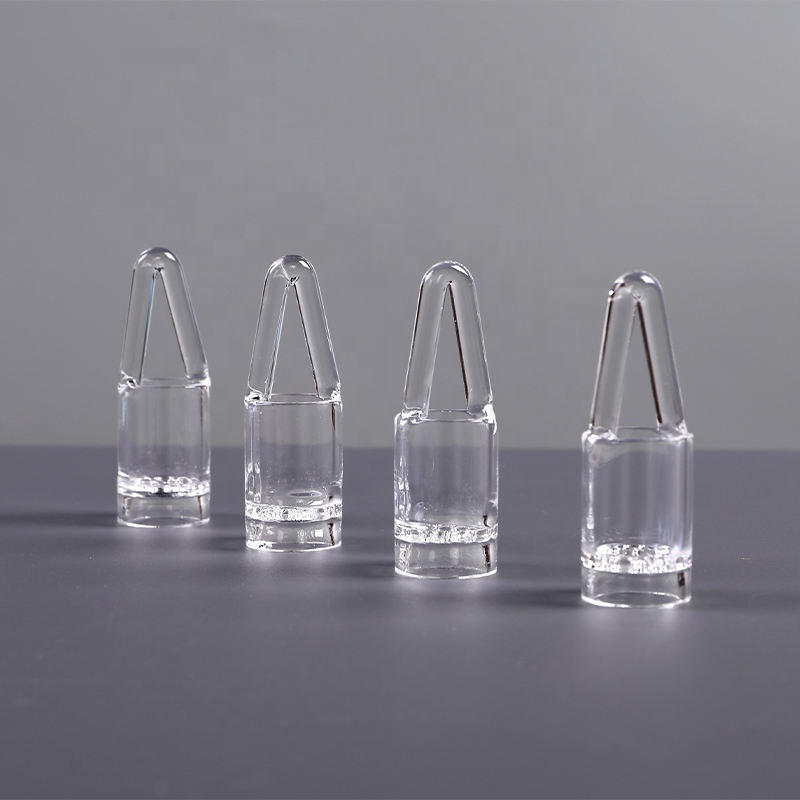
Factory Custom High Pressure 99.99% Pure Quartz Glass Tube Bending/Welding Ozone Free Polished Surface
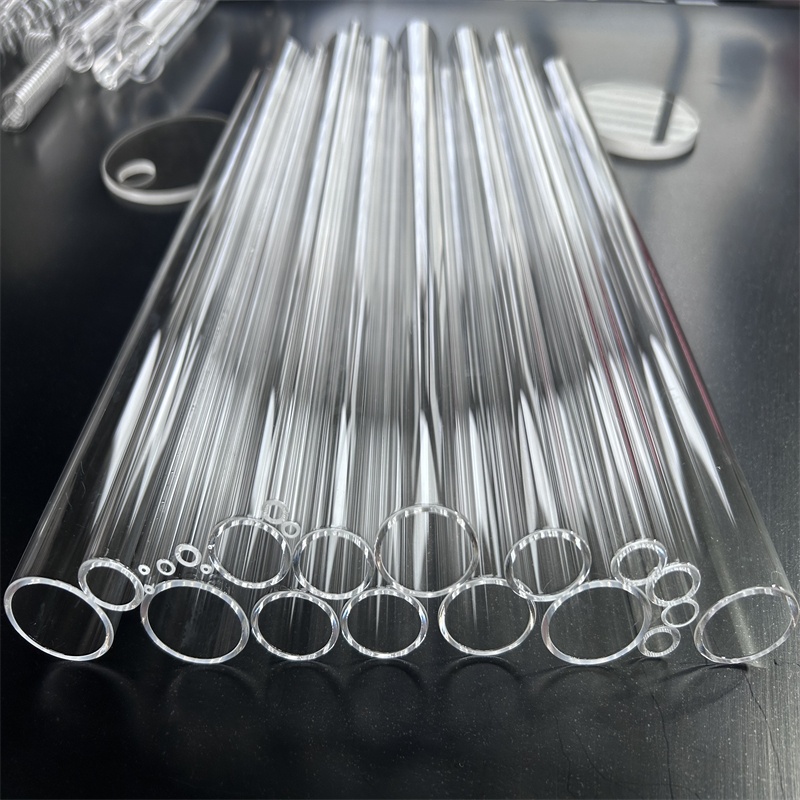
High Temperature Heat Resistant Clear 99.99% Pure Fused Quartz Twin Tube with Ozone Free Welding & Bending Services Custom Sizes
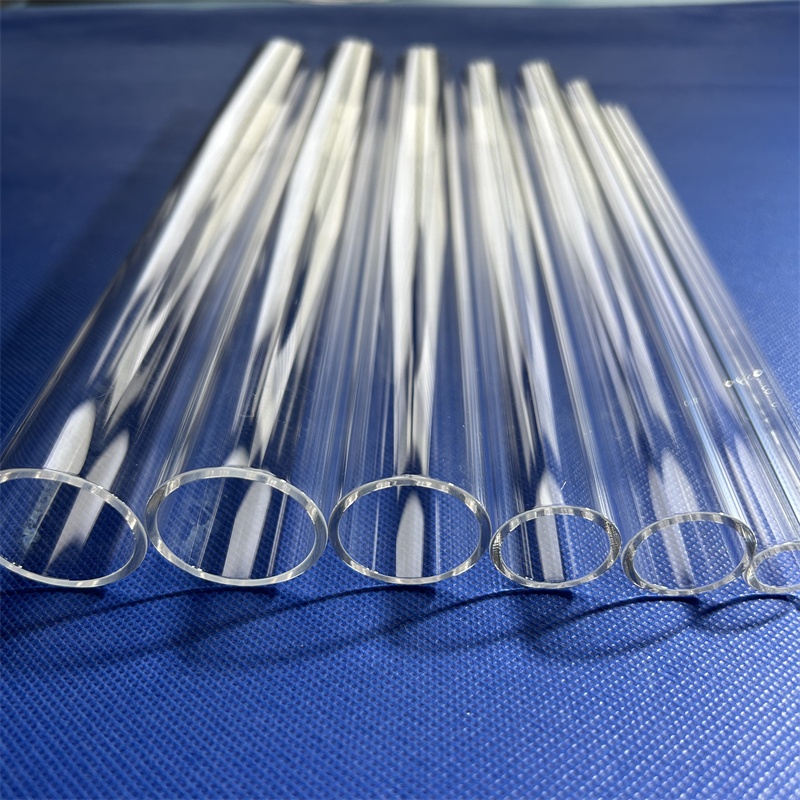
Transparent High Pressure 99.99% Pure Quartz Glass Tube Furnace Boiler Chemical Applications Corrosion Bending Moulding
High-Purity Fused Silica & Quartz Glass Engineering for Nakhon Ratchasima's Heavy & Precision Manufacturing
As the designated economic gateway to Northeastern Thailand (Isan) and a critical node in the Eastern Economic Corridor (EEC) expansion network, Nakhon Ratchasima (Korat) has rapidly transitioned from an agro-industrial base into a multi-tiered high-technology manufacturing zone. The concentration of advanced manufacturing facilities across the Navanakorn Industrial Estate (Korat), Suranaree Industrial Zone, and specialized engineering facilities surrounding the Suranaree University of Technology (SUT) creates an acute demand for refractory, chemically inert, and optically transparent materials. Foremost among these critical process materials is high-purity fused silica (fused quartz).
Manufactured via electric fusion or oxy-hydrogen gas flame fusion of natural, ultra-pure crystalline quartz sand sourced from Donghai—globally recognized as the "Crystal Capital"—our fused silica tubes deliver an uncompromising chemical composition exceeding 99.99% SiO₂ (4N purity). This level of elemental purity is essential for Nakhon Ratchasima's microelectronics, clean energy, optical fiber processing, and high-temperature furnace operations, where metallic impurities such as iron (Fe), copper (Cu), alkali metals (Na, K, Li), and transition metals must remain strictly below sub-parts-per-million levels to prevent catalytic devitrification, electrical leakage, or batch contamination.
Key Thermodynamic Stability in Tropical & Severe Industrial Climates:
Fused silica features a near-zero coefficient of thermal expansion (CTE) of approximately 5.5 × 10⁻⁷ /°C within the operating range of 20°C to 1000°C. For industrial plants in Sung Noen and Pak Chong operating rapid thermal cycles, our quartz tubes can withstand red-heat immersion into ice-cold water without structural cracking, catastrophic thermal shock failure, or mechanical micro-fractures.Fused Silica vs. Borosilicate 3.3 vs. Alumina Ceramic Tubes
A direct mechanical, optical, and thermal benchmark to assist Korat's process engineers in selecting the correct tube material.
| Performance Parameter | Zelvo 99.99% Fused Silica | Borosilicate Glass 3.3 | High-Alumina Ceramic (99% Al₂O₃) |
|---|---|---|---|
| Continuous Service Temperature | 1100 °C (Short term 1300 °C) | 450 °C (Short term 500 °C) | 1600 °C (Short term 1700 °C) |
| Thermal Expansion (CTE: 20-300°C) | 5.5 × 10⁻⁷ K⁻¹ (Virtually zero) | 33 × 10⁻⁷ K⁻¹ | 80 × 10⁻⁷ K⁻¹ |
| Softening Point | ≈ 1683 °C | ≈ 820 °C | N/A (Crystalline solid) |
| Optical Spectral Transmission | Deep UV to Near IR (190nm - 3500nm, >90%) | Visible only (350nm - 2000nm) | Opaque (Zero optical transmission) |
| Dielectric Breakdown Voltage | 25 - 40 kV/mm (at 20°C) | 10 - 15 kV/mm | 15 - 20 kV/mm |
| Acid Resistance (except HF & H₃PO₄) | Class 1 (Ultra-Resistant, negligible mass loss) | Class 1 | Moderate to High |
| Thermal Shock Tolerance (ΔT) | > 1000 °C sudden quench without failure | ≈ 150 °C quench limit | ≈ 200 °C quench limit |
Localized Industrial Deployment Across Nakhon Ratchasima
How manufacturing plants and research institutions in Korat utilize high-temperature fused quartz glass tubing.
Semiconductor & Solar PV Cell Fabrication
Within Korat's cleanroom assembly zones, our quartz process tubes serve as the critical reaction chamber for Chemical Vapor Deposition (CVD), wafer diffusion furnaces, and thermal oxidation pipelines.
- Twin-tube IR heaters for photovoltaic wafer annealing.
- Zero heavy-metal outgassing during 1050°C silicon diffusion.
- Precision slotted quartz boats and wafer carriers.
Synchrotron Beamline & Academic Physics
The Synchrotron Light Research Institute (SLRI) located in Nakhon Ratchasima relies on ultra-high vacuum (UHV) viewports, beamline capillary guides, and BET surface gas-adsorption sample analysis tubes.
- Spectroscopic UV-grade quartz windows with >92% transmission at 254nm.
- Precision laser micro-drilled capillary tubes down to 0.1mm ID.
- BET quartz bulb tubes custom-blown to 6mm, 9mm, and 12mm ports.
Automotive Sensor & Precision Heat Treating
Korat's automotive parts manufacturers (Sung Noen corridor) deploy our thick-walled quartz tubes as protective pyrometer sheaths and inert heating elements for high-frequency induction furnaces.
- High mechanical pressure resistance for inline exhaust gas analysis.
- Flame-welded closed-end thermocouple protection tubes.
- Uniform wall thickness guaranteeing stable infrared radiation.
Biomass, Bioethanol & Chemical Processing
Large-scale tapioca starch, bio-sugar, and chemical refineries in Nakhon Ratchasima utilize clear quartz sight glasses, ozone reaction tubes, and level gauge columns handling aggressive boiling acids.
- Resistance to hot nitric, sulfuric, and organic acid vapors.
- Ozone-free or high-ozone synthesis lamp jackets for water purification.
- Polished flange rings facilitating gasket-sealed bolted connections.
Nakhon Ratchasima's Industrial Trajectory & High-Purity Component Demand
Strategic transformations under Thailand 4.0 shaping procurement specifications in the Korat manufacturing basin.
1. The EEC Expansion & High-Speed Rail Axis
With the Sino-Thai High-Speed Railway connecting Bangkok to Nakhon Ratchasima and extending north to Nong Khai and Laos, Korat is emerging as the premier inland dry port (Inland Container Depot). This logistical speed dramatically compresses lead times for custom-machined quartz tubes dispatched directly from our Donghai facility, allowing Korat production lines to maintain lean, Just-in-Time (JIT) consumable inventories with minimal freight overhead.
2. High-Efficiency Electrification & Green Energy
Thailand's Board of Investment (BOI) incentives are steering Korat plants toward automated electric furnaces, lithium-ion battery cathode processing, and solar cell wafer fabrication. All these installations substitute legacy metal alloy heating chambers with high-temperature fused quartz tubes to prevent iron contamination and enhance infrared radiation transfer efficiency by up to 35%.
3. Rise of Contract R&D and Deep-Tech Incubators
Suranaree University of Technology's Technopolis and regional science incubators are fostering high-tech startup enterprises specializing in advanced ceramics, thin-film coatings, and micro-optics. These R&D centers require small-batch, non-standard fused quartz glass instruments—such as U-bent tubes, customized bell jars, and capillary coils—necessitating rapid prototype fabrication starting from a single unit.
Direct Manufacturing Heritage & Technical Capabilities
Why precision manufacturers and research institutes throughout Thailand partner directly with Zelvo Quartz.
Donghai Crystal Capital Origin
Headquartered in Donghai, Jiangsu Province—the epicenter of China's quartz supply chain—we control raw material selection at source, guaranteeing stable 99.99% SiO₂ crystal purity, zero recycled scrap, and uniform bubble-free ingots.
Drawing-Based CNC & Flame Machining
Our master glassblowers and CNC operators boast over 10 years of experience, supporting high-precision laser cutting, hole drilling, slotting, spiral coil bending, ground joint fitting, and fire-polished optical ends down to ±0.05mm tolerances.
≤2h Engineering Response & 1 pc MOQ
We bridge technical communication barriers with direct engineer-to-engineer evaluations. Receive comprehensive drawing feasibility feedback within 2 hours. Prototyping starts from 1 piece, removing batch hurdles for pilot trials.
Certified Shockproof Export Logistics
We deploy specialized triple-layer suspended PE foam packaging, vacuum-sealed barrier pouches, and reinforced fumigated export wooden crates. Zero breakage guarantee on maritime routes to Bangkok/Laem Chabang or air shipments to Korat.
Nakhon Ratchasima Procurement FAQ: Customs, Tariffs, & Engineering
Practical answers to common purchasing, shipping, and quality assurance questions from Thai factory managers.
Can Nakhon Ratchasima companies claim preferential import duties under the China-ASEAN FTA?
Yes, 100%. Under the China-ASEAN Free Trade Agreement (ACFTA), fused silica and quartz glass tubes exported from our factory qualify for Form E (Certificate of Origin) under HS Code 7002.31.00 (Tubes of fused quartz or other fused silica). By presenting Form E at Thai Customs (Laem Chabang Port or Suvarnabhumi Airport Cargo), Korat buyers can reduce the baseline customs import tariff from regular MFN rates down to 0% import duty, paying only the standard domestic value-added tax (VAT of 7%). Furthermore, if your plant is situated in an IEAT Free Zone or operates under Board of Investment (BOI) privileges (such as Section 36 raw material exemptions), we provide standard commercial invoices and packing lists matched to your masterlist descriptions.
How do you prevent glass transit breakage on shipments bound for Northeastern Thailand?
Transit breakage is the primary concern for delicate quartz products shipped inland to Isan. We resolve this through a proven 4-stage packaging protocol: First, tubes are dust-cleaned, capped on both ends with soft polyethylene stoppers, and individually bubble-sleeved. Second, tubes are nested in custom-cut, high-density EPE foam cradles ensuring no glass-to-glass contact. Third, inner cartons are packed into heavy-duty 5-ply fluted boxes with desiccant packs to withstand tropical humidity. Finally, the shipment is crated in fully enclosed, fumigated ISPM-15 compliant plywood cases with exterior "Fragile" and "TiltWatch / DropWatch" impact indicators. In the rare event of transit damage, our rapid-response replacement policy immediately remakes and airfreights replacement components free of charge.
What is the standard delivery timeline from China to industrial parks in Nakhon Ratchasima?
Production lead time for standard dimension quartz tubes (OD 10mm to 200mm) is typically 3 to 7 working days. Highly customized fabrications involving precision CNC slotting, flange welding, or spiral bending require 7 to 14 days depending on batch volume. For shipping to Nakhon Ratchasima, clients can select:
• Air Express (DHL / FedEx / SF International): 3 to 5 business days door-to-door directly to your plant in Suranaree or Navanakorn Korat.
• Sea Freight (LCL / FCL via Laem Chabang Port): 10 to 14 days port-to-port, plus 2-3 days customs clearance and domestic trucking via Highway 2 (Mittraphap Road) directly into your warehouse.
Can fused quartz tubes be cleaned with hydrofluoric (HF) acid during semiconductor chamber maintenance?
Hydrofluoric acid (HF) and hot concentrated phosphoric acid are the only chemical agents that actively dissolve silicon dioxide (SiO₂ + 4HF → SiF₄ + 2H₂O). While dilute HF solutions (e.g., 5% to 10% concentration) are commonly used in semiconductor cleanrooms for a brief 2-to-3 minute etch to strip organic contaminants or deposited metal thin films, prolonged exposure will etch the quartz surface, leading to frosting, loss of optical clarity, and wall thinning. For standard maintenance in Korat furnace operations, we recommend using high-purity ethanol, acetone, or an ultrasonic bath in a 10% hydrochloric (HCl) or nitric (HNO₃) acid rinse, followed by three stages of deionized (DI) water flushing and slow bake-out drying.
How do you verify the 99.99% SiO₂ chemical purity and dimensional tolerances of each batch?
Every melt run is strictly verified using Inductively Coupled Plasma Optical Emission Spectrometry (ICP-OES) to analyze trace element concentrations (Al, Fe, Ca, Mg, Cu, Ti, Na, K, Li). Total metallic impurity levels are consistently maintained below 20 ppm, ensuring full 4N purity compliance. Dimensionally, our quality control team uses precision digital coordinate measuring machines (CMM) and laser micrometers to inspect outer diameter (OD), inner diameter (ID), wall concentricity, and axial bow (typically <0.15% of total length). Mill Test Certificates (MTC), spectroscopic transmission charts, and pre-shipment dimensional inspection photos are supplied with every order.
Require Custom Fused Silica Tubing in Nakhon Ratchasima?
Consult directly with our quartz engineering specialists. Submit your engineering drawing (PDF, DWG, DXF, or STEP) along with your target dimensions, working temperature, and application environment for a comprehensive evaluation within 2 hours.