Precision Fused Silica & Quartz Components for Technical Industry
Engineered to withstand extreme thermal gradients, corrosive chemical ambients, and deep UV exposure. Explore our core standard and custom fabricated fused quartz geometries below.
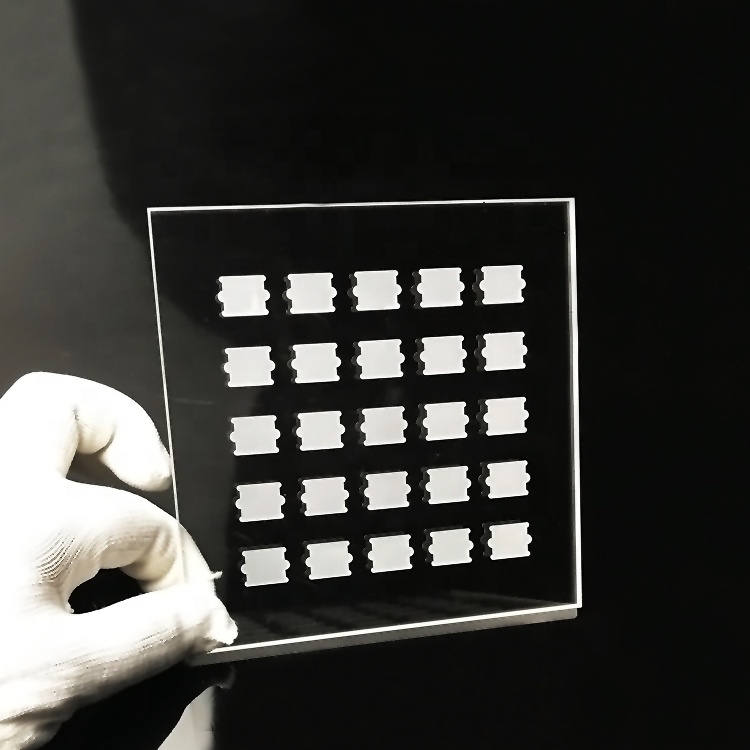
Factory Custom Fused Quartz Glass Circular High Temperature XRD Sample Holder
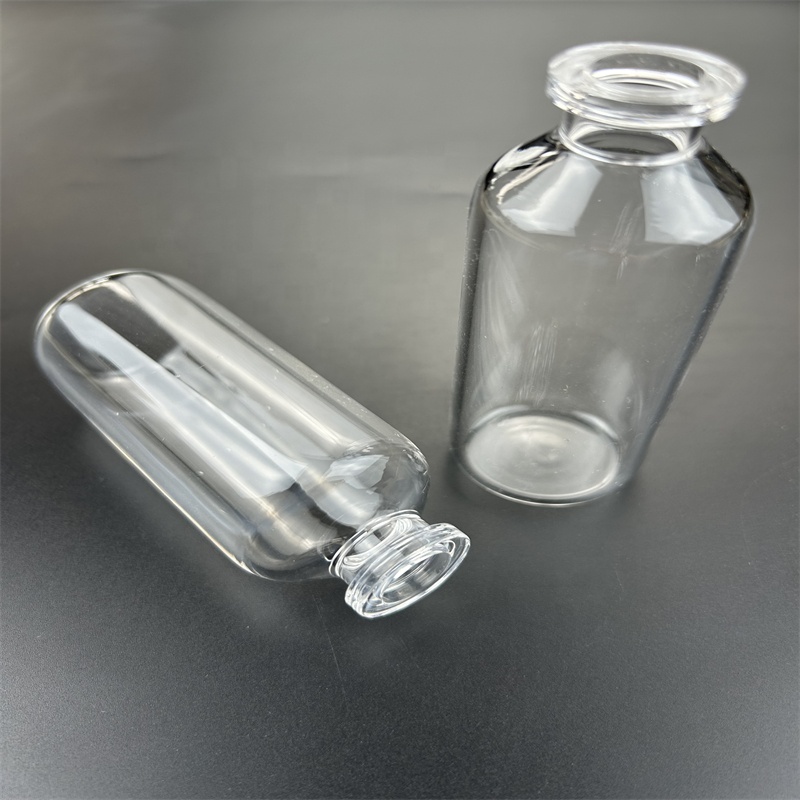
Custom High Pressure Corrosion Resistant 99.99% Pure Ozone Free Quartz Glass Ampoules
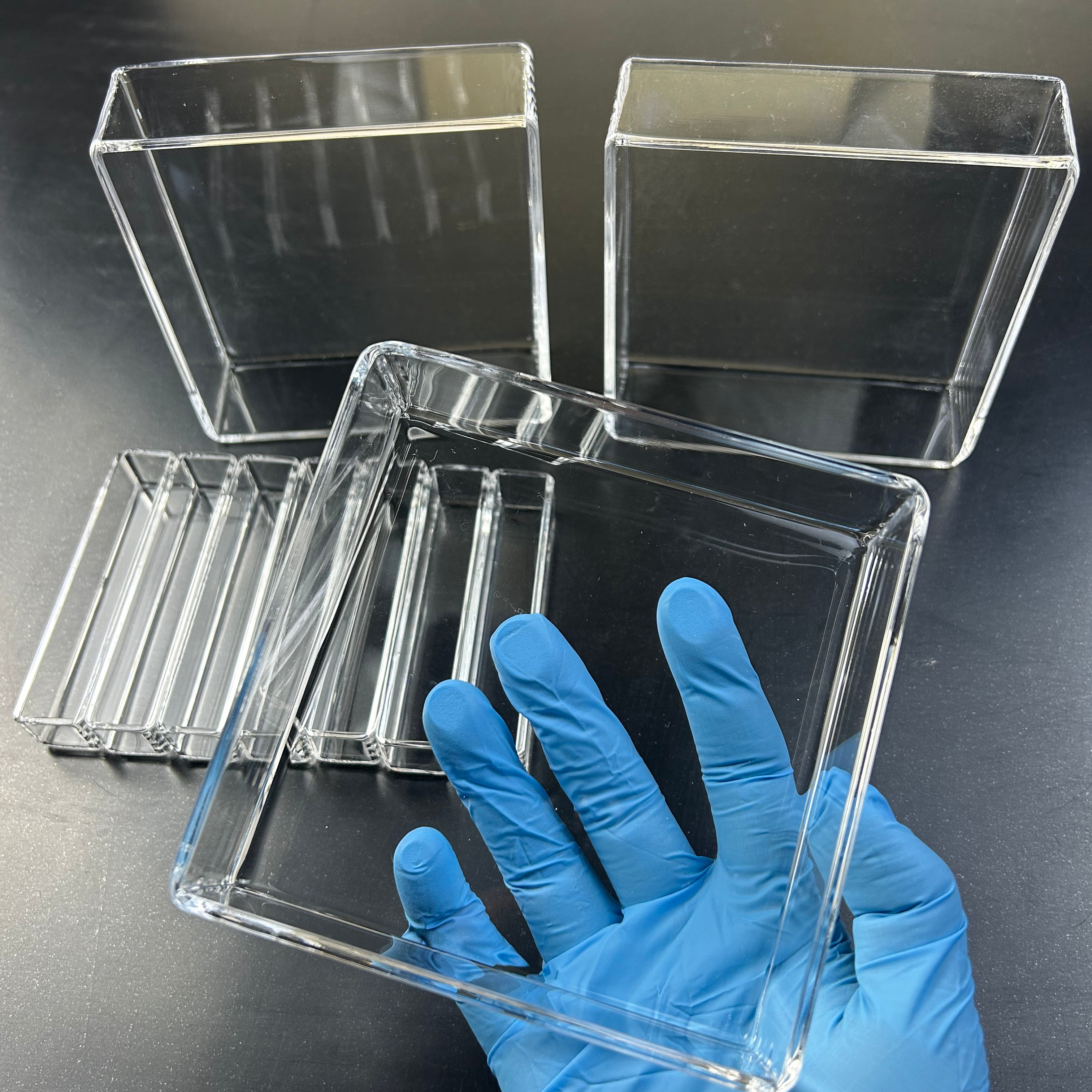
Customized Fused Quartz Glass High Temperature Circular Cylinder Crucible Tank
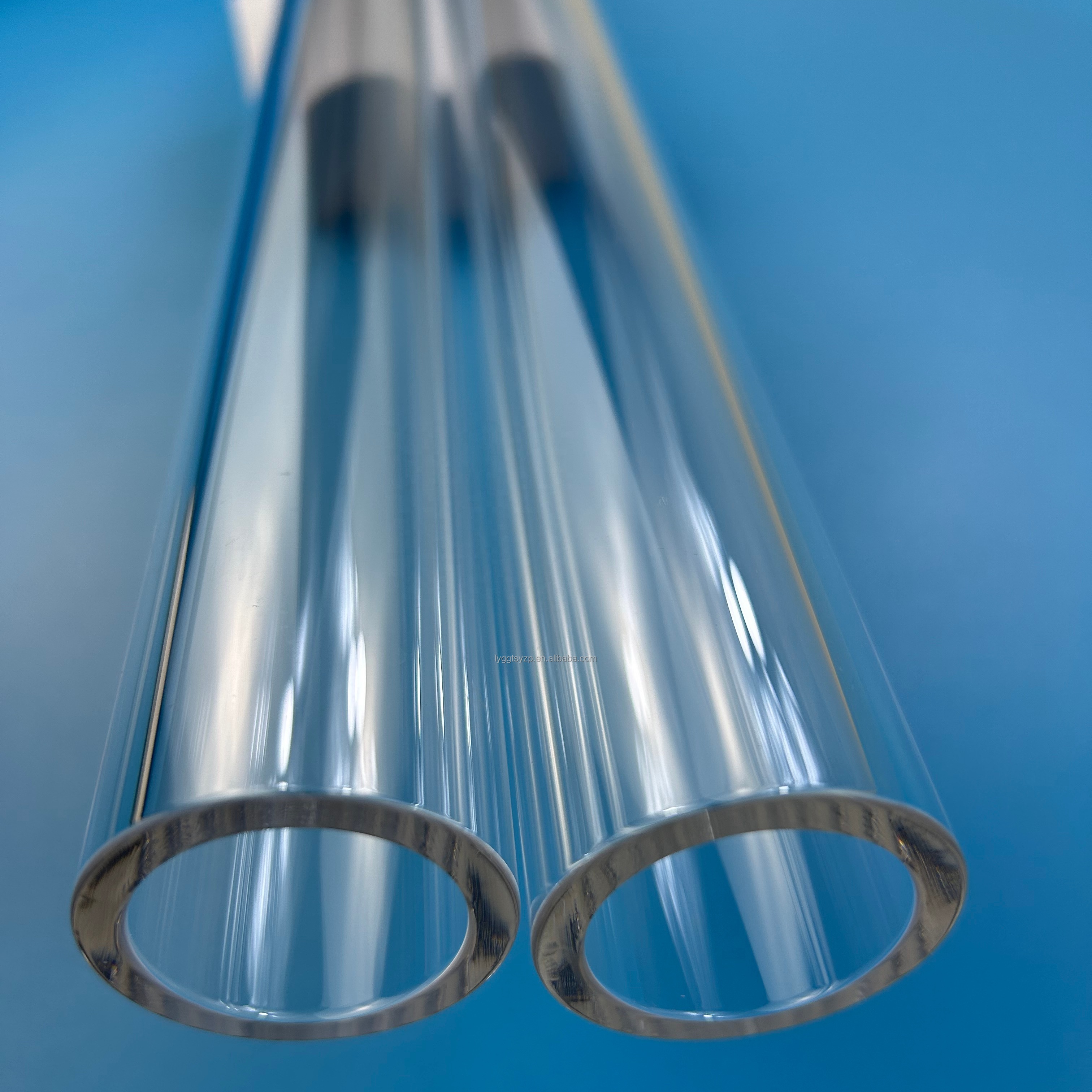
Polished Clear Quartz Twin Tube Ozone Free Heater Chemical Lab Furnace Tubes
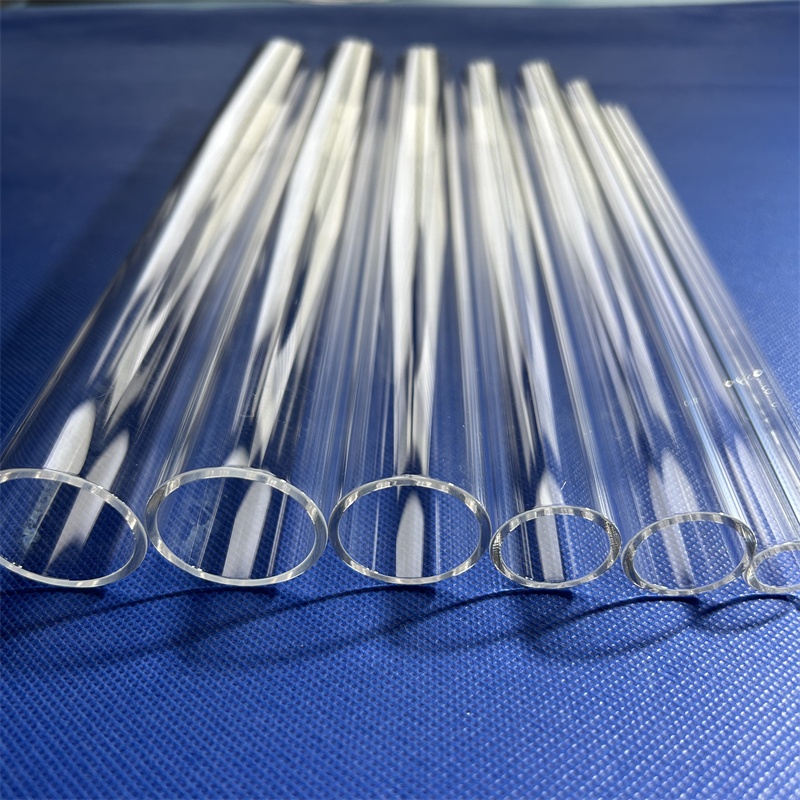
Transparent High Pressure 99.99% Pure Quartz Glass Tube for Boiler and Furnace
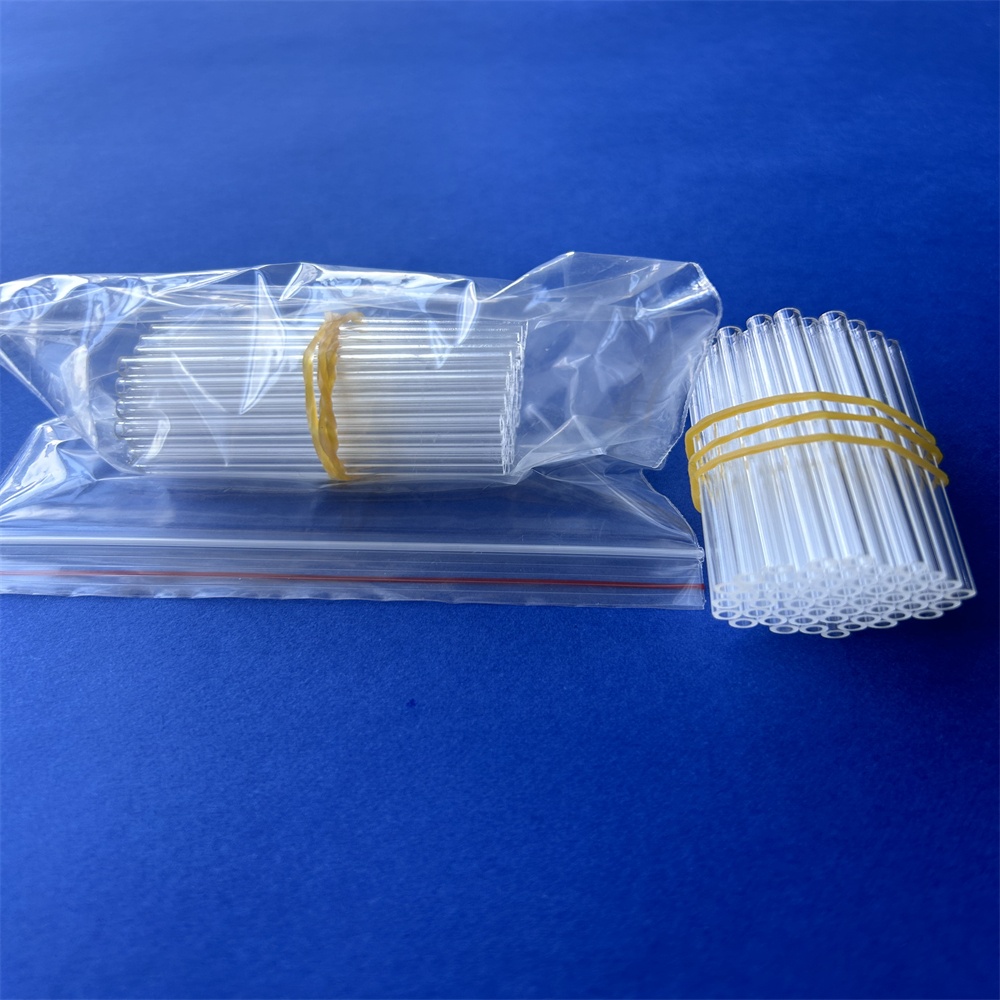
Small Diameter 0.1-20mm High Temperature Resistant Pure Quartz Capillary Tube
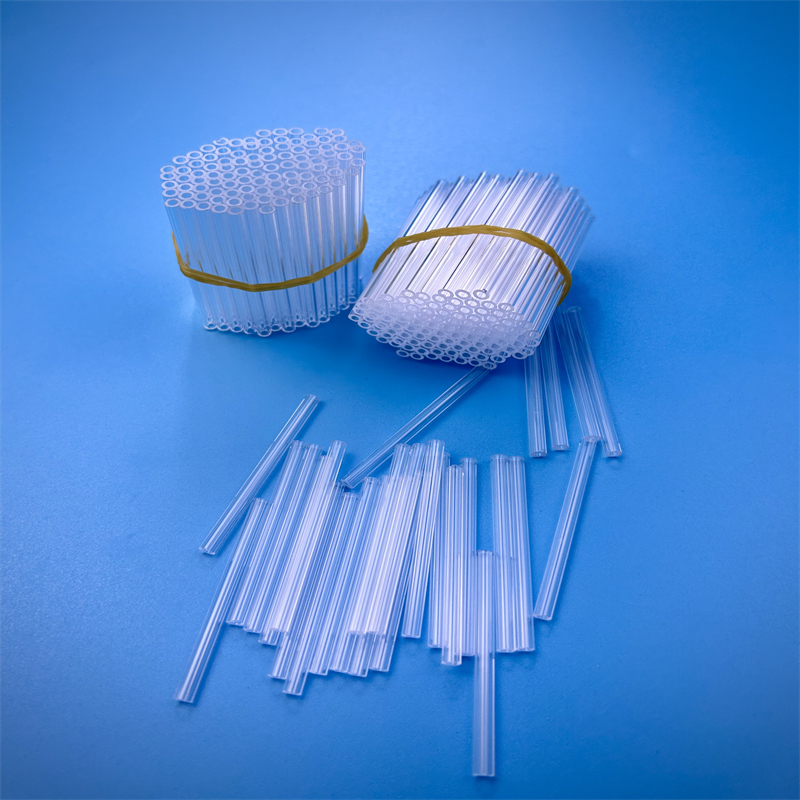
High Quality Transparent U-Bent Quartz Glass Tube Bending & Welding Services
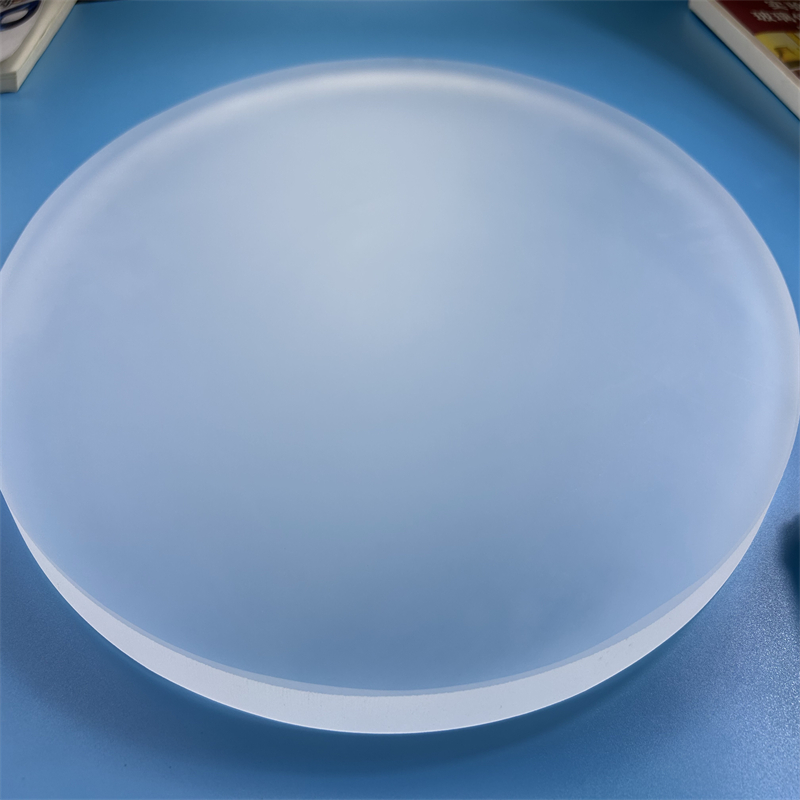
High Temperature Resistance Frosted Quartz Disc/Plate for Semiconductor Use
Technical Whitepaper: Engineering Criteria for Fused Silica Windows in Harsh Environments
In high-precision optical, thermal, and petrochemical engineering, optical viewport windows must maintain structural integrity and optical clarity while exposed to intense thermal differentials, mechanical vacuums, and chemically aggressive atmospheres. Standard borosilicate (Pyrex) glass frequently fails under shock temperatures exceeding 450°C or when exposed to ultraviolet radiation regimes beneath 300 nm. Fused silica—synthesized through the vapor-phase hydrolysis of high-purity silicon tetrachloride or electric-arc fusion of pure natural quartz crystals—provides the foundational solution for critical research and industrial installations across the Yucatán Peninsula.
Material Science Distinction: Synthetic Fused Silica (such as JGS1) yields an amorphous silicon dioxide matrix with total metallic impurities below 1 ppm, virtually eliminating optical absorption bands in the Deep Ultraviolet (DUV down to 185 nm). Natural Fused Quartz (JGS2/JGS3) preserves structural integrity up to continuous service operating temperatures of 1100°C, providing exceptional durability for high-temperature sight glasses, vacuum flange portals, and tube furnace observation ports.
Material Classifications & Spectral Bandwidth Comparison
Selecting the optimal fused silica window grade requires an analytical evaluation of spectral transmission, hydroxyl (OH⁻) content, and bubble-inclusion classes. Our manufacturing lines categorize fused silica windows into three established international optical grades:
| Optical Grade | Material Category | Optimal Transmission Range | OH⁻ Content | Primary Industrial & Scientific Uses |
|---|---|---|---|---|
| JGS1 | Synthetic Fused Silica | 185 nm – 2,500 nm (Deep UV to Vis) | Typically < 2 ppm (or ~1200 ppm for DUV) | Laser optics, photolithography, UV radiometry, CINVESTAV analytical chambers. |
| JGS2 | Optical Grade Fused Quartz | 220 nm – 2,500 nm (UV to Near-IR) | < 30 ppm | Furnace inspection viewports, plasma reactor viewports, high-temperature sight glasses. |
| JGS3 | Infrared Grade Fused Quartz | 260 nm – 3,500 nm (Vis to Full IR) | < 5 ppm (Water-Free) | Pyrometry observation ports, FTIR spectroscopy, thermal imaging containment windows. |
Beyond optical transmission, mechanical robustness under extreme thermal shock is governed by the ultra-low Coefficient of Thermal Expansion (CTE) of fused silica, which stands at approximately 5.5 × 10⁻⁷ /K between 20°C and 320°C. This is roughly one-sixth that of standard borosilicate glass. A fused silica window can be heated to 1100°C and instantly plunged into ice water without micro-cracking or undergoing mechanical fracture. This performance is vital for thermal furnaces, vacuum chambers, and autoclaves operating in tropical climates.
Thermal Equilibrium
Operates continuously at 1100°C and short-term up to 1300°C. With a softening point of 1683°C and an annealing threshold of 1215°C, these components deliver exceptional thermal stability for semiconductor furnaces and solar reactors.
Chemical Inertness
Impervious to virtually all acids (including boiling nitric, hydrochloric, and sulfuric acid) with the exception of hydrofluoric and hot concentrated phosphoric acid. Outstanding resistance to saline, marine coastal environments.
Optical Transmission
Exhibits exceptional internal transmittance exceeding 92% across broadband spectra without anti-reflective coatings. Superior UV damage threshold makes it optimal for high-energy excimer laser systems.
Mérida & Yucatán Industrial Landscape: Specialized Application Vectors
Mérida has emerged as the economic and research engine of Southeastern Mexico. The region combines academic excellence centered around the Parque Científico Tecnológico de Yucatán (PCTY) with accelerating industrialization throughout the Mérida-Hunucmá manufacturing corridor. Supplying fused silica windows and custom quartz assemblies into this specialized ecosystem requires an in-depth understanding of local engineering environments.
Academic & Research Centers: CINVESTAV, UNAM ENES & CICY
The academic cluster in Mérida conducts pioneering research in marine corrosion, photovoltaic efficiency, advanced materials characterization, and nanotechnology. Laboratories frequently operate high-vacuum chamber viewports, X-ray diffraction (XRD) sample holders, and spectroscopic flow cells. Standard glass substrates introduce chemical contamination or severe transmission cutoff below 350 nm. High-purity JGS1 fused silica discs provide zero fluorescence and baseline stability for analytical chemistry and applied physics.
Renewable Energy & Photovoltaic Testing Infrastructure
With Yucatán recording some of Mexico's highest Direct Normal Irradiance (DNI) levels, Mérida is a primary hub for solar thermal innovation and utility-scale photovoltaic research. Fused silica protective windows are utilized in concentrated solar collectors, high-flux solar simulators, and pyranometers. Their transmission stability prevents UV solarization, ensuring accurate radiometer calibration and uninhibited flux transfer into high-temperature heat-absorber tubes.
Nearshoring, Aerospace & Precision Metal Working
As tier-2 and tier-3 aerospace suppliers and precision machining enterprises expand along the Hunucmá corridor and Ciudad Industrial, the demand for industrial laser-cutting protection covers, vacuum brazing furnace windows, and pyrometric inspection viewports has expanded significantly. Our CNC-machined fused silica discs withstand molten metal spatter, maintain vacuum seal under thermal cycling, and protect sensitive optical pyrometers monitoring alloy melt pools.
Agro-Industrial, Biochemical & Marine Processing
Yucatán's expansive food, beverage, and agricultural processing industries rely on automated spectrophotometry for honey, citrus, and beverage purity testing. Additionally, marine biotechnology units studying coastal ecosystems require ozone-resistant optical reaction cells and UV sterilization reactor windows. Fused quartz eliminates leaching of alkali oxides into delicate biological samples, ensuring compliance with international purity standards.
Macro Trends Shaping Optical Component Procurement in Southeastern Mexico
Procurement directors and laboratory managers in Mérida face evolving market dynamics driven by national infrastructure modernization and global supply-chain shifts:
1. Modernization of the Deep-Water Port of Progreso: The strategic dredging and terminal expansion of Puerto de Altura de Progreso—located just 35 kilometers north of Mérida—allows direct containerized maritime access to Gulf Coast shipping channels and international transit routes. As a result, industrial equipment and precision glass imports bypass the congestion of Mexico City (CDMX) or Veracruz, reducing inland freight transit times and mitigating damage risks associated with long overland trucking routes.
2. The Nearshoring Manufacturing Transition: Global manufacturers are progressively relocating production lines to Yucatán, drawn by logistical connectivity, labor stability, and energy development projects like the Maya Train and natural gas pipeline expansions. Advanced manufacturing processes require high-spec components—such as double-sided polished optical windows, twin-tube infrared heating lamps, and customized quartz bell jars—sourced with complete material certifications and fast turnaround times.
3. Strict Standards for Research Traceability: Academic institutions and certified commercial laboratories across Yucatán require full material traceability. Commercial-grade glass without melt-run certification, bubble-inclusion ratings, or documented spectral curves is no longer accepted. Industrial buyers increasingly require standardized interferometric flatness reports, scratch-dig certifications according to MIL-PRF-13830B, and documented raw material purities exceeding 99.99% SiO₂.
Enterprise Advantages: Direct-From-Source Precision Quartz Fabrication
Lianyungang Zelvo Quartz Products Co., Ltd. operates from Donghai County, Jiangsu Province—internationally recognized as the "Crystal Capital" and the source of over 80% of China's high-purity quartz raw material reserves. Integrating raw mineral purification, electric-vacuum melting, precision CNC milling, laser micro-drilling, and optical polishing, Zelvo Quartz serves as a dedicated manufacturing partner for international research universities, high-vacuum equipment builders, and industrial processing plants in Mérida and throughout Mexico.
CNC 5-Axis Micro-Machining
Precision water-cooled grinding, ultrasonic milling, and laser micro-hole drilling down to 0.1 mm diameter with edge chip limits < 0.05 mm.
High-Precision Optical Polishing
Double-sided planetary polishing achieving surface roughness Ra < 0.5 nm, flatness down to λ/4, and scratch-dig 40/20 or 20/10 optical grades.
Vacuum Thermal Annealing
Computerized multi-stage stress-relief annealing furnaces ensure zero internal residual stress and high resistance against mechanical cleavage.
Shockproof Global Logistics
Precision multi-layer EVA foam inserts, vacuum-sealed cleanroom packaging, and heat-treated wooden crates certified for maritime or air freight.
Our engineering department reviews 2D/3D technical drawings (AutoCAD DWG/DXF, SolidWorks STEP, or annotated PDF files) within two hours during active shifts. We accommodate flexible volume requirements—from single-piece prototyping for doctoral dissertations at CINVESTAV to high-volume production runs of boiler sight glasses for agro-industrial refineries in Yucatán.
Frequently Asked Questions: Technical Procurement for Mérida & Mexican Buyers
To assist purchasing agents, import managers, and chief laboratory engineers across Mérida, our logistics and engineering teams have compiled answers to common technical, commercial, and customs inquiries:
What are the shipping options and transit timelines to Mérida, Yucatán?
For urgent prototype batches, optical windows, and custom laboratory apparatus, we utilize air courier services (DHL, FedEx, UPS) directly into Mérida International Airport (MID) or Cancún International Airport (CUN), with typical door-to-door transit times of 5 to 8 working days. For bulk industrial shipments of quartz furnace tubes, heavy sight glasses, or large bell jars, sea freight is routed directly to Puerto de Altura de Progreso (Yucatán) or via Manzanillo/Veracruz. Full Incoterms are supported, including EXW, FOB, CIF Progreso, and DDP (Delivered Duty Paid), where our clearing agents handle all import duties, VAT (IVA), and SAT customs formalities.
How do fused silica windows compare against Borosilicate (Pyrex) in thermal and optical stress?
While borosilicate glass 3.3 is economical for routine lab glassware, it has an operating ceiling of roughly 450°C to 500°C and a thermal expansion coefficient of 3.3 × 10⁻⁶ /K—nearly six times higher than fused silica (0.55 × 10⁻⁶ /K). Consequently, borosilicate cannot withstand sudden thermal cycling across wide gradients without catastrophic fracturing. Optically, borosilicate absorbs heavily below 320 nm, making it unsuitable for UV spectroscopy, excimer laser setups, or solar radiometry. Fused silica delivers exceptional broadband transmission down to 185 nm and operates reliably up to 1100°C continuous service.
Can we order custom dimensions, non-standard shapes, and step-ground flange windows?
Yes. Custom drawing-based fabrication is our core specialty. Our workshop handles circular discs, rectangular plates, stepped sight glasses, drilled laser viewports, beveled prisms, and flanged vacuum sight portals. Tolerances can be held to ±0.05 mm on diameter, ±0.02 mm on thickness, and parallelism < 10 arcseconds. Customers in Mérida can send sketches or 2D/3D CAD models for immediate review by our engineering team.
What customs classification (Fracción Arancelaria) applies to fused quartz windows entering Mexico?
Fused silica and quartz components generally fall under HS Code / Fracción Arancelaria 7002.31.00 (Tubes of fused quartz or other fused silica) or 7002.39.00 / 7017.10.00 (Laboratory, hygienic or pharmaceutical glassware of fused quartz or other fused silica). Optical-grade plates and laser windows mounted or unmounted may classify under Chapter 90 (9001.90). We provide complete commercial invoices, packing lists with net/gross weights, certificates of origin, and material data sheets (MDS) to ensure smooth customs clearance through Mexico's SAT (Servicio de Administración Tributaria).
How do you protect fragile fused silica windows against transit vibration and maritime shock?
Every optical plate and quartz tube undergoes cleanroom washing, surface masking with static-free optical film to prevent abrasion, and wrapping in shock-absorbent sealed PE envelopes. Parts are encased within custom high-density, die-cut EVA foam molds inside heavy-duty corrugated cartons. For ocean and heavy freight, these cartons are secured inside ISPM-15 compliant, export-fumigated plywood crates equipped with shock and tilt indicators. We provide a 100% replacement guarantee in the rare event of transit-induced damage.
What is your Minimum Order Quantity (MOQ) and payment options for Mexican commercial accounts?
Our standard MOQ is just 1 piece for custom engineered quartz plates, window viewports, crucibles, and specialized laboratory apparatus. Consumables like small capillary tubes or BET analysis bulbs typically start at 10 pieces. Payment is accepted via international wire transfer (T/T), confirmed Letter of Credit (L/C) for commercial containers, credit card, or PayPal for fast prototype payments. Transactions can be settled in USD, EUR, or MXN equivalent.
Connect Directly with Our Quartz Engineering Team
Whether you require standard JGS1 optical sight windows, custom-bored vacuum viewports, or high-temperature quartz consumables for your facility in Mérida, our engineers provide complete drawing reviews and formal quotations within two hours.
Send an Inquiry