Whitepaper: High-Purity Fused Quartz Ampoules in Modern Pharmaceutical Infrastructure
In modern biopharmaceutical manufacturing, clinical assay preservation, and sterile parenteral distribution, packaging reliability is an absolute operational metric. While standard medical ampoules have historically utilized Type I borosilicate formulations, the continuous emergence of high-potency biologics, synthetic mRNA structures, concentrated peptide chains, and highly sensitive radiopharmaceuticals has exposed critical physical boundaries in commercial glassware.
Borosilicate glass incorporates substantial network modifiers, specifically boron trioxide (B₂O₃), sodium oxide (Na₂O), and aluminum oxide (Al₂O₃). When exposed to complex formulation matrices across extended shelf lives—particularly aqueous suspensions with shifting ionic strength or extreme pH values (pH < 3 or pH > 8.5)—borosilicate surfaces undergo hydrolytic leaching. This reaction drives micro-scale phase separation, glass delamination flakes, and fatal shifts in chemical titers. Fused quartz ampoules fabricated from ≥ 99.99% pure synthetic silicon dioxide (SiO₂) eradicate this vulnerability entirely.
Material Superiority: Fused Quartz vs. Type I Borosilicate Glass
Engineers, analytical chemists, and procurement teams evaluating primary packaging standards must weigh physical, thermal, and chemical attributes. The structural matrix of pure fused quartz is composed entirely of interconnected silicon-oxygen tetrahedra without network disruptors, delivering world-class stability across all environmental vectors.
| Performance Metric | Medical-Grade Fused Quartz (Zelvo Standard) | Standard Type I Borosilicate Glass | Operational Significance for Labs |
|---|---|---|---|
| Purity (SiO₂ Content) | ≥ 99.99% (Ultra-trace metallic impurities) | ~ 80 - 81% (Contains B₂O₃, Na₂O, Al₂O₃) | Zero leaching of alkaline earth ions into solution |
| Max Continuous Temperature | 1100 °C (Short term up to 1300 °C) | ~ 490 °C - 510 °C | Withstands dry-heat pyrogen destruction protocols |
| Coefficient of Thermal Expansion | 5.5 × 10⁻⁷ /K (Virtually zero expansion) | 32 – 33 × 10⁻⁷ /K | Immune to thermal shock during liquid nitrogen immersion |
| Spectral UV Transmission (254nm) | > 90% (Optical / Deep UV transparency) | < 20% (Cutoff typically near 300nm) | In-situ photochemical synthesis & UV sterilization |
| Softening Point | ~ 1683 °C | ~ 820 °C | Hermetic flame-sealing under high-vacuum conditions |
| Hydrolytic Resistance Class | Type I Superior / Indifferent Matrix | Type I (Subject to ion-exchange corrosion) | Extended 5+ year shelf-life without pH drift |
Localization Landscape: Applications Across Villa Nueva & Greater Guatemala
Villa Nueva has rapidly emerged as Guatemala's central node for logistical distribution, contract pharmaceutical manufacturing, industrial testing, and biomedical supply chain infrastructure. Positioned strategically within the Department of Guatemala, industrial zones along the CA-9 South corridor serve as key conduits for hospital networks, veterinary research institutes, agrochemical analysis facilities, and pharmaceutical packaging plants across Central America.
Parenteral Biologic & Peptide Storage
Local formulation laboratories packaging lyophilized peptides, active biological substances, and intravenous reagents utilize quartz ampoules to preserve drug stability against aggressive tropical humidity and temperature swings.
Cryogenic Genetic Preservation
Agricultural and bio-research centers in Villa Nueva rely on the near-zero thermal expansion coefficient of fused quartz to flash-freeze genetic material, vaccine seeds, and microbial strains into liquid nitrogen without risk of fracture.
Industrial Gas & Reagent Sealing
Custom flame-sealed ampoules containing certified reference standards, volatile organic compounds (VOCs), and aggressive reagents for environmental monitoring along Lake Amatitlán and southern industrial corridors.
High-Temperature Pyrogen Depyrogenation
Thermal stability up to 1100°C allows laboratories to perform prolonged dry-heat depyrogenation cycles far exceeding the thermal envelope of borosilicate, ensuring total destruction of endotoxins.
UV-Activated Photochemical Assays
With UV transmission extending below 200 nm, analytical facilities conduct direct spectrophotometric analysis and UV-cured chemical stabilization directly through the ampoule wall without container decanting.
Chemical Reference Material (CRM) Packaging
Contract laboratories formulating primary titration and chromatography standards benefit from impermeable hermetic seals that eliminate solvent evaporation and ambient vapor contamination.
Emerging Procurement & Technological Trends in Central America
Procurement dynamics within Villa Nueva and the broader Northern Triangle are shifting from low-cost consumable sourcing toward rigorous supply-chain de-risking and regulatory alignment. Several key macro trends define this evolution:
- Nearshoring of Formulation Facilities: Multinational healthcare groups and regional pharmaceutical leaders are establishing secondary fill-and-finish hubs in industrial parks around Villa Nueva. These facilities require primary packaging that satisfies both local MSPAS (Ministerio de Salud Pública y Asistencia Social) guidelines and stringent US FDA / EMA export standards.
- Adoption of Flame-Sealed Vacuum Ampoules: With the expansion of temperature-sensitive biologics, companies are abandoning elastomeric rubber stoppers—which risk gas permeation, leaching of vulcanizing agents, and coring particles—in favor of hermetically flame-fused quartz neck ampoules.
- Demand for Rapid Prototyping (1-Piece MOQ): Research facilities can no longer tolerate high minimum order thresholds (often 50,000+ units) imposed by legacy pharmaceutical glass manufacturers. Direct access to manufacturer fabrication with 1-piece minimums enables rapid pilot testing and custom dimensional iterations.
Precision Manufacturing Protocols: From Donghai Raw Crystal to Sterile Delivery
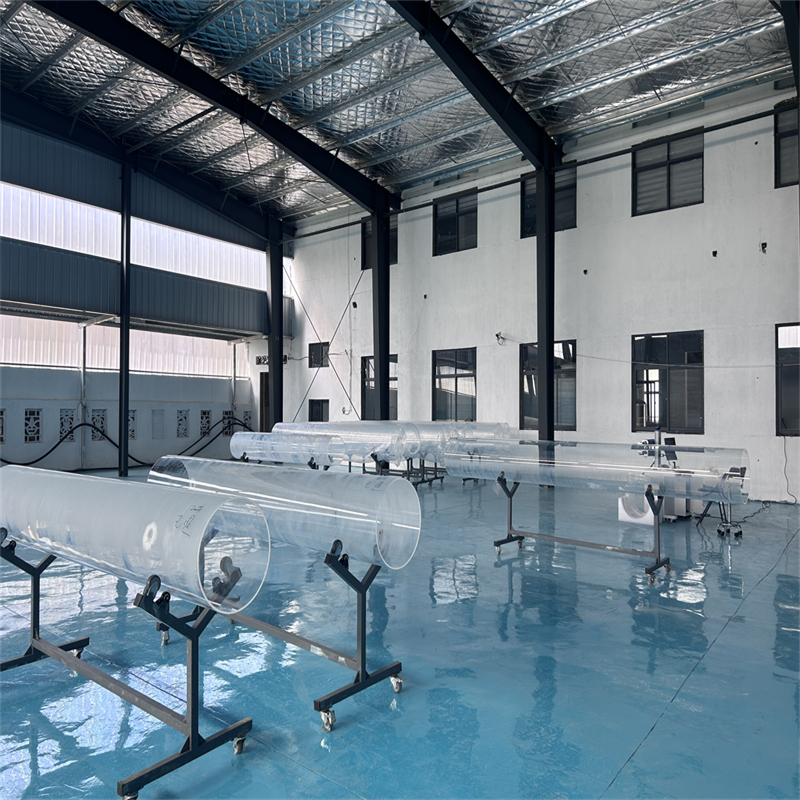
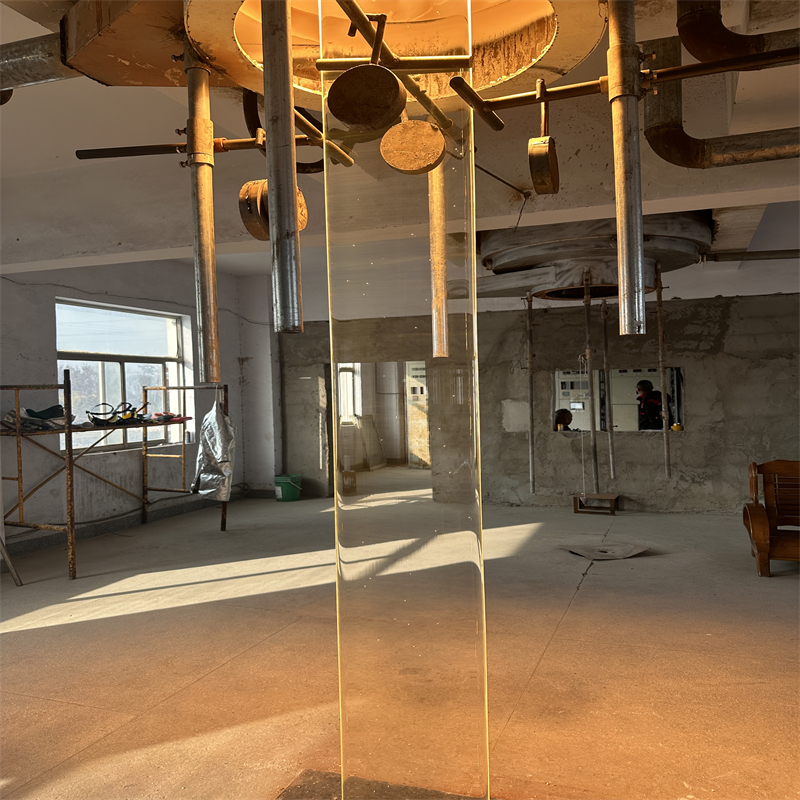
Lianyungang Zelvo Quartz Products Co., Ltd. operates from Donghai County, Jiangsu Province—globally acknowledged as China's crystal hub and raw quartz heartland. Fabricating medical-grade ampoules demands an uncompromising series of metallurgical and thermal operations:
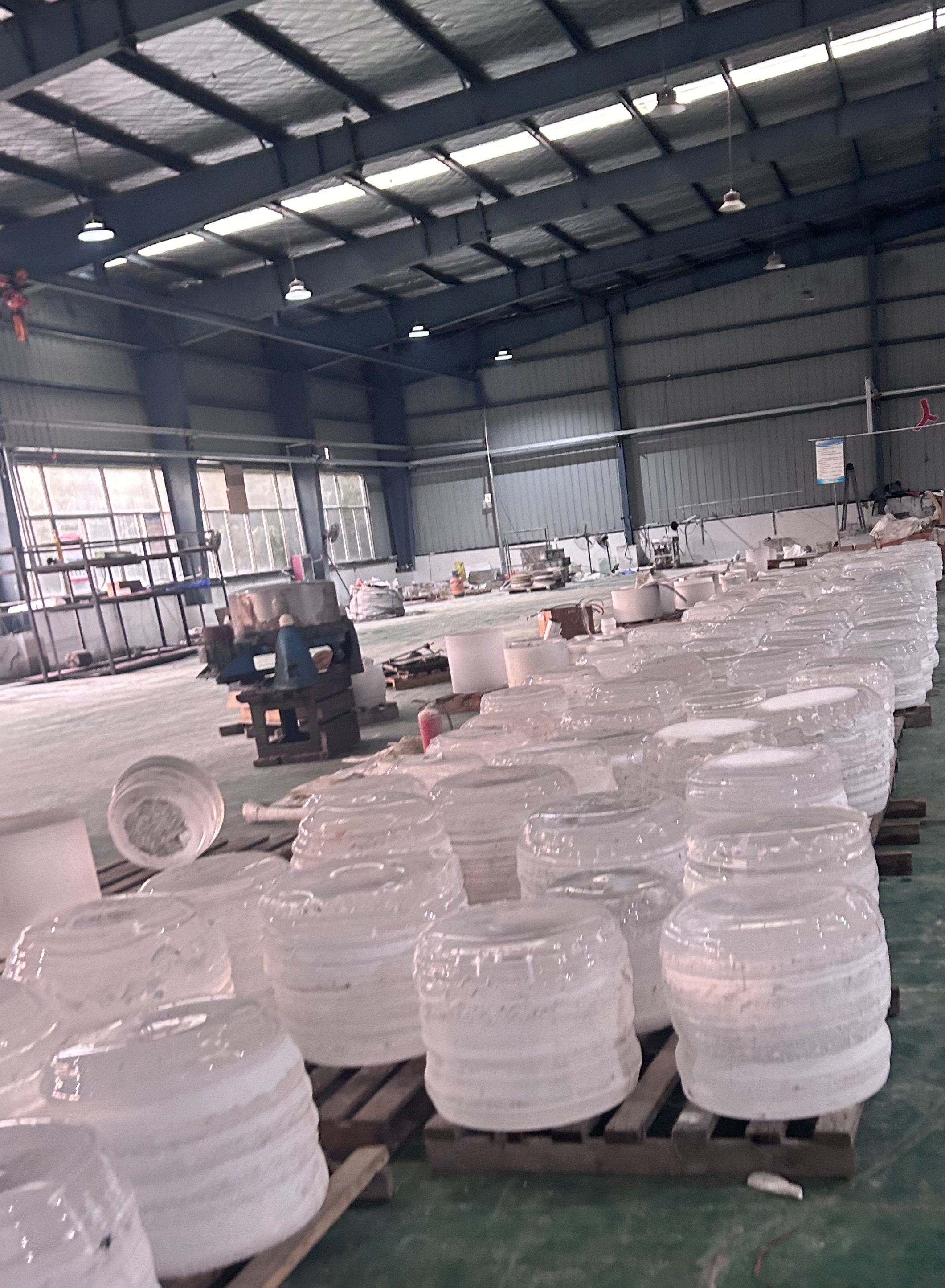
1. Raw Quartz Selection & Smelting: Natural quartz crystal undergoes electrostatic separation, hot-acid leaching, and high-temperature thermal purification to reach ≥ 99.99% SiO₂. Hydroxyl (OH⁻) content is tightly monitored depending on whether deep-UV transmission or extreme thermal annealing stability is required.
2. Precision Dimensional Lathe Drawing: Quartz glass tubing is drawn using precision computerized diamond tooling and high-stability oxygen-hydrogen flame beds. Wall thicknesses are regulated within micro-tolerances (±0.02 mm to ±0.05 mm), ensuring uniform burst pressure resistance during high-pressure sterilization or autoclaving.
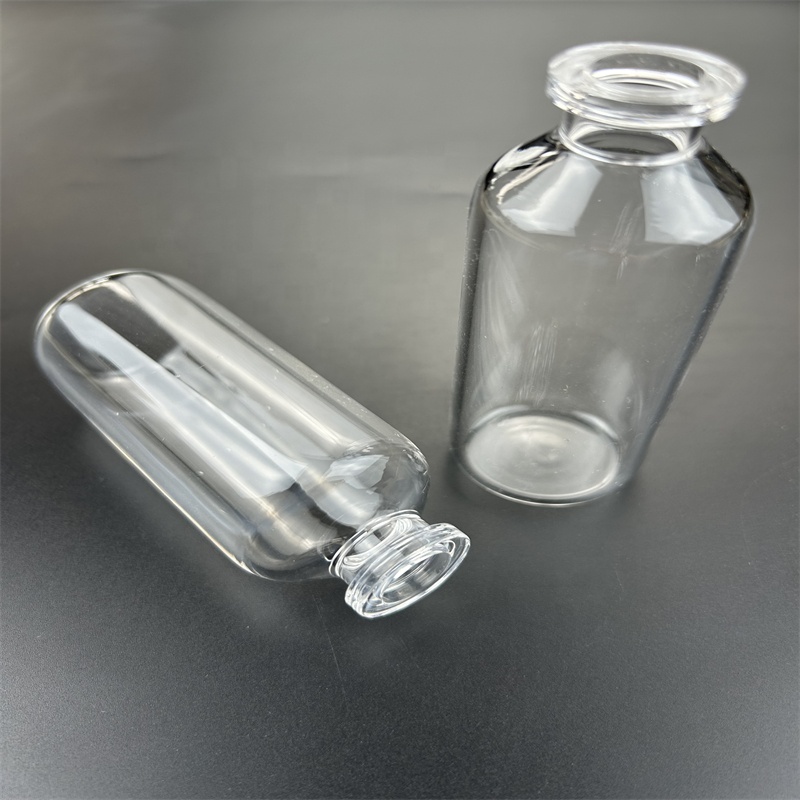
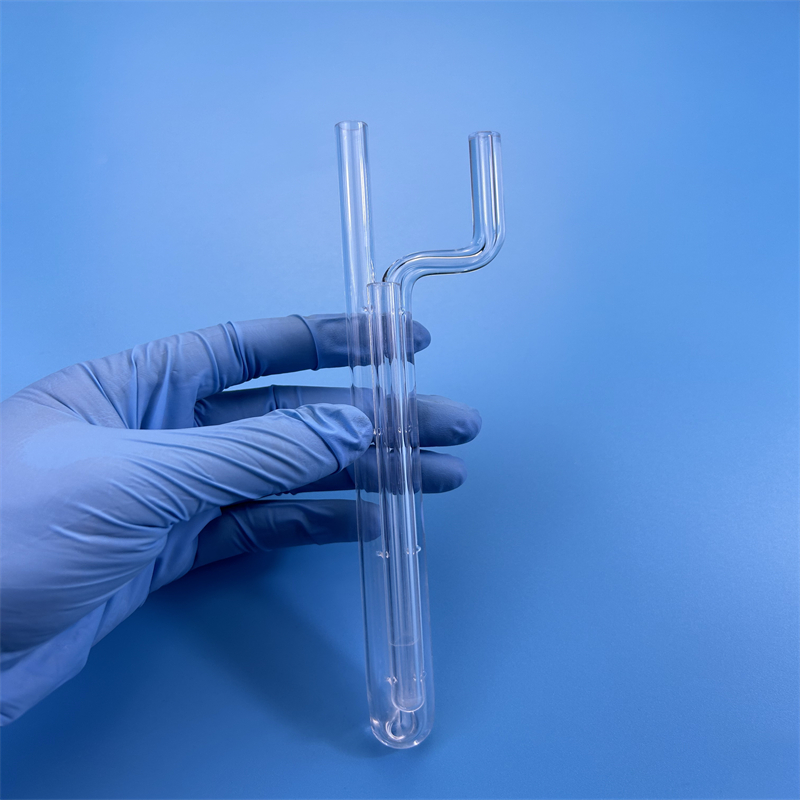
3. Constriction Forming & Bottom Configuration: Specialized glassmakers construct the ampoule neck, forming calibrated constriction zones optimized for manual torch sealing or automated production sealing heads. Base options include round bottom (ideal for pressure containment) or flat bottom (for free-standing automated tray transport).
4. Controlled Annealing & Stress Relief: Following intense mechanical forming, the ampoules undergo systematic annealing at approximately 1215°C in controlled atmospheres, followed by slow cooling. This process releases all latent thermodynamic stresses introduced during flame working, eliminating stress-induced shattering.
5. Cleanroom Ultrasonic Washing & QC Release: Finished units pass through multi-stage ultrasonic baths using 18.2 MΩ·cm deionized water, followed by class 10,000 cleanroom drying. Bubble, inclusion, and striation inspections are verified under polarized optical analyzers before shock-resistant packaging.