Engineered Quartz Components & Optical Plates
Direct manufacturer fulfillment for Ho Chi Minh City (Saigon Hi-Tech Park, Thu Duc, Dong Nai, Binh Duong). Available from 1-piece R&D sample prototyping to high-volume containerized industrial runs.
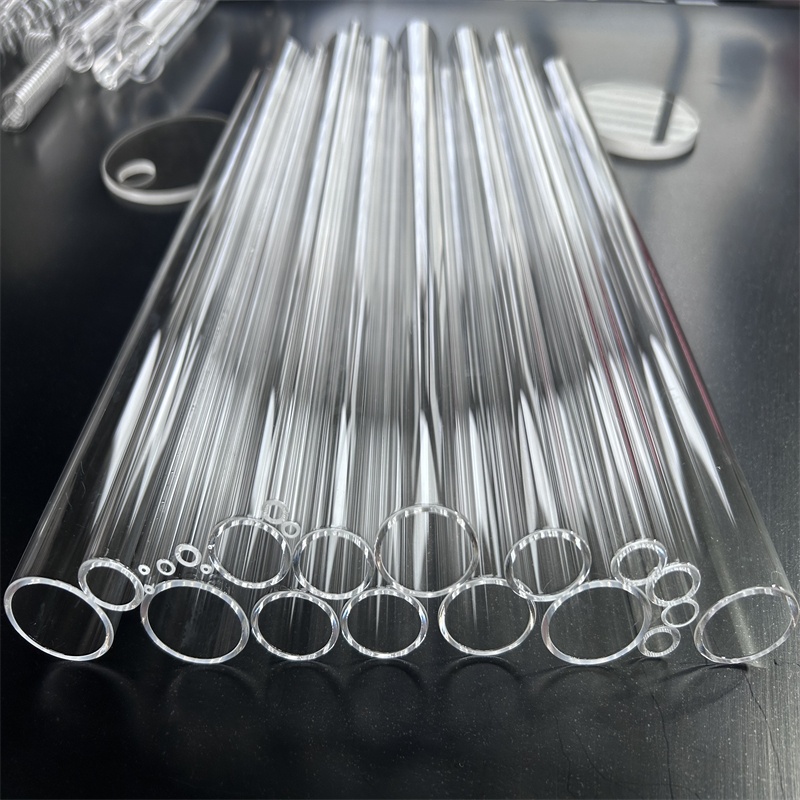
High Temperature Clear 99.99% Fused Quartz Twin Tube
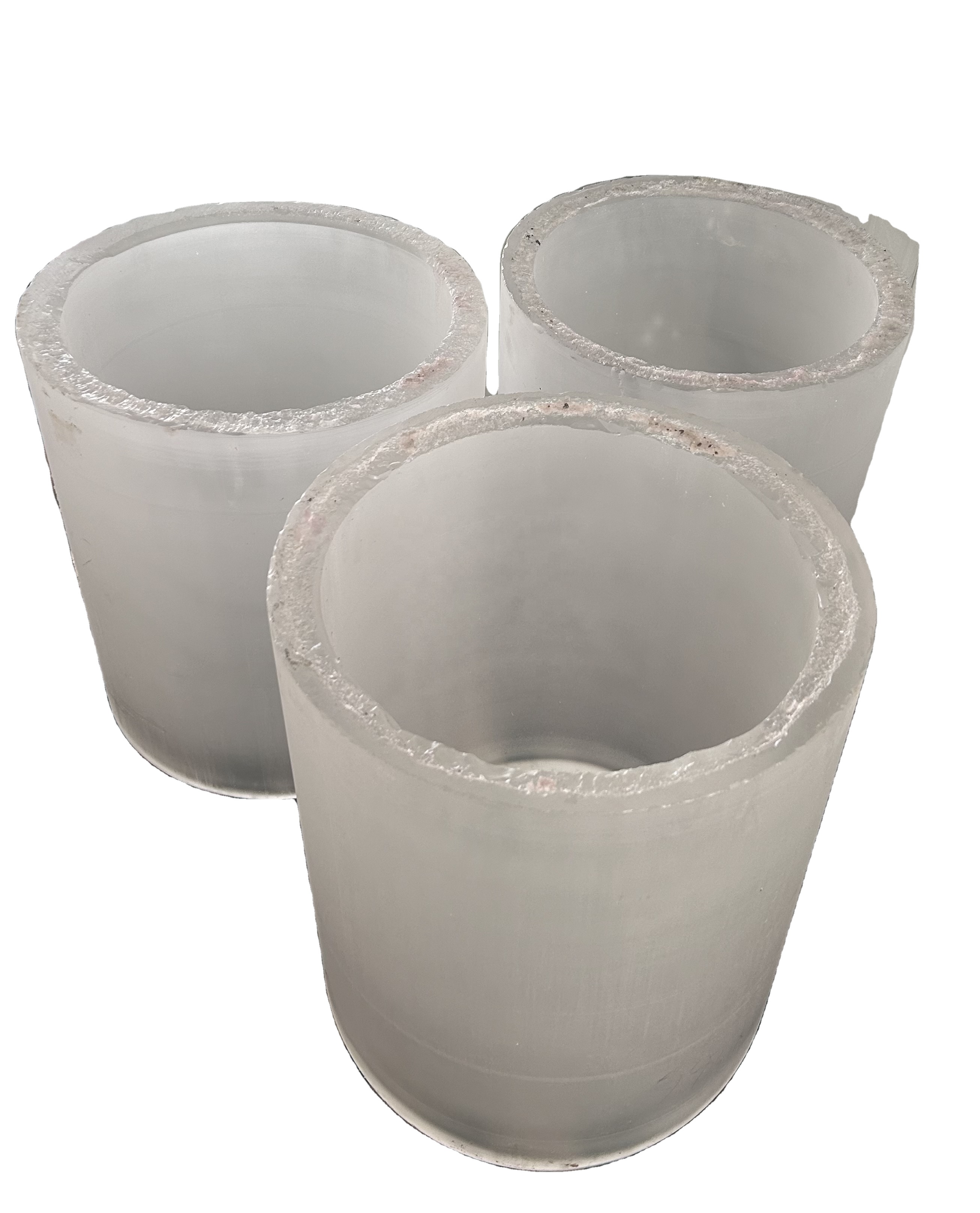
Open Ended Fused Quartz Frosted Glass Cylinder Ingot
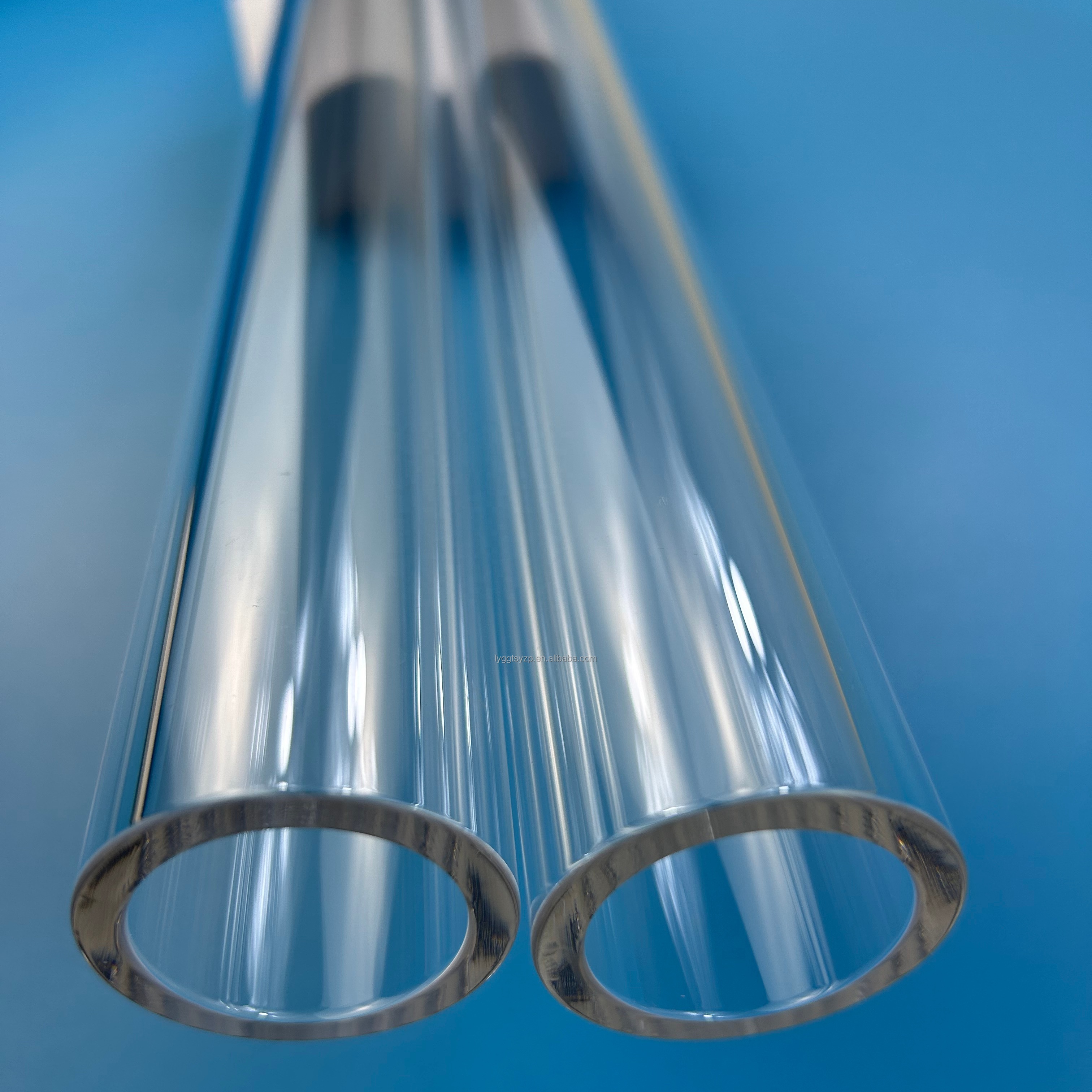
Polished Clear Quartz Twin Tube Ozone-Free Furnace Heater
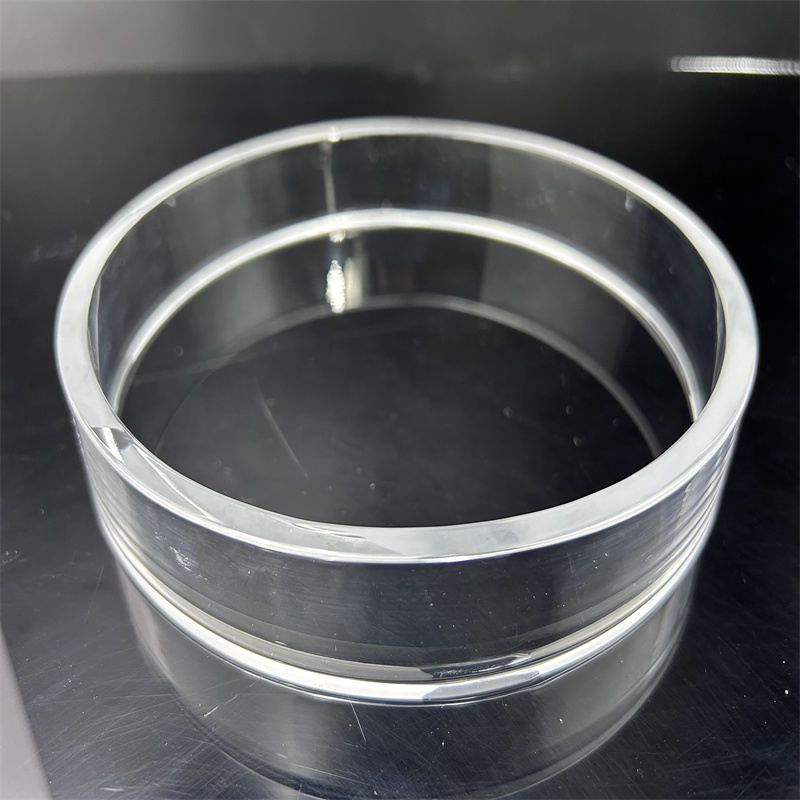
Corrosion-Resistant High-Purity Fused Quartz Bell Jar
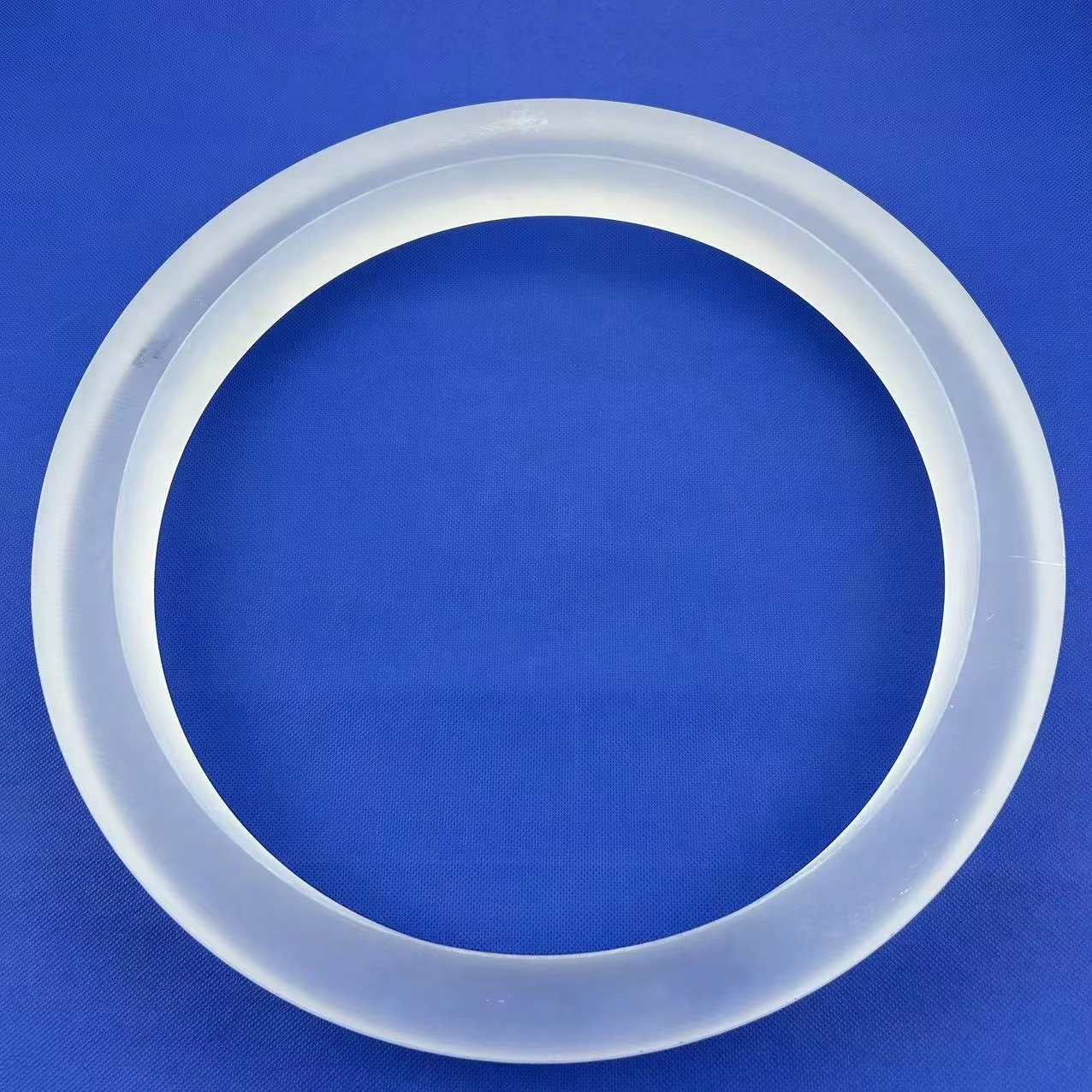
Custom Coated 99.99% Pure Quartz Rings for CVD & Optics
High-Precision Optical Grade Polished Quartz Glass
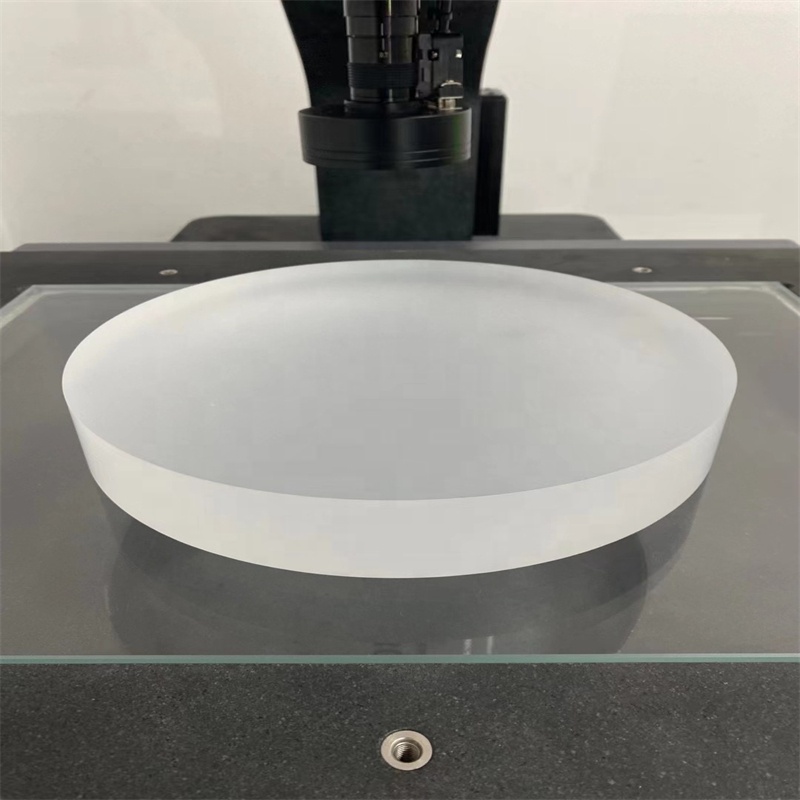
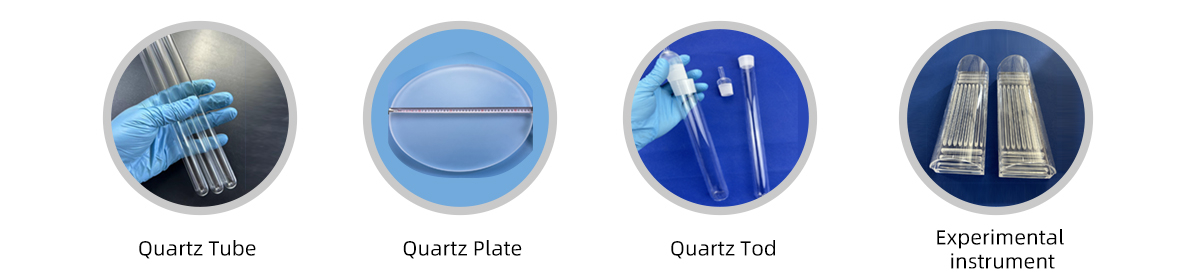
Clear Fused Quartz Plate (1100°C Resistant Glass Sheet)
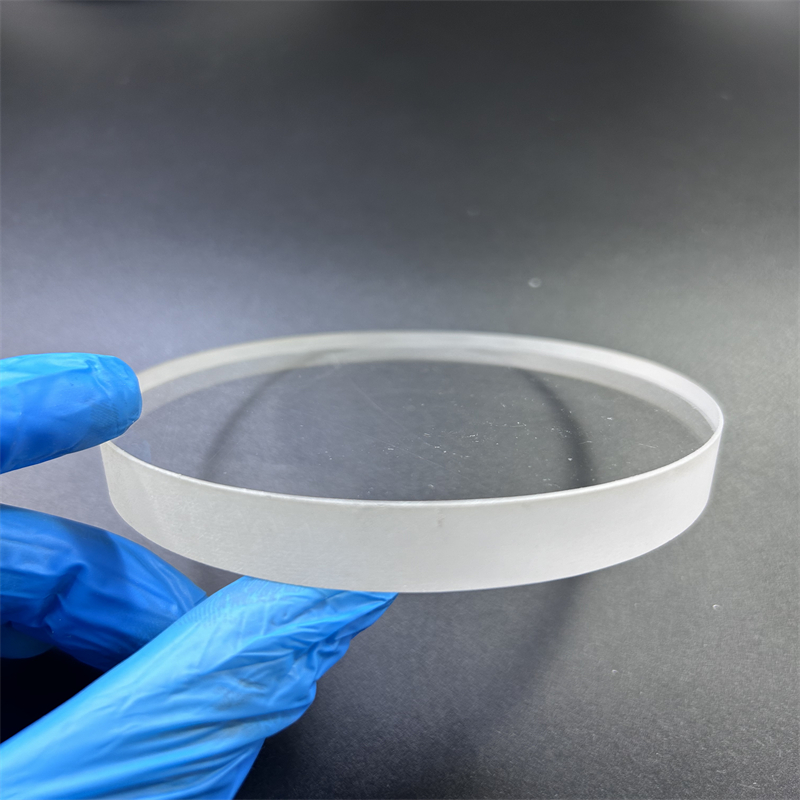
UV Fused Quartz Window Disc & Flat Inspection Plate
Optical UV Fused Quartz Window Engineering & Metrology
An authoritative engineering analysis for procurement officers, optical designers, and cleanroom equipment engineers operating in Ho Chi Minh City’s southern electronics corridor.
Optical quartz window plates are critical components across high-reliability optoelectronic, semiconductor lithography, and photochemical systems. Unlike standard borosilicate or soda-lime glass, which exhibits catastrophic solarization and near-zero transmission beneath 300 nm, synthetic and fused silica quartz plates maintain superior spectral transmission down into the deep-ultraviolet (DUV, 185 nm – 260 nm) and vacuum-ultraviolet (VUV) bands.
For manufacturers in Ho Chi Minh City and the greater southern key economic zone (Binh Duong, Dong Nai, Ba Ria-Vung Tau), selecting between natural fused quartz (JGS2) and synthetic fused silica (JGS1) is a critical technical trade-off involving raw material stoichiometry, hydroxyl (OH-) radical concentrations, laser damage thresholds (LDT), and thermal stress margins.
Our Donghai-based manufacturing facility synthesizes ultra-high purity silicon dioxide ($SiO_2 \ge 99.999\%$ for JGS1 grade), suppressing metallic trace impurities (Fe, Ti, Al, Cu) below 0.1 parts per million (ppm). This chemical perfection eliminates ultraviolet absorption edges, prevents lattice vacancy entrapment, and guarantees sustained laser irradiation survival without discoloration, micro-fracturing, or thermal runaway in tropical manufacturing climates.
| Material Parameter / Characteristic | JGS1 (Synthetic Fused Silica) | JGS2 (Optical Fused Quartz) | JGS3 (Infrared Optical Quartz) | Test Standard / Metrology |
|---|---|---|---|---|
| Primary Usable Transmission Range | 185 nm – 2,500 nm (DUV / UV-Vis) | 220 nm – 2,500 nm (UV-Vis) | 260 nm – 3,500 nm (Visible-NIR) | PerkinElmer Lambda 1050+ UV/Vis/NIR |
| Transmittance @ 254 nm (10mm Path) | ≥ 90.5% (Bare Substrate) | ≥ 86.0% | ≥ 82.0% | Spectrophotometry @ 23°C |
| Hydroxyl Group (OH-) Content | High OH (> 800 - 1200 ppm) | Medium OH (≈ 150 - 200 ppm) | Low OH (< 5 ppm) | FTIR Infrared Absorption |
| Refractive Index ($n_d$ @ 589.3 nm) | 1.45846 | 1.45850 | 1.45840 | V-Block Pulfrich Refractometry |
| Thermal Expansion Coeff. (0–300°C) | $5.5 \times 10^{-7}\text{ /K}$ | $5.5 \times 10^{-7}\text{ /K}$ | $5.4 \times 10^{-7}\text{ /K}$ | Dilatometer Measurement |
| Continuous Working Temperature | 1,100 °C | 1,100 °C | 1,150 °C | Vacuum Furnace Annealing |
| Laser Damage Threshold (1064nm, 10ns) | > 10 J/cm² | > 6 J/cm² | > 5 J/cm² | ISO 21254 Pulsed Laser Protocol |
| Internal Bubble & Inclusion Class | Class 0 (Bubble-free per DIN 58927) | Class 1 / Class 2 | Class 1 | Laser Scattering Tomography |
Localized Applications in HCMC Industrial Clusters
Custom engineered to withstand tropical ambient humidity while meeting nanometer-scale tolerances across Vietnam's flagship high-tech zones.
Semiconductor Packaging & Wafer Testing (SHTP)
Serving cleanroom ATP (Assembly, Test, Packaging) fabs inside Saigon Hi-Tech Park (District 9, Thu Duc City). Our optical quartz windows serve as inspection viewports, laser trim plates, and thermal barrier sight glasses inside vacuum chambers without optical distortion.
High-Intensity UV Curing & Optical Bonding
Critical for smartphone camera module assembly, FPC flex-circuit lamination, and microelectronics lines across Binh Duong (VSIP I, II, III) and Dong Nai (Bien Hoa). Precision UV quartz plates transmit 365nm/395nm LED and mercury lamp energy without yellowing or warping.
AOP Industrial Wastewater & Desalination
Protecting germicidal UV-C (254nm) excimer and high-output amalgamation lamps within water purification and toxic effluent treatment systems along the Dong Nai and Saigon river industrial basins. Zero corrosion against chemical washdowns and ozone gas exposure.
University R&D & Photolithography
Supplying research teams at Vietnam National University HCMC (VNU-HCM), Bach Khoa (HUT), and international biotechnology labs with single-piece custom-milled optical cuvette plates, XRD quartz substrate holders, and precision spectrometer windows.
Macro Trends Reshaping Quartz Demand in Southern Vietnam
How Vietnam's National Semiconductor Strategy 2030 and multinational electronics investments are accelerating demand for tight-tolerance optical quartz glass.
FDI Influx into Advanced ATP Packaging
With Intel, Amkor, Hana Micron, and tier-1 OSAT (Outsourced Semiconductor Assembly and Test) suppliers committing billions into southern Vietnam, manufacturing focus is leaping from basic consumer assembly to high-precision backend IC packaging. This pivot requires quartz inspection windows capable of enduring corrosive etching chemistry, plasma cleaning, and deep thermal shock cycling.
Overcoming Tropical Humidity & Micro-Fogging
Ho Chi Minh City operates under annual relative humidity levels exceeding 75–85%. Standard optical glass windows suffer from surface alkali leaching, chemical weathering, and micro-clouding. In response, southern Vietnamese fabs are systematically replacing glass viewing apertures with hydrophobic, high-purity synthetic fused quartz with sub-nanometer surface roughness (Ra < 0.5 nm).
Fast-Turn Direct Sourcing & Low MOQs
Vietnamese R&D facilities and equipment repair hubs historically faced 10-14 week lead times when importing custom optical quartz plates from North America or Europe. Zelvo Quartz provides direct factory supply from Donghai with 2-hour drawing review and 7-day express fabrication, backed by rapid customs dispatch through Cat Lai Port and Tan Son Nhat Air Cargo.
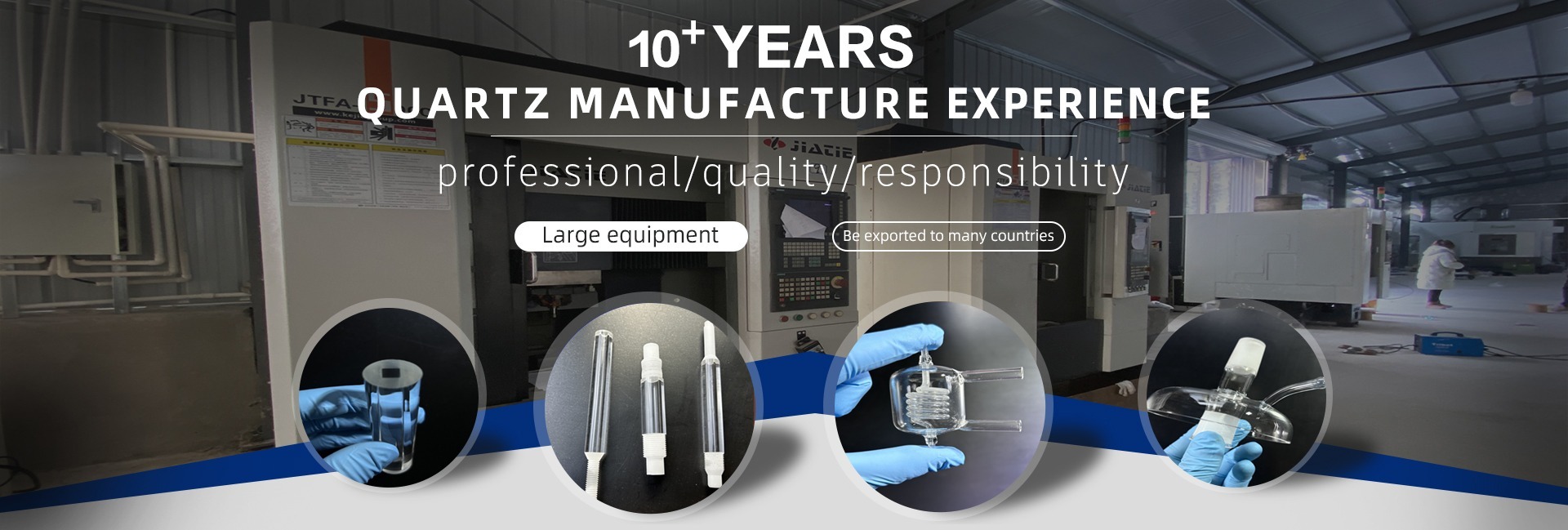
Raw Material Origin & CNC Optical Machining Prowess
Direct from Donghai County, Jiangsu Province — China’s world-renowned quartz capital — to Vietnam’s high-tech production floors.
99.99% - 99.999% Pure SiO₂
Unmatched raw crystal reserves in Donghai ensure total purity control. Guaranteed zero bubble inclusions, non-detectable striations, and stable dielectric performance under high-frequency RF environments.
Sub-2-Hour Technical Response
Direct communication with veteran optical and ceramic glass engineers. CAD/CAM DXF and STEP drawing feasibility reviews, tolerance checks, and DFM optimizations delivered in English within 2 hours.
1-Piece MOQ For Prototyping
Eliminating procurement friction for experimental cleanrooms and maintenance engineers. Order a single custom-drilled window plate or thousands of matched production disks with identical precision.
Optical CNC Machining & Coating
5-axis CNC ultrasonic milling, laser micro-hole drilling (Ø 0.2mm), step slotting, flame polishing, double-side planetary lapping (λ/10 flatness), and precision single/dual-wavelength AR thin-film coatings.
Precision Optical Fabrication & Quality Metrology
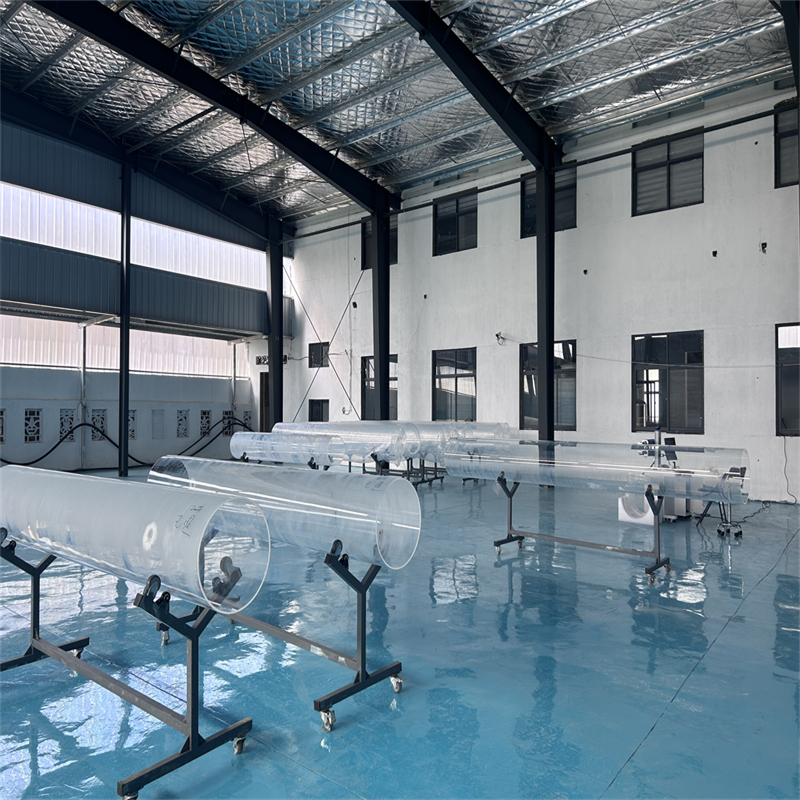
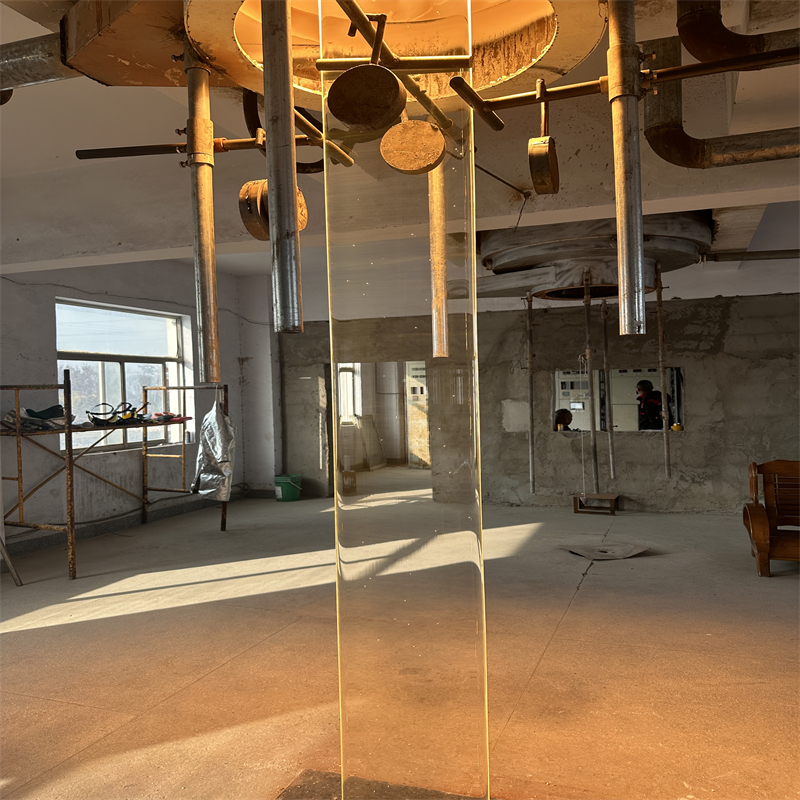
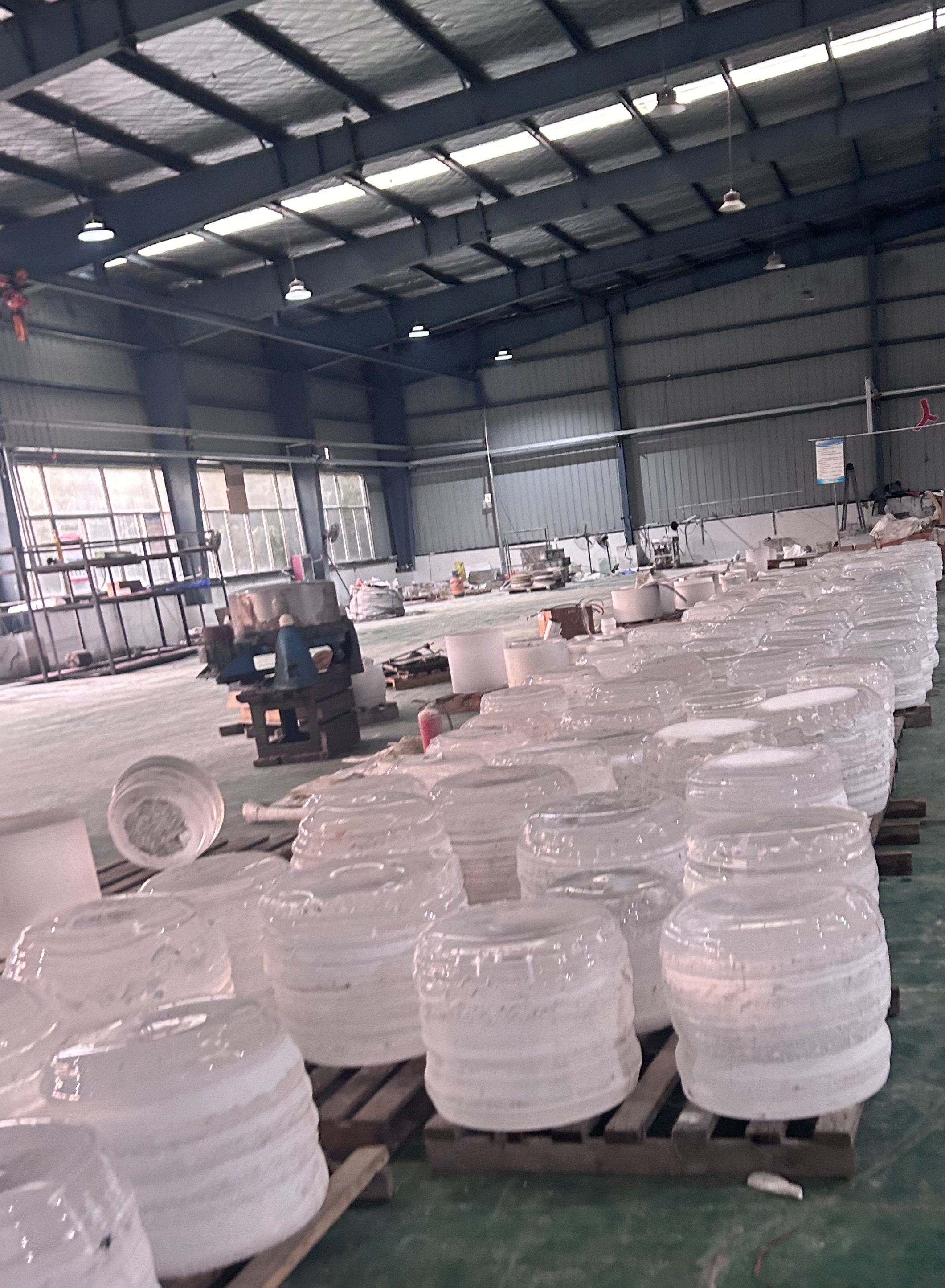
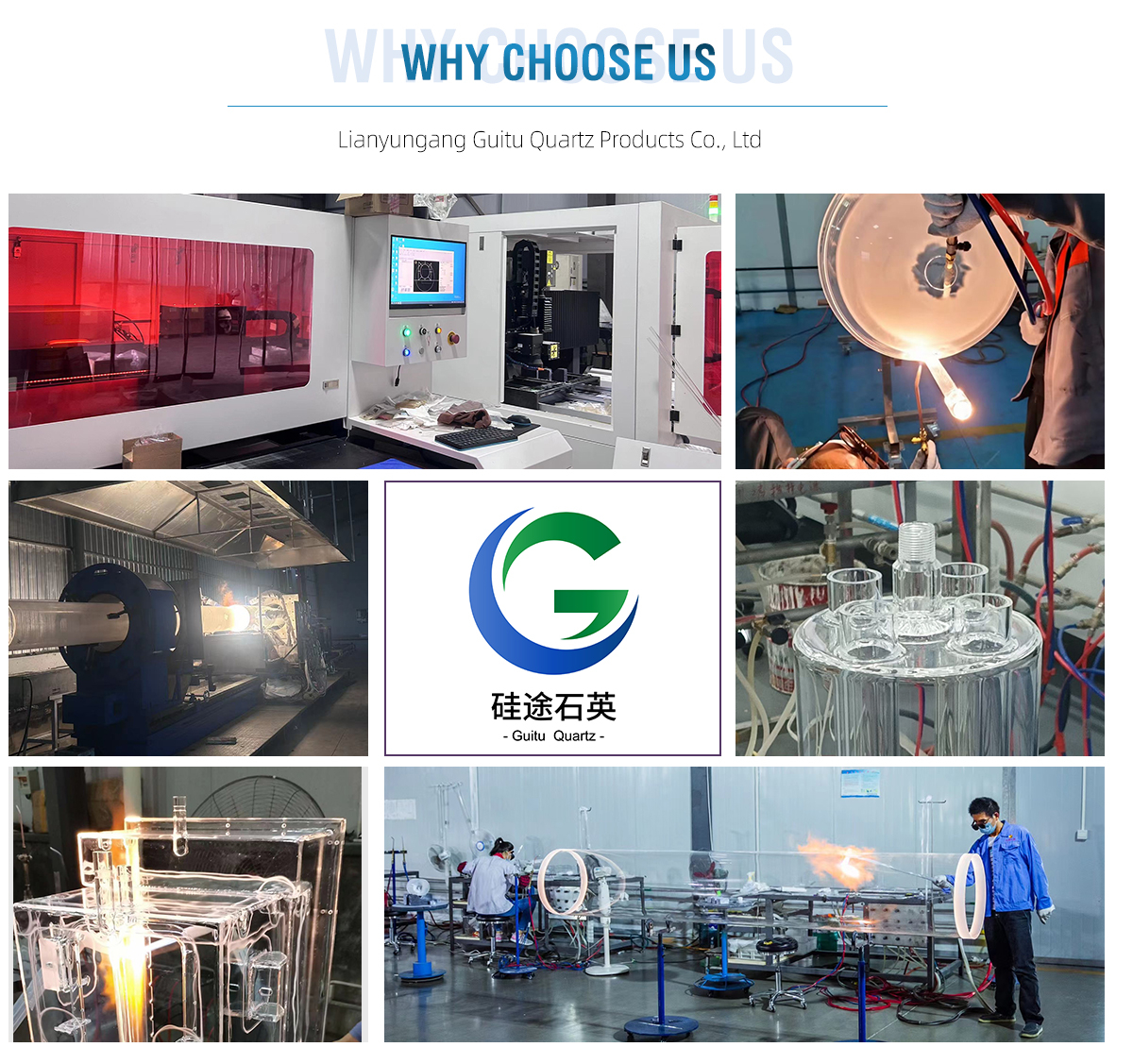
Full-process manufacturing facilities: from continuous quartz melting and hot glassblowing to optical grinding, laser cutting, and spectrophotometric testing.


Frequently Asked Questions for Vietnamese Buyers
Addressing import regulations, shipping options to HCMC, technical specifications, and optical longevity in tropical factory environments.
What are the lead times and shipping routes for optical quartz plates delivered to Ho Chi Minh City?
Can Zelvo Quartz provide a Certificate of Origin (Form E) for preferential import duties into Vietnam?
How does synthetic fused silica (JGS1) prevent solarization under intense 254nm / 185nm UV exposure?
How do you package fragile optical plates to guarantee zero damage during transit?
What surface finish and dimensional tolerances can you achieve on custom-shaped quartz plates?
Which payment methods are available for Vietnamese corporate entities?
Request a Fast-Turn Quote or Technical Drawing Consultation
Send us your DXF/STEP files, dimensional parameters, operating temperature requirements, or spectral window criteria. Our senior glass engineers will review feasibility and provide a firm quotation within 2 hours.