Featured Precision Fused Quartz Glassware & Components
Manufactured by Lianyungang Zelvo Quartz Products Co., Ltd. from 99.99% pure silica for extreme thermal shock immunity and zero trace chemical leaching.
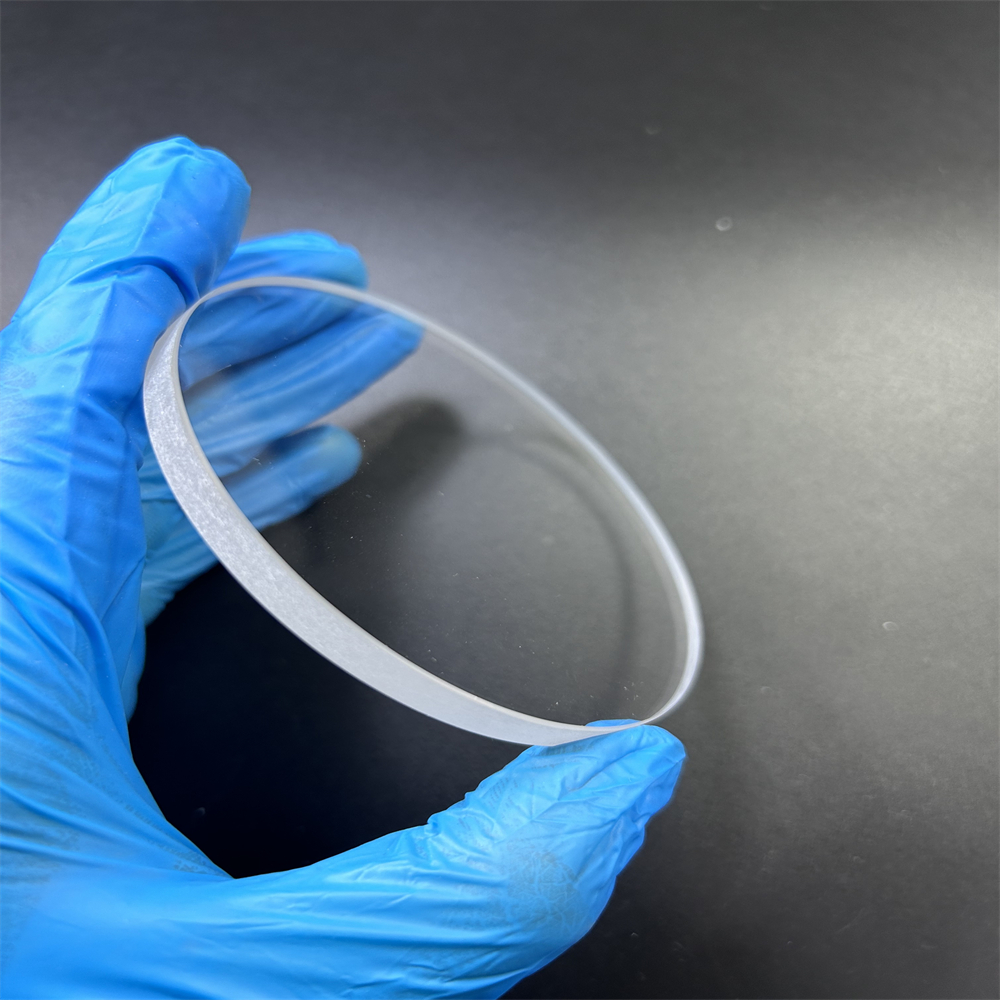
High Precision Fused Silica Quartz Glass Wafer Transparent UV Sheet High Precision Cutting Custom Sizes Optical Welding
View Specifications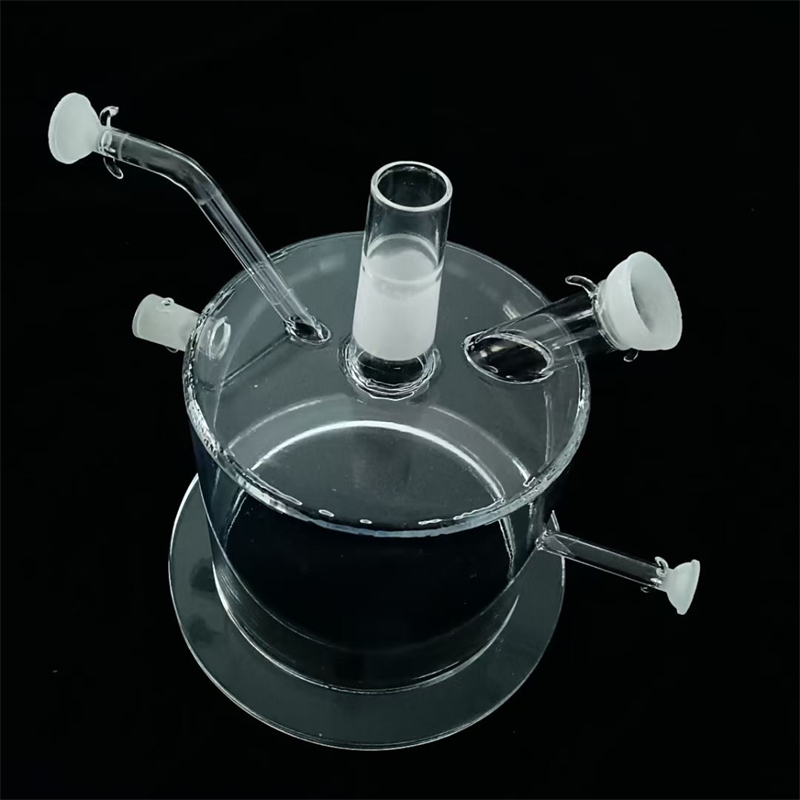
Customized High Pressure Clear Quartz Glass Tube Bending/Welding/Cutting 99.99% Pure Quartz Ozone Free Polished Surface
View Specifications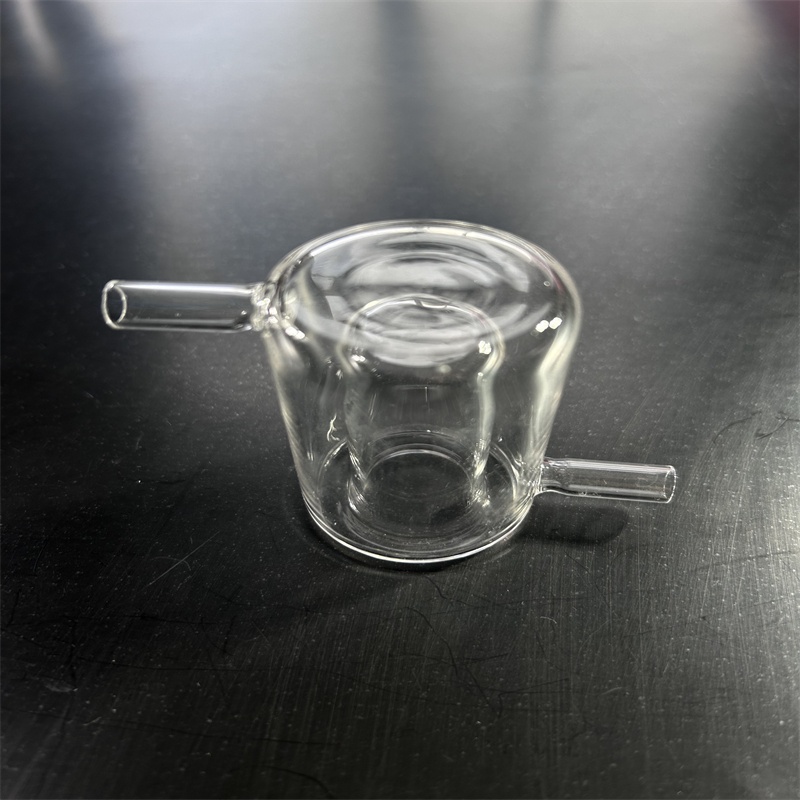
Custom 99.99% Pure Ozone Free High Temperature Resistant Quartz Glass Reactor Twin Tube Bending Welding Services for Laboratory
View Specifications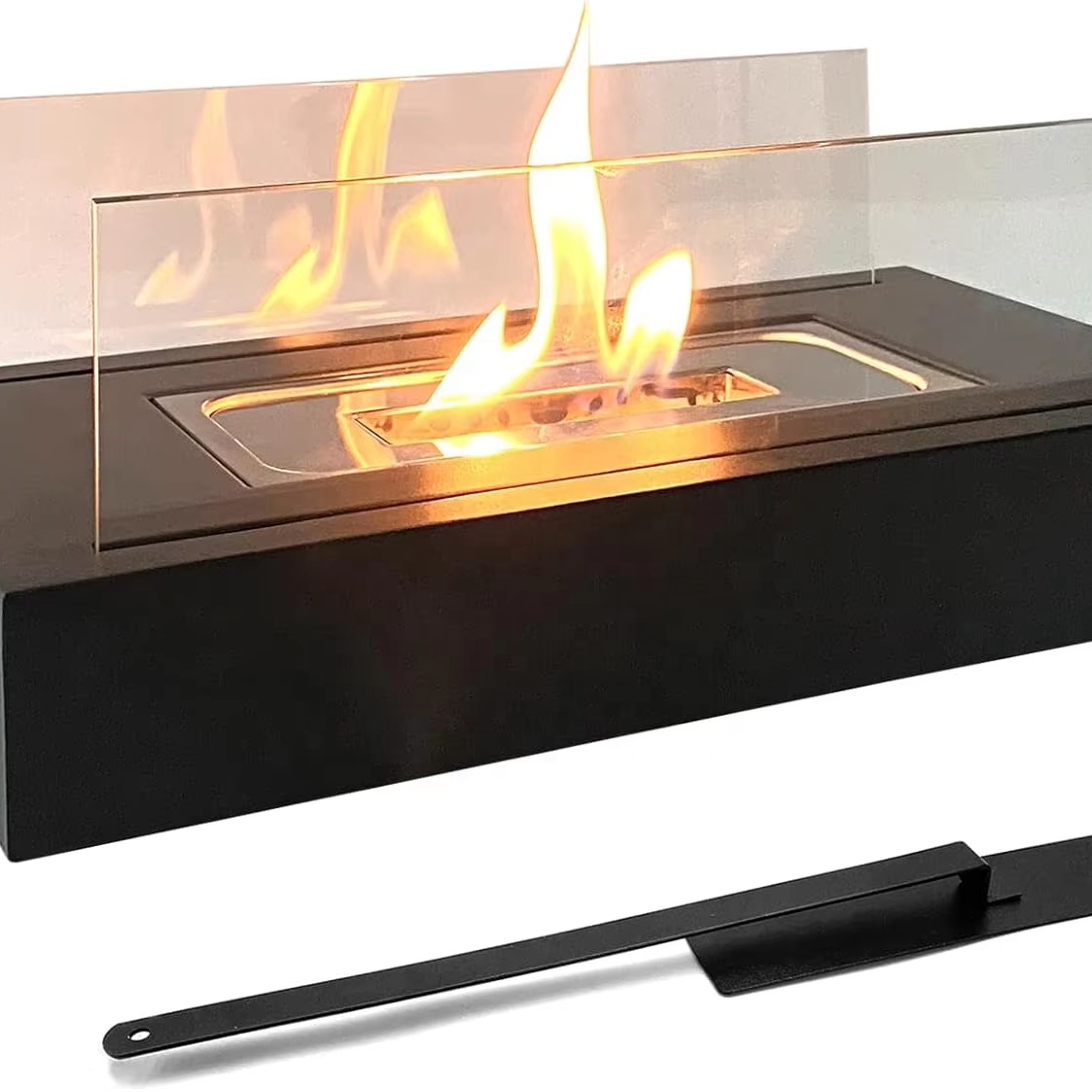
Factory Customization Outdoor Camping Portable High Temperature Clear Transparent High Precision Optical Grade Quartz Glass
View Specifications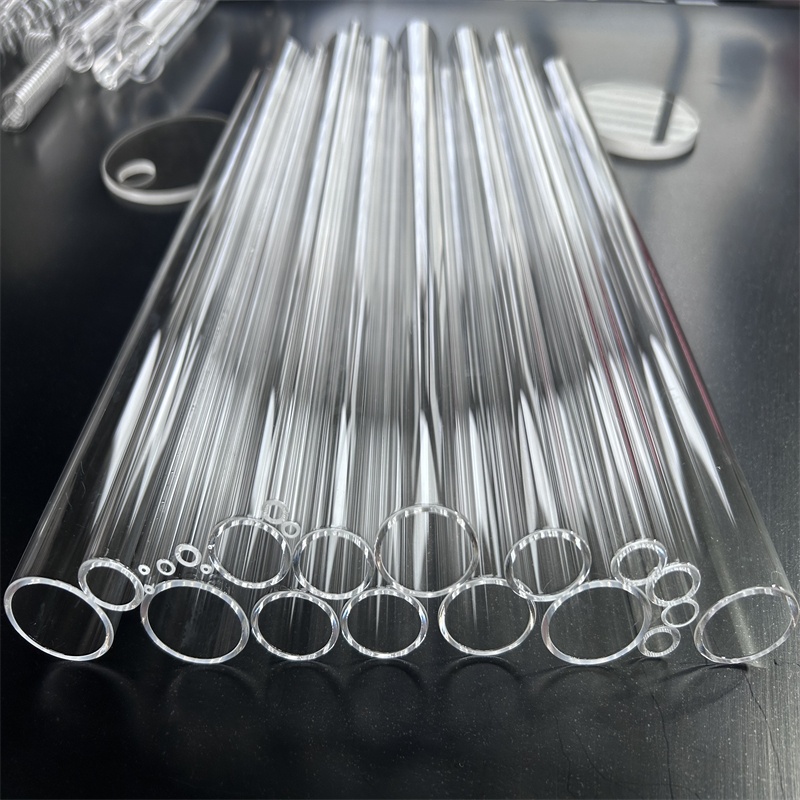
High Temperature Heat Resistant Clear 99.99% Pure Fused Quartz Twin Tube with Ozone Free Welding & Bending Services Custom Sizes
View Specifications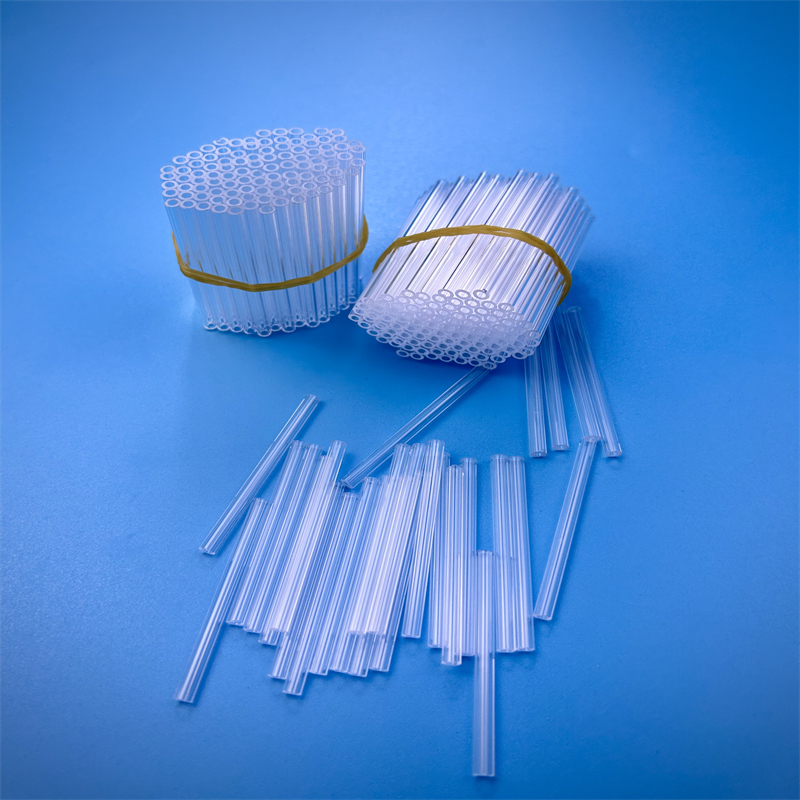
High Quality Transparent U-Bent Quartz Glass Tube Bending/Cutting/Welding Services 99.99% Pure Quartz Ozone Free Polished
View Specifications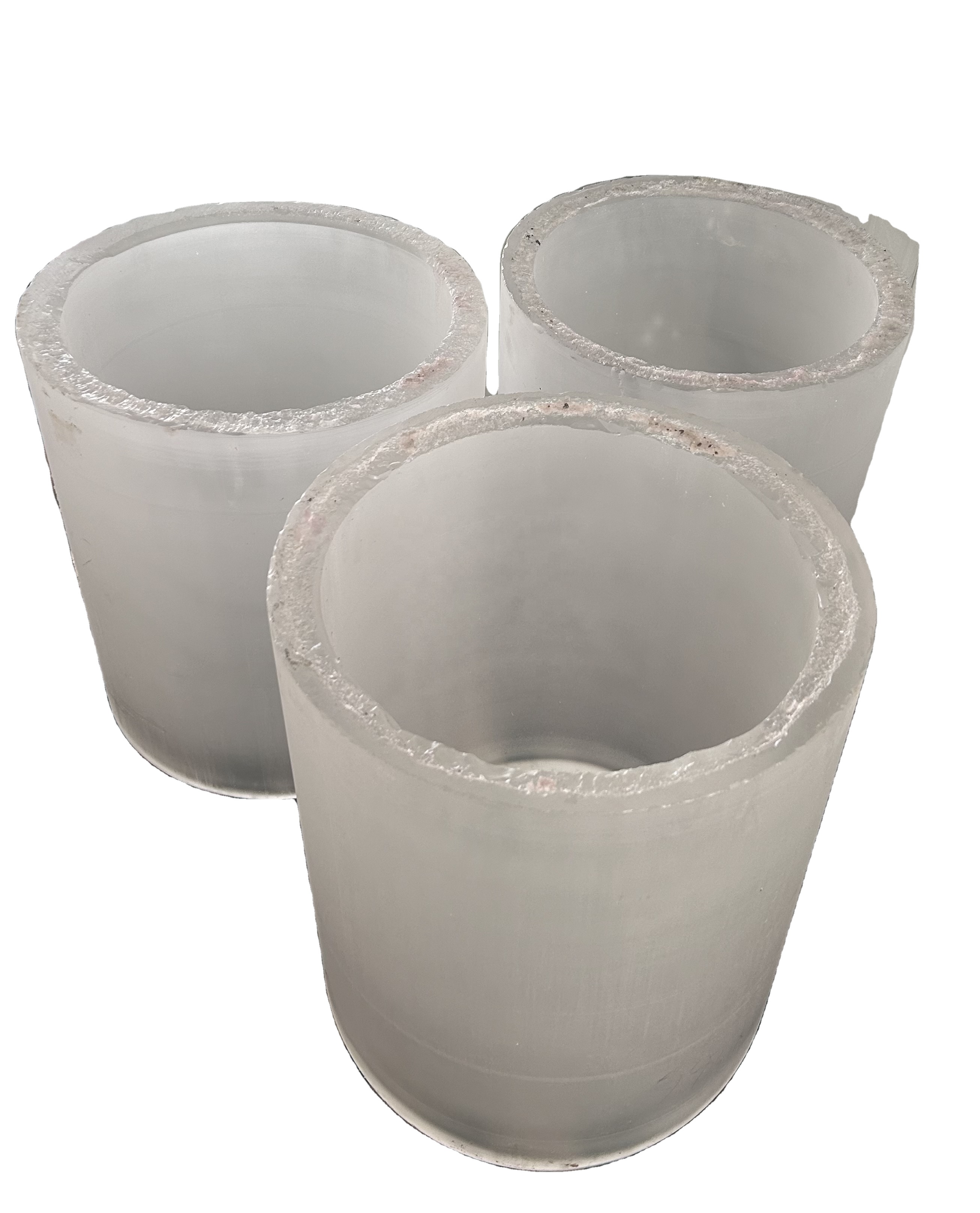
Open Ended Fused Quartz Frosted Glass Cylinder Ingot with Moulding Welding Cutting Services Custom Sizes for Optics Applications
View Specifications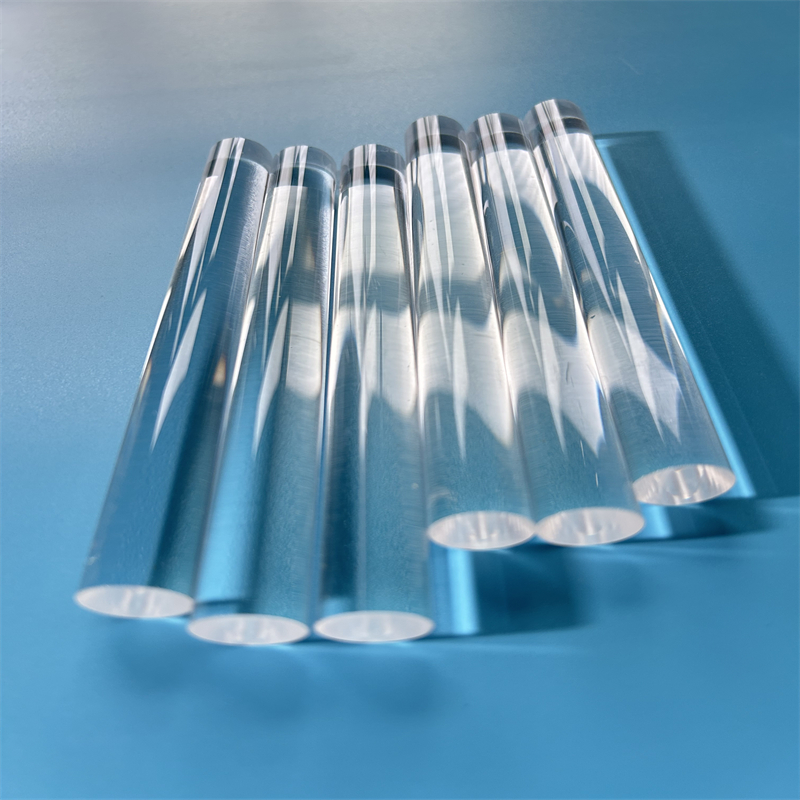
Custom Guitu Quartz GT Model High Purity Optical Quartz Light Guide Cylinder Rod 99.99% SiO2 for Optical/Semiconductor
View SpecificationsWhitepaper: Engineering High-Purity Fused Quartz Boiling Flasks for Advanced Strasbourg Laboratories
Strasbourg, located at the geopolitical and scientific crossroads of the Upper Rhine Valley and serving as an international hub for biotechnology, catalysis, and chemical research, demands laboratory glassware capable of operating far beyond the physical boundaries of conventional borosilicate glass 3.3. While standard borosilicate boiling flasks soften around 560°C and undergo catastrophic mechanical failure during rapid thermal quenching, Fused Quartz Boiling Flasks fabricated from 99.99% amorphous silicon dioxide ($SiO_2$) provide complete structural integrity up to continuous operating temperatures of 1100°C, with short-term excursion limits reaching 1300°C.
For research units associated with the University of Strasbourg, the CNRS (Centre National de la Recherche Scientifique), and the BioValley France life science cluster, chemical purity and thermal shock resistance are paramount. Standard laboratory glassware bleaches trace metal impurities—including sodium, boron, potassium, and iron—into reactive liquid phases during prolonged boiling under aggressive acid reflux conditions. In contrast, Lianyungang Zelvo Quartz Products Co., Ltd. utilizes high-purity natural crystal sand originating from Donghai—China’s premier quartz hub—ensuring total elemental contamination remains strictly below 10 ppm across all fused silica vessels.
Thermodynamic & Optical Superiority over Borosilicate Glass
The primary advantage of fused quartz boiling flasks lies in their extraordinarily low coefficient of thermal expansion ($\alpha = 5.5 \times 10^{-7} \text{K}^{-1}$ between 20°C and 320°C). This value is roughly 1/6th that of standard borosilicate glass ($3.3 \times 10^{-6} \text{K}^{-1}$), rendering fused silica flasks virtually immune to thermal shock. A quartz boiling flask can be heated directly via open oxy-hydrogen torches or induction heating mantles and immediately immersed into cold aqueous solutions without micro-fracturing.
| Physical / Material Property | High-Purity Fused Quartz ($SiO_2 \ge 99.99\%$) | Standard Borosilicate Glass 3.3 | Strasbourg Application Impact |
|---|---|---|---|
| Maximum Continuous Temp | 1100 °C | 500 °C | Enables high-temperature vapor-phase reactions and pyrolysis. |
| Short-Term Thermal Peak | 1300 °C | 560 °C | Prevents vessel sagging under localized burner flame contact. |
| Coeff. of Thermal Expansion | $5.5 \times 10^{-7} / \text{K}$ | $3.3 \times 10^{-6} / \text{K}$ | Zero cracking during extreme thermal cycling ($\Delta T > 1000^\circ\text{C}$). |
| Softening Point | 1683 °C | 820 °C | Maintains precise volumetric tolerances under severe thermal loads. |
| UV-Vis Transmittance | $\ge 90\%$ (190 nm – 2500 nm) | Cutoff below 310 nm | Facilitates direct photochemical reflux without internal sleeve attenuation. |
| Hydrolytic Resistance | Class 1 (ISO 719) | Class 1 (ISO 719) | Zero alkali leaching into ultra-pure organic and inorganic syntheses. |
Furthermore, fused quartz exhibits an exceptionally wide optical transmission window spanning from deep ultraviolet (190 nm) through visible to near-infrared spectra (up to 3.5 $\mu m$). This optical transparency allows organic chemists and photochemists in Strasbourg to conduct high-temperature UV-assisted catalysis directly inside multi-neck round bottom quartz flasks, eliminating the need for delicate immersed cooling jackets or specialized external optical quartz windows.
Precision Flask Architectures & Custom Fabrication
Tailored geometries and precision ground joints designed to integrate seamlessly into standard European laboratory apparatus (DIN / NS Standards).
Single & Multi-Neck Round Bottom Flasks
Configured with 1 to 5 standard ground joint necks (NS 14/23, NS 19/26, NS 29/32, NS 45/40). Precision flame-welded joints guarantee leak-free operation under high vacuum ($10^{-5} \text{ mbar}$) conditions required for distillation and continuous reflux chemistry.
Heavy-Wall Flat Bottom & Kjeldahl Vessels
Designed for thermal stability on hotplates and dry heating blocks. Uniform wall thickness distribution (2.5 mm to 5.0 mm heavy wall options) eliminates localized thermal stress points and mechanical fragility during violent ebullition.
Laser-Drilled & Custom Machined Reactors
Featuring specialized optical access ports, side-arm sampling tubes, internal thermowells for PTFE thermocouple probes, and flanged vacuum connections (ISO-KF or custom quartz flanges) designed to custom laboratory blueprints.
Localized Application Scenarios across Strasbourg's Scientific Sector
Our custom fused quartz boiling flasks and glass apparatus are specifically tailored to meet the demanding operational benchmarks of Strasbourg's top-tier research institutes, biotechnology facilities, and advanced chemical manufacturers.
1. University of Strasbourg & CNRS Synthesis Units
Academic laboratories focused on supramolecular chemistry, organometallic catalysis, and green continuous-flow processing require reaction vessels that resist attack from aggressive concentrated acids ($HCl, H_2SO_4, HNO_3$) at elevated temperatures. Zelvo’s quartz boiling flasks provide zero ion leaching, protecting delicate organometallic catalysts from trace sodium poisoning during reflux.
2. Alsace BioValley Active Pharmaceutical Extraction
Biopharmaceutical entities across the Grand Est region leverage multi-neck quartz distillation flasks for high-purity solvent purification, botanical extraction, and API precursor isolation. The non-wetting surface property and hydrophobic nature of flame-polished fused silica ensure total fluid recovery and ease of sterilization via autoclaving or dry heat baking (up to 500°C).
3. Semiconductor & Optoelectronic Materials along the Rhine
Regional semiconductor research hubs utilize ultra-high purity quartz boiling flasks as chemical vapor generation vessels for CVD and ALD precursor delivery. Operating under continuous thermal loads, our stress-relieved fused silica prevents devitrification (crystallization into cristobalite) while vaporizing organometallic silicon or metal-organic compounds.
4. Photochemical & Solar Energy R&D
Given fused quartz's unmatched ultraviolet transmittance ($\ge 90\%$ at 254 nm), researchers in Strasbourg conduct direct-irradiation photochemical reactions inside quartz round-bottom flasks. Eliminating intermediate optical windows reduces optical reflection loss and accelerates catalytic kinetics in artificial photosynthesis studies.
Regional Industry Trends & Regulatory Compliance in Strasbourg & the EU
As part of the European Union's stringent environmental guidelines and chemical safety frameworks (such as REACH and the EU Green Deal), research centers and chemical manufacturing entities in Strasbourg are actively transitioning toward cleaner, more energy-efficient synthesis routes. Key trends driving the adoption of fused quartz laboratory equipment include:
- Transition to Microwave-Assisted & Induction Reflux: Modern laboratories are replacing legacy oil baths and open heating mantles with high-frequency microwave and induction coils. Standard glass experiences extreme dielectric and thermal gradients, whereas high-purity quartz flasks handle instant power ramps without risk of catastrophic fracturing.
- Elimination of Heavy Metal Contamination: With strict European Pharmacopoeia limits on elemental impurities in drug substances, testing labs require boiling vessels that introduce zero lead, arsenic, cadmium, or boron into process samples. Zelvo’s 99.99% pure quartz vessels comply fully with international trace analysis standards.
- Custom ISO/DIN Joint Standardization: To ensure interoperability across existing European laboratory setups, our quartz flasks are crafted with precision-ground taper joints complying strictly with DIN 12242 / ISO 383 specifications, preventing expensive adapter retrofits or vacuum grease contamination.
Why Strasbourg Research Facilities Choose Zelvo Quartz
Direct-from-factory manufacturing combining regional raw material superiority with modern CNC precision glassworking.
Donghai Raw Material Hub
Located in Lianyungang, Jiangsu—the heart of China's world-renowned quartz deposit—our factory selects only top-grade natural quartz crystals, achieving guaranteed 99.99% $SiO_2$ purity with sub-10 ppm trace elements.
Drawing-Based OEM Customization
From a 2D PDF sketch to 3D CAD step files, our master glassblowers and CNC laser operators fabricate custom multi-neck flasks, specialized side-arms, micro-distillation setups, and flanged reaction vessels from 1 piece up.
Thermal Stress Relief Annealing
Every fabricated quartz flask undergoes rigorous polariscopic stress inspection and program-controlled thermal annealing cycles (up to 1150°C) to relieve all internal glassworking stresses, ensuring structural reliability under high vacuum.
Frequently Asked Questions (FAQ) for Strasbourg & European Buyers
Request Your Custom Quartz Flask Quote Today
Direct factory prices, expert technical drawing consultation, and fast express shipment to Strasbourg and across Europe. Partner with Lianyungang Zelvo Quartz Products Co., Ltd. for uncompromised purity and precision glassblowing.
Inquire Now