Bridging High-Purity Silica Precision with Debrecen's Clean-Tech Revolution
Debrecen has swiftly transformed into Central and Eastern Europe’s undisputed epicenter for electric mobility manufacturing, energy storage systems, and advanced biochemical synthesis. With multi-billion-euro industrial ventures settling across the Southern Economic Zone (Déli Gazdasági Övezet) and Northwest Industrial Park—headlined by battery cell megaprojects, chemical separator developments, and specialized pharmaceutical facilities—the demand for reliable, ultra-pure fused quartz apparatus has reached unprecedented levels.
Lianyungang Zelvo Quartz Products Co., Ltd., situated directly at the world-renowned quartz raw material and processing cluster of Donghai County, China, operates as a specialized direct manufacturer and technical partner to European industrial purchasers. We resolve severe supply chain bottlenecks across Debrecen by supplying high-integrity, thermal-shock-resistant quartz tubes, custom-machined optical wafers, twin-bore infrared heaters, and precision chemical digestion vessels with millimetric accuracy and documented chemical compliance.
Whether servicing active pharmaceutical ingredient (API) crystallization lines at local biotechnology institutions, high-temperature calcination runs for lithium battery cathode active material (CAM) testing, or precision laser physics at the Institute for Nuclear Research (ATOMKI) and the University of Debrecen, our drawing-based custom processing satisfies the most stringent EU production standards.
Certified Technical Assurance for Debrecen Buyers
- Thermal Endurance: Strain point at 1075°C, Annealing point at 1215°C, Softening peak at 1683°C with near-zero thermal expansion coefficient (5.5 × 10⁻⁷ /K).
- Chemical Inertness: Pristine acid tolerance resisting all concentrated mineral acids (HNO₃, H₂SO₄, Aqua Regia) with negligible leaching, excluding Hydrofluoric (HF) acid.
- Machining Tolerance: CNC laser-drilled apertures, micro-grooving, optical polishing (Ra < 0.5 nm), flame-worked lathe joining within ±0.05 mm tolerances.
- Streamlined Hungarian Customs: Flexible Incoterms (DDP Debrecen, DAP, CIP Budapest, EXW, FOB) backed by export-grade shock-buffered wooden crating.
High-Performance Quartz Components for Debrecen Facilities
Manufactured using premium 99.99% fused silica ingots and vacuum melting technologies, our apparatus portfolio supports extreme furnace environments, cleanroom electronics fabrication, and optical spectroscopic inspections.
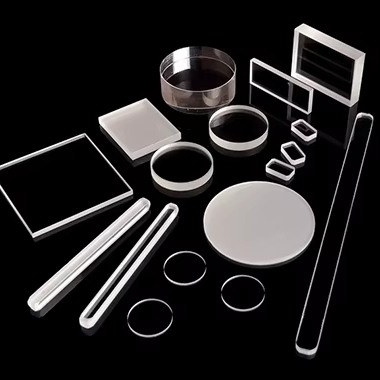
Custom Size High Temperature Fused Transparent Quartz Glass Optical Grade Test Sample Sheet Welding Cutting Processing Service
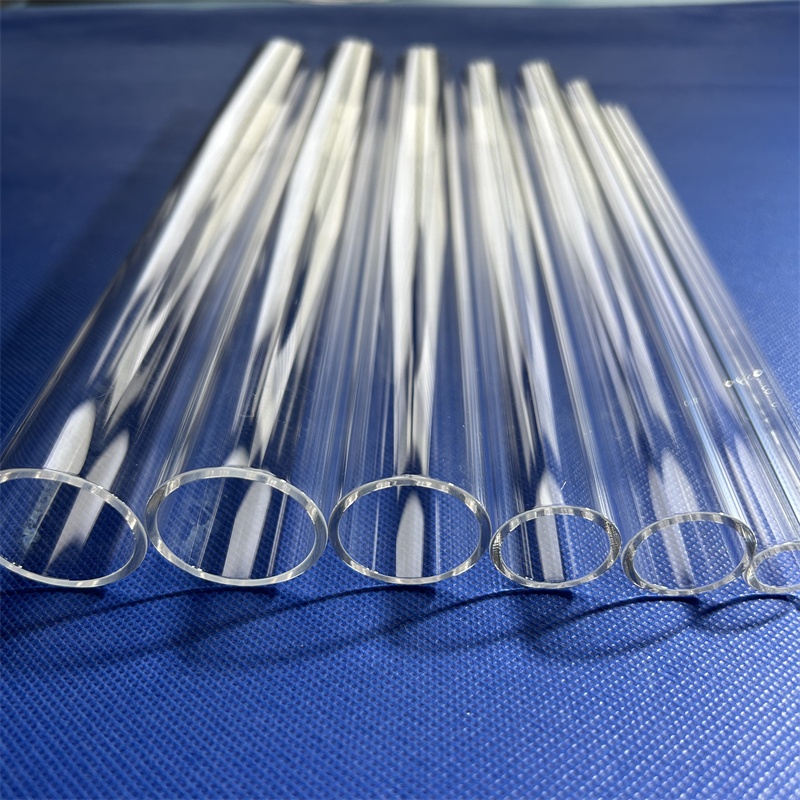
Transparent High Pressure 99.99% Pure Quartz Glass Tube Furnace Boiler Chemical Applications Corrosion Bending Moulding
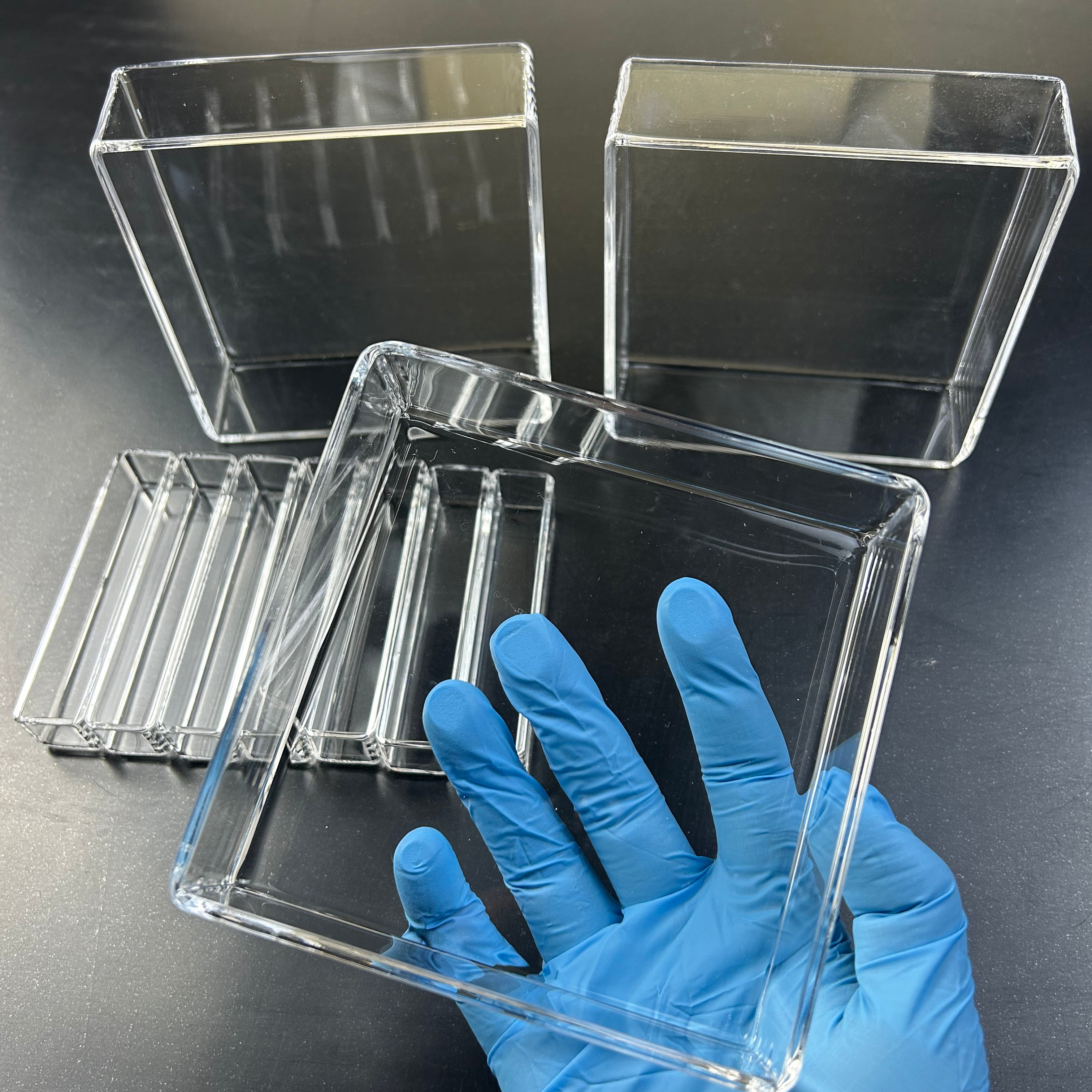
Manufacturers Customized Fused Quartz Glass High Temperature Resistant Circular Cylinder Crucible Tank Welding Cutting Custom
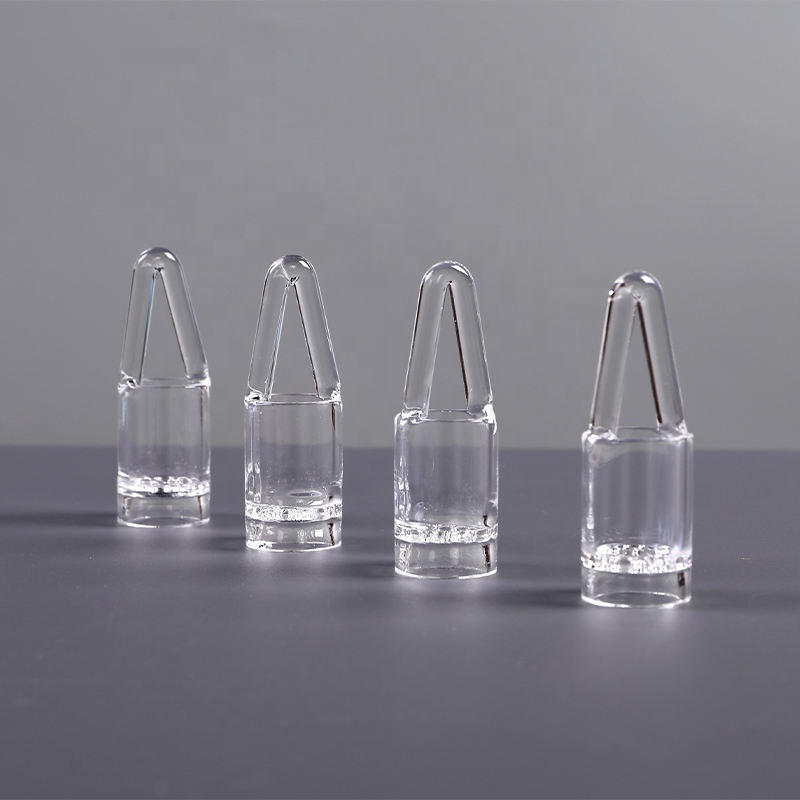
Factory Custom High Pressure 99.99% Pure Quartz Glass Tube Bending/Welding Ozone Free Polished Surface
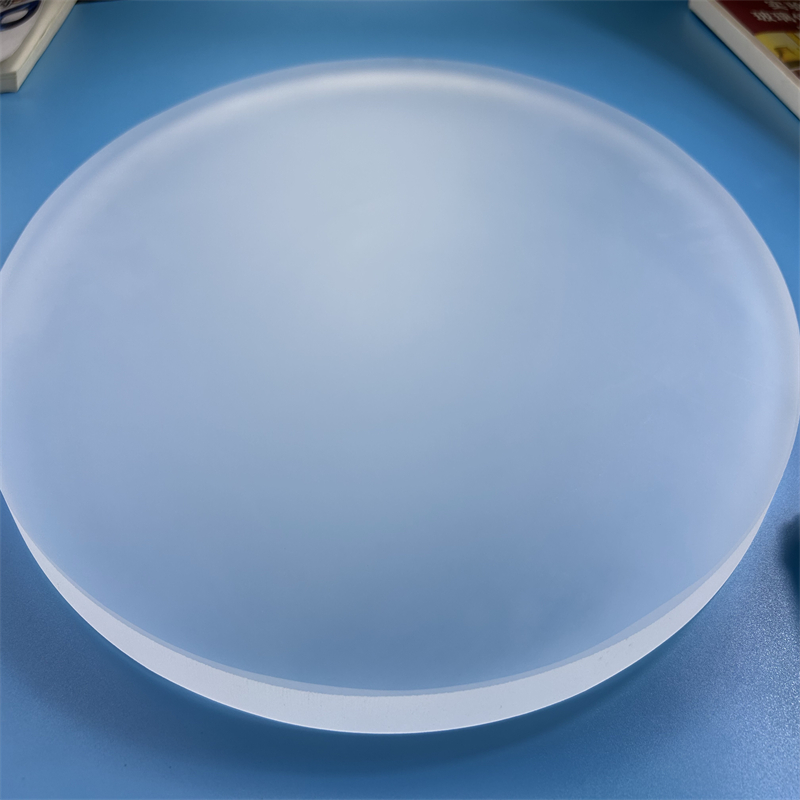
High Temperature Resistance Frosted Quartz Disc/Plate Semiconductor Applications Welding Cutting Custom Sizes Fused Quartz
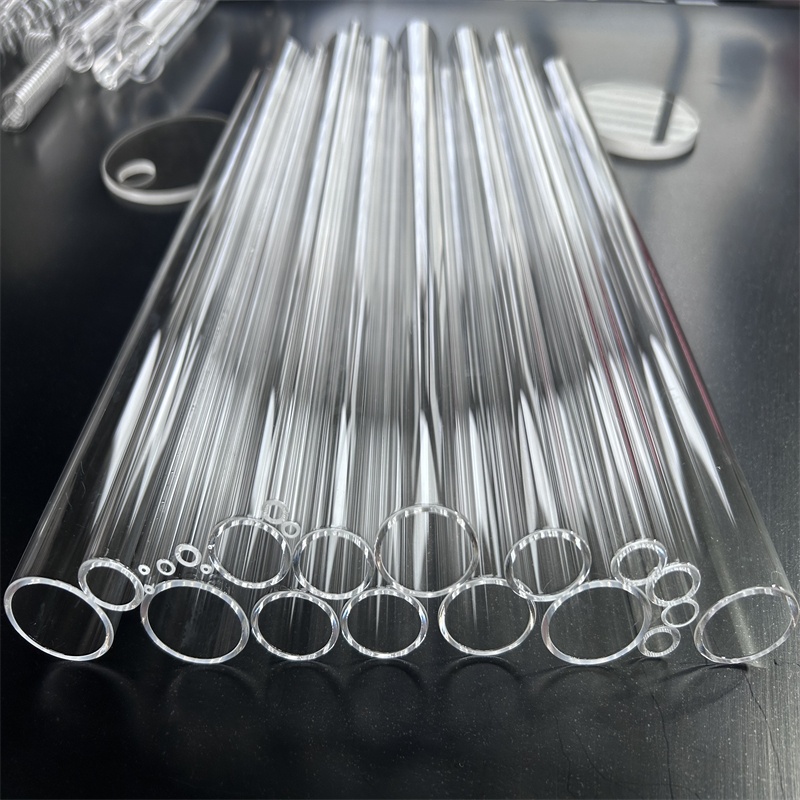
High Temperature Heat Resistant Clear 99.99% Pure Fused Quartz Twin Tube with Ozone Free Welding & Bending Services Custom Sizes
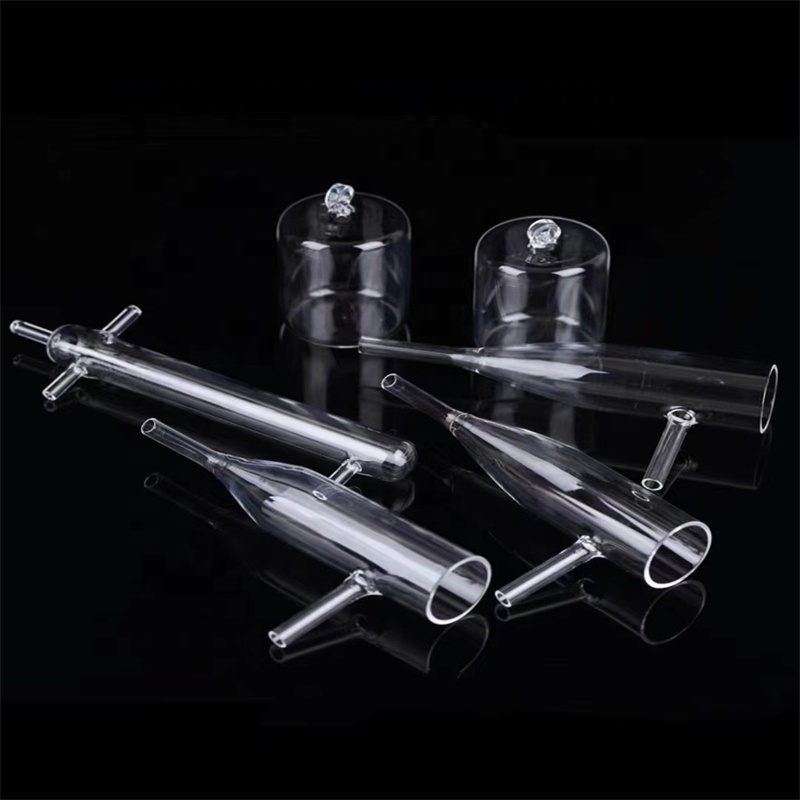
Custom Clear Laboratory High Temperature Twin Tube 99.99% Pure Quartz Glass Tube CVD Furnace Vacuum Bending Welding Services
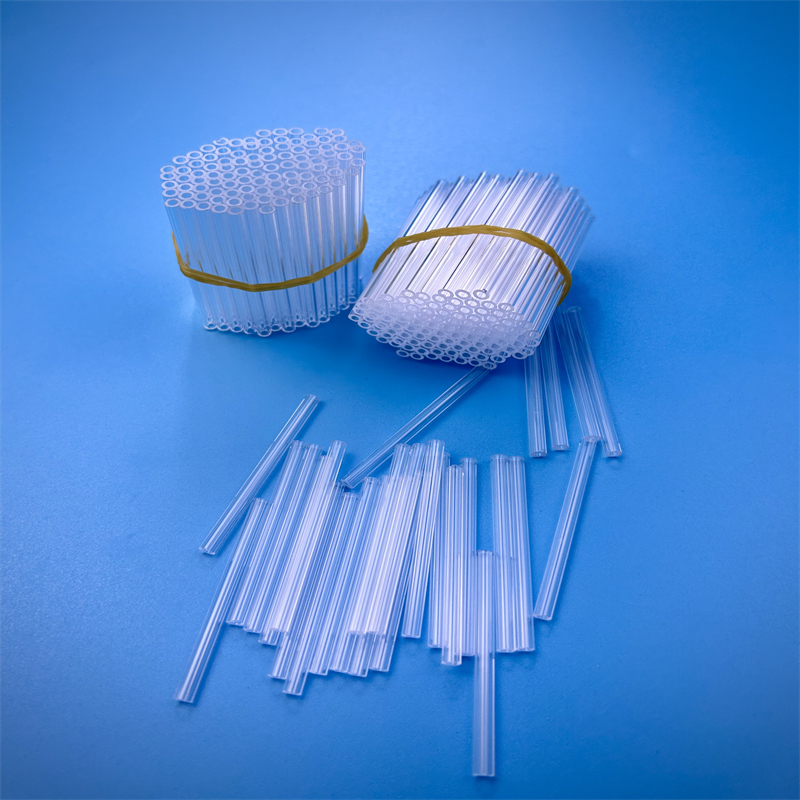
High Quality Transparent U-Bent Quartz Glass Tube Bending/Cutting/Welding Services 99.99% Pure Quartz Ozone Free Polished
Precision Applications Across Debrecen’s Industrial Zones
Our custom quartz solutions are systematically engineered to integrate directly into the production floors, pilot plants, and analytical cleanrooms driving Debrecen's industrial renaissance.
EV Battery Cathode (CAM) Calcination
With Debrecen housing Central Europe's largest gigafactory cluster, high-temperature synthesis of NMC (Nickel Manganese Cobalt) and LFP precursors requires calcination crucibles and rotary furnace liners that withstand 900°C–1150°C atmospheres containing volatile lithium salt vapors without cracking or alkaline devitrification.
Pharmaceutical API Synthesis & Testing
Debrecen’s centuries-old legacy in pharmaceutical compounding demands spectrophotometer quartz flow-through cells, pure silica reflux distillation heads, and high-pressure digestion vessels that show zero ionic contamination when running high-performance liquid chromatography (HPLC) and acidic API crystallization.
Battery Separator Film & CVD Drying
Local separator film manufacturing lines rely on our high-radiance clear quartz twin-tubes and infrared heating sleeves. The engineered 99.99% SiO₂ matrix enables uniform thermal distribution across micro-porous membrane stretching ovens, preventing thermal warping and ensuring stable polymeric crystallization.
Nuclear & Nanomaterials Research
Collaborating with academic researchers at the University of Debrecen and the Institute for Nuclear Research (ATOMKI), our workshop delivers specialized ultra-high vacuum (UHV) quartz target chambers, slotted XRD sample holders, and BET bulb tubes capable of precise gas physisorption at cryogenic liquid nitrogen stages.
Fused Quartz Material Mechanics: Why 99.99% SiO₂ Outperforms Alternatives
In demanding industrial environments like battery slurry drying, thermal vapor deposition, and analytical acid digestion, selecting the proper grade of silicate glassware is critical for preventing catastrophic mechanical blowout, thermal stress fracture, and ionic batch contamination.
| Physical / Chemical Property | Zelvo 99.99% Fused Quartz | Standard Borosilicate 3.3 | Synthetic Fused Silica (High OH) | Relevance to Debrecen Facilities |
|---|---|---|---|---|
| SiO₂ Purity Level | ≥ 99.99% (Optical/Electric) | 80.5% – 81.0% | ≥ 99.9999% | Eliminates trace Fe, Al, and alkali metal migration into active battery chemistries. |
| Maximum Working Temp (Continuous) | 1100 °C | 490 °C | 1150 °C | Crucial for high-temperature NMC/LFP calcination and CVD furnace operations. |
| Short-Term Thermal Peak | 1300 °C | 550 °C | 1350 °C | Prevents furnace tube deformation during rapid heating cycle excursions. |
| Thermal Expansion (20°C–320°C) | 5.5 × 10⁻⁷ / K | 3.3 × 10⁻⁶ / K | 5.2 × 10⁻⁷ / K | Ultra-low coefficient allows water quenching from 1100°C without mechanical shock cracking. |
| Softening Temperature Point | ≈ 1683 °C | 825 °C | ≈ 1710 °C | Maintains dimensional stability under continuous internal vacuum pressures at high heat. |
| Optical Spectral Transmission | 220 nm – 3500 nm (High UV/Vis/IR) | 310 nm – 2200 nm | 185 nm – 2500 nm | Optimal for high-power infrared radiant curing lamps and optical UV spectrometry. |
| Acid Resistance (except HF) | Class 1 (Virtually Unreactive) | Class 1 / Class 2 | Class 1 | Resists aggressive Aqua Regia, boiling Nitric Acid, and Sulfuric electrolyte cleanings. |
| Dielectric Strength (at 20°C) | 25 – 40 kV/mm | 10 – 15 kV/mm | 30 – 45 kV/mm | Provides superior high-voltage insulation in vacuum chamber electrical feedthroughs. |
Critical Phenomenon: Cristobalite Nucleation and Thermal Devitrification
When quartz glass is continuously exposed to temperatures above 1150°C, amorphous silica begins transitioning into its crystalline phase (cristobalite). In battery manufacturing facilities located in Debrecen, this phenomenon is rapidly accelerated by airborne alkali dusts (such as Lithium Hydroxide or Sodium carbonate vapor), which act as powerful nucleation fluxing agents. This crystalline transformation weakens the wall structural integrity and causes micro-cracking upon cooling through the 250°C inversion range.
Zelvo Quartz minimizes this risk through specialized high-temperature vacuum dehydroxylation, decreasing internal hydroxyl (OH-) content down to < 20 ppm on requested furnace tube configurations. This substantially retards devitrification kinetics, dramatically prolonging tube lifespan inside high-output cathode sintering reactors.
Debrecen 2025–2030: Regional Industrial Trajectory & Quartz Demand
As Hungary cements its position as the world's second-largest battery manufacturer by battery cell volume, Debrecen's industrial procurement parameters are shifting rapidly toward specialized engineering resilience.
The Energy Storage Hyper-Cluster
With massive manufacturing complexes in the Déli Gazdasági Övezet ramping towards complete operational capacity, Debrecen demands a direct, non-interrupted pipeline of high-temperature quartz consumables. The shift from standard borosilicate laboratory ware to high-density fused silica is driven by zero-tolerance protocols for batch contamination in lithium cell slurry analysis, cathode calcination trials, and cleanroom vacuum drying.
EU Battery Passport & Purity Audits
Under tightening European Union regulatory frameworks regarding battery lifecycle trace-element tracking, every thermal reactor and leaching testing apparatus must guarantee zero metallic leaching (especially zero migration of Fe, Cu, Cr, or Ni). Our certified 99.99% SiO₂ matrix guarantees chemical neutrality, protecting testing datasets from false-positive contaminants.
Mitigating European Supply Chain Backlogs
Local European scientific glassblowing workshops currently grapple with severe 12-to-20 week delivery lead times for custom flanged quartz chambers and twin-tube heaters. Zelvo Quartz breaks this deadlock by offering direct-from-factory production with 2-hour drawing assessments, 7-to-10 day rapid prototyping, and direct air-freight fulfillment into Budapest (BUD) and Debrecen (DEB) hubs.
Why Debrecen Engineering Teams Source Directly from Zelvo Quartz
Rooted in China’s Silicon and Crystal Capital—Donghai County—we unify raw-material abundance, master craftsmanship, and rigorous digital quality controls.
Donghai Silicon Cluster Advantage
Operating directly out of the world’s most concentrated quartz processing base provides immediate access to supreme-grade crystal ore, giving our customers uncompromised purity at direct wholesale factory pricing.
1-Piece Prototyping to Mass Run
We respect the pilot development cycle of university research and gigafactory process scaling. We manufacture bespoke parts from a single piece (MOQ: 1 pc) based on customer STEP, DWG, or PDF sketches.
Advanced CNC & Flame Machining
Our workshop merges ultra-precision 5-axis CNC laser cutting, ultrasonic micro-hole drilling, slot milling, and optical flat grinding with over a decade of artisanal glass lathe flame-welding and annealing experience.
Export-Standard Protective Crating
Zero breakage guarantee: every single apparatus undergoes ultrasonic degreasing, high-density polyethylene vacuum wrapping, multi-layered custom EPE shock foam baffling, and reinforced fumigated export wooden crating.
Frequently Asked Questions: Sourcing Quartz for Debrecen Facilities
Comprehensive answers addressing commercial customs clearance, logistics timescales, technical tolerances, and operating thresholds for procurement officers in Hungary.
How do you handle shipping, customs clearance, and import VAT into Debrecen, Hungary?
We ship under diverse Incoterms depending on your operational structure, including DDP (Delivered Duty Paid Debrecen), DAP, CIF, or CIP Budapest. Under DDP terms, our global logistics network oversees European customs declarations, TARIC classification (typically code 7002.31 for quartz tubes), and import duties, delivering freight directly to your loading bay in Debrecen without administrative friction. Alternatively, companies with valid Hungarian EORI numbers can clear shipments independently via Budapest Liszt Ferenc International Airport (BUD) or Debrecen International Airport (DEB).
What is the typical lead time for custom quartz parts to reach Debrecen?
Standard stock tubes, plates, and BET sample vessels are dispatched within 48 to 72 hours. Custom fabrication involving CAD-directed laser drilling, specialized flange welding, or custom bending typically requires 7 to 10 working days. For transit to Debrecen, expedited express air logistics (DHL/FedEx/UPS) takes 4 to 6 business days, while air-cargo consolidations via BUD airport take 7 to 9 days. For heavy industrial furnace batches or containerized loads, maritime shipping through Koper or Hamburg plus rail inland transit takes approximately 28 to 35 days.
Can fused quartz apparatus withstand rapid thermal shock in battery testing furnaces?
Yes. Fused quartz possesses an extremely low linear thermal expansion coefficient (5.5 × 10⁻⁷ /K), roughly one-sixth that of standard laboratory borosilicate glass. A high-quality clear quartz tube heated to 1100°C can be plunged into room-temperature water without thermal stress fracture. This dynamic resistance makes it the ideal material choice for tube furnaces experiencing rapid thermal cycles, CVD vacuum purges, and automated sample extraction in material stress labs.
What engineering drawings and tolerances do you accept for custom production?
Our engineering department reviews 2D drawings in standard PDF, DWG, and DXF formats, as well as 3D solid models in STEP (.stp) and IGES (.igs) files. Even hand-sketched dimensional drawings with explicit tolerances can be assessed for prototyping feasibility within 2 hours. Our standard machining tolerances range from ±0.1 mm to ±0.2 mm, while high-precision optical grinding and CNC diamond coring can achieve fine tolerances within ±0.02 mm upon request.
How does quartz glass handle acidic versus alkaline media in pharmaceutical cleanrooms?
Fused silica displays near-perfect inertness against all inorganic acids—including boiling fuming Nitric (HNO₃), concentrated Sulfuric (H₂SO₄), and Hydrochloric (HCl) acids—as well as violent organic solvents. The only major acid that aggressively etches and dissolves quartz is Hydrofluoric acid (HF), along with Phosphoric acid at temperatures exceeding 150°C. In contrast, hot alkaline solutions (such as concentrated NaOH or KOH solutions above 60°C) will slowly etch the surface layer, meaning alkaline washes should be strictly monitored.
What is your quality verification and pre-shipment inspection procedure?
Every piece fabricated in our Donghai workshops passes a three-stage quality gateway: First, raw ingot acoustic and polariscope stress inspections verify absence of internal micro-cracks and air bubble clusters. Second, precision digital coordinate measuring machines (CMM) and laser micrometers inspect dimensional compliance against customer drawings. Third, flame-worked welds and joined flanges undergo optical polariscope strain testing to guarantee thorough annealing, preventing delayed residual-stress fractures. Full dimensional inspection reports and photographic proofs are provided prior to crating.
Accelerate Your Debrecen Project with Direct Factory Quartz Precision
Submit your CAD blueprints, component specifications, or replacement part requirements today. Our senior glass engineers review all parameters and supply an itemized technical feasibility report and commercial quotation within 2 hours during active business shifts.