High-Purity Quartz Tubes & Specialized Hardware
Manufactured using premium 99.99% fused silica with superior structural integrity, extreme thermal shock resistance, and micro-machining capabilities. Ready for deployment across Columbus industrial and laboratory facilities.
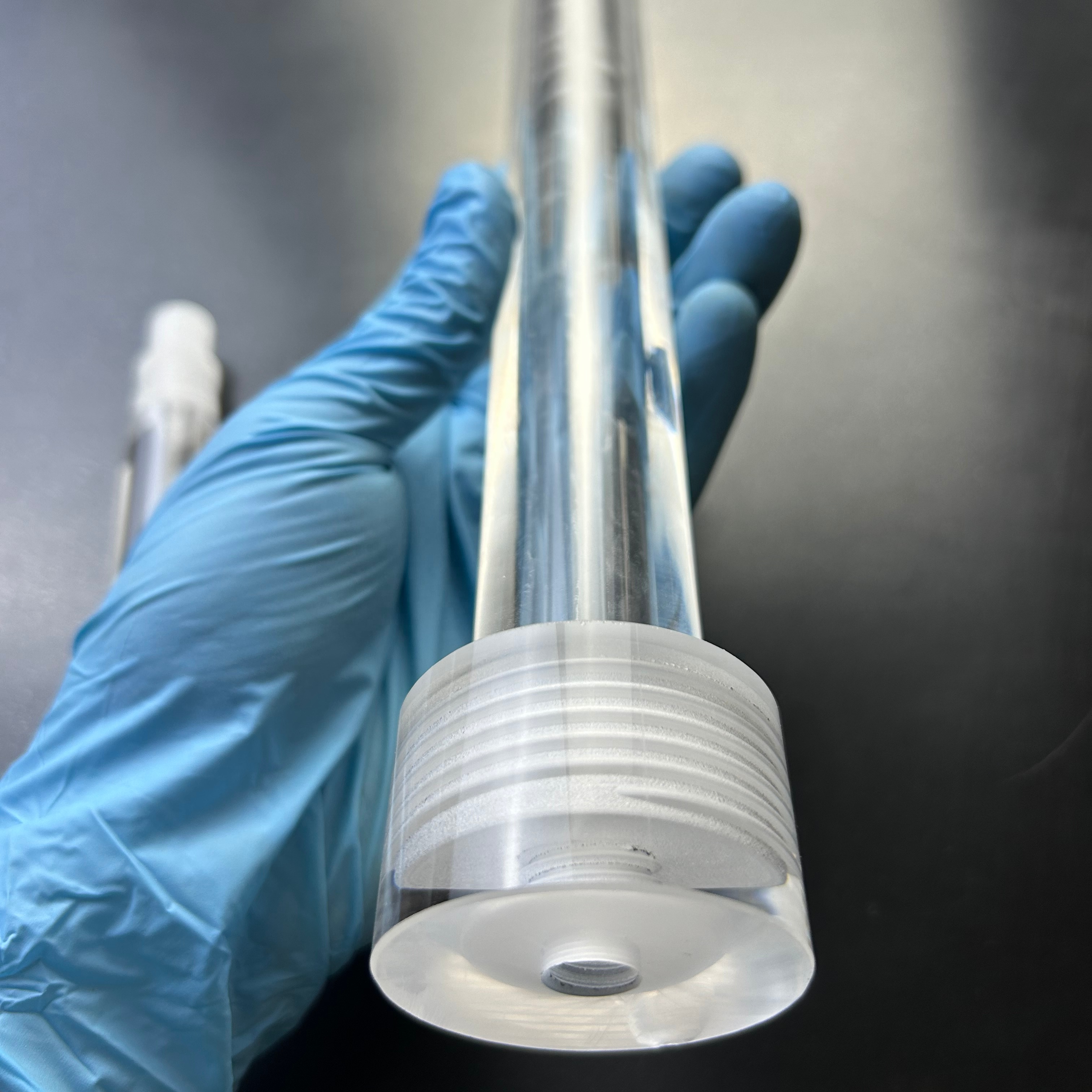
Customizable High Pressure Clear Quartz Twin Tube (99.99% Pure)
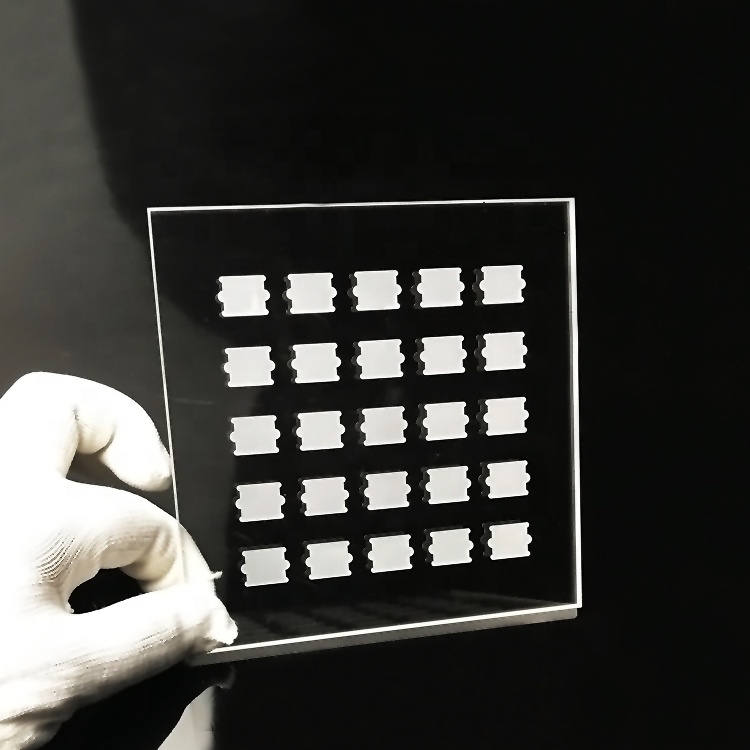
Circular Fused Quartz High-Temperature XRD Sample Holder
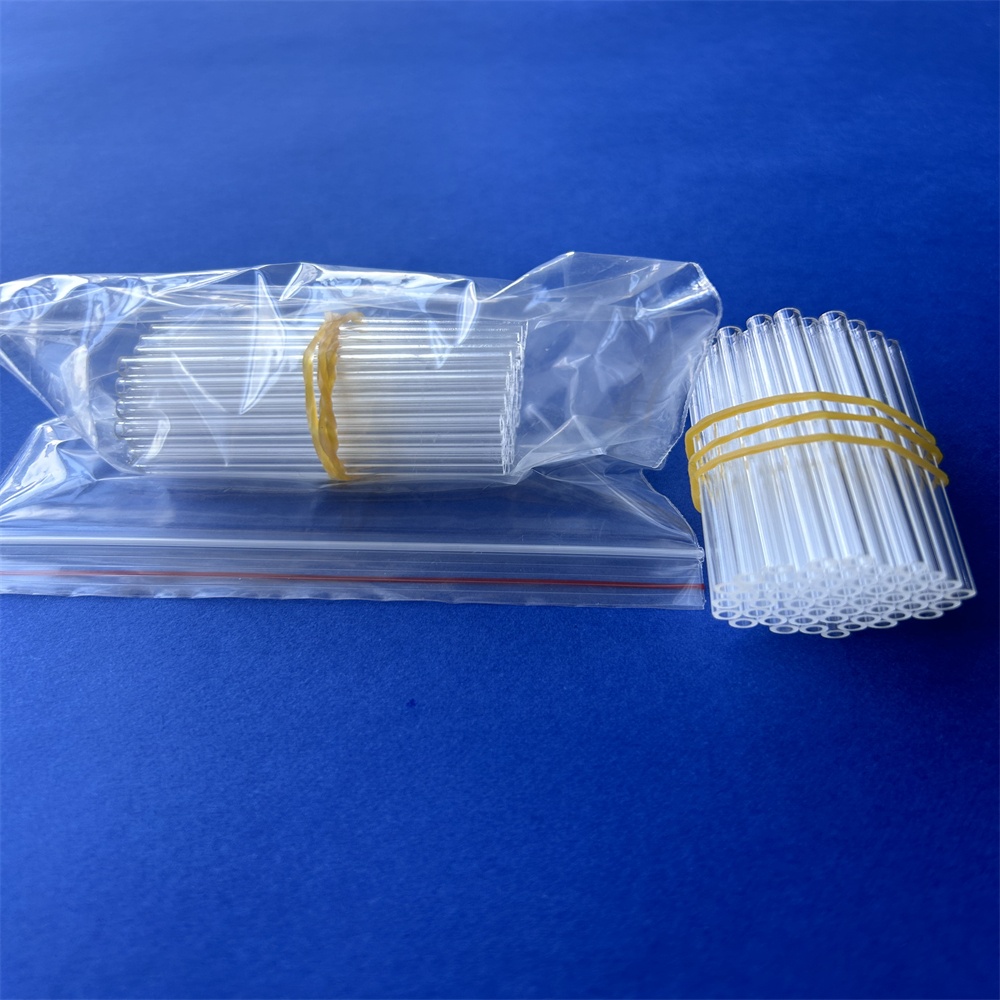
Small Diameter (0.1–20mm) High-Temp Pure Quartz Capillary Tube
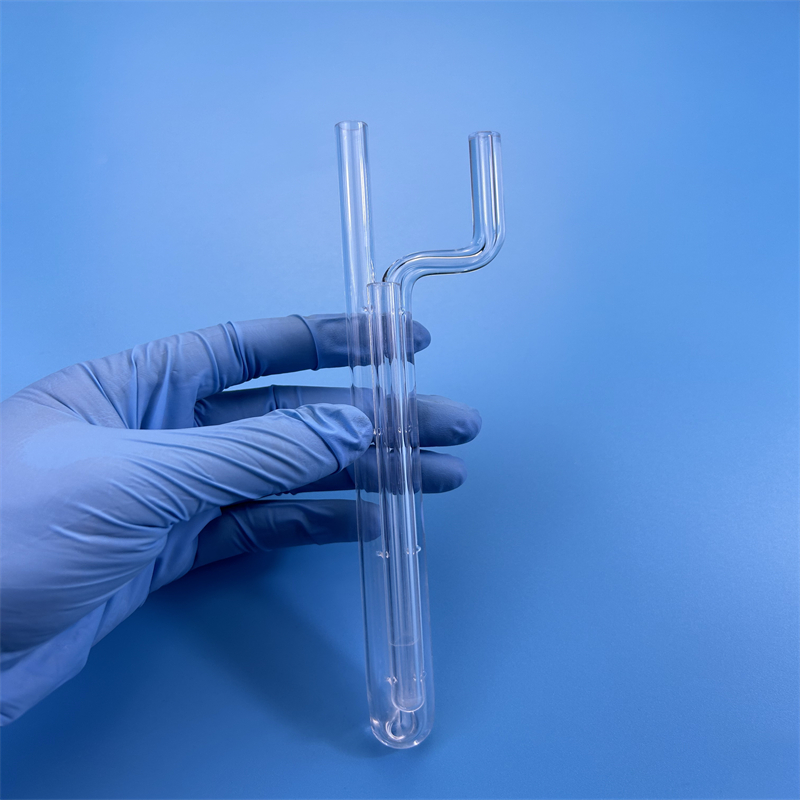
Chemisorption BET High-Pressure Pure Quartz Glass Twin Tube

High-Temperature Fused Quartz Sheet for Slotted Chip Testing (1100°C)
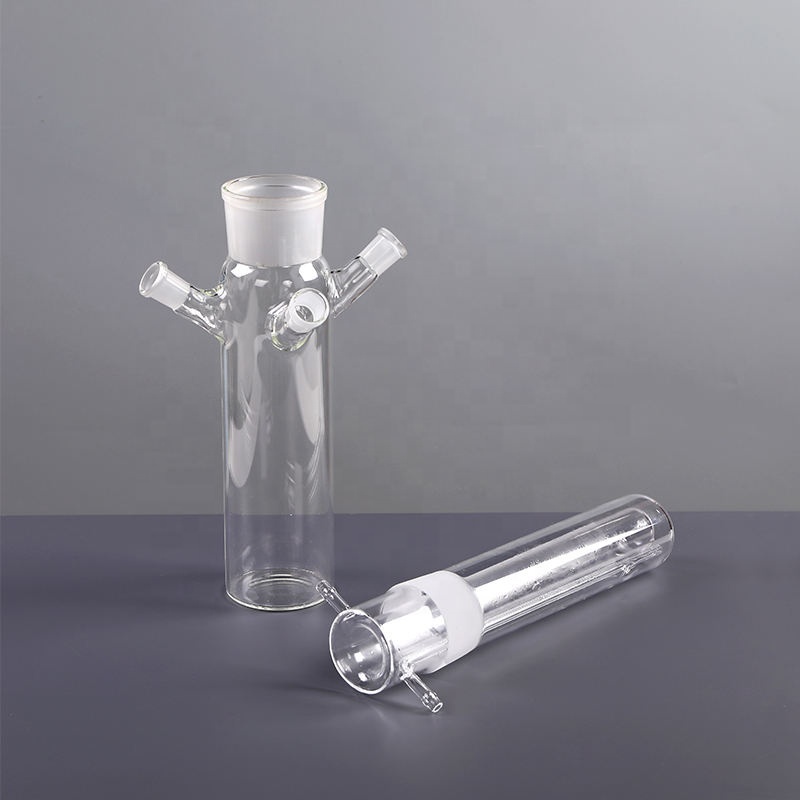
High-Purity Quartz Reactor Vessel with Internal Illumination Port
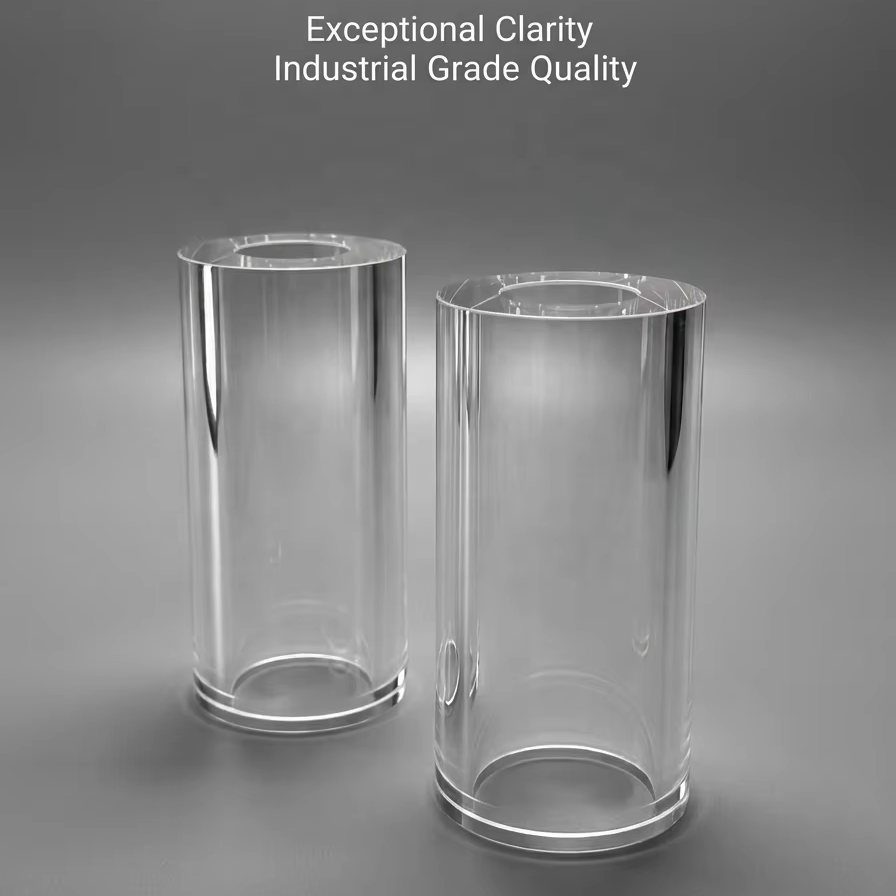
Both Ends Polished High-Purity Transparent Twin-Bore Heating Sheath
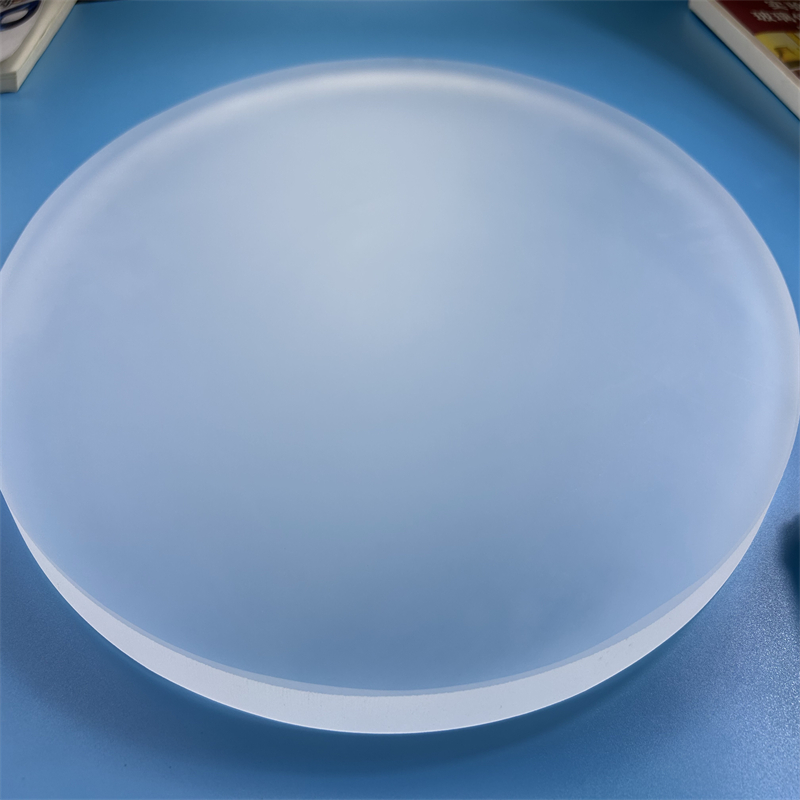
High-Temperature Frosted Fused Quartz Disc & Heat Baffle Plate
Engineering High-Purity Fused Quartz Heating Tubes for Severe Thermal Regimes
In modern industrial thermo-processing, the quartz heating tube serves as far more than an electrical insulator: it acts as a selective optical emitter, an impervious vacuum envelope, and an unyielding thermal barrier. Operating within the dynamic manufacturing ecosystem of Greater Columbus and the Central Ohio industrial corridor, process engineers are consistently faced with aggressive thermal ramp cycles, micro-contaminant intolerance, and stringent optical transmission demands. Fused quartz ($SiO_2$) stands unmatched in addressing these challenges due to its unique tetrahedral network structure, near-zero coefficient of thermal expansion, and nonpareil electromagnetic transparency across the infrared and ultraviolet spectrums.
Information Gain Insight: Unlike standard borosilicate or aluminosilicate glasses, which experience phase shifts and dramatic viscosity drops beyond 500°C, high-purity fused silica preserves its structural rigidity up to 1100°C continuous service, with an annealing point of 1215°C and an ultimate softening threshold near 1683°C. For industrial infrared emitters in Columbus, this ensures dimensional consistency under sustained thermal loads.
1. Amorphous Molecular Integrity and Hydroxyl (OH⁻) Regulation
The operational lifespan and radiant efficiency of an infrared quartz emitter or furnace process tube depend largely on raw material purity and the precise control of trace hydroxyl groups. At Zelvo Quartz, our feedstock originates from Donghai—globally recognized as the Silicon and Crystal Capital—where raw mineral silica undergoes advanced thermal refining to reach an elemental purity exceeding 99.99% $SiO_2$.
During the electrical fusing and flame-re-drawing stages, our technical control focuses on limiting harmful metal impurities (such as iron, titanium, sodium, and potassium) to sub-ppm levels. Total trace metal concentration is meticulously capped below 20 ppm, stopping devitrification nucleation sites from triggering alpha-to-beta cristobalite phase transitions at operating temperatures between 950°C and 1150°C. Furthermore, controlling the hydroxyl ($OH^-$) radical content is critical depending on the application:
- Water-Free (Low-OH < 5 ppm) Quartz Glass: Indispensable for mid-wave and long-wave infrared heating emitters. Minimizing internal hydroxyl bonds eliminates the steep absorption notch at the 2.73 µm wavelength band, allowing infrared radiant energy to discharge cleanly through the envelope directly onto thermal substrates without parasitic heating of the tube wall.
- Ozone-Free UV & Capillary Quartz: Doped with minute quantities of titanium dioxide ($TiO_2$) or processed under vacuum fusion to cut off deep ultraviolet wavelengths below 220 nm while optimizing transmission at 254 nm and 365 nm, shielding cleanroom personnel in microelectronics fabrication while driving intense photothermal curing.
Near-Zero Expansion
Coefficient of thermal expansion of 5.5 × 10⁻⁷ /K guarantees absolute shock immunity against immediate water quenching at 1100°C.
Optical Transmission
Exceeds 92% transmission across visible and near-infrared spectral wavelengths, maximizing direct photonic heat transfer.
Dielectric Rigidity
High electrical volume resistivity (> 10¹⁸ Ω·cm at 20°C) prevents arc discharge in high-density multi-tube emitter racks.
Corrosion Inertness
Completely impervious to aggressive halogens, chlorine gas, hydrochloric acid, and nitric vapor at elevated temperatures.
2. Structural Dynamics: Single-Bore vs. Twin-Tube Geometry
Standard circular quartz envelopes often experience deflection or longitudinal bow when installed horizontally in wide-span industrial ovens exceeding 1,200 mm in clear aperture. Under steady filament operation at 900°C to 1200°C, gravity-induced bending moments degrade spatial irradiance uniformity.
To overcome these structural limits, our twin-bore (twin-tube) quartz heating pipes incorporate a conjoined Figure-8 profile (commonly dimensioned at 11×23 mm, 15×33 mm, or bespoke geometries). The shared central bridge acts as an integrated structural web, increasing the cross-sectional second moment of area ($I_x$). This architectural advantage allows lengths up to 3,000 mm with virtually zero sagging, while accommodating dual resistive elements (such as Tungsten, Ni-Cr, or Fe-Cr-Al alloy coils) wired in series, parallel, or multi-circuit zones for granular zonal temperature profiles.
Fused Quartz Physical & Thermomechanical Metrics
Quantitative material parameters evaluated under standardized testing protocols (ASTM C693, ASTM C372) to assist Columbus design engineers in thermal modeling and FEA simulation.
| Physical / Thermal Property | Standard Value (Metric) | Testing Conditions / Standards | Relevance to Columbus End-Users |
|---|---|---|---|
| Chemical Composition ($SiO_2$) | ≥ 99.99% | ICP-OES / Direct Mass Spectrometry | Eliminates heavy-metal cross-contamination in wafer fabs. |
| Density | 2.20 ± 0.02 g/cm³ | 20°C ambient | Lightweight structural load on cantilevered furnace arms. |
| Linear Expansion Coefficient (CTE) | 5.5 × 10⁻⁷ /K | 20°C to 1000°C range | Zero thermal fracture risk during sudden shut-down or power spikes. |
| Softening Temperature | ≈ 1683 °C | Dilatometric deformation | Wide engineering safety buffer above operating limits. |
| Continuous Working Temperature | 1100 °C | Air atmosphere / non-reducing | Standard thermal threshold for continuous industrial annealing. |
| Short-Term Service Threshold | 1300 °C | Brief duty cycle (< 20 min) | Withstands rapid thermal spike testing (RTP processes). |
| Dielectric Strength | 25–30 kV/mm | 20°C, 1 MHz frequency | Prevents high-voltage electrical breakdown in compact modules. |
| Young's Modulus of Elasticity | 7.2 × 10⁴ MPa | Ultrasonic pulse-echo method | Superior flexural rigidity in long-span horizontal emitters. |
| Refractive Index ($n_d$) | 1.4585 | Sodium D-line (589.3 nm) | Minimal reflection loss across optical window interfaces. |
Localized Applications Across the Greater Columbus Industrial Corridor
From the massive semiconductor manufacturing investments in New Albany to the automotive corridors of Marysville and premier research laboratories, Zelvo Quartz supplies mission-critical components that keep Ohio plants running efficiently.
The Silicon Heartland: Semiconductor Fabs & Cleanroom Equipment
The historic buildout of microchip fabrication facilities in New Albany, northeast of Columbus, marks a significant shift for Ohio's industrial landscape. Advanced wafer fabrication demands extreme cleanroom compliance, trace-metal cleanliness, and absolute chemical passivity.
Our ultra-pure quartz heating tubes, diffusion furnace process liners, and slotted wafer carriers fulfill these rigorous demands. In Rapid Thermal Processing (RTP) and Chemical Vapor Deposition (CVD) equipment, our low-OH fused quartz tubes provide stable, uniform infrared radiative heating profiles. Because our components are fabricated in ISO-compliant workshops using pure flame fusion, they release zero outgassing vapors or airborne micro-particulates, safeguarding nanometer-scale sub-micron lithography layers against yield-killing contamination.
Automotive Assembly, EV Battery Production & Powder Curing
Central Ohio sits at the crossroads of North American automotive assembly. Spanning from Marysville along Route 33 to manufacturing hubs in Grove City and Lancaster, automotive OEMs and tier-1 suppliers are converting traditional convection paint booths to high-efficiency short-wave and medium-wave electric infrared baking lines.
Our twin-tube quartz emitters, coated with directional back-side white ceramic or 24-karat gold reflectors, achieve heat-transfer efficiencies exceeding 90%. They concentrate radiant flux directly onto automotive structural adhesives, e-coating primers, and lithium-ion battery electrode slurry slurries. Instant power modulation (sub-second response) prevents hot spots and substrate bubbling, dramatically lowering energy consumption while accelerating production line velocities.
Academic Research & Contract Analysis: OSU & Battelle
Columbus is a hub of technological discovery, anchored by The Ohio State University's Center for Electron Microscopy and Analysis (CEMAS), Nanotech West Laboratory, and the world-renowned Battelle Memorial Institute. Research engineers require specialized, drawing-customized quartz apparatus with fast turnaround times.
We routinely manufacture high-precision quartz capillary tubes (down to 0.1 mm inside diameter), BET adsorption sample cells compatible with Quantachrome and Micromeritics analyzers, slotted circular XRD holders, and photochemical reactors with custom ground-joint flanges. Our 1-piece minimum order quantity (MOQ) gives Columbus research scientists complete freedom to iterate experimental reactor prototypes without excessive inventory or high capital costs.
Emerging Procurement & Manufacturing Trends in Central Ohio
Three overarching industrial trends are reshaping thermal processing hardware specifications throughout Columbus, Franklin County, and surrounding manufacturing zones.
Electrification of Industrial Process Heat
Driven by state-level sustainability initiatives and clean energy goals, Columbus industrial facilities are steadily retiring legacy natural-gas flame furnaces. High-watt-density quartz infrared heating tubes provide an all-electric, zero-emission heat source that offers precise digital PID temperature tuning, reducing direct scope-1 greenhouse emissions and cutting thermal start-up cycles from hours to seconds.
Supply Chain Resiliency via Direct Factory Partnerships
Following disruptions in domestic glass distribution networks, Midwest procurement directors increasingly bypass third-party trading middlemen. Establishing direct partnerships with primary crystal-basin fabricators like Zelvo Quartz guarantees verified raw material origin, custom tolerance compliance to ±0.05 mm, and reliable scheduled air/ocean freight delivery right into Columbus inland distribution networks.
Demand for High-Aspect-Ratio Custom Geometries
As advanced materials engineering shifts toward additive manufacturing post-curing, composite autoclave curing, and large-format solar PV cell processing, off-the-shelf catalog tubes are frequently insufficient. Columbus facilities increasingly require drawing-based manufacturing: precision CNC laser slots, welded fluid jacket rings, flanged end fittings, and custom U-bends built to project specifications.
Direct Source Advantages: The Zelvo Quartz Benchmark
Located in Donghai, Jiangsu—China’s primary quartz mining and processing hub—Lianyungang Zelvo Quartz Products Co., Ltd. blends decades of craftsmanship with modern cleanroom CNC technologies.
End-to-End Precision Fabrication Capabilities
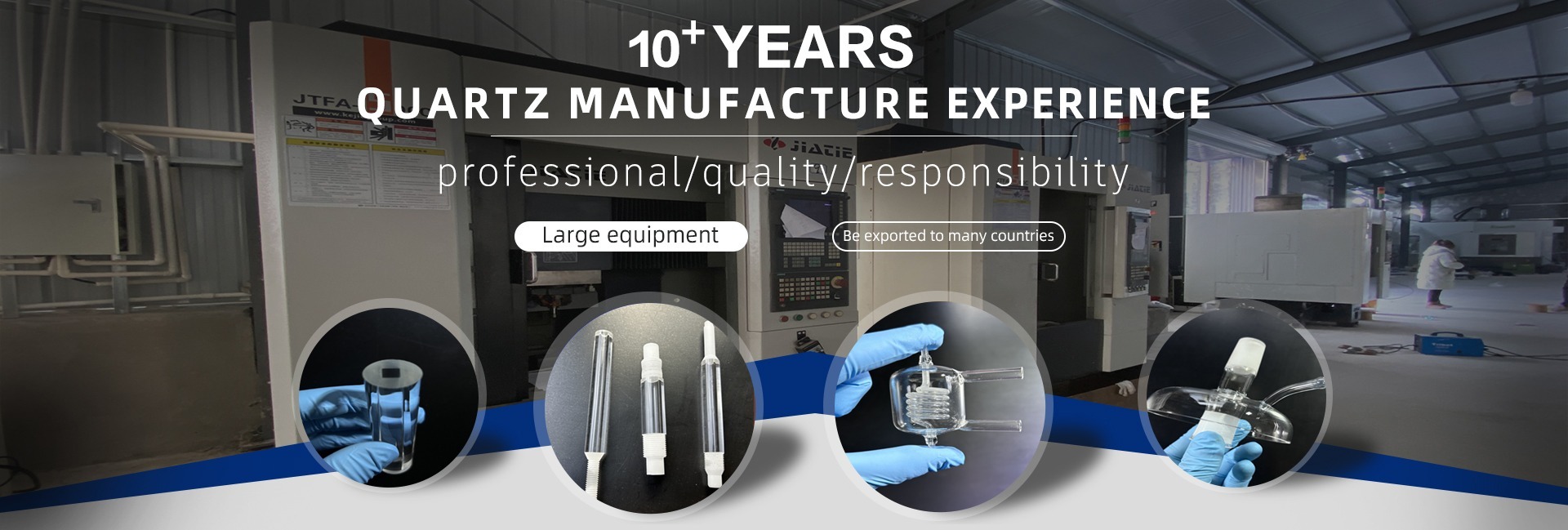
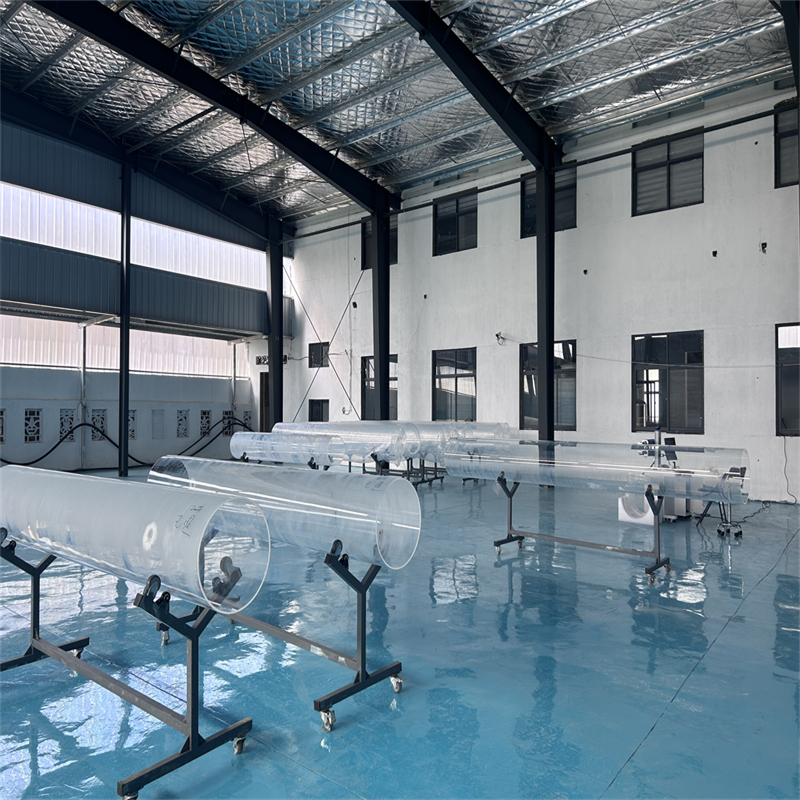
Unlike basic tubing distributors who simply cut long stock rods, Zelvo Quartz maintains a fully integrated fabrication plant equipped for precision engineering:
- Micro Laser Drilling & Slotting: High-energy CO₂ and picosecond lasers execute precise aperture drilling down to 0.2 mm without micro-cracking, chipping, or heat-affected HAZ boundary degradation.
- Master Flame Glassblowing & Welding: Skilled master artisans handle custom glass lathes to execute complex multi-branch joins, vacuum quartz envelope seals, heavy-wall quartz flange welds, and optical window joins.
- Controlled Thermal Annealing: High-capacity programmable annealing furnaces remove residual mechanical stresses introduced during flame manipulation, mitigating risks of spontaneous thermal shock fracturing.
- Multi-Stage Optical Polishing & Surface Frosting: From flame-buffed transparent outer sheaths to chemical-resistant micro-grit sandblasted diffusers, we tailor optical finishes to precise application parameters.
Reliable Global Packaging & Fast Freight to Columbus (LCK / CMH)
Exporting brittle, high-aspect-ratio glass products across continents demands specialized packaging engineering. Zelvo Quartz uses a multi-tier protective packing protocol: individual sealed vacuum bubble wrapping, custom-molded high-density polyethylene (EPE) shock absorption foam, and heavy-gauge fumigated marine plywood cases lined with moisture barriers.
For urgent requirements across the Columbus area, we provide door-to-door (DDP) expedited air cargo via Rickenbacker International Airport (LCK) and John Glenn Columbus International Airport (CMH), managing complete customs clearance and tariff classification (HTS Code 7002.31) with zero administrative burden on your receiving docks.
Frequently Asked Questions by Columbus Industrial Buyers
Clear, direct answers regarding tolerances, logistical lead times, operating parameters, and supply agreements for mechanical engineers and supply chain managers.
What are the standard dimensional tolerances for custom quartz heating tubes?
How does fused quartz perform under rapid, cyclical thermal shock?
What is the typical transit duration for shipments dispatched to Columbus, Ohio?
Can Zelvo Quartz produce custom parts based on internal engineering CAD models?
How do you protect fragile quartz tubes from transit damage during shipment?
What causes devitrification in high-temp quartz tubes and how is it prevented?
Do you offer minimum order quantities (MOQs) suitable for experimental trials?
What international trade terms and payment options do you support?
Accelerate Your Columbus Thermal Processing Systems
Whether you require standard twin-bore infrared emitter tubes, specialized quartz wafer stages for New Albany facilities, or experimental reactor vessels, our engineering team is ready to assist. Submit your dimensional drawings for a comprehensive technical review and competitive factory quote.