Featured Quartz Light Guide & Optical Glass Products
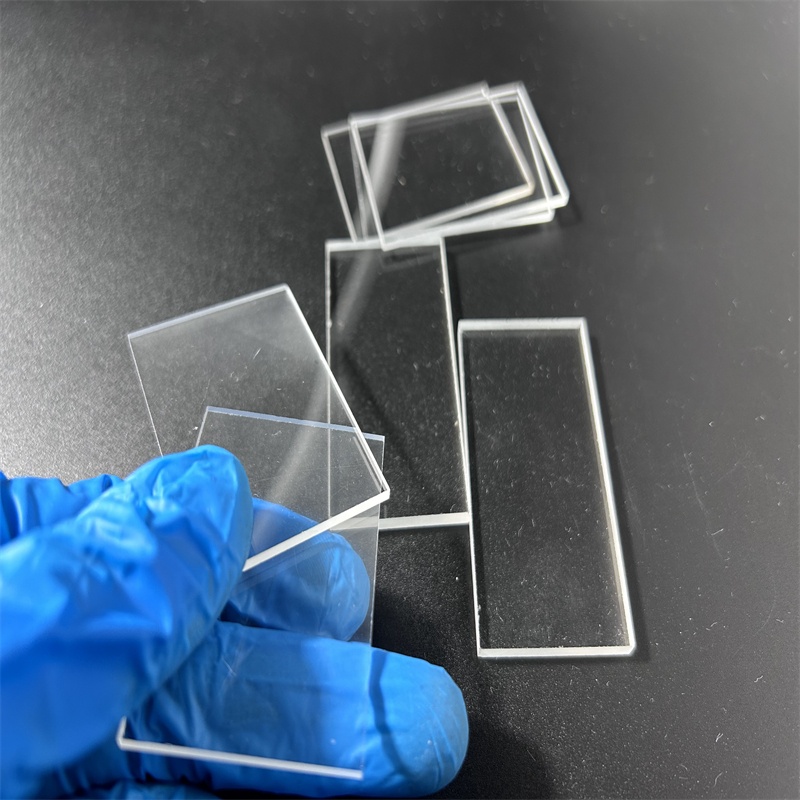
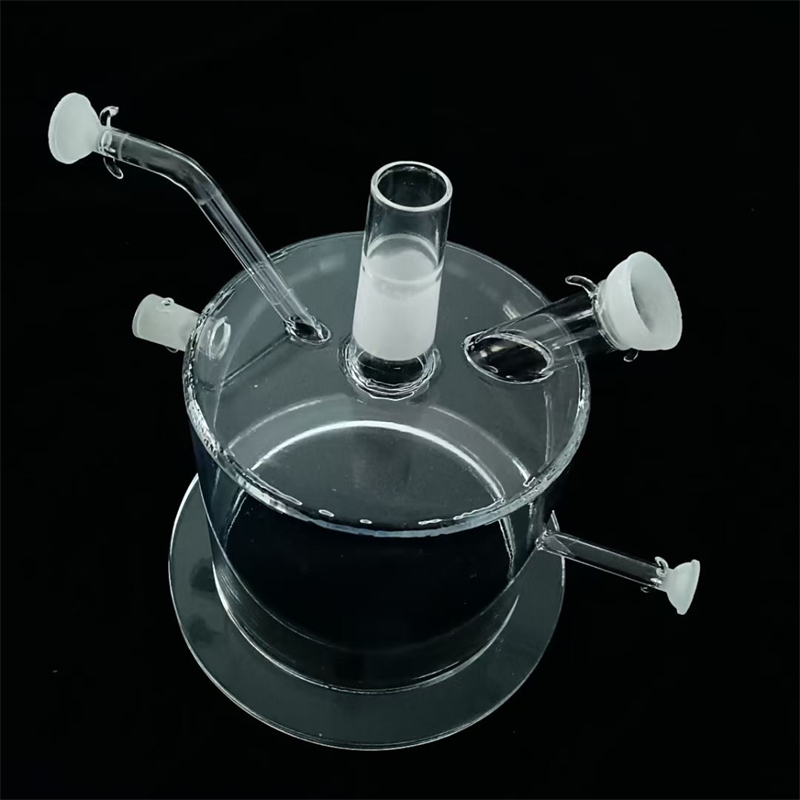
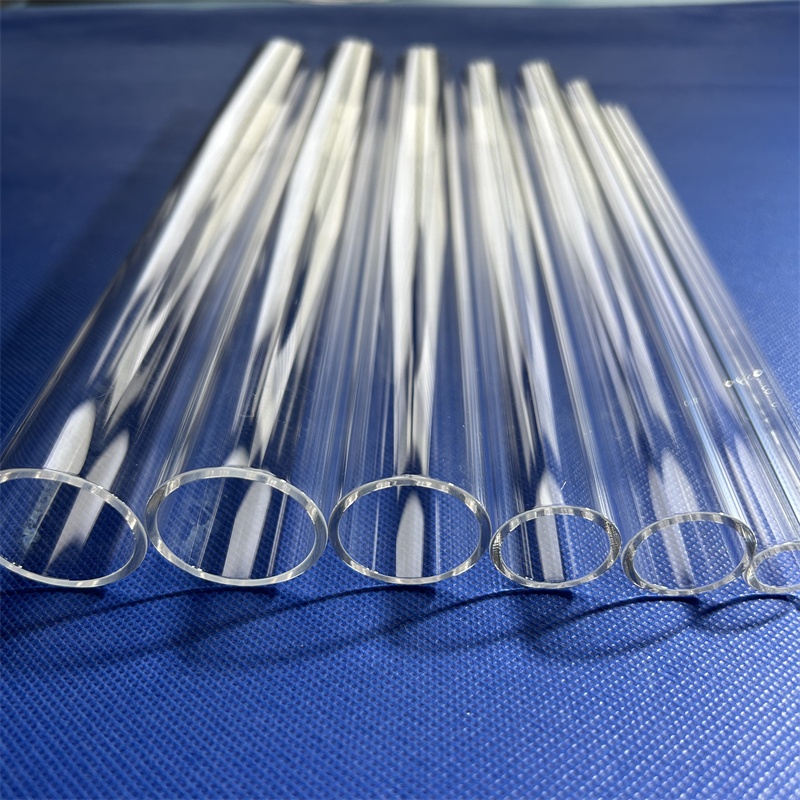
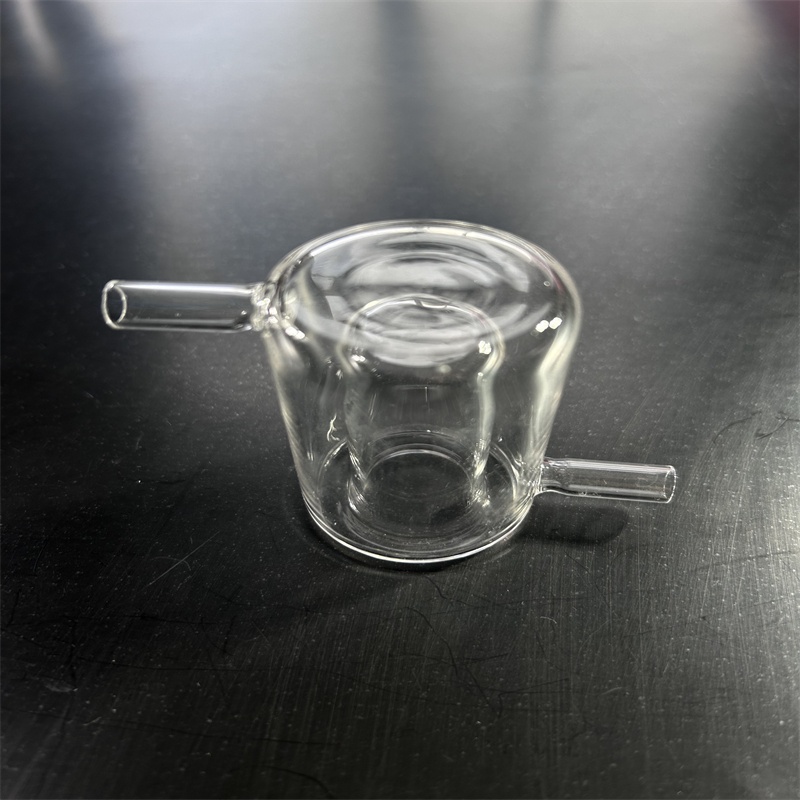
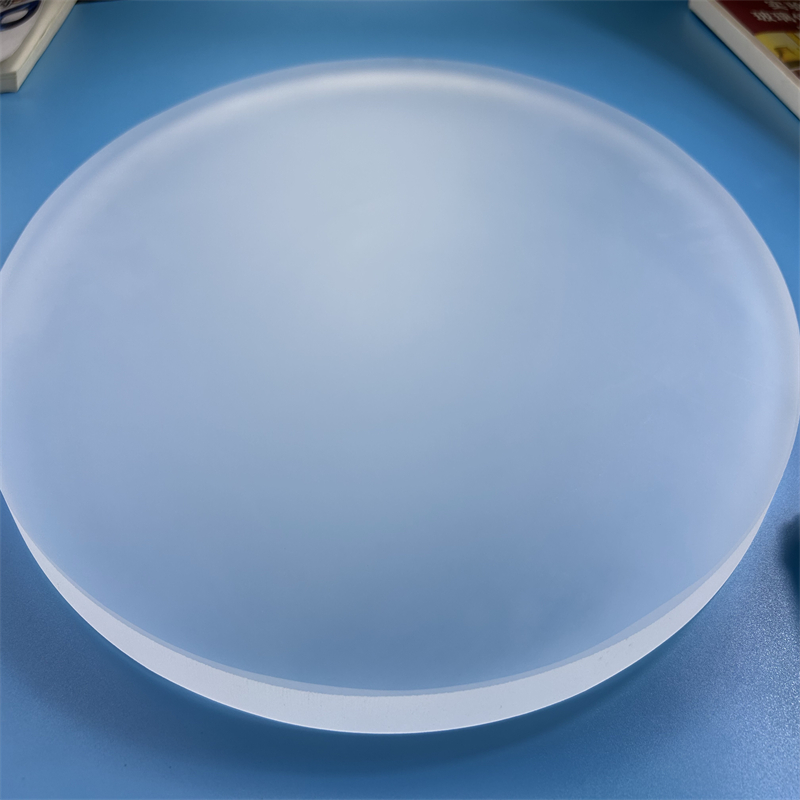
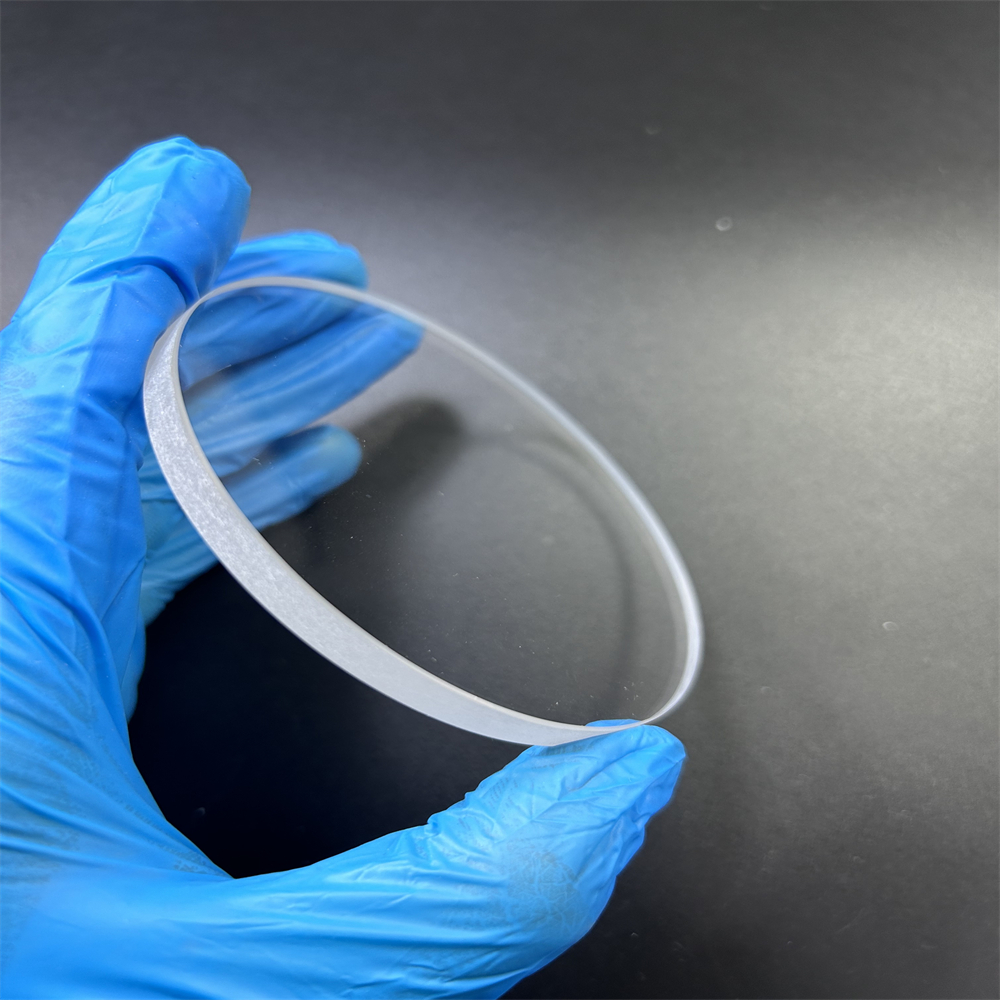
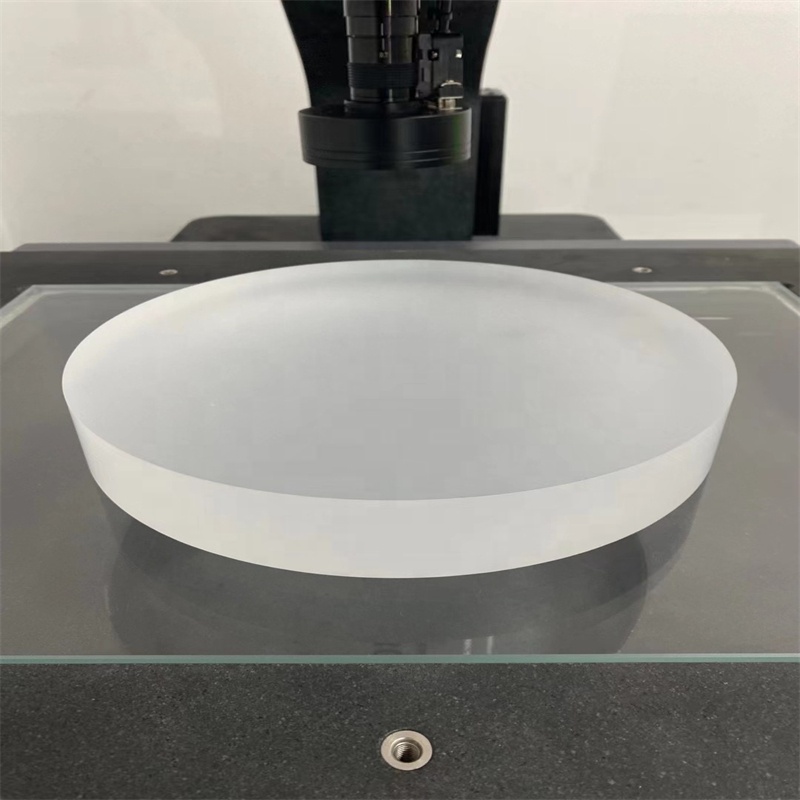
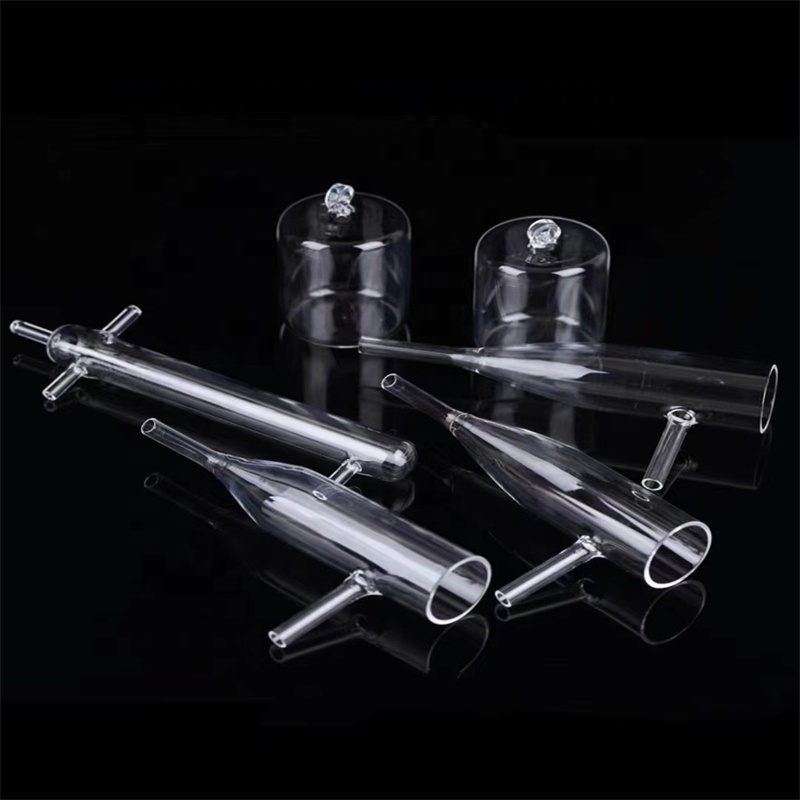
Explore our export-grade fused quartz plates, high-pressure tubes, and precision-machined light guides. All components feature ≥99.99% SiO2 purity, exceptional thermal shock resistance up to 1100°C continuous operation, and ultra-high UV-Visible optical transmission engineered for Indonesian manufacturing environments.
Quartz Light Guide Supply Chain Dynamics in the Indonesia Market
Indonesia's industrial landscape is experiencing rapid modernization across Java, Sumatra, Batam Free Trade Zone, and Sulawesi. As key sectors expand—including semiconductor testing, optoelectronic manufacturing, solar cell assembly, petrochemical refining, and municipal UV water treatment—the demand for optical-grade fused quartz components has surged. Among these components, quartz light guides (light pipes and optic rods) represent a vital class of passive optical elements used to transmit radiation efficiently across UV, visible, and near-infrared spectrums while withstanding high temperatures and chemical exposure.
Engineers and procurement directors in Indonesian industrial parks (such as Cikarang, Karawang, and Batam FTZ) frequently encounter severe operational challenges with conventional optical glass, including solarization, thermal distortion above 400°C, and surface degradation under tropical ambient humidity. High-purity fused silica quartz (SiO2 ≥ 99.99%) addresses these vulnerabilities by offering an exceptionally low coefficient of thermal expansion ($5.5 \times 10^{-7} / \text{K}$), absolute chemical inertness to acidic gases, and total optical transmittance up to 90% in critical UV wavelengths (185nm – 254nm).
Optical Light Guide Engineering: Material Science & Performance Metrics
Quartz light guides function based on the principle of total internal reflection (TIR). When light enters the optically polished end-face of a polished quartz rod or light pipe, it propagates through the core with minimal optical attenuation, provided the incident angle exceeds the critical angle defined by Snell's Law ($n_1 \sin \theta_1 = n_2 \sin \theta_2$). Because fused quartz exhibits a refractive index of approximately $1.4585$ at $589 \text{ nm}$, total reflection occurs reliably within air-clad setups ($n_2 \approx 1.00$).
1. Optical Transmission and Hydroxyl (OH-) Content Control
For light guide applications in analytical spectrometry, UV spot curing, and pyrometric temperature sensing, controlling trace impurity levels—specifically hydroxyl ($OH^-$) radicals—is essential:
- Low-OH Fused Quartz (< 5 ppm OH): Engineered for Near-Infrared (NIR) transmission without absorption dip bands at 1.39 µm, 2.2 µm, and 2.72 µm. Essential for high-temperature IR pyrometry in nickel smelters across Morowali and Halmahera.
- High-OH UV Fused Quartz (> 200 ppm OH): Provides immunity against UV solarization, permitting maximum transmission down to 180nm. Critical for UV curing systems and ozone-generating UV light pipes in water treatment facilities.
| Material / Parameter | Fused Quartz (Standard Grade) | Synthetic Fused Silica (UV Grade) | Borosilicate Glass (3.3) |
|---|---|---|---|
| SiO2 Purity Level | ≥ 99.99% | ≥ 99.9999% | ~ 81% SiO2 / 13% B2O3 |
| Continuous Working Temp | 1100 °C | 1200 °C | 450 °C |
| Coefficient of Expansion (CTE) | 5.5 × 10⁻⁷ /K | 5.2 × 10⁻⁷ /K | 33 × 10⁻⁷ /K |
| UV Transmission (254 nm, 10mm) | 88% – 90% | > 92% | < 10% (Solarizes) |
| Thermal Shock Resistance | Extremely High (1000°C to cold water) | Extremely High | Moderate (160°C ΔT) |
| Refractive Index (nd @ 589nm) | 1.4585 | 1.4580 | 1.4730 |
Localized Application Scenarios Across Indonesian Industry Clusters
As a specialized supplier serving Indonesian B2B enterprise procurement managers, Lianyungang Zelvo Quartz Products Co., Ltd. customizes optical light guides and high-purity quartz tubing to meet the operational parameters of distinct local industrial sectors:
1. Batam FTZ Optoelectronic & Semiconductor Packaging
In Batam’s free trade zone, electronics assembly plants require precision micro-light guides, quartz wafers, and optical window plates for automated optical inspection (AOI) and UV light curing of optical adhesives. Custom polished quartz light rods ensure uniform energy delivery without thermal drift.
2. Morowali & Halmahera Nickel Smelting & Pyrometry
Indonesia's downstream nickel processing plants operate rotary kilns and electric furnaces above 1200°C. Heavy-wall clear quartz tubes and IR-grade light pipes transmit optical pyrometer signals safely outside the furnace wall, resisting corrosive sulfur and slag vapors.
3. Municipal & Industrial Water Treatment (Greater Jakarta & Surabaya)
For large-scale UV disinfection in municipal water treatment plants across Jabodetabek and East Java, high-transmittance ozone-free quartz sleeves and light guides transmit 254nm germicidal UV rays with over 90% optical throughput, resisting bio-fouling and pressure surges.
4. Solar Cell & Photovoltaic Manufacturing (West Java)
As Indonesia expands domestic solar module production, CVD diffusion furnace tubes, quartz boats, and light-reflecting quartz plates play a critical role in high-efficiency solar cell doping process environments.
Indonesia Market Development Trends & Sourcing Strategy
Under the Indonesian government's "Making Indonesia 4.0" roadmap, national industrial priorities emphasize domestic value addition, high-tech manufacturing, and green energy transition. This macroeconomic trend has directly impacted B2B optical component procurement:
1. Demand Shift Toward Precision Customization Over Commodity Stock
Indonesian engineers increasingly require custom drawing-based glass fabrication. Off-the-shelf standard quartz tubes often fail to match specialized international furnace brands (e.g., Japanese, European, or American lab equipment). Factory capability in CNC laser drilling, precision slotting, U-bending, and fire-polishing has become a primary decision criterion.
2. Trade Logistics & Preferential Tariff Utilization (ACFTA Form E)
Navigating Indonesian customs (Bea Cukai) at Tanjung Priok (Jakarta), Tanjung Perak (Surabaya), or Sekupang (Batam) requires meticulous document compliance. By leveraging the ASEAN-China Free Trade Area (ACFTA) Certificate of Origin (Form E), Indonesian importers can reduce import duties on quartz glass items under HS Code 7002 and 7017 from standard MFN rates down to 0% preferential tariffs, drastically lowering total landed costs.
3. Tropical Climate Packaging & Moisture Protection
Indonesia's tropical marine environment (average humidity >80%) creates severe risk of optical glass clouding or surface contamination during maritime freight. Premium quartz exporters implement multi-layer vacuum sealing with silica desiccant packs and shock-resistant custom wooden crate packaging to guarantee optical pristine arrival.
Why Indonesian Procurement Leaders Choose Zelvo Quartz
Lianyungang Zelvo Quartz Products Co., Ltd. operates in Donghai County, Jiangsu Province—recognized globally as China's premier high-purity quartz raw material hub. Combining localized raw material access with advanced CNC machining and traditional flame craftsmanship, we offer distinct advantages for the Indonesian market:
Direct Factory Raw Material Supply
Located at the origin of natural crystal reserves, ensuring 99.99% pure SiO2 raw feedstock with complete traceability and ultra-low metal impurity levels (< 20 ppm total oxide content).
Full-Process Precision Machining
In-house capabilities include laser hole drilling, micro-grooving, high-precision surface optical grinding, flame welding, tube flanging, and inner/outer wall polishing.
Flexible MOQ Starting from 1 Piece
We support university research labs (such as ITB, UI, UGM) and industrial R&D trials with single-piece prototypes, as well as scalable OEM bulk order production runs.
Rapid Technical Drawing Feedback
Our engineering team, backed by over 10 years of hands-on glassblowing expertise, reviews 2D/3D drawings and provides feasibility feedback and quotes within 2 hours.
Frequently Asked Questions (FAQ) for Indonesian Buyers
Ready to Source High-Purity Quartz Glass for Your Indonesian Facility?
Submit your custom drawing, dimensions, or technical specifications today. Our senior optical engineers will review your request and supply a factory-direct competitive quote within 2 hours.
Get Catalog