Precision Quartz Components Engineered for Rigorous Laboratory Demands
Directly addressing extreme corrosive, high-temperature, and ultra-violet requirements across analytical spectroscopy, hydrometallurgical testing, and material science facilities.
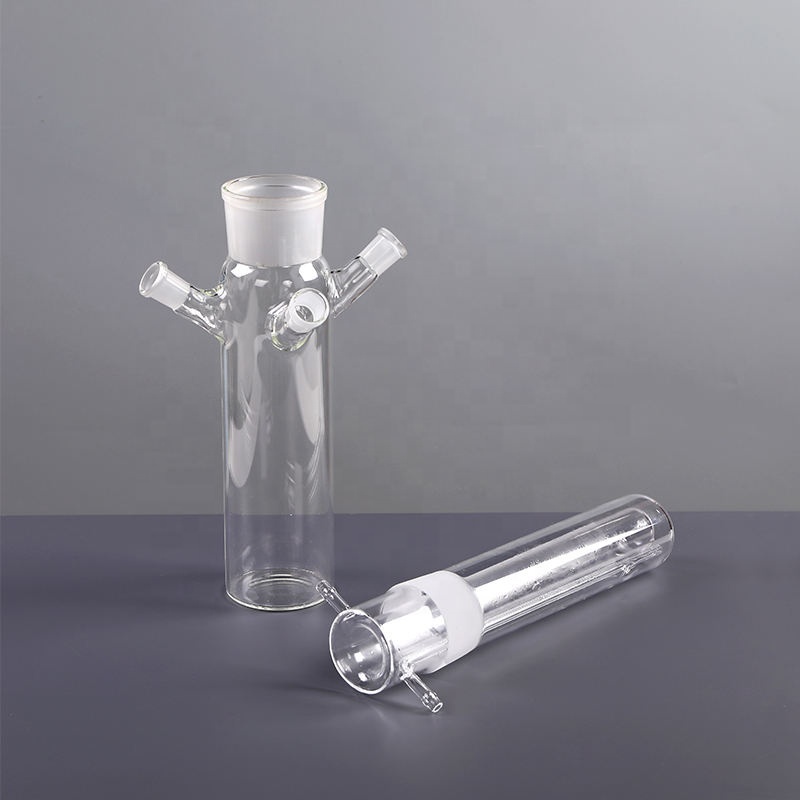
Photocatalytic Degradation Reactor Container
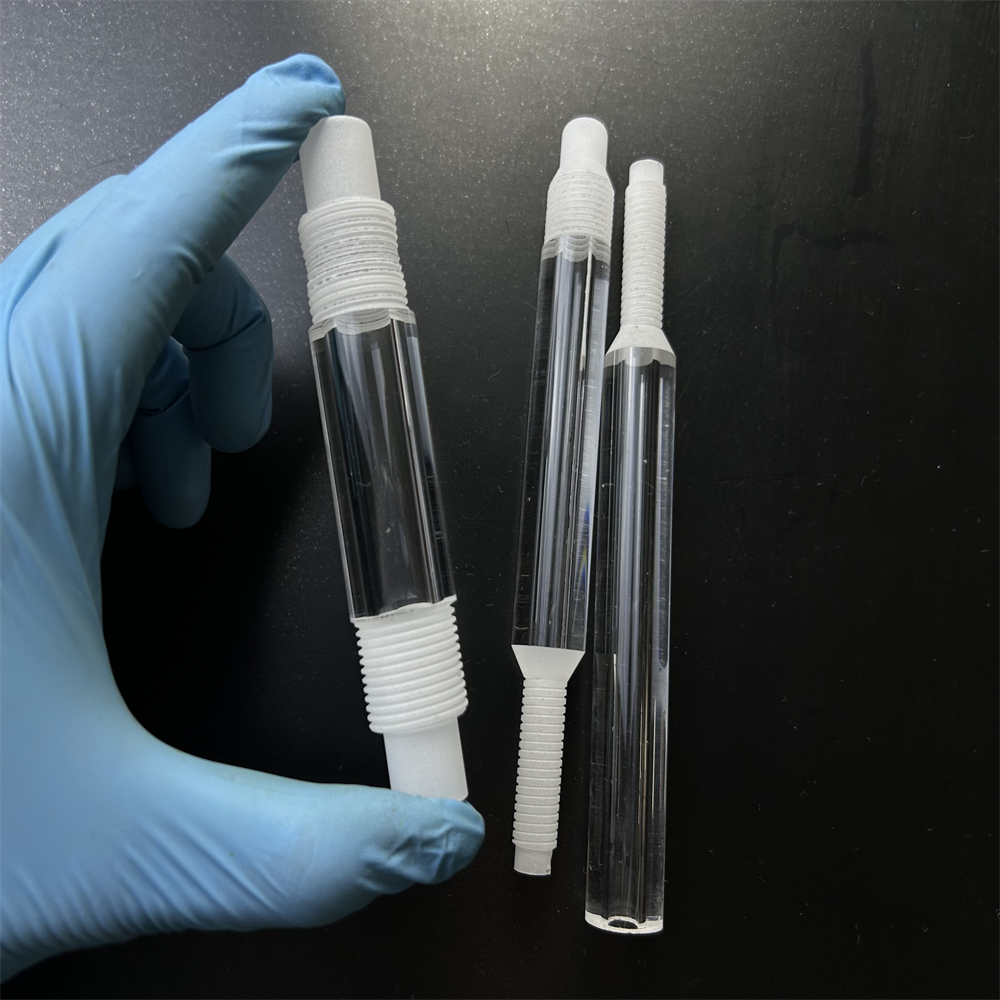
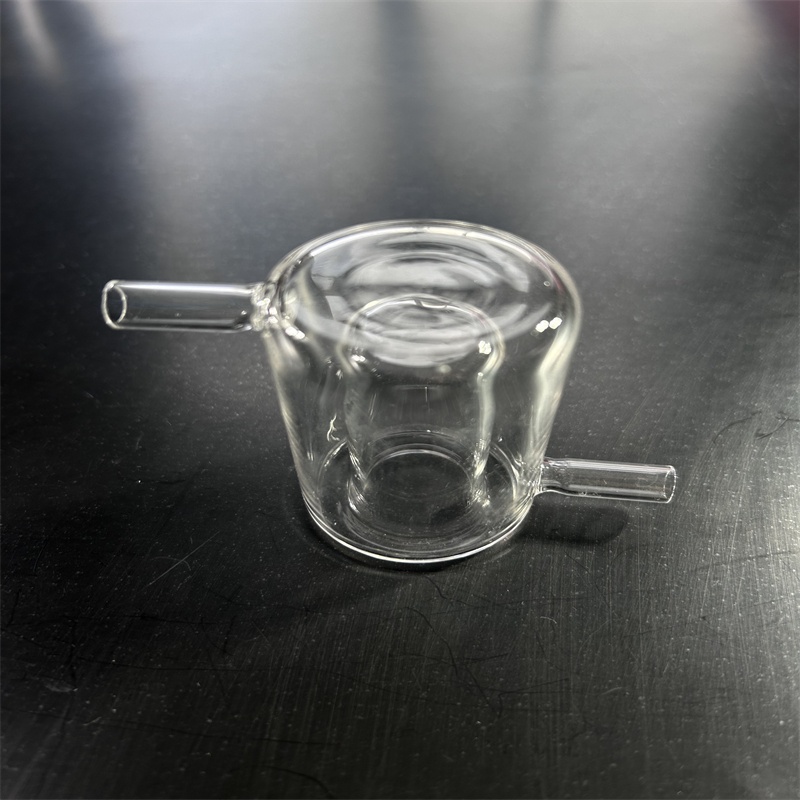
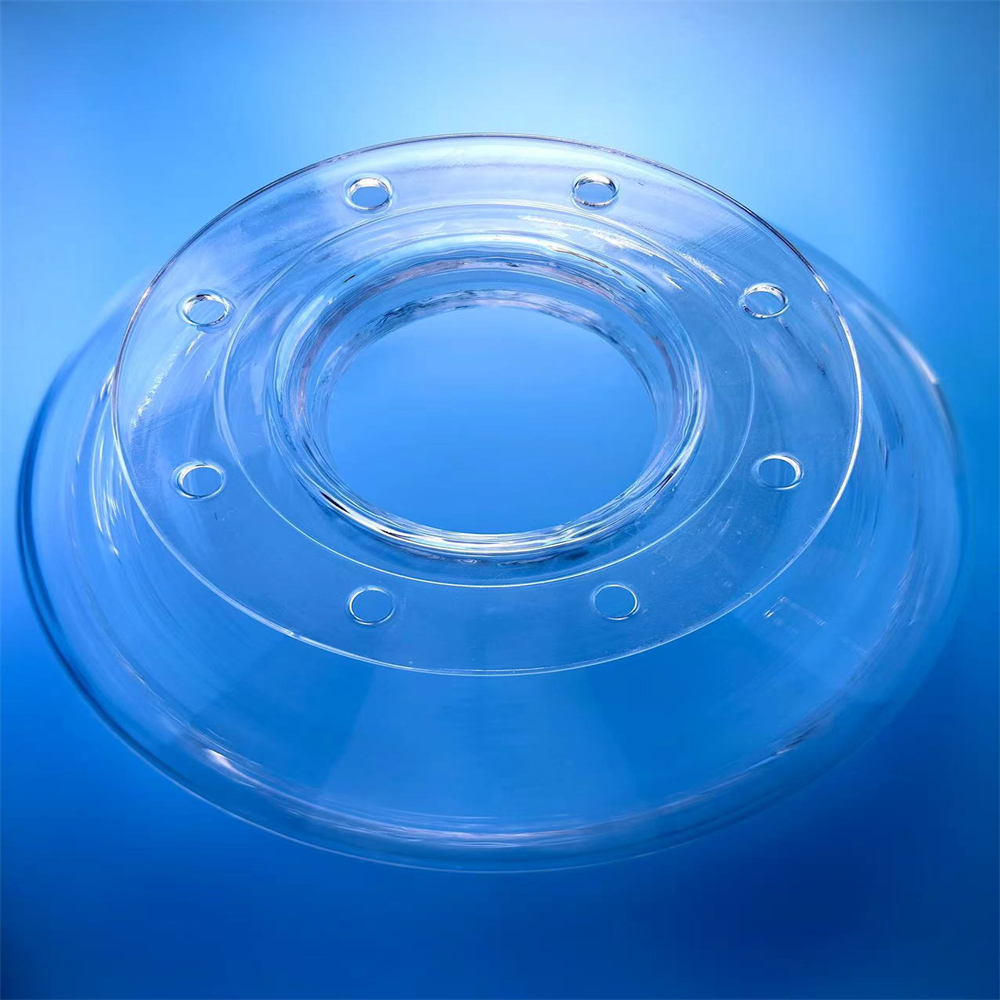
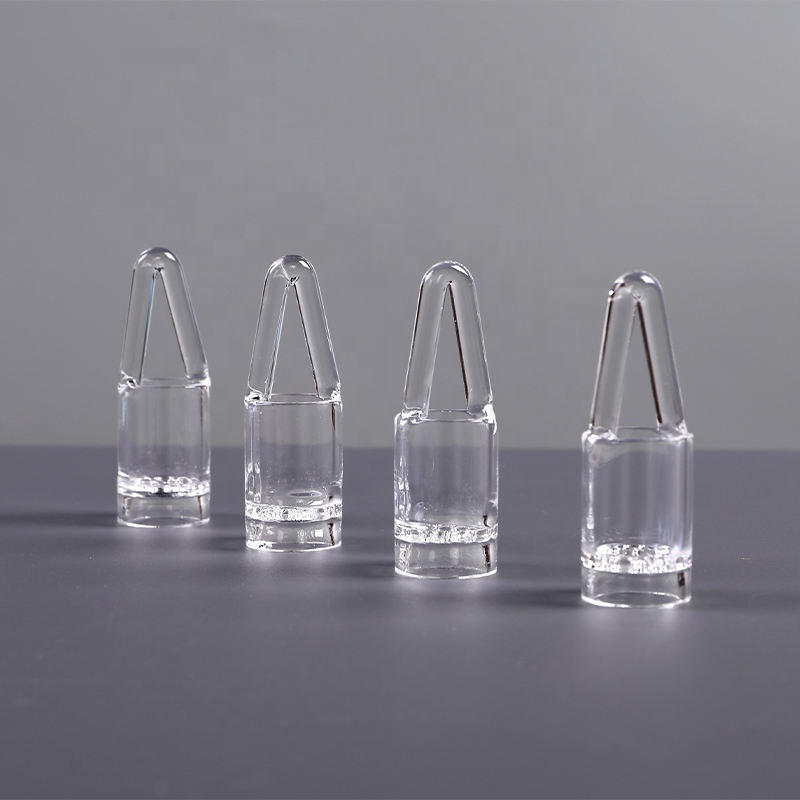
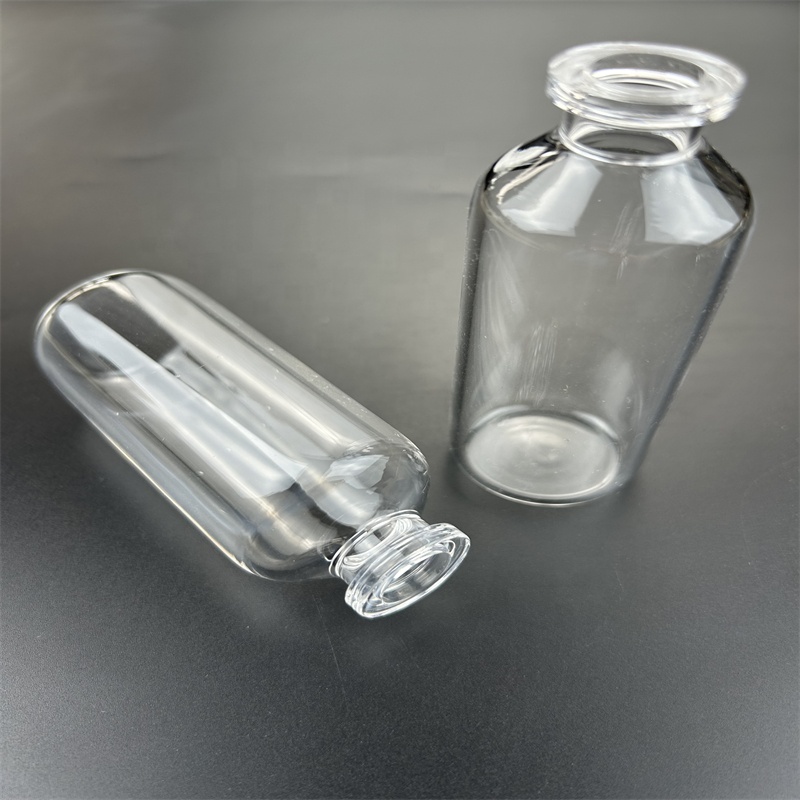
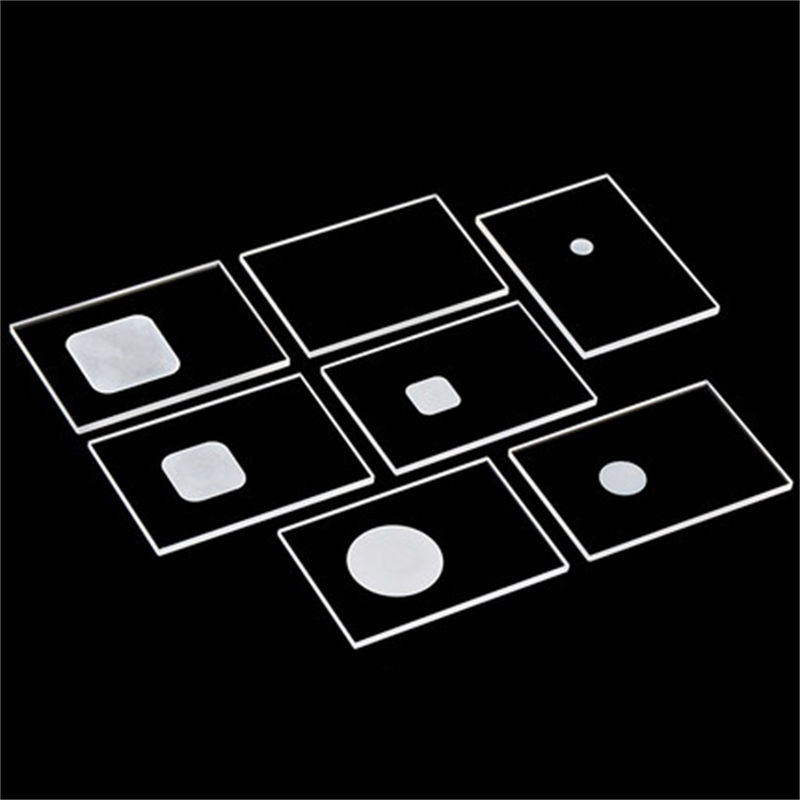
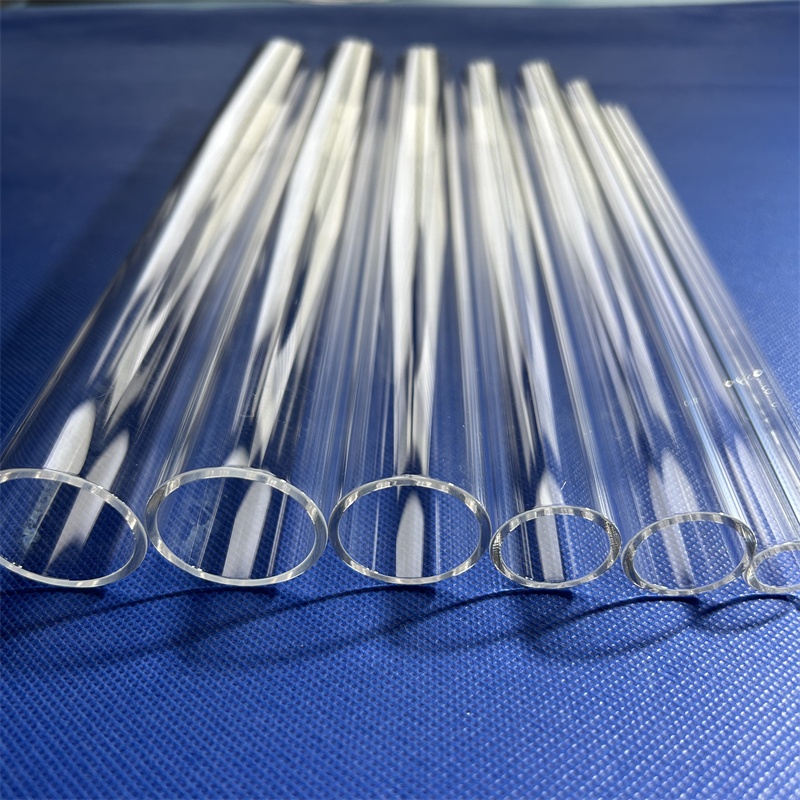
The Physics of Fused Silica Quartz Wafers: Achieving Sub-Nanometer Precision Under Extreme Acid & Thermal Stresses
In demanding materials engineering and analytical chemistry environments, fused silica quartz wafers serve as the uncompromising benchmark for high-transmittance optical windows, chemical digestion substrates, and micro-electromechanical systems (MEMS). Engineered from synthetically fused silicon tetrachloride ($SiCl_4$) or high-purity natural silica sand from Donghai, Jiangsu, fused quartz exhibits an isotropic, amorphous three-dimensional network of silicon-oxygen tetrahedra ($SiO_4$) devoid of long-range crystalline boundaries.
Unlike standard soda-lime or borosilicate glasses, high-purity fused silica exhibits virtually negligible thermal expansion ($\alpha = 5.5 \times 10^{-7}/\text{K}$ from $20^\circ\text{C}$ to $320^\circ\text{C}$). This enables our quartz wafers and reaction tubes to withstand immediate quenching from an $1100^\circ\text{C}$ calcination environment directly into water at room temperature without structural fracturing, delamination, or micro-cracking. For procurement managers and technical directors sourcing for analytical applications across the Holguín province, understanding these material properties ensures the selection of suitable quartz grades tailored precisely to the local chemical and geological matrices.
| Physical / Chemical Property | Fused Silica (Synthetic JGS1) | Optical Fused Quartz (JGS2) | Standard Borosilicate (Pyrex) |
|---|---|---|---|
| Silicon Dioxide ($SiO_2$) Content | ≥ 99.999% | ≥ 99.99% | ≈ 80.6% |
| Continuous Working Temperature | 1150 °C | 1100 °C | 230 °C |
| Maximum Short-Term Working Temp | 1350 °C | 1300 °C | 490 °C |
| Coefficient of Thermal Expansion (CTE) | $5.5 \times 10^{-7} \text{ K}^{-1}$ | $5.5 \times 10^{-7} \text{ K}^{-1}$ | $3.3 \times 10^{-6} \text{ K}^{-1}$ |
| Deep UV Transmittance (@ 200 nm, 10mm) | > 85% | > 70% | 0% (Opaque below 300 nm) |
| Hydrofluoric Acid Resistance ($HF$) | Attacked slowly (Predictable etch) | Attacked slowly | Rapidly etched & destabilized |
| Refractive Index ($n_d$ at 589.3 nm) | 1.458 | 1.458 | 1.474 |
Zelvo Quartz strictly controls trace element inclusion levels during the vacuum electric-arc melting and oxygen-hydrogen flame synthesis stages. Total metallic impurities—including Iron ($Fe$), Aluminum ($Al$), Titanium ($Ti$), Calcium ($Ca$), Sodium ($Na$), and Lithium ($Li$)—are capped below 15 ppm for standard grades and below 5 ppm for high-spec UV wafers. In spectroscopy and X-ray diffraction (XRD), this chemical neutrality prevents secondary baseline noise, parasitic fluorescence, and unwanted chemical leaching into samples under acid digestion protocols.
Through modern multi-wire diamond slurry slicing, double-side planetary chemical mechanical polishing (CMP), and non-contact laser scribing, our wafers achieve a surface roughness ($Ra$) under $0.5\text{ nm}$ ($5\text{ Å}$), Total Thickness Variation (TTV) within $2\text{ }\mu\text{m}$, and scratch-dig specifications complying with MIL-PRF-13830B standards (ranging from 60/40 down to laser-grade 20/10).
Specialized Applications Across Holguín’s Industrial & Research Landscape
Tailored component configurations optimized for eastern Cuba’s premier metallurgical facilities, coastal chemical processors, and regional scientific institutions.
Hydrometallurgical Assay & Leaching (Moa Region)
Holguín is Cuba’s metallurgical heartland, anchored by large-scale nickel and cobalt laterite mining and High Pressure Acid Leach (HPAL) operations. Zelvo’s heavy-wall fused quartz reactor tubes and high-pressure digestion vessels withstand concentrated hot sulfuric acid ($H_2SO_4$) environments, ensuring zero contamination during sample dissolution assays.
XRD Zero-Background Sample Plates
Characterizing serpentine, goethite, and smectite clays in the Moa-Baracoa ophiolite complex requires X-ray diffraction carriers with zero background scatter. Our precision-diced fused silica quartz wafer substrates provide an amorphous crystalline baseline, allowing research mineralogists to detect trace cobalt, scandium, and platinum-group minerals accurately.
Photovoltaic Pilot & Clean Energy Projects
As eastern Cuba accelerates the deployment of solar energy along its northern corridor, localized research at academic hubs such as the Universidad de Holguín utilizes our polished fused silica wafers for thin-film deposition experiments (CIGS, Perovskite) and thermal CVD diffusion carrier boats.
Marine Spectroscopy & Environmental Monitoring
Analyzing marine tailings, coastal water quality along the Bahía de Nipe, and bio-industrial wastewater requires deep UV spectrophotometer cells. Our JGS1-grade optical quartz windows deliver continuous transmission down to 190 nm, resisting biofouling and saline corrosion.
Emerging Trends Transforming Quartz Procurement in Holguín
Strategic market shifts driving eastern Cuba’s transitioning demand from consumable glassware to high-reliability advanced fused quartz.
TCO Reduction via Durability
Due to complex international logistics chains and import cycles into Cuba, procurement directors in Holguín are shifting away from short-lived borosilicate tubes that succumb to thermal stress and acidic flaking. By upgrading to 99.99% SiO₂ fused quartz with 1100°C continuous service limits, plants increase operational life fivefold, reducing unplanned shutdowns.
Micron-Level Custom Machining
Local research labs frequently retrofit older European and Russian digestion instruments or develop novel pilot-scale chemical reactors. Standard catalog sizes rarely match existing mounting flanges. The demand for factory-direct drawing-based fabrication—including laser micro-drilling, CNC threading, and U-bends—has grown by over 45% in eastern Latin America.
Documented Metallurgical Quality
Environmental and quality compliance in laterite refining requires certified analytical consumables. Procurement entities require verifiable traceability, requiring raw material mill test certificates (COA) detailing ICP-OES metallic impurity breakdowns and certified transmission spectrum curves to maintain ISO/IEC 17025 laboratory accreditation.
Why Engineering Teams Choose Zelvo Quartz as Their Primary Foundry
Headquartered in Donghai, Jiangsu—China's crystal capital—combining extensive natural silica resources with advanced CNC machining and laser-processing technology.
Raw Material Purity Control
Located at the epicentre of global silica refining, our facilities ensure continuous access to select-grade natural quartz crystals and high-purity synthetic silicas. Every melt cycle is audited to ensure SiO₂ content consistently clears 99.99%, eliminating unwanted chemical contaminants.
Master Glassblowing & CNC
Our workshop integrates 10+ year master glassmakers capable of complex flame working, U-bending, and precision flange welding alongside automated multi-axis CNC milling, diamond wheel beveling, and clean CO₂ laser cutting machines.
Exigent Optical Metrology
Before packaging, every fused silica quartz wafer, plate, and tube undergoes laser interferometer flatness inspection, surface profilometry for Ra verification, and automated polarimetric stress checks to eliminate residual strain.
Rapid Rapid Feasibility Review
Engineering drawings submitted by overseas clients receive comprehensive design-for-manufacturing (DFM) reviews within ≤2 hours. We evaluate tolerances, thermal considerations, and material selection before production starts.
Frequently Asked Questions for Holguín B2B Buyers
Direct answers covering international logistics, drawing tolerances, minimum orders, and material certifications.
Ready to Accelerate Your High-Purity Quartz Procurement?
Send your dimensional drawings, required tolerances, operating temperatures, or annual quantity requirements. Our technical sales engineers will assess manufacturability and deliver an itemized quotation within 2 hours.