High-Performance Fused Quartz & Silica Solutions Ready for Kingston Delivery
Manufactured from high-purity crystalline quartz raw material, precision flame-welded, optically lapped, and customized according to CAD tolerances for high-vacuum, cryogenic, high-temperature, and laser applications.
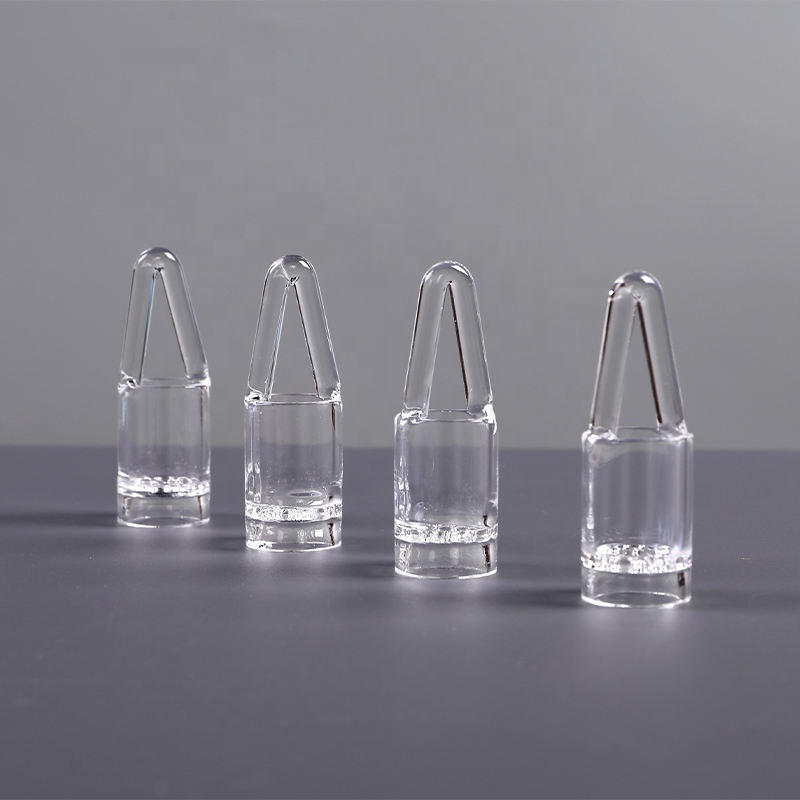
Factory Custom High Pressure 99.99% Pure Quartz Glass Tube Bending/Welding
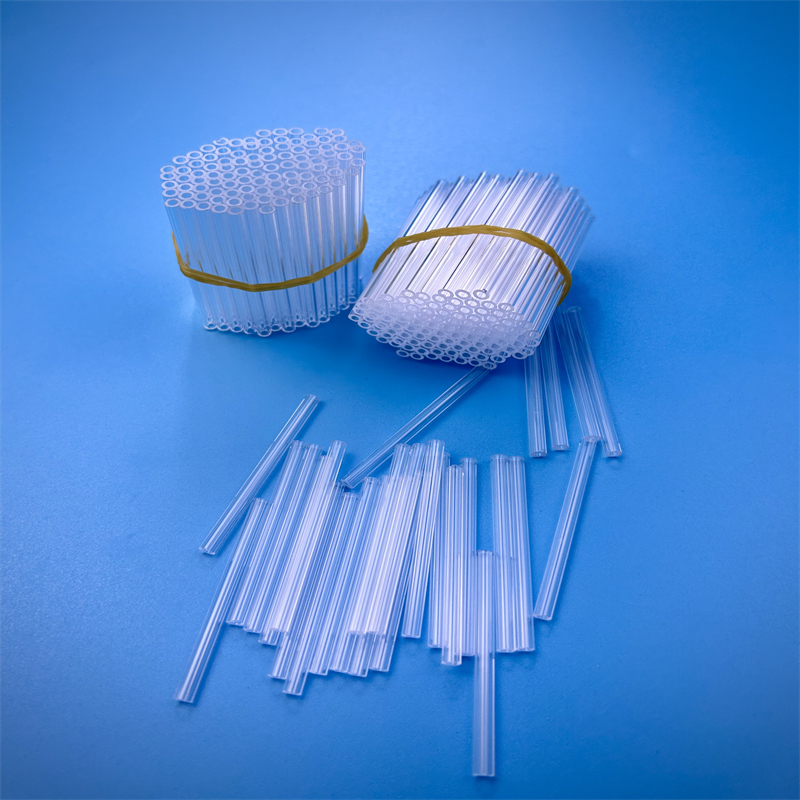
Transparent U-Bent Quartz Glass Tube Bending, Cutting & Welding Services
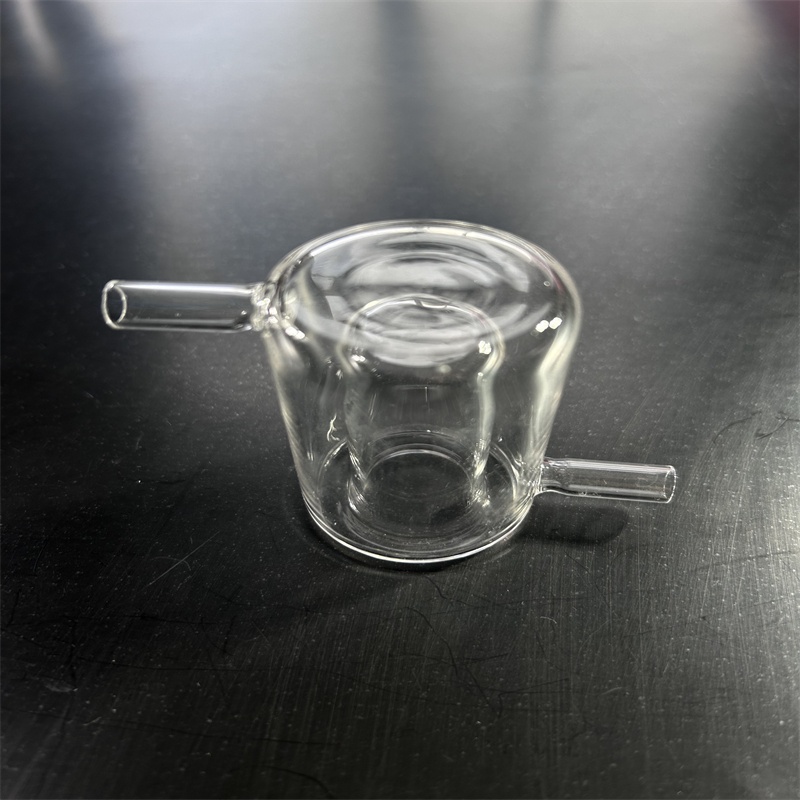
Custom 99.99% Pure Ozone Free Quartz Glass Reactor Twin Tube Laboratory Welding
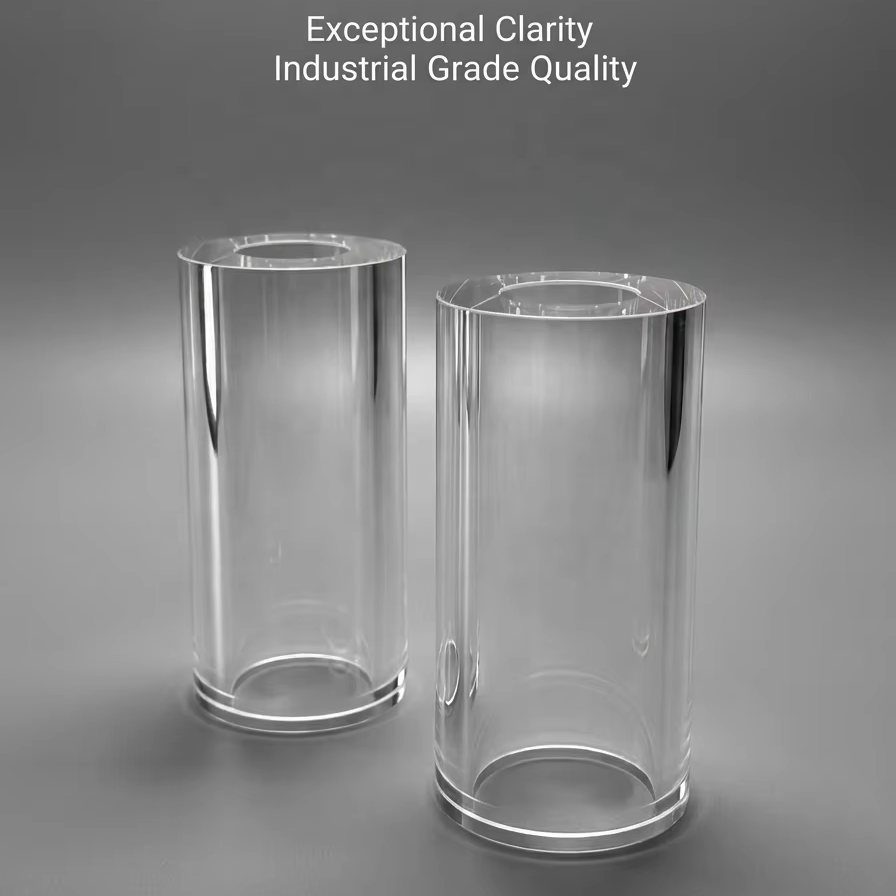
Factory Custom Both Ends Polished High Purity Transparent Quartz Twin Tube
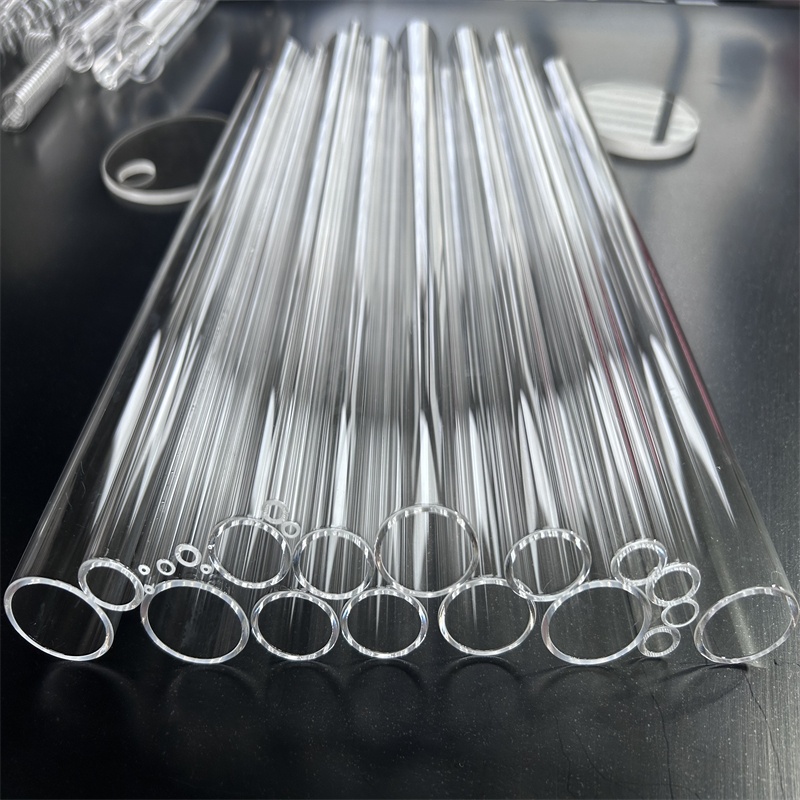
Heat Resistant Clear 99.99% Pure Fused Quartz Twin Tube with Ozone Free Welding
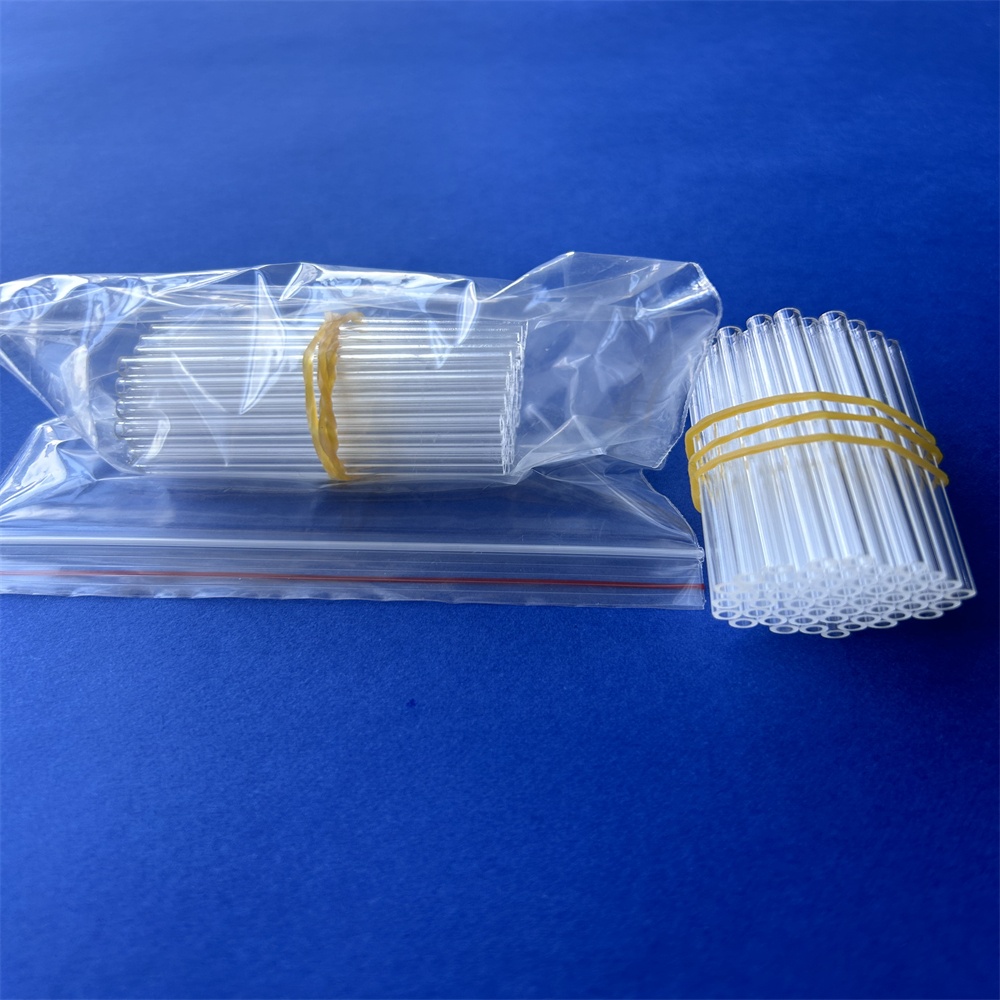
Small Diameter 0.1-20mm High Temperature Resistant Pure Quartz Capillary Tube
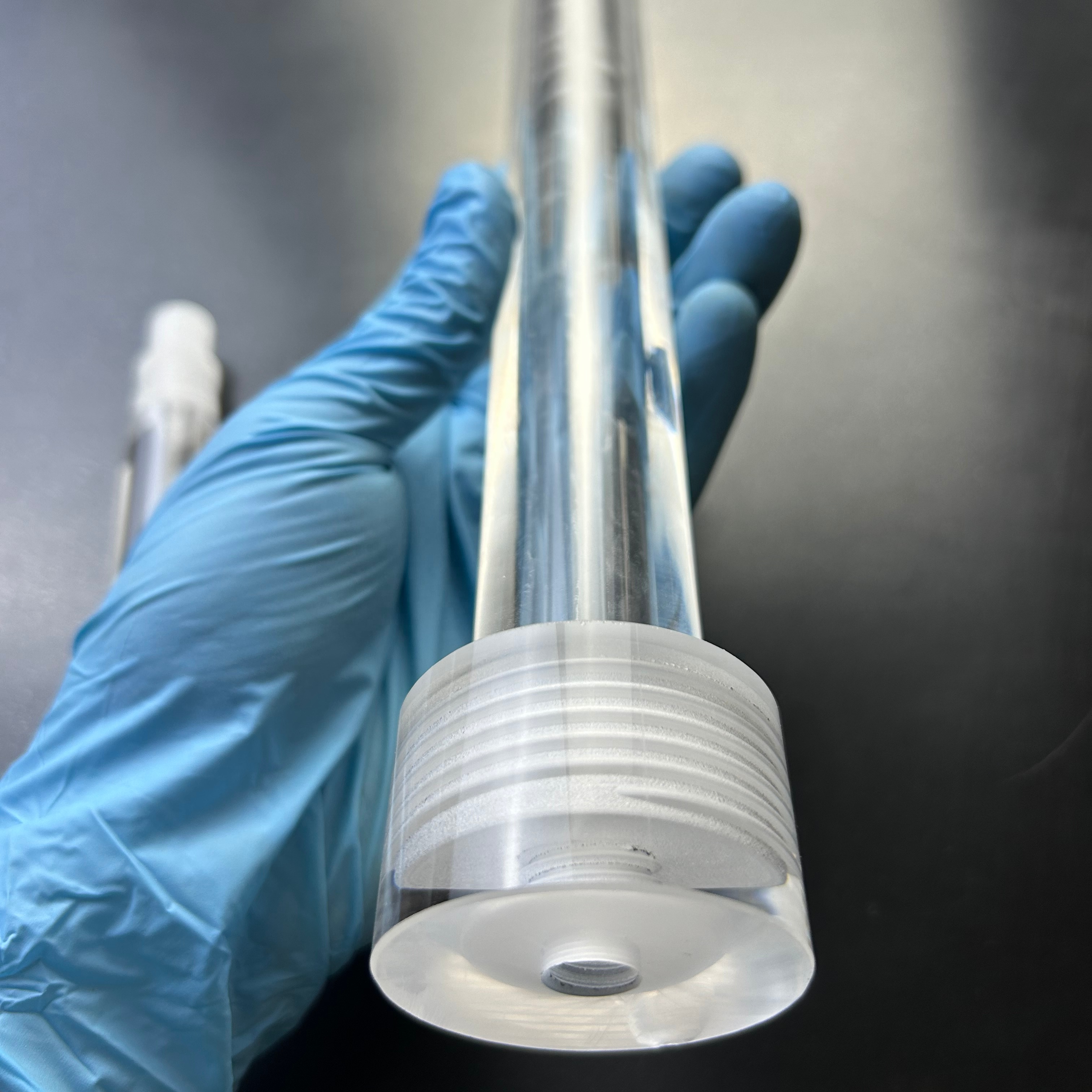
Customizable High Pressure Polished Clear 99.99% Pure Quartz Glass Twin Tube
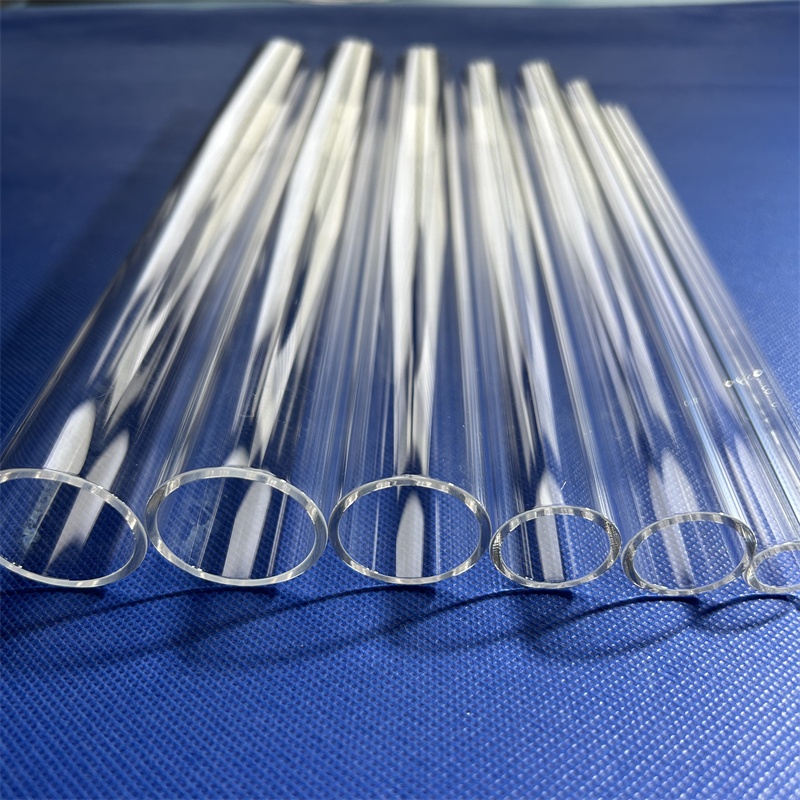
High Pressure Pure Quartz Glass Tube for Furnace, Boiler & Chemical Reaction
Engineering Principles: Synthetic Fused Silica vs. Natural Fused Quartz Windows
A comprehensive material science analysis for optical engineers, instrument designers, and academic researchers across the Greater Kingston Area.
In high-precision optical, thermal, and vacuum systems, selecting the proper grade of amorphous silicon dioxide is critical to avoiding spectral attenuation, thermal fracture, and beam wavefront distortion. While commercial terminology frequently blurs the distinction between Fused Quartz and Synthetic Fused Silica, their atomic structure, impurity profiles, and optical behavior diverge considerably under demanding laboratory and industrial conditions.
Fused Quartz is manufactured by melting naturally occurring high-purity crystalline quartz sand in electric or gas-fired furnaces. This material delivers exceptional thermal resistance, an extremely low coefficient of thermal expansion ($5.5 \times 10^{-7}/\text{K}$), and superb structural stability up to $1100^\circ\text{C}$. However, naturally derived quartz typically contains residual metallic impurities (such as Aluminum, Iron, Titanium, and Alkali ions in parts-per-million levels) that induce absorption bands, particularly in the deep ultraviolet spectrum below $260\,\text{nm}$. It represents the premier, cost-effective choice for furnace sight glasses, semiconductor process tubes, high-pressure reaction vessels, and infrared emitter envelopes.
Conversely, Synthetic Fused Silica is synthesized via the chemical vapor deposition (CVD) or flame hydrolysis of silicon tetrachloride ($\text{SiCl}_4$) or organic siloxanes in an oxygen-hydrogen flame. This gas-phase synthesis yields virtually zero metallic impurities (total metallic content often $< 0.1\,\text{ppm}$), creating a vitreous material characterized by isotropic refractive index distribution, ultra-low fluorescence, zero bubble inclusion classes (DIN 3140 / ISO 10110), and superior optical transmission extending down to $185\,\text{nm}$ in the Deep UV (DUV). For laser diagnostics, Raman spectroscopy viewports, and laser-induced damage threshold (LIDT) optics, Synthetic Fused Silica is the non-negotiable benchmark.
Optical Transmission Spectrum Ranges
Zelvo Quartz fabricates components across three internationally standardized optical grades tailored to client wavelength demands:
-
•
UV-Grade Synthetic Silica (JGS1 / Corning 7980 equivalent):Transmission range: 185 nm – 2500 nm. Free from absorption bands in the 190–280 nm range. High OH- content (800–1200 ppm) provides exceptional resistance to high-energy UV laser solarization.
-
•
Optical Grade Fused Quartz (JGS2):Transmission range: 220 nm – 2500 nm. Excellent visible and near-infrared transmission with moderate OH- content (30–150 ppm). Ideal for standard optical viewports, sight glasses, and spectrometer flow cells.
-
•
Infrared Grade Fused Silica (JGS3 / Low-OH):Transmission range: 260 nm – 3500 nm. Vacuum melted with OH- content $< 5\,\text{ppm}$, eliminating the prominent absorption trough at $2730\,\text{nm}$. Optimized for thermal imaging windows, FTIR spectrometers, and telecommunication lasers.
Mechanical & Thermal Resistance Parameters
Engineered specifically for harsh laboratory environments and thermal cycling vessels:
| Coefficient of Thermal Expansion (CTE) | $5.5 \times 10^{-7}/\text{K}$ ($20^\circ\text{C}$ to $320^\circ\text{C}$) |
| Annealing Point | $1140^\circ\text{C} - 1215^\circ\text{C}$ |
| Softening Temperature | $1683^\circ\text{C} - 1730^\circ\text{C}$ |
| Mohs Hardness / Knoop | Mohs 5.5 - 6.5 / 500 kgf/mm² |
| Dielectric Strength ($20^\circ\text{C}$) | $25 - 40\,\text{kV/mm}$ |
| Thermal Shock Tolerance | Quenching from $1000^\circ\text{C}$ directly into $20^\circ\text{C}$ water without rupture |
Localized Application Scenarios in Kingston’s Advanced Research & Industry
Supplying specialized fused silica and quartz hardware calibrated for Kingston's prestigious universities, innovation corridors, clean technology incubators, and pilot plants.
Queen's University Research Laboratories
Kingston is globally renowned for breakthroughs in condensed matter physics, particle astrophysics (SNOLAB partner institutes), and chemical engineering. Our custom synthetic silica viewports and high-vacuum quartz tubes are frequently employed in cryogenic cryostats, laser spectroscopy optical trains, and inert-gas atmosphere chemical vapor deposition (CVD) rigs within the Queen's Innovation Park and Department of Chemistry.
Clean Technology & Battery Materials
The Kingston-Cataraqui industrial ecosystem is a burgeoning hub for lithium-ion cathode recycling, hydrometallurgical extraction, and critical mineral synthesis. Pilot-scale autoclaves and calcination tube furnaces rely on our custom-drilled fused quartz flanges, observation sight glasses, and quartz process twin-tubes capable of withstanding corrosive acid vapors and thermal spikes exceeding $1000^\circ\text{C}$.
Advanced Nuclear Materials Testing (RMTL)
With the Queen’s Reactor Materials Testing Laboratory (RMTL) driving nuclear structural alloy evaluation, high-purity, radiation-resistant optical windows are vital for in-situ ion beam diagnostics and microstructural thermal treatment. Synthetic fused silica provides optimal resistance to radiation-induced darkening (color center formation), maintaining transmission clarity under neutron and gamma exposure.
Biomedical & Health Sciences Instrumentation
Adjacent to Kingston Health Sciences Centre and regional life-science startups, flow cytometry, UV absorbance detectors, and DNA capillary electrophoresis systems require precision micro-bore quartz capillary tubes and UV-grade fused silica cell windows. Our ISO 10110 compliant surface finishes guarantee minimal background fluorescence and sub-nanometer wavefront error.
High-Power Industrial Laser Processing
Advanced machining, additive manufacturing, and automated laser welding shops across Eastern Ontario utilize fused silica protective debris windows and beam collimation substrates. Given high laser-induced damage thresholds ($>10\,\text{J/cm}^2$ at $1064\,\text{nm}$, $10\,\text{ns}$ pulse), our flat windows ensure high pulse survivability and minimize thermal lensing.
Environmental Monitoring & UV Photolysis
Located on Lake Ontario and the St. Lawrence River, Kingston entities emphasize aquatic ecological testing and wastewater advanced oxidation processes (AOP). We fabricate customized ozone-free high-pressure quartz reactor jackets, UV lamp immersion sleeves, and spectroradiometric immersion windows offering $>90\%$ internal transmittance at $254\,\text{nm}$.
Future Trends in Kingston’s High-Performance Optics & Materials Arena
How evolving technical challenges along the Toronto-Kingston-Montreal innovation axis are transforming optical component procurement.
1. Transition to Deep UV (DUV) Quantum Diagnostics
As quantum computing architecture and trapped-ion experiments accelerate within Ontario’s academic corridors, optical windows must transmit extreme UV and vacuum UV wavelengths without solarization or phase deformation. Standard glass or low-grade fused quartz exhibits accelerated photochemical degradation when bombarded by wavelengths shorter than $266\,\text{nm}$. As a result, demand across Kingston laboratories is decisively transitioning toward synthetic fused silica doped with controlled hydrogen concentrations to preserve long-term optical fidelity.
2. Extreme Temperature & Ultra-High Vacuum (UHV) Sight Glasses
Modern catalytic and green-hydrogen research facilities demand multi-physics test rigs. This involves operating under simultaneous conditions of ultra-high vacuum ($10^{-9}\,\text{Torr}$) and rapid heating to over $900^\circ\text{C}$. The industry trend has moved away from traditional elastomeric O-ring sealed sight glasses toward CF-flanged, fused silica viewports metalized via titanium-molybdenum sputtering and vacuum brazed to Kovar rings, facilitating aggressive bakeouts and zero outgassing.
3. Rapid Prototyping & 1-Piece Customization Mandate
The conventional supply model—mandating multi-hundred unit minimum order quantities (MOQs) and 12-week lead times—is obsolete for agile R&D groups in Kingston. Academic project schedules and startup iterations require custom geometry: laser-trepanned apertures, eccentric ports, stepped flange rings, and slotting delivered in batches as low as 1 to 5 units within strict budgetary and grant timelines.
4. Stricter LIDT Standards in Laser Additive Metallurgy
With Eastern Ontario’s heavy industrial manufacturing adopting multi-kilowatt fiber lasers for robotic powder bed fusion and surface cladding, laser damage threshold (LIDT) guarantees are essential. Optical windows require precise scratch-dig ratings ($20/10$ or $10/5$), double-sided anti-reflective (AR) coatings with absorption below $5\,\text{ppm}$, and precision surface roughness ($Ra < 0.5\,\text{nm}$) to avoid catastrophic optical breakdown.
Fused Silica & Quartz Optical Window Comparison Matrix
Select the appropriate material grade for your apparatus based on spectral, mechanical, and impurity thresholds.
| Property / Grade | Synthetic Fused Silica (JGS1) | Optical Fused Quartz (JGS2) | Commercial Fused Quartz (JGS3 / Standard) |
|---|---|---|---|
| Primary Application | Laser optics, DUV spectroscopy, lithography | General optical sight glasses, viewport discs | Furnace tubes, high-temp sight glasses, heaters |
| Spectral Range | 185 nm – 2,500 nm | 220 nm – 2,500 nm | 260 nm – 3,500 nm |
| $\text{SiO}_2$ Purity | ≥ 99.999% (Low metallic trace) | ≥ 99.99% | ≥ 99.95% |
| Bubble / Inclusion Class | Class 0 (DIN 3140 / ISO 10110 standard) | Class 1 – 2 | Class 3 – 4 |
| Surface Roughness ($Ra$) | Down to $< 0.3\,\text{nm}$ (Superpolished) | $Ra \approx 0.5 - 1.0\,\text{nm}$ | Commercial Flame / Ground Polish |
| Index Homogeneity ($\Delta n$) | $\le 2 \times 10^{-6}$ (Precision Grade) | $\le 1 \times 10^{-5}$ | Non-specified |
| Laser Damage Threshold | $>10\,\text{J/cm}^2$ ($1064\,\text{nm}, 10\,\text{ns}$) | Moderate ($>4\,\text{J/cm}^2$) | Thermal-rated only |
| Thermal Shock Max | $1100^\circ\text{C}$ quench safe | $1100^\circ\text{C}$ quench safe | $1100^\circ\text{C}$ continuous / $1300^\circ\text{C}$ peak |
Why Kingston Researchers & OEMs Partner With Zelvo Quartz
Combining raw material origin superiority in Donghai with world-class optical machining, certified cleanroom inspection, and engineer-driven client support.
Crystal Capital Origin
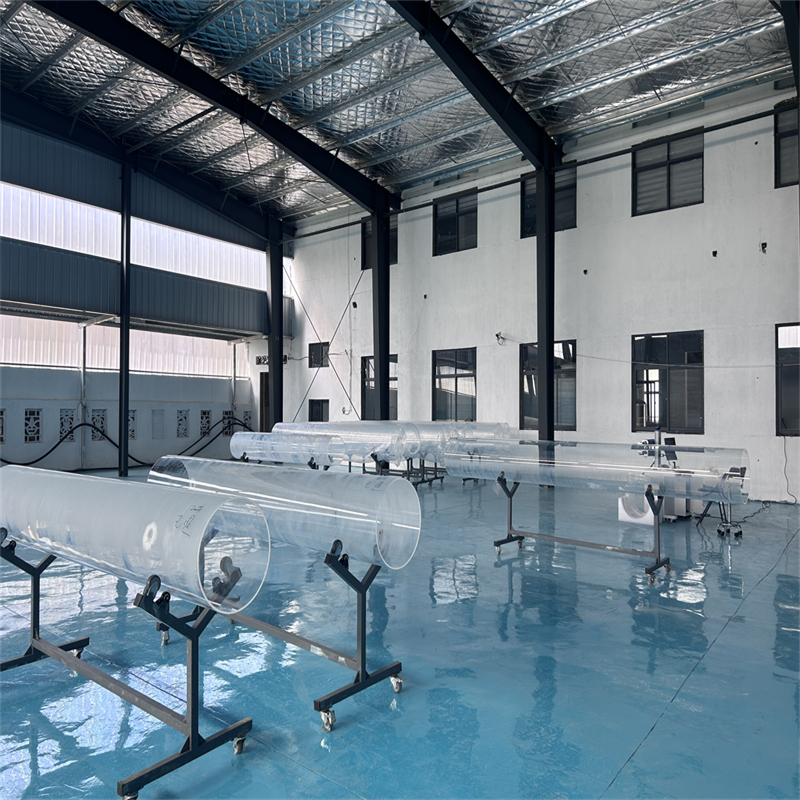
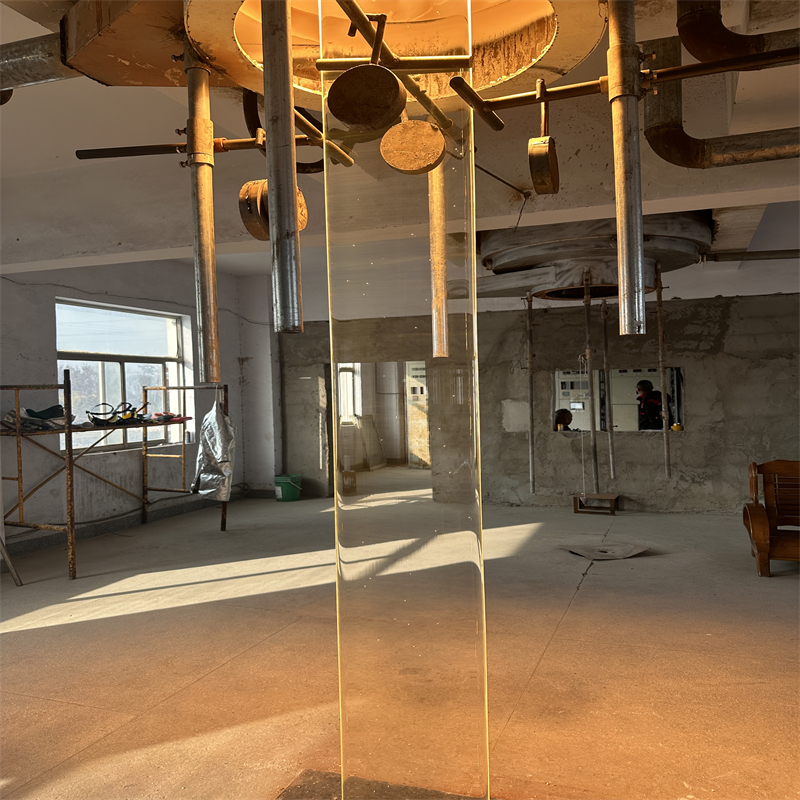
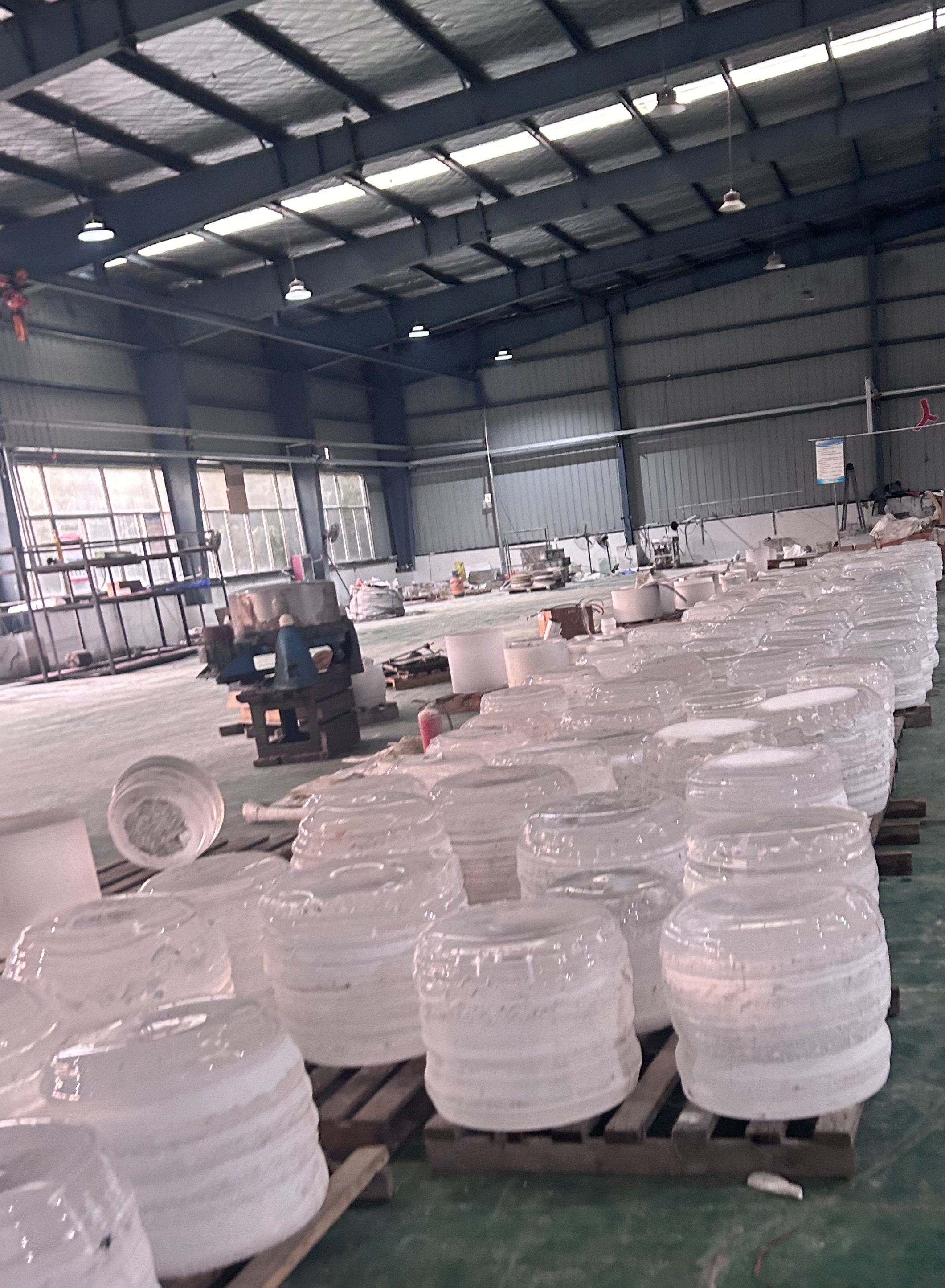
Located directly in Donghai County, Jiangsu—the premier silica refining center of China. We leverage direct access to ultra-pure 99.99% crystalline silica raw minerals, maintaining total quality control from crystal melting to secondary optical fabrication at competitive global pricing.
5-Axis CNC & Laser Micro-Machining
Our specialized workshops feature 5-axis ultrasonic CNC grinding centers, high-power $\text{CO}_2$ laser drilling heads (apertures down to $0.1\,\text{mm}$), edge beveling, slotting, and flame polishing lathes capable of holding mechanical dimensional tolerances within $\pm 0.02\,\text{mm}$.
Agile 1-Piece Prototype Policy
We eliminate standard procurement bottlenecks for Canadian research teams. Whether you need a solitary custom-milled optical window for a grant-funded experiment at Queen’s University or 5,000 quartz tubes for mass production, we treat single-piece orders with comprehensive engineering diligence.
≤ 2-Hour Technical Response
When you submit drawings (AutoCAD, SolidWorks, STEP, PDF), our senior optical engineers review optical tolerances, thermal shock margins, and raw material availability immediately, delivering actionable DFM feedback and formal quotations within 2 hours on business days.
Frequently Asked Questions for Buyers in Kingston
Addressing import clearance, packaging, custom tolerances, and technical verification for Canadian industrial and academic procurement.
How fast can custom fused silica windows be delivered to Kingston, Ontario?
What surface quality and flatness standards do you guarantee for optical windows?
Can you manufacture sight glasses with custom hole drilling, bevels, or flange steps?
How do you safeguard fragile, high-value optical quartz against transit breakage?
Are Canadian University / Institutional Purchase Orders (POs) accepted?
What quality documentation and inspection reports are supplied with orders?
Accelerate Your Project with an Engineering Drawing Review
Whether you require an optical test flat, an ultra-high vacuum viewport, or customized high-temperature quartz tube reactors in Kingston, our technical engineers are ready to assist. Submit your dimensions, tolerances, or sketches to receive feasibility feedback and a firm quote within 2 hours.