Specialized Fused Quartz Components for Gdańsk Engineering Operations
Custom fabricated to DIN, EN ISO, and ASME standards. Direct export packaging with rapid dispatch from Donghai County directly to Tricity (Gdańsk, Gdynia, Sopot) industrial terminals.
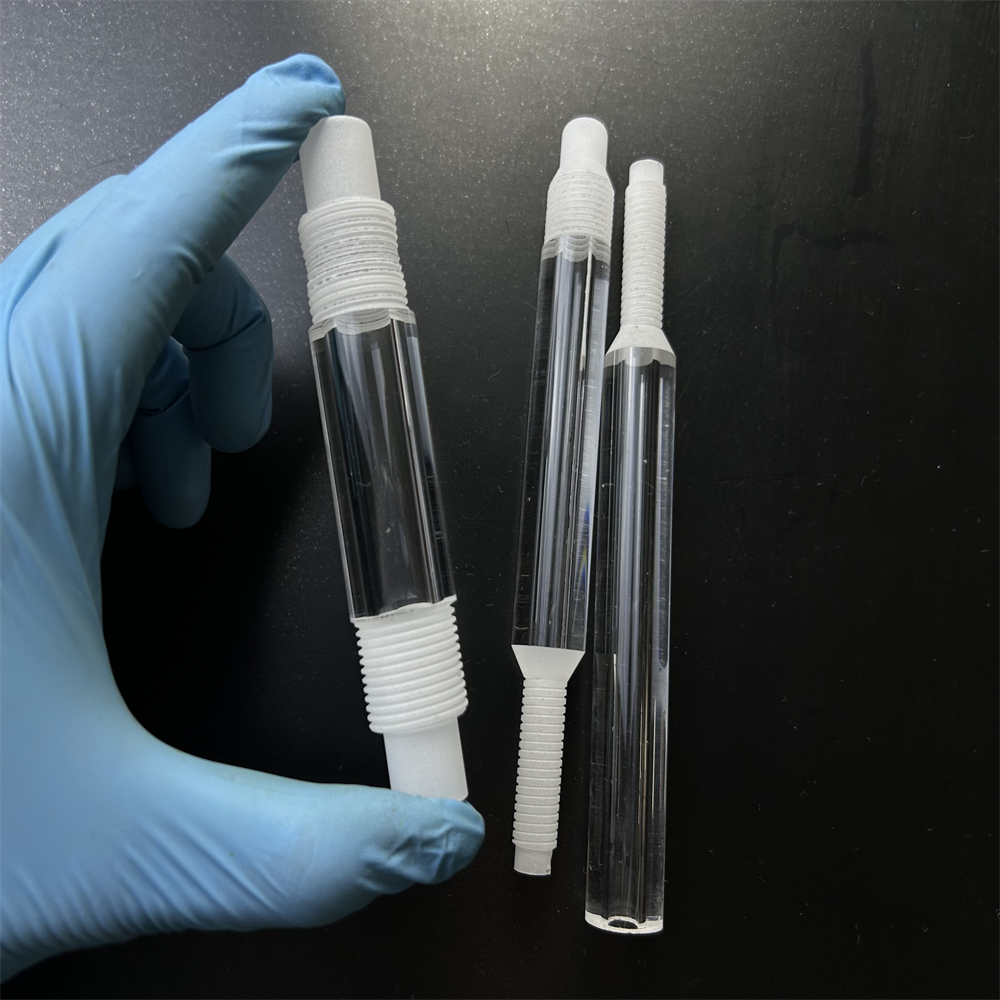
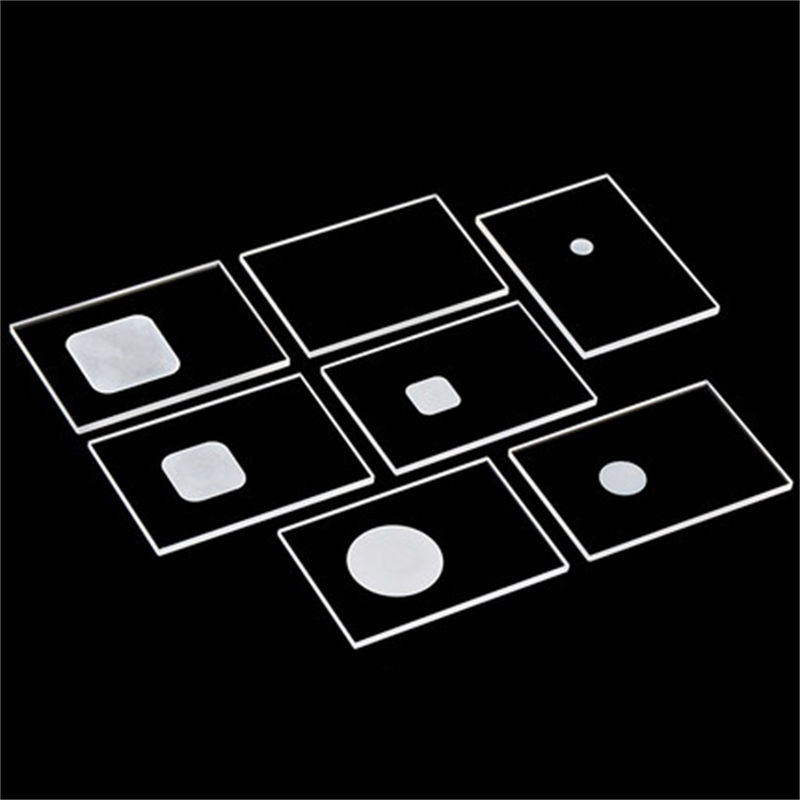
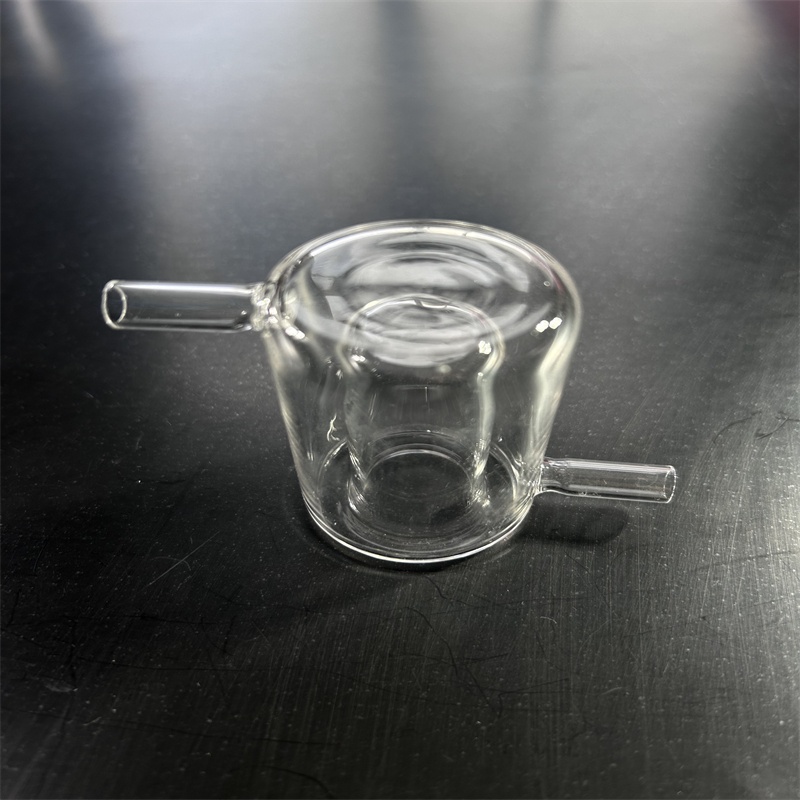
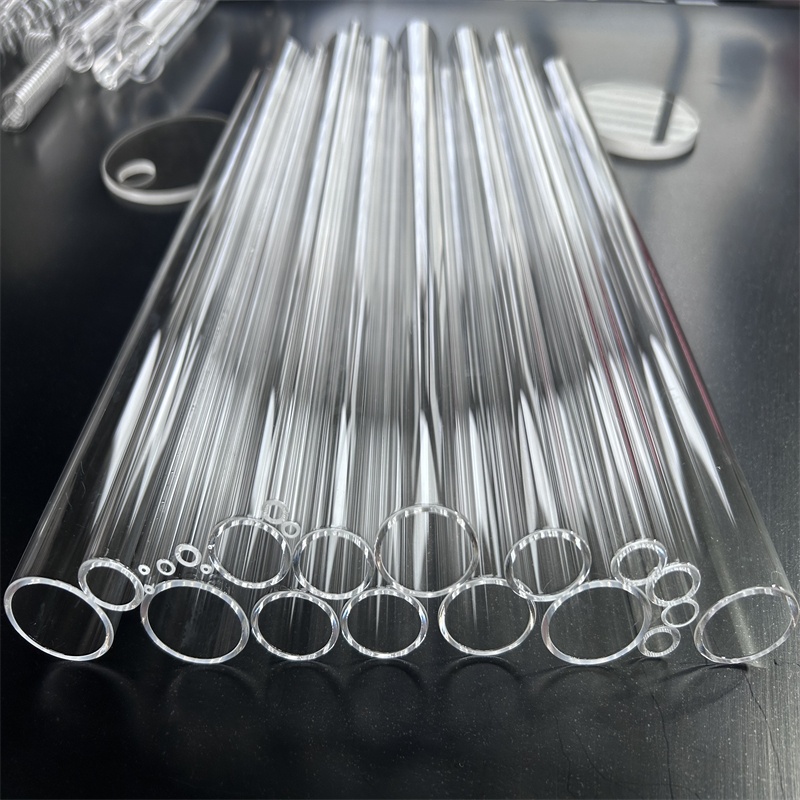
Fused Quartz Sight Glass Performance in Gdańsk Marine & Petrochemical Engineering
Modern process engineering across the Gulf of Gdańsk—spanning heavy petrochemical catalysis, offshore marine scrubbing, cryogenic LNG offloading, and green hydrogen electrolyzers—imposes extreme demands on fluid inspection components. Traditional borosilicate sight glasses (such as standard DIN 7080 formulations) exhibit structural failure risks when continuous operations surpass 280°C or when cyclic thermal shock exceeds 100°C. For industrial plants operating within Pomerania's coastal climatic profile and high-throughput processing facilities, high-purity fused silica (SiO₂ ≥ 99.99%) quartz sight glasses provide an indispensable margin of structural integrity, chemical inertness, and broadband optical transmission.
Why Fused Quartz Outperforms Borosilicate in Coastal Petrochemical Systems
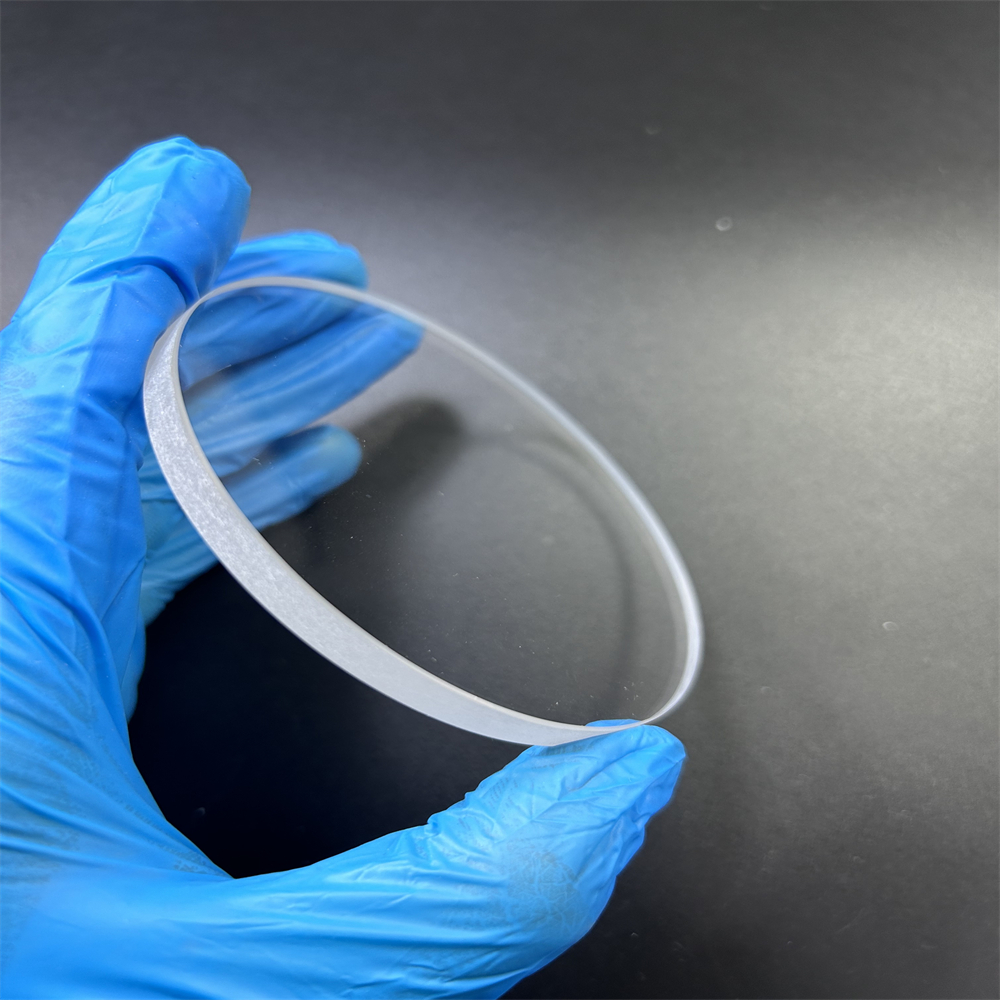
The primary advantage of fused silica quartz sight windows lies in its exceptionally low coefficient of thermal expansion (5.5 × 10⁻⁷ /K between 20°C and 320°C), roughly one-sixth of borosilicate 3.3. This near-zero expansion allows a glowing 1100°C quartz sight window to be quenched in cold Baltic seawater without micro-fissuring or catastrophic thermal explosion. In refineries, steam-cracking towers, and sulfur recovery units near the Martwa Wisła river, pressure spikes coupled with abrupt cooling during North Sea weather fronts cause severe structural stress on brittle monitoring windows. Zelvo Quartz sight discs are vacuum-fused and flame-annealed to permanently eliminate internal stress birefringence, yielding sight indicators compliant with catastrophic burst-pressure safety ratios exceeding 10:1.
Furthermore, fused quartz exhibits supreme chemical inertness against volatile organic compounds, hot concentrated sulfuric acid, nitric acid, hydrochloric acid, and aggressive marine chloride mist. While alkaline solutions at temperatures above 100°C require specialized protective shielding (such as natural muscovite mica shields), fused quartz remains utterly non-reactive to corrosive hydrocarbons and sea salt deposits that cause rapid surface pitting, leaching, and clouding in standard industrial glass.
Optical Superiority for Modern Automated Photometric Monitoring
Industrial visual inspection in the Gdańsk-Sopot-Gdynia manufacturing hub is undergoing rapid automation. Contemporary chemical and maritime facilities no longer rely solely on human visual spot-checks; instead, they mount ultraviolet-visible (UV-Vis) spectrometers, infrared thermographic sensors, and laser scattering turbidity meters directly over sight flanges. Borosilicate glass creates an optical cutoff around 300 nm, blinding UV process diagnostics. Zelvo’s optical-grade fused silica sight glasses (JGS1 / JGS2 optical tiers) sustain stellar transmission (>90%) across the deep ultraviolet spectrum (down to 190 nm) through the visible range and into the near-infrared spectrum (up to 3500 nm). This allows uninterrupted inline spectroscopy for water-in-oil monitoring, ballast water sterilizer validation, and catalytic emission checks.
Tailored Deployment Across Gdańsk’s Core Industrial Sectors
Engineered to meet specific mechanical load cases, corrosive atmospheres, and regulatory frameworks common to Polish Baltic enterprises.
1. Petrochemical Refining & Hydrocracking (Rafineria Gdańska Ecosystem)
In high-pressure hydrodesulfurization, fluid catalytic cracking (FCC), and asphalt distillation units along the Gdańsk industrial canal, process liquids operate under extreme temperatures (up to 450°C) and aggressive sulfur atmospheres. Zelvo’s high-pressure fused quartz circular discs (up to 30mm thick) withstand pressures from PN40 to PN100. Combined with custom graphite-backed sealing faces, these discs provide reliable visual verification of level gauges, slurry foam interfaces, and pipeline flow conditions without hazing or risk of blowout.
2. Baltic Shipbuilding, Marine Scrubbers & Ballast Water Systems
Shipyards across the Tricity cluster—including Gdańsk Shipyard, Remontowa Shipbuilding, and Crist—require heavy-duty sight flow indicators for marine scrubbers, engine coolant loops, and ballast water management systems (BWMS). High-output UV disinfection reactors in modern ballast systems demand customized ozone-free transparent quartz sleeves and high-strength sight windows that resist high salinity Baltic and oceanic brine while maintaining 254 nm germicidal UV penetration without solarization or degradation.
3. Pomeranian Hydrogen Hub & Baltic Offshore Wind P2X Pilot Plants
As Northern Poland emerges as a major center for offshore wind energy and green hydrogen production, high-pressure electrolysis plants and synthetic ammonia/methanol synthesis reactors require certified sight windows. Pure hydrogen under elevated pressures easily embrittles conventional metals and degrades inferior glass formulations. High-purity synthetic fused quartz sight discs provide an impervious diffusion barrier, offering safe visual inspection ports for alkaline and PEM electrolysis chambers operating up to 350 bar test pressures.
4. High-Purity Pharmaceutical & Chemical Synthesis (Pomeranian Cluster)
The pharmaceutical and specialty chemical synthesis hubs in Pomerania operate under strict sanitary protocols (cGMP, FDA, and European Pharmacopoeia standards). Sight glasses installed in bioreactors, crystallizers, and vacuum distillers must endure repetitive Clean-In-Place (CIP) and Steam-In-Place (SIP) sterilization cycles. Our flame-polished quartz discs possess ultra-smooth, pore-free surface topographies (Ra < 0.05 μm) that inhibit bacterial biofilm growth, resist caustic cleaning chemicals, and withstand continuous high-temperature thermal cycling.
Material Comparison Matrix: Fused Quartz vs. Competing Sight Glasses
Direct comparative performance parameters to assist Gdańsk design engineers and plant reliability managers in selecting compliant materials.
| Technical Property | High-Purity Fused Quartz (Zelvo) | Borosilicate Glass 3.3 (DIN 7080) | Tempered Soda-Lime Glass | Synthetic Sapphire (Al₂O₃) |
|---|---|---|---|---|
| Chemical Purity / Formulation | SiO₂ ≥ 99.99% | SiO₂ ≈ 81%, B₂O₃ ≈ 13% | Standard Na₂O-CaO-SiO₂ | Single Crystal Al₂O₃ > 99.9% |
| Max Continuous Temperature | 1100 °C | 280 °C | 150 °C | 1800 °C |
| Max Short-Term / Peak Temp | 1300 °C | 300 °C | 180 °C | 2000 °C |
| Thermal Shock Resistance (ΔT) | > 1000 °C (Water Quench Safe) | ≈ 130 °C - 150 °C | ≈ 50 °C - 80 °C | ≈ 300 °C - 400 °C |
| Thermal Expansion (20-300°C) | 0.55 × 10⁻⁶ / K | 3.3 × 10⁻⁶ / K | 9.0 × 10⁻⁶ / K | 5.8 × 10⁻⁶ / K |
| Optical Transmission Range | 190 nm – 3500 nm (Deep UV to IR) | 310 nm – 2200 nm | 380 nm – 2000 nm | 150 nm – 5500 nm |
| Mohs Hardness / Scratch Resist | 5.5 – 6.5 (High Abrasion Resist) | 5.0 – 5.5 | 4.5 – 5.0 | 9.0 (Extremely High) |
| Relative Procurement Cost | Moderate / Highly Economical | Low | Very Low | Extremely High (5x-10x) |
Why Gdańsk Engineers & Procurement Directors Rely on Zelvo Quartz
Direct manufacturing origin from Donghai County (China's Crystal Capital) combined with Western-grade precision machining and export certifications.
Origin Material Control
Located in Donghai, Jiangsu, we control pure silica refinement from raw quartz rock. Purity certified to SiO₂ ≥ 99.99% with strict exclusion of heavy metals and micro-bubbles.
Laser & CNC Machining
Full in-house CNC waterjet cutting, 5-axis laser drilling, beveling, surface micro-grinding, flame polishing, and welding for bespoke drawing-based sight port designs.
Rapid Turnaround & Low MOQ
1-piece minimum order quantity supports fast-turnaround prototyping and emergency plant maintenance replacements. Engineering drawing confirmation response ≤ 2 hours.
Baltic Hub Direct Logistics
Custom multi-layer anti-vibration shock packaging and fumigated wooden crates. Direct container freight to Baltic Hub (DCT Gdańsk) or expedited express via Lech Wałęsa GDN.
Frequently Asked Questions: Gdańsk Industrial Procurement
Direct technical and commercial answers tailored for Polish process engineers, mechanical contractors, and industrial supply managers.
How do quartz sight glasses conform to European Pressure Equipment Directive (PED 2014/68/EU) standards?
Can Zelvo manufacture direct drop-in quartz replacements for existing DIN 7080 borosilicate windows?
What gasket materials and sealing face configurations are recommended for marine and refinery sight ports in Gdańsk?
How does the Baltic marine saline environment affect quartz sight glass surface clarity over multi-year deployments?
What are the typical logistics options and customs delivery lead times to Gdańsk and Pomerania?
Can you provide custom precision cutting, step-machining, and laser-drilled ports for sensor integration?
Need Customized Quartz Sight Glasses Engineered for Your Gdańsk Facility?
Speak directly with our quartz fabrication engineers. Send us your dimensional drawings, maximum process pressure, continuous temperature, and required quantity for an expedited formal quote.