Precision Fused Quartz & U-Bent Component Lines
Engineered for high-temperature synthesis, corrosive reagent containment, and analytical instruments across regional industrial sectors.

High-Purity Fused Quartz Glass in Severe Industrial Environments
A rigorous examination of geometric bending fidelity, devitrification thresholds, and thermochemical survivability for heavy manufacturing and research institutions.
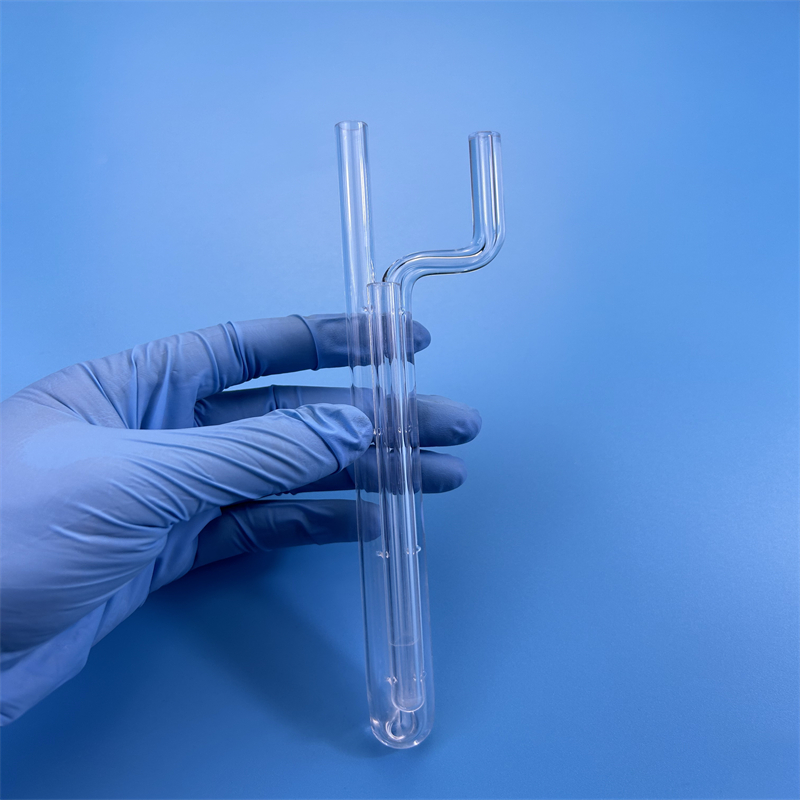
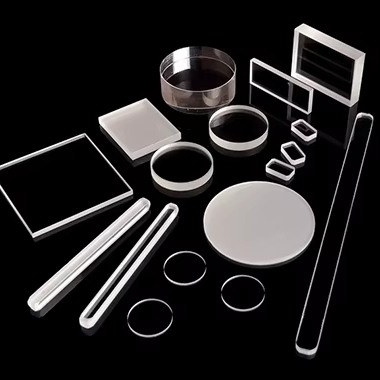
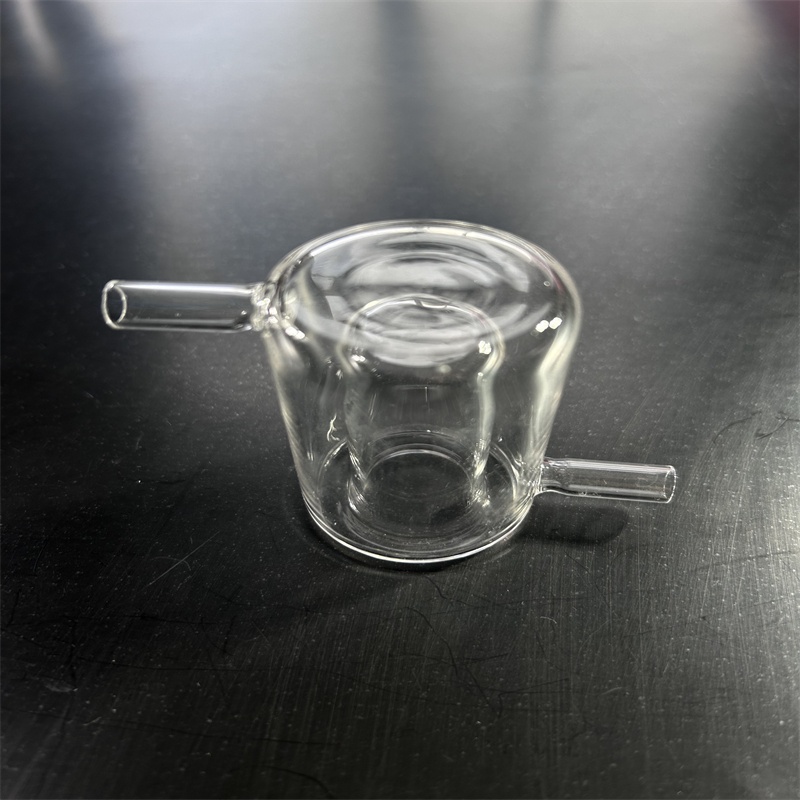
Fused quartz components, and specifically U-bent quartz glass tubes (also engineered as twin-bore, hairpin, or multi-pass thermal loops), serve as the structural and operational backbone for high-temperature synthesis, chemical pyrometry, radiant infrared drying, and analytical sampling systems worldwide. In specialized manufacturing environments—such as those driving industrial facilities across the North Korea market—the operating parameters demanded of vitreous silica are remarkably stringent. These environments require materials capable of withstanding continuous operational plateaus exceeding 1100°C, volatile corrosive reagents including chlorine gas, sulfur dioxide, and concentrated nitric vapor, as well as rapid cyclic transitions down to ambient sub-zero continental temperatures.
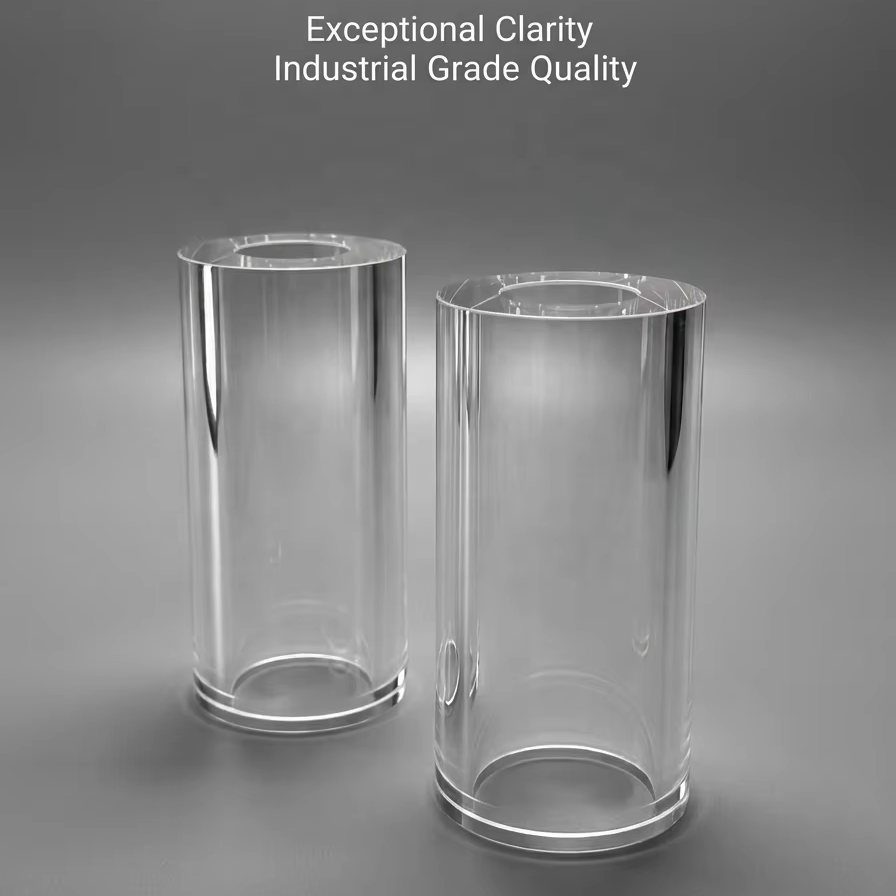
Lianyungang Zelvo Quartz Products Co., Ltd., based in Donghai County—the acknowledged crystal and quartz manufacturing nexus of China—specializes in solving these thermodynamic dilemmas. Standard borosilicate (such as standard 3.3 laboratory glass) catastrophically fails under these environments, suffering thermal stress failure at temperatures beyond 500°C and exhibiting accelerated chemical degradation under hot acidic or vaporized halogen atmospheres. Conversely, 99.99% pure fused silica ($SiO_2$) exhibits a near-zero coefficient of thermal expansion ($\alpha = 5.5 \times 10^{-7} \text{ K}^{-1}$), permitting components to withstand instant water quenching from 1100°C without micro-fracturing or volumetric expansion failure.
The fabrication of seamless U-bent geometries introduces significant structural complexities. During the flame-reforming and bending phase, uneven heat flux can result in wall-thinning at the outer apex, localized ovality (cross-sectional distortion), and unwanted internal strain fields. At Zelvo Quartz, our precision optical and bench gas-flame blowers apply synchronized rotators and CNC-controlled hydrogen-oxygen burner rails to maintain uniform wall thickness with less than 8% variation across the apex arc, completely eliminating residual thermal stresses via post-forming annealing cycles at 1150°C.
Strategic Industrial Deployments in the North Korea Market
Supporting self-reliant industrial infrastructure, coal-to-chemical synthesis, metallurgy, and advanced scientific institutions.
Coal-to-Chemicals & Fertilizer Synthesis
Major chemical facilities (such as the Hungnam Fertilizer Complex and the 2.8 Vinalon Complex) rely heavily on high-temperature gasification and catalytic reactions. U-bent quartz tubes act as continuous-flow pyrolytic reaction jackets, heat-exchanger conduits, and syngas monitoring lines where sulfur dioxide, ammonia, and high pressures cause rapid corrosion in metallic or standard glass piping.
Heavy Metallurgical Smelting & Flue Gas Monitoring
At metal complexes in regions such as Chongjin and Nampo, electric arc furnaces and blast furnaces demand precise temperature monitoring. Custom quartz twin-bore tubes and U-bends house platinum-rhodium thermocouples, shielding delicate sensors from abrasive dust and intense sulfurous off-gassing at temperatures exceeding 1250°C.
Infrared Drying & Ceramic Curing Systems
Industrial drying of refractories, structural ceramics, and textile processing calls for medium-to-shortwave infrared quartz emitters. U-bent quartz glass envelopes allow twin heating filaments to occupy a singular terminal flange, maximizing radiant flux while minimizing seal vulnerabilities in confined heating chambers.
State Academy & Academic Research Laboratories
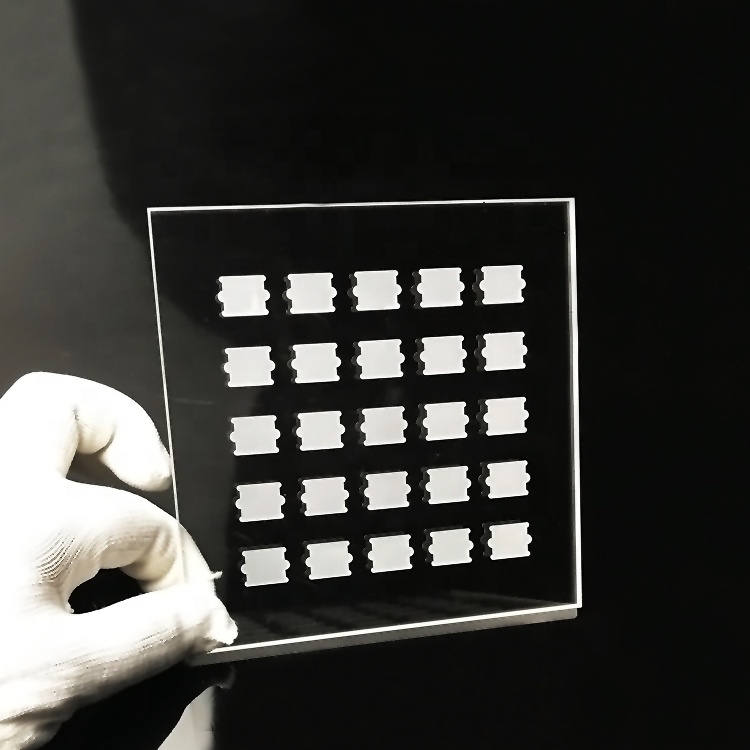
Institutions such as the State Academy of Sciences and Kim Chaek University of Technology conduct continuous material characterization. Our BET chemisorption twin tubes and XRD slotted sample holders provide zero baseline thermal expansion and complete optical transparency, enabling accurate surface area analysis and crystal phase diffraction.
Municipal Water & Industrial Effluent UV Sterilization
Maintaining public sanitation and process water purity requires UV disinfection systems. Zelvo Quartz provides high-transmittance optical grade fused silica U-tubes that emit high-output 254 nm germicidal wavelengths without solarization or degradation, ensuring continuous germicidal efficacy across continuous municipal flow systems.
Mineral Processing & Magnesite Refining
North Korea possesses extensive global reserves of magnesite, zinc, and graphite. Refining these raw minerals requires analytical digestion vessels and pyrolytic reaction tubes that maintain structural stability against molten salts, acid leaches, and sudden temperature shifts during continuous extraction runs.
Fused Quartz vs. Alternative Technical Glasses
A comparative engineering evaluation demonstrating why fused silica is mandatory for severe thermal and chemical regimes.
| Performance Parameter | Zelvo Fused Quartz (99.99%) | Borosilicate Glass 3.3 | Aluminosilicate Glass | Translucent / Opaque Silica |
|---|---|---|---|---|
| SiO₂ Content | ≥ 99.99% | ≈ 81.0% | ≈ 55 - 65% | ≥ 99.8% |
| Thermal Expansion (0-300°C) | 5.5 × 10⁻⁷ K⁻¹ | 33 × 10⁻⁷ K⁻¹ | 42 × 10⁻⁷ K⁻¹ | 5.4 × 10⁻⁷ K⁻¹ |
| Continuous Working Limit | 1100 °C | 450 °C | 650 °C | 1050 °C |
| Peak Short-Term Threshold | 1300 °C | 500 °C | 750 °C | 1200 °C |
| Softening Point | 1683 °C | 820 °C | 910 °C | 1660 °C |
| Annealing Point | 1215 °C | 560 °C | 710 °C | 1180 °C |
| Thermal Shock Resistance | ΔT 1100°C to Ice Water | ΔT ≈ 150°C | ΔT ≈ 180°C | ΔT ≈ 1000°C |
| UV Light Transmission (254nm) | > 88% (Optical Grade) | < 5% (Opaque in UV-C) | < 10% | Zero (Scattering) |
| Acid Resistance (except HF/H₃PO₄) | Complete / Grade 1 | Moderate (Dealkalization) | Moderate | Complete |
DPRK Market Evolution: Modernization & Self-Reliance
Navigating technical modernization initiatives, domestic process stabilization, and regional cross-border procurement dynamics.
Refurbishment of Heavy Industrial Assets
Under state directives emphasizing the upgrade of domestic metallurgical and chemical facilities, aging Soviet-era and mid-century production lines are undergoing steady modernizations. Industrial procurers actively seek dimensional drop-in replacements for U-bent radiant tubes, sensor sheaths, and furnace sight windows capable of integrating with retrofitted systems without requiring complete pipeline redesigns.
Consumable Longevity Amid Supply Inelasticity
Because foreign component acquisition involves structured trade channels, industrial plant managers prioritize component lifespans above all else. Premature failure of reactor vessels causes costly kiln downtime. High-purity 99.99% fused quartz components, offering verified resistance against devitrification (cristobalite crystal growth), provide predictable operational cycles spanning thousands of hours.
The Dandong–Sinuiju Freight Artery
Cross-border industrial commerce between Liaoning Province and Sinuiju constitutes the primary trade corridor for technical glass. Procurement entities demand specialized transit packaging capable of enduring rail shunting, road transit over variable pavement, and outdoor cross-dock storage without edge-chipping, micro-cracking, or seal compromise.
Engineered by Zelvo Quartz: Donghai Crystal Cluster Advantage
Direct from the heart of China’s quartz processing capital—leveraging premier silica deposits and master-level fabrication technologies.
Premier Donghai Raw Material
Located in Donghai County, Jiangsu, we refine top-tier natural quartz crystals into 99.99% pure fused silica ingots, ensuring negligible impurity levels (Fe < 1.5 ppm, Al < 15 ppm).
Master Glassblowing & CNC Bending
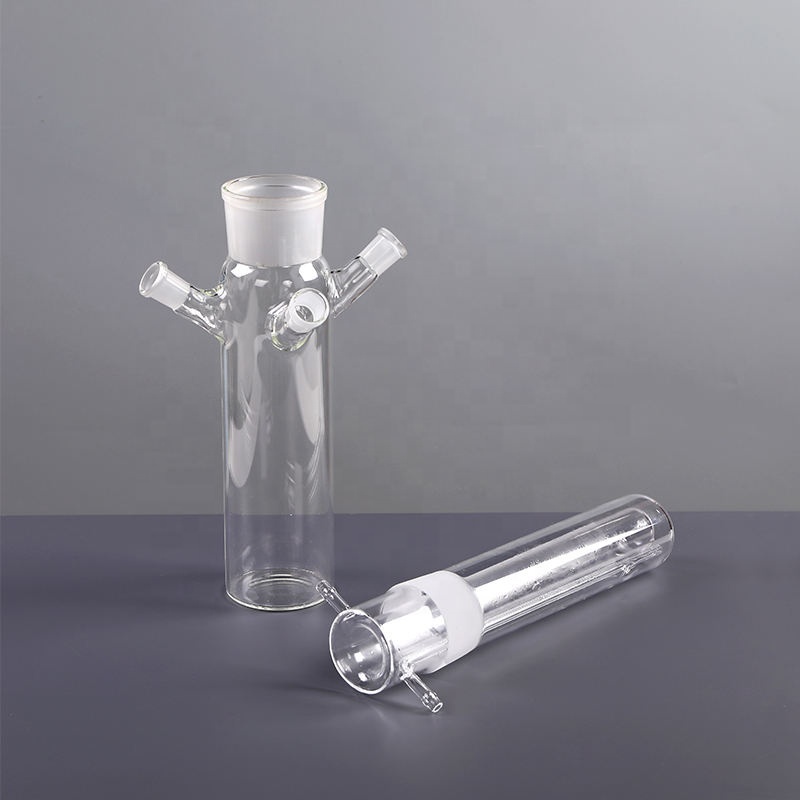
Our technicians bring over 10 years of specialist glassblowing experience. We achieve complex hairpin U-bends, ground ball-and-socket joints, flanged ends, and high-pressure capillary twin tubes.
Laser Micro-Machining & Grooving
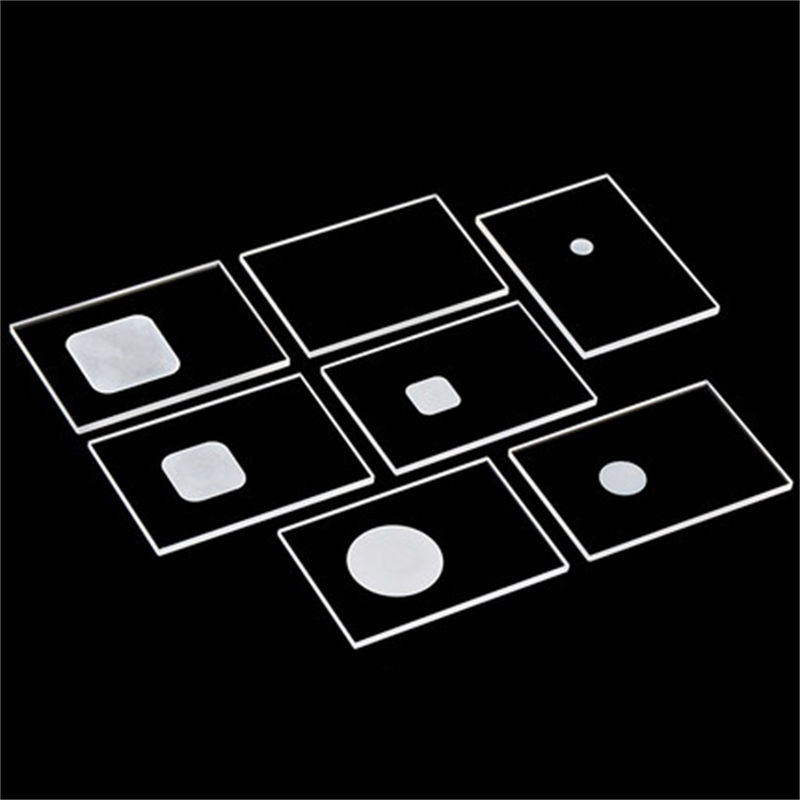
Advanced laser drilling and CNC water-cooled slotting allow sub-millimeter port placement, XRD slotted recesses, and high-precision wafer disks without inducing micro-stress fractures.
Flexible 1-Piece Prototyping MOQ
We eliminate high minimum batch hurdles. Whether supporting single-part emergency plant repairs or continuous multi-thousand unit manufacturing programs, custom fabrication starts from 1 piece.
Frequently Asked Questions: North Korea Trade & Technical Inquiries
Detailed answers addressing material certifications, border logistics, payment channels, and engineering specifications.
What chemical purity and OH-content levels are certified for Zelvo U-bent quartz tubes?
How do you handle shipping to ensure safe overland arrival via Dandong or Dalian?
Can Zelvo manufacture custom U-bends from hand sketches or non-standard legacy machinery parts?
What trade terms and cross-border currency clearing mechanisms are supported?
How do your U-tubes resist devitrification during continuous 1000°C+ thermal cycles?
What is the minimum order quantity (MOQ) for custom-engineered twin tubes and U-bends?
Can ground joints, vacuum flanges, and optical sight ports be integrated directly into the bend?
Connect Directly with Our Quartz Engineering Team
Send your specifications, operating temperatures, or CAD drawings today. Receive technical feasibility reviews and competitive factory-direct quotations within 2 hours.
Send an Inquiry