Featured High-Purity Fused Silica & Quartz Components
Fabricated directly from crystal deposits in Donghai County, China. Every fused silica block, tube, and crucible undergoes rigid laser interferometry, chemical assay verification, and thermo-mechanical stress relieving.
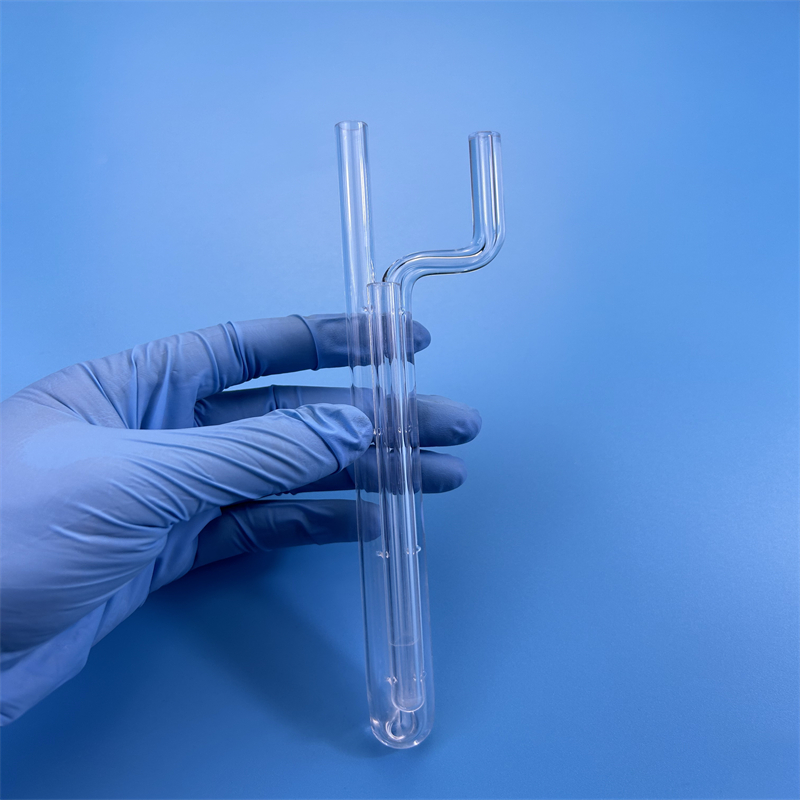
Ultra-accurate twin-tube quartz geometry engineered for high-temperature surface characterization, gas adsorption isotherm metrics, and zero-leak vacuum seals.
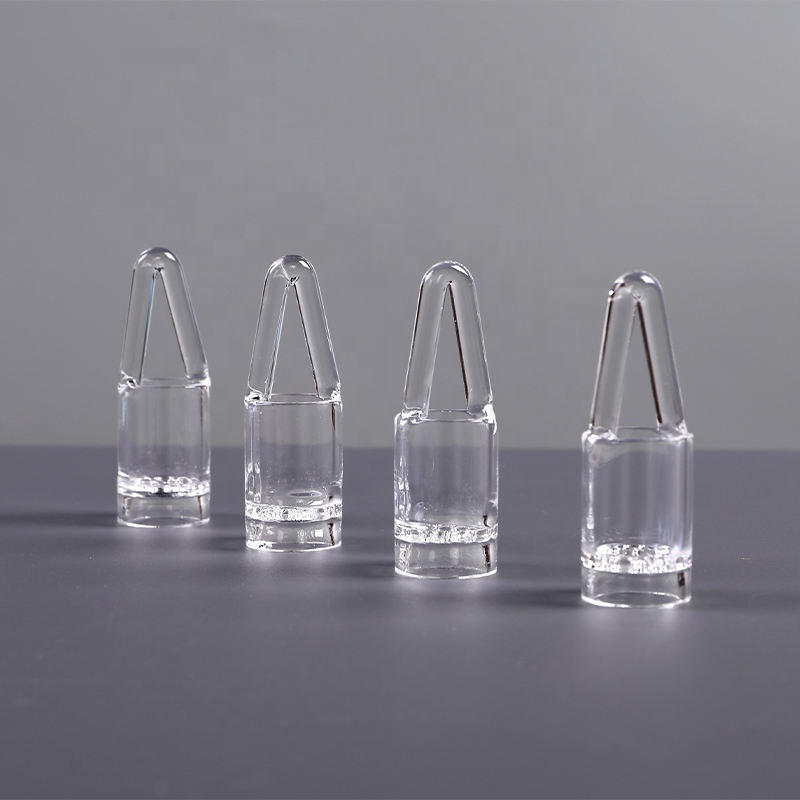
Manufactured with controlled wall thickness tolerance within ±0.05mm. Resistant to continuous thermal stress up to 1100°C and aggressive acid-phase environments.
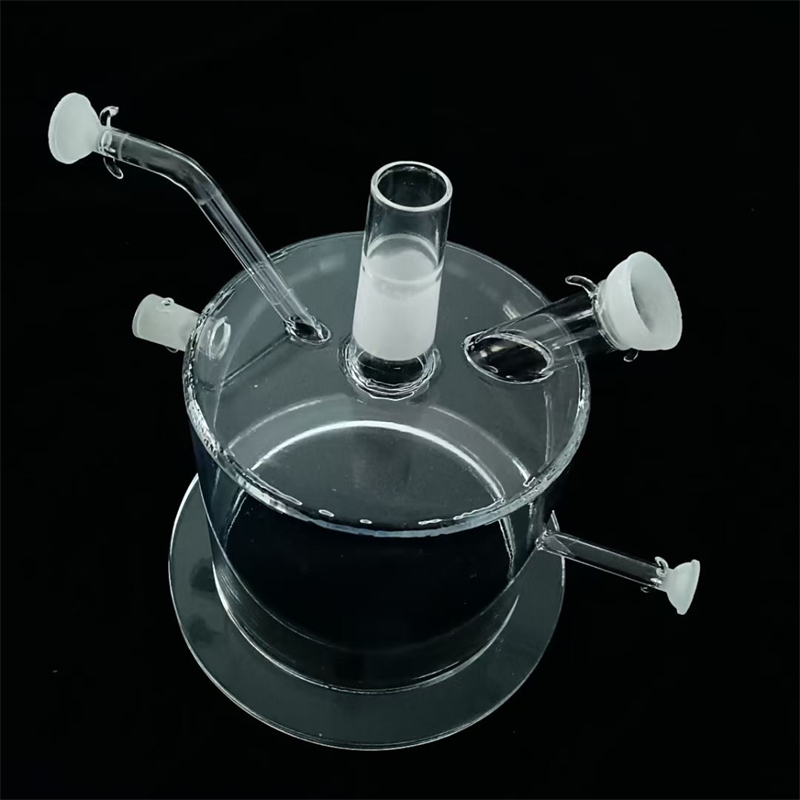
Optimized for high-pressure CVD semiconductor furnaces, plasma etching chambers, and high-intensity ultraviolet lamp sleeves without bubble inclusions.
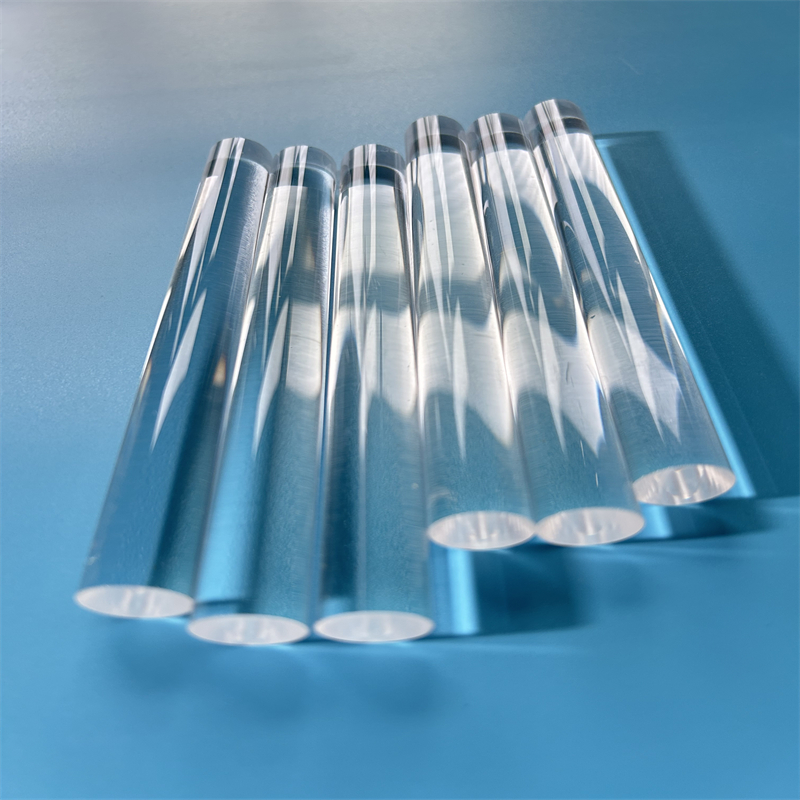
Ultra-low internal attenuation and high mechanical parallelism for optical transmission systems, semiconductor wafer lithography lasers, and fiber collimators.
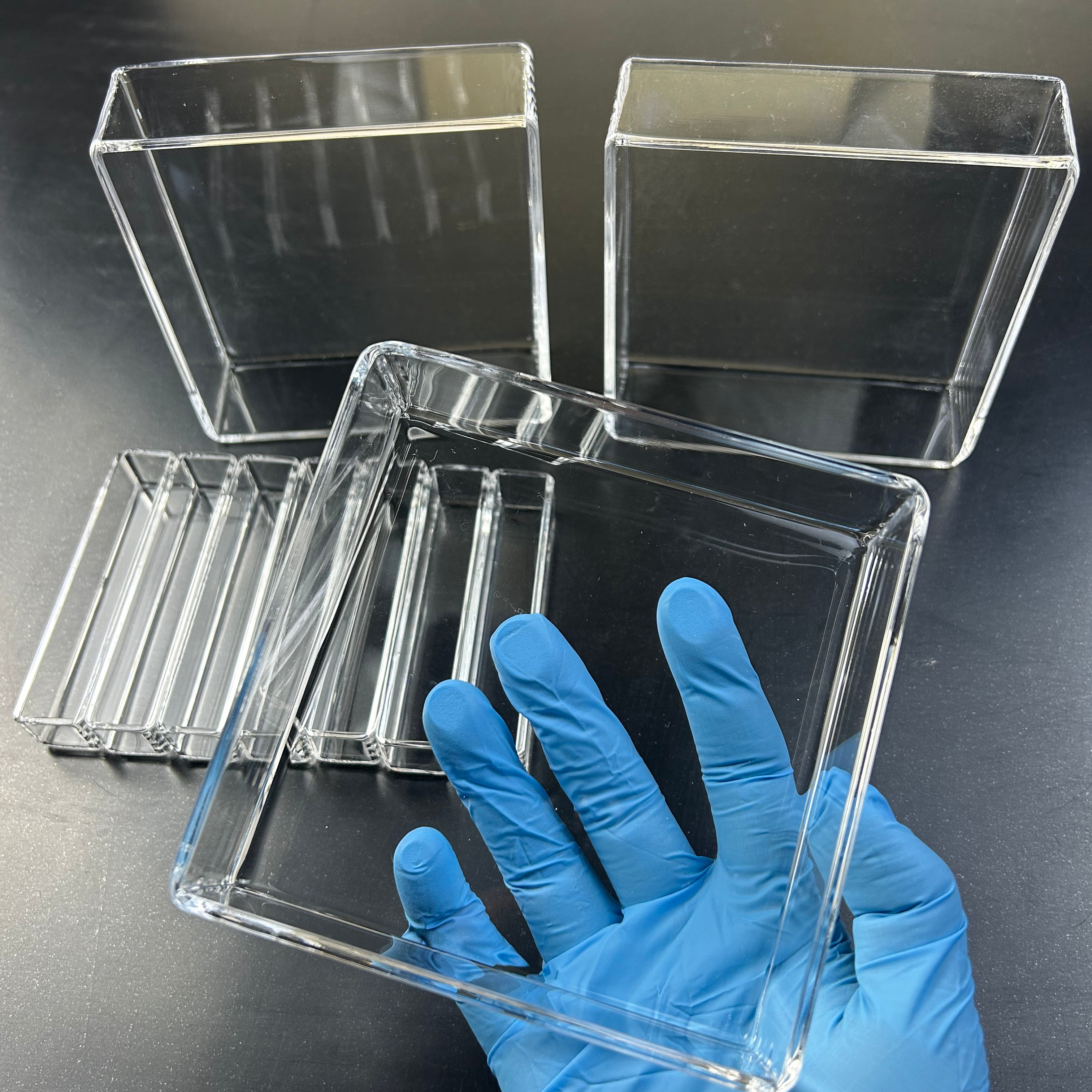
High-density vitreous quartz crucible for crystal pulling, silicon ingots casting, sintering of specialty alloys, and molten salt chemical synthesis.
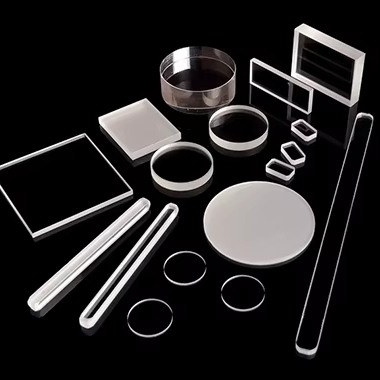
Precision double-sided lapping and polishing for spectrometry windows, microfluidic chips, synchrotron beamline viewports, and laser inspection plates.
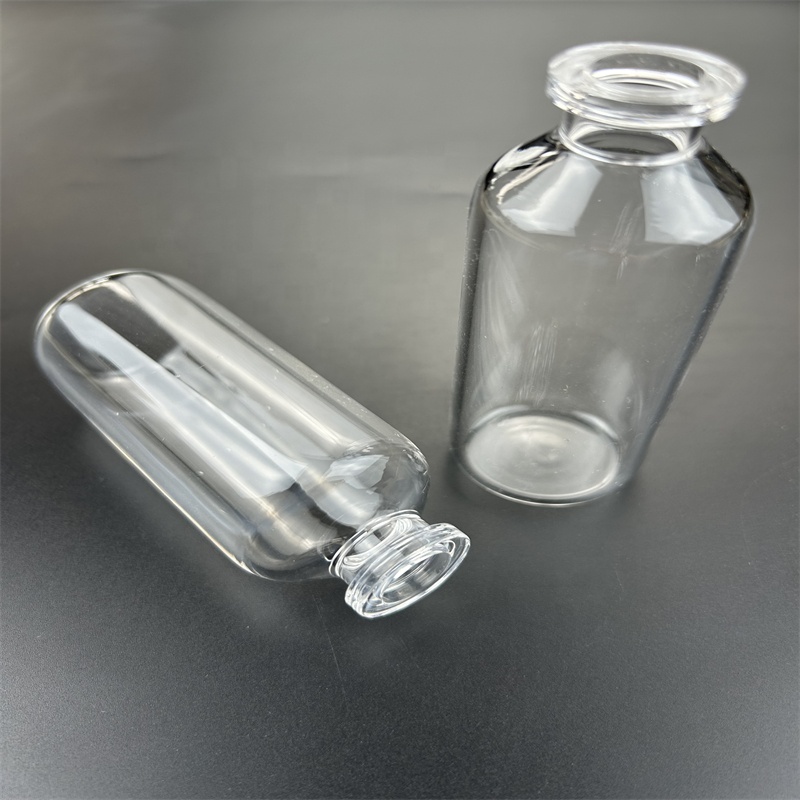
Impervious to organic solvents, strong mineral acids, and pressurized autoclave sterilization. Engineered for cryogenic bio-sample encapsulation and pharmaceutical standards.
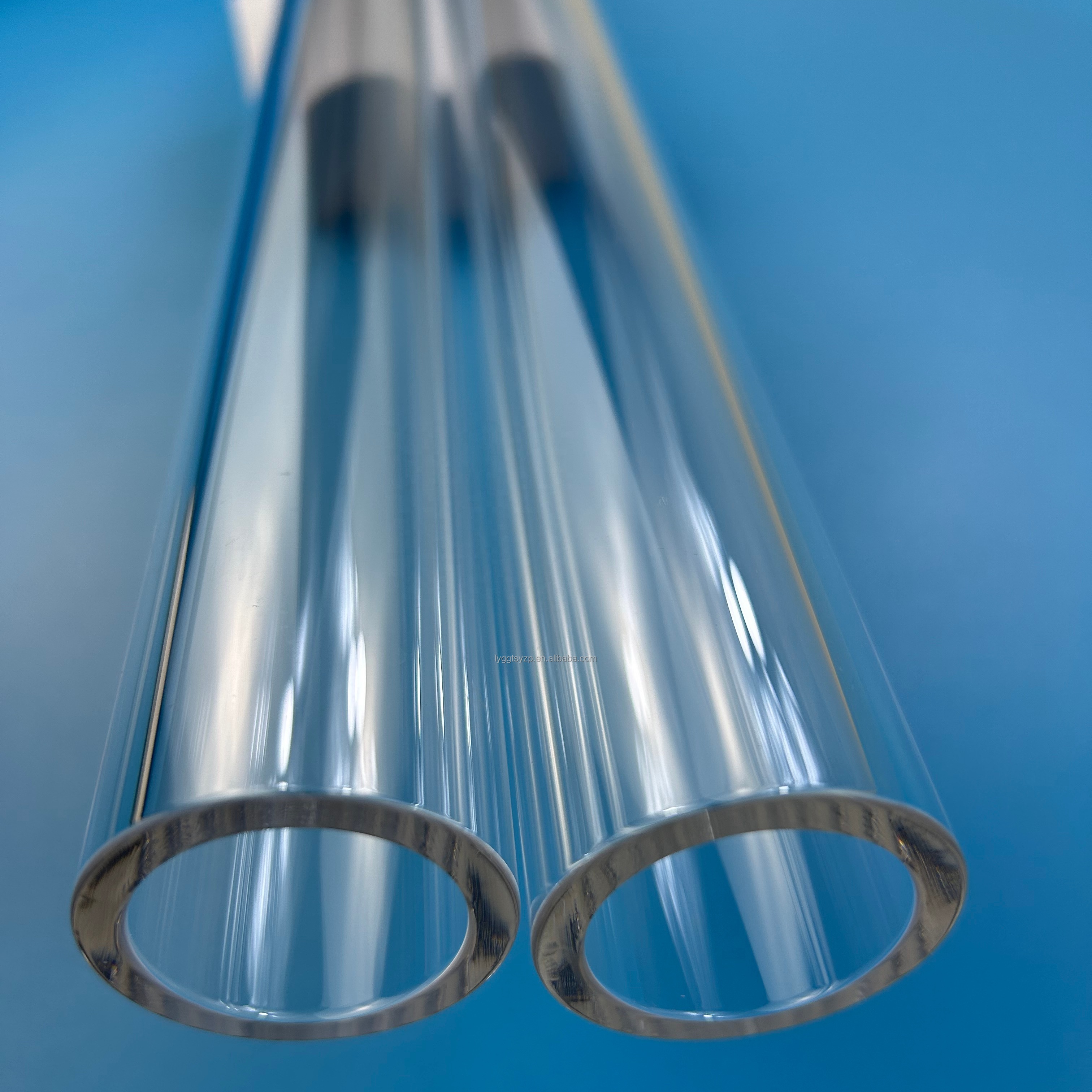
Engineered for medium to short-wave infrared emitters, wafer rapid thermal processing (RTP) furnaces, and photovoltaic diffusion line drying tunnels.
Fused Silica Block Physical Metallurgy & CE Regulatory Compliance
Fused silica blocks ($SiO_2$) represent the pinnacle of non-crystalline vitreous engineering. Unlike common borosilicate or soda-lime glass compositions, fused silica is synthesized either via continuous electric arc fusion of high-purity natural quartz sand (Type I/II) or chemical vapor deposition/flame hydrolysis of silicon tetrachloride ($SiCl_4$, Type III/IV Synthetic Fused Silica). This results in near-zero coefficients of thermal expansion, extreme chemical inertness, wide optical bandgaps, and superior dielectric stability.
| Material Property | Standard Test Method | Natural Fused Quartz Block (Grade ZQ-1) | Synthetic Fused Silica Block (Grade ZS-Optical) |
|---|---|---|---|
| Purity ($SiO_2$ Content) | ICP-OES / GD-MS | ≥ 99.99% (≤ 20 ppm total metals) | ≥ 99.999% (≤ 1 ppm trace metallic) |
| Density ($\rho$) | ASTM C693 | 2.201 g/cm³ | 2.203 g/cm³ |
| Thermal Expansion (CTE, 20°C–320°C) | ASTM E228 Dilatometry | 5.5 × 10⁻⁷ K−1 | 5.1 × 10⁻⁷ K−1 |
| Strain Point / Annealing Point | ASTM C336 / C598 | 1070°C / 1215°C | 1025°C / 1140°C |
| Softening Point | ASTM C338 | 1683°C | 1600°C |
| Young’s Modulus ($E$) & Poisson Ratio | Resonant Beam Method | 72 GPa / 0.17 | 73 GPa / 0.16 |
| Refractive Index ($n_d$ @ 587.6 nm) | V-Block Abbe Refractometer | 1.4585 ± 0.0001 | 1.4584 ± 0.00005 |
| Hydroxyl ($OH^-$ Radical) Level | FTIR Spectroscopy (2.73 μm) | < 5 ppm to 30 ppm (Electrically Fused) | 800 ppm – 1200 ppm (Flame Hydrolyzed) |
| Dielectric Strength (20°C, 1 MHz) | IEC 60243-1 | 25–40 kV/mm | > 45 kV/mm |
CE Conformity Assessment Notice: Our fused silica blocks and pressure vessels comply with Pressure Equipment Directive (PED) 2014/68/EU for visual sight windows and high-pressure autoclaves, as well as Machinery Directive 2006/42/EC and Low Voltage Directive (LVD) 2014/35/EU when fabricated as semiconductor heating elements and terminal quartz insulators. Raw materials comply fully with RoHS (EU Directive 2015/863) and REACH (EC 1907/2006) zero-hazardous-substances protocols.
Why Global High-Tech OEMs Choose Zelvo Quartz
Strategically headquartered in Donghai County, Jiangsu Province—globally celebrated as the "Crystal Capital of China"—Lianyungang Zelvo Quartz Products Co., Ltd. blends local mineral supply chain dominance with modern CNC optical finishing.
Donghai Raw Material Cluster
Direct mine-to-furnace integration ensures access to ultra-low impurity silica sands. We minimize intermediate handling, giving international buyers stable pricing, zero supply embargo risks, and traceable raw mineral purity.
Micron-Scale CNC Machining
Equipped with 5-axis ultrasonic machining centers, multi-axis wire diamond saws, and DPSS 355nm UV laser cutters. We achieve dimensional tolerances down to ±0.01 mm, laser edge kerfs under 30 μm, and pristine edge chamfers without micro-cracks.
De-Stressing Thermal Annealing
Every fused silica block is thermally normalized through computer-controlled multi-stage heating curves up to 1250°C, followed by programmed soaking and slow cooling. This eliminates internal mechanical birefringence to under 5 nm/cm path difference.
Agile 1-Piece Prototyping
We eliminate cumbersome industrial minimums. Whether you require a single high-temperature viewport for R&D trials or a 500-piece production batch for equipment integration, our engineering staff processes drawings within 2 hours.
Fused Silica Block Procurement Trends for 2025–2030
As semiconductor lithography transitions past 2nm sub-nodes and green energy shifts towards gigawatt-scale hydrogen and perovskite PV cells, supply chain directors face shifting specifications and cost drivers.
1. Shift to Synthetic Substrates for Sub-3nm EUV
Conventional electrically fused quartz blocks, while thermally robust, exhibit micro-bubble classes (DIN ISO 10110-3) and minor trace metallic concentrations insufficient for EUV photomask blanks and stepper optics. Enterprise procurement is systematically transitioning to synthetic chemical vapor deposition (CVD) fused silica blocks, prioritizing zero striae, class 0 inclusions, and exceptional DUV transmission down to 193 nm (ArF excimer wavelength).
2. Ultra-Large Format Blocks for Photovoltaic TOPCon
The global dominance of n-type TOPCon and heterojunction (HJT) solar cells requires monolithic fused quartz blocks exceeding 600 mm × 600 mm for quartz boats, paddle carriers, and flange sealing blocks. Sourcing officers now seek manufacturers with localized high-tonnage arc furnaces capable of casting crack-free oversized ingots to mitigate thermal failure inside chemical vapor deposition furnaces.
3. Direct-to-Source Supply Chain Compression
High-tech procurement departments in North America, Germany, and Japan are bypassing third-party trading entities to contract directly with vertically integrated Chinese manufacturers in Donghai. Direct technical collaboration with production engineers reduces drawing revision cycles from weeks to hours, lowers landed unit costs by 28%–42%, and guarantees raw material origin traceability.
4. Stricter Total Cost of Ownership (TCO) & Devitrification Audits
Procurement teams no longer assess solely on unit purchase price. Instead, life-cycle audits focus on cristobalite phase devitrification rates at 1150°C. Blocks with trace alkali metal impurities (Na, K, Li exceeding 1 ppm combined) undergo rapid surface clouding and structural degradation. Suppliers guaranteeing total alkali under 0.8 ppm deliver 3× longer component lifetimes in aggressive thermal cycling.
5. Green Hydrogen & High-Pressure Electrolyzer Cells
The emerging green hydrogen economy relies on electrochemical visualization cells and catalytic reformer viewports. Sourcing specifications now enforce CE Pressure Equipment Directive (PED) validation on all optical silica block sight glasses, demanding hydrostatic burst pressure testing up to 150 bar without structural micro-fissuring.
6. Carbon-Neutral Electric Arc Smelting
In response to European CBAM (Carbon Border Adjustment Mechanism) and ESG reporting mandates, tier-1 customers prioritize quartz processors powered by clean grid electrical arc melting rather than hydrocarbon-heavy flame working, reducing embedded carbon metrics per kilogram of finished silica.
Emerging Material & Fabrication Advancements
Discover how continuous vitreous silica chemistry and novel finishing methods are pushing the boundaries of extreme environment performance.
Zero Thermal Expansion Titanium Doping
By precisely introducing 7–8 wt% Titanium Dioxide ($TiO_2$) into the high-purity silica matrix during vapor phase hydrolysis, engineers produce ultra-low expansion glass (ULE). These doped silica blocks maintain a near-absolute zero coefficient of thermal expansion between 5°C and 35°C, proving essential for spaceborne telescope mirrors, gravitational wave interferometry detectors, and extreme-precision semiconductor lithography optical benches.
High Laser-Induced Damage Threshold (LIDT) Polishing
Conventional mechanical grinding leaves residual subsurface damage (SSD) comprising micro-cracks and embedded abrasive particles that act as thermal focus points under multi-kilowatt laser exposure. Modern R&D combines magnetorheological finishing (MRF) and non-contact reactive ion-beam etching (IBE) to eliminate SSD, achieving damage thresholds exceeding 40 J/cm² at 1064 nm (10 ns pulse width).
Selective Laser-Induced Etching (SLE) for Microfluidics
Moving beyond purely subtractive sawing and CNC milling, SLE utilizes femtosecond laser pulses to internally modify the fused silica block matrix along a 3D computerized vector. A subsequent chemical KOH bath selectively dissolves the laser-irradiated material at ratios up to 1000:1, allowing the creation of complex monolithic internal fluid channels, 3D nozzles, and embedded optical cavities without any physical joints or glue lines.
Frequently Asked Questions by Industrial Sourcing Specialists
Direct technical answers regarding tolerances, purity, certifications, and international logistics.
What is the fundamental difference between Fused Quartz Blocks and Fused Silica Blocks?
How does CE Certification apply to custom fused silica blocks and components?
What optical bubble and inclusion grades do you offer according to ISO 10110-3?
How does hydroxyl ($OH^-$) radical content affect performance in thermal and optical setups?
What dimensional tolerances and surface finishes can your CNC facility achieve?
Can fused silica blocks withstand extreme thermal shock from 1000°C to water quench?
What is your prototype minimum order quantity (MOQ) and sample lead time?
What quality verification and material assay reports are included with shipments?
How do you package high-mass, brittle fused silica blocks to eliminate shipping breakage?
Which incoterms and global currency settlement methods do you support?
Request a Fast Technical Feasibility Review & Quotation
Send us your 2D engineering prints (PDF/DWG) or 3D STEP models. Our senior quartz processing engineers will review geometrical tolerances, confirm raw material grade feasibility, and issue a formal quote within 2 business hours.