High-Performance Quartz Heating Tubes & Thermal Process Hardware
Fabricated from Donghai natural high-purity quartz sands, our custom heating tubes, reactors, and optical fused silica components deliver superior thermal shock resistance, strict dimensional tolerances, and high spectral transmission across Short, Fast-Medium, and Medium Wave Infrared bands.
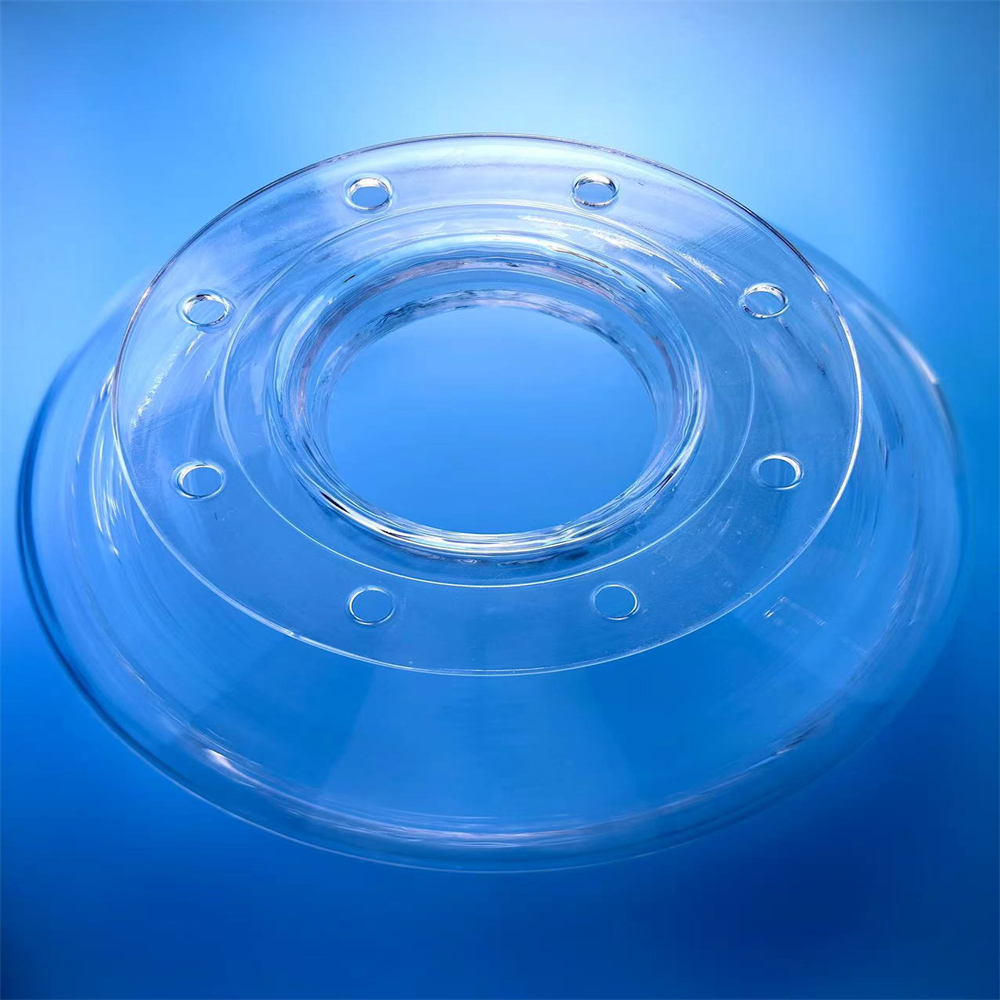
Flanged Twin-Tube Quartz Emitter Envelope
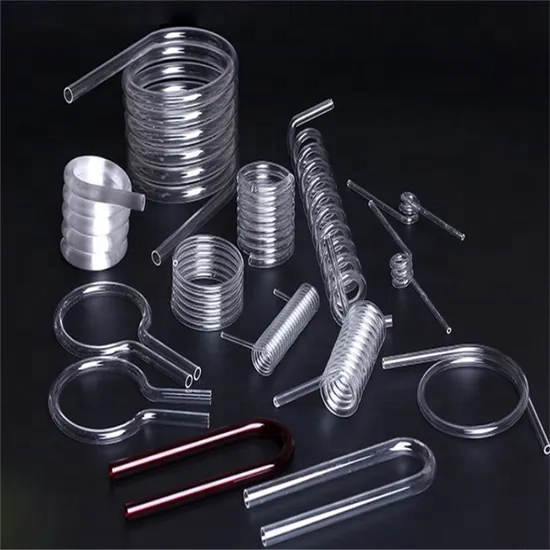
U-Bent & Helical Quartz Heating Tube
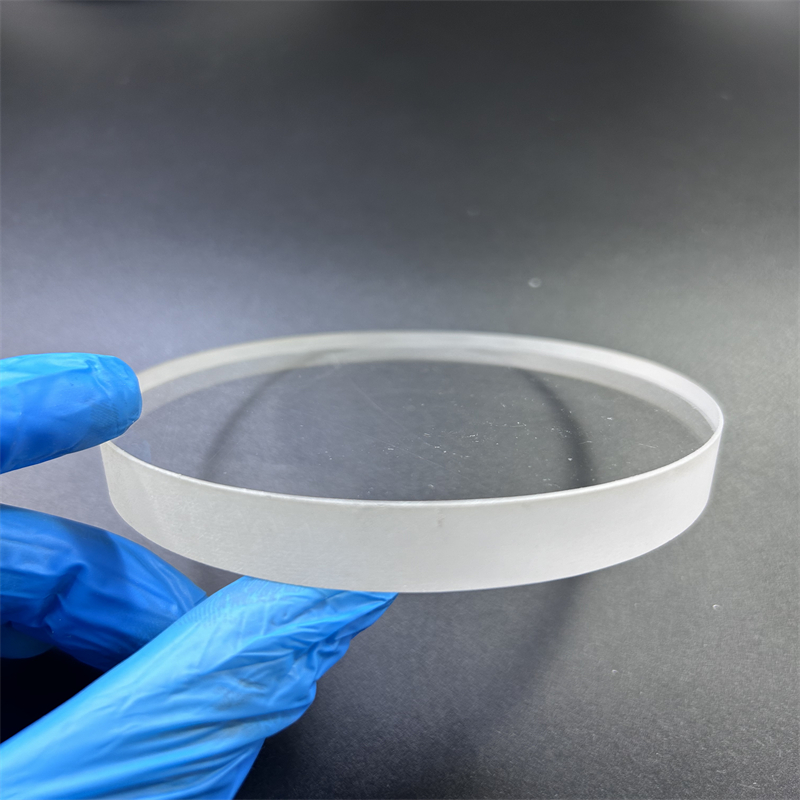
UV Optical Grade Quartz Sight Glass Plate
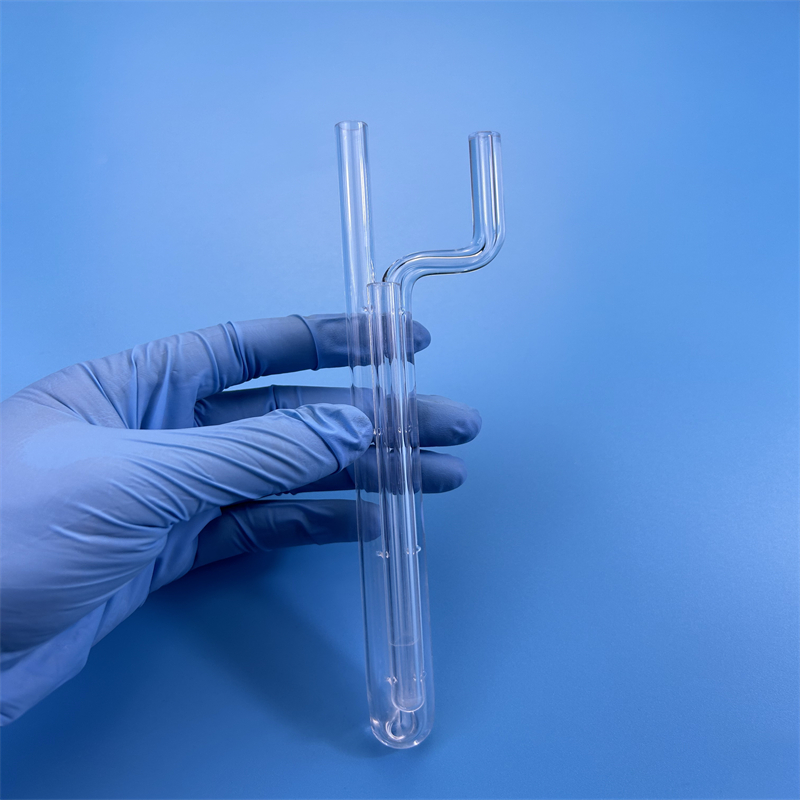
High-Pressure BET Chemisorption Twin Tube
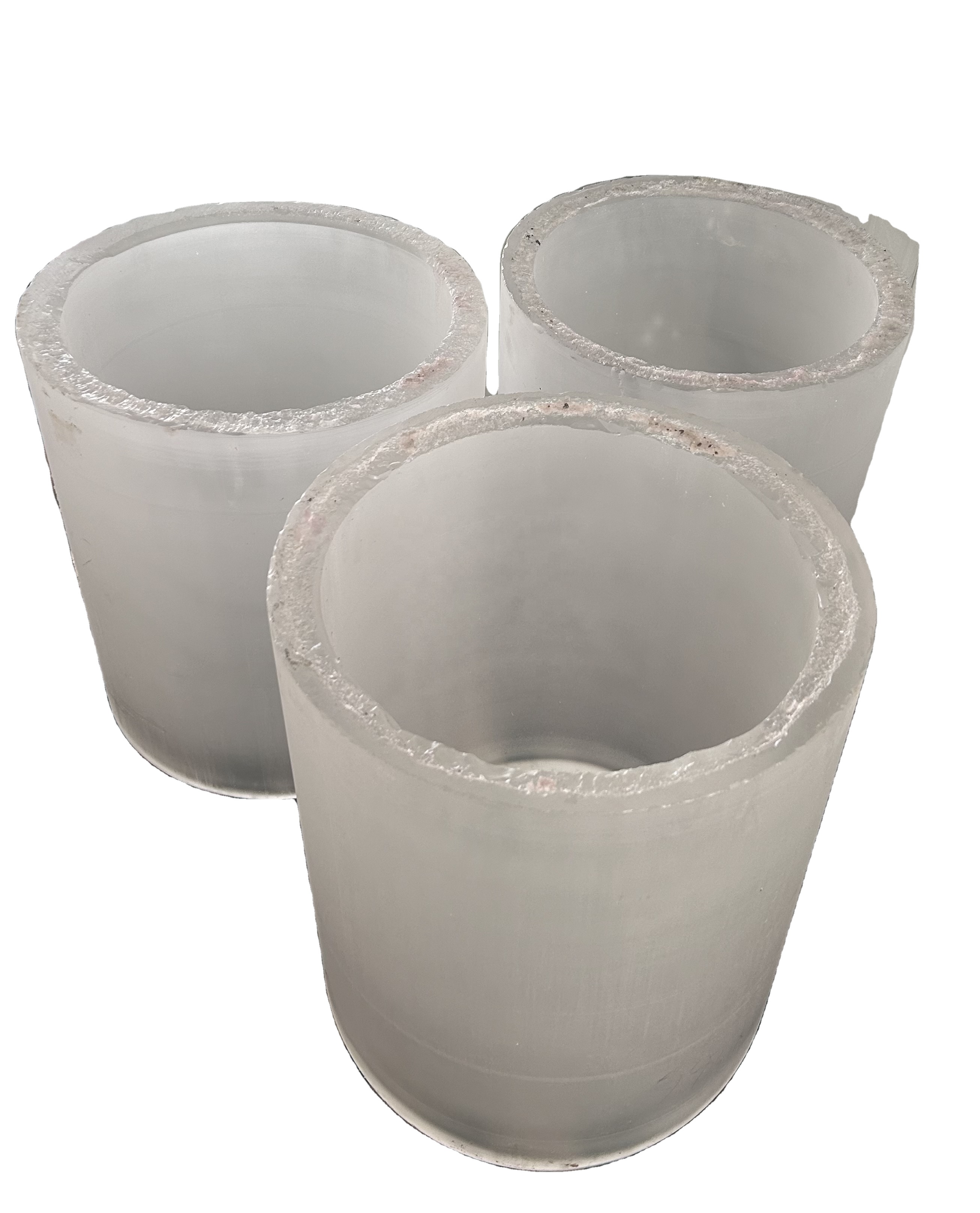
Frosted Fused Silica Heating Cylinder
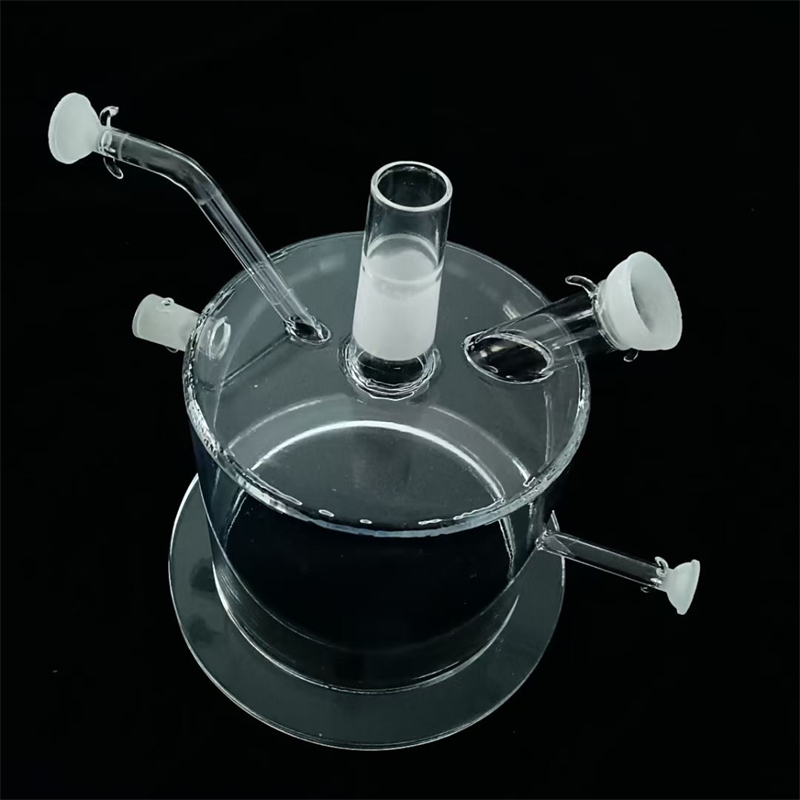
High-Pressure Clear Quartz Process Tube
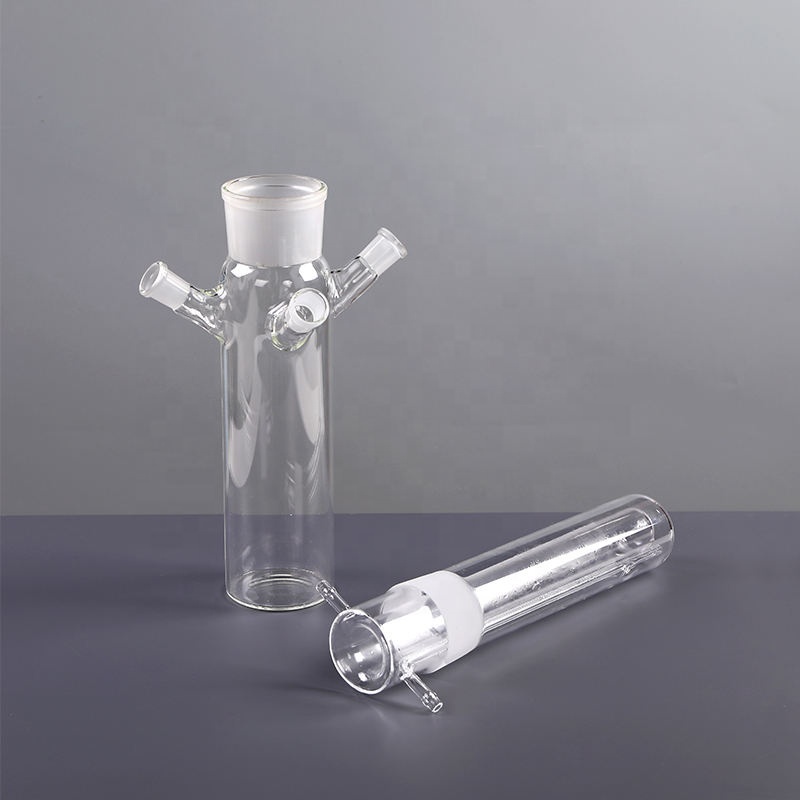
Photocatalytic Quartz Heating Reactor
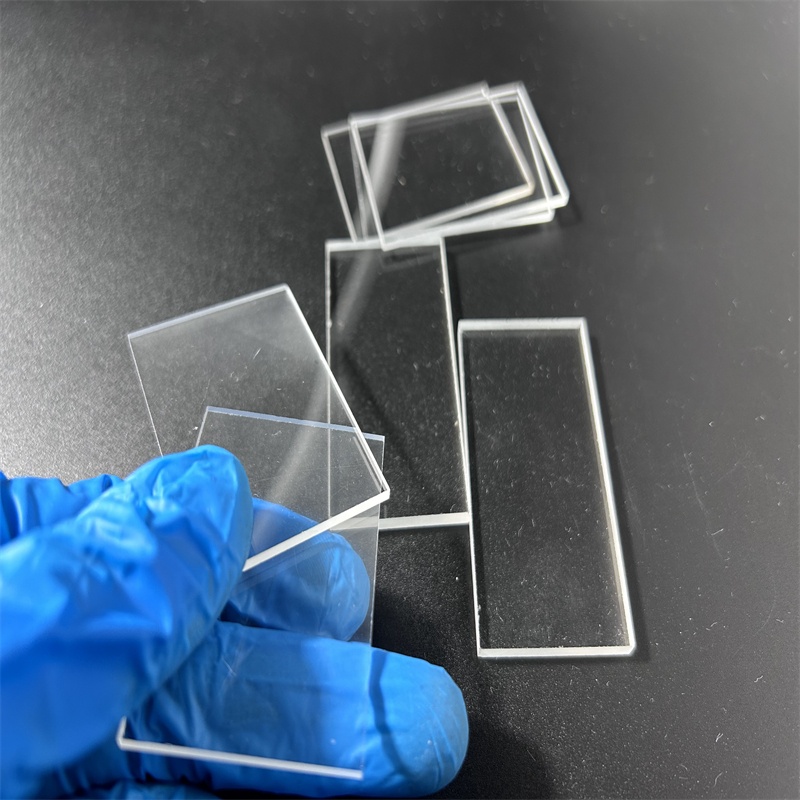
Optical Grade Fused Silica Heat Shield Sheet
CE Marking Compliance & Electrotechnical Standards for Quartz Infrared Emitters
In modern industrial thermal engineering, selecting a CE certified quartz heating tube is not merely a bureaucratic checkbox; it is the ultimate determinant of operational safety, electromagnetic compatibility, and structural longevity under severe mechanical and thermal cycling. For heating elements destined for the European Economic Area (EEA) and discerning global OEMs, conformity with the Low Voltage Directive (LVD) 2014/35/EU and the harmonized safety requirements of EN 60335-2-30 and EN 60519-1 (Safety in electroheat installations) is non-negotiable.
CE compliance for quartz emitters requires verified electrical insulation resistance at operating temperatures up to 1100°C. Standard soda-lime or borosilicate glass undergoes dielectric breakdown as alkali cations migrate under electric fields. In contrast, fused quartz manufactured from 99.99% SiO₂ possesses a dielectric strength exceeding 25–40 kV/mm at 20°C and maintains ultra-low dielectric losses (<0.0001 tan δ) at multi-kilowatt power densities. This prevents hazardous leakage currents between internal resistance filaments (such as coiled tungsten, iron-chromium-aluminum Kanthal, or carbon fiber ribbons) and grounded metal machinery frames.
Furthermore, CE certification mandates comprehensive testing for toxic off-gassing and thermal shock resilience. Zelvo Quartz elements comply strictly with RoHS Directive 2011/65/EU (and amending directive 2015/863), guaranteeing zero lead, cadmium, mercury, or hexavalent chromium in terminal end-caps, high-temperature ceramic bushes, and glass-to-metal solder seals. The emitter envelopes must withstand rapid thermal cycling without micro-fissuring—verified via water-quench thermal shock testing where quartz tubes heated to 1100°C are plunged instantly into 20°C water with zero crack propagation.
| Physical / Thermal Parameter | Standard Clear Fused Quartz | Ultra-Low OH Fused Silica | Industrial Relevance & Compliance Impact |
|---|---|---|---|
| Chemical Purity (SiO₂) | ≥ 99.99% | ≥ 99.999% | Prevents alkali-driven devitrification (cristobalite crystal growth) |
| Hydroxyl (OH⁻) Content | < 20 ppm | < 5 ppm | Prevents premature filament sagging and bubble growth at >1000°C |
| Softening Point | 1683 °C | 1730 °C | Guarantees dimensional stability in high-power furnace atmospheres |
| Annealing Point | 1215 °C | 1250 °C | Relieves internal manufacturing stresses, eliminating spontaneous shattering |
| Thermal Expansion (CTE) | 5.5 × 10⁻⁷ / K | 5.2 × 10⁻⁷ / K | Near-zero expansion; exceptional resistance to extreme rapid cycling |
| Dielectric Strength (20°C) | 25 - 40 kV/mm | > 45 kV/mm | Essential for CE LVD (2014/35/EU) high-voltage breakdown clearance |
| Spectral Transmission Band | 0.20 – 3.5 µm | 0.18 – 3.8 µm | Optimized emission efficiency for SWIR, FMWIR, and NIR radiation |
Beyond electrical integrity, quartz heating tubes function as hermetically sealed optical pressure vessels. When filled with halogen cycling gas or inert argon-nitrogen mixtures to shield high-temperature tungsten filaments from sublimation, internal pressure balances can reach several atmospheres during operation. Every CE-certified batch from Zelvo Quartz undergo hydrostatic pressure tests, optical polariscope stress birefringence analysis, and rigorous spectrophotometer transmission scans to ensure consistent energy delivery across continuous production runs.
Application-Engineered Emitter Recommendations
Infrared heat transfer efficiency depends upon matching the emitter's radiation wavelength with the spectral absorption band of your target material. Below is our engineering selection matrix.
Semiconductor & PV Annealing
Recommended: High-Purity Twin-Tube SWIR Emitters with White Ceramic Back-Reflectors. Fast thermal response (<1.5s ramp-up) allows precision wafer baking, RTP (Rapid Thermal Processing), and contact firing without chemical contamination.
PET Preform & Plastics Thermoforming
Recommended: Fast-Response Medium-Wave (FMWIR) Carbon Quartz Tubes. Penetrates deep into thermoplastic polymers (PET, PMMA, PC) matching the fundamental C-H and C-O absorption bands without scorching outer surfaces.
Industrial Paint, Ink & Textile Curing
Recommended: Medium-Wave (MWIR) Clear or Frosted Cylindrical Tubes. Ideal for drying waterborne paints, curing powder coatings, and cross-linking textiles where gentle, volumetric infrared drying avoids surface skinning and blistering.
Chemical Synthesis & BET Analysis
Recommended: Precision U-Bent and Twin-Bore Quartz Reactors. Built for hostile acid atmospheres, high pressure, and zero outgassing, ensuring ultra-pure catalytic degradation and gas-sorption measurement precision.
Future Procurement Trends in Industrial Quartz Emitters
As global industrial manufacturing accelerates towards carbon neutrality, energy efficiency, and microelectronics self-reliance, the procurement criteria for quartz heating elements are experiencing a paradigm shift.
Decarbonization & Electrification
Industrial kilns, glass annealing lehrs, and coil-coating lines are aggressively transitioning from natural gas convection ovens to all-electric quartz IR modules, slashing CO₂ emissions by up to 65% and reducing furnace footprint by half.
Directional Energy Optimization
Procurement teams are shifting away from unshielded standard tubes toward integrated gold (95% reflection efficiency) and diffuse nano-ceramic back-coatings, channeling radiant heat strictly into the substrate and eliminating costly water-cooled chassis waste.
Zero-Alkali & Low-OH Mandates
With third-generation semiconductor (SiC, GaN) wafer sizes reaching 200mm, buyers enforce stringent trace metal thresholds (Fe <0.2ppm, Na <0.5ppm). Elements must exhibit zero particulate shedding and zero alkali-induced quartz fogging.
Source-Direct Agility & Prototyping
Global supply disruptions have made multi-tiered trading distributors obsolete. Buyers now prioritize source manufacturers situated within primary mining basins (Donghai cluster) that offer drawing-based prototyping with low 1-piece MOQs and rapid air-freight logistics.
Technological Advancements in Quartz Thermal Engineering
Pioneering fabrication processes and materials science breakthroughs are dramatically expanding the performance boundaries of quartz infrared radiators.
Twin-Bore Structural Rigidity
Engineered "figure-8" twin tubes (23×11mm, 33×15mm) provide superior moment-of-inertia over single tubes. This structural reinforcement prevents mechanical sagging across lengths up to 3000mm in horizontal furnace conveyors, even at peak continuous temperatures.
Multi-Zone Individual Filament Controls
Internal multi-filament wiring allows a single quartz envelope to deliver distinct heat profiles across outer edges and center zones. This closed-loop thermal zoning eliminates edge-cooling anomalies in continuous web printing and sheet lamination lines.
Sub-Micron Laser Micro-Drilling
By pairing precision CNC laser systems with traditional bench flame working, tubes can now incorporate micro-apertures for localized gas purging, pilot-flame sensors, and thermocouple wells without micro-cracking or residual hoop stress.
Doped Quartz Filter Envelopes
Doping fused silica with rare earth oxides produces specialized visual filters. Ruby quartz filters attenuate harsh visible glare in comfort heating applications, while Cerium-doped quartz eliminates harmful UV emissions, providing safe and comfortable working environments.
Lianyungang Zelvo Quartz Products Co., Ltd.
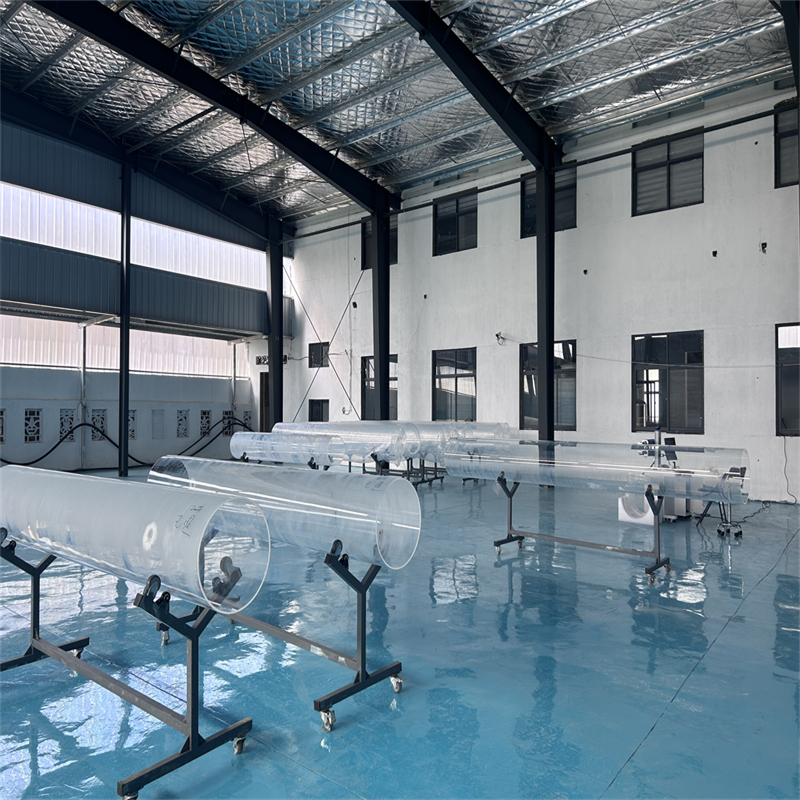
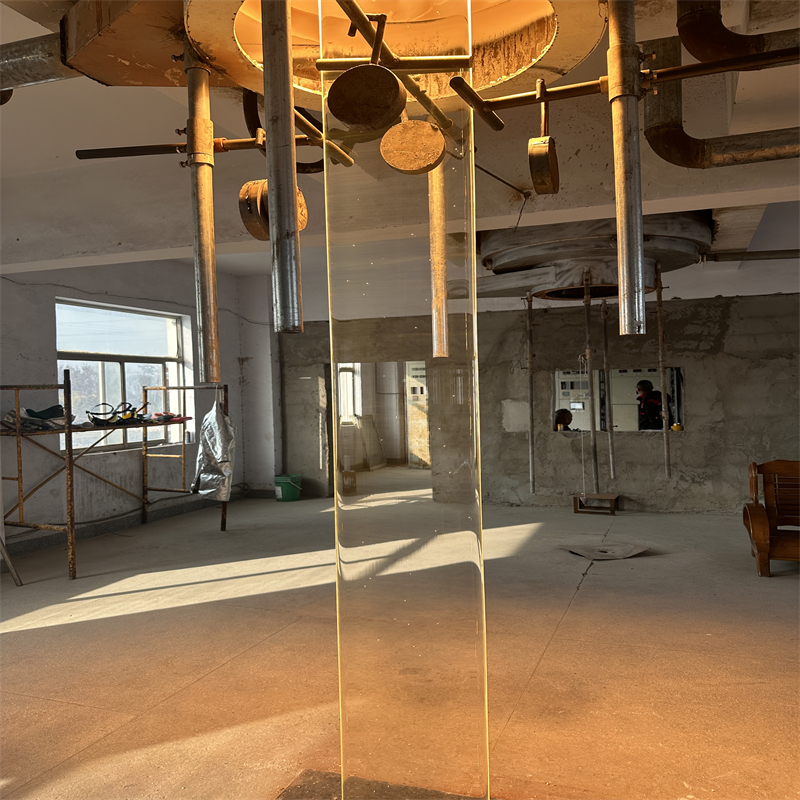
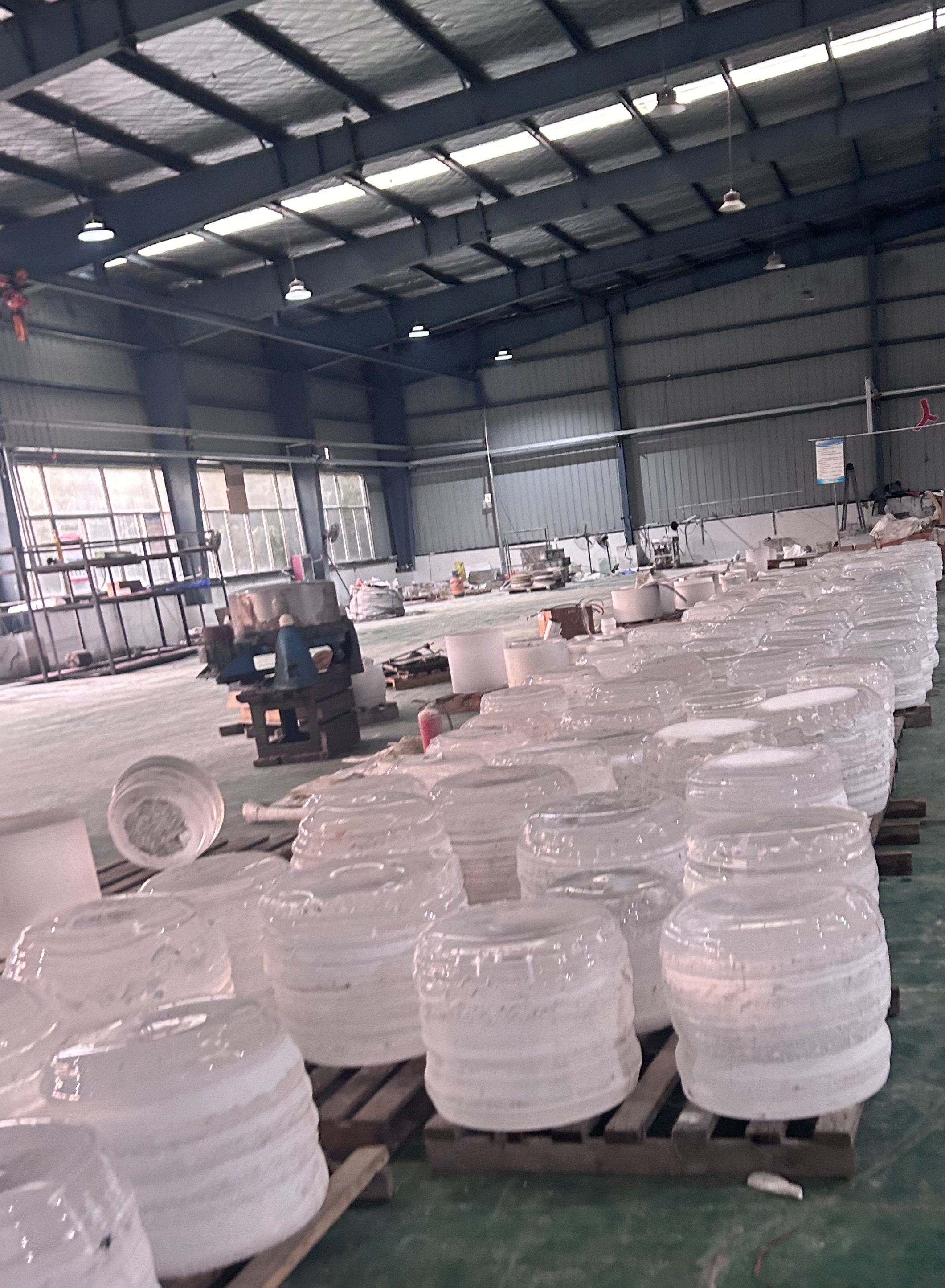
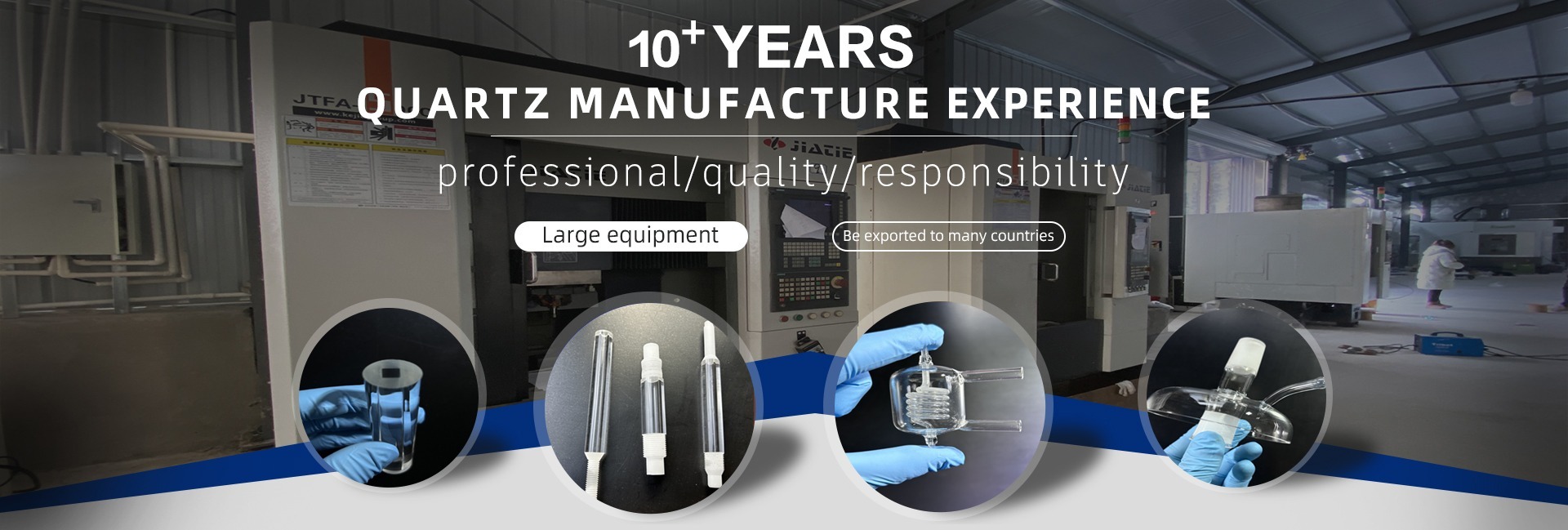
Headquartered in Donghai County, Jiangsu Province—globally renowned as China's "Crystal Capital"—Zelvo Quartz harnesses unmatched access to high-purity natural quartz raw materials. With an annual revenue exceeding US$2.5M–$5M, a specialized team of master glassblowers and CNC engineers, and direct trade operations spanning North America, Europe, and Southeast Asia, we bridge the gap between bespoke laboratory prototypes and volume OEM production.
Whether your bill of materials requires custom-flanged twin tubes for CVD vacuum chambers, high-pressure BET sorption ampoules, or optical UV sight glasses, our engineers review 2D/3D CAD drawings (STEP, DWG, DXF, PDF) within 2 hours, validating thermal expansion compatibility and wall thickness feasibility before manufacturing begins.
Frequently Asked Questions (FAQ)
Authoritative technical answers to common engineering questions regarding quartz heating tube specification, testing, and lifecycle management.
1. How does quartz glass withstand sudden thermal shock compared to borosilicate?
2. What is devitrification, and how does Zelvo Quartz prevent it during high-temperature service?
3. What is the impact of hydroxyl (OH⁻) content on heating tube longevity?
4. What certificates and quality documentation are provided with export shipments?
5. Can you fabricate quartz heating tubes directly from custom CAD drawings?
6. How do you safeguard fragile quartz heating tubes and envelopes against breakage during international air/sea transit?
7. What is the typical lead time for custom prototype orders versus container-scale production?
8. What are the advantages of Gold vs. White Ceramic back-reflectors on quartz emitters?
Accelerate Your Thermal System with Certified Quartz Engineering
Direct from China's quartz capital. Share your dimensions, CAD blueprints, operating temperatures, or target spectral bandwidths with our engineering team for rapid feasibility review and competitive manufacturer-direct pricing within 2 hours.
Inquire Now