High-Purity Quartz & Fused Silica Plate Portfolio
Directly sourced from verified Chinese processing centers in Donghai, Jiangsu. Fully customized across dimensional specifications, optical polish grades, and high-temperature tolerance standards.
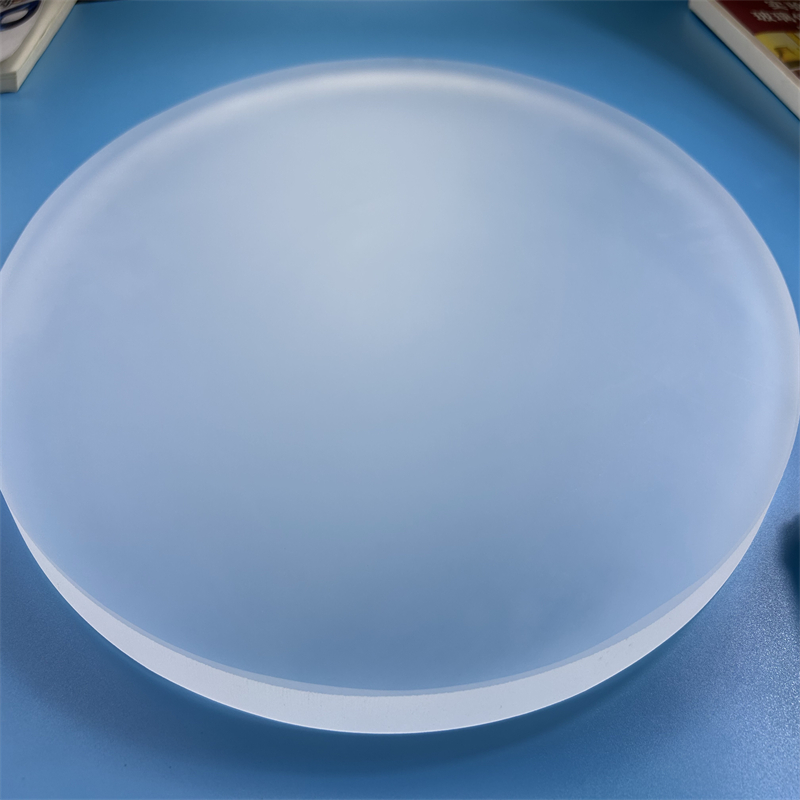
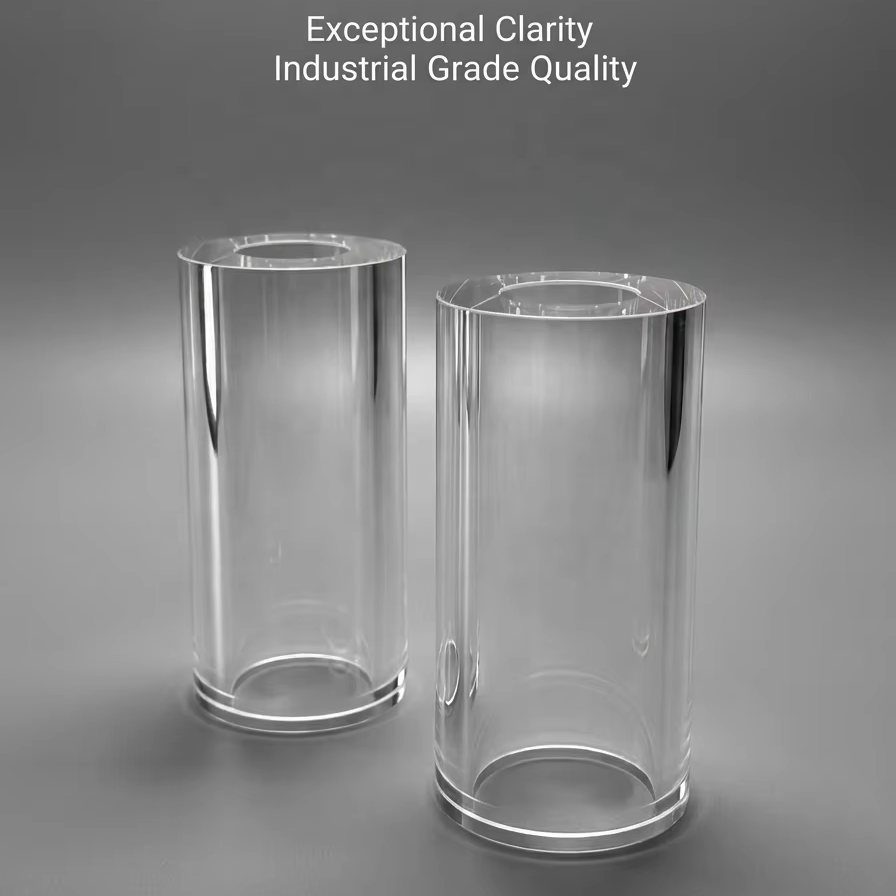
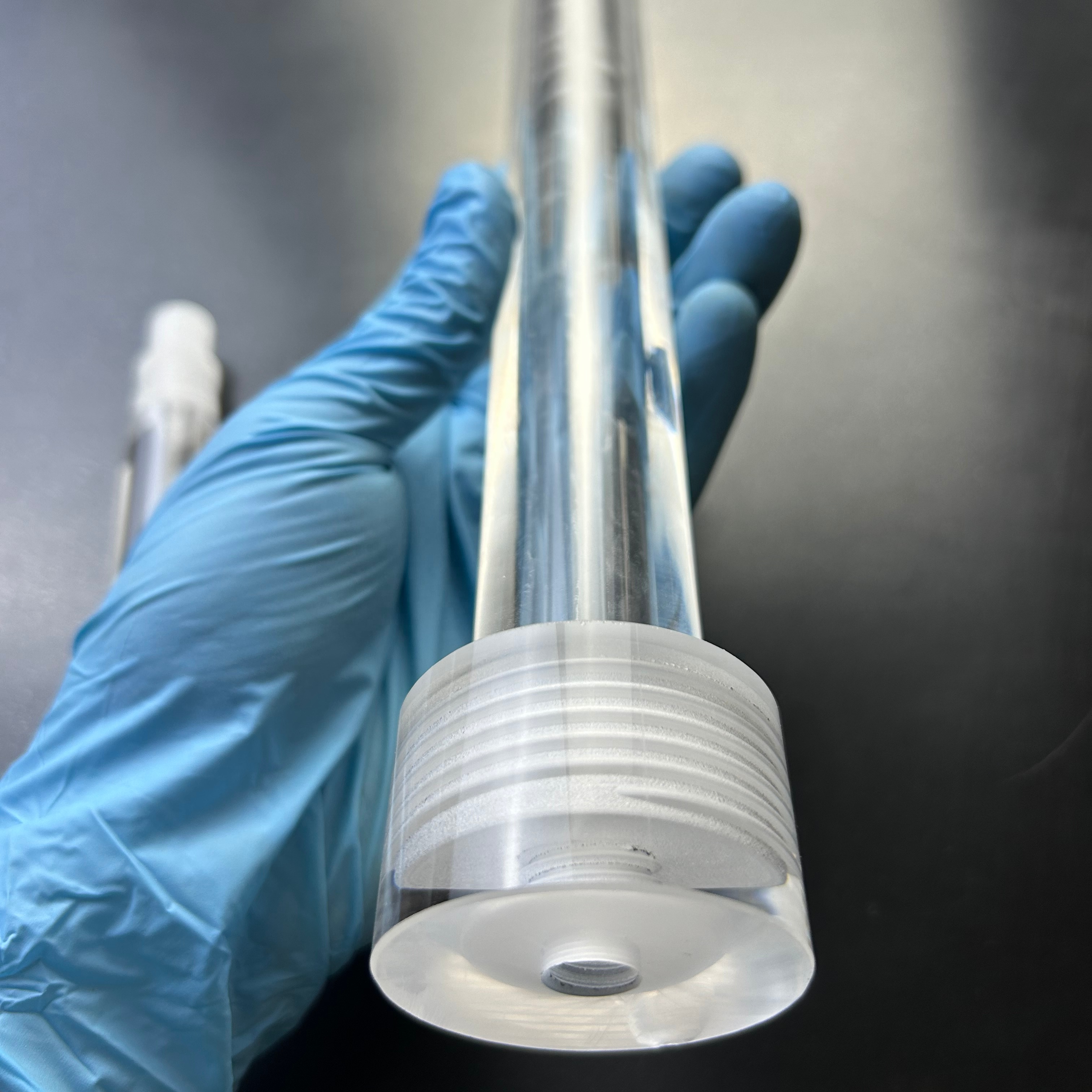
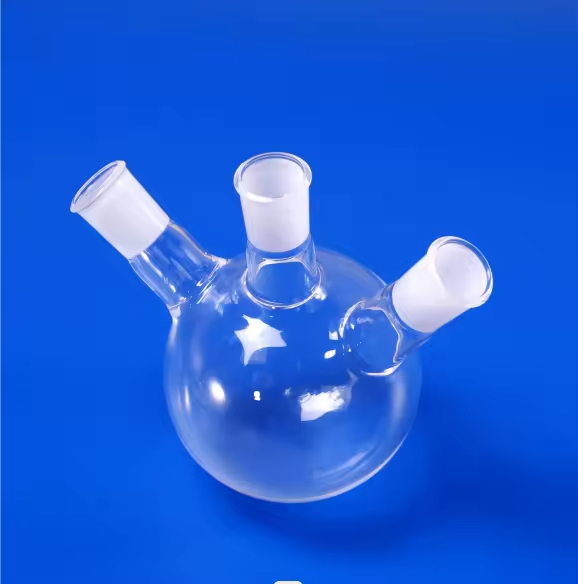
Executive Technical Overview: Fused Silica vs. Fused Quartz Engineering
In high-tech industrial optics, semiconductor wafer manufacturing, and high-temperature laboratory research, selecting the appropriate transparent substrate is critical. Although the terms Fused Silica and Fused Quartz are frequently used interchangeably in trade procurement, understanding their underlying material synthesis and optical characteristics is essential for engineering procurement managers.
Fused Quartz is manufactured by melting naturally occurring high-purity crystalline quartz sand (typically sourced from high-grade pegmatite deposits, such as those refined in the Donghai region of Jiangsu, China). The melting process takes place at temperatures exceeding 2000°C using electric resistance or gas-oxygen furnace methods. Natural fused quartz yields exceptional mechanical strength, a low coefficient of thermal expansion, and excellent thermal stability up to 1100°C, making it ideal for sight glasses, tube furnace windows, and semiconductor processing boats.
Synthetic Fused Silica, conversely, is synthesized chemically through the vapor-phase hydrolysis of silicon tetrachloride ($\text{SiCl}_4$) or organosilicon precursors in a hydrogen-oxygen flame. This chemical synthesis delivers an ultra-pure non-crystalline silica matrix ($>99.9999\%\text{ SiO}_2$) practically devoid of metallic impurities such as trace Iron ($\text{Fe}$), Aluminum ($\text{Al}$), Titanium ($\text{Ti}$), or Sodium ($\text{Na}$). Synthetic fused silica provides optimal optical transmission across the deep ultraviolet (DUV) spectrum down to 193 nm and eliminates microscopic bubble inclusions.
Material Grade Categorization Matrix (JGS1, JGS2, JGS3 Standards)
Chinese manufacturers categorize high-purity glass plates into three core optical and material grades standardized under international trade protocols:
| Chinese Standard Grade | Material Origin & Type | Spectral Transmission Range | Typical Hydroxyl ($\text{OH}^-$) Content | Primary Industrial Applications |
|---|---|---|---|---|
| JGS1 (Synthetic UV Grade) | Synthetic Silicon Precursor ($\text{SiCl}_4$) | 185 nm – 2500 nm (Far UV to NIR) | High OH (200 ppm – 1000 ppm) | Excimer laser optics, lithography photomasks, UV spectrophotometer windows, semiconductor wafer inspection. |
| JGS2 (Standard Optical Grade) | High-Purity Natural Quartz Sand | 220 nm – 2500 nm (UV to Visible) | Medium OH (100 ppm – 200 ppm) | High-temperature sight glasses, optical flats, substrate plates, flame-welded lab apparatus, industrial lighting. |
| JGS3 (Infrared Grade) | Electrically Fused / Low-OH Process | 260 nm – 3500 nm (Deep IR Transparency) | Ultra-Low OH ($< 5\text{ ppm}$) | IR spectroscopy, thermal imaging windows, high-power CO2 laser protection plates, high-temperature viewport lenses. |
By evaluating these grade distinctions against thermal shock limits and spectral requirements, global procurement teams can optimize cost-to-performance metrics when negotiating contracts with Chinese suppliers.
Global Sourcing & Future Sourcing Trends for Fused Silica Plates
Analyzing key shifts in international procurement, semiconductor supply chain localization, and technical specifications expected over the next decade.
Semiconductor Substrate Precision Demand
With the rise of 3nm/2nm semiconductor fabrication, demands on fused silica wafer carriers, ring flanges, and plasma etch windows are escalating. Buyers now require tight geometric tolerances ($\pm 0.01\text{ mm}$), total thickness variation ($\text{TTV} < 2\text{ }\mu\text{m}$), and sub-nanometer surface roughness ($Ra < 0.5\text{ nm}$).
Localization Shift to Donghai Processing Hubs
International buyers are moving from regional distributors to direct partnerships with verified manufacturing clusters in Donghai, Jiangsu. Direct factory integration bypasses 30–50% intermediary markups and speeds up custom drawing reviews to less than 2 hours.
Full Quality Traceability & Certificate Standards
Industrial buyers require verifiable material traceabilities, including Spectrophotometer transmission charts, ISO 12123 micro-bubble classification logs, and Certificate of Conformance (CoC) documents for RoHS, REACH, and UL94 compliance.
Next-Generation Solar PV Growth (N-Type TOPCon & Perovskite Tandem): The rapid scale-up of N-Type TOPCon solar cell production requires heavy deployment of high-purity quartz boats, diffusion tubes, and quartz thermal shield plates. Fused silica plates utilized in solar diffusion furnaces must resist thermal creep up to 1250°C while maintaining low trace metal concentrations to prevent contamination of silicon wafers.
Advanced Fabrication Capabilities: From Raw Quartz Slabs to Precision Optical Plates
Transforming high-purity raw silica ingot blocks into ultra-precise optical plates requires multi-stage thermal, mechanical, and chemical processing. Modern leading Chinese fabricators utilize integrated precision equipment to achieve complex geometric profiles and optical surface finishes.
1. Diamond Wire Slicing & Edge Profiling
Large fused quartz ingots are sliced into custom plate thicknesses using high-speed multi-diamond wire saws. This process minimizes kerf loss and reduces surface micro-cracking compared to traditional abrasive blade cutting. Following slicing, automated CNC edge grinders produce custom chamfers (bevels), bullnose edges, or step-down flanged margins to mitigate edge chipping during high-stress operational thermal cycles.
2. Cold Laser Micro-Drilling & CNC Ultrasonics
Traditional mechanical diamond core drilling introduces circumferential micro-fractures around hole rims, which can propagate into catastrophic cracks under thermal stress ($>800^\circ\text{C}$). Advanced manufacturers now use Ultrafast Picosecond Laser Machining and Ultrasonic CNC Milling. These non-thermal processes enable micro-hole drilling down to $0.2\text{ mm}$ diameter, blind slots, tapered keyways, and complex internal cutouts with zero thermal stress zones.
3. Double-Sided Lapping & Sub-Nanometer Polishing
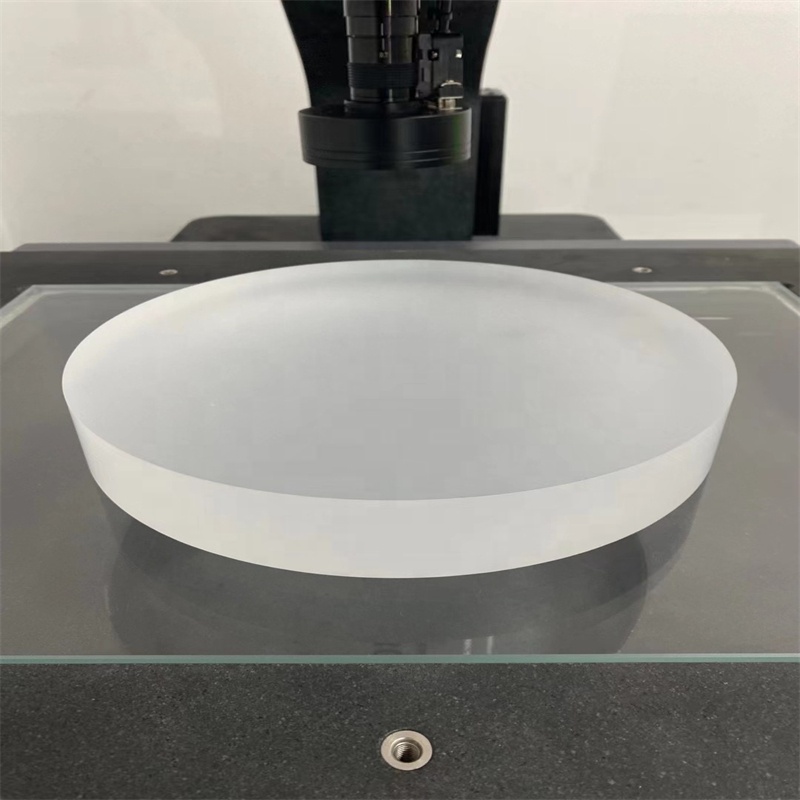
Plates undergo progressive multi-stage double-sided planetary lapping using Cerium Oxide ($\text{CeO}_2$) and slurry suspensions. This systematically reduces surface roughness from coarse ground ($Ra\sim 1.6\text{ }\mu\text{m}$) to commercial polish ($Ra< 2\text{ nm}$), up to laser-grade optical polish ($Ra< 0.5\text{ nm}$). Optical flats are measured under laser interferometers to achieve wavefront distortions better than $\lambda/10$ per $25\text{ mm}$.
4. Stress Relief Annealing & Flame Polishing
To eliminate internal mechanical stresses induced during grinding, quartz plates undergo controlled thermal stress-relief annealing cycles in programmable electric muffle furnaces. The temperature is ramped to the annealing point ($\sim 1215^\circ\text{C}$), held for several hours, and gradually cooled at rates below $1^\circ\text{C/min}$. For chemical and sight glass applications where optical flat plane perfection is secondary to high edge-strength, flame polishing via high-temperature hydrogen-oxygen burners seals micro-fissures and creates smooth surfaces.
Why Sourcing From Donghai, China Delivers Unmatched Advantage
Combining world-class mineral refinement infrastructure, skilled glassmithing traditions, and modern quality control systems.
Located in Donghai County, Lianyungang, Jiangsu Province—known worldwide as the "Crystal Capital of China"—local manufacturers operate within an established industrial ecosystem for silica extraction, raw material refinement, high-temperature quartz synthesis, and secondary CNC fabrication.
Uncompromising Raw Material Quality
Access to localized high-purity natural silica deposits ($99.99\%\text{ SiO}_2$) combined with imported synthetic silicon tetrachlorides ensures consistent raw material supply for both commercial high-temp sight plates and ultra-pure DUV optical windows.
Drawing-Based Custom Engineering
Whether you require a single prototype plate for university research or multi-thousand-piece monthly production runs for OEM equipment, manufacturers accept 2D/3D CAD models (STEP, DWG, DXF, PDF) with zero minimum order quantities (MOQ 1 piece).
Experienced Technical Glassmithing
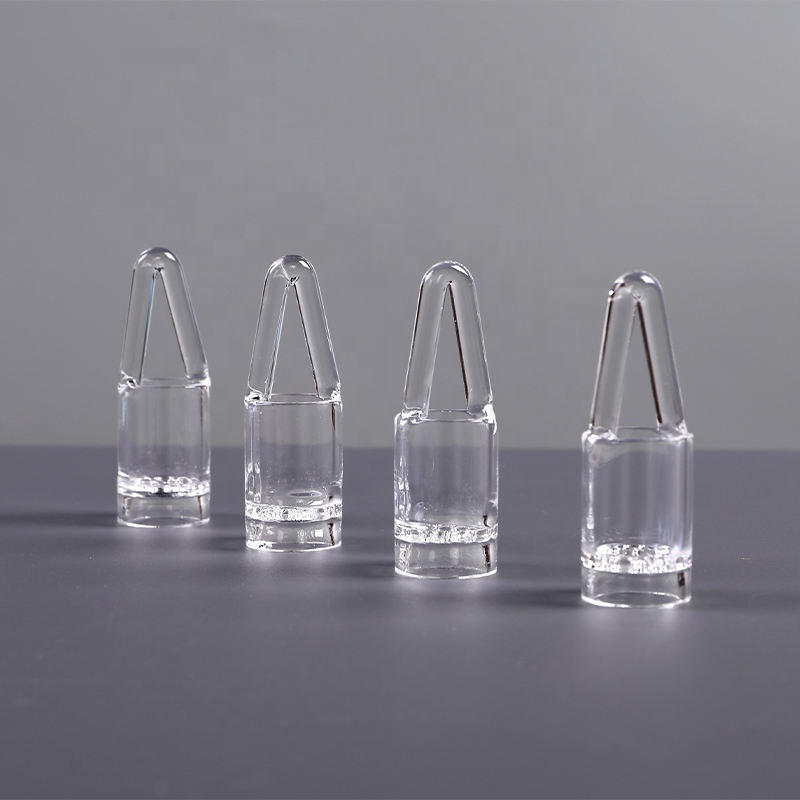
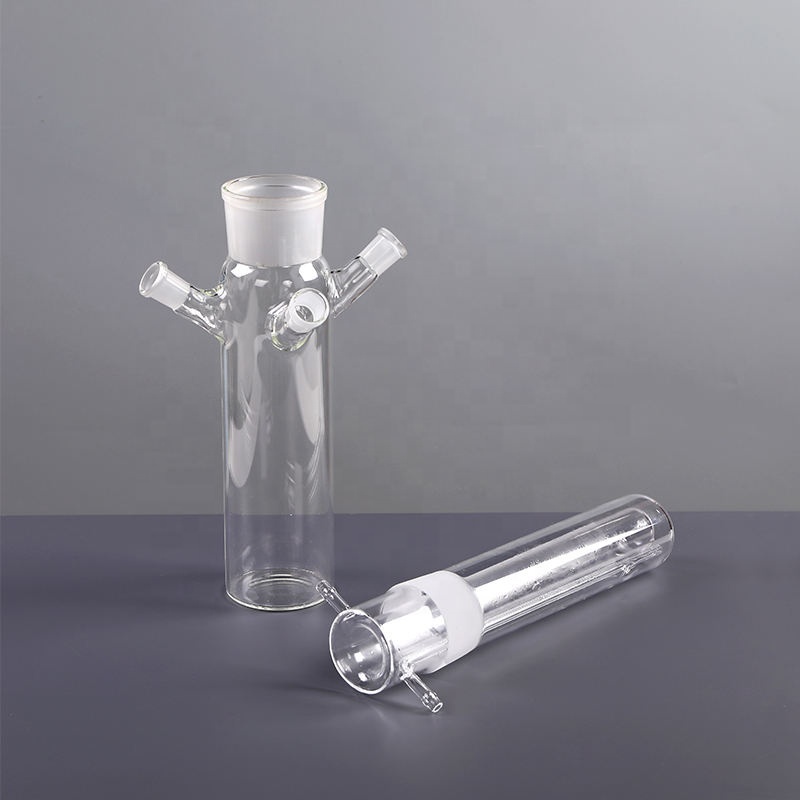
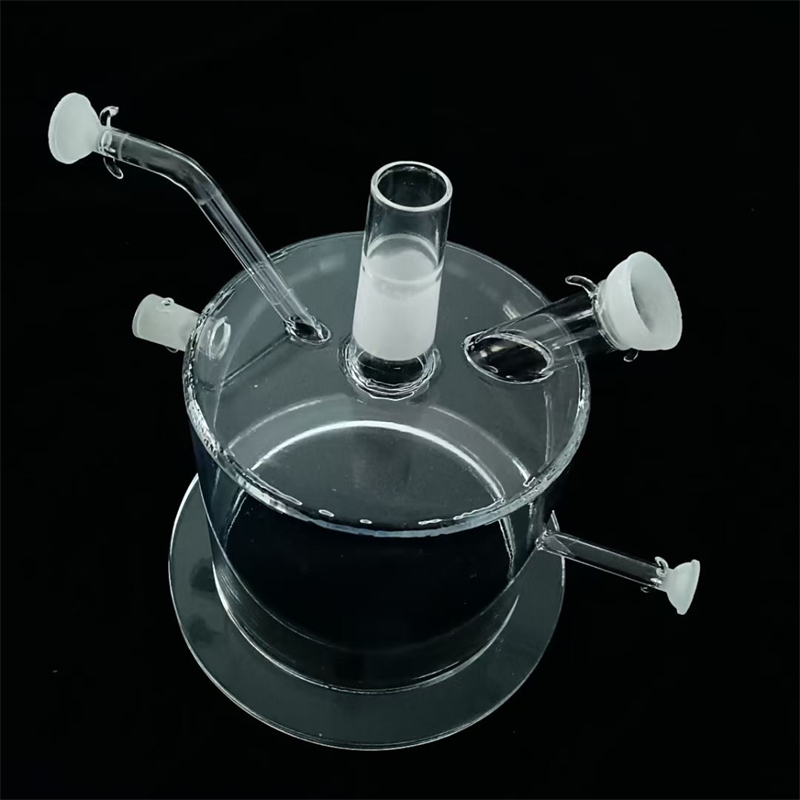
Complex assemblies—such as internal illumination photocatalytic reactors, twin-tube fused furnace plates, and flanged vacuum sight chambers—combine precision automated CNC grinding with manual flame welding by master glassmiths boasting over 10 years of experience.
Frequently Asked Questions (Technical & Purchasing FAQ)
Answers to crucial technical and commercial questions raised by optical engineers and global buyers.
Need Custom Fused Silica Plates Engineered to Your Specifications?
Upload your engineering drawings, select your required optical grade (JGS1, JGS2, JGS3), or request immediate technical pricing from our engineering team in Donghai, China.