Featured High-Purity Quartz Glass & Flow Cell Components
Precision-engineered quartz solutions manufactured to sub-micron optical tolerances for spectroscopy, semiconductor, and medical applications.
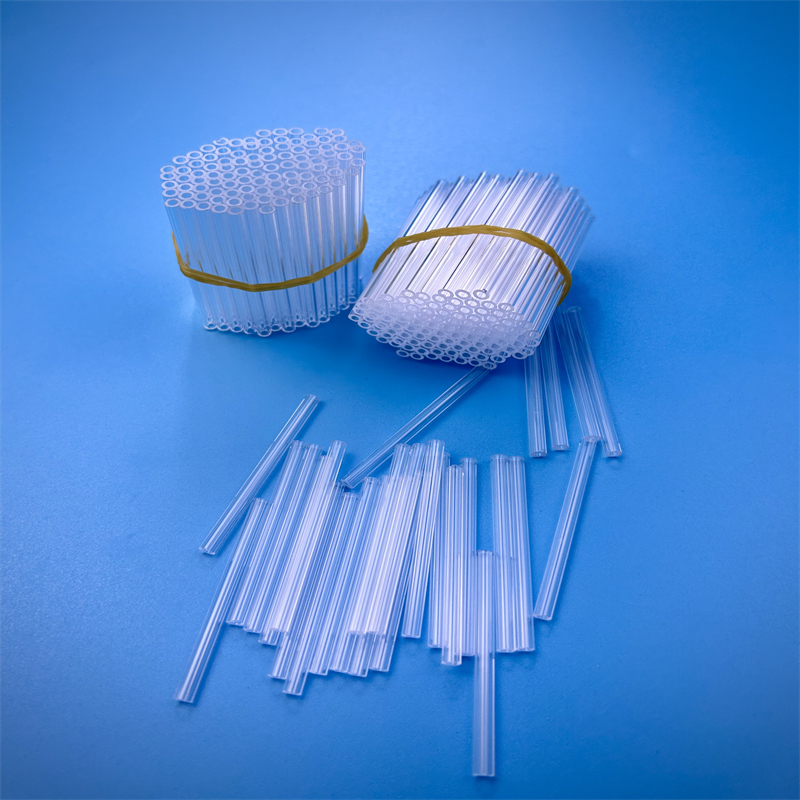
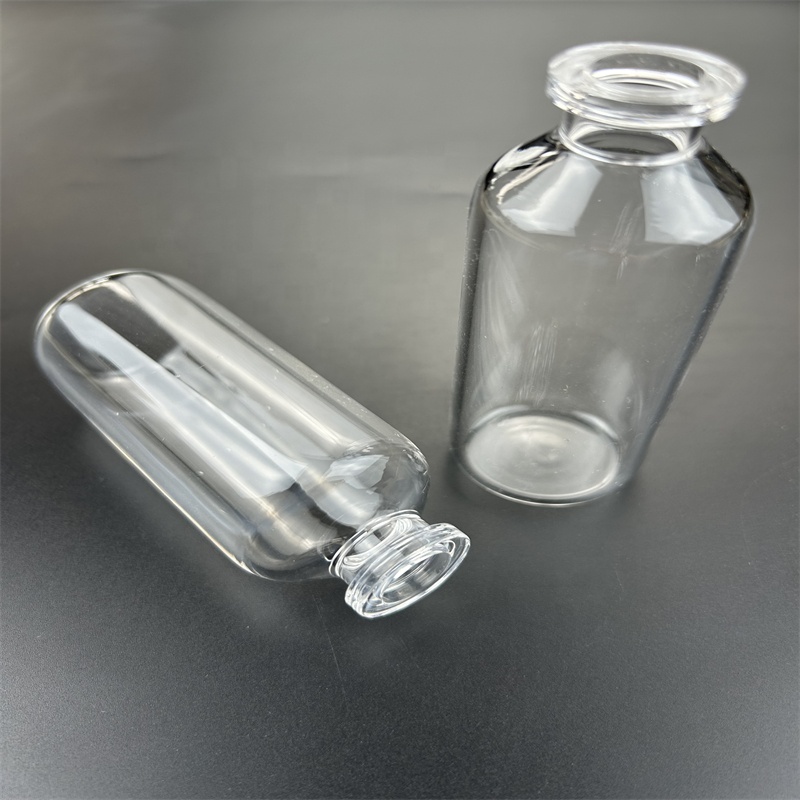
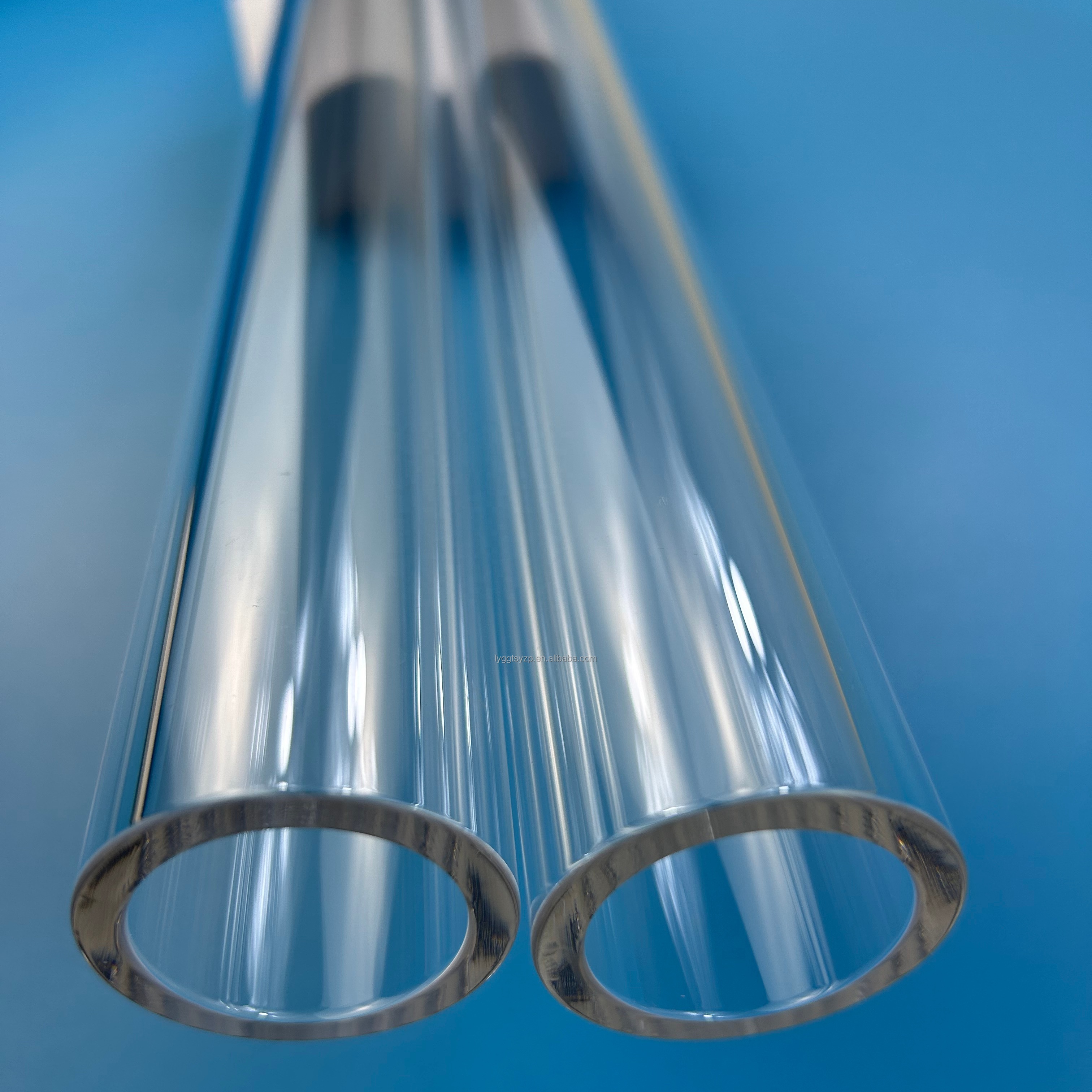
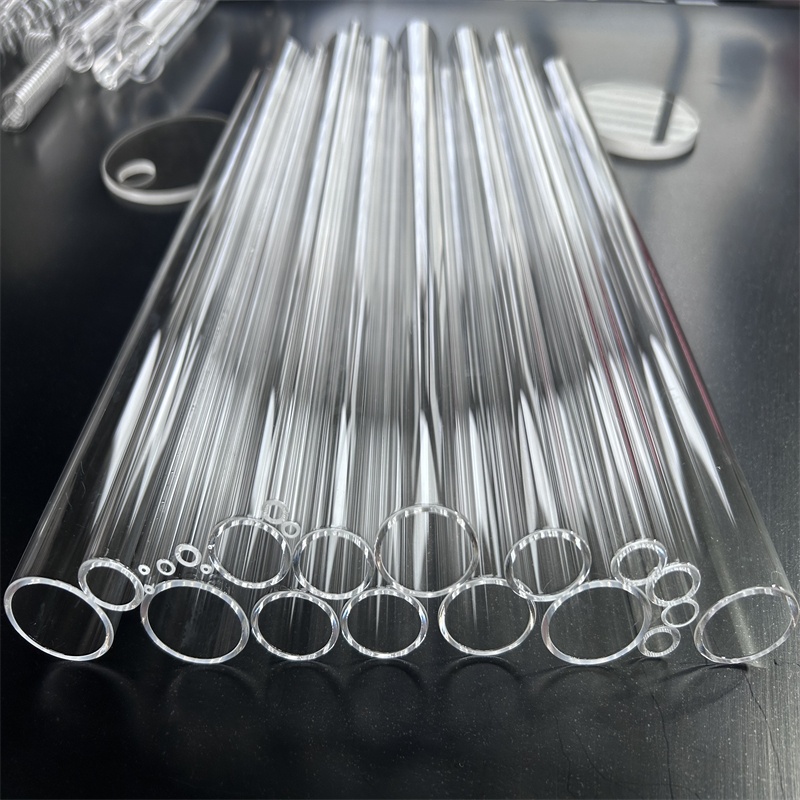
1. Executive Technical Overview: The Evolution of Quartz Flow Cells in Modern Metrology
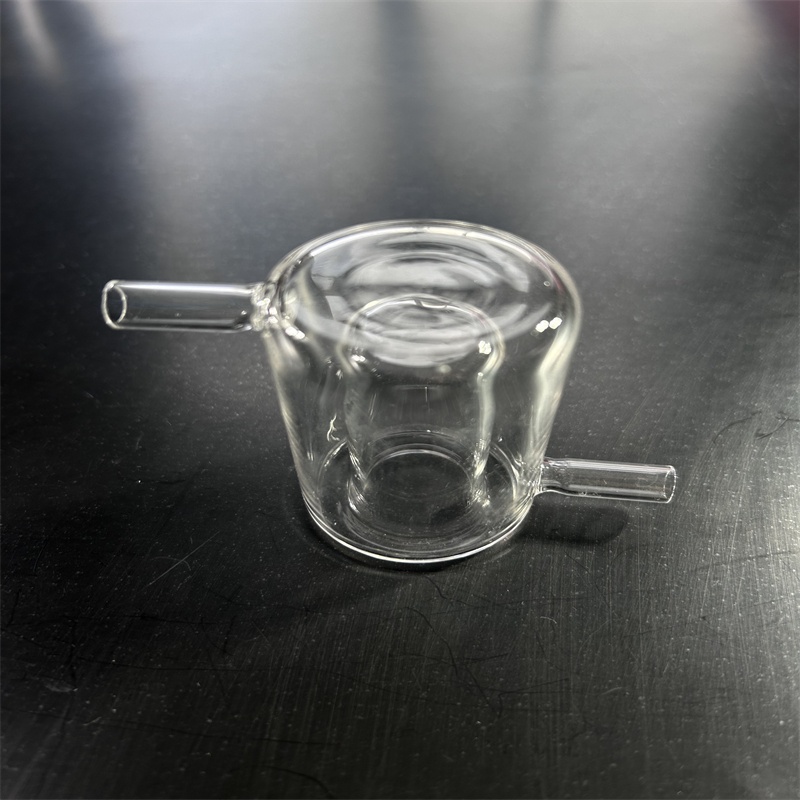
In analytical chemistry, molecular biology, and optical spectroscopy, the optical flow cell serves as the critical interface where photons interact with flowing liquid media. Quartz flow cells—engineered primarily from synthetic fused silica (JGS1) or high-purity natural fused quartz (JGS2/JGS3)—are indispensable in High-Performance Liquid Chromatography (HPLC), Ultraviolet-Visible (UV-Vis) spectrophotometry, Flow Cytometry, and continuous microfluidic chemical synthesis.
The global demand for high-precision analytical instruments has catalyzed rapid technological advancements within China's glass fabrication ecosystem. China has evolved from a producer of basic commodity glassware to an advanced manufacturing hub capable of delivering sub-micron dimensional tolerances, direct thermal fusion bonding without fluorescence-inducing adhesives, and laser-machined micro-channels. Identifying the best quartz flow cell factories in China requires a deep technical understanding of glass purity grades, optical bonding methodologies, and rigorous quality control protocols that dictate signal-to-noise ratios in scientific measurements.
Technical Value Insight: Unlike standard borosilicate optical cells, high-purity fused silica flow cells maintain structural stability under thermal shocks up to 1100°C, exhibit virtually zero background auto-fluorescence under deep UV excitation (200–280 nm), and withstand working pressures exceeding 50 bar when joined using molecular thermal fusion techniques.
2. Material Science & Manufacturing Physics: How Leading Chinese Factories Differentiate
Evaluating China's premier quartz flow cell manufacturing plants requires scrutinizing their raw material sourcing and fabrication techniques. The physical and optical behavior of a flow cell is dictated primarily by hydroxyl content ([OH⁻]), impurity trace elements (such as Fe, Al, Ti, Na), and structural homogeneity.
2.1 Optical Quartz Classification Matrix
Leading Chinese quartz factories classify raw materials into three primary optical grades, tailored for specific spectroscopic windows:
| Material Grade | Optical Transmission Range | Hydroxyl [OH⁻] Content | Primary Industrial Applications |
|---|---|---|---|
| JGS1 Synthetic Fused Silica | 185 nm – 2,500 nm (Far UV / Vis) | > 1000 ppm (High OH) | UV-Vis Spectrophotometers, Flow Cytometry, Fluorescence Detection |
| JGS2 Fused Natural Quartz | 220 nm – 2,500 nm (UV / Vis) | 30 ppm – 150 ppm (Standard OH) | HPLC Detectors, General Analytical Chemistry, Water Quality Monitors |
| JGS3 Infrared Synthetic Quartz | 260 nm – 3,500 nm (NIR / IR) | < 5 ppm (Low OH) | FTIR Spectroscopy, Gas Analyzers, Near-Infrared Chemical Sensors |
2.2 Advanced Optical Contact Bonding vs. Thermal Molecular Fusion
A primary failure mode in cheap flow cells is optical window detachment or solvent leaching caused by epoxy resin adhesives. Top-tier Chinese manufacturers utilize two solvent-free bonding technologies:
1. Optical Contact Bonding (Cold Bonding): Highly polished quartz surfaces ($Ra < 0.5\text{ nm}$, surface flatness $\lambda/10$) are brought into atomic contact. Van der Waals forces draw the optical windows together without glue. However, for pressurized liquid flow, this must be followed by thermal annealing.
2. Thermal Molecular Fusion (Direct Fusing): The bonded assembly is subjected to high-temperature furnace cycles near the quartz annealing point (~1150°C to 1250°C). Silicon-Oxygen-Silicon (Si-O-Si) covalent bonds form across the boundary interface. The resulting joint exhibits the mechanical strength, pressure tolerance, and chemical inertness of a monolithic piece of quartz, completely eliminating internal reflections and fluid-contamination risks.
3. Precision Fluid Dynamics & Optical Path Length (OPL) Control
The accuracy of Beer-Lambert Law calculations ($A = \epsilon \cdot c \cdot L$) hinges directly on the absolute precision of the optical path length ($L$). A variance of just $10 \mu m$ in a $10 mm$ flow cell introduces a 0.1% systematic measurement error. Leading factories employ five-axis CNC ultra-precision ultrasonic machining paired with optical laser interferometry to verify channel dimensions before and after thermal fusing.
Key Engineering Parameters for OEM Flow Cell Customization:
- Hydrodynamic Dead Volume Minimization: Micro-flow cells designed for nano-HPLC or capillary electrophoresis feature internal swept volumes as low as 10 to 50 nanoliters. Tapered inlet and outlet capillaries prevent laminar flow distortion, bubble entrapment, and sample band broadening.
- Optical Window Parallelism: High-end spectrophotometric applications mandate window parallelism within 15 arcseconds to avoid refractive light displacement across beam paths.
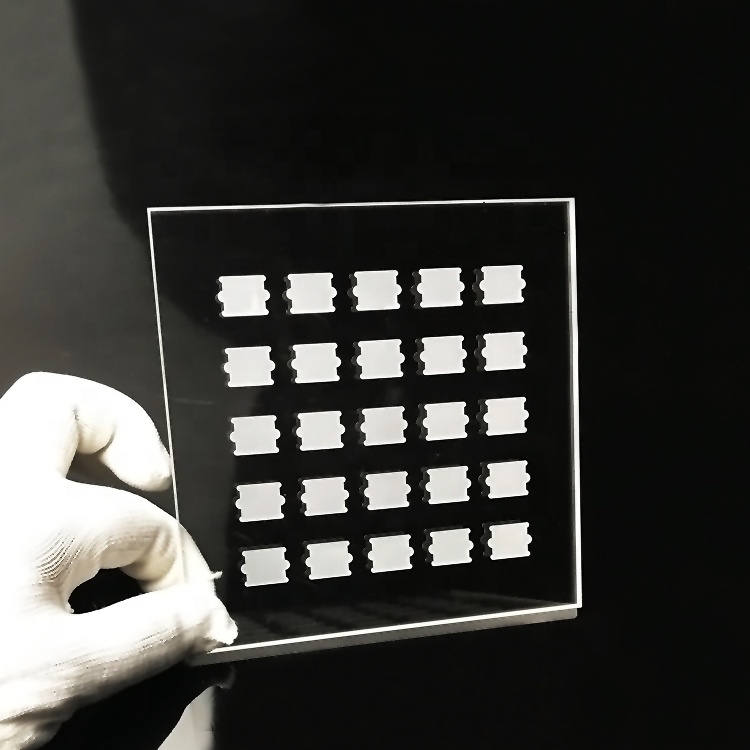
- Refractive Index Matching & Black Quartz Masking: To prevent stray light scattering from sidewalls into detectors, advanced Chinese factories integrate high-density "Black Quartz" aperture masks via co-sintering. This technique dramatically elevates signal-to-noise ratios in ultra-sensitive fluorometers.
4. Enterprise Manufacturing Strengths: The Zelvo Quartz Ecosystem Advantage
Located in Donghai County, Jiangsu Province—recognized globally as China's premier high-purity crystal and quartz industrial processing capital—Lianyungang Zelvo Quartz Products Co., Ltd. embodies the upper echelon of specialized quartz fabrication.
4.1 Integrated Supply Chain & High-Purity Raw Material Dominance
Operating at the epicenter of world-class quartz refining allows Zelvo Quartz to source raw quartz sand boasting 99.99% to 99.999% $\text{SiO}_2$ content. By controlling the refining, tube drawing, and optical window grinding phases internally, Zelvo delivers uncompromising consistency across small batch engineering trials and mass OEM production runs.
4.2 Precision Processing & Laser Micro-Machining Portfolio
Zelvo Quartz bridges traditional glass-blowing expertise with modern automated CNC cold-machining. Key technical capabilities include:
- Femtosecond Laser Drilling & Grooving: Creating microfluidic channels with zero micro-fracturing along channel margins.
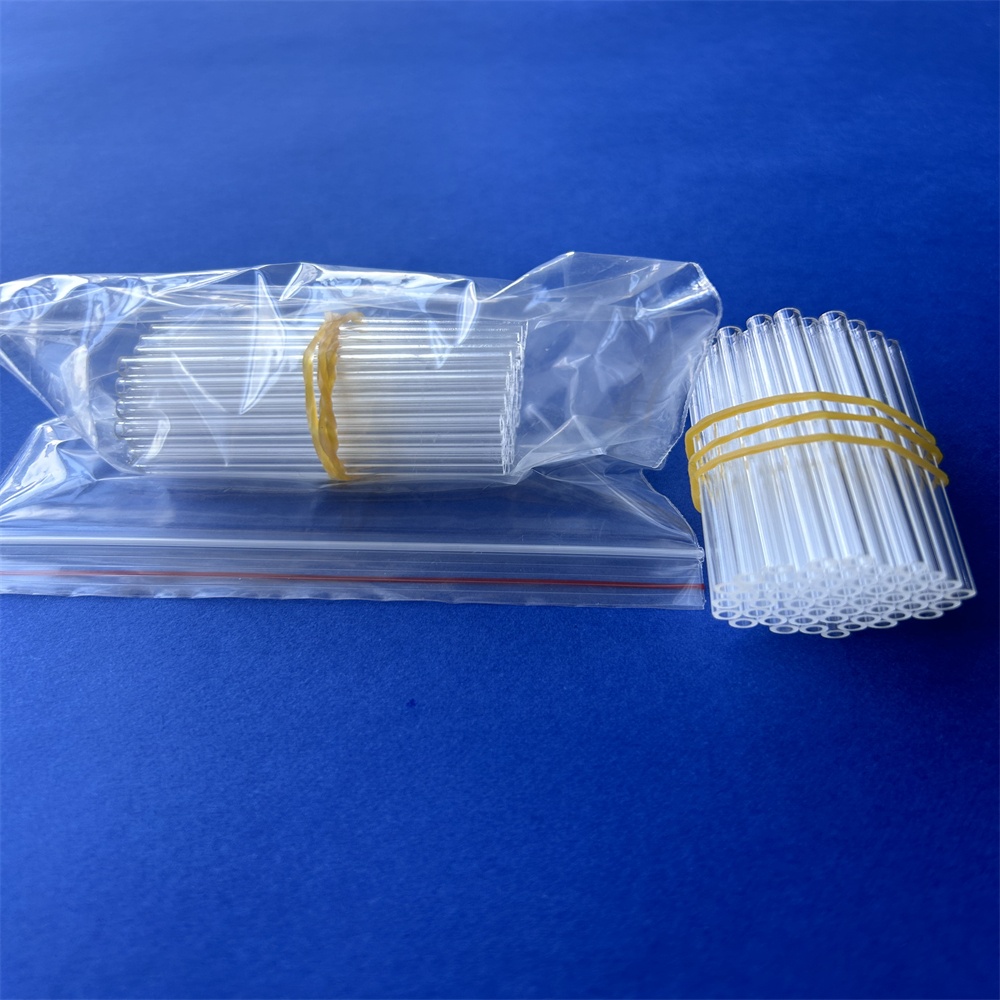
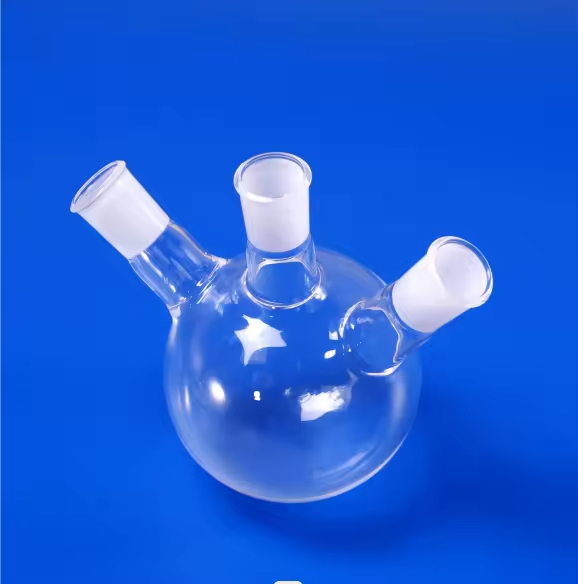
- Precision Tube Bending & Mirror Flame Polishing: Specialized fabrication of U-bent tubes, twin-bore furnace pipes, and distortion-free optical ampoules.
- Custom Prototype Flexibility: Supporting a 1-piece Minimum Order Quantity (MOQ) for custom academic and OEM engineering prototypes, transitioning seamlessly into high-volume production.
- 100% Optical Metrology & Quality Assurance: Every optical flow cell undergoes spectrophotometric transmission verification, helium leak detection for high-pressure seals, and dimensional laser profiling prior to cleanroom vacuum packaging.
5. Future Sourcing & Technical Trends in the Quartz Flow Cell Market (2025–2030)
The global analytical instrument sector is transitioning toward miniaturization, continuous automated chemical synthesis, and harsh-environment inline process monitoring. OEM buyers sourcing from Chinese factories must align with several macro-technological shifts:
5.1 Integration of Microfluidics & Organ-on-a-Chip Architecture
Conventional macro-flow cells are increasingly replaced by fused silica microfluidic chips containing complex flow manifolds, mixing chambers, and integrated optical detection windows. Fused quartz is superior to polymer microfluidic chips (PDMS, PMMA) due to its resistance to organic solvents (tetrahydrofuran, dichloromethane) and absolute optical clarity under deep UV illumination.
5.2 High-Pressure Continuous Flow Chemistry Reactors
As green chemistry and continuous pharmaceutical manufacturing expand, flow cells are subjected to combined high-temperature ($> 200^\circ\text{C}$) and high-pressure ($> 30\text{ bar}$) conditions. Modern Chinese factories are engineering thick-walled, reinforced quartz flow cells featuring metal-to-quartz compression fittings capable of real-time inline FTIR and Raman spectroscopy monitoring.
5.3 Multi-Pass Optical Path Length Augmentation
To detect ultra-low analyte concentrations without increasing flow channel volume, next-generation cells utilize reflective dielectric coatings applied directly onto selected outer quartz surfaces. This creates internal multi-pass light paths (e.g., White cells or Herriott cells), multiplying the effective absorption length up to 10-fold within a compact footprint.
6. Procurement Buyer's Guide: How to Audit & Qualify a Chinese Quartz Flow Cell Factory
Sourcing quartz optical components globally requires rigorous technical evaluation to mitigate risks related to optical distortion, batch-to-batch variation, and delivery delays. Procurement teams should mandate the following verification standard:
| Audit Category | Evaluation Criterion | Industry Standard Requirement | Verification Method |
|---|---|---|---|
| Material Traceability | Raw SiO2 purity certificate | ≥ 99.99% purity; trace Fe < 0.2 ppm | ICP-MS test report per raw batch |
| Optical Polish | Scratch-Dig classification | MIL-PRF-13830B 20-10 or 10-5 grade | Optical microscope & laser scatterometer |
| Bonding Integrity | Joint boundary interface | Zero bubble inclusions; molecular fusion | Cross-polarized light stress analyzer |
| Dimensional Accuracy | Optical Path Length (OPL) | Tolerance ±0.005 mm to ±0.01 mm | 3D Coordinate Measurement Machine (CMM) |
| Pressure & Seal Safety | Leak rate under operational bar | < 1 x 10^-9 mbar L/s (Helium seal) | Mass spectrometer leak detector |
7. Frequently Asked Questions (FAQ) - Technical Procurement
Partner with China's Premier Quartz Flow Cell Manufacturer
Require specialized quartz flow cells, optical windows, or custom fused silica components? Submit your engineering drawings or optical specifications today for a rapid technical review and quotation from our senior engineering team.
Send an Inquiry