Featured Quartz Windows & Custom Precision Components
Explore our high-demand custom fabricated quartz glass solutions. Every piece is precision ground, laser-profiled, and high-temperature annealed in our Donghai production facility according to your CAD drawings and strict optical tolerances.
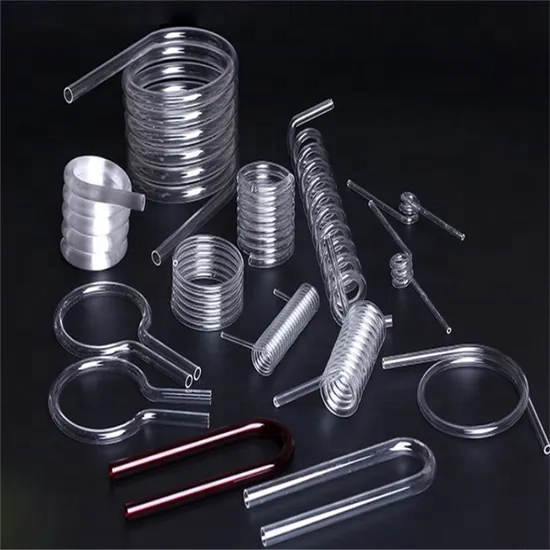
Custom Different Sizes U-Bent Quartz Glass Spiral Tube with Moulding Cutting Bending and Welding Services
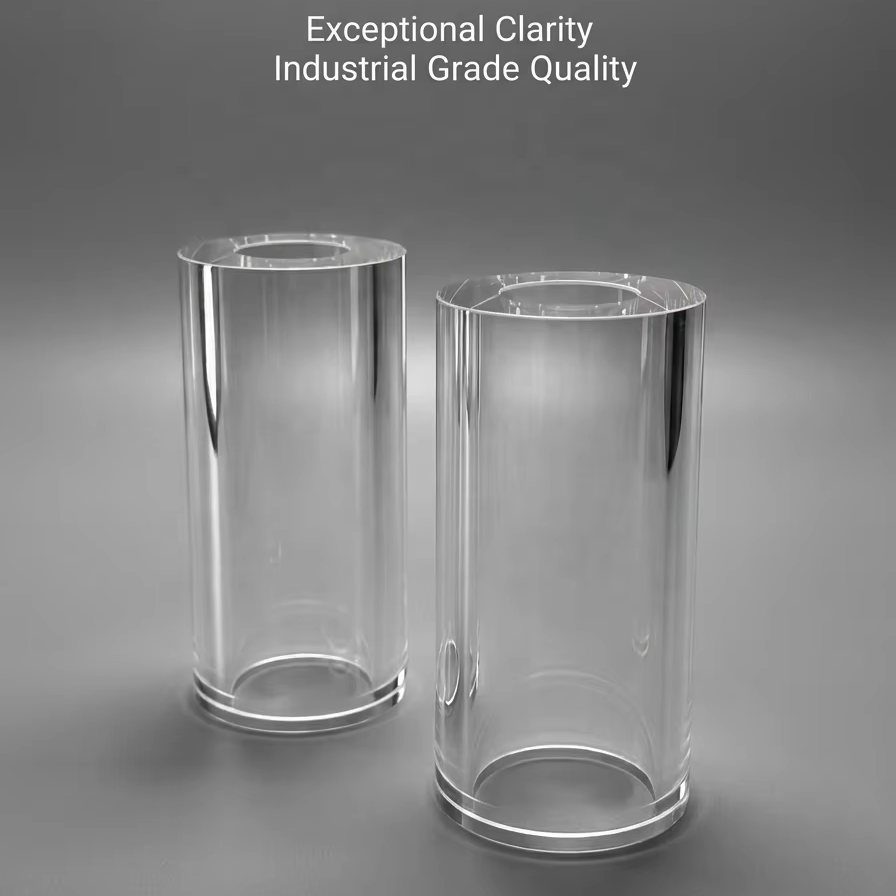
Factory Custom Both Ends Polished High Purity Transparent Quartz Twin Tube Bending Moulding Welding Cutting Capabilities
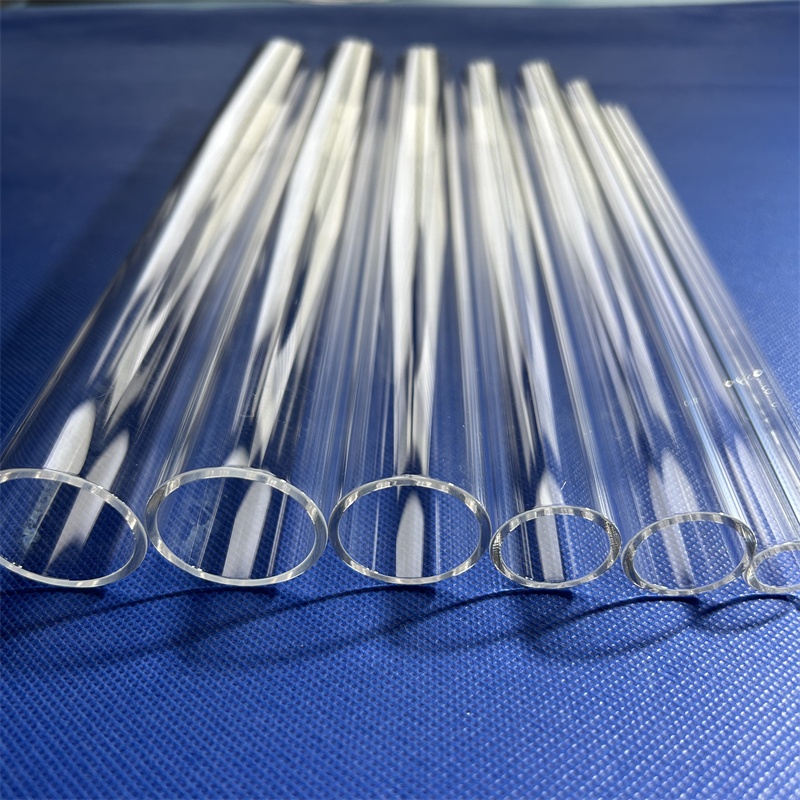
Transparent High Pressure 99.99% Pure Quartz Glass Tube Furnace Boiler Chemical Applications Corrosion Bending Moulding
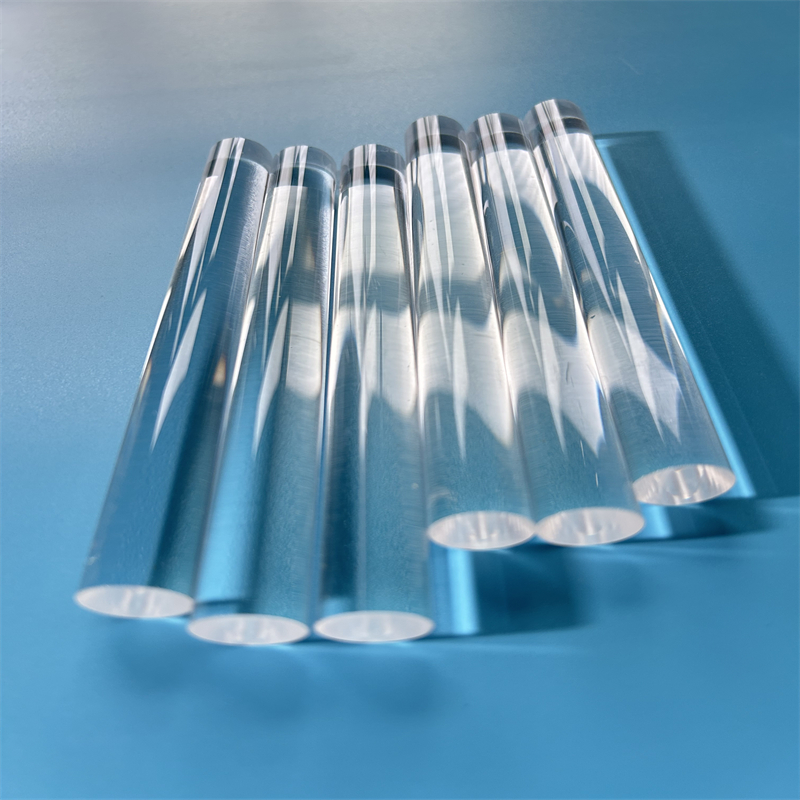
Custom Guitu Quartz GT Model High Purity Optical Quartz Light Guide Cylinder Rod 99.99% SiO2 for Optical/Semiconductor
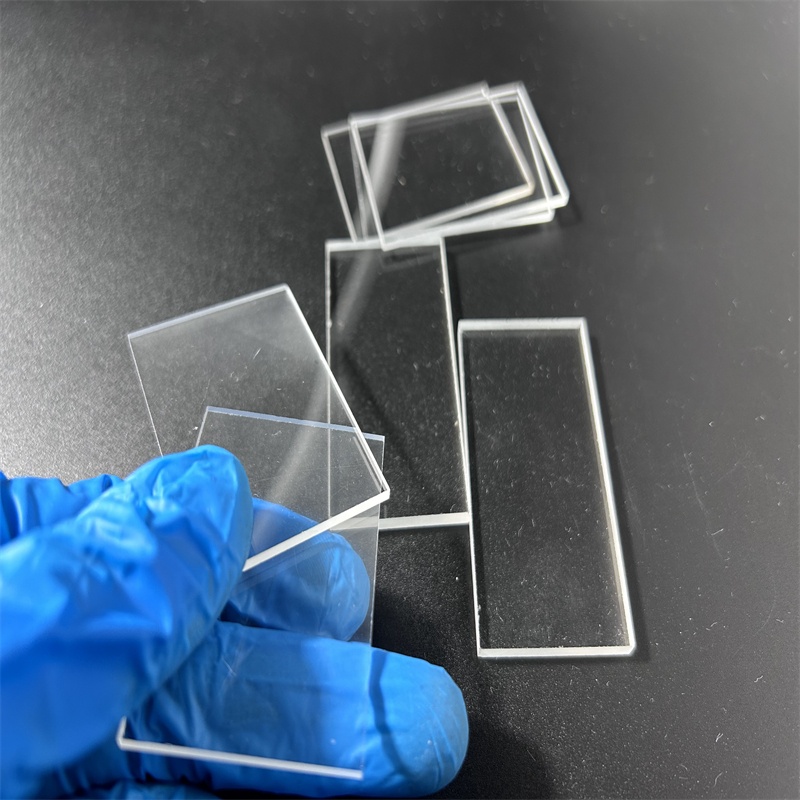
Customized High Temperature Transparent Fused Quartz Glass Sheet Welding Cutting Services Clear Plate Custom Sizes Optics Grade
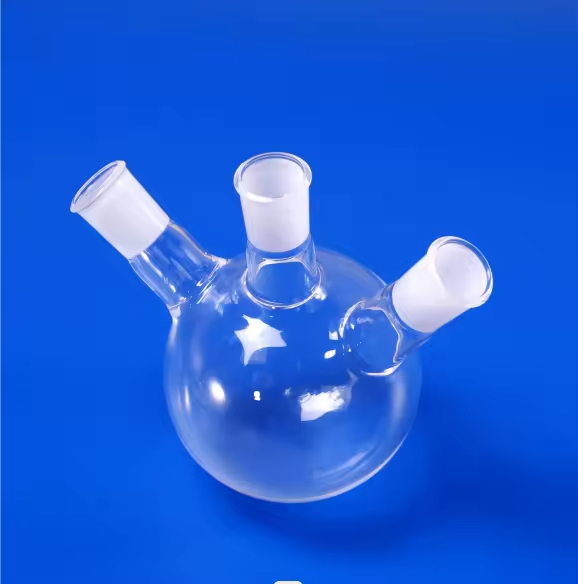
High Temperature Resistance Transparent Quartz Glass Twin Tube Bottom Flask Bending/Welding/Cutting/Moulding Services Lab Use
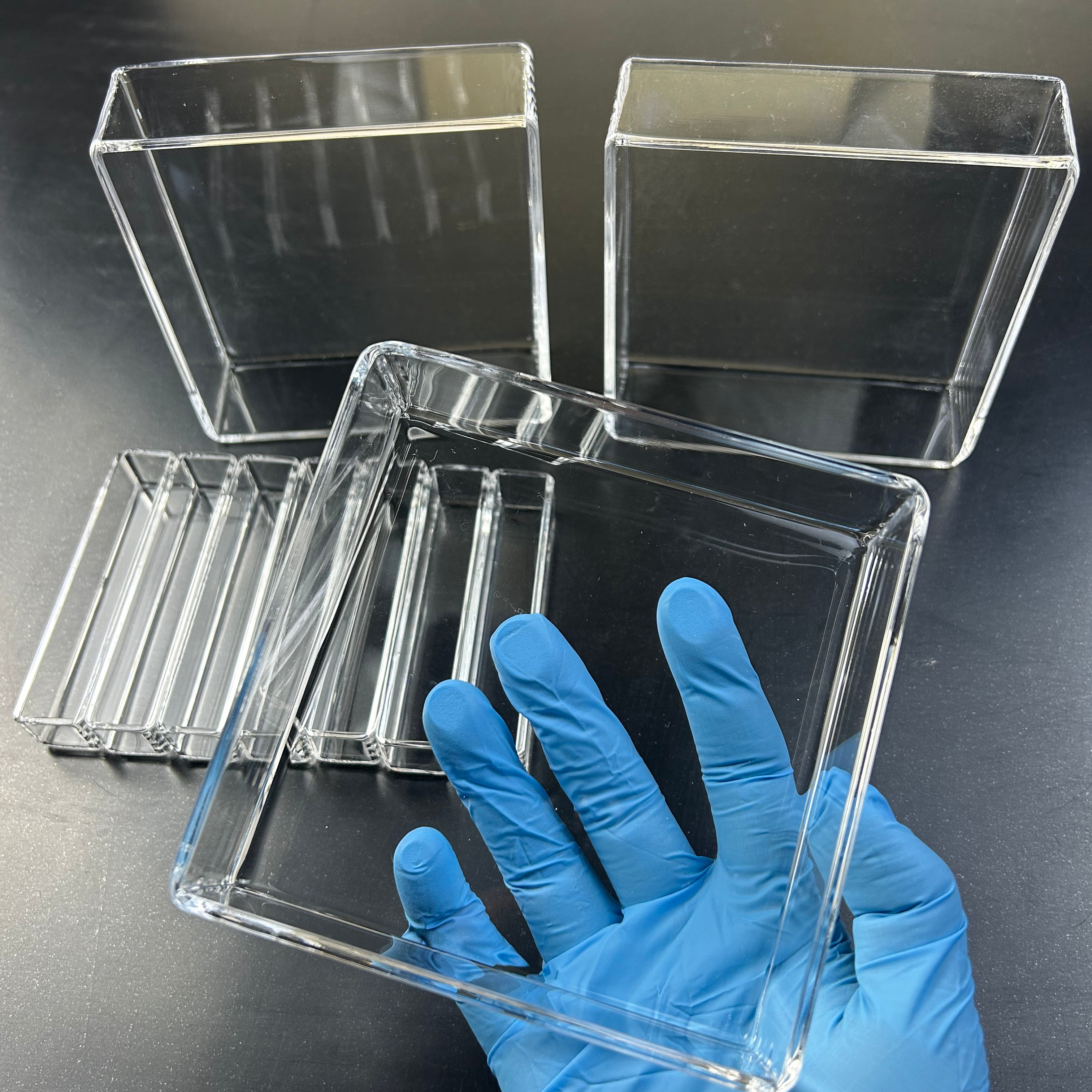
Manufacturers Customized Fused Quartz Glass High Temperature Resistant Circular Cylinder Crucible Tank Welding Cutting Custom
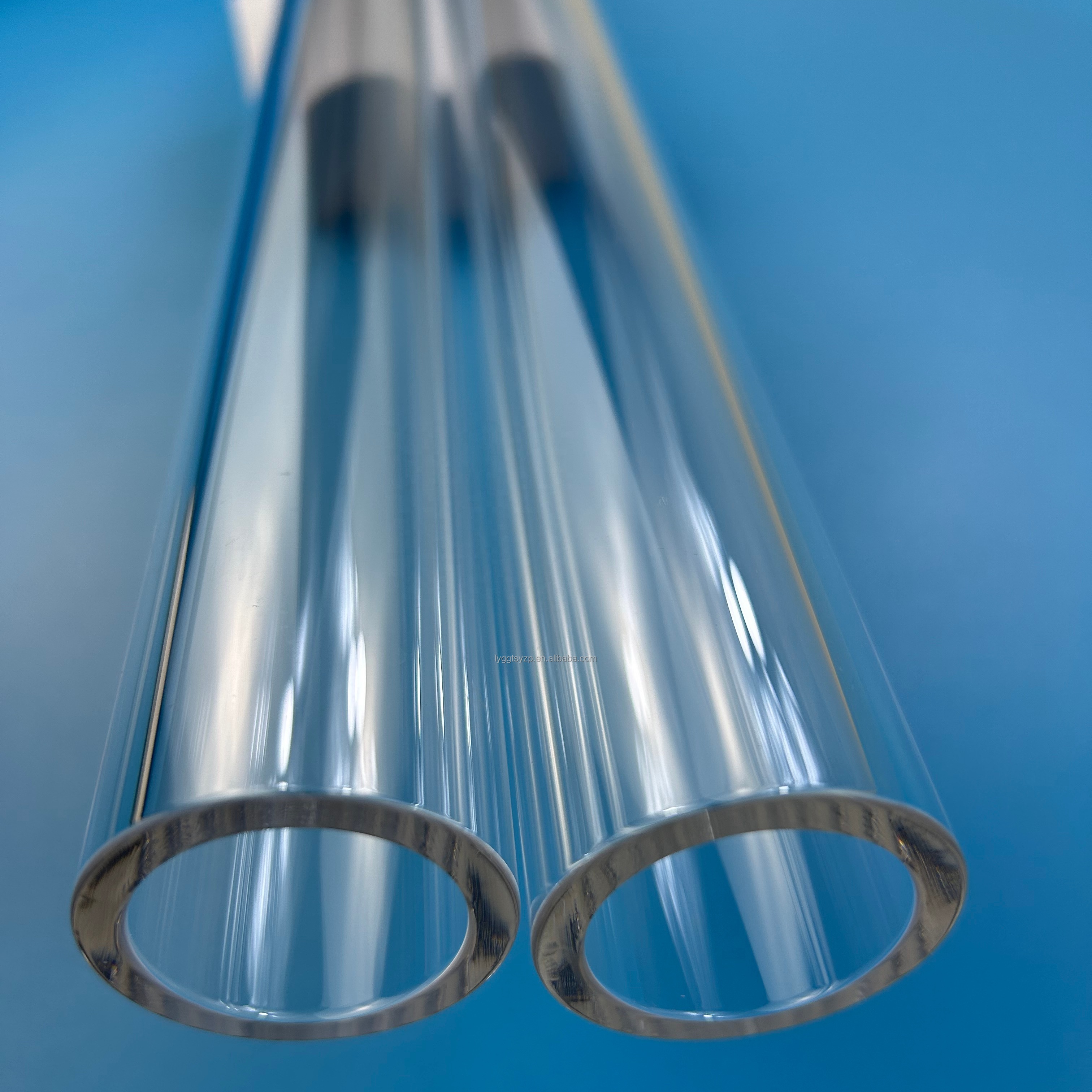
Polished Clear Quartz Twin Tube Ozone Free Heater Chemical Lab Equipment Semiconductor Furnace Tubes Welding Moulding Bending
Precision Quartz Manufacturing from China's Silicon Capital
Headquartered in Donghai County, Lianyungang—the historical epicenter of China’s natural quartz processing cluster—Lianyungang Zelvo Quartz Products Co., Ltd. integrates raw pegmatite silica beneficiation, high-vacuum electro-fusion, precision CNC 5-axis machining, and laser interferometric surface verification under one roof.
Direct Donghai Geologic Source
We source high-purity natural silica sand containing < 15 ppm total metallic impurities (Fe, Al, Ti, Ca, Mg, Na, K). Our material delivers exceptional optical transmission across 200 nm to 2500 nm without internal bubble clusters or striae.
Sub-Micron CNC Finishing
Equipped with 5-axis ultrasonic CNC milling centers, diamond wire saws, double-sided planetary lapping tools, and CO₂ laser drilling. We regularly hold dimensional tolerances to ±0.02 mm and hole diameter tolerances within ±0.01 mm.
Deep Annealing Cycle
Every machined quartz window undergoes a programmable 48-hour thermal annealing cycle up to 1215°C to completely relieve residual internal mechanical stress. Residual stress birefringence is validated below 5 nm/cm, preventing stress fractures.
Metrology & Cleanroom Pack
Optical flatness verified using Zygo He-Ne (632.8 nm) laser interferometers down to λ/10. Surface roughness evaluated with white-light profilometers (Ra < 0.5 nm). All parts cleaned in ultrasonic acid baths and vacuum packed in Class 1000 cleanrooms.
Engineering Reference: Fused Quartz vs. Synthetic Fused Silica Window Materials
Selecting the correct silica substrate for observation viewports, vacuum furnace sight glasses, and photolithography stages requires balancing chemical purity, internal hydroxyl (-OH) radical concentration, bubble class (DIN 3140 / ISO 12123), and the operational wavelength spectrum. As China's premier high-purity quartz window manufacturer, Zelvo Quartz fabricates three distinct material grades categorized by their spectral passbands and manufacturing processes:
| Material Grade | Manufacturing Technology | Transmission Band (T > 85%) | Hydroxyl Content (ppm OH) | Typical Critical Application |
|---|---|---|---|---|
| JGS1 (Synthetic Silica) | Chemical Vapor Deposition (SiCl₄ Oxidation) | 185 nm – 2500 nm (Deep UV to VIS) | < 1 ppm (Dry) to 1200 ppm | Excimer Laser Windows, UV Lithography, Spectrophotometry |
| JGS2 (Optical Fused Quartz) | Continuous Electro-Fusion of Natural Crystal | 220 nm – 2800 nm (Near UV to VIS) | 30 – 150 ppm | Semiconductor Etch Viewports, High-Temp Pyrometry, Flanges |
| JGS3 (Infrared Quartz) | Vacuum Electric Fusion (Low OH Process) | 260 nm – 3600 nm (Broadband NIR/MIR) | < 5 ppm (Water-Free) | CO₂ Laser Systems, FTIR Spectrometry, High-Power IR Heaters |
Key Mechanical, Thermal, and Dielectric Properties
Fused quartz represents one of the most mechanically and thermally resilient amorphous solids known in industrial optics. Its near-zero thermal expansion coefficient makes it virtually impervious to catastrophic thermal shock. A red-hot 1100°C quartz sight window can be immersed directly into ice water (0°C) without micro-crack initiation or mechanical structural failure.
| Physical Parameter | Standard Metric Unit | Typical Fused Quartz Value | Engineering Operational Significance |
|---|---|---|---|
| Purity (Silicon Dioxide) | wt% SiO₂ | ≥ 99.99% (Optical) / 99.999% (UV) | Prevents high-temperature devitrification into cristobalite |
| Density | g/cm³ (at 20°C) | 2.20 ± 0.02 | Lightweight high-strength viewport design |
| Thermal Expansion (CTE) | × 10⁻⁷ / K (20°C to 320°C) | 5.5 × 10⁻⁷ | 1/20th the expansion rate of standard soda-lime or float glass |
| Continuous Max Temperature | °C | 1100 °C | Withstands vacuum annealing, furnace tubes, and CVD heating |
| Short-Term Peak Temperature | °C | 1300 °C (Softening point: 1683°C) | Resists transient flash thermal overloads |
| Tensile Strength | MPa (Design Limit) | 48 – 50 MPa | Calculated with safety factors ≥ 4 for pressure vessels |
| Compressive Strength | MPa | > 1100 MPa | Extremely high resistance to compressive vacuum loads |
| Dielectric Constant (1 MHz) | ε | 3.75 | Low dielectric loss in RF/microwave plasma chambers |
| Refractive Index (nd at 587.6 nm) | Index (n) | 1.4585 | Extremely predictable chromatic dispersion (Abbe Number: 67.8) |
Mechanical Sizing Formula for High-Pressure Quartz Sight Windows
For circular, unclamped quartz windows subjected to a differential pressure ΔP (psi or MPa), the minimum structural thickness t is determined by:
t = r × √((k × ΔP × S_f) / σ)
Where r is the unsupported optical radius, k is the clamping mount factor (typically 0.75 for clamped gaskets, 1.125 for freely supported seals), S_f is the engineering safety factor (minimum 4 for laboratory autoclaves, 8 for human-occupied chemical reactor environments), and σ is the flexural modulus of rupture (68 MPa). Zelvo engineers offer automated DFM thickness calculations for any positive pressure or ultra-high vacuum (< 10⁻⁸ Torr) viewport assembly.
Strategic Procurement Trends for Industrial Quartz Windows
Global supply chain disruptions, the rise of semiconductor wafer fabs (GAA-FET nodes), and high-power directed energy systems are radically reshaping industrial quartz purchasing requirements. Technical buyers must consider five vital procurement vectors:
1. Near-Net-Shape Direct CNC Machining
Buyers are migrating away from standardized stock blanks toward pre-machined, near-net-shape custom geometries. Direct factory 5-axis ultrasonic contouring, chamfered edge bevels (45° × 0.5 mm), and integrated laser alignment notches eliminate secondary machining waste and risk of crack propagation, lowering total assembly costs by up to 28%.
2. Ultra-Low Trace Elemental Control for Fabs
Semiconductor wet etching (buffered oxide etch) and atomic layer deposition (ALD) chambers demand silicon dioxide windows with heavy metal impurities below 0.1 ppm. Sourcing from manufacturers with dedicated cleanroom electro-fusion capacity ensures zero volatile alkali outgassing into wafer processing chambers.
3. Single-Source Supply Chain Consolidation
Leading vacuum furnace and optical instrument OEMs are terminating split procurement models (buying raw quartz from brokers and sending to local polishers). By sourcing fully finished, flanged, and certified viewports directly from China’s Donghai industrial cluster, lead times are compressed from 14 weeks to under 15 business days.
4. Custom Low-Batch Prototyping Flexibility
With experimental quantum optical assemblies and university R&D requiring custom laser cavities, strict minimum order quantities (MOQs) have become a bottleneck. Top-tier Chinese manufacturers now offer 1-piece custom prototyping alongside high-volume continuous furnace runs, accelerating client time-to-market.
5. Stringent QA Metrology Traceability
Procurement teams increasingly require batch-level interferograms, surface roughness profilometry records, and UV-Vis spectrophotometric transmission curves delivered with the initial shipment. Zelvo packages full dimensional CMM and PerkinElmer Lambda spectral reports with every critical viewport batch.
Cutting-Edge Technological Advancements in Quartz Glass Fabrication
How Zelvo Quartz implements state-of-the-art optical fabrication technologies to outperform conventional glass fabricators:
Magnetorheological Finishing (MRF)
To satisfy the extreme wavefront requirements of high-energy pulsed laser viewports, we deploy sub-aperture MRF polishing. This eliminates subsurface micro-damage, drives surface roughness Ra below 0.3 nm RMS, and delivers transmitted wavefront distortions ≤ λ/10 per 100 mm aperture.
High-Precision CO₂ Laser Core Drilling
Mechanical diamond core drilling often induces edge chipping and subsurface micro-cracks in brittle fused silica. We utilize non-contact pulse CO₂ laser drilling to produce holes from Ø0.5 mm to Ø150 mm with fire-polished inner hole walls, eliminating edge crack propagation under vacuum cycles.
Plasma-Assisted Direct Glass-to-Metal Sealing
Addressing the mismatch in thermal expansion between quartz (0.55 × 10⁻⁶/K) and stainless steel flanges (16 × 10⁻⁶/K), we utilize graded Kovar transition seals and brazed diffusion bonding. This provides hermetic UHV sealing helium leak-tested to < 1 × 10⁻¹⁰ mbar·l/s.
Frequently Asked Questions for Quartz Window Buyers
Answers to critical technical and logistical questions faced by optical engineers, procurement managers, and laboratory directors:
What are the key optical differences between JGS1, JGS2, and JGS3 quartz windows?
JGS2 is fabricated from purified natural quartz crystal. It offers superior optical clarity from 220 nm to 2500 nm, making it the most cost-effective solution for industrial inspection windows, sight glasses, and semiconductor viewports.
JGS3 is manufactured through vacuum electric fusion to eliminate hydroxyl (-OH) radicals down to < 5 ppm. Because the 2.73 µm water absorption band is completely eliminated, JGS3 provides superior infrared transmission up to 3600 nm.
What surface quality standards (Scratch-Dig) and optical flatness can your factory guarantee?
- Optical Quality: 20/10 or 10/5 Scratch-Dig, surface roughness Ra < 0.5 nm (super-polished upon request).
- Commercial Window Quality: 60/40 or 40/20 Scratch-Dig for furnace sight glasses and industrial viewports.
- Optical Flatness: Tested using Zygo Mark IV laser interferometry up to λ/10 (λ/20 upon specific technical agreement) over the clear aperture.
- Parallelism: ≤ 10 arcseconds for precision laser windows; ≤ 3 arcminutes for general vacuum sight ports.
How resistant is fused quartz glass to harsh industrial acids and chemicals?
Crucial Exceptions: Hydrofluoric acid (HF) rapidly etches silicon dioxide (SiO₂ + 4HF → SiF₄ + 2H₂O) and must never contact quartz surfaces. Phosphoric acid (H₃PO₄) will cause surface hazing at temperatures above 150°C. Concentrated alkaline solutions (NaOH, KOH) will slowly attack quartz at elevated temperatures (> 60°C).
Can you drill stepped holes, cut rectangular slots, or bevel edges on custom quartz windows?
- Countersunk, stepped, and threaded mounting holes (tolerances to ±0.02 mm).
- Internal laser-cut slots, XRD sample recesses, and gas-port apertures.
- Edge chamfering (protective C-bevels, 45° safety chamfers) to prevent edge spalling.
- Ground frosted (diffuse) margins or stepped sealing steps for vacuum O-rings.
What are your standard export packaging standards to eliminate transit breakage?
- Each optical window is cleaned, wrapped with lint-free optical lens tissue, and sealed in a static-free PE clean bag.
- Individual parts are nested within custom-molded high-density EVA shock-absorbing foam compartments.
- Outer shipments are secured inside multi-layer reinforced corrugated cartons or fumigation-free ISPM-15 export wooden crates.
- All shipments include full door-to-door transit insurance covering FedEx/DHL express air courier, sea freight, or air cargo.
What is your minimum order quantity (MOQ) and standard turnaround time?
Request an Engineering Quotation & DFM Review
Have a CAD blueprint (DXF/DWG/STEP/PDF) or specific thermal and optical requirements? Our factory senior quartz engineers review technical drawings within 2 hours. Get transparent factory-direct pricing, certified material specs, and lead time commitments.