Featured Quartz Glass Plates & Core Assemblies
Precision-engineered high-purity components manufactured in Donghai, Jiangsu. Each product line undergoes stringent laser interferometry, optical transmission benchmarking, and micro-defect screening.
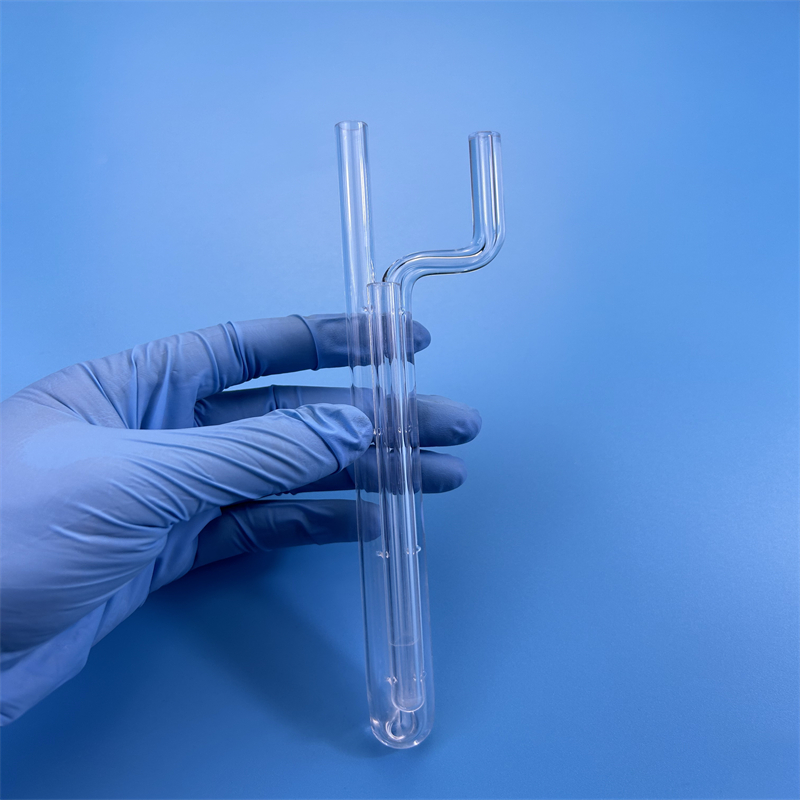
Chemisorption BET Test High Pressure 99.99% Pure Ozone Free Quartz Glass Twin Tube
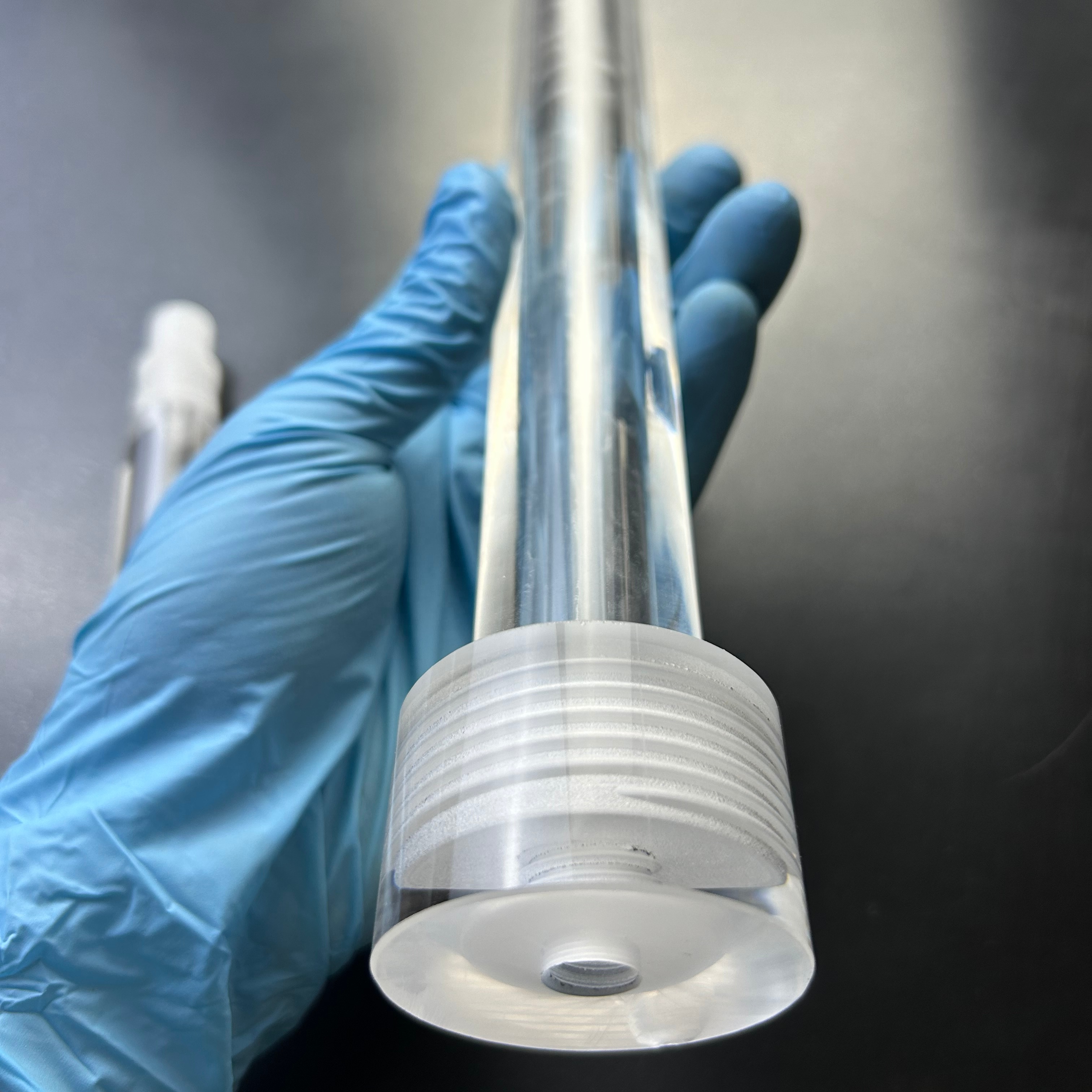
Customizable High Pressure Polished Clear 99.99% Fused Quartz Glass Twin Tube
High Temperature Optical Grade Clear Transparent Quartz Glass Plate Window
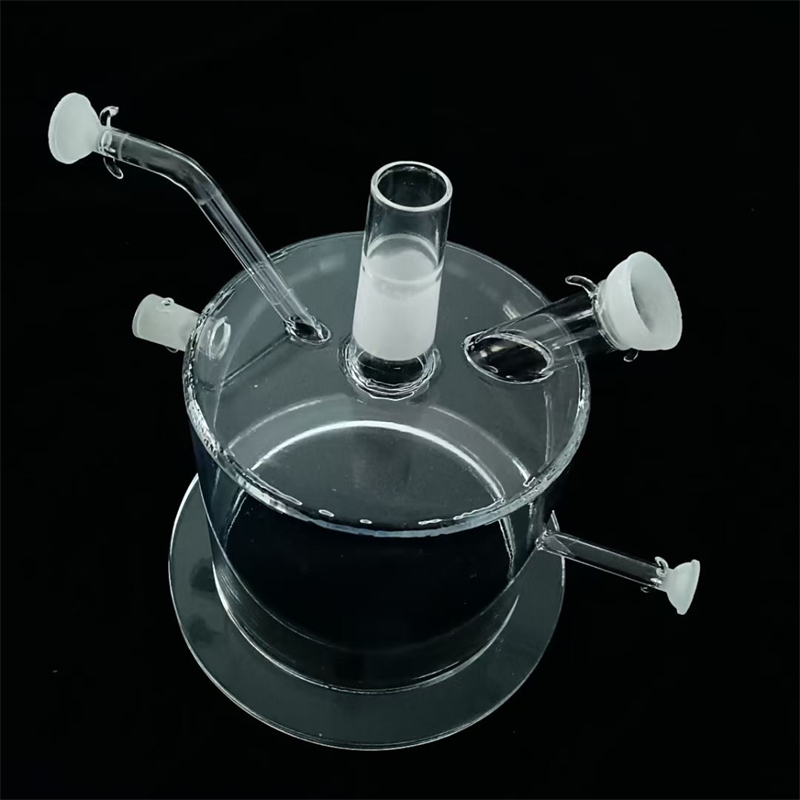
Customized High-Pressure Clear Quartz Glass Tube & Sight Glass Flange Assembly
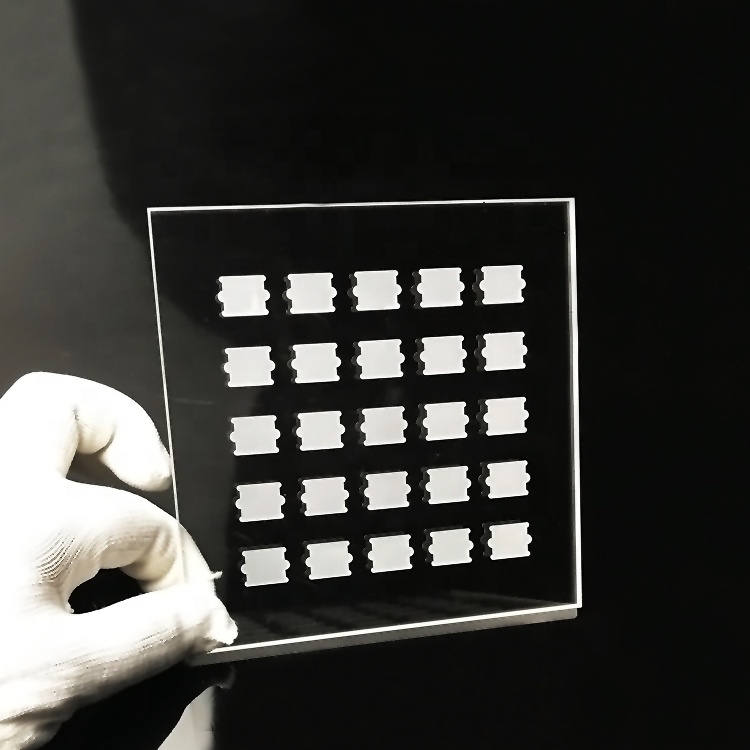
Factory Custom Fused Quartz Circular Plate XRD Sample Holder Optics Clear
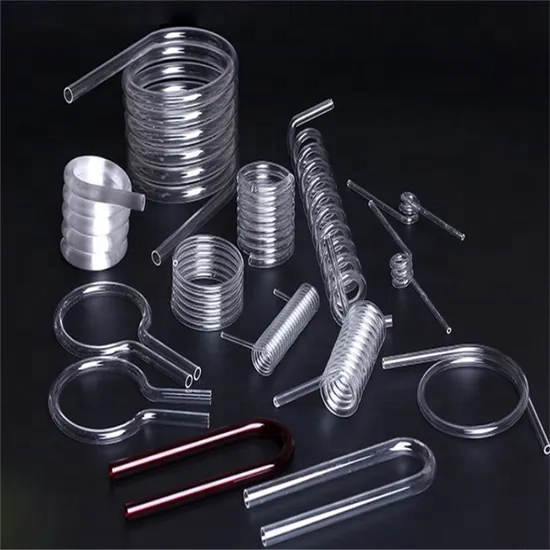
Custom Sizes U-Bent Quartz Glass Spiral Tube Moulding Bending & Welding
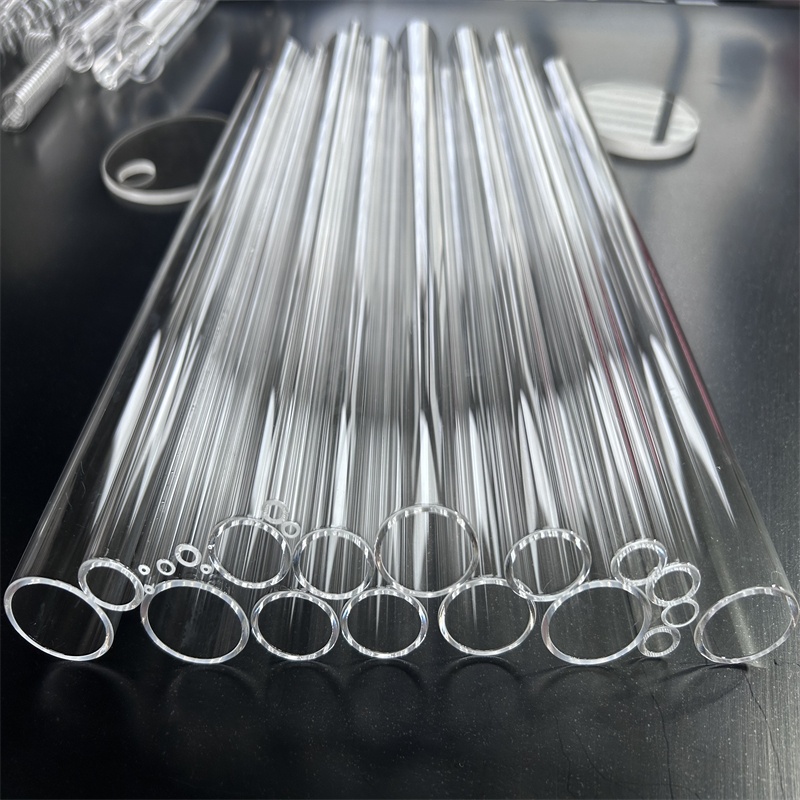
High Temperature Resistant 99.99% Pure Fused Quartz Twin Chamber Plate Tube
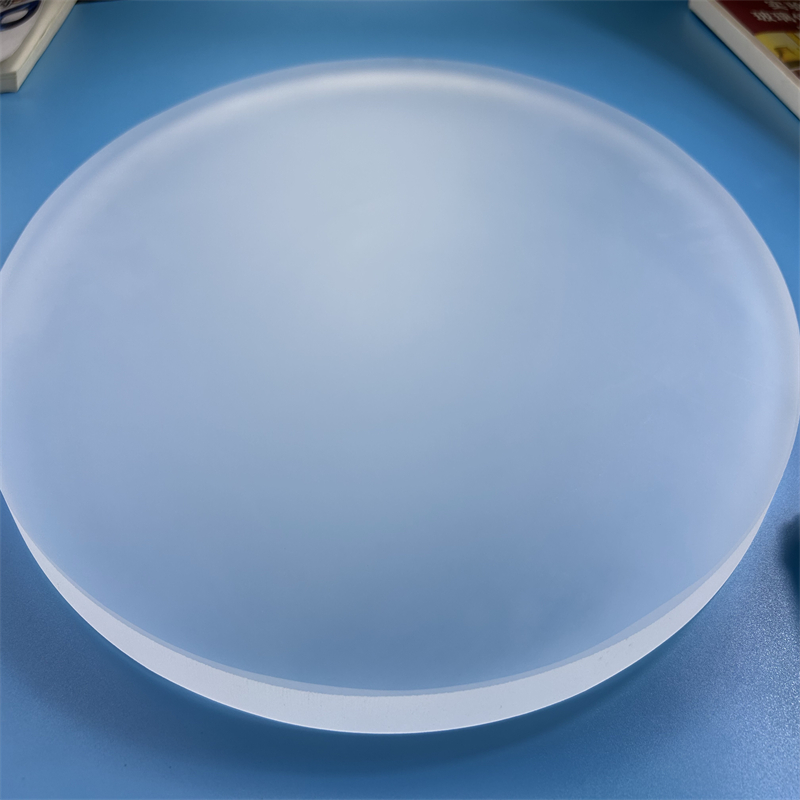
High Temperature Resistance Frosted Quartz Disc/Plate for Plasma Etch Chamber
Material Classification: JGS1 vs. JGS2 vs. JGS3 Fused Silica
In industrial manufacturing and precision laboratory optics, selecting the appropriate grade of quartz glass plate determines the boundary between operational integrity and cataclysmic structural or spectral failure. High-purity silica glass ($\text{SiO}_2 \ge 99.99\%$) manufactured at our Donghai facility is divided into distinct metallurgical and optical categories depending on chemical raw material synthesis and fusion thermodynamics.
JGS1 (Synthetic Fused Silica) is synthesized from high-purity silicon tetrachloride ($\text{SiCl}_4$) via chemical vapor deposition in an oxyhydrogen flame. This results in virtually zero metallic contamination (total impurities < 1 ppm), zero bubble classification under DIN 58927, and exceptional deep ultraviolet (DUV) transmission from 185 nm to 2500 nm, making it indispensable for excimer laser optics, lithography mask substrates, and spectrophotometer flow cells.
JGS2 (Optical Grade Fused Quartz) utilizes high-grade refined natural crystal sand melted in continuous electric resistance or plasma arc furnaces. It balances outstanding mechanical strength and chemical stability with high transmittance across the visible and near-infrared range (220 nm to 2600 nm), serving as the industrial standard for semiconductor furnace viewing windows, wafer inspection stages, and corrosion-resistant observation viewports.
JGS3 (Infrared Grade Fused Silica) undergoes vacuum electric fusion to eliminate trapped hydroxyl ions ($[\text{OH}^-] \le 5\text{ ppm}$), effectively eliminating the characteristic absorption band at 2.73 μm and achieving superior transmission reaching deep into the mid-infrared range up to 3500 nm.
Thermodynamic & Optical Thresholds
Standard empirical test values recorded across Zelvo ISO-calibrated coordinate measuring machines and spectrophotometer arrays:
| Physical / Chemical Property | Test Standard / Protocol | JGS1 (UV Synthetic) | JGS2 (Optical Natural) | JGS3 (IR Vacuum Fused) |
|---|---|---|---|---|
| SiO₂ Chemical Purity | ICP-OES / GD-MS | ≥ 99.999% (5N) | ≥ 99.99% (4N) | ≥ 99.99% (4N) |
| Spectral Transmission Band | Spectrophotometry (T% ≥ 85%) | 185 nm – 2500 nm | 220 nm – 2600 nm | 260 nm – 3500 nm |
| Hydroxyl ([OH⁻]) Content | FTIR Absorption Spectrum | 800 – 1200 ppm | 30 – 150 ppm | ≤ 5 ppm (Water-Free) |
| Refractive Index (nd, 589.3nm) | Abbe Refractometer @ 20°C | 1.4585 ± 0.0001 | 1.4585 ± 0.0002 | 1.4584 ± 0.0002 |
| Density & Mohs Hardness | Archimedes / Scratch Test | 2.20 g/cm³ • 6.5 Mohs | 2.20 g/cm³ • 6.5 Mohs | 2.20 g/cm³ • 6.5 Mohs |
| Strain / Annealing / Softening Point | Thermal Dilatometry Analysis | 1070°C / 1120°C / 1683°C | 1075°C / 1140°C / 1683°C | 1120°C / 1210°C / 1710°C |
| Laser Damage Threshold (LDT) | 1064nm, 10ns pulse, 20Hz | > 25 J/cm² | > 12 J/cm² | > 15 J/cm² |
| Surface Flatness & Roughness | Zygo Laser Interferometry | λ/4 to λ/10 • Ra < 0.5nm | λ/2 to λ/4 • Ra < 0.8nm | λ/2 • Ra < 1.0nm |
Global Sourcing & Procurement Trends (2025–2030)
Procurement officers and optical system engineers are operating in a dramatically shifting macroeconomic and technological landscape. Navigating raw material constraints, semiconductor expansion, and fab vendor consolidation requires understanding four pivotal procurement trends.
1. Sub-3nm Wafer Fab Expansion & High-Mix Demand
As global wafer fabrication moves toward advanced sub-3nm nodes, dry plasma etching environments (using aggressive fluorine chemistries like $\text{CF}_4/\text{NF}_3$) demand high-purity quartz wear rings, showerheads, and observation disc plates with zero trace metal impurities (< 5 ppb). Procurement contracts are transitioning from catalog standards to high-mix, custom-machined dimensional runs verified through CMM dimensional reports.
2. Consolidation to Donghai Direct Factory Hubs
Global buyers in North America, Germany, Japan, and Singapore are bypassing multi-tier brokerages and securing direct factory alliances in Donghai County, Jiangsu—the undisputed silica processing capital. Direct factory partnerships eliminate 35%–50% in markups while providing real-time Design-for-Manufacturability (DFM) reviews directly with workshop flame masters and CNC technicians within 2 hours.
3. Strict Traceability & Batch Spectrophotometry
Modern procurement departments no longer accept generic Certificate of Conformity (CoC) documents. Leading OEMs mandate batch-specific spectrophotometer curve charts (190 nm–3000 nm), interferometric wavefront test certificates, bubble/inclusion density class verification under DIN ISO 10110, and GD-MS chemical assay breakdowns before dispatch.
Technological & Machining Evolution in Quartz Plates
Conventional cutting and abrasive slurry polishing can no longer satisfy modern dimensional and wavefront tolerances. The quartz glass fabrication sector has undergone radical micro-engineering advancements.
5-Axis Ultrasonic CNC Machining
Brittle quartz fracture is mitigated by superimposing high-frequency (20–40 kHz) microscopic axial vibrations onto diamond core tools. This reduces cutting force by over 40%, eliminating edge chipping and maintaining ±0.01 mm dimensional tolerances on complex slotted XRD disc plates and custom chamfered steps.
Picosecond Cold Laser Drilling
Traditional mechanical drilling leaves subsurface micro-fissures that propagate under thermal stress. Our picosecond and femtosecond ultra-short pulse laser systems ablate quartz material non-thermally, producing micro-apertures down to 0.1 mm diameter with pristine hole perpendicularity and zero heat-affected zones (HAZ).
Double-Sided CMP Planarization
Chemical Mechanical Planarization (CMP) using ceria ($\text{CeO}_2$) nano-slurry balances chemical hydration with microscopic mechanical abrasion. This achieves surface roughness Ra < 0.3 nm with parallelisms below 3 arcseconds, satisfying strict laser damage threshold (LDT > 25 J/cm²) requirements for high-power laser optics.
Stress-Relief Annealing Autoclaves
High-temperature flame welding and cutting introduce intense residual thermal stresses. Every plate and custom-welded twin assembly passes through multi-stage programmable vacuum annealing ovens (ramped gradually to 1150°C and soaked for 8 hours) to ensure complete elimination of internal strain birefringence (< 5 nm/cm).
Why Top Global Labs & Semiconductor OEMs Partner With Zelvo
Headquartered in Donghai, Lianyungang—the geographic center of China's quartz supply chain—Lianyungang Zelvo Quartz Products Co., Ltd. combines artisanal glassblowing mastery with industrial precision CNC machining.
Onsite-Verified Factory
Fully audited production premises. We are direct manufacturers, eliminating import/export intermediaries and granting clients unrestricted engineering access to workshop technicians and flame work masters.
≤ 2h Engineering DFM Turnaround
100% response rate on buyer technical inquiries. Submit 2D CAD drawings (.DWG, .DXF, .PDF) or 3D STEP files; our senior quartz engineers verify tolerances, flame feasibility, and supply cost structures in under 2 hours.
1-Piece Prototype to Scaled Runs
Zero procurement friction for university research projects, BET laboratory instruments, and pilot-line prototypes. We proudly maintain a 1-piece MOQ for custom plates and rapid turnaround for mass batches.
Reinforced Multi-Layer Export Crating
Quartz glass fragility is entirely engineered out of logistics. Orders feature shock-absorbing molded pearl cotton, vacuum barrier bags, and custom ISPM-15 fumigated wooden shipping crates with full transit insurance.
Frequently Asked Questions by Industrial Sourcing Teams
In-depth answers addressing thermal stress, laser transmission limits, chemical attack resistance, and logistics protocols.
What is the key difference between fused quartz plates and fused silica plates?
How does quartz glass handle extreme thermal shock compared to Borosilicate?
What acids or chemical compounds cause degradation in quartz glass plates?
1. Hydrofluoric Acid (HF): Dissolves silica even at ambient room temperature via $ \text{SiO}_2 + 4\text{HF} \rightarrow \text{SiF}_4 + 2\text{H}_2\text{O} $.
2. Phosphoric Acid ($\text{H}_3\text{PO}_4$): Causes surface etching at temperatures above 150°C.
3. Hot Concentrated Alkaline Solutions: (e.g., $\text{KOH}$, $\text{NaOH}$) accelerate devitrification and micro-pitting above 100°C.
Can you drill micro-holes, groove slots, or polish custom geometries from customer CAD drawings?
What is your Minimum Order Quantity (MOQ) and production lead time?
How do you guarantee that optical plates will not crack or chip during international transit?
Have a Technical Quartz Drawing or Custom Requirement?
Our senior optical and furnace engineers will review your dimensions, purity specifications, and working temperature conditions. We reply with a detailed feasibility review and quote within 2 hours.