Precision OEM Quartz Sensor Windows & Core Assemblies
Engineered for high-vacuum chambers, photodetector encapsulation, optical pyrometry, and corrosive gas analyzers.
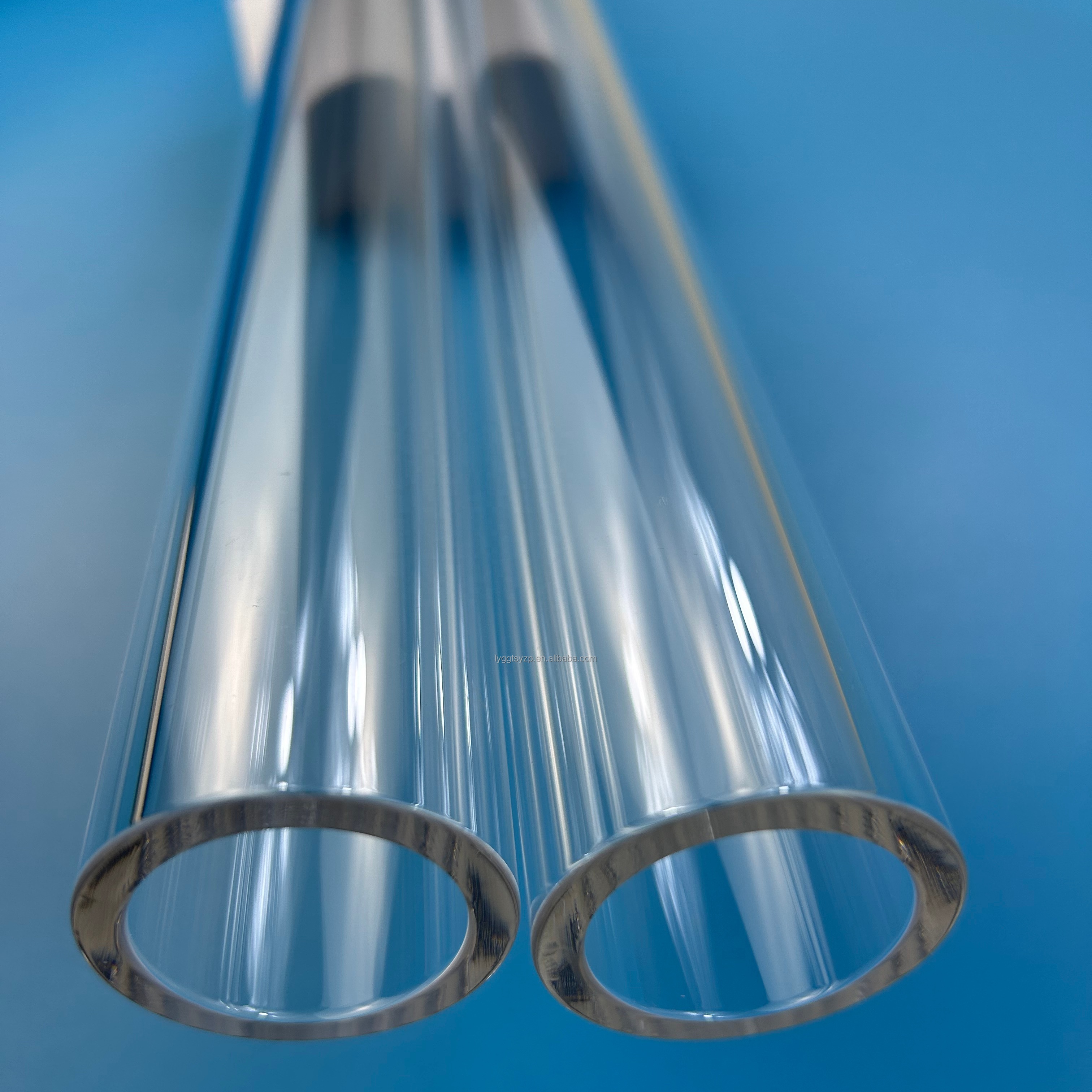
Polished Clear Quartz Twin Tube Ozone Free Heater Semiconductor Furnace
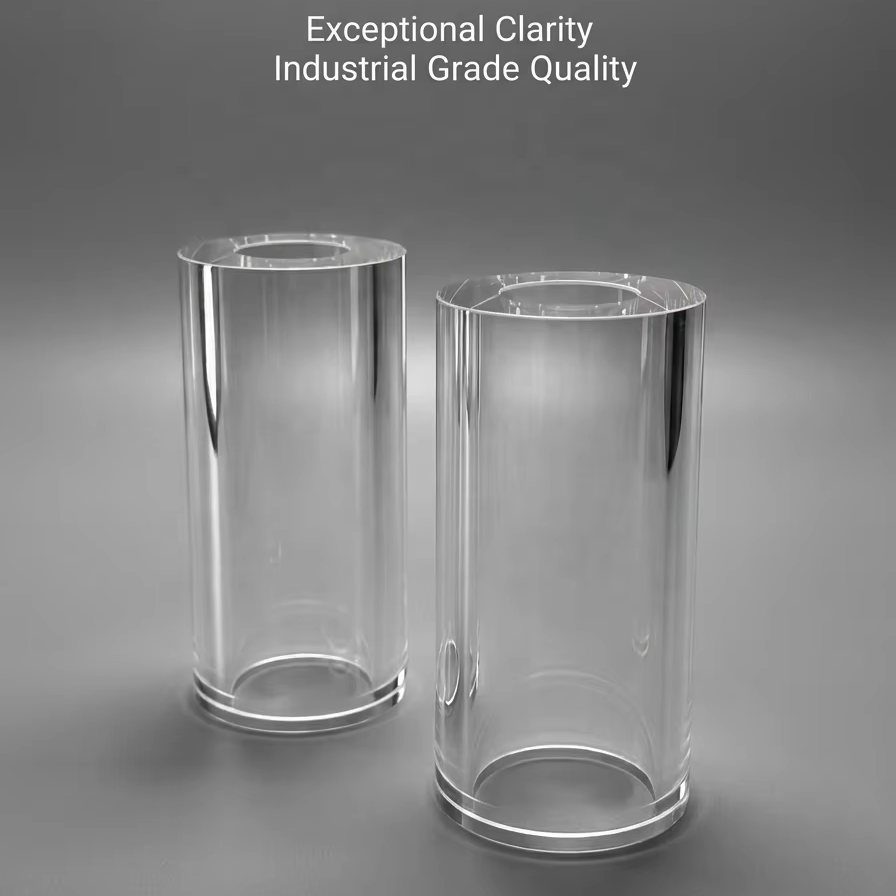
Factory Custom Both Ends Polished High Purity Transparent Quartz Twin Tube
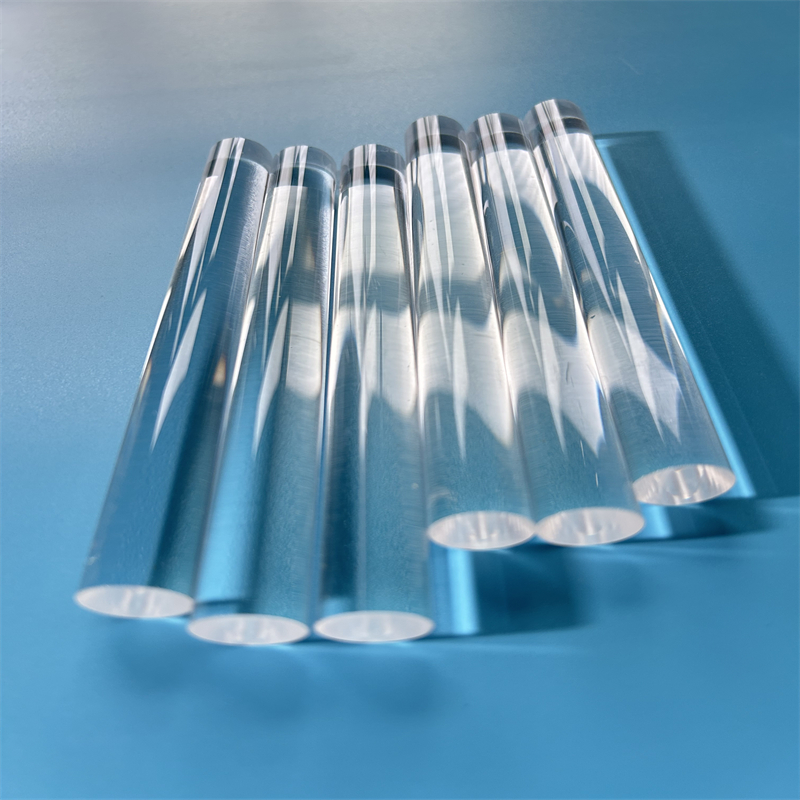
Custom Guitu GT High Purity Optical Quartz Light Guide Cylinder Rod 99.99% SiO2
High Quality Transparent U-Bent Quartz Glass Tube Custom Bending & Welding
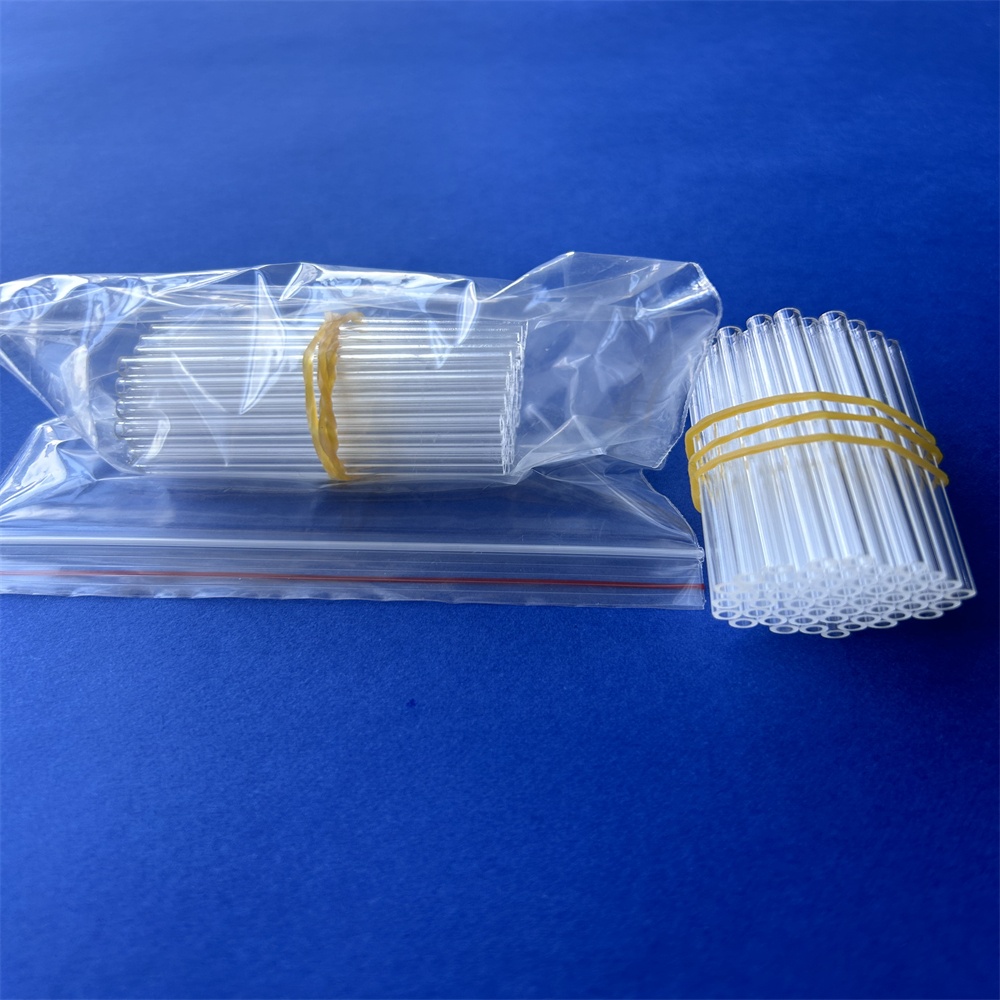
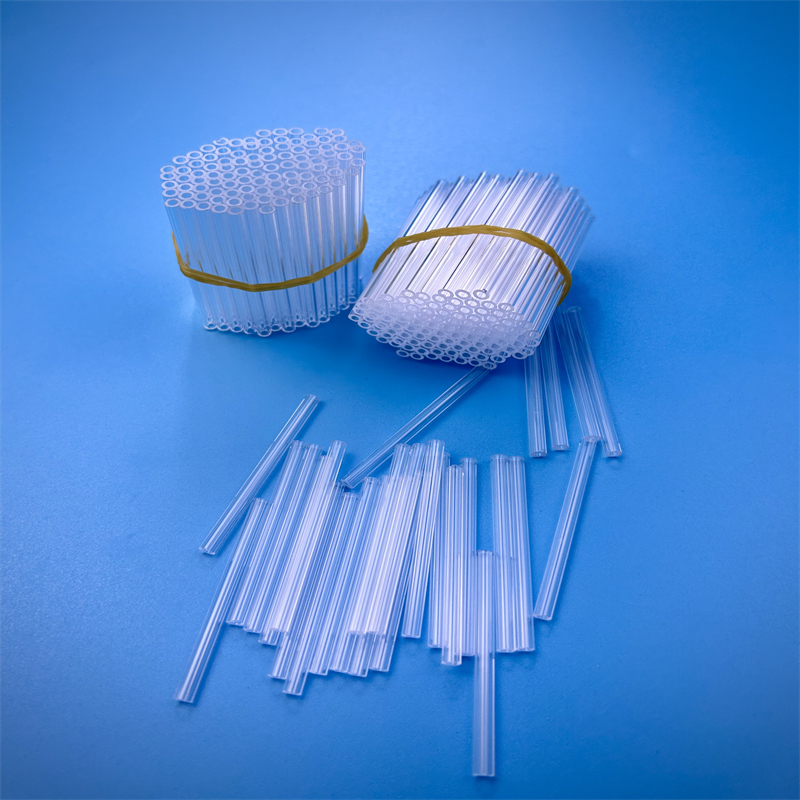
Small Diameter 0.1-20mm High Temp 99.99% Pure Quartz Capillary Sensor Tubes
High Precision Optical Grade Quartz Glass Window Plate for High-Temp Sensing
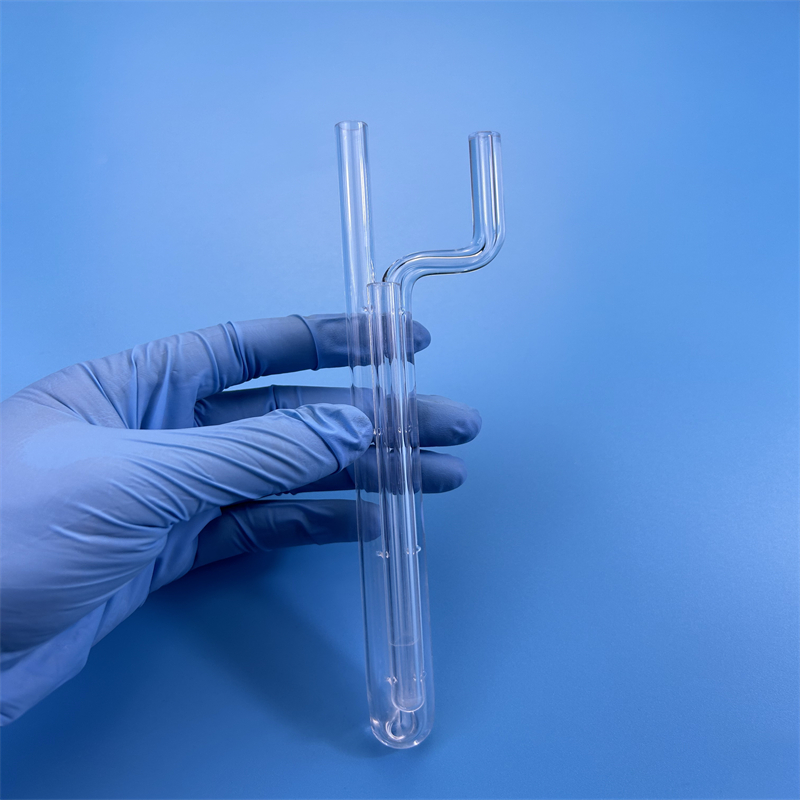
Chemisorption BET High Pressure Pure Quartz Twin Cell Reactor & Window
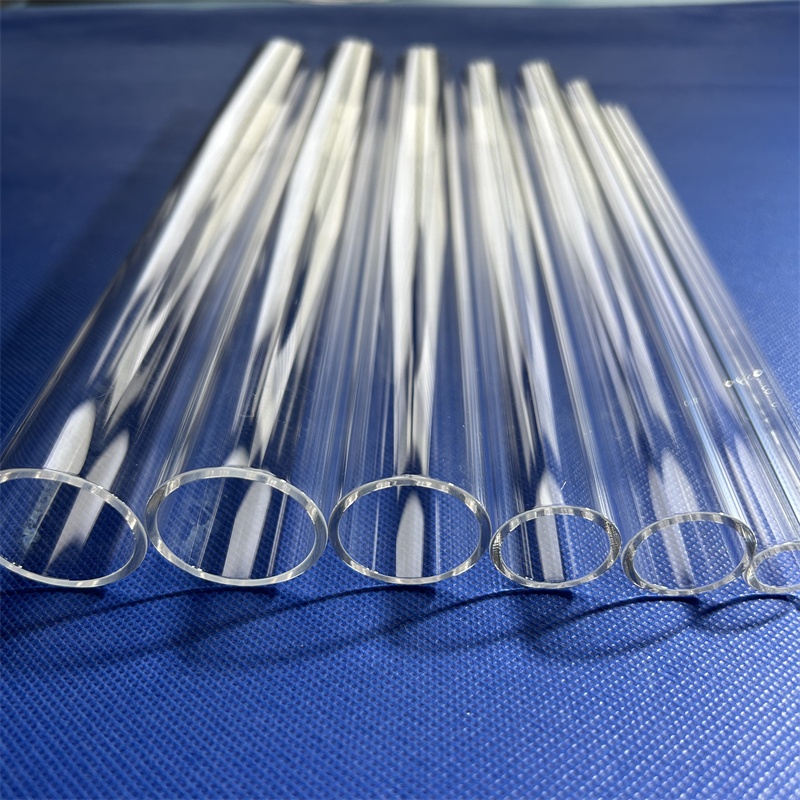
Transparent High Pressure 99.99% Pure Quartz Window Tube for Chemical Sensing
High-Purity Quartz Sensor Windows: Material Science & Transmittance Dynamics
A rigorous examination of amorphous silicon dioxide (SiO₂) behavior in deep ultraviolet, infrared spectroscopy, and severe thermodynamic environments.
Synthetic Fused Silica (JGS1)
Synthesized via chemical vapor deposition of silicon tetrachloride (SiCl₄) in an oxygen-hydrogen flame. Characterized by negligible metallic impurities (<0.1 ppm) and near-zero bubble inclusion.
- Deep UV cutoff: Down to 185 nm
- OH content: ∼1200 ppm (water peak at 2.73 μm)
- Excimer laser & spectrophotometer ready
Optical Fused Quartz (JGS2)
Manufactured by high-temperature fusion of ultra-pure natural quartz crystal sand. Provides exceptional broadband clarity across the visible spectrum through the near-infrared band.
- Transmittance: 260 nm to 2500 nm range
- Low thermal expansion: 5.5 × 10⁻⁷ /K
- Ideal for pyrometers & industrial viewports
Infrared Quartz (JGS3 / Low-OH)
Electrically fused under vacuum or gas-purged thermal systems to suppress hydroxyl radicals (OH < 5 ppm). Prevents severe absorption valleys in mid-wave and long-wave IR bands.
- Flat NIR/MIR transmission up to 3500 nm
- Resistance to micro-cracking at 1200°C
- Optimized for IR sensing & gas detectors
| Physical / Optical Property | JGS1 (Synthetic Silica) | JGS2 (Optical Fused Quartz) | Borosilicate Float Glass | Single-Crystal Sapphire |
|---|---|---|---|---|
| Purity (SiO₂ Content) | ≥ 99.999% | ≥ 99.99% | ∼ 81% (with B₂O₃, Na₂O) | N/A (Al₂O₃ ≥ 99.99%) |
| Usable Transmission Range | 185 nm – 2500 nm | 260 nm – 2500 nm | 350 nm – 2000 nm | 150 nm – 5500 nm |
| Continuous Service Temp | 1100 °C | 1100 °C | 450 °C | 1600 °C |
| Thermal Shock Resistance (ΔT) | > 1000 °C (Quench Safe) | > 1000 °C (Quench Safe) | ∼ 150 °C | ∼ 300 °C |
| Thermal Expansion (CTE α) | 5.5 × 10⁻⁷ /K | 5.5 × 10⁻⁷ /K | 33 × 10⁻⁷ /K | 58 × 10⁻⁷ /K |
| Refractive Index (nd @ 589 nm) | 1.4585 | 1.4585 | 1.4730 | 1.7680 |
| Chemical Inertness | Resistant to all acids except HF | Resistant to all acids except HF | Moderate acid resistance | High chemical resistance |
Emerging Procurement Trends & Sensor Window Evolution
Strategic purchasing benchmarks shaping semiconductor fab tooling, LiDAR vehicle protection, and high-temperature gas spectroscopy through 2030.
1. Sub-Surface Damage (SSD) Eradication
Modern semiconductor inspection systems demand zero latent sub-surface micro-fractures. Conventional mechanical grinding introduces stress fractures that cause laser scattering and catastrophic thermal breakdown under high UV exposure. Global OEMs are increasingly stipulating magnetorheological finishing (MRF) and acid-etched stress relief for sensor viewports.
2. Direct Sputtered DLC & Hydrophobic Coatings
Optical quartz windows exposed to aggressive automotive LIDAR, outdoor process automation, or marine conditions now incorporate Diamond-Like Carbon (DLC) and broadband anti-reflective (BBAR) multilayer dielectrics. Procurement mandates now demand hydrophobic contact angles > 110° coupled with pencil hardness > 9H to ensure optical sensor continuity.
3. Direct Cluster Sourcing from Donghai
Global supply chain managers are shifting from intermediate re-sellers to direct relationships with verified fabrication plants in Donghai County, Jiangsu (China's Crystal Capital). This vertical integration compresses procurement cycles by 40%, facilitates sub-millimeter custom CNC adaptations, and lowers capital expense for high-mix low-volume orders.
Why Tier-1 Engineers Choose Zelvo Quartz
Combining traditional glassblowing virtuosity with computerized laser micro-machining and rigorous DIN ISO 10110 optical inspections.
Precision Cold Machining & Laser Core Drilling
Equipped with 5-axis CNC ultrasonic milling workstations and industrial picosecond laser cutting systems. We fabricate complex step-down sensor windows, counter-bored holes (±0.02 mm), beveled optical edges, and specialized micro-fluidic sensor channels without chipping or internal micro-fissuring.
Surface Figure & Wavefront Control
Our optical polishing line achieves surface roughness down to Ra < 0.5 nm, flatness tolerances of λ/4 to λ/10 per inch, and scratch-dig specifications reaching MIL-PRF-13830B 20-10 or 10-5 for critical high-energy laser sensors and UV photolithography sensors.
Custom Drawing-to-Spec & Export Verification
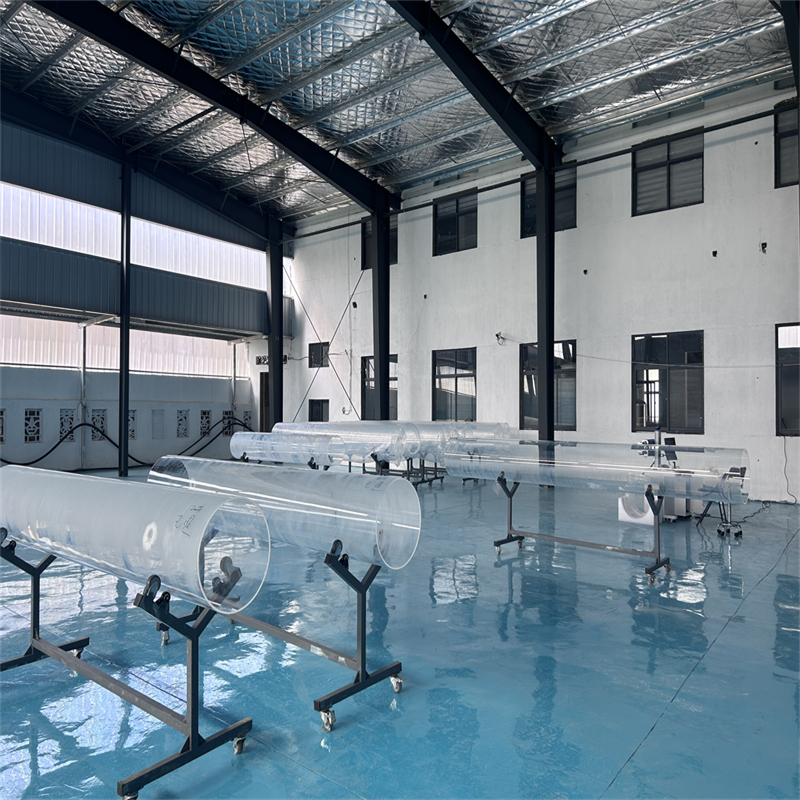
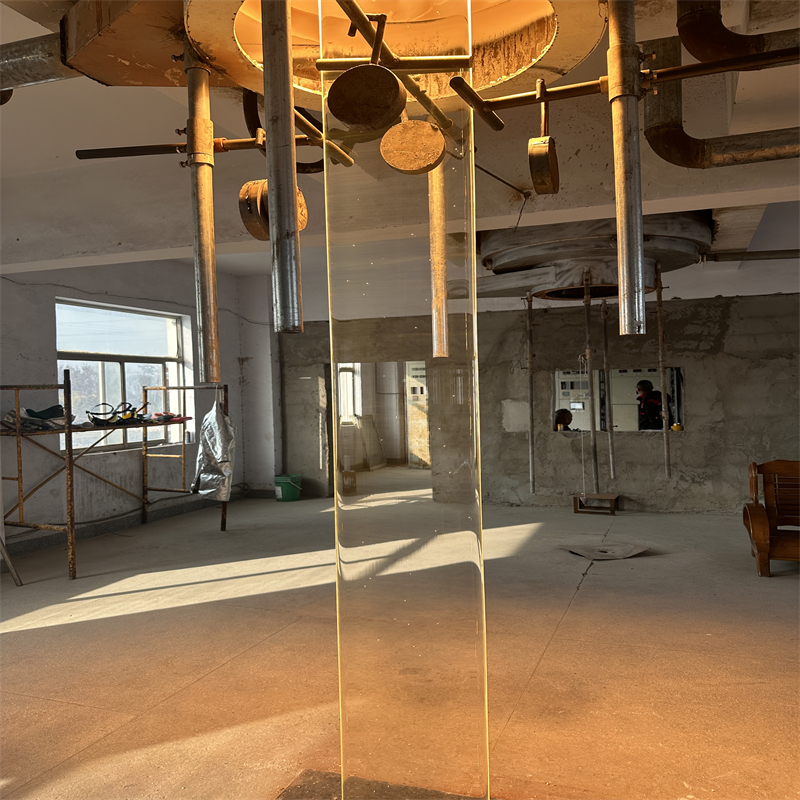
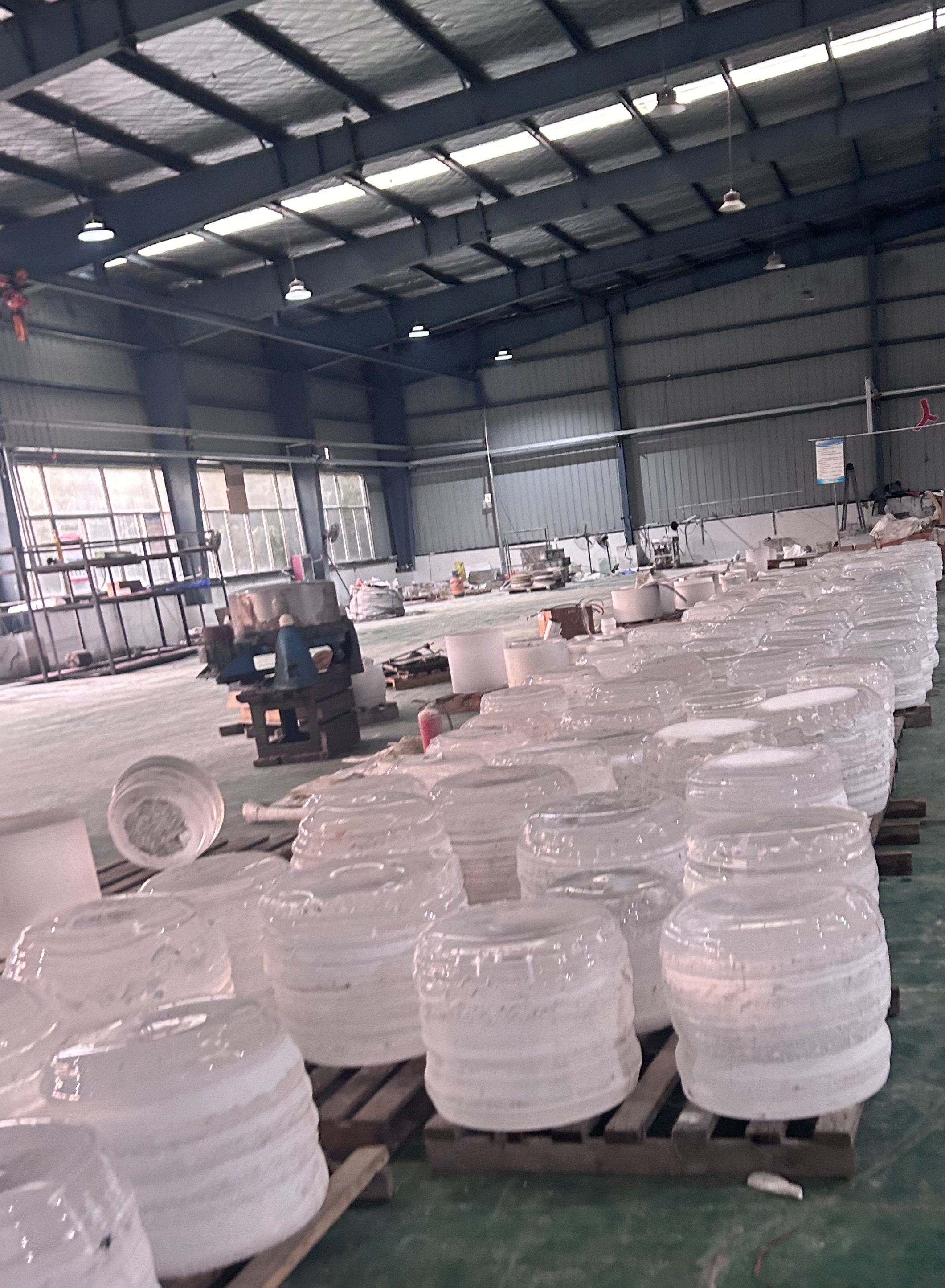
Located in Donghai County, Jiangsu, Lianyungang Zelvo Quartz Products Co., Ltd. is verified onsite by leading international inspection authorities. We provide full material traceability reports, spectrophotometric transmission curve certificates, and secure shock-proof export packing to over 40 countries worldwide.

Frequently Asked Questions on Custom Quartz Sensor Windows
Essential technical and logistical answers for optical engineers, quality managers, and international buyers.
What are the key differences between JGS1, JGS2, and JGS3 quartz sensor windows?
How do you manage thermal stress when mounting quartz sensor windows into metal housings?
What dimensional tolerances and surface flatness can your factory achieve on custom windows?
Can quartz sensor windows withstand prolonged exposure to hydrofluoric acid or plasma etching?
What is the minimum order quantity (MOQ) and lead time for custom prototype sensor windows?
How does Zelvo Quartz ensure zero breakage during international express freight?
Need Custom Quartz Windows Fabricated to Your Specifications?
Send us your 2D CAD prints (PDF/DWG) or 3D models (STEP). Our engineering specialists analyze material grades, tolerances, and thermal parameters with official quotations provided within 2 hours.
Lianyungang Zelvo Quartz Products Co., Ltd. • Registered Office: Donghai County, Lianyungang, Jiangsu, China • High-Purity Fused Quartz Tubes, Plates, Rods, Sensor Windows & Bespoke Assemblies.