Precision Quartz Components for Advanced Processing
Direct supply from Donghai County, China's Crystal Capital. Rapid custom drawing-to-part fabrication from a single-piece MOQ with full traceability.
Material Physics of Fused Quartz Glass Domes in Extreme Duty Cycles
Why semiconductor fabs, oceanographic research institutions, and defense vision engineers designate fused quartz domes over standard borosilicate, sapphire, or acrylic enclosures.
| Critical Performance Parameter | Fused Quartz (JGS2/JGS1) | Borosilicate Glass 3.3 | Sapphire Crystal (Al₂O₃) | Optical Crown (BK7 / K9) |
|---|---|---|---|---|
| Purity (SiO₂ Content) | ≥ 99.99% (Electronic Grade) | ~81% SiO₂, 13% B₂O₃ | Non-silica (Al₂O₃ ≥ 99.9%) | ~69% SiO₂, multicomponent |
| Thermal Expansion (0–300°C) | 0.55 × 10⁻⁶ / K | 3.3 × 10⁻⁶ / K | 5.8 × 10⁻⁶ / K | 7.1 × 10⁻⁶ / K |
| Continuous Service Temperature | 1,100 °C (Short excursions 1,300 °C) | 450 °C | 1,600 °C | 160 °C |
| Softening Point | 1,683 °C | 820 °C | 2,040 °C | 718 °C |
| Broadband Transmission Range | 185 nm – 2,500 nm (Deep UV to NIR) | 350 nm – 2,000 nm | 200 nm – 5,000 nm | 350 nm – 2,000 nm |
| Hydrostatic Pressure Capability | Extremely High (Hemispherical Shell) | Moderate (Prone to notch failure) | Extreme (High cost in >150mm Ø) | Low (Brittle shock sensitive) |
| Chemical Resistance to Acid Radicals | Impervious to HCl, HNO₃, H₂SO₄ (Except HF) | Moderate attack by hot acids | High inertness | Degrades rapidly under acid vapors |
Advanced OEM/ODM Dome Forming & Precision CNC Machining
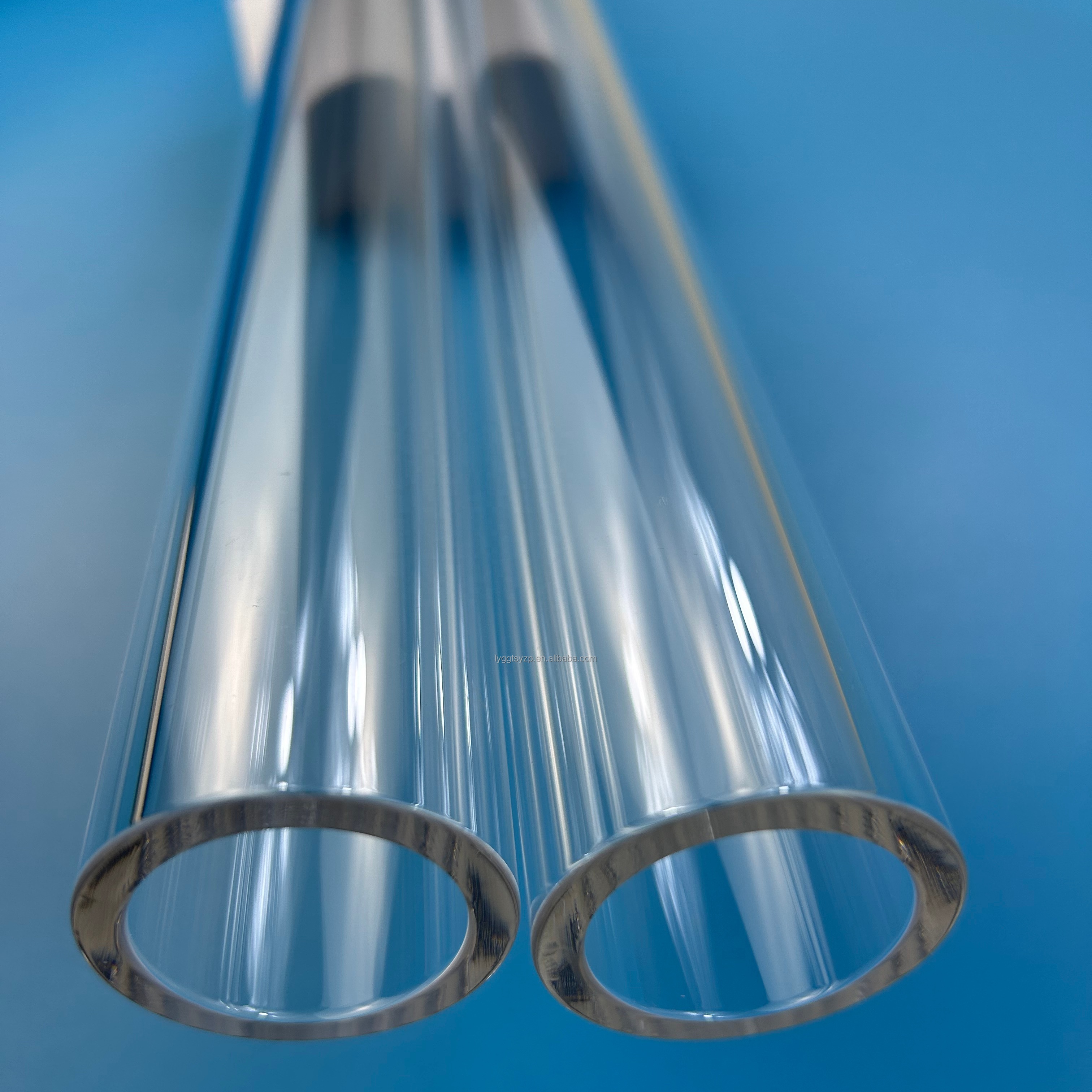
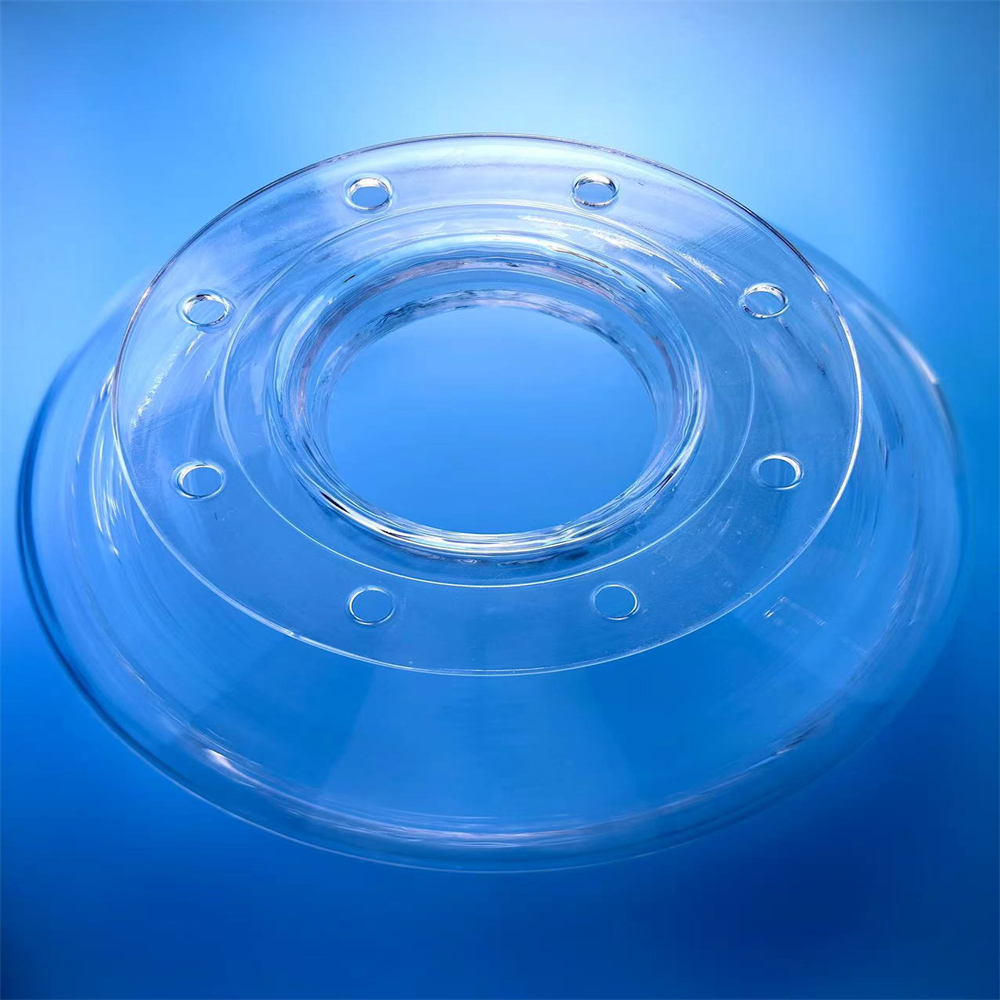
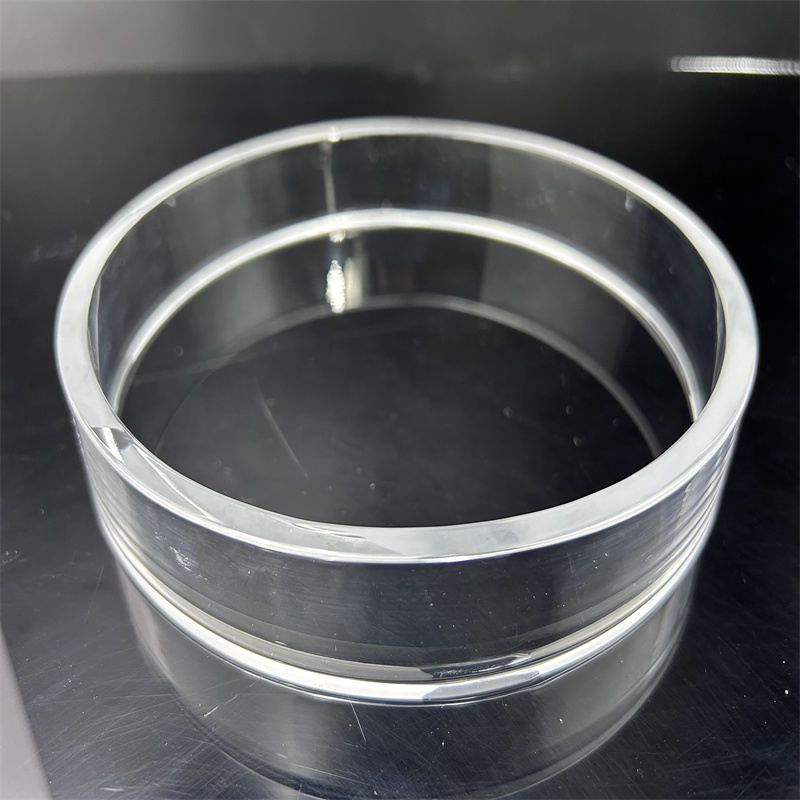
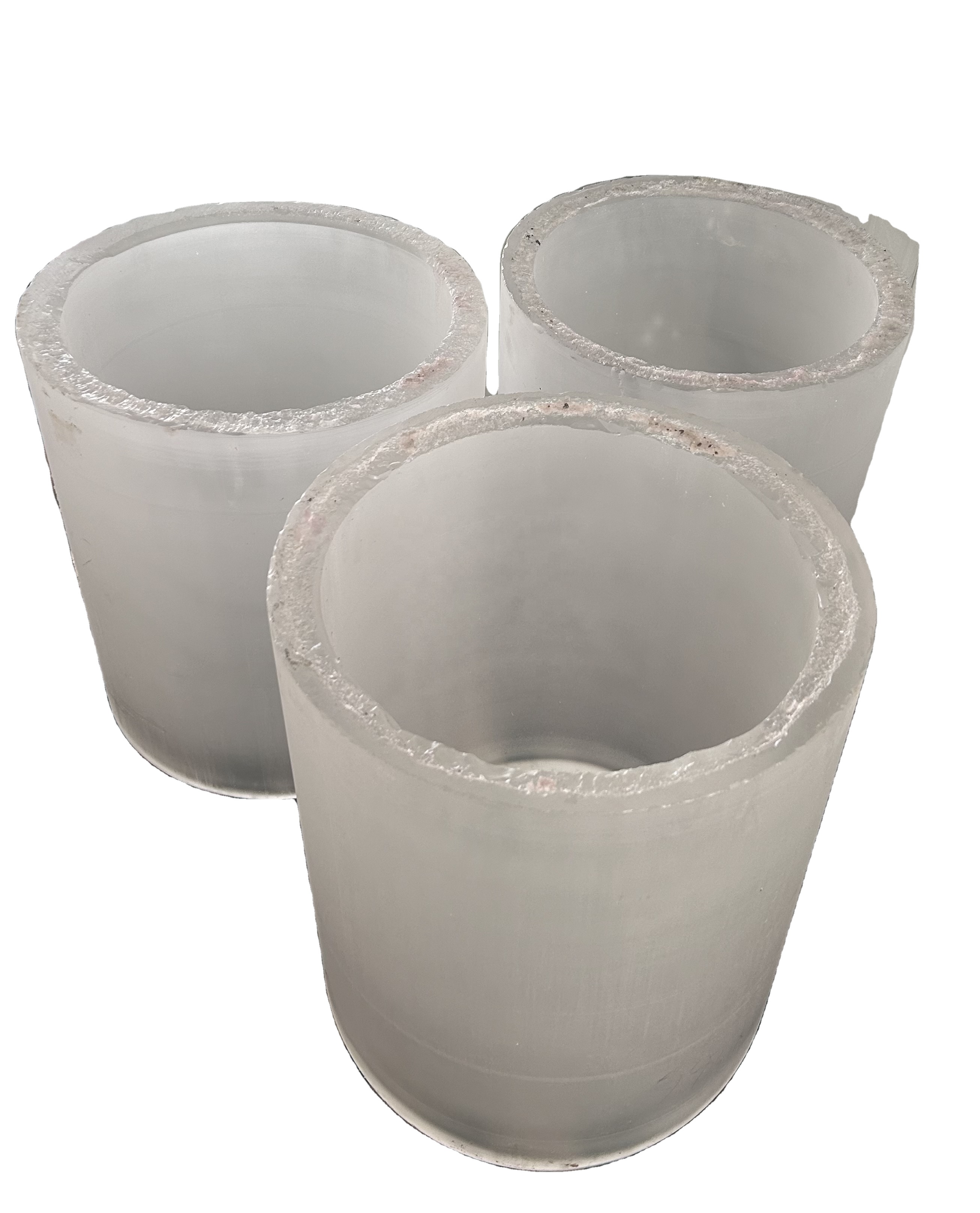
From initial hot-work glass blowing to sub-micron optical lapping, our Donghai facilities deliver full-spectrum customization of quartz hemispherical envelopes, hyper-hemispherical domes, and flanged reaction bells.
Utilizing high-purity graphite preforms and hydrogen-oxygen thermal torches exceeding 2,000°C, our veteran artisans blow and vacuum-form domes with diameters from 20 mm up to 650 mm, preserving molecular structural homogeneity.
Diamond-tooled ultrasonic CNC grinding cells guarantee dome concentricity within ±0.02 mm, preventing lens distortion and chromatic aberration in deep-sea viewports and high-resolution pyrometry monitoring ports.
Multi-stage cerium oxide and diamond slurry planetary polishing eliminates sub-surface micro-fractures, reaching surface roughness Ra < 0.5 nm and optical scratch-dig specifications of 40/20 or 20/10 per MIL-PRF-13830B.
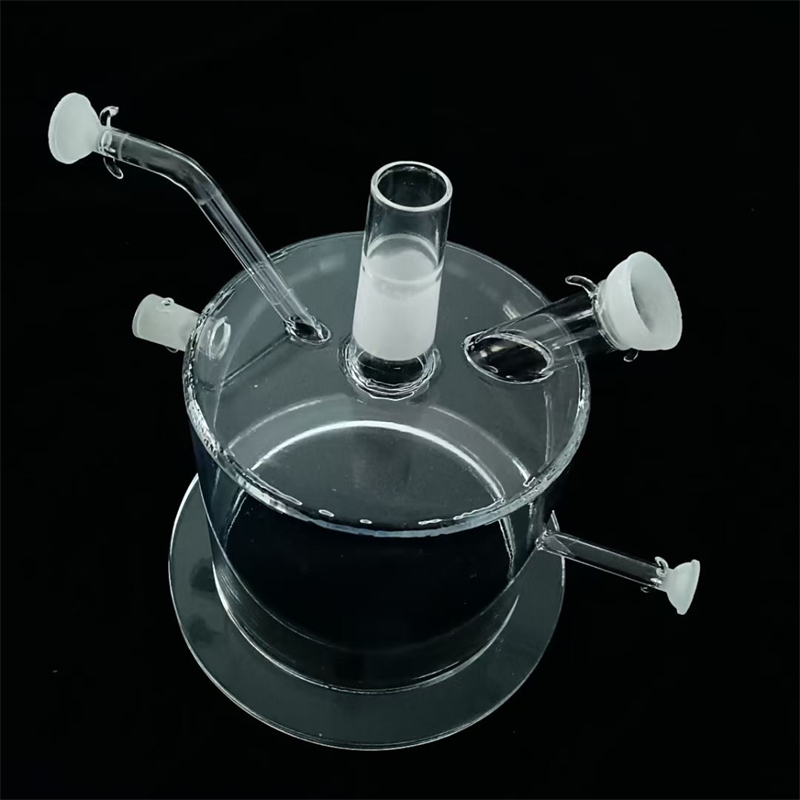
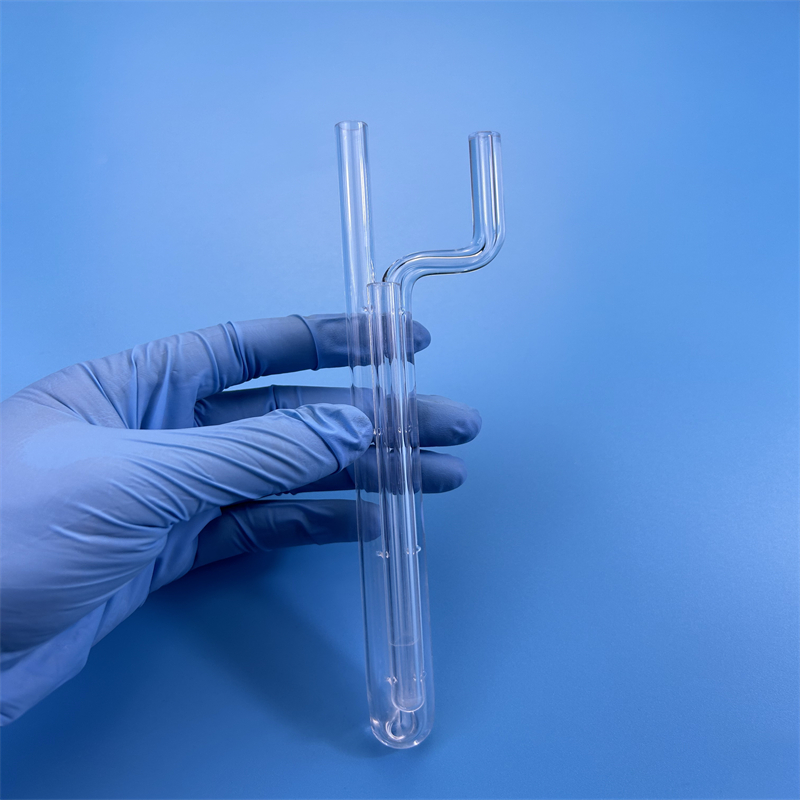
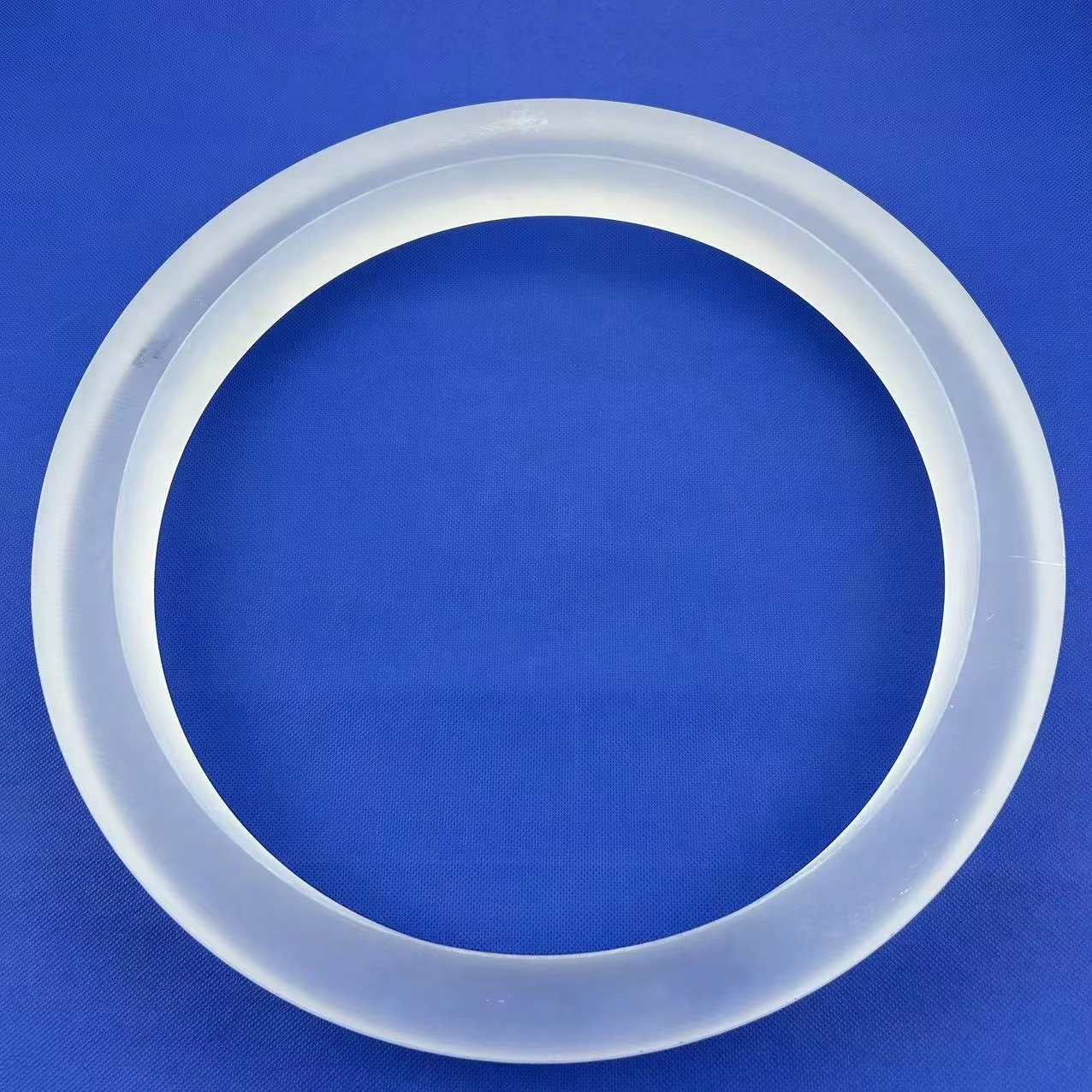
Precision fusion welding of ground quartz mounting flanges, O-ring groove grinding, dual thermocouple guide tubes, gas inlet/exhaust side-arms, and quartz-to-metal graded glass transitions for ultra-high vacuum (UHV) systems.
Where Fused Quartz Glass Domes Deliver Uncompromising Performance
Engineered to operate at the physical threshold of pressure, corrosive plasma chemistry, and extreme thermal flux.
In ICP (Inductively Coupled Plasma) etch and LPCVD epitaxy chambers, quartz domes act as dialectric atmospheric barriers. High chemical purity prevents trace heavy metal (Fe, Cu, Ni) outgassing, ensuring sub-5nm wafer process yields during aggressive NF₃ and CF₄ plasma bombardment.
Hydrostatic pressures exceed 60 MPa at ocean depths past 6,000 meters. Zelvo's optically corrected quartz domes provide wide field-of-view (FOV) inspection viewports without optical distortion, displaying exceptional compressive strength (1,100 MPa) that far surpasses regular glasses.
In missile guidance heads, airborne hyperspectral cameras, and furnace inspection pyrometers, fused quartz hemispherical shells offer high transmission from 220 nm in the solar-blind UV band up to 2.5 µm in the short-wave infrared (SWIR), enduring rapid aerodynamic skin heating.
Future Sourcing Trends for Industrial Quartz Domes (2025–2030)
Emerging technology shifts and supply chain dynamics that semiconductor and scientific OEMs must factor into long-term supplier qualification.
As 3D NAND layering exceeds 300 layers and advanced packaging evolves, process chambers require single-piece quartz domes exceeding 500 mm in outer diameter. Sourcing strategies are pivoting to suppliers with large-scale ingot annealing kilns to avert structural micro-stress birefringence.
Next-generation thermal processing and laser pyrometry require water-free fused silica (electrically fused synthetic silica) to eliminate deep absorption notches around 1.38 µm and 2.72 µm, securing absolute thermal readout precision in semiconductor rapid thermal processing (RTP).
Geopolitical turbulence and high sea-freight vulnerability have driven major Tier-1 toolmakers to consolidate orders with vertically integrated manufacturers located directly in raw silica refining centers like Donghai, Jiangsu, eliminating secondary logistic lead-time penalties.
High electrical furnace power costs are accelerating adoption of precision near-net-shape hot moulding. By shrinking CNC stock removal margins from 8 mm down to under 1.5 mm, production costs drop by 22–35% while preserving superior mechanical tensile parameters.
Streamlined OEM/ODM Engineering & Export Verification Workflow
From preliminary 3D CAD stress simulation to shockproof international crating, our verified five-stage protocol guarantees zero-defect arrival.
Our sales engineering team examines your STEP/DWG drawings, checking wall-thickness-to-diameter aspect ratios, sagitta depth, and chamfer reliefs within 2 hours.
We specify the exact fused silica feedstock (JGS1 UV, JGS2 Standard Clear, or JGS3 Infrared) matching operating pressure and spectral transmission budgets.
Hot flame blowing on lathe fixtures establishes dome geometry, followed by 5-axis ultrasonic contouring, flame polishing, and precision edge grooving.
Laser Zygo interferometry inspects optical transmission wavefront distortion; CMM probes check concentricity; polarimeters verify complete stress relief.
Each dome is vacuum-bagged, suspended in custom high-density EPE foam cradles, and locked into ISPM-15 compliant plywood crates for air or ocean transit.
Lianyungang Zelvo Quartz Products Manufacturing Base
Equipped with modern tube processing workshops, CNC grinding rooms, and cleanroom optical inspection centers.
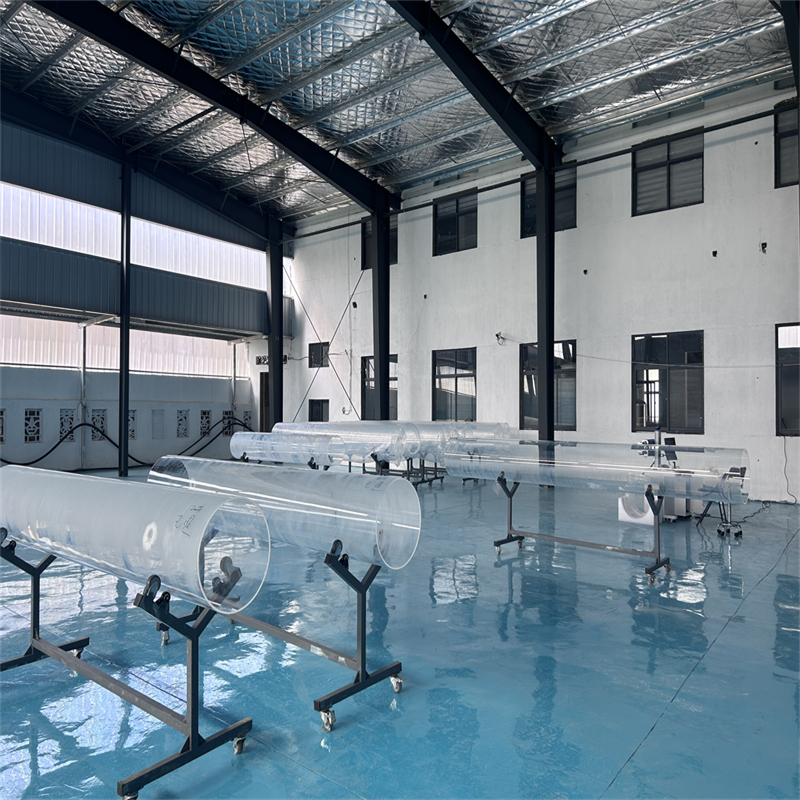
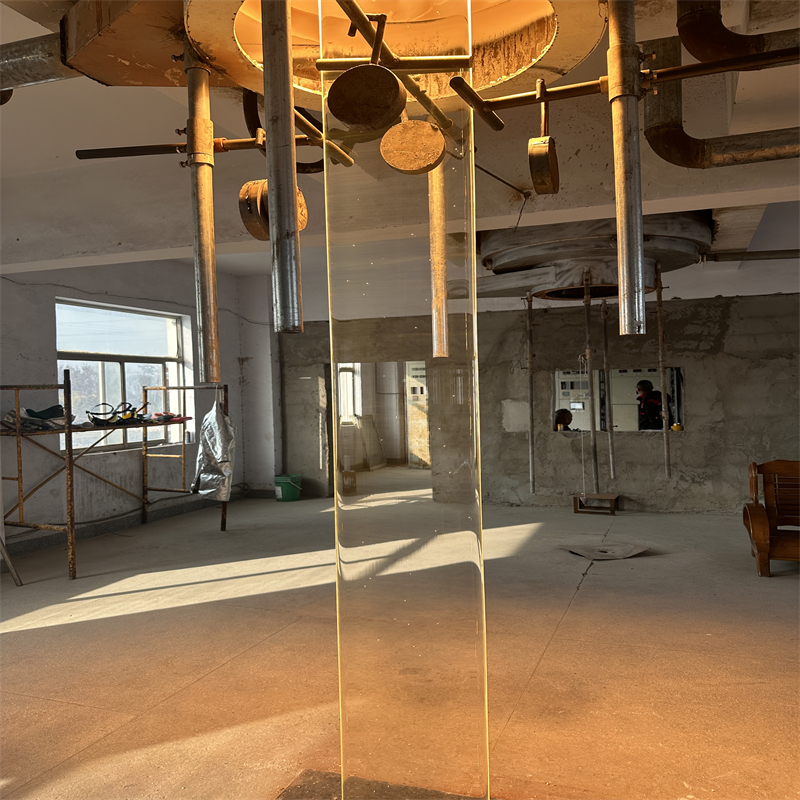
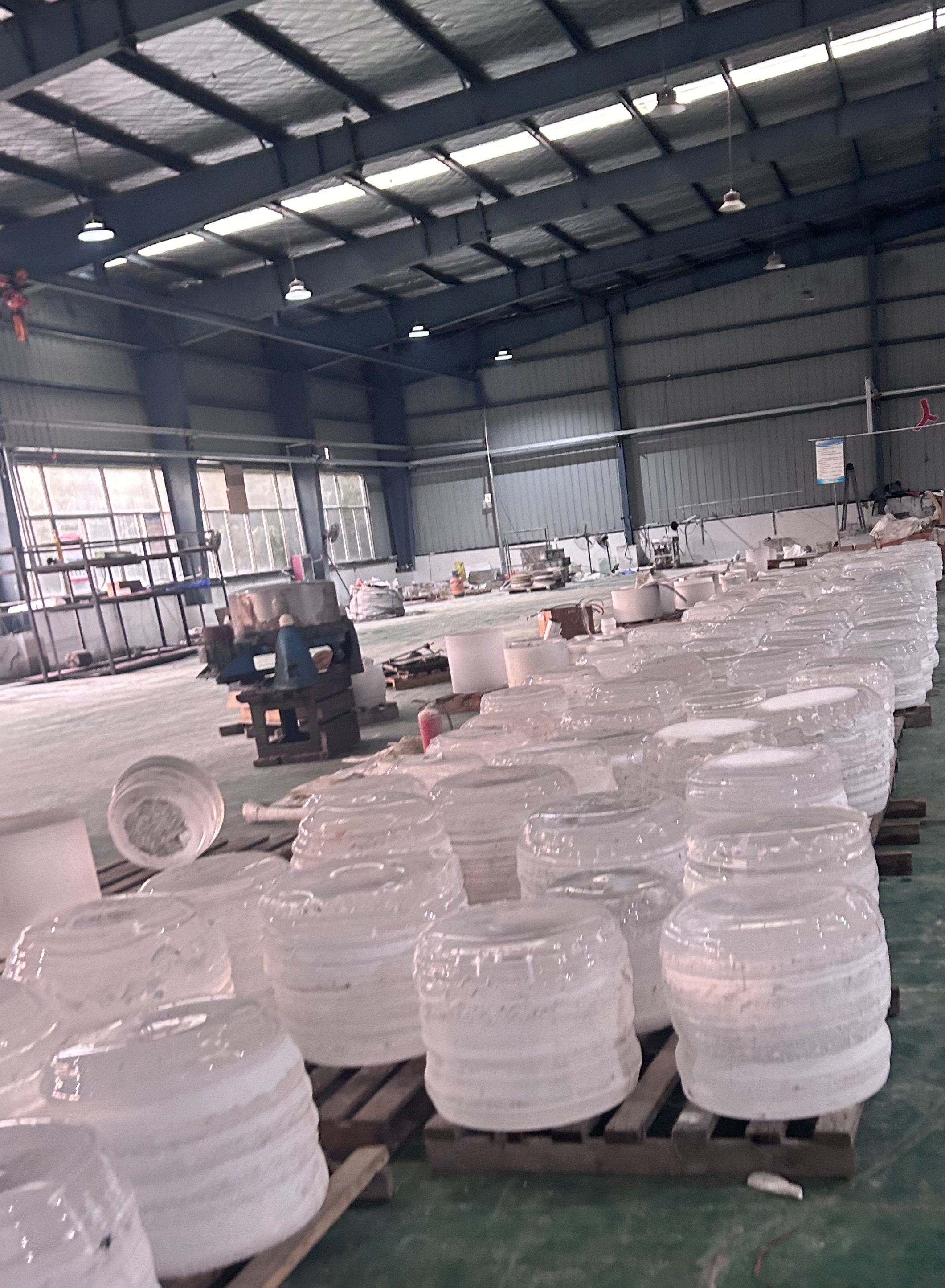

Headquartered in Donghai County, Jiangsu Province—celebrated internationally as China's "Crystal Capital"—Lianyungang Zelvo Quartz Products Co., Ltd. integrates direct quartz mineral feed access with advanced CNC optical machining. We eliminate distributor markups and streamline project execution from prototype builds to container deliveries.
Frequently Asked Questions: Quartz Glass Dome Procurement
Direct technical guidance on material selection, wall thickness calculation, tolerances, cleaning, and export logistics.
1. What material grades are used for custom quartz glass domes, and how do I select between JGS1, JGS2, and JGS3?
2. How do engineers calculate the necessary wall thickness for a high-pressure subsea or vacuum dome?
3. What is the maximum continuous working temperature, and can quartz domes handle rapid thermal cycling?
4. What dimensional tolerances and surface scratch-dig standards can Zelvo achieve on custom domes?
5. Can you machine custom mounting flanges, step lips, and O-ring grooves directly onto the quartz dome base?
6. What is your policy on Minimum Order Quantity (MOQ) and rapid prototype turnarounds?
7. How do you prevent breakage during international air freight and maritime container transit?
8. What are the proper cleaning and maintenance protocols to avoid devitrification of quartz domes?
Ready to Source High-Precision Quartz Glass Domes?
Submit your CAD files, operating environment details, or dimensional sketches today. Our senior glass engineers will evaluate feasibility, provide tolerance feedback, and return a comprehensive quotation within 2 hours.