Featured Quartz Glass Crucibles & Precision Components
Direct from Donghai's world-leading quartz industrial cluster. Every component undergoes rigorous geometric calibration, spectrographic purity assay, and stress-relieved flame annealing.
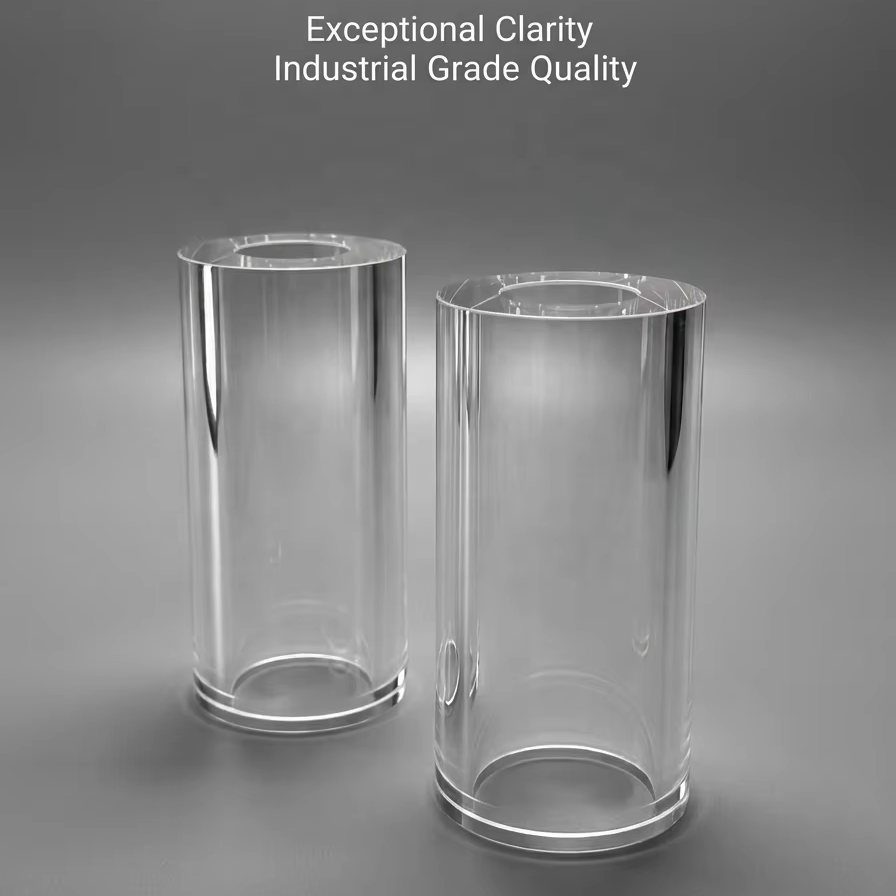
Factory Custom Both Ends Polished High Purity Transparent Quartz Twin Tube
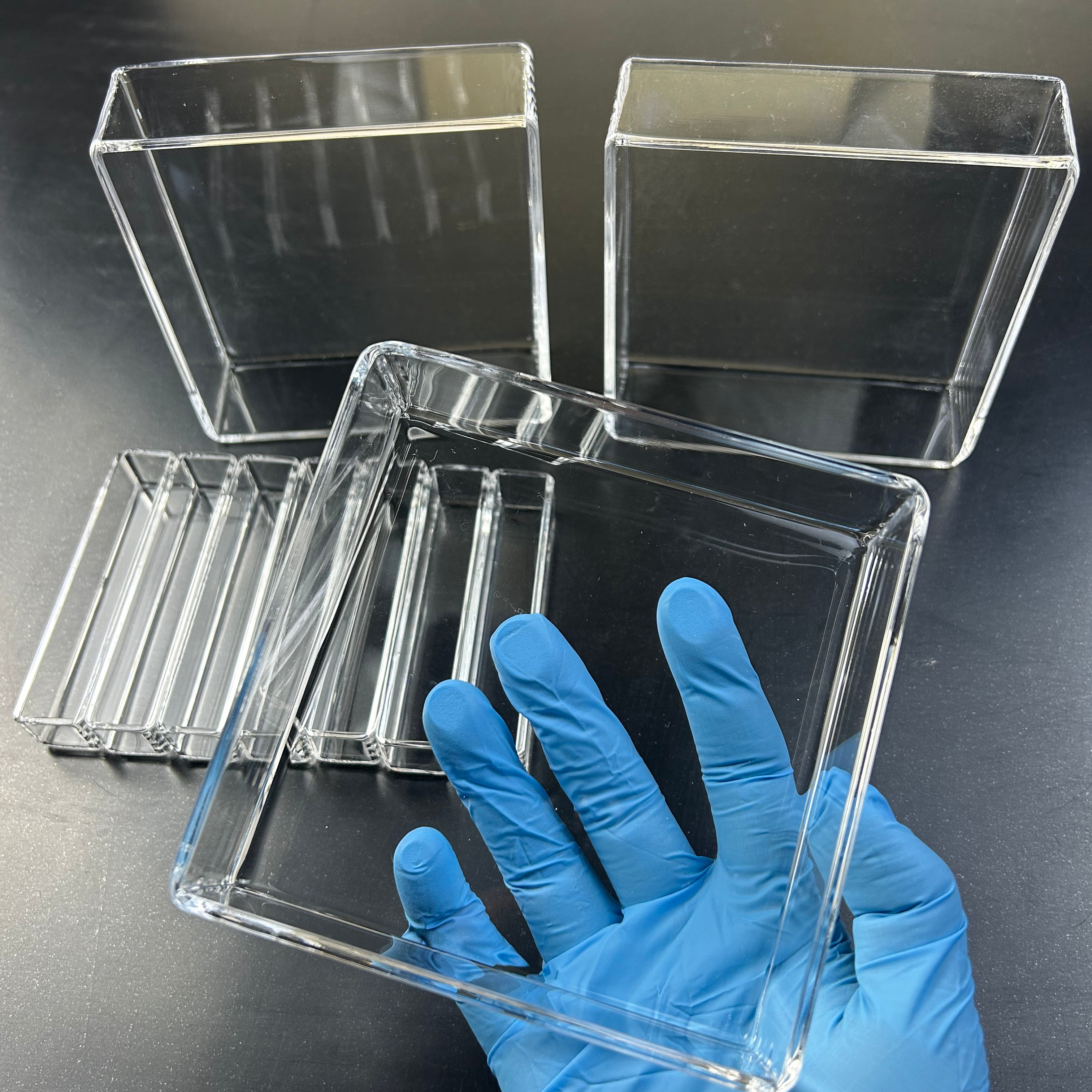
Customized Fused Quartz Glass High Temperature Circular Cylinder Crucible Tank
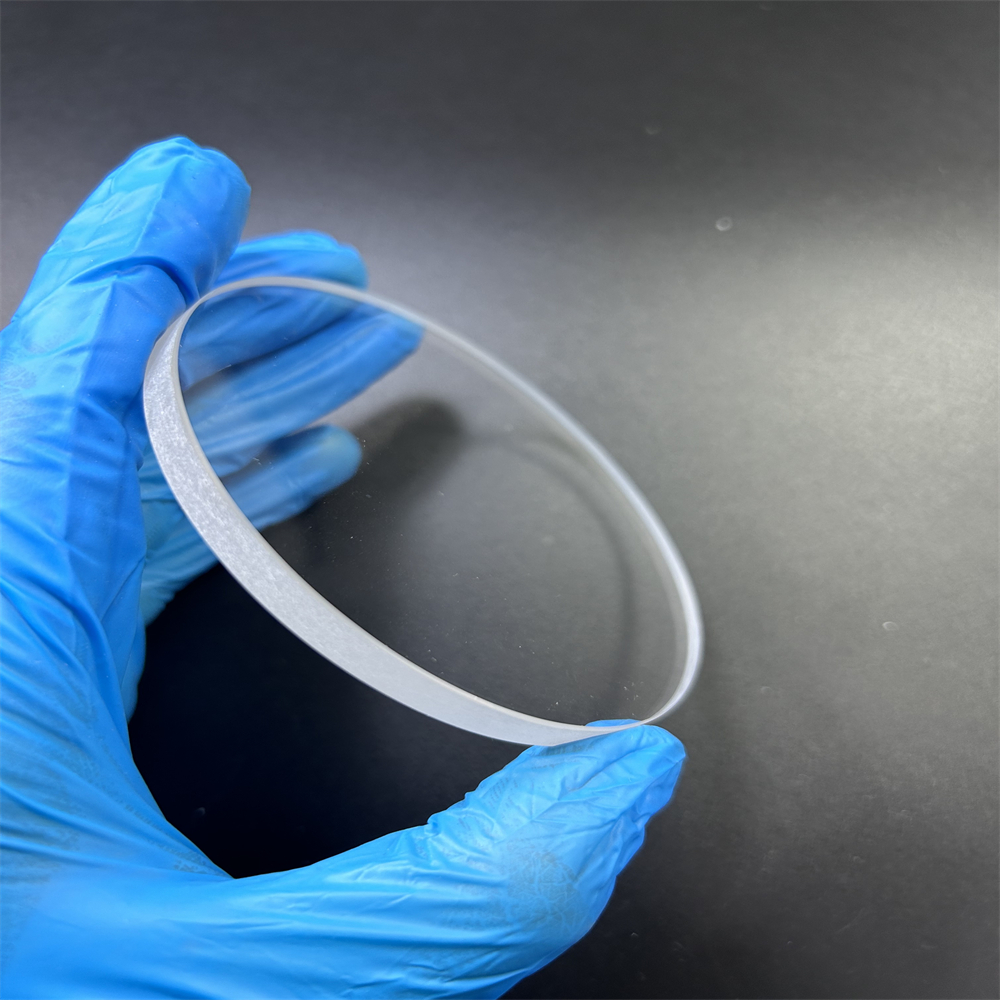
High Pressure Fused Silica Quartz Glass Wafer Transparent UV Sheet
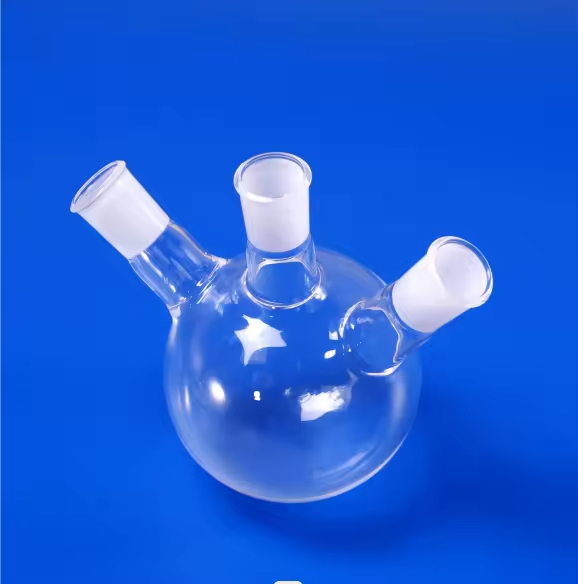
High Temperature Transparent Quartz Glass Twin Tube Bottom Flask
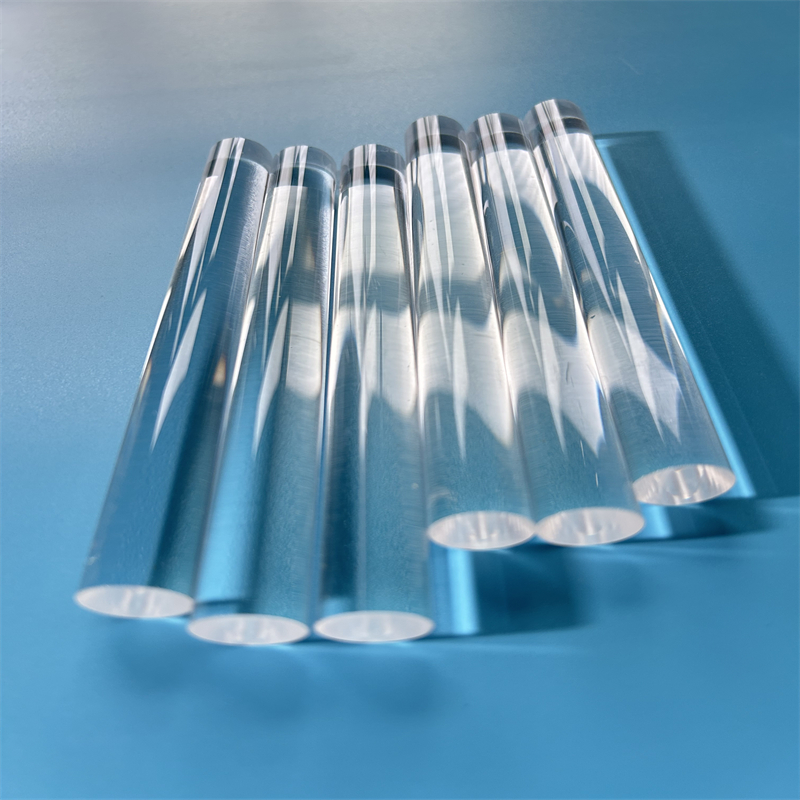
Custom Guitu Quartz GT Model High Purity Optical Light Guide Cylinder Rod
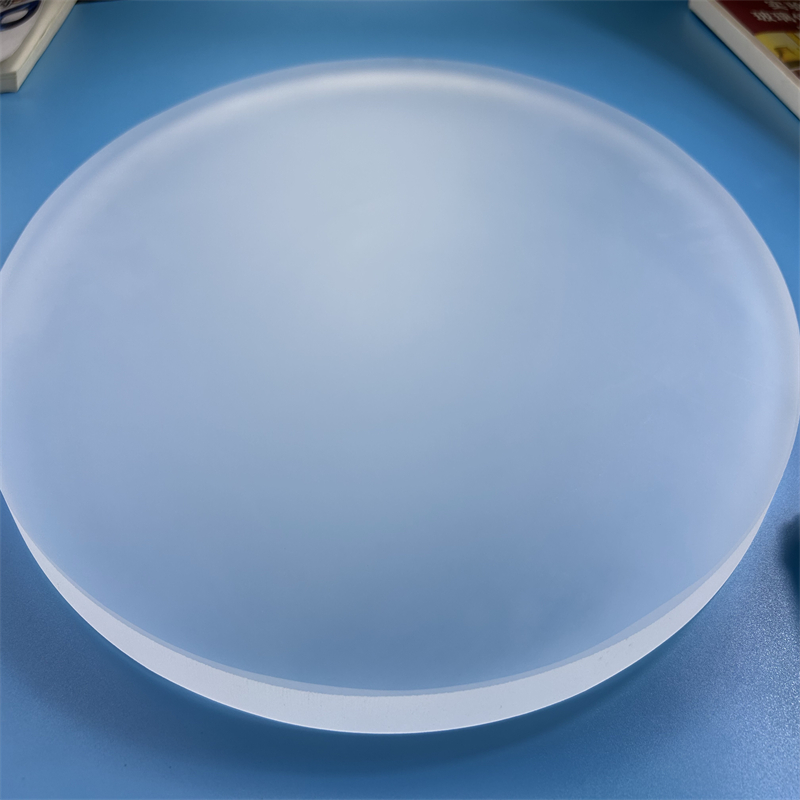
High Temperature Resistance Frosted Quartz Disc Plate for Semiconductor
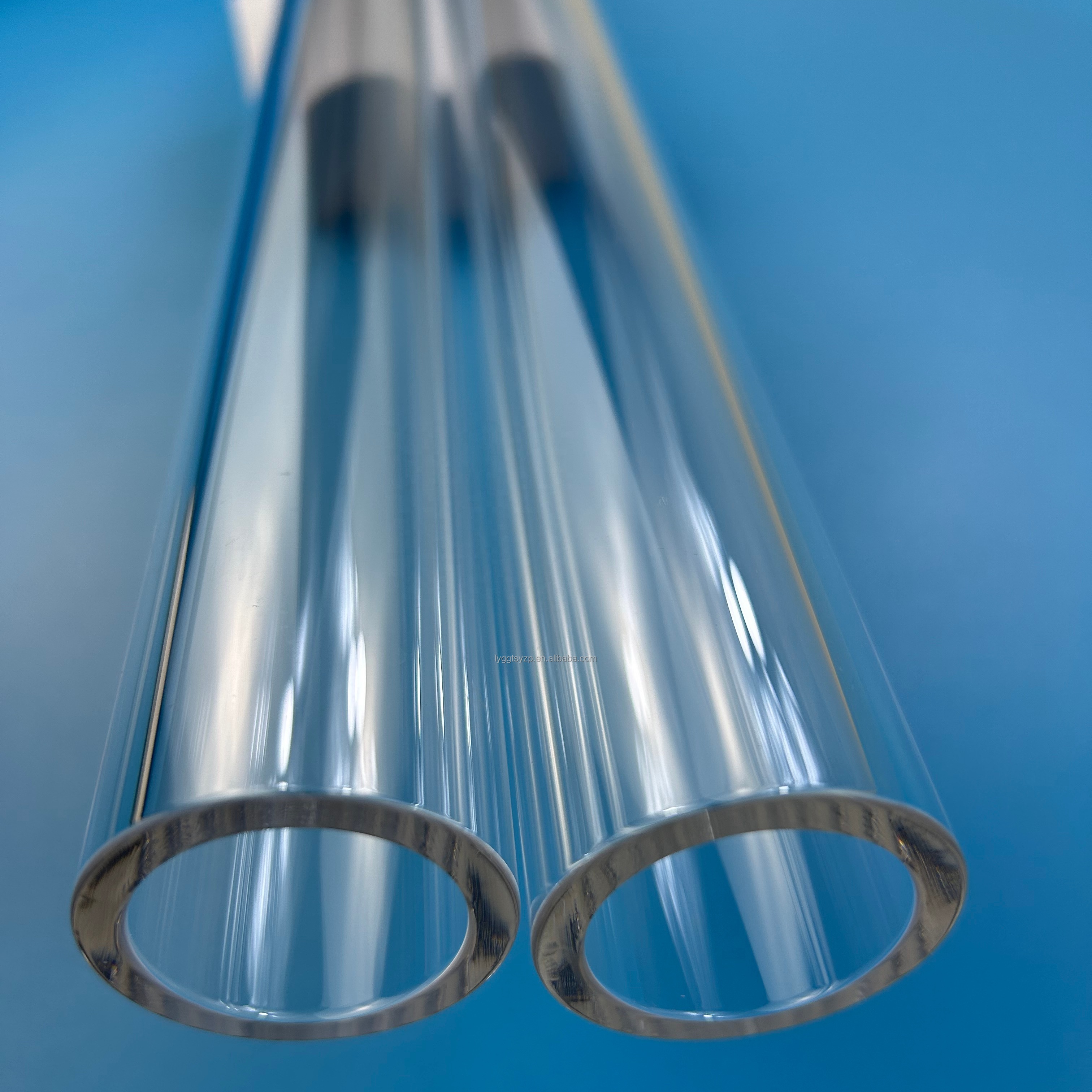
Polished Clear Quartz Twin Tube Ozone Free Semiconductor Furnace Heater
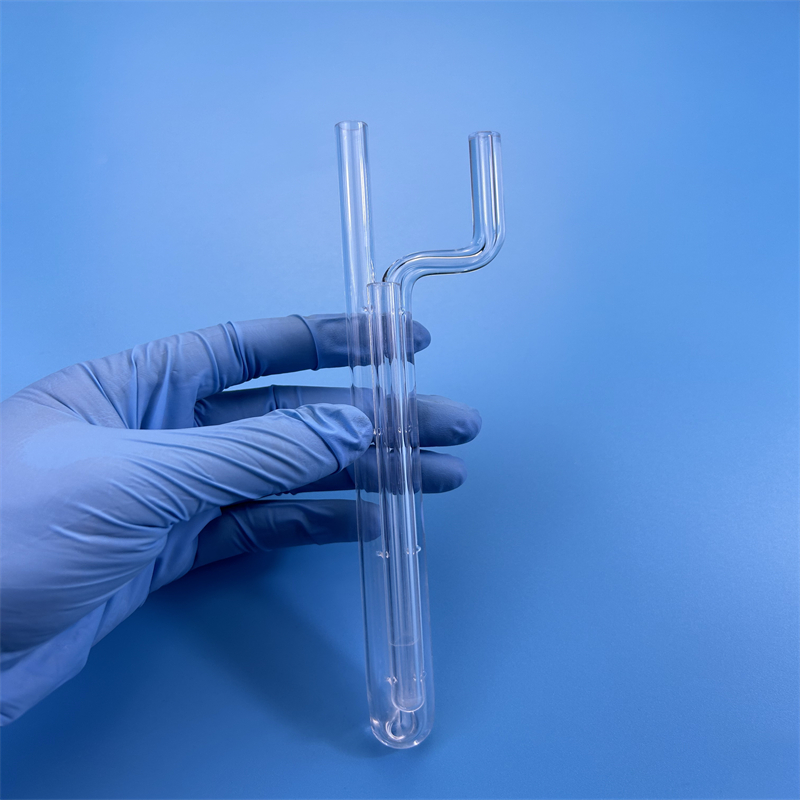
Chemisorption BET Test High Pressure 99.99% Pure Quartz Twin Tube
The Mechanics of High-Purity Fused Silica (HPFS) in Crystal Pulling & Pyrolysis
In modern Czochralski (CZ) monocrystalline silicon ingoting, compound semiconductor epitaxy (GaAs, InP), and ultra-pure chemical vapor deposition (CVD), the quartz crucible is not merely an inert containment vessel—it is an active thermodynamic interface. Operating continuously above 1420°C in direct contact with highly corrosive molten silicon, the crucible governs zero-defect crystal dislocation, oxygen precipitation, and overall batch yield.
Dual-Layer Arc Fusion Physics
Industrial quartz crucibles engineered for CZ crystal growth feature an engineered dual-layer structure. The outer layer is an opaque, micro-bubble composite structure (bulk density ≈ 2.18–2.20 g/cm³) that diffuses radiative infrared heat uniformly, stabilizing the thermal gradient. The inner synthetic/vacuum layer is completely bubble-free (thickness 2.5–4.5 mm), acting as an impervious erosion barrier to avoid micro-bubble rupturing and silicon particulate shedding into the melt.
Sub-ppm Trace Element Control
Trace alkali metals (Li, Na, K) serve as catalytic nuclei for high-temperature devitrification, converting amorphous silica into brittle crystalline cristobalite. Zelvo Quartz leverages purified Donghai crystalline feedstock refined through advanced chlorination, calcination, and hydrofluoric acid flotation to keep total alkali contamination below 0.15 ppm, preventing micro-cracking and molten silicon leakage during multi-day casting campaigns.
High-Viscosity & Creep Resistance
Crucible deformation (sagging or rim buckling) under intense thermal gradients alters molten meniscus heights, interrupting automated sensor feedback and ingot pulling automation. By maintaining a tight hydroxyl ([OH⁻]) concentration threshold (< 25 ppm for standard high-temp crucibles, < 5 ppm for dry grade) and maximizing [SiO₄] tetrahedral network polymerization, Zelvo crucibles preserve exceptional structural geometry up to 1550°C.
| Performance Parameter | Arc-Fused CZ Crucible | Slip-Cast Fused Silica | Clear Flame-Worked Crucible | Synthetic Lined (Ultra-CZ) |
|---|---|---|---|---|
| SiO₂ Purity Level | ≥ 99.998% | 99.95% – 99.99% | ≥ 99.99% | ≥ 99.9995% (5N5) |
| Bubble Layer Distribution | Dual-Layer (Opaque / Clear) | Porous Homogeneous | 100% Bubble-Free Transparent | Synthetic Bubble-Free Layer >3mm |
| Softening Point (°C) | 1680 °C | 1600 °C | 1683 °C | 1720 °C (Doped Enhanced) |
| Continuous Thermal Limit | 1420 °C – 1480 °C | 1150 °C – 1200 °C | 1100 °C – 1150 °C | 1500 °C – 1550 °C |
| Alkali Elements (Li+Na+K) | ≤ 0.20 ppm | ≤ 5.0 ppm | ≤ 0.8 ppm | ≤ 0.05 ppm |
| Core B2B Application | Solar N-Type & Semi CZ Pulling | Precious Metal Casting & Glass | R&D, Spectroscopy, BET & Pyrolysis | 300mm / 12-Inch Semi Silicon Wafers |
Crucible Technology Frontiers: N-Type TOPCon, HJT & 300mm Semiconductor Transition
Key metallurgical transformations driving next-generation high-purity quartz manufacturing standards.
Large-Format Scale (≥ 36 to 40 Inches)
With solar monocrystalline silicon moving towards 210mm (G12) wafers and N-Type architectures (TOPCon / HJT), pullers demand continuous multi-charging (CCz). Crucibles have scaled from traditional 28–32 inches to massive 36–42 inch diameters, requiring specialized rotary electric arc furnaces with multi-axis automated centrifugal shaping.
Advanced Surface Devitrification Inhibition
Premature crystallization limits crucible service life. State-of-the-art formulations incorporate micro-doping with alkaline earth elements (such as Ba) or nitrogen-doped passivation layers on the inner walls. This promotes a uniform, dense, microcrystalline cristobalite layer that acts as a stable self-passivating shield, reducing silicon dissolution rates.
Synthetic Silica Infiltration & Zero-Bubble
As 12-inch (300mm) semiconductor silicon demands minority carrier lifetimes > 1000 μs, natural quartz alone cannot meet the near-zero transition metal criteria (Fe, Cu, Ni < 0.1 ppb). Plasma arc deposition of synthetic silicon tetrachloride (SiCl₄) creates an inner transparent synthetic lining with zero structural bubbles and ultra-low aluminum (< 0.1 ppm).
Automated Laser Metrology & Clean Packaging
Dimensional tolerance for crucible wall thickness and concentricity has tightened to ±0.5 mm. Automated non-destructive ultrasonic and optical tomography scanners profile the complete bubble envelope. Finished goods are etched with ultra-pure nitric/hydrofluoric baths, ultrasonic deionized rinsed (18.2 MΩ·cm), and dual vacuum sealed in Class 10,000 cleanrooms.
Future Global Procurement Trends in Quartz Glass Consumables
Balancing supply chain resiliency, Total Cost of Ownership (TCO), and geopolitical material availability.
Procurement directors in tier-1 ingot pullers and precision wafer fabs face structural shifts in quartz consumable purchasing. Moving into the late 2020s, sourcing protocols are moving away from spot purchasing based purely on unit price toward strategic supplier integration. The primary procurement dynamics include:
TCO Modeling Over Piece Price
A crucible represents less than 3% of the total CZ operational expenditure, yet a single premature crucible failure or bubble eruption ruins an ingot batch worth tens of thousands of dollars. Buyers now evaluate Cost Per Pulling Hour and Net Yield Ratio. Crucibles offering >350 hours of continuous hot-time at 1450°C command procurement priority over low-cost alternatives.
Mineral Diversification & Dual-Sourcing
Historically reliant on pegmatite deposits from Spruce Pine (North Carolina), the market is aggressively qualifying alternative high-purity crystalline quartz deposits. Donghai County, Jiangsu, has emerged as the critical global hub for deep flotation, acid washing, and chemical synthesis, offering purchasers an indispensable non-monopolized supply chain safeguard.
Drawing-to-Prototype Agility (1-Piece MOQ)
With R&D cycles in PV cell efficiency (such as Perovskite-Silicon tandems) accelerating rapidly, research institutes and fab pilot lines cannot tolerate 10-piece minimum order constraints or 12-week tooling delays. Modern procurement leans heavily on agile manufacturers capable of reviewing 2D/3D CAD models, offering DFM advice, and delivering single custom builds within 10–14 days.
Lianyungang Zelvo Quartz Products Co., Ltd.
Precision Engineering, Thermal Fabrications, and Advanced High-Purity Fused Silica Solutions
Full Drawing-to-Part Customization
Our workshop integrates multi-axis diamond CNC cutting, laser micro-drilling, precision slotting, lathe-turning, glass-blowing flame welding, and mechanical polishing. We turn complex CAD/SolidWorks geometries into precision components with tolerances to ±0.05 mm.
Onsite-Verified Quality Assurance
Verified on site by leading international inspection agencies, Zelvo Quartz enforces stringent traceability across all batches. Raw silica undergo spectrographic ICP-OES validation, visual shadowgraph bubble scanning, and polarized strain gauge inspection before packing.
Prototype-Friendly: 1-Piece MOQ
Unlike rigid industrial glass suppliers requiring mass orders, our flexible manufacturing infrastructure accommodates pilot runs, university research prototypes, and replacement parts with an open 1-piece minimum order quantity policy.
Zero-Breakage Global Logistics
Quartz components are ultra-fragile. Zelvo employs custom form-fitted PE foam cushioning, internal suspension bracing, moisture-proof vacuum packing, and heavy-duty ISPM-15 export wooden crating, backed by comprehensive FOB, CIF, DDP, and door-to-door express delivery.
Frequently Asked Questions by Industrial Sourcing Teams
Direct answers to critical questions regarding thermal properties, chemical resistance, tolerances, and international logistics.
What chemical purity and SiO₂ percentage does Zelvo Quartz provide?
What are the exact operating temperature thresholds and thermal shock limits?
Can Zelvo manufacture quartz crucibles and complex apparatus from custom 2D/3D CAD drawings?
What is the minimum order quantity (MOQ) for custom quartz crucibles and components?
How does fused quartz resist aggressive acids and chemical agents?
What quality control protocols are implemented prior to dispatch?
What international shipping terms and payment methods are supported?
Request Technical Drawing Review & Customized Quotation
Discuss your operational temperature, geometrical tolerances, and purity requirements directly with Zelvo’s senior quartz engineering team. We guarantee actionable engineering feedback and a transparent quote within 2 hours.