Precision Quartz Glass Product Portfolio
High-Purity 99.99% SiO2 Engineered Liners, Tubes, Discs & Custom Reaction Vessels
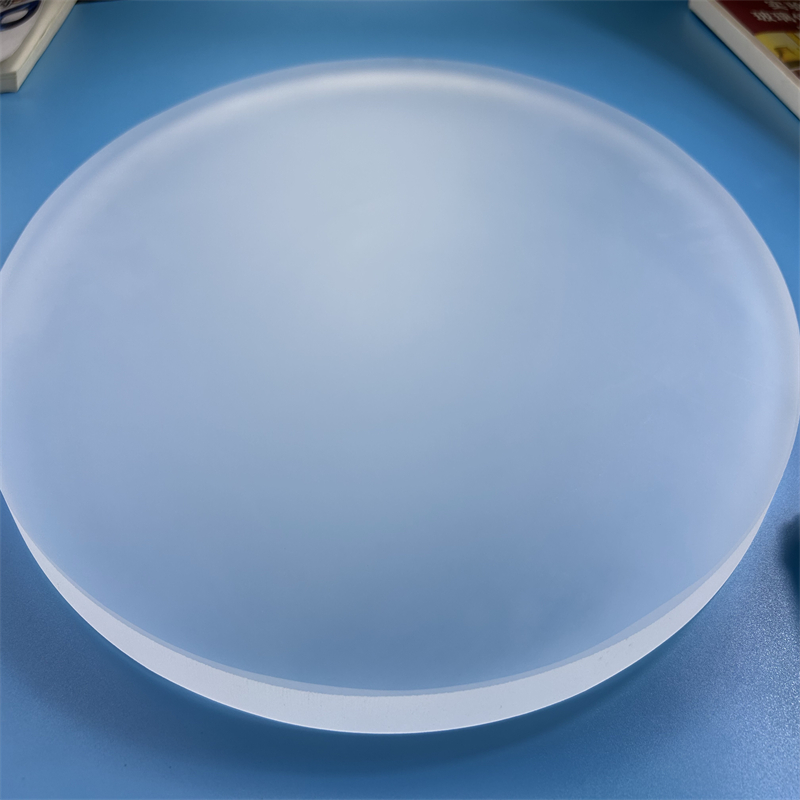
High Temperature Resistance Frosted Quartz Disc/Plate Semiconductor Applications
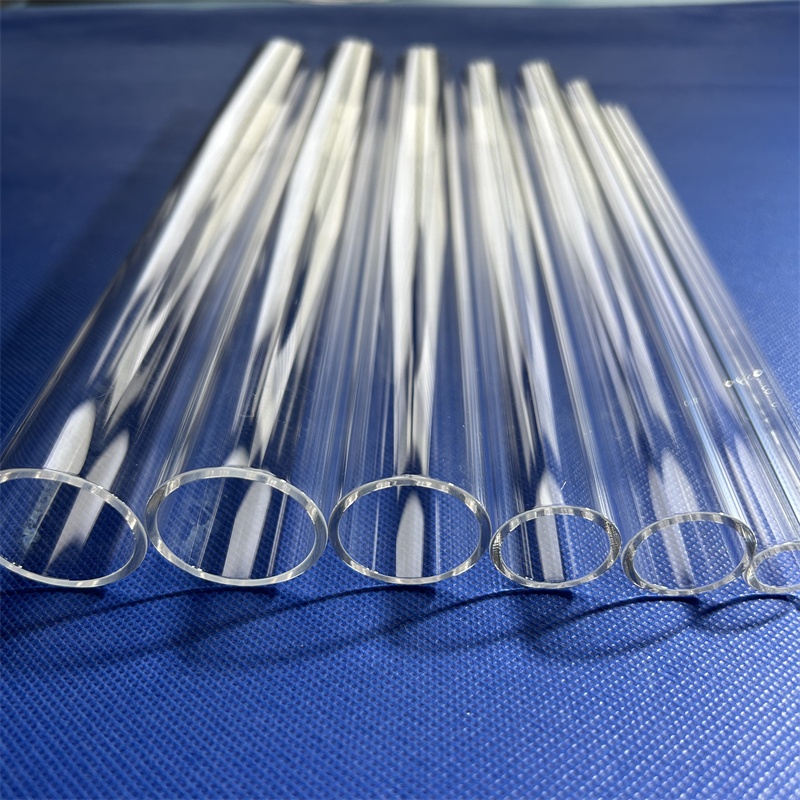
Transparent High Pressure 99.99% Pure Quartz Glass Tube Furnace Boiler Chemical Applications
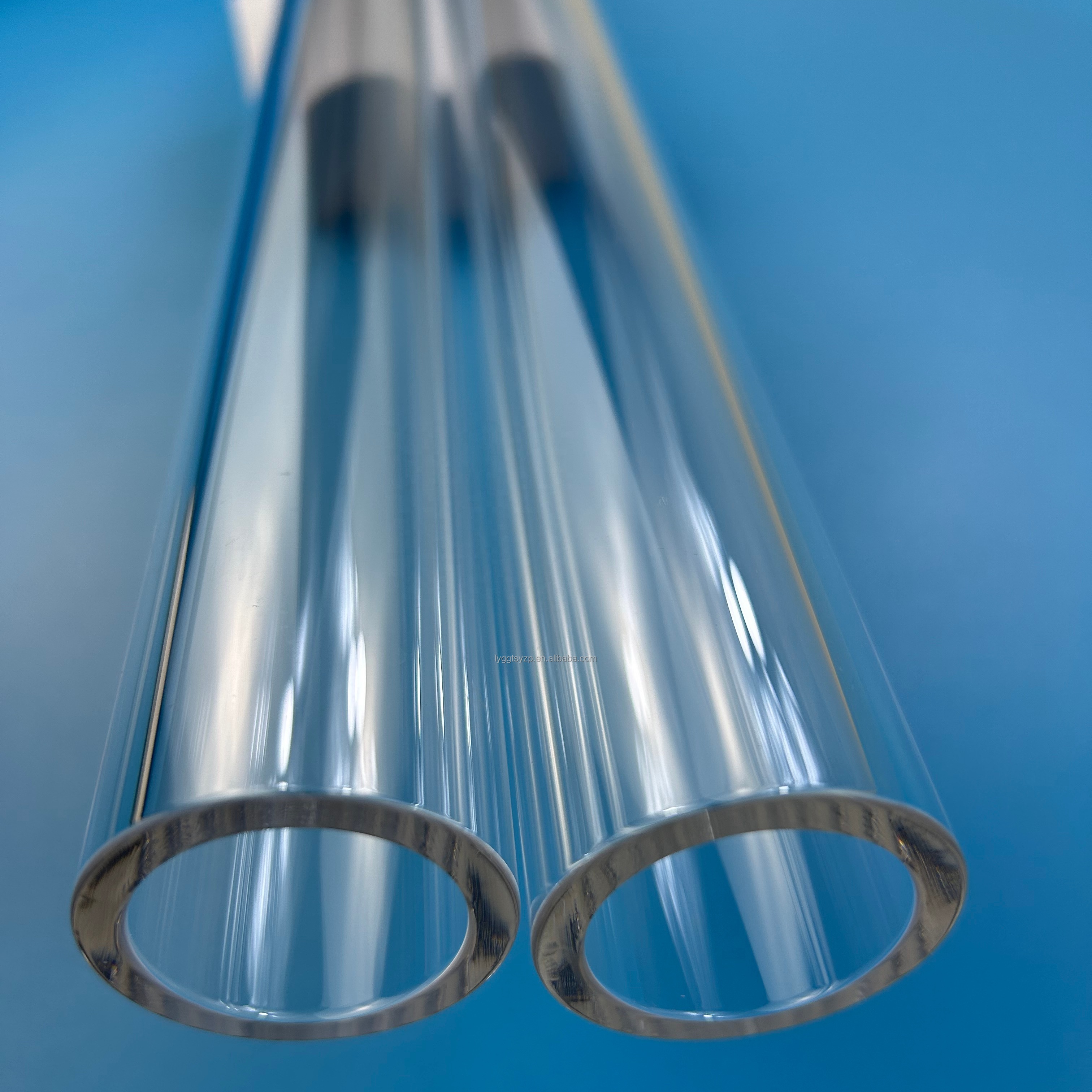
Polished Clear Quartz Twin Tube Ozone Free Heater Chemical Lab Equipment
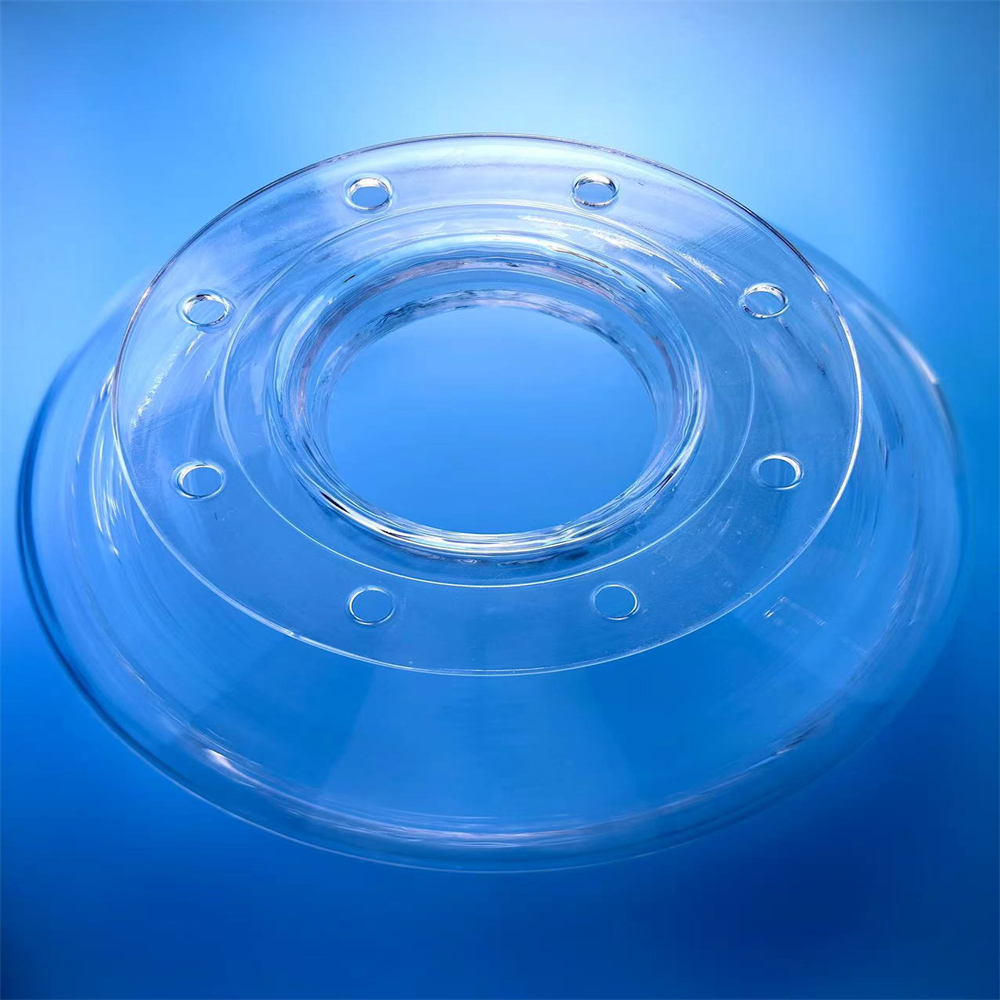
Customize Size Thickness Twin Tube Clear High Purity Flange Quartz Tube Fused Silica
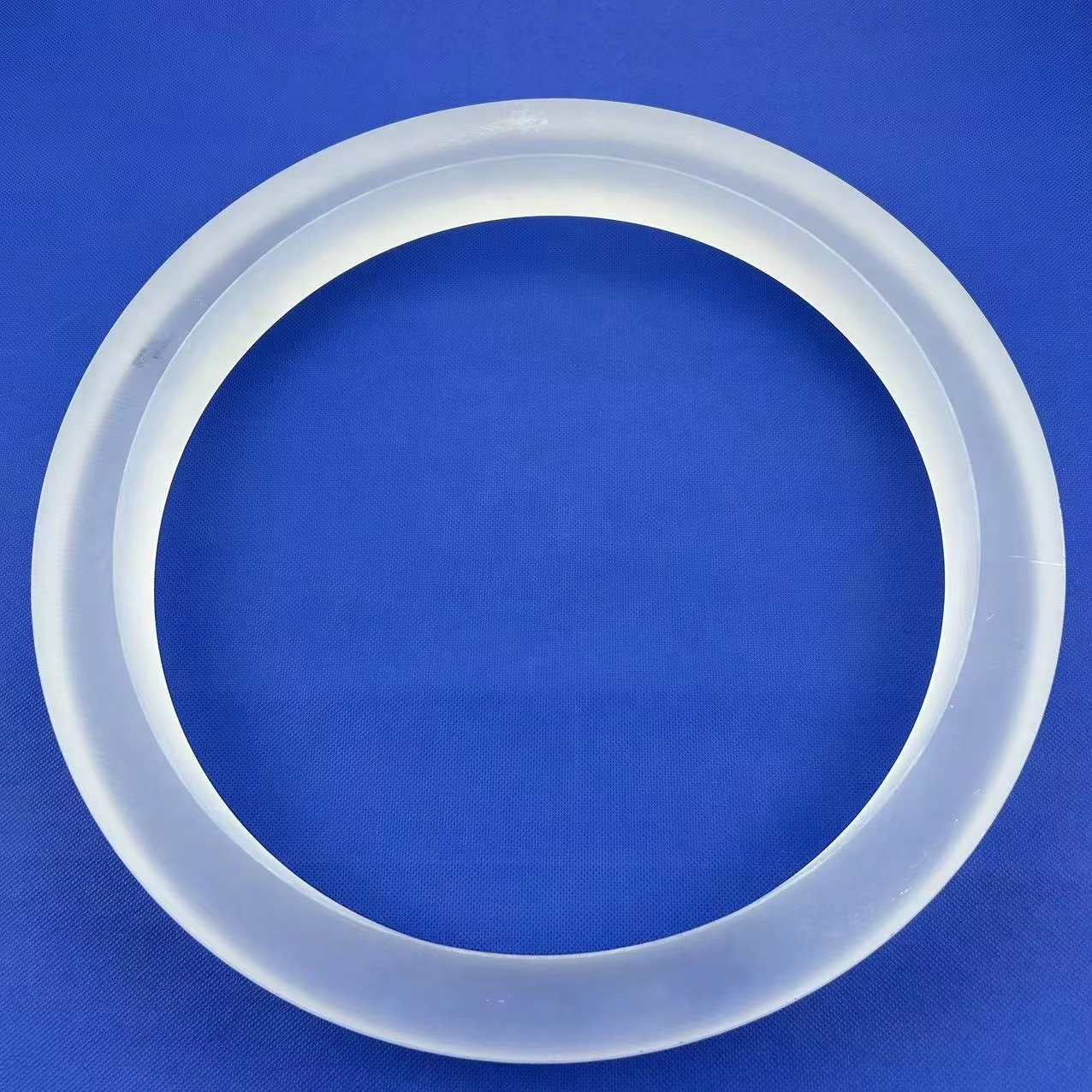
Custom Coated 99.99% Pure Quartz Rings for Semiconductor CVD Optics
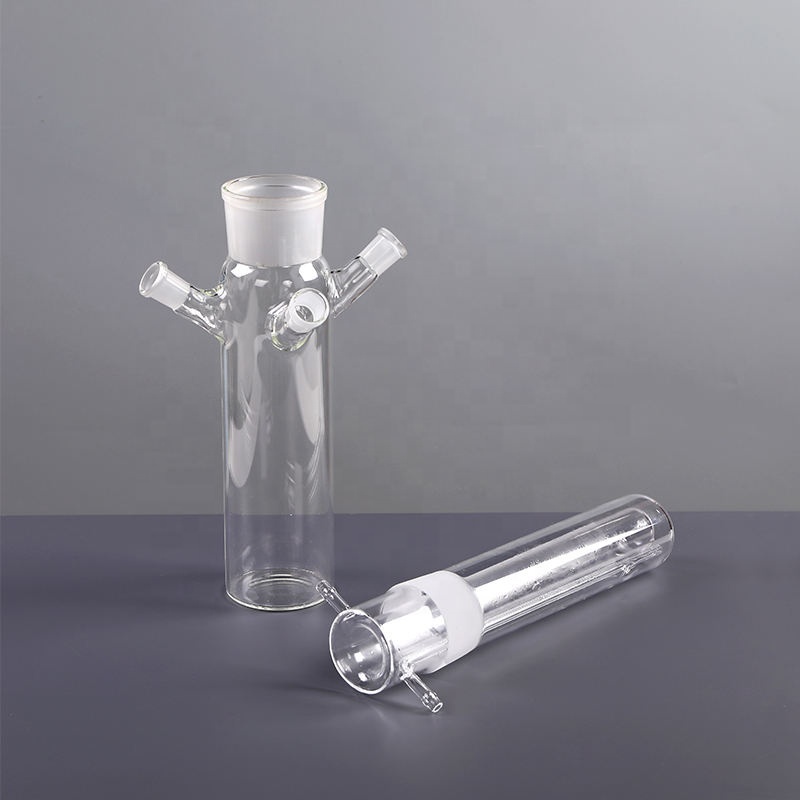
Customized High-purity Quartz Glass Reactor Container Photocatalytic Degradation
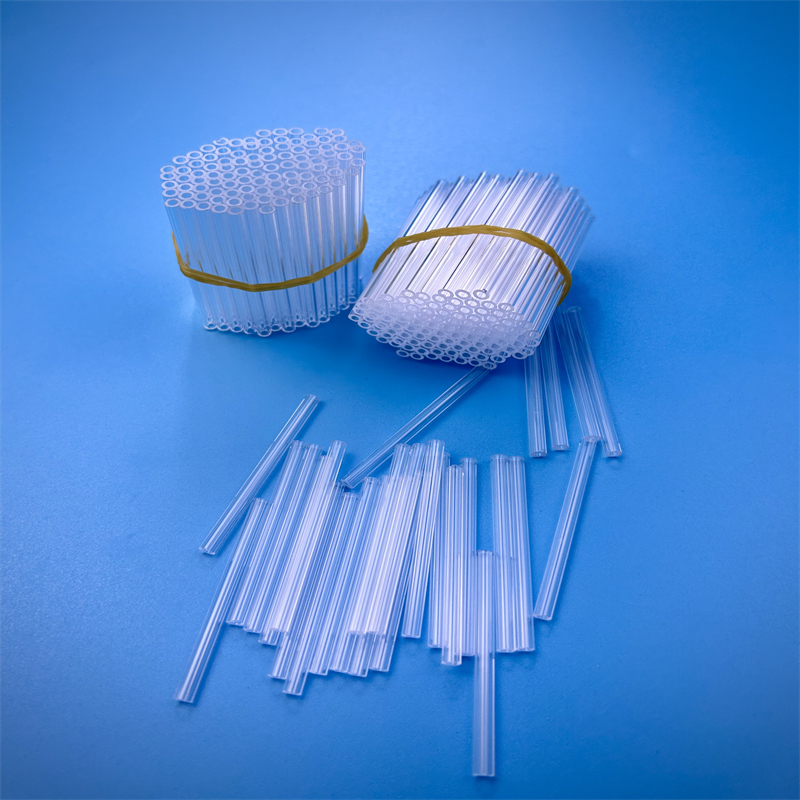
High Quality Transparent U-Bent Quartz Glass Tube Bending & Welding Services
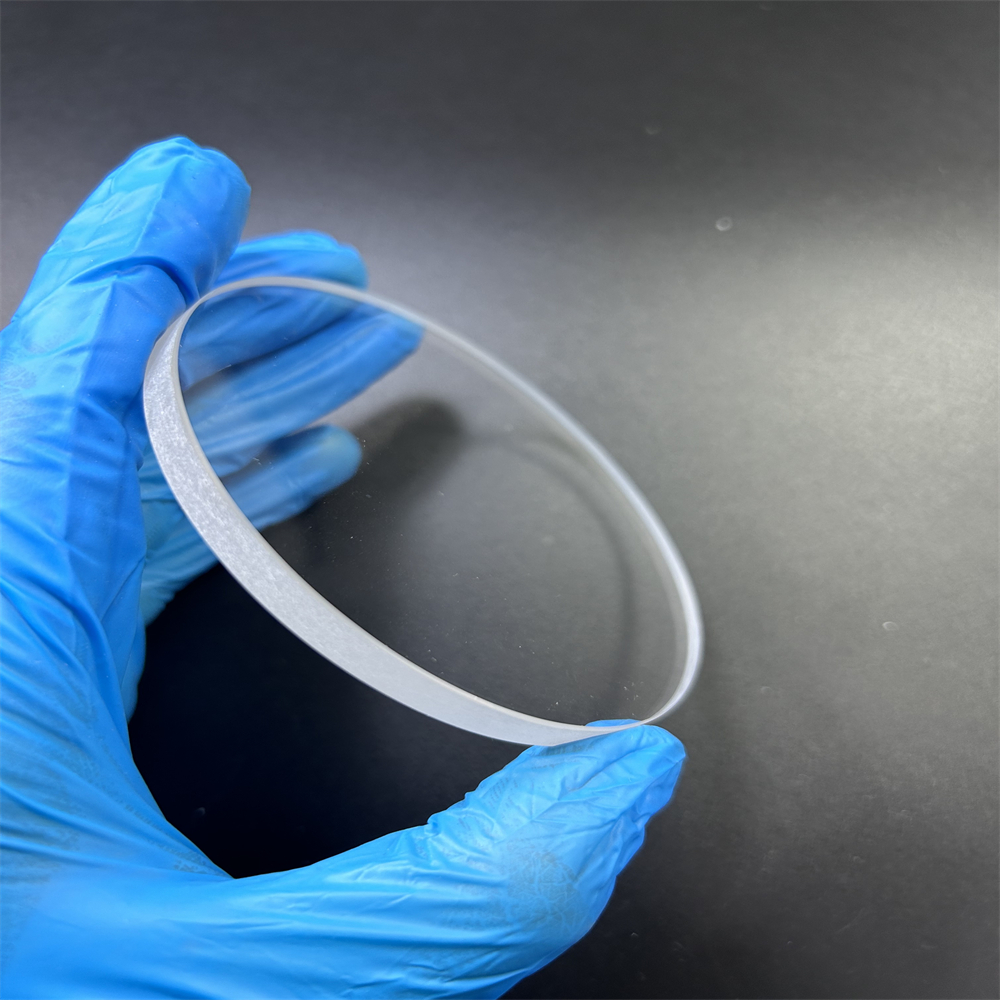
High Precision Fused Silica Quartz Glass Wafer Transparent UV Sheet
1. Technical Fundamentals of High-Purity Fused Quartz Glass Liners
High-purity quartz glass liners are indispensable critical components in advanced industrial manufacturing, semiconductor fabrication, chemical synthesis, and high-temperature thermal processing systems. Engineered from molten high-purity silica sand or synthetic silicon tetrachloride, these specialized protective sleeves and structural chambers exhibit an exceptional chemical structure defined by a silicon dioxide (≥99.99% SiO2) lattice matrix.
In thermal and plasma processing, a quartz liner acts as a thermal barrier and a ultra-clean protective shroud that isolates reactive process gases from process chamber walls, preventing metal ion contamination and resisting severe thermal shock. Unlike standard borosilicate or soda-lime glasses, fused quartz maintains structural stability at operating temperatures exceeding 1100°C, boasting a virtually near-zero coefficient of thermal expansion (5.5 × 10⁻⁷ /K).
E-E-A-T Technical Insight: The performance of a quartz glass liner in plasma-enhanced chemical vapor deposition (PECVD) and atomic layer deposition (ALD) environments is directly dictated by its internal hydroxyl (OH-) content and trace alkali metallic impurities (such as Sodium, Potassium, and Lithium). High-grade liners engineered by Zelvo Quartz maintain total alkali contamination below 1.5 PPM, mitigating devitrification (cristobalite phase transformation) and preventing ionic migration into silicon wafers.
Chemical Purity & Trace Element Specification Matrix
To evaluate the suitability of a quartz glass liner for microelectronics or aggressive chemical reactors, chemical impurity profiles must be analyzed meticulously. Below is a standard elemental breakdown achieved in our refined fused quartz liner lines:
| Elemental Impurity | Symbol | Standard Purity (PPM) | Ultra-High Semiconductor Grade (PPM) |
|---|---|---|---|
| Aluminum | Al | 12.0 – 18.0 | ≤ 6.0 |
| Iron | Fe | 0.2 – 0.8 | ≤ 0.1 |
| Calcium | Ca | 0.4 – 1.0 | ≤ 0.3 |
| Sodium | Na | 0.5 – 1.2 | ≤ 0.1 |
| Potassium | K | 0.4 – 1.0 | ≤ 0.1 |
| Copper | Cu | ≤ 0.05 | ≤ 0.01 |
| Hydroxyl Content | OH- | < 30 (Low OH) / ≈ 150 (Std) | < 5 (Ultra-dry synthetic) |
2. Enterprise Manufacturing Advantages: Lianyungang Zelvo Quartz Products
Located in Donghai County, Lianyungang, Jiangsu Province—globally acknowledged as China's "Crystal Capital"—Lianyungang Zelvo Quartz Products Co., Ltd. operates as a premier manufacturer and technical custom fabricator of high-purity quartz apparatus. By integrating raw material sourcing, thermal glass-blowing, precision mechanical machining, laser cold-processing, and spectral testing, we provide turn-key industrial solutions for global engineering procurement teams.
Drawing-Based Precision Fabrication
Full support for CAD/STEP 2D & 3D custom engineering drawings. Capabilities include high-precision CNC laser drilling, micro-grooving, optical edge beveling, tight tolerance cutting (±0.02 mm), and complex flame bending.
Flexible 1-Piece Prototyping MOQ
We eliminate high minimum batch hurdles. Whether you require a single bespoke quartz glass reactor container for R&D laboratory synthesis or 10,000 unit batch runs for OEM furnace lines, we support drawing development from 1 piece.
Strict Quality Assurance & On-Site Verification
Factory premises independently audited and verified on site. Every custom quartz liner undergoes polariscopic stress inspection, dimensional CMM verification, helium mass spectrometer leak detection, and visual bubble-free grading.
Rapid Technical Response (≤2 Hours)
Engineers lead our customer interface. Inquiries and drawing feasibility evaluations receive structured technical feedback, raw material availability checks, and official quotes within two hours during working cycles.
Global Logistics & Shock-Proof Packaging
Exporting to over 30 countries across North America, Europe, the Middle East, and Southeast Asia. Specialized custom wooden crates and impact-absorbing foam packaging ensure 0% transit breakage rate.
High Repeat Order Rate (37%)
Trusted long-term partner for major university research laboratories, semiconductor tool makers, burner manufacturers, and chemical process engineering integrators worldwide.
3. Technological Trends & Engineering Innovations in Quartz Liners
The continuous shrinkage of semiconductor node dimensions (sub-3nm processes) and the expansion of high-efficiency solar photovoltaic manufacturing (TOPCon, HJT) have transformed quartz glass liner manufacturing from basic glassworking into high-precision material engineering. Key technological trends currently shaping the industry include:
3.1 Anti-Devitrification Surface Treatments & Coatings
When exposed to prolonged heat above 1000°C in thermal oxidation or diffusion furnaces, standard quartz liners suffer from devitrification—a phase transition where amorphous silica converts into crystalline cristobalite. Cristobalite formation introduces severe stress micro-cracks due to volume changes during thermal cycling. Next-generation quartz liners now incorporate specialized surface treatments:
- Flame Polishing & Synthetic Overcladding: Smooths micro-scratches where nucleation starts, increasing liner longevity by 40-60%.
- Plasma-Sprayed Doped Liners: Doping quartz outer surfaces with trace elements like Aluminum or Rare Earth oxides retards crystalline growth during high-temperature baking cycles.
3.2 Advanced Geometries & Multi-Bore Precision Liners
Modern reaction chambers increasingly require dual-zone or multi-functional liners. As seen in twin-tube quartz heaters and flanged chemical process liners, seamless thermal welding of twin bores and precision precision-ground flanged mating surfaces prevents gas leaks without requiring soft polymer seals that degrade under extreme heat.
3.3 Ultra-Low Hydroxyl (OH-) Synthetic Silica Transition
For deep ultraviolet (DUV) laser systems, optical transmission windows, and specialized plasma etching chambers, conventional natural fused quartz is being replaced by synthetic fused silica. By reducing OH- concentration to less than 1 PPM, optical solarization is virtually eliminated, enabling superior ultraviolet transmittance (≥90% at 193 nm wavelength).
4. Future Procurement Trends in the Global Quartz Glass Industry
Strategic sourcing directors and B2B procurement managers facing global supply chain volatility are actively restructuring their quartz component procurement frameworks. Analyzing market demand across North America, Europe, and Asia-Pacific reveals three primary sourcing shifts:
Supply Chain Resilience Trend: Industrial buyers are shifting away from rigid single-source monopolies toward agile, direct-from-manufacturer partners capable of delivering custom drawing-based parts with rapid turnaround times and transparent quality certifications.
Key Strategic Procurement Considerations:
- Total Cost of Ownership (TCO) over Unit Cost: Purchasing agents prioritize quartz liners that offer extended thermal cycling lifetimes over the cheapest upfront price. High-purity liners reduce chamber downtime, batch contamination risks, and frequent maintenance swaps.
- Agile Customization and Rapid Prototyping: Research institutions and tool OEMs demand fast iteration cycles. Suppliers offering 1-piece MOQ paired with internal CNC laser cutting, grinding, and flame welding drastically compress product development timelines from months to days.
- Direct Factory Quality Auditing & Transparency: Buyers demand full material traceability, including raw material certificates of analysis (COA), 3D CMM inspection reports, and polariscopic stress analysis prior to container sealing.
5. Frequently Asked Questions (FAQ) for Quartz Glass Procurement
Answers to common technical, material, and operational inquiries submitted by engineering and procurement teams:
What purity level is required for semiconductor vs. standard industrial quartz glass liners?
What are the maximum continuous and peak thermal limits for fused quartz liners?
Can Zelvo Quartz custom-fabricate quartz glass liners from CAD technical drawings?
How does hydroxyl (OH-) content affect quartz glass liner performance?
What chemical environments are safe or unsafe for fused quartz liners?
What minimum order quantity (MOQ) and shipping guarantees do you offer?
Need Custom Precision Quartz Glass Liners or Reaction Vessels?
Submit your CAD drawings, dimensional specifications, or operational parameters today. Our technical engineering team provides free feasibility reviews, material guidance, and competitive factory quotes within 2 hours.