Precision High-Purity Fused Quartz Components & Ring Assemblies
Engineered to meet atomic-scale purity requirements, superior thermal shock thresholds (>1100°C), and microscopic optical finishes. Each part is fabricated using certified 4N-grade natural or synthetic SiO₂.
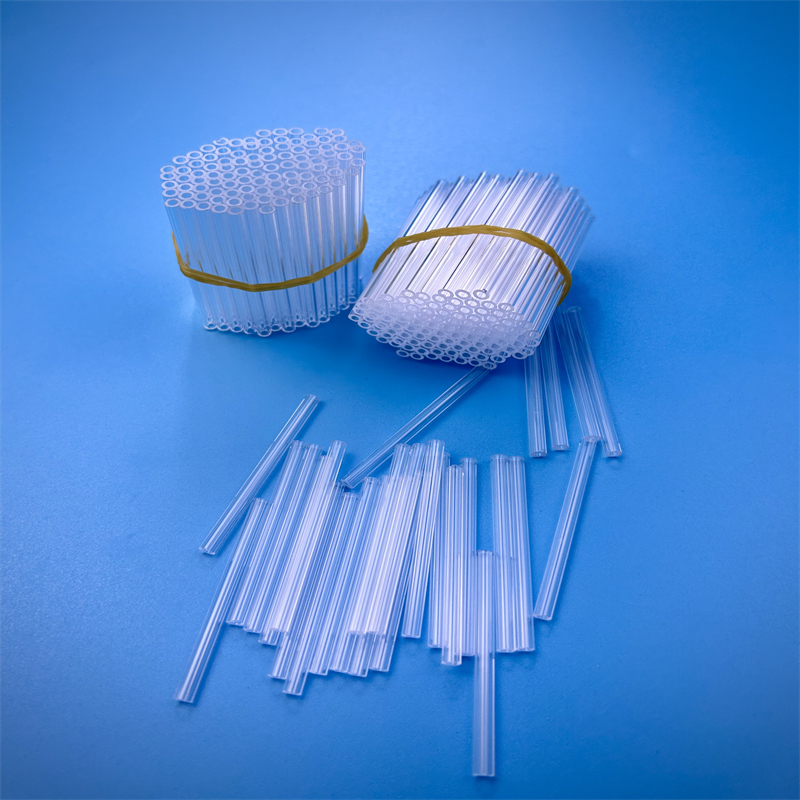
Transparent U-Bent Quartz Glass Tube Fabrications & Welding
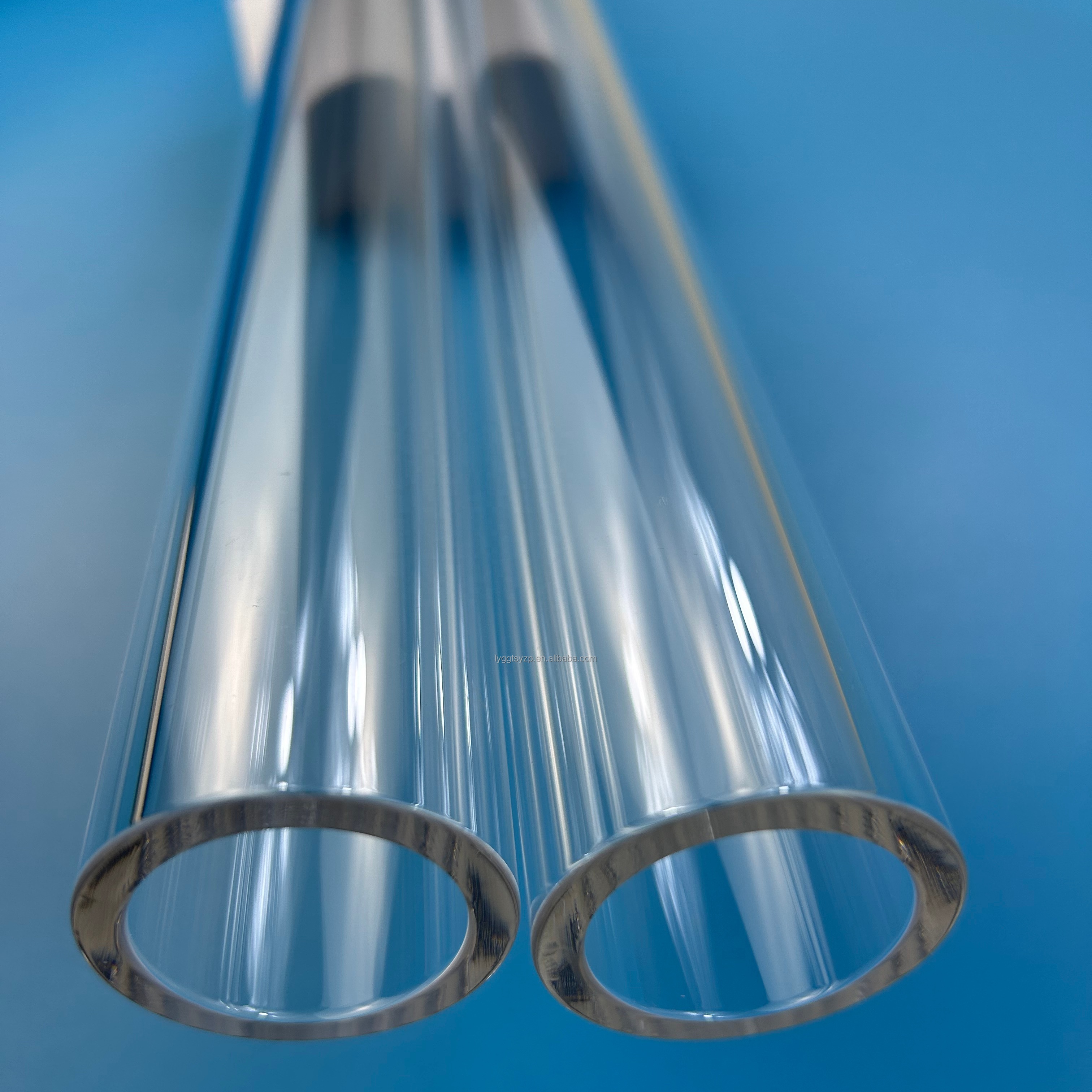
Polished Clear Quartz Twin Tube for Furnace Heaters
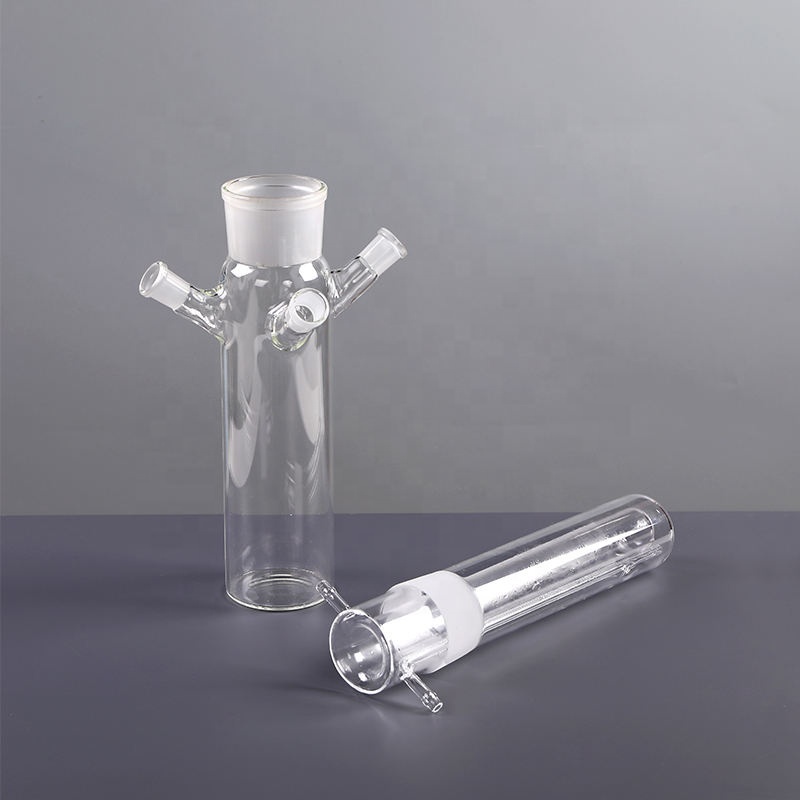
High-Purity Quartz Glass Internal Illumination Reactor
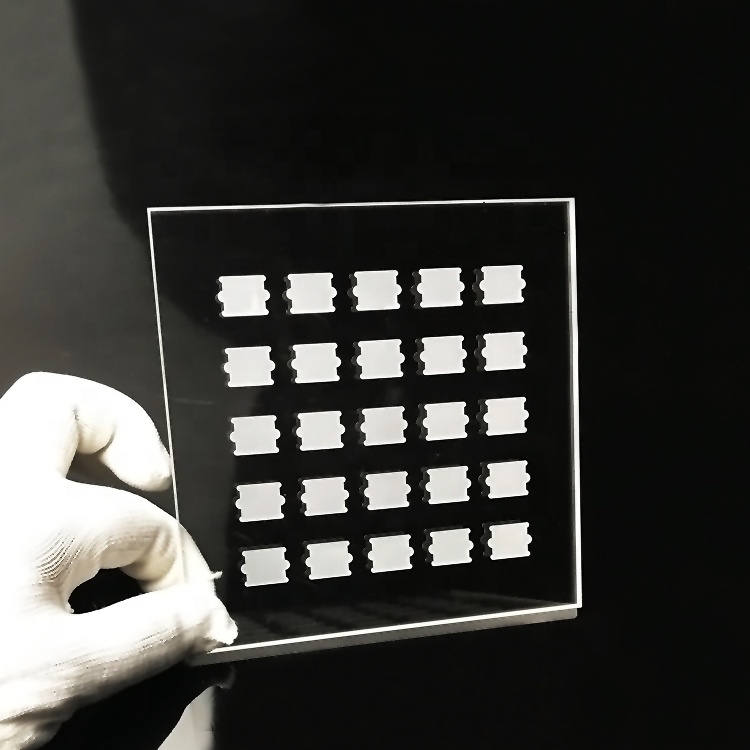
Circular Optical Fused Quartz XRD Ring & Sample Holder
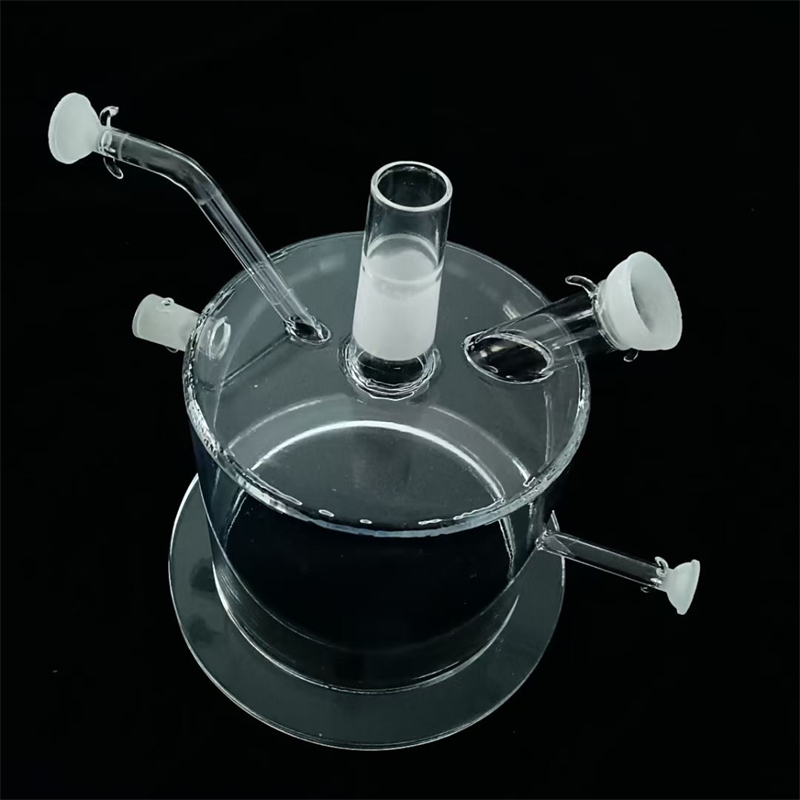
Custom Heavy-Wall High Pressure Clear Quartz Glass Pipe
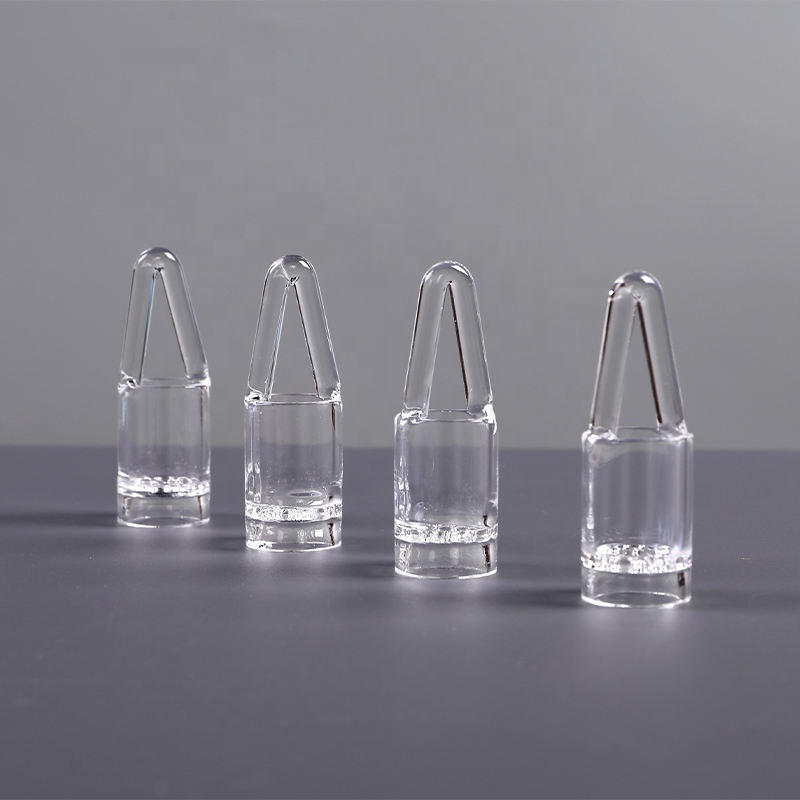
Precision High Pressure Pure Quartz Pipe with Jointing
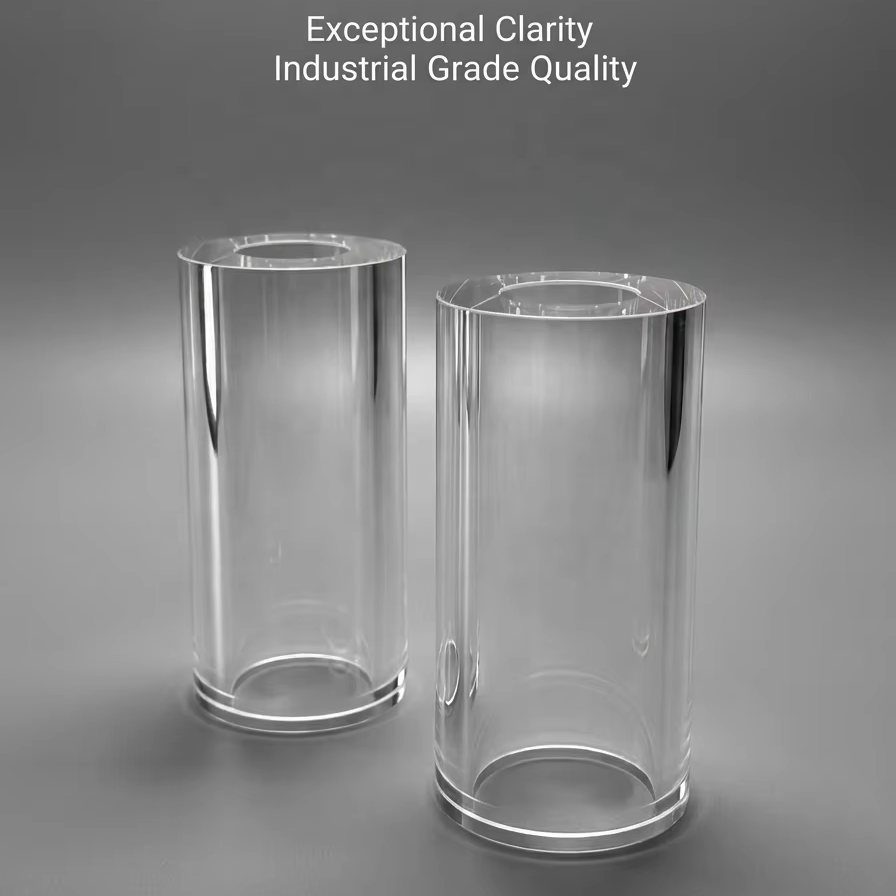
Both-Ends Polished Dual-Channel Quartz Chamber Tube
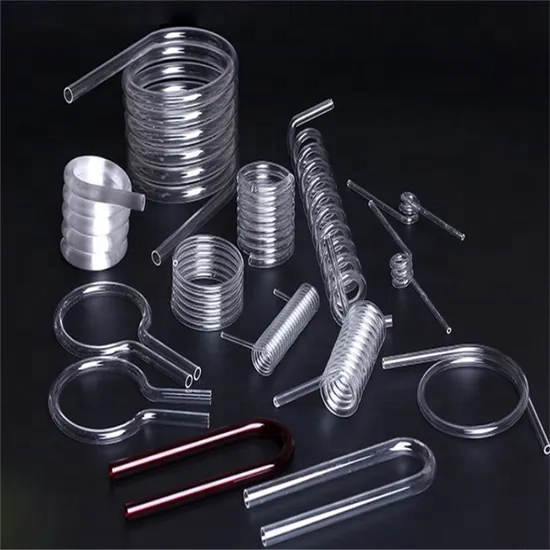
Custom Calibrated Quartz Spiral Coil & Manifold Assembly
Engineering Quartz Glass Rings: Material Metallurgy, Synthesis & Fabrication Standards
A comprehensive technical evaluation for procurement directors, vacuum chamber architects, and semiconductor process engineers seeking absolute reliability in high-temperature, plasma-reactive environments.
Purity Fractions & Trace Elements
In ultra-high vacuum (UHV) and semiconductor plasma chambers, trace metal contamination alters wafer carrier lifetime and introduces electrical leakage. Certified natural fused quartz achieves 99.99% (4N) purity with total alkali contaminants (Na, K, Li) kept strictly below 1.5 ppm. For sub-7nm photolithography and wafer clamping rings, synthetic fused silica synthesized via SiCl₄ flame hydrolysis delivers 99.999% (5N) purity with near-zero heavy metal presence (<0.1 ppm Fe, Cu, Ni), eliminating lattice contamination under thermal shock cycles exceeding 1150°C.
Hydroxyl (OH⁻) Dynamics & Viscosity
The structural integrity of a quartz glass ring in high-temperature diffusion furnaces is dictated by its structural OH⁻ concentration. Low-OH quartz (<5 ppm OH) preserves high annealing points (~1215°C) and softening points (~1683°C), preventing sagging, ovality collapse, or dimensional creep in high-load horizontal tube furnace flanges. Conversely, high-OH synthetic quartz (typically 200–1000 ppm) provides exceptional deep UV transmission down to 185 nm for excimer laser lithography windows and photochemical plasma rings.
Subsurface Damage (SSD) Mitigation
Standard rotary grinding introduces microscopic micro-cracks along ring peripheries, which propagate catastrophically under extreme thermal cycles (ΔT > 1000°C). Zelvo Quartz implements multi-stage CNC ultrasonic diamond machining combined with controlled hydrofluoric acid etching and final hydrogen-oxygen flame glazing. This removes mechanical stress concentrations, yielding surface finishes with Ra < 0.2 μm, flatness to λ/4 per 100 mm, and zero subsurface micro-fissuring for critical vacuum seal interfaces.
Physical, Thermal & Dielectric Properties of Quartz Ring Grades
Direct comparison parameters between standard semiconductor furnace quartz, optical UV fused silica, and opaque thermal-barrier quartz.
| Performance Parameter | JGS1 (Synthetic Fused Silica) | JGS2 (Optical Fused Quartz) | JGS3 (Infrared Quartz Ring) | Opaque Fused Silica Ring |
|---|---|---|---|---|
| SiO₂ Purity Level | ≥ 99.999% (5N) | ≥ 99.99% (4N) | ≥ 99.99% (4N) | ≥ 99.9% (3N) |
| OH⁻ Hydroxyl Content | < 1000 ppm (or < 5 ppm custom) | < 30 ppm | < 5 ppm (Water-Free) | < 20 ppm |
| Density (g/cm³) | 2.201 | 2.203 | 2.200 | 2.07 – 2.15 (Micro-porous) |
| Coefficient of Thermal Expansion (CTE) | 5.4 × 10⁻⁷ / K | 5.5 × 10⁻⁷ / K | 5.5 × 10⁻⁷ / K | 5.4 × 10⁻⁷ / K |
| Maximum Continuous Working Temp | 1150 °C | 1100 °C | 1120 °C | 1050 °C |
| Softening Point / Annealing Point | 1730 °C / 1220 °C | 1683 °C / 1215 °C | 1680 °C / 1210 °C | 1650 °C / 1180 °C |
| Dielectric Breakdown Strength (20°C) | 25–40 kV/mm | 25–35 kV/mm | 25–30 kV/mm | 18–25 kV/mm |
| Key Primary Applications | Deep-UV optics, DUV laser rings, wafer clamps | CVD/PVD viewports, wafer boats, flange rings | IR furnace heating rings, pyrometry windows | Thermal insulation baffles, RTP shield rings |
Emerging Procurement Trends in Industrial Quartz Ring Sourcing
Strategic market analysis based on shifts in global fab capacities, advanced packaging geometries, and geopolitical supply chain resilience.
Monolithic Large-Diameter Scaling
With transition toward 300 mm wafer dominance and next-generation batch thermal processing, the demand for single-piece monolithic quartz rings exceeding 450 mm to 600 mm in outer diameter has grown by 42%. Procurement teams increasingly disqualify segmented or glued rings due to thermal coefficient shear failure and outgassing under deep vacuum.
Aggressive Halogen Plasma Resistance
Modern dielectric and conductor etch chemistries (CF₄, SF₆, NF₃, Cl₂) accelerate surface erosion in silicon chamber rings. Global sourcing managers are shifting toward grain-boundary engineered fused quartz rings with ultra-low structural defect density, extending consumable ring longevity from 300 RF hours to over 750 RF hours in corrosive plasma chambers.
Lean JIT & 1-Piece Prototyping
Rapid R&D cycles in solar TOPCon, HJT cells, and GaN/SiC power semiconductors require dynamic component iteration. High-volume semiconductor fabs are abandoning legacy suppliers enforcing 50-piece minimum order quantities (MOQs), favoring agile manufacturers capable of delivering custom 1-piece precision prototypes within 5 to 7 operational days.
Integrated CNC Functional Geometries
Modern quartz rings no longer serve solely as mechanical spacers. Procurement specifications now integrate complex micro-machined features: laser-drilled gas distribution orifices (<100 μm), internal cooling channels, and milled O-ring sealing grooves directly into the ring body to minimize assembly leak paths in high-vacuum chambers.
Technological Frontiers: Transforming Quartz Processing
How state-of-the-art cold laser trepanning, optical profile projection, and high-temperature stress-relief annealing redefine quality standards.
Picosecond & Femtosecond Laser Micro-Machining
Traditional diamond mechanical core-drilling generates hoop stresses and microscopic micro-fissuring along ring inner/outer peripheries. By implementing ultrashort pulse laser micro-machining, Zelvo Quartz achieves non-thermal cold ablation. This permits intricate step rings, counterbore bolt patterns, and micro-slotted sample holding rings with dimensional tolerances held to ±0.01 mm, without inducing micro-cracking or requiring post-weld fire annealing.
Controlled Vacuum Thermal Annealing & Stress Birefringence
Following high-temperature flame bending and flange welding, residual mechanical strain induces optical birefringence and uneven thermal expansion under furnace operation. Zelvo Quartz subjects all custom rings to an 8-stage computer-controlled vacuum annealing profile up to 1215°C, holding for hours and cooling gradually at <1.5°C/min. This process drives residual optical retardation down below 5 nm/cm, ensuring catastrophic shatter-free operation at high temperatures.
Why Tier-1 Industrial Buyers Partner with Zelvo Quartz
Headquartered in Donghai, Jiangsu – the epicentre of high-purity silica raw material refining – Lianyungang Zelvo Quartz Products Co., Ltd. merges geographical resource superiority with world-class CNC precision glass-working.
Donghai Silicon Cluster Advantage
Donghai County represents over 70% of China's high-purity quartz raw crystal reserves and thermal refining infrastructure. Our direct access to virgin quartz sands and primary boule fusing gives Zelvo Quartz complete upstream raw material traceability, low ingot sourcing overheads, and non-interrupted production lines for export worldwide.
Drawing-Based Tailored Machining
We work directly from STEP, DWG, DXF, or PDF engineering drawings. From OD 5 mm miniature capillary rings to OD 800 mm diffusion furnace sealing flanges, our CNC milling centers, 5-axis ultrasonic drillers, and flame-working master technicians handle bevelling, step grooving, slotting, and optical face lapping.
Multi-Stage Cleanroom QC & CMM
Every quartz ring leaves our factory accompanied by rigorous QA documentation: 3D Coordinate Measuring Machine (CMM) dimensional reports, spectrophotometer UV-Vis-NIR transmission curves, and polariscope stress inspections. Sealed in vacuum-purged polyethylene inside shock-absorbing suspended foam wooden crates.
7-Point Technical Inspection Protocol for Quartz Glass Rings
A rigorous incoming engineering verification procedure designed to eliminate chamber contamination and vacuum failure before installation.
Dimensional & Geometric Tolerances
- Outer / Inner Diameter: Inspected using non-contact optical video measurement and digital micrometers to within ±0.05 mm (or ±0.01 mm precision grade).
- Parallelism & Flatness: Optical flat laser interferometry checking contact ring faces to < λ/4 per 100 mm to ensure leak-free O-ring seating.
- Perpendicularity & Concentricity: Evaluated on precision turntables to avoid eccentric binding inside tight furnace tube assemblies.
Material Purity & Visual Integrity
- Bubble & Inclusion Classification: Zero Class 0/1 bubbles or refractory specks in high-field optical zones according to DIN 58927 / ISO 12123 standards.
- Flame Glazing Uniformity: Fire-polished edge radiusing verified under high-intensity dark-field illumination to confirm complete absence of micro-chips.
- Residual Strain Evaluation: 100% polariscopic stress inspection guaranteeing optical retardation under 5 nm/cm across all weld seams and machined edges.
Frequently Asked Questions on Quartz Glass Ring Procurement
Expert answers addressing tolerances, high-temperature thermal cycling, flange sealing options, and export logistics.
What is the key functional difference between natural fused quartz and synthetic fused silica rings?
What thermal shock parameters can your fused quartz rings withstand?
Can you machine complex bolt circles, counterbores, and O-ring grooves directly into quartz rings?
How do you prevent quartz devitrification at temperatures above 1150°C?
What is your standard Minimum Order Quantity (MOQ) and production turnaround for custom orders?
How are fragile, precision-machined quartz rings packed for international export?
Request an Engineering Drawing Review & Quotation
Need custom fused quartz rings, high-pressure reaction vessels, or precision furnace flanges? Send us your 2D/3D specifications, required purity grades, operating temperatures, and batch quantities. Our senior technical glass engineers provide feasibility feedback and firm pricing within 2 hours.