
Procuring Precision Quartzware for Kobe’s Advanced Technological Ecosystem
A comprehensive engineering review of fused quartz material science, thermal tolerances, and supply line integration for Kobe’s marine engineering, high-temperature synthesis, and biomedical corridors.
1. Material Science Specifications: The Imperative for 99.99% SiO₂ Purity
In precision thermal processes and analytical spectroscopy across the Kobe-Hanshin metropolitan corridor, high-purity fused quartz is an irreplaceable engineering substrate. Produced by melting naturally occurring high-purity quartz crystal sand in specialized continuous electric fusion or flame synthesis furnaces, our amorphous silicon dioxide (SiO₂) achieves standard chemical purities exceeding 99.99% (4N purity grade). At this atomic threshold, trace elemental impurities—specifically alkali metals such as sodium (Na), potassium (K), lithium (Li), and transition elements like iron (Fe) and titanium (Ti)—are constrained to parts-per-million (ppm) or sub-ppm concentrations.
For high-temperature semiconductor furnaces, epitaxial deposition chambers, and vacuum systems prevalent in Hyogo Prefecture's advanced manufacturing parks, uncontrolled trace alkalis catalyze accelerated devitrification. At operational temperatures exceeding 1000°C, alkali ions accelerate the structural transformation of amorphous fused quartz into crystalline cristobalite. This structural shift induces catastrophic micro-cracking during rapid thermal cycling due to volume expansion. By implementing rigorous inductively coupled plasma mass spectrometry (ICP-MS) raw-material screening in our Donghai production hubs, Lianyungang Zelvo Quartz guarantees quartz ware that mitigates devitrification, prolonging equipment runtimes in continuous vacuum and corrosive gas environments.
| Physical & Thermal Property | Typical Value (Clear Fused Quartz) | Test Standard / Metrology Metric | Significance for Kobe Industrial Users |
|---|---|---|---|
| SiO₂ Purity Level | ≥ 99.99% (4N) to 99.999% (5N) | ICP-MS Spectrochemical Analysis | Prevents wafer metal contamination & devitrification |
| Continuous Working Temperature | 1100 °C (1373 K) | Thermal Soak Cycling (Air / N₂) | Maintains dimensional stability in tube furnaces |
| Short-Term Maximum Temperature | 1300 °C (1573 K) | Rapid Transient Spike Resistance | Resists sag during high-heat CVD/annealing spikes |
| Softening Point | ≈ 1683 °C | Dilatometric Softening Point | Structural integrity threshold before viscous flow |
| Coefficient of Thermal Expansion (CTE) | 5.5 × 10⁻⁷ cm / (cm · °C) (20°C - 320°C) | Interferometric Dilatometry | Extreme resistance to thermal shock (water quenching) |
| Density | 2.20 ± 0.01 g/cm³ | Archimedean Buoyancy | Low mechanical load on rotating furnace components |
| Optical Spectral Transmittance | > 90% (260 nm DUV through 2500 nm NIR) | Double-Beam Spectrophotometry | High transparency for IR heaters & analytical flow cells |
| Hydroxyl (OH⁻) Concentration | < 5 ppm (Electric Fused) / ~180 ppm (Gas) | FTIR Absorption @ 2.73 μm Band | Determines optical water-peak absorption & IR heating |
2. Localized Industrial Application Scenarios in Kobe & Kansai
The economic topography of Kobe represents a sophisticated blend of heavy maritime engineering, high-tech biomedical clusters on Port Island, advanced battery/energy initiatives, and academic synthesis research at Kobe University and national laboratories like RIKEN. Our CE-certified quartz portfolio is targeted directly at four critical sectors across the Hyogo and Kansai regional supply chains:
Port Island Life Sciences & KBIC
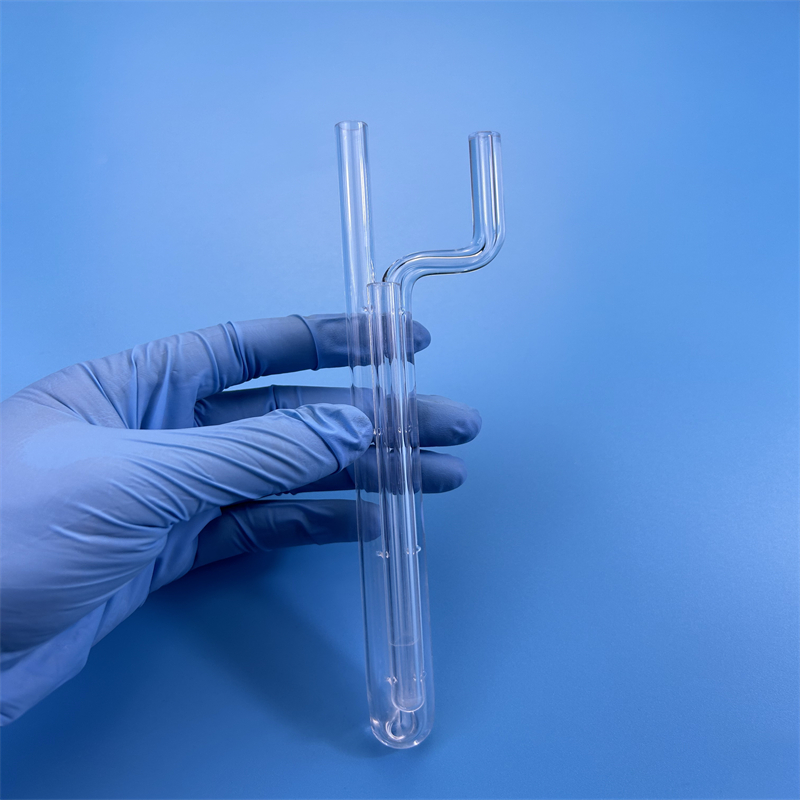
Kobe Biomedical Innovation Cluster (KBIC) relies heavily on BET chemisorption twin-tubes and UV-grade quartz flow cuvettes for drug synthesis, catalyst surface area characterization, and high-resolution biomolecular spectroscopy.
Wide-Bandgap Power Electronics
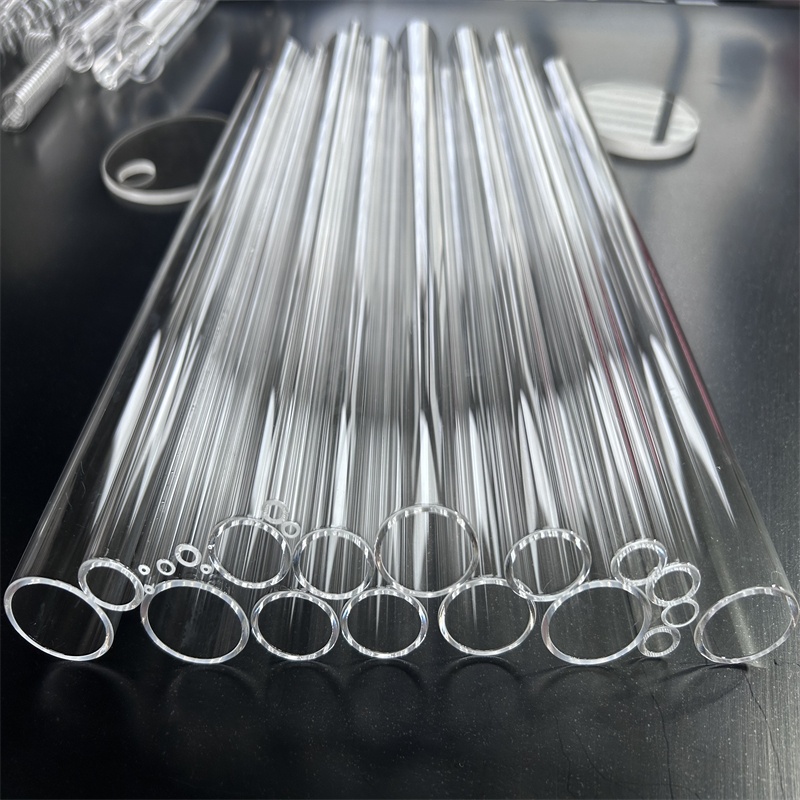
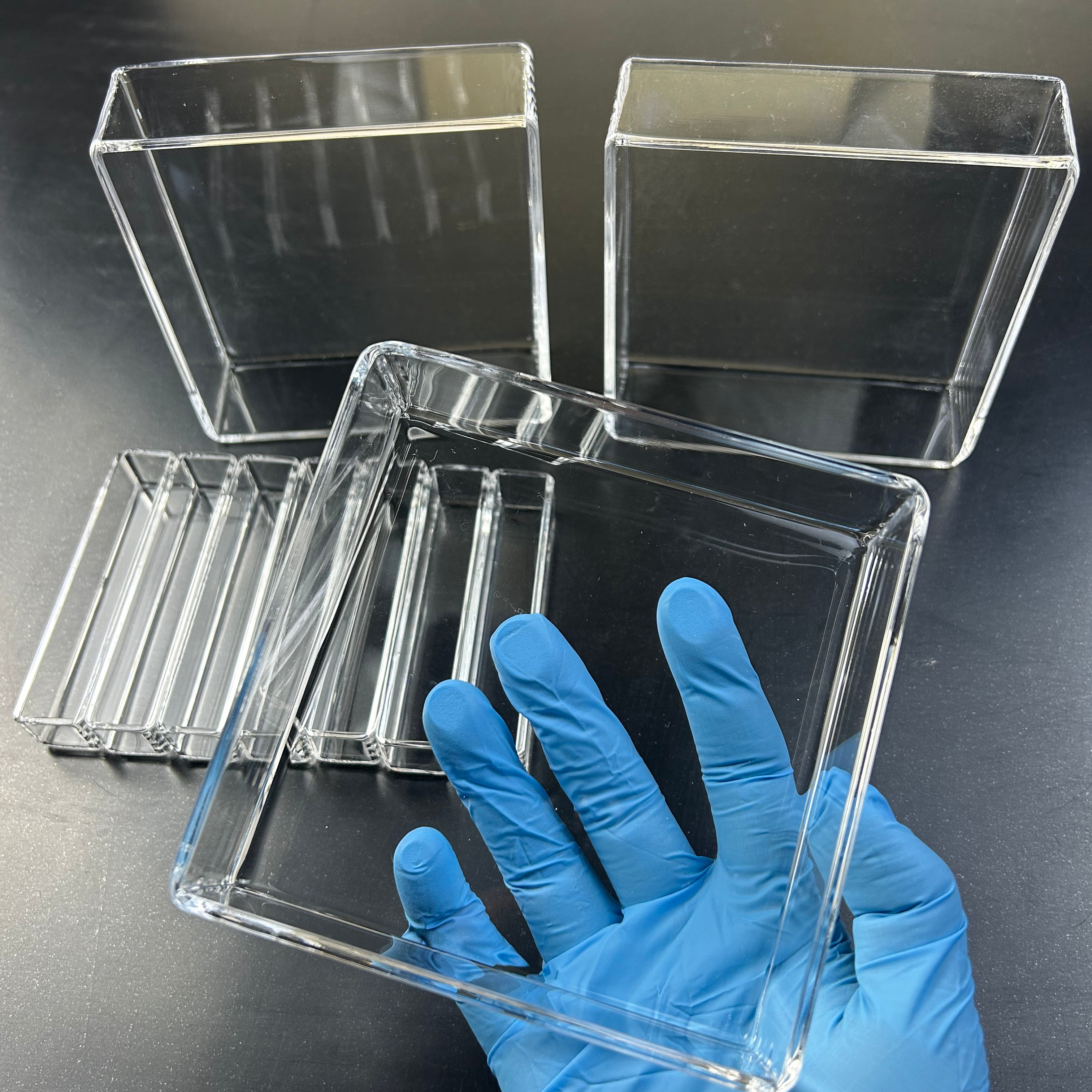
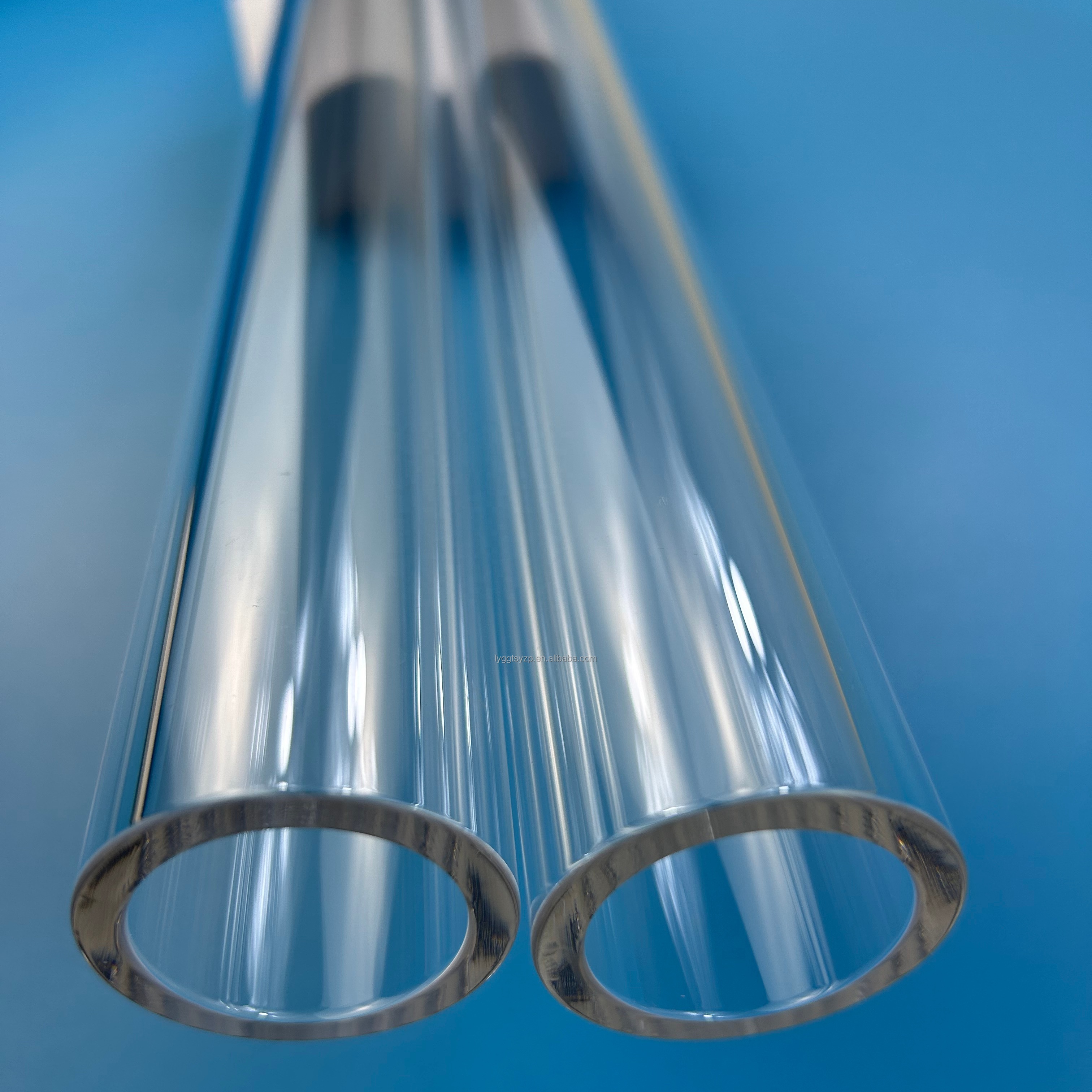
Fabrication of Silicon Carbide (SiC) and Gallium Nitride (GaN) power modules requires thick-wall quartz furnace tubes, wafer handling boats, and circular crucibles capable of withstanding aggressive dopants and high heat cycles.
Liquefied Hydrogen & Clean Marine
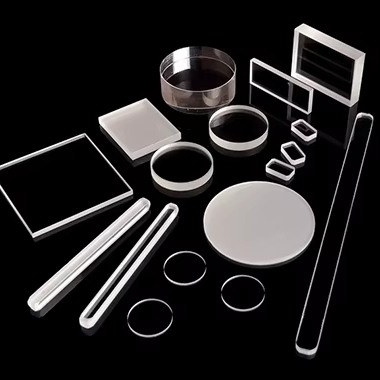
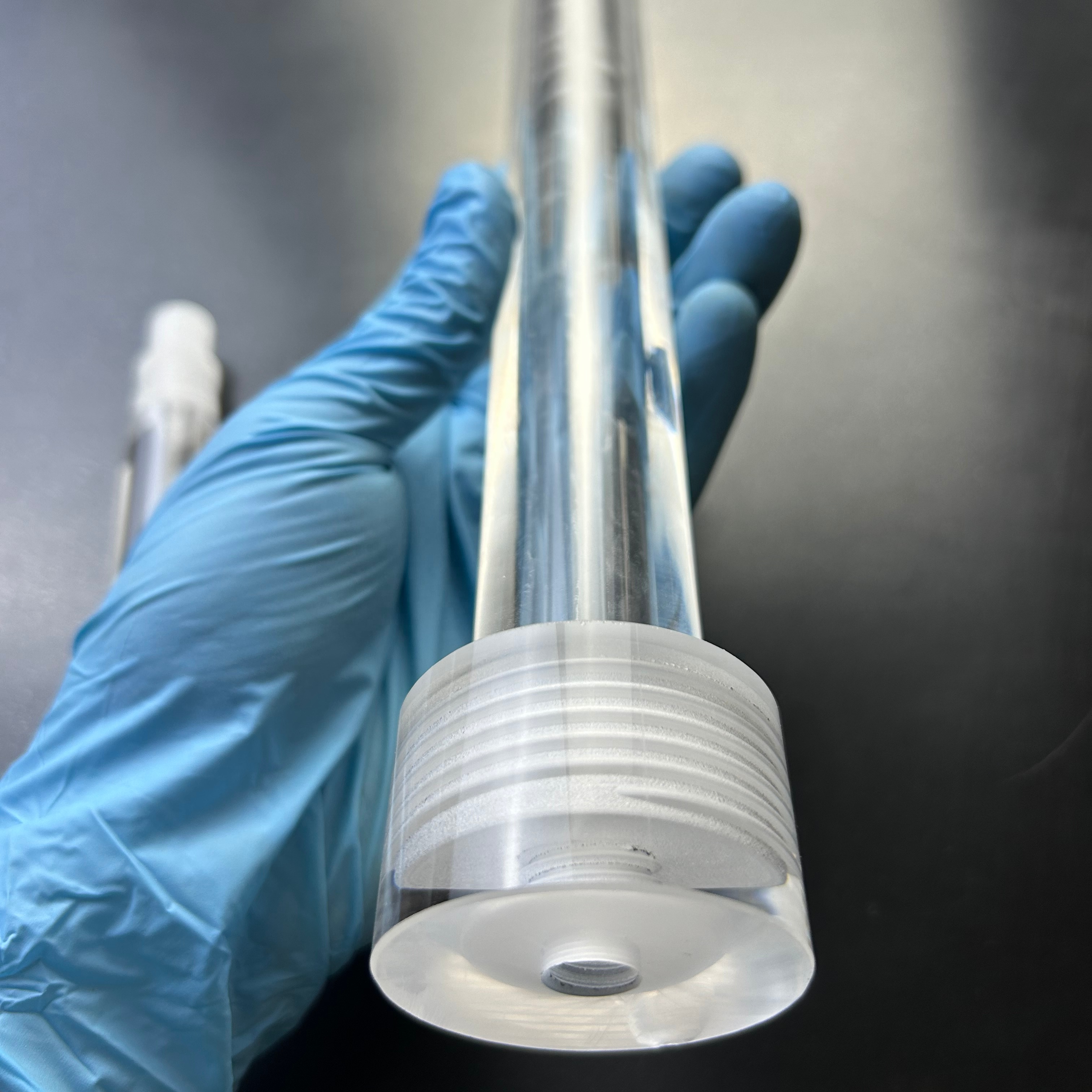
As Kobe leads Japan’s liquefied hydrogen maritime logistics at Kobe Airport Island, specialized high-pressure quartz sight glasses and sensor housings provide cryo-to-ambient thermal insulation and non-reactive optical observation.
X-Ray Diffraction & Crystallography
Slotted quartz carriers and sample disks machined to micro-tolerances serve materials science labs in Kobe, avoiding background X-ray diffraction noise while maintaining stability during in-situ 1100°C powder analysis.
Need Customized Fused Quartz Components for Kobe Facilities?
Submit your CAD drawings or dimensional sketches (.DWG, .DXF, .PDF). Our engineering team reviews thermal tolerances, machining feasibility, and wall-thickness requirements with an official quote returned within 2 hours.
3. Localized Development Trends: Kobe’s Next-Generation Industrial Transformation
Japan's Ministry of Economy, Trade and Industry (METI) and the Hyogo Prefectural Government have heavily incentivized the Hanshin Green Transformation (GX) strategy alongside the semiconductor revitalization movement. The Kobe region is transitioning toward low-carbon precision manufacturing and localized supply resilience. Key technological shifts dictate the evolution of quartzware procurement:
1. Shift to High-Efficiency Infrared Emitters & Twin-Tube Architecture: Conventional resistance heating in drying, coating, and sintering lines is rapidly giving way to high-efficiency twin-tube quartz emitters. Twin-tube quartz geometries house twin heating filaments within an integrated figure-eight silica cross-section. This profile delivers extraordinary structural rigidity over spans exceeding 2000 mm, preventing high-temperature sagging while focusing directional infrared flux directly onto substrates, shrinking energy consumption across Kobe assembly lines by up to 28%.
2. Stringent Traceability and RoHS/REACH (CE Marking) Alignment: Japanese Tier-1 equipment makers servicing export markets demand full compliance with European CE standards, specifically regarding the absence of restricted heavy metals (lead, mercury, cadmium, hexavalent chromium) and halogen-free processing. While domestic Japanese quartz suppliers have historically dominated, extended delivery queues ranging from 16 to 24 weeks have catalyzed procurement officers to establish dual-source supply chains. Chinese direct manufacturers capable of providing certified CE conformity, lot-specific chemical analysis, and swift shipping via the Port of Kobe represent a key competitive hedge.
3. Micro-Machining and Laser Cold Ablation: The convergence of nanotechnology and advanced catalyst synthesis demands quartzware featuring non-standard slotting, laser micro-drilling (hole diameters < 0.3 mm), and chemical flame-polishing of complex manifold ports. Mechanical diamond tooling alone introduces micro-stress fractures along quartz hole rims. Zelvo Quartz’s integration of CO₂ laser dicing and computer-controlled hydrogen-oxygen flame annealing relieves internal residual stress, ensuring components withstand intense vacuum-cycling pressure differentials without shattering.
4. Enterprise Competitive Edge: Donghai Heritage Meets Kobe Precision Benchmarks
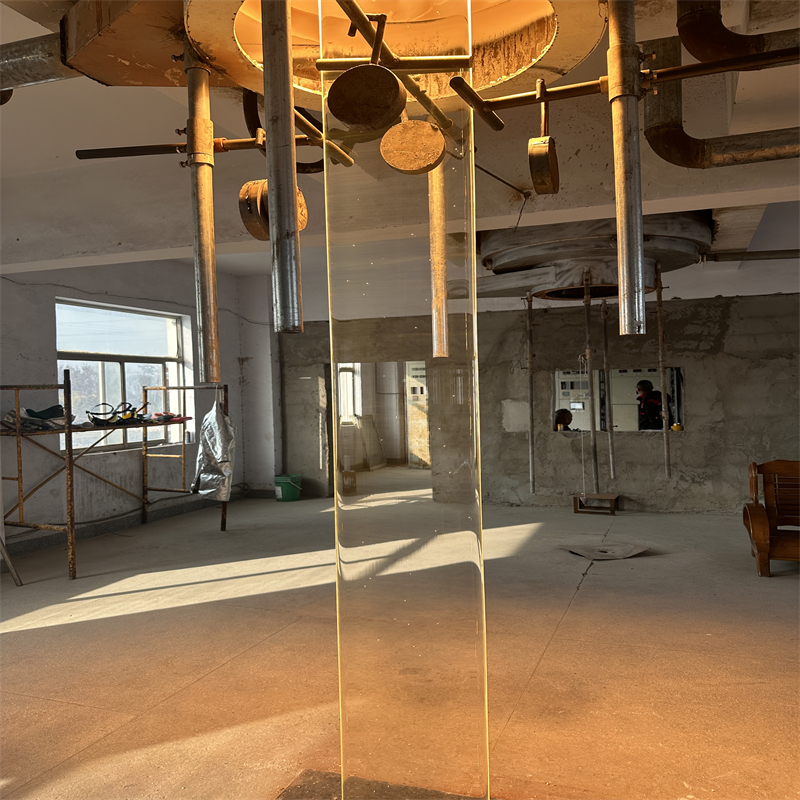
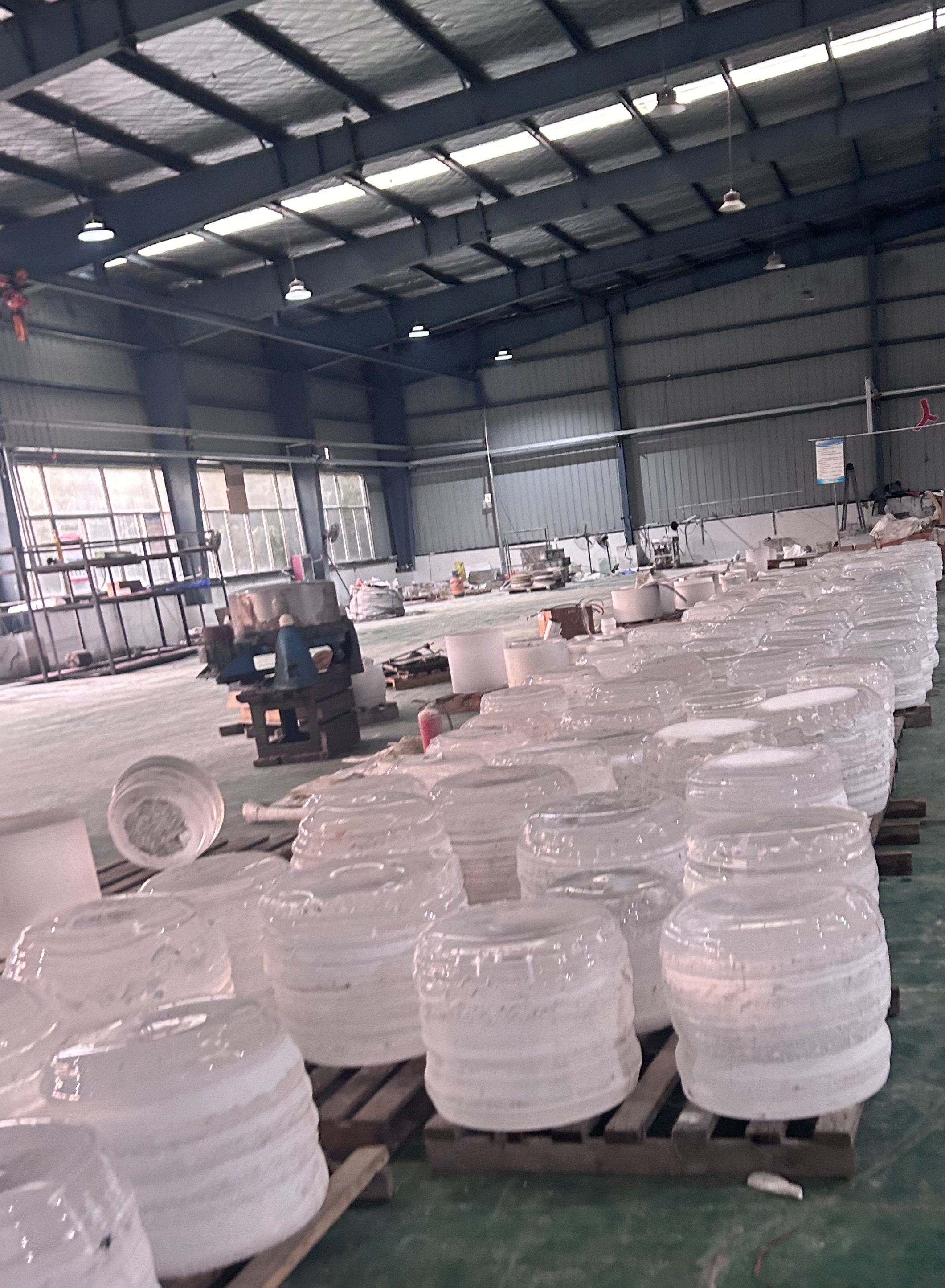
Lianyungang Zelvo Quartz Products Co., Ltd. is positioned uniquely at the intersection of raw material abundance and advanced secondary manufacturing. Located in Donghai County, Jiangsu Province—globally acknowledged as China's primary silica processing cluster—we control upstream purification down to CNC finishing:
Cluster Cost & Raw Material Control
Direct sourcing within the Donghai quartz belt eliminates multi-tiered intermediary trading margins, delivering an average 25%–35% direct expenditure advantage on quartz tubes, plates, and machined apparatus.
1-Piece Prototyping Flexibility
Unlike rigid industrial glass conglomerates requiring prohibitive minimum order quantities, we support academic researchers, startup labs, and trial furnace retrofits with 1-piece custom drawing manufacturing.
Rapid Hanshin Freight Forwarding
Proximity to Lianyungang and Shanghai container ports allows standard sea-freight transit into Kobe Harbor within 3–5 days, or door-to-door express air delivery (FedEx/DHL/SF) within 48–72 hours.
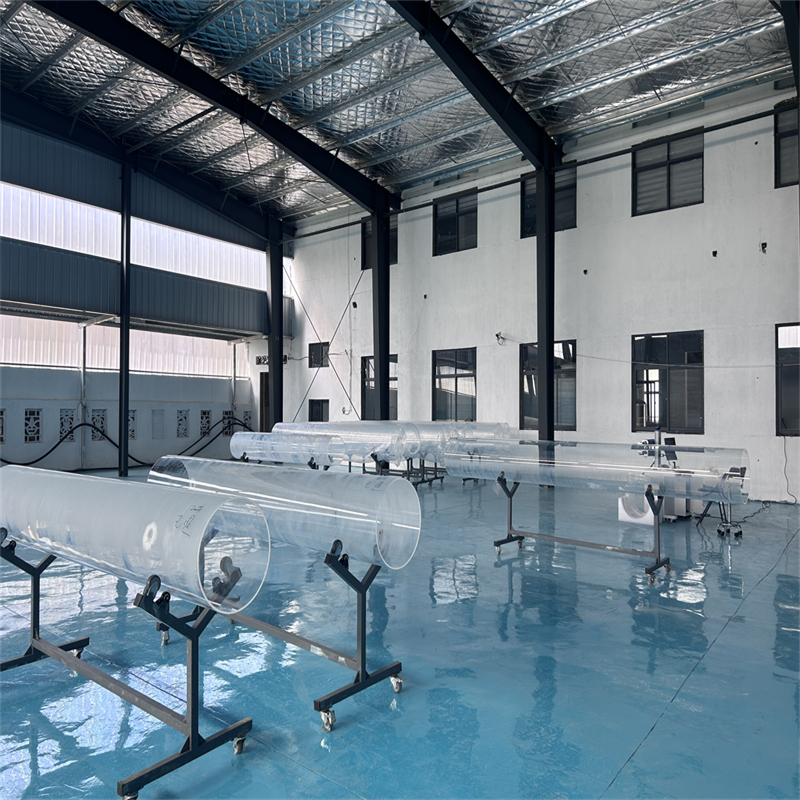
Every quartz component shipped to the Kobe market undergoes full dimensional verification utilizing optical coordinate measuring machines (CMM), surface roughness profilometers, and polariscopes to evaluate internal thermal stress. We package every order in custom multi-layer high-density closed-cell polyethylene foam, encased within vapor-sealed barriers and reinforced export-grade plywood crates, guaranteeing zero impact damage across maritime transit.