High-Performance Quartz Vessels & Optical Components
Manufactured from high-purity natural silica sand in Donghai with custom CNC milling, laser micro-slitting, and stress-relieved flame annealing.
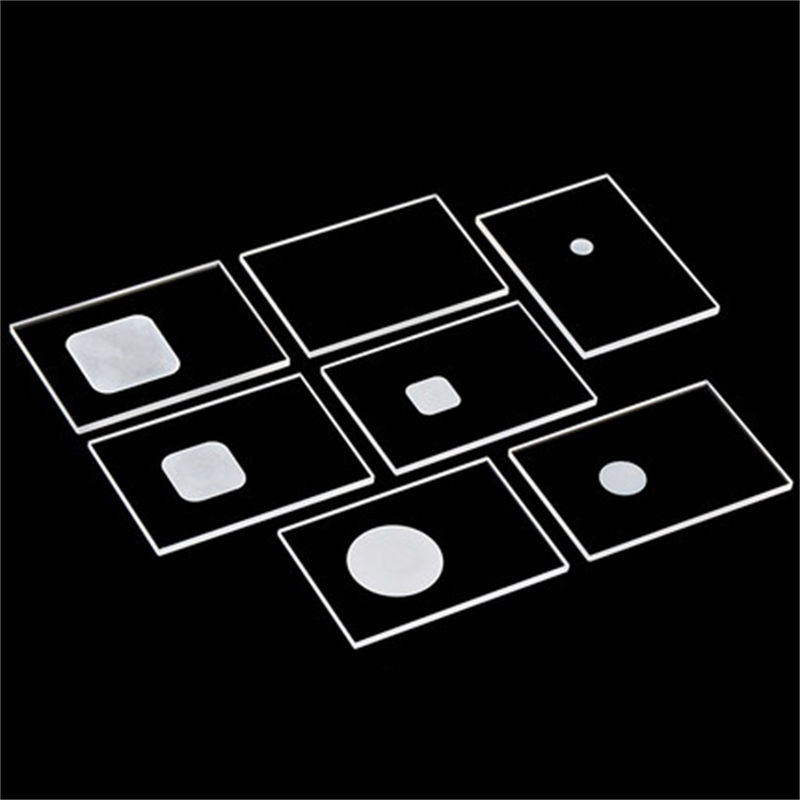
High Temperature Fused Quartz Glass Sheet for XRD Sample Tank
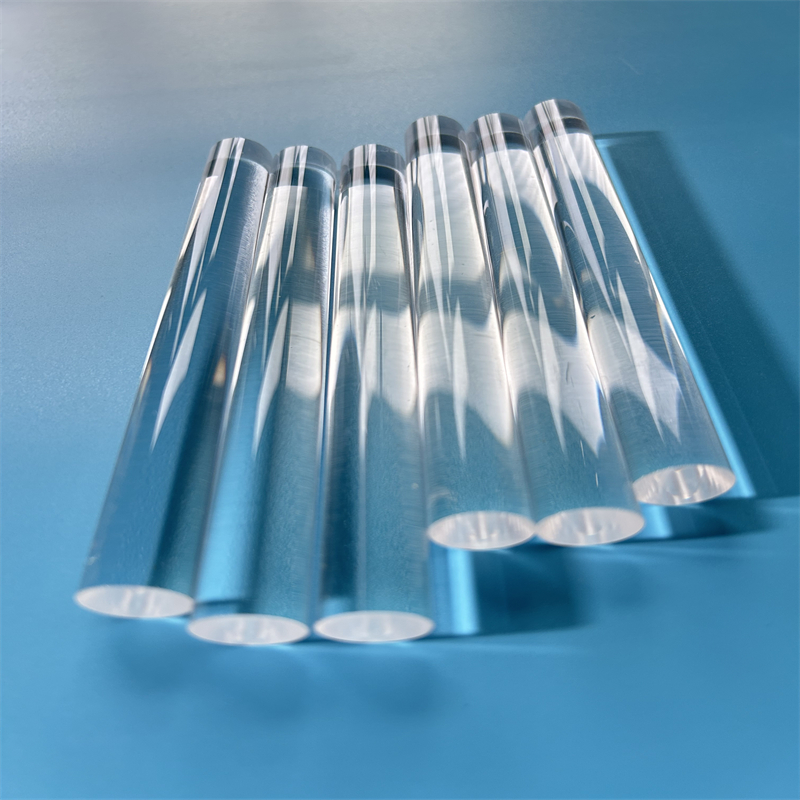
Custom Guitu GT High Purity Optical Quartz Light Guide Cylinder Rod
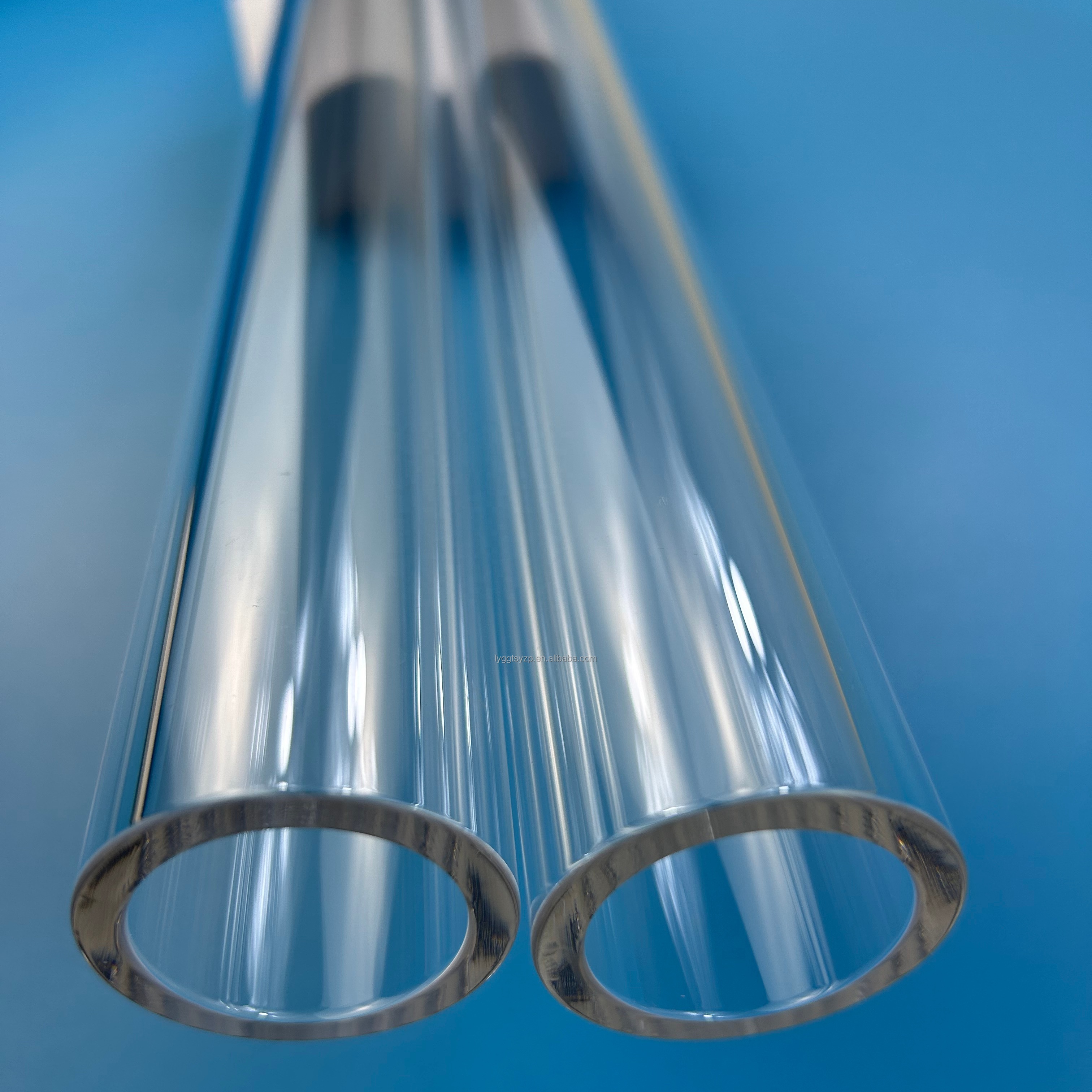
Polished Clear Quartz Twin Tube Ozone-Free Semiconductor Furnace Tube
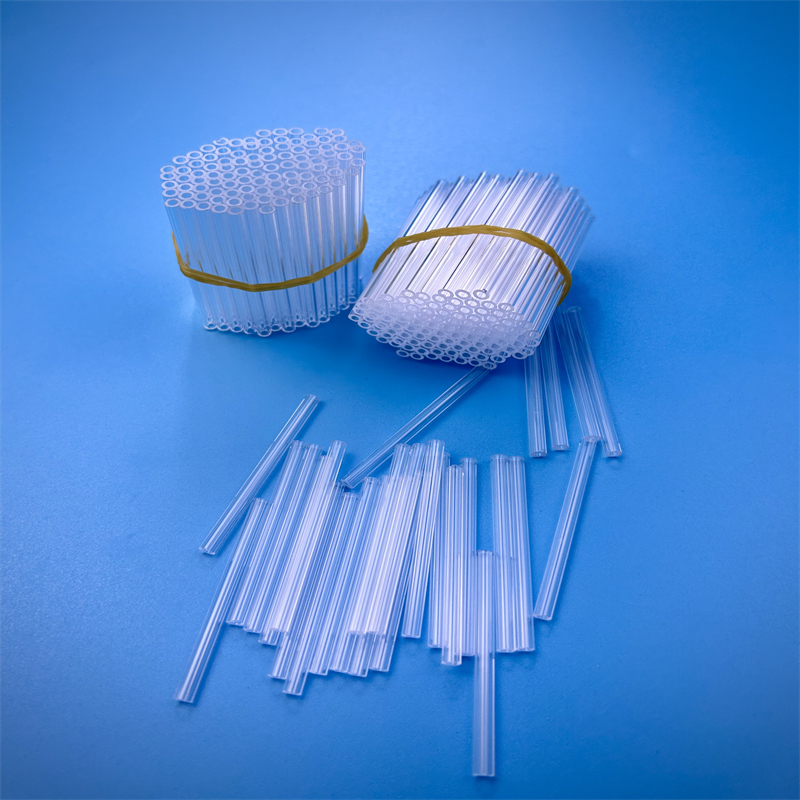
Transparent U-Bent Quartz Glass Tube Bending & Welding Service
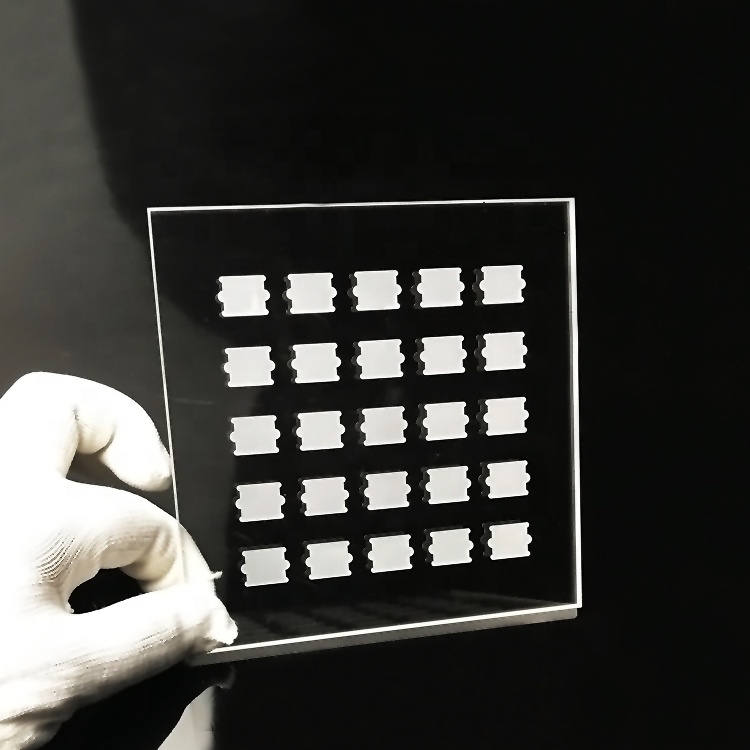
Circular Fused Quartz Glass High Temperature XRD Sample Holder
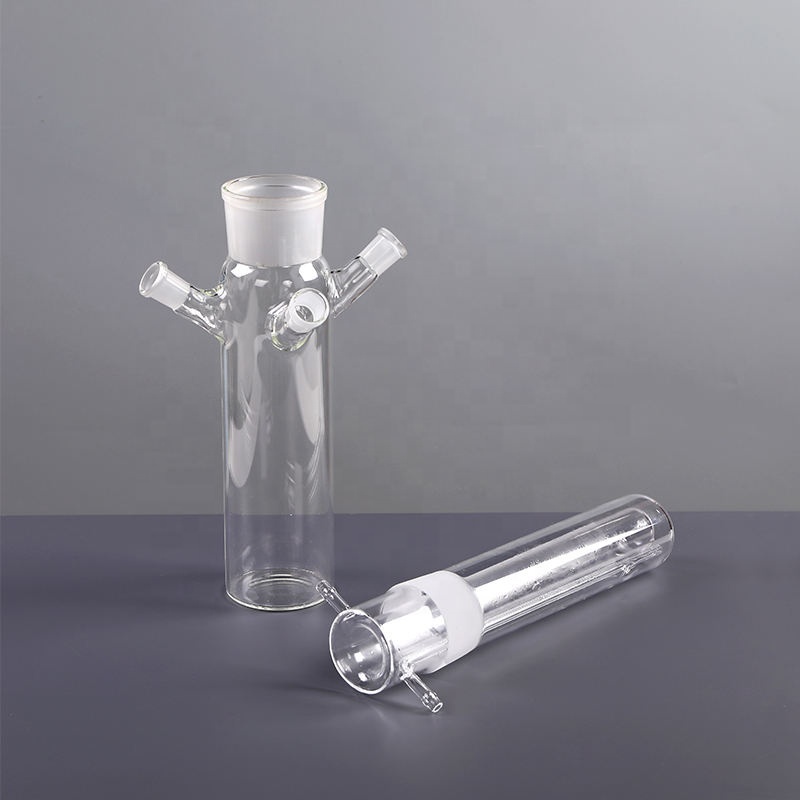
Internal Illumination Photocatalytic Degradation Quartz Reactor
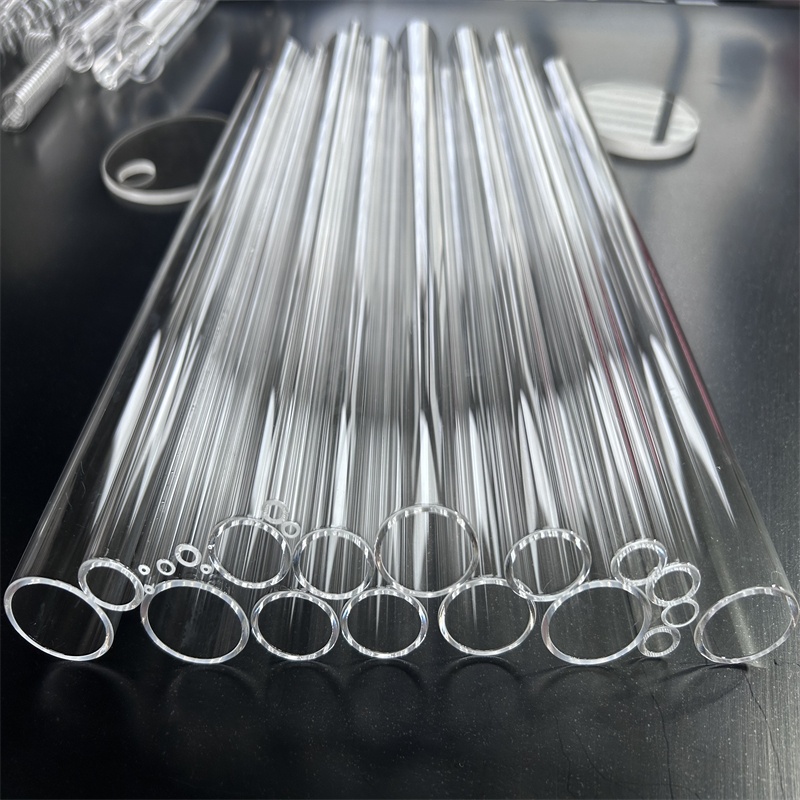
Heat Resistant Clear 99.99% Pure Fused Quartz Twin Tube Vessel
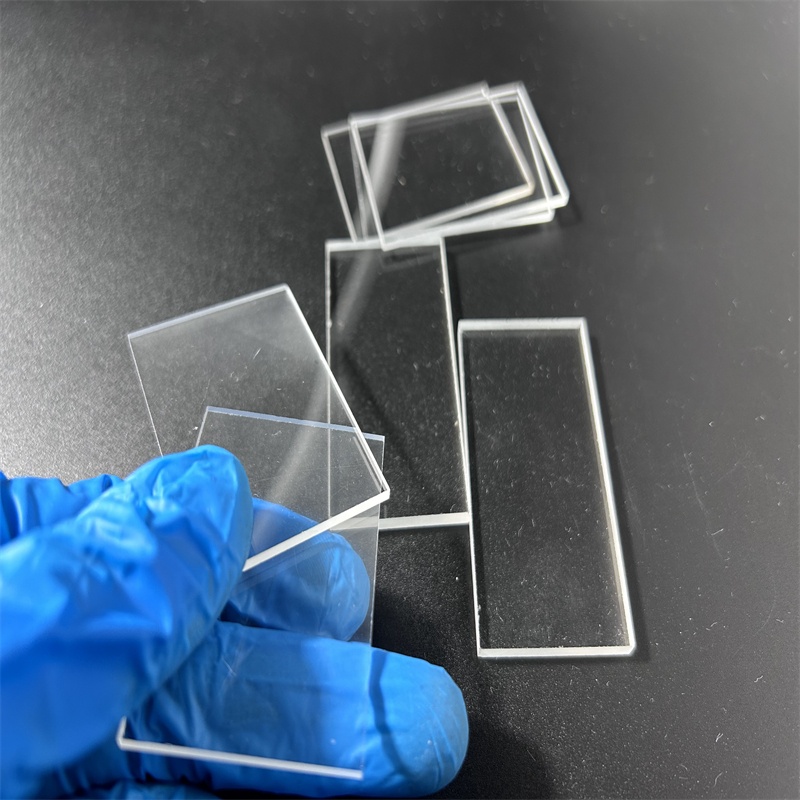
Optical-Grade Transparent Fused Quartz Glass Sheet & Viewport Plate
The Mechanics of Vitreous Silica: Why CE Certification Matters in Toronto Labs
Vitreous silica (fused quartz) occupies an irreplaceable position within modern industrial chemistry, optoelectronic synthesis, and semiconductor wafer fabrication. Unlike commercial borosilicate glassware (such as Pyrex or Duran) which incorporates significant fractions of boron trioxide, sodium oxide, and aluminum oxide to lower melting temperatures, pure fused quartz glass vessels consist of over 99.99% silicon dioxide (SiO₂) arranged in a continuous, random three-dimensional network of silicon-oxygen tetrahedra.
For research institutions in Toronto, such as the University of Toronto’s Department of Materials Science & Engineering, and clean-tech incubators spanning the Greater Toronto Area (GTA), procuring CE-certified quartz vessels is not merely a bureaucratic check. European CE marking (harmonized under the Pressure Equipment Directive 2014/68/EU and RoHS 3 2015/863/EU) ensures that the vessel undergoes rigorous thermal-cycling resilience tests, hydrostatic burst pressure verification, and destructive flaw characterization under standardized ISO/DIN parameters.
Under harsh thermal gradients, ordinary glasses experience differential volumetric expansion, producing localized tensile stresses that inevitably exceed the critical Griffith flaw size, resulting in catastrophic failure. By maintaining a coefficient of thermal expansion (CTE) of an extraordinarily low 5.5 × 10⁻⁷ cm/cm·°C between 20°C and 1000°C, our fused quartz vessels can endure extreme thermal shocks—such as heating to 1150°C followed by immediate water quenching—without micro-fracturing or dimensional creep.
Hydroxyl (OH⁻) Radical Management
Our vacuum electro-fused quartz processes suppress internal hydroxyl content below 15–30 ppm. This eliminates the absorption peak at the 2.73 μm infrared wavelength band, preventing premature thermal softening and devitrification into cristobalite during sustained high-vacuum chemical vapor deposition (CVD) operations.
Localized Applications Across the Greater Toronto Innovation Corridor
From University Avenue's Discovery District to the clean-energy corridors of Mississauga, Markham, and Waterloo, precision quartz vessels drive mission-critical processes.
Quantum Computing & Photonics (Waterloo–Toronto Tech Corridor)
Toronto's booming photonics labs and quantum computing consortiums utilize our custom laser-cut optical quartz windows and cylindrical light guides. With an optical transmission curve extending from the deep UV spectrum (190 nm) to near-infrared (2500 nm) exceeding 90% internal transmittance, these components eliminate signal dissipation in optical traps and quantum-dot laser collimators.
Photocatalytic & Flow Chemistry (MaRS Discovery District)
Biopharmaceutical and green synthesis researchers in downtown Toronto require customized jacketed quartz reactor containers with internal immersion wells. Because borosilicate filters out vital UV wavelengths required for semiconductor photocatalytic water splitting and targeted photodynamic drug synthesis, pure synthetic quartz reaction vessels remain mandatory for maximum photon efficiency.
Advanced Metallurgy & Nuclear CleanTech (GTA Energy Corridor)
Suppliers supporting Ontario Power Generation (OPG), Darlington, and Bruce Nuclear depend on our high-pressure quartz combustion tubes and BET sample outgassing vessels. With complete resistance to nitric acid, sulfuric acid, and hydrochloric acid at elevated temperatures, our quartz guarantees zero elemental leaching during radio-isotope extraction and deuterium analytics.
Semiconductor & MEMS Wafer Fabrication (Markham Hub)
Ontario's compound semiconductor facilities leverage our precision slotted quartz wafer boats and twin-bore furnace heaters. Designed with dimensional tolerances tighter than ±0.05 mm, our vessels ensure laminar gas flow during low-pressure CVD (LPCVD) and rapid thermal processing (RTP), minimizing particle contamination down to class 10 cleanroom specs.
Fused Quartz vs. Conventional Laboratory Substrates
Detailed performance benchmarks to guide Canadian procurement specialists and lead process engineers in substrate evaluation.
| Physical / Chemical Parameter | High Purity Fused Quartz (Our Standard) | Synthetic Fused Silica (UV Grade) | Borosilicate Glass 3.3 (Duran/Pyrex) | Optical Sapphire (Al₂O₃) |
|---|---|---|---|---|
| Chemical Composition | ≥ 99.99% SiO₂ | ≥ 99.999% SiO₂ | 81% SiO₂, 13% B₂O₃, 4% Na₂O/Al₂O₃ | ≥ 99.99% Single Crystal Al₂O₃ |
| Density (g/cm³) | 2.20 | 2.20 | 2.23 | 3.98 |
| Max Continuous Operating Temp (°C) | 1100°C | 1150°C | 490°C | 1800°C |
| Short-Term Peak Thermal Limit (°C) | 1300°C | 1350°C | 550°C | 2000°C |
| Coefficient of Thermal Expansion (20-300°C) | 5.5 × 10⁻⁷ /K | 5.1 × 10⁻⁷ /K | 32.5 × 10⁻⁷ /K | 58 × 10⁻⁷ /K (parallel) |
| UV Cut-Off Wavelength (λ nm) | ≈ 220 nm | ≈ 175 nm (Deep VUV) | ≈ 310 nm (Blocks UV-C) | ≈ 150 nm |
| Mohs Hardness Scale | 5.5 – 6.5 | 6.0 | 5.0 | 9.0 |
| Chemical Corrosion Resistance | Inert to all acids except HF & Hot H₃PO₄ | Zero leaching trace metals | Attacked by mild alkalis and strong acids | Highly resistant to acids & alkalis |
| Dielectric Breakdown Strength (kV/mm at 20°C) | 25 – 40 | 35 – 50 | 15 – 20 | 48 |
Procurement Trends Shaping Southern Ontario's High-Tech Supply Chain
Over the past 36 months, procurement directors across Ontario's industrial sectors have navigated persistent friction points: escalating freight premiums from Europe, prolonged lead times exceeding 16 weeks from regional Canadian custom glassblowers, and unpredictable trace impurity spikes from uncertified traders.
To address these structural vulnerabilities, leading laboratories across Toronto, Mississauga, and Markham are shifting toward a Direct-from-Source OEM Partnership Model. By interfacing directly with verified manufacturers based in China's quartz heartland (Donghai, Jiangsu) backed by comprehensive CE and ISO testing documentation, Canadian entities obtain:
- 70% Lead Time Reduction: Drawing-to-prototype cycles executed within 7 to 10 days, delivered directly via express air forwarding to Pearson International Airport (YYZ).
- Extreme Geometry Capabilities: Traditional bench glassblowing is augmented with computerized 5-axis ultrasonic CNC milling, diamond wheel beveling, and laser-machined micro-holes down to ø0.2 mm.
- Total Cost Compression: Eliminating multi-tier distributor markups common among domestic Canadian scientific catalogs while preserving strict 99.99% SiO₂ compliance.
Custom CAD Drawing Consultation for GTA Engineers
Whether you are drafting a bespoke photochemical reactor with cooling jackets or an array of XRD zero-background sample wells, our senior glass technologists review STEP, IGES, DXF, or hand-annotated sketches within 2 hours.
Enterprise Manufacturing Infrastructure: Zelvo Quartz Edge
Headquartered in Donghai, Jiangsu—China’s crystalline mineral capital—Lianyungang Zelvo Quartz combines upstream raw material control with advanced precision glass-working machines.
Raw Material Hegemony
Direct sorting and refinement of pegmatite high-purity crystalline silica ensures transition metal contaminants (Fe, Ti, Cr) remain below 1.5 ppm, preventing solarization in laser and UV operations.
Laser Micro-Machining
Advanced picosecond laser systems drill non-tapering holes, groove microfluidic channels, and dice complex wafer carriers without generating subsurface micro-cracks or stress concentrations.
Stress-Free Flame Annealing
Every welded manifold, joint, and flange undergoes computerized thermal lehrs heating to 1150°C followed by controlled cooling to eliminate residual photo-elastic birefringence stresses.
Certified Quality Inspection
100% pre-dispatch quality gates: Coordinate Measuring Machines (CMM) for dimensional verification, shadowgraph bubble/inclusion screening, and interferometric surface flatness checks.
Frequently Asked Questions for Toronto & Ontario Buyers
Addressing critical technical, logistics, and compliance considerations when ordering custom quartz vessels.
1. How do your quartz vessels comply with Canadian & CE pressure vessel safety standards?
2. What is the typical transit duration and customs protocol for air delivery into Toronto (YYZ)?
3. How do you prevent breakage of fragile custom quartz vessels during international transit?
4. Can you fabricate quartz apparatus using custom CAD drawings or non-standard metric/imperial fittings?
5. What is the fundamental operational difference between Fused Quartz and Synthetic Fused Silica (F-Silica)?
6. How can our technicians clean and decontaminate fused quartz vessels without inducing devitrification?
7. What payment currencies and terms are accessible for Canadian corporate and academic accounts?
8. What maximum aspect ratios and diameter capabilities are achievable for reaction vessels?
Connect Directly with Our Senior Quartz Glass Blowers & Engineers
Send your custom technical drawings, operating parameters, or replacement specifications. We review dimensional feasibility, confirm material grades, and supply competitive direct-manufacturer quotations within 2 hours.