Precision Fused Silica Windows & Custom Fabricated Quartz Components
Explore our engineered quartz portfolio manufactured in Donghai and supplied directly to industrial cleanrooms, R&D laboratories, and optical instrument developers in the Skåne region.
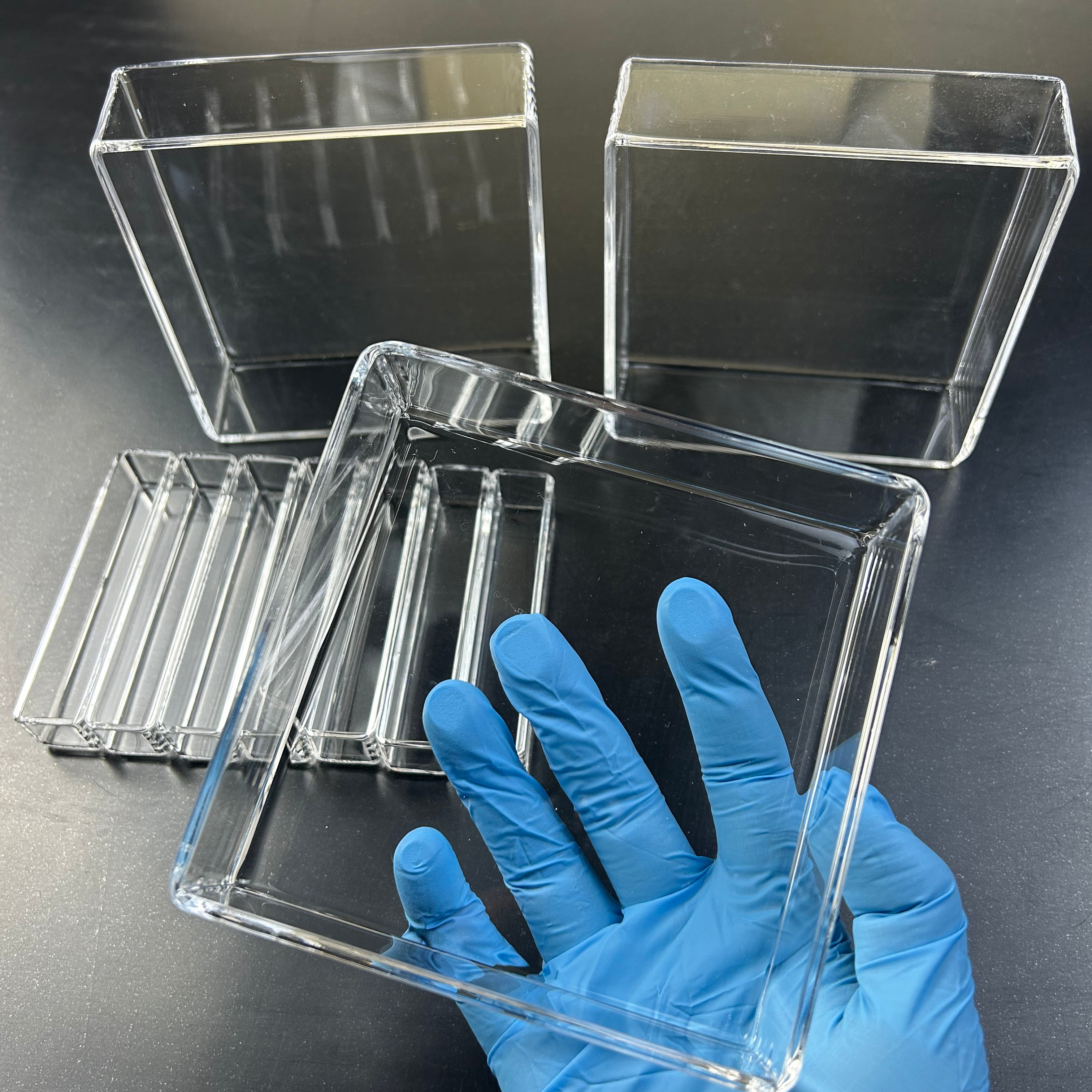
Custom Fused Quartz High-Temp Circular Crucible Tank
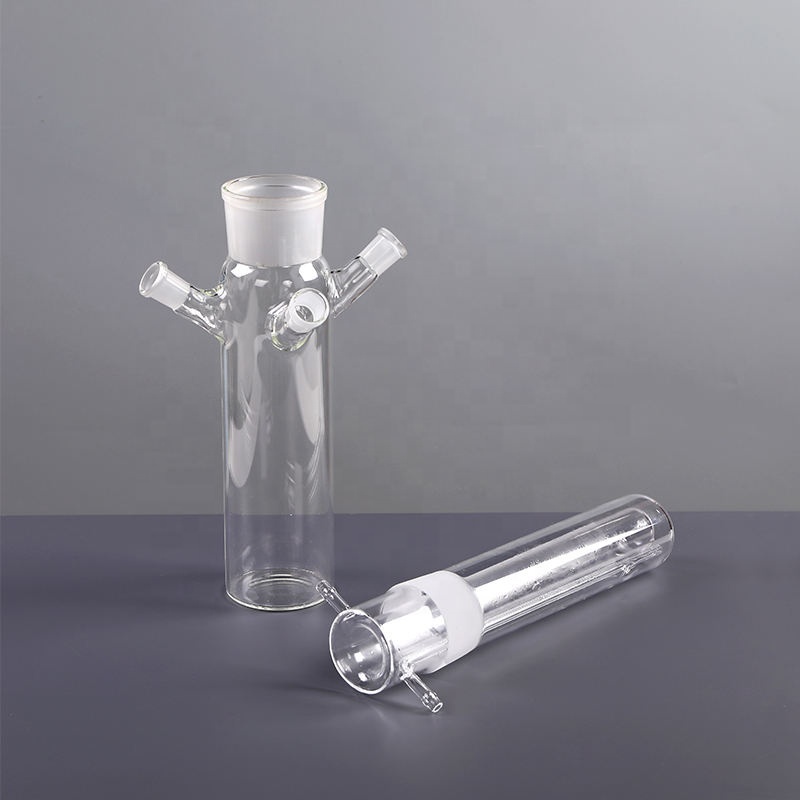
High-Purity Quartz Photocatalytic Reaction Container
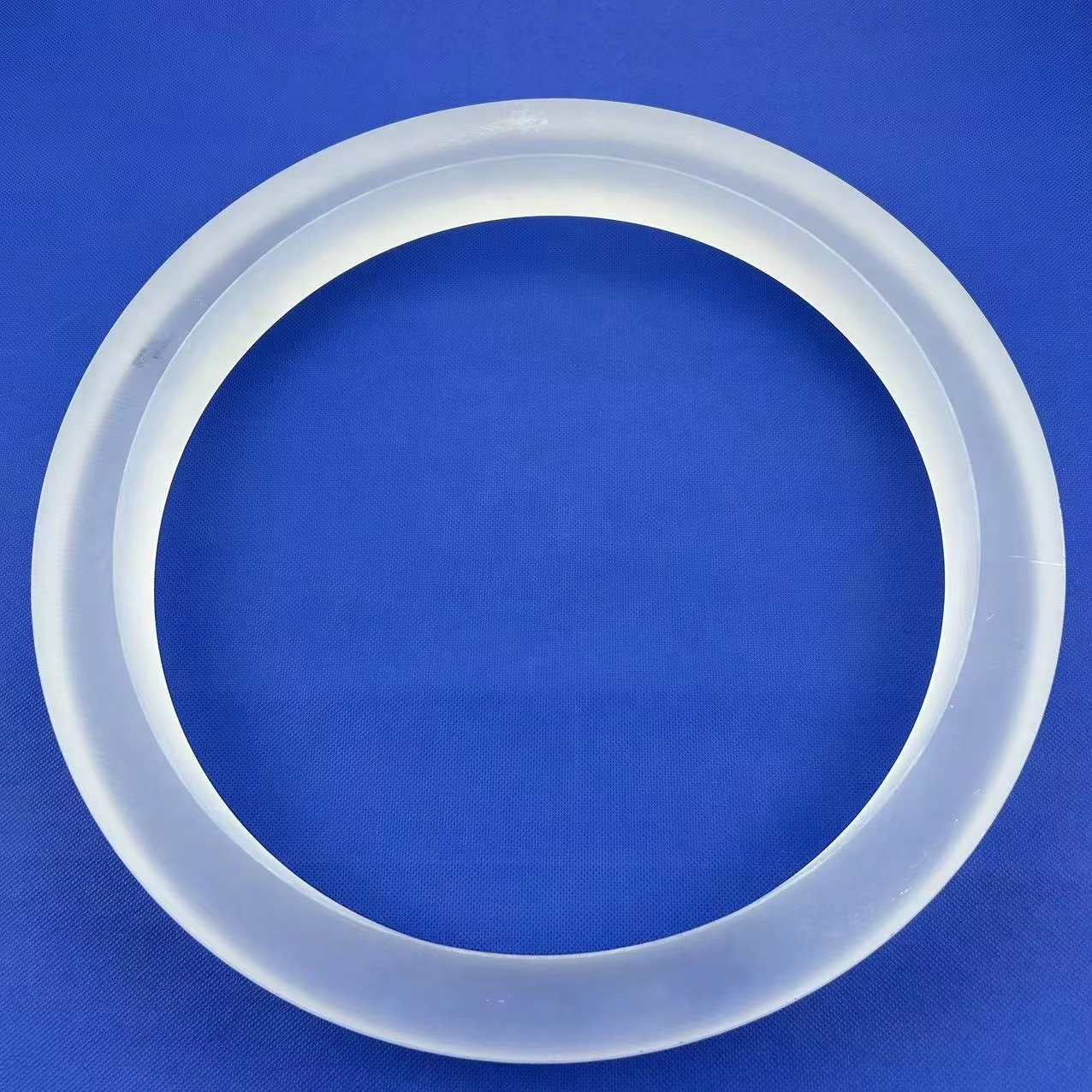
Custom Coated 99.99% Fused Quartz CVD Process Rings
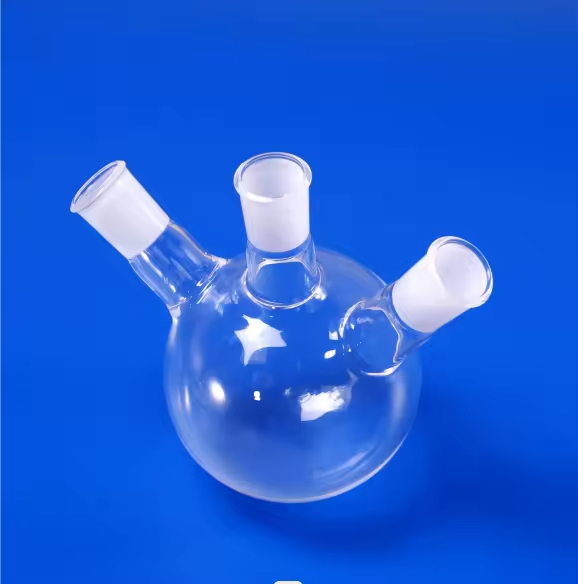
High-Temperature Twin-Tube Transparent Quartz Flask
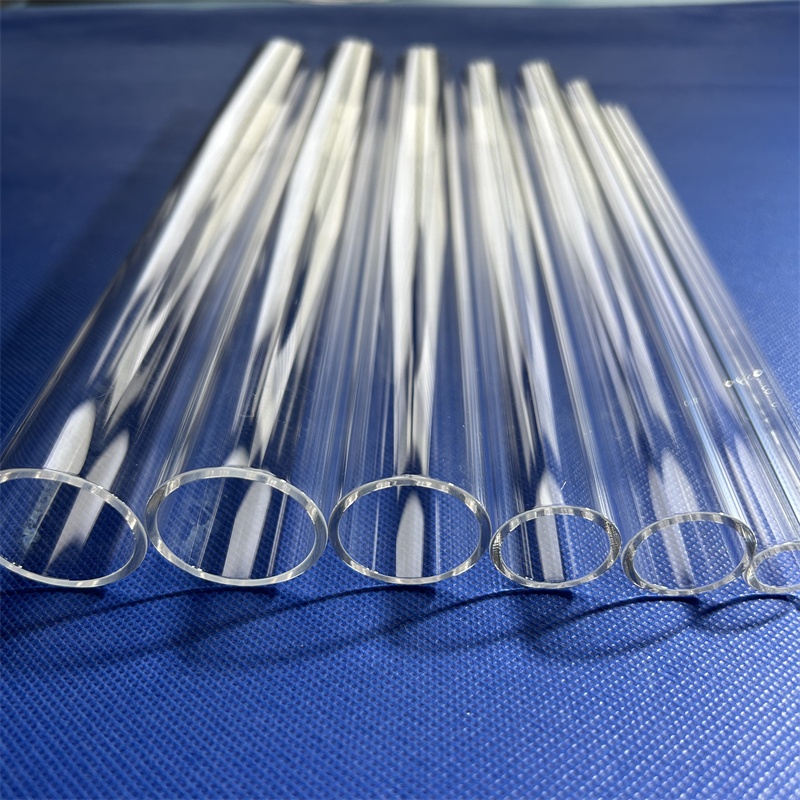
Heavy-Wall High-Pressure Quartz Tube for Furnace & Boiler
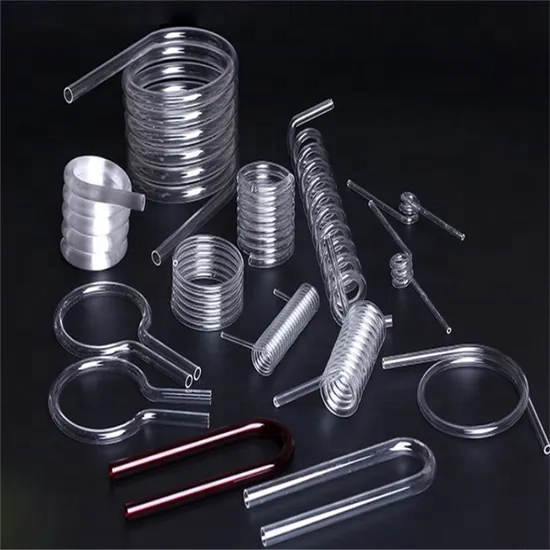
Bespoke U-Bent & Spiral Serpentine Quartz Heat Coils
Optical-Grade Clear Flat Fused Silica Inspection Window
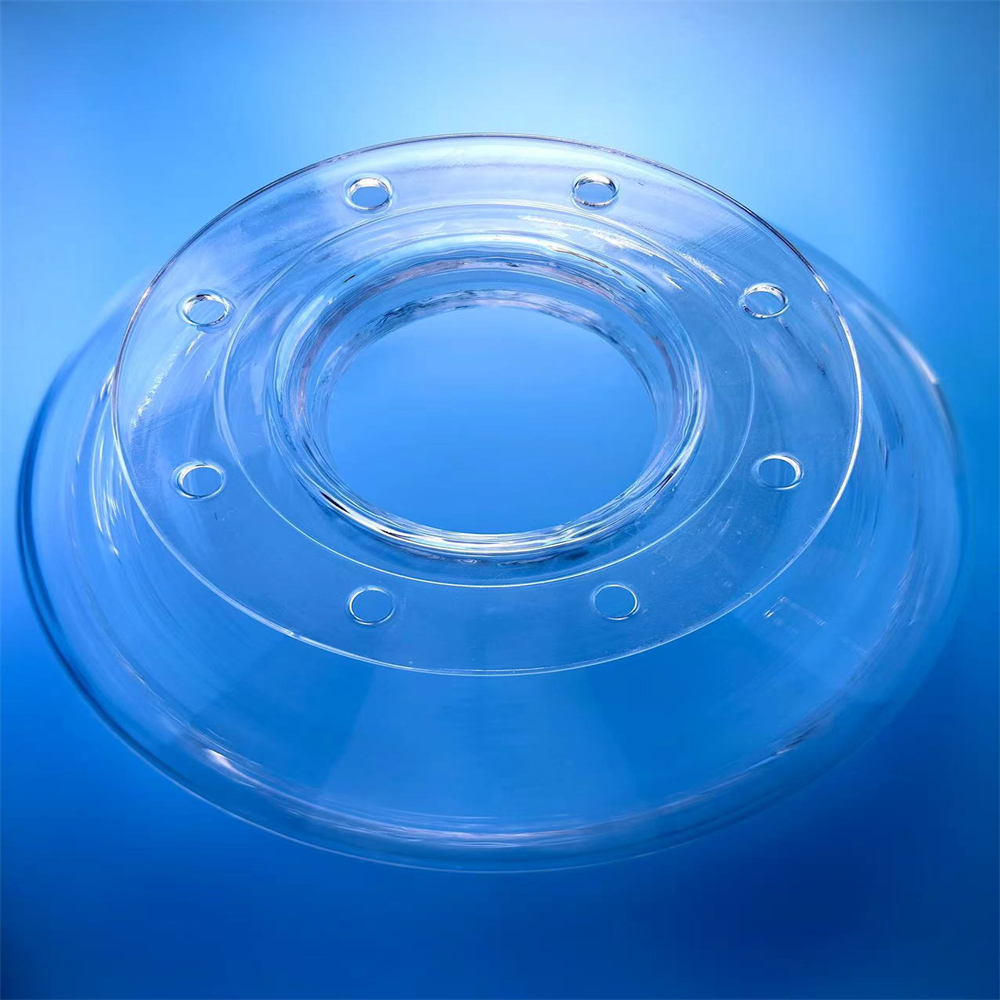
Precision Flanged Fused Silica Chamber Sight Glass & Tube
Technical Engineering White Paper: Precision Fused Silica Windows for Demanding Scandinavian Industrial & Scientific Applications
In high-performance photonics, beamline diagnostics, semiconductor wafer handling, and biomedical spectrometry across Malmö and the wider Öresund tech belt, optical window failure is not an option. Selecting the correct grade of fused silica versus standard fused quartz dictates transmission efficiency, thermal shock threshold, bubble inclusion tolerances, and laser damage thresholds (LDT).
Fused silica is an amorphous, non-crystalline silicon dioxide (SiO₂) glass characterized by an extraordinarily low coefficient of thermal expansion (5.5 × 10⁻⁷ /K), near-zero birefringence in annealed synthetic grades, and high transmittance extending from the deep vacuum ultraviolet (185 nm) through the near-infrared (2500 nm). While commercial fused quartz is produced by fusion of natural quartz crystals, optical synthetic fused silica is synthesized via the chemical vapor deposition (CVD) or flame hydrolysis of silicon tetrachloride (SiCl₄), yielding metallic impurity concentrations well below 1 ppm.
1. Optical Grade Discrimination: JGS1 vs. JGS2 vs. JGS3
When engineering procurement teams in Malmö submit drawings to Chinese manufacturers, specifying the Chinese national standard (JGS series) or international equivalents (Suprasil, Corning 7980, Infrasil) avoids costly misapplication:
- Synthetic Deep UV Fused Silica (JGS1 / Suprasil equivalent): Free of bubble inclusions (DIN 3140 class 0), high hydroxyl (OH⁻) content (800–1200 ppm) suppressing UV color center formation. It delivers >90% internal transmittance at 193 nm (ArF excimer) and 248 nm (KrF excimer), crucial for beamline optics and Malmö medical fluorescence detectors.
- Optical Grade Fused Quartz (JGS2 / Homosil equivalent): Melts of high-purity natural crystal sand. Possesses excellent transmittance from 260 nm to 2200 nm, suited for industrial fiber laser protective covers, thermal viewports, and general laboratory reactors.
- Infrared Optical Fused Silica (JGS3 / Infrasil equivalent): Dehydroxylated synthetic silica with OH⁻ content < 5 ppm. Eliminates the critical absorption band at 2730 nm (2.73 µm), providing flat transmittance across the near-to-mid infrared band.
| Material / Physical Parameter | Synthetic Fused Silica (JGS1) | Optical Fused Quartz (JGS2) | Borosilicate Glass 3.3 | Sapphire (Al₂O₃) Single Crystal |
|---|---|---|---|---|
| Transmission Range (T > 80%) | 185 nm – 2,100 nm (DUV to NIR) | 260 nm – 2,500 nm (UV to NIR) | 350 nm – 2,500 nm (Visible to IR) | 190 nm – 4,500 nm (Broadband) |
| Thermal Expansion Coeff. (20-300°C) | 0.55 × 10⁻⁶ /K (Ultra Low) | 0.55 × 10⁻⁶ /K (Ultra Low) | 3.3 × 10⁻⁶ /K (Moderate) | 5.8 × 10⁻⁶ /K (High) |
| Max Continuous Operating Temp. | 1100 °C (Short-term 1300 °C) | 1100 °C (Short-term 1300 °C) | 450 °C (Strain Pt. 510 °C) | 1800 °C (Extreme) |
| Thermal Shock Resilience (ΔT) | > 1000 °C (Water Quench Safe) | > 1000 °C (Water Quench Safe) | ≈ 150 °C (Risk of Fracture) | ≈ 200 °C (Prone to Cleavage) |
| Mohs Hardness / Knoop (kg/mm²) | Mohs 5.5–6.5 (Knoop ~460) | Mohs 5.5–6.5 (Knoop ~460) | Mohs 5.5 (Knoop ~400) | Mohs 9.0 (Knoop ~2000) |
| Fluorescence Under 254 nm Excitation | None / Negligible | Very Low to Moderate | High Fluorescence (Doped) | Low (orientation dependent) |
| Relative Cost vs. Machinability | High Value / Precision CNC Polish | Economical / Laser Cut & Polish | Low Cost / Standard Mechanical | Very High Cost / Diamond Machining |
2. Mechanical, Chemical & High-Vacuum Durability
The three-dimensional continuous tetrahedral network of pure [SiO₄] provides exceptional chemical resistance. Fused silica windows are chemically inert to virtually all acids, including concentrated nitric, sulfuric, and hydrochloric acid at elevated temperatures, attacked solely by hydrofluoric acid (HF) and hot concentrated alkaline solutions (NaOH/KOH > 100°C). In vacuum chamber environments—common in scientific clusters around Malmö and Lund—our fused silica sight glasses exhibit an outgassing rate under 1 × 10⁻¹¹ mbar·L/(s·cm²) after standard 150°C vacuum bakeout, qualifying them for Ultra-High Vacuum (UHV, < 10⁻⁹ mbar) setups.
Localized Industrial & Scientific Applications in Malmö & Skåne
Strategically situated across the Öresund bridge, Malmö sits at the epicenter of cutting-edge particle physics, high-volume life science diagnostics, and maritime clean-tech manufacturing. Here is where our precision fused silica products serve regional end-users.
Beamline Optics & Vacuum Viewports (ESS & MAX IV Corridor)
Proximity to the European Spallation Source (ESS) and the MAX IV Synchrotron demands fused silica windows capable of withstanding intense ionizing radiation without solarization. Our zero-inclusion synthetic JGS1 substrates serve as optical diagnostic ports, laser coupling windows, and sample cell windows inside high-vacuum chambers.
Biomedical & Microfluidic Inspection (Medicon Valley Hub)
Malmö’s thriving MedTech cluster and pharmaceutical testing facilities require optical fused silica flow cell windows and spectrophotometer plates. High transmission down to 200 nm enables autofluorescence-free ultraviolet-visible (UV-Vis) spectrometry, flow cytometry analysis, and DNA/protein sequencing apparatus.
Industrial Fiber Laser Processing & Heavy Machining
Southern Sweden’s metal fabrication, automotive stamping, and maritime ship repair infrastructure around Malmö Harbor utilize high-power (2 kW – 30 kW) CW fiber lasers. Our fused silica laser protective windows with dual-sided anti-reflective (AR@1064 nm) coatings withstand high optical power density and severe spatters.
Photocatalytic Clean-Tech & Pyrolysis Pilot Plants
Swedish sustainability initiatives in wastewater purification and carbon-neutral synthetic fuels deploy our internal illumination quartz reactors and heavy-wall quartz tubes. These units tolerate thermal gradients up to 1100°C alongside harsh chemical oxidizers and extreme photochemical exposure.
Procurement & Technological Trends in Malmö’s Optical Sector
How Nordic R&D managers and industrial buyers are optimizing their component supply chain in 2025 and beyond.
Direct-from-Source China Sourcing vs. EU Stockists
Traditionally, Swedish engineers procured standard catalog quartz from European resellers with 300% to 500% retail markups. Direct collaboration with verified Donghai manufacturers offers drawing-based custom dimensions, exact flange metallization, and rapid prototyping without prohibitive overhead costs.
Stringent Nordic Compliance (RoHS & REACH)
Swedish environmental regulations mandate absolute material purity without trace lead, mercury, or halogenated cleaning residues. Our products ship with complete chemical characterization reports, certificate of conformity (CoC), and full compliance documentation satisfying EU REACH regulations.
Agile 1-Piece Prototyping for Deep-Tech Startups
Sweden’s high-tech incubator ecosystem around Ideon Science Park and Malmö incubators demands flexibility. We support R&D trial phases with a flexible 1-piece minimum order quantity (MOQ), allowing rapid iterative testing of custom sight glasses before committing to series production.
Zelvo Quartz Factory Strengths: Advanced Fabrication in China’s Crystal Capital
Located in Donghai County, Jiangsu—the premier raw quartz industrial cluster of China—Lianyungang Zelvo Quartz Products Co., Ltd. provides an integrated manufacturing chain from high-purity ingot casting to 5-axis CNC machining, ultrasonic laser drilling, optical double-sided polishing, and certified cleanroom packaging.
Raw Material Purity
Direct access to 99.99% SiO₂ domestic and imported synthetic preforms. Ultra-low iron (<0.2 ppm) and low hydroxyl grades minimize absorption bands for laser optics and high-purity CVD semiconductor processing.
Precision Machining
Equipped with laser drilling arrays, high-speed inner diameter saws, and computerized surface grinders. We deliver tolerances down to ±0.02 mm, slotting, counterboring, and chamfering without micro-chipping.
Metrology & Quality Check
Every optical window undergoes 100% laser interferometer testing for wavefront distortion, spectrophotometer transmission verification (190–3200 nm), and bubble/inclusion grading according to ISO 10110.
Safe Nordic Logistics
Multi-layer shock-absorbing EVA foam suspension and custom moisture-barrier crating. Comprehensive door-to-door DDP air express directly to Malmö, Lund, Helsingborg, and Copenhagen hubs in 4–7 business days.
Frequently Asked Questions by Malmö Procurement Engineers
Clear, direct answers regarding optical window specifications, Swedish customs clearance, thermal limits, and quality verification.
How do Malmö research institutes and OEMs handle import customs and VAT when ordering from Zelvo?
What surface quality standards (Scratch-Dig & Flatness) can be guaranteed for optical windows?
Can Zelvo manufacture custom vacuum viewports bonded or brazed with CF/KF flanges?
What is the lead time for custom optical prototypes versus series production batches?
How do fused silica windows react to severe thermal cycling in high-temperature reactors?
Request an Engineering Review & Factory Direct Quote
Submit your 2D CAD drawings (DXF, DWG, PDF) or 3D models (STEP). Our senior optical engineers review tolerances, thermal envelopes, and surface finish requirements, delivering feasibility feedback and competitive factory pricing within 2 hours.
Send an Inquiry