Engineered Fused Quartz & Silica Solutions for High-Spec Assembly
Select from our high-demand standard and customized fused silica geometry lines. Each unit is precision-annealed, laser-machined, and ultrasonically cleaned to meet North American automotive and laboratory quality benchmarks.
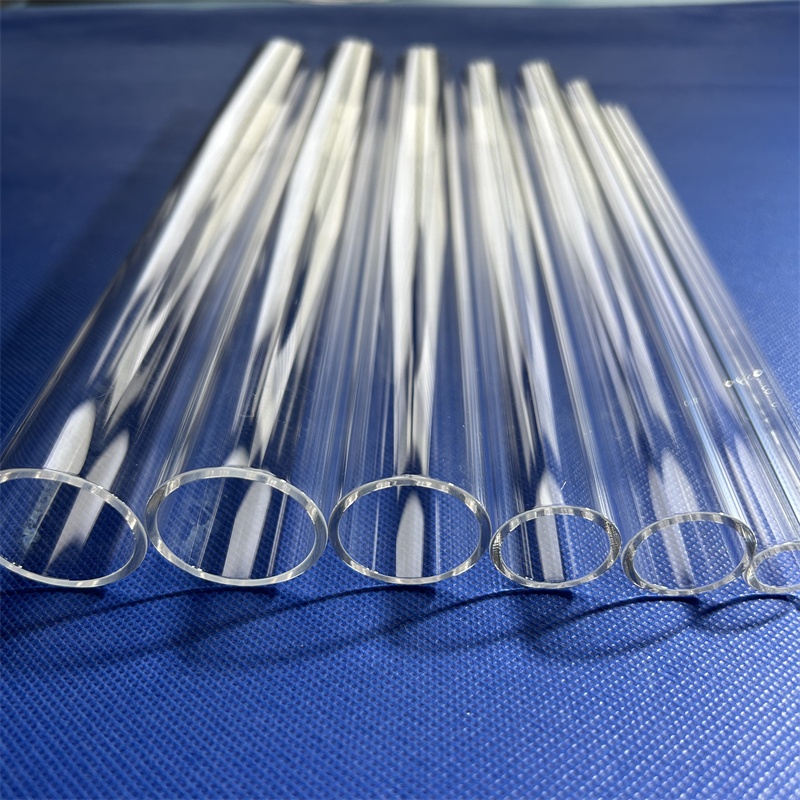
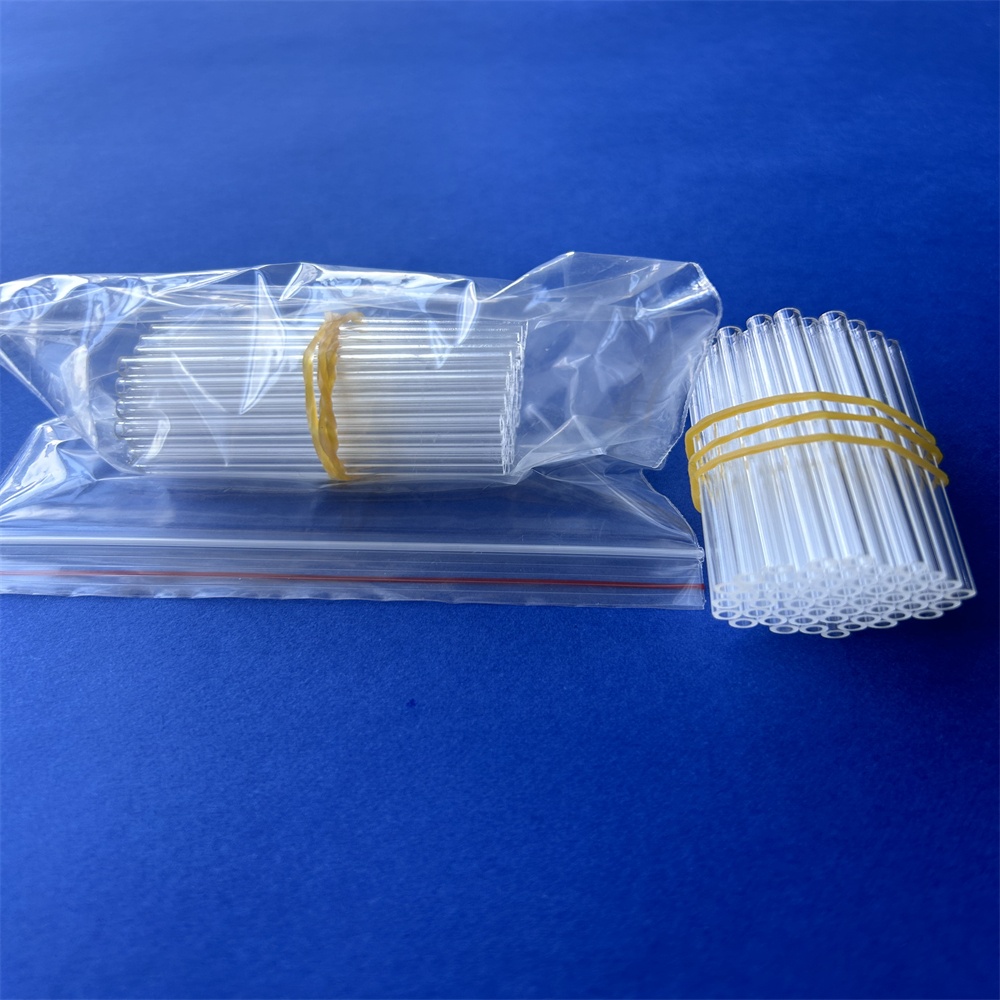
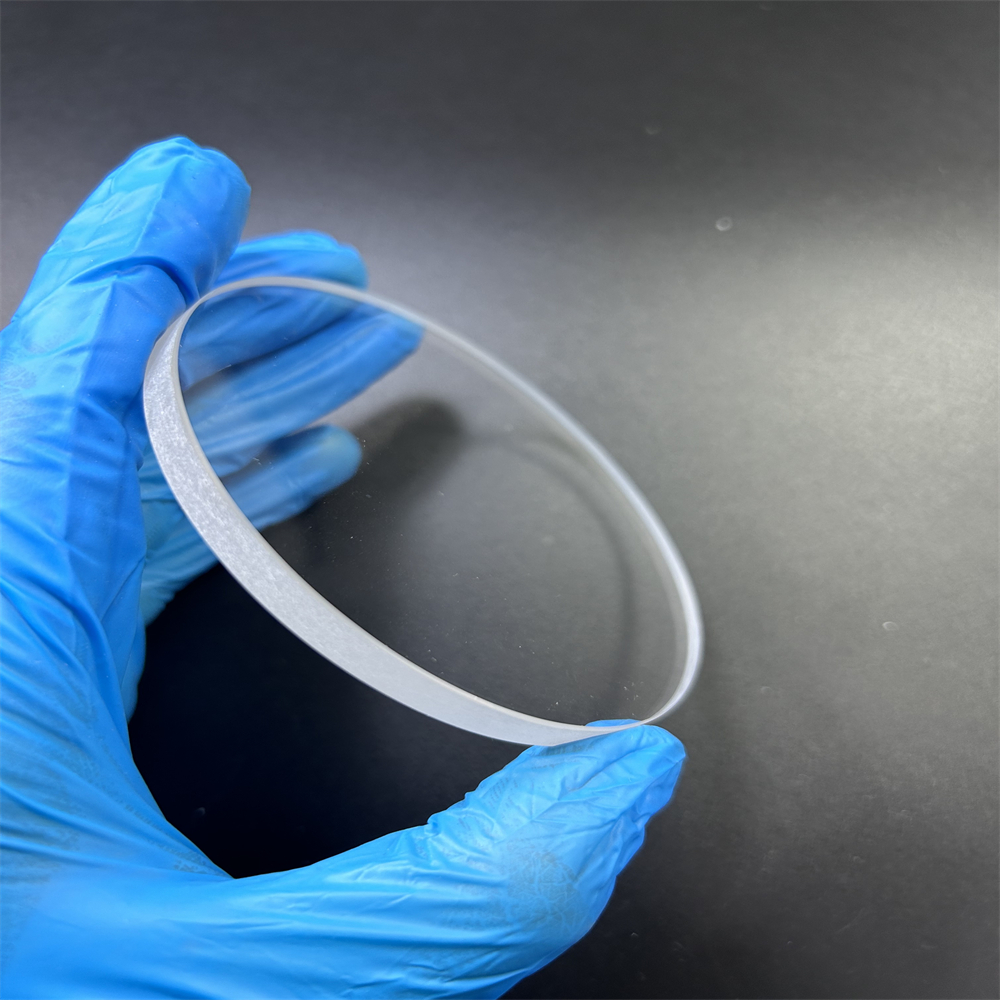
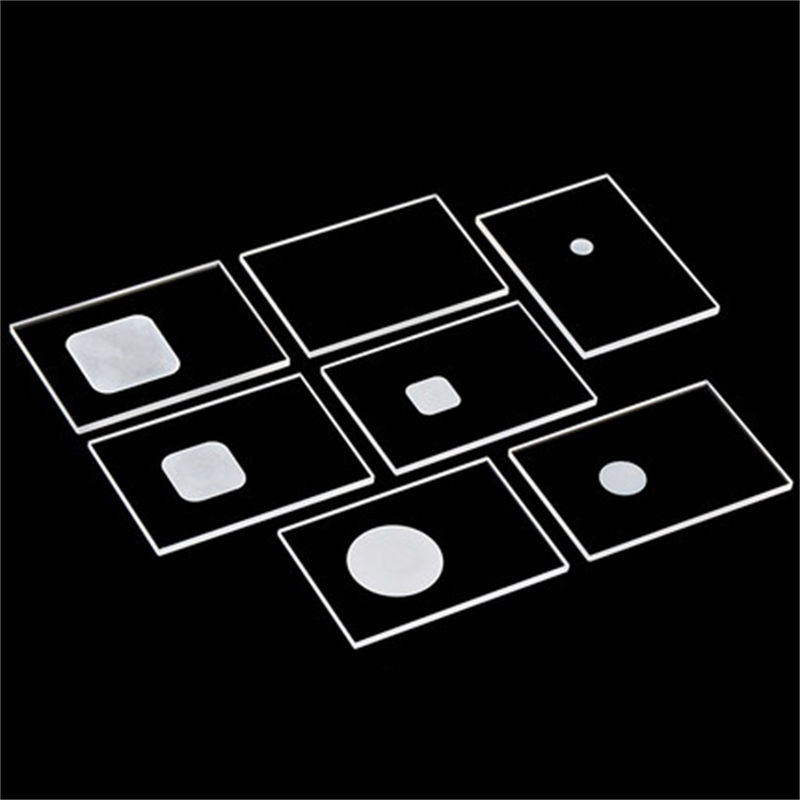
Precision Fused Silica Plates in Automotive Metrology, Battery Safety & Laser Manufacturing for Detroit
As the global capital of automotive innovation undergoes an aggressive renaissance centered on electric vehicles (EV), autonomous driving hardware, and gigawatt-scale battery cell manufacturing, Detroit's tier-1 suppliers and testing laboratories face unprecedented challenges in thermal, chemical, and optical precision. Standard borosilicate, aluminosilicate, and float glass substrates frequently suffer from micro-fracturing under high-flux thermal shocks, dielectric breakdown in high-voltage test environments, and optical wavefront distortion in LIDAR/sensor calibration setups.
Lianyungang Zelvo Quartz Products Co., Ltd. serves as a direct manufacturing partner and primary exporter to the Detroit metropolitan industrial corridor—supplying ISO9001-certified, ultra-pure synthetic and natural fused silica plates (≥99.99% SiO₂). By leveraging our vertically integrated facility in Donghai County (China’s world-renowned quartz capital) alongside advanced multi-axis CNC surface grinding, optical flame polishing, and laser ablation technology, we engineer high-aspect flat substrates that bridge the gap between rigorous American automotive engineering standards (ASTM, SAE, DIN) and wholesale cost efficiency.
Localized Engineering Applications Across Greater Detroit
From engine research facilities in Auburn Hills to advanced battery gigafactories in Warren and high-energy laser research benches in Ann Arbor, our fused silica plates solve crucial material boundary problems.
EV Battery Thermal Runaway Observation
Detroit automotive research labs performing cell-level nail penetration and overcharge destructive testing utilize our 15mm-to-30mm thick fused silica plates as high-strength observation blast windows in calorimetric pressure vessels. Fused silica withstands the instantaneous 900°C thermal burst and corrosive fluoride gas venting without structural cracking or clouding.
High-Power Fiber Laser Cover Slides
Body-in-White (BIW) automated robotic welding lines and EV copper hairpin motor stator welding facilities deploy multi-kilowatt fiber lasers (1064nm). Our synthetic fused silica debris shields exhibit ultra-low bulk absorption (<3 ppm/cm), mitigating thermal lensing and resisting spatter blowout during continuous automated powertrain welding.
Autonomous LiDAR & Sensor Calibration
Autonomous driving prototyping centers in Ann Arbor and Detroit require zero-distortion optical windows for environmental testing chambers. Our JGS1/JGS2 double-sided polished plates provide exceptional transmission across 905nm and 1550nm wavelength bands with optical surface flatness of λ/4 to λ/10 per inch, ensuring precise sensor calibration.
Combustion Dyno Viewports & Spectrometry
OEM powertrain dyno facilities investigating hydrogen-blended combustion, synthetic e-fuels, and direct injection behavior rely on our slotted, high-pressure quartz sight glasses. The wide UV-to-infrared transparency spectrum (185nm – 3500nm) enables simultaneous chemiluminescence flame photography and laser-induced fluorescence (LIF).
Physical, Thermal & Dielectric Benchmark Matrix
To assist procurement directors and materials engineers in the Detroit tri-county area (Wayne, Oakland, Macomb) in selecting appropriate grades, the engineering matrix below contrasts Zelvo Fused Silica with alternative commercial substrates:
| Property Parameter | Zelvo Fused Silica Plate (JGS1 / JGS2) | Borosilicate Glass (Pyrex/Borofloat) | Single Crystal Sapphire (Al₂O₃) | Soda-Lime Float Glass |
|---|---|---|---|---|
| SiO₂ Chemical Purity | ≥ 99.99% | ~ 80 - 81% | N/A (>99.9% Al₂O₃) | ~ 70 - 73% |
| Thermal Expansion Coeff. (CTE, 20-300°C) | 0.55 × 10⁻⁷ / K | 3.25 × 10⁻⁶ / K | 5.8 × 10⁻⁶ / K | 8.5 – 9.0 × 10⁻⁶ / K |
| Thermal Shock Delta (ΔT Quench Test) | > 1000 °C into cold water | ~ 150 – 180 °C | ~ 200 – 250 °C | ~ 50 – 60 °C |
| Continuous Max Operating Temp | 1100 °C (Peak 1300 °C) | 450 °C – 500 °C | 1800 °C | 110 °C – 150 °C |
| Transmission Spectrum Range | 185 nm – 3500 nm (Deep UV to Mid-IR) | 300 nm – 2200 nm | 150 nm – 5500 nm | 350 nm – 2000 nm |
| Dielectric Strength (20°C, 1MHz) | 25 – 40 kV/mm | 15 – 20 kV/mm | 48 kV/mm | 10 – 14 kV/mm |
| Cost / Machining Scalability Ratio | Optimal Wholesale Industrial Balance | Low Cost / High Thermal Limits | Extremely Expensive / Hard to Mill | Low Cost / Poor Performance |
Macro Manufacturing Trends Shaping Detroit’s Quartz Sourcing
Three critical transformations across southeastern Michigan's industrial base are accelerating demand for custom fabricated fused silica components.
1. Transition to 800V High-Voltage EV Architectures
With the rapid shift toward 800-volt battery platforms (such as GM Ultium and next-gen Stellantis architectures), battery cell potting, dielectric busbar isolation, and high-frequency inverters demand non-conductive, ultra-high-temperature test jigs. Our custom laser-drilled fused silica plates provide absolute electrical insulation at 25+ kV/mm while tolerating intense curing and flashover heat cycles.
2. In-Line Metrology & Vision-Guided Robotics
Michigan automotive stamping and assembly plants have rapidly transitioned toward 100% automated 3D optical scanning and laser profilometry. Optical inspection ports require scratch-resistant, dimensionally stable transparent plates with Mohs hardness 5.5–6.5 and low refractive index variance to eliminate optical aberration in harsh factory floor environments.
3. Reshoring of Advanced Semiconductor Packaging
Driven by federal and state initiatives, the Great Lakes chip testing and semiconductor assembly corridor is expanding. Fused silica wafer carriers, slotted boats, and polishing plates with surface roughness Ra < 0.5nm serve vital roles in wafer backgrinding, lithography inspection, and cleanroom MEMS assembly.
Direct Manufacturer Capabilities • Donghai to Detroit
We eliminate trading intermediaries and provide Michigan buyers direct technical access to our senior engineering staff and ISO-verified fabrication workshops.
Crystal Capital Heritage
Located in Donghai, Jiangsu—China's undisputed center for high-purity natural silica sand—we secure the purest raw cullet, ensuring low bubble class, high structural homogeneity, and minimal transition metal impurities.
CNC Laser & Ultrasonic Micro-Milling
Equipped with 5-axis CNC grinders, CO₂ laser drilling systems, and ultrasonic milling beds, we fabricate bevels, steps, countersunk holes, wafer identification flats, and custom slots with micro-tolerances down to ±0.01 mm.
1-Piece Prototype MOQ to Container Loads
Whether an engineering team at Chrysler Technology Center needs a single custom optical prototype or a tier-1 laser builder needs 50,000 cover slides annually, we maintain a flexible manufacturing policy with guaranteed rapid setup.
Guaranteed Zero-Breakage Logistics
Every order destined for Michigan is packed using custom shock-absorbing closed-cell EPE foam inserts, vacuum poly bagging, and reinforced marine-grade plywood crates. We offer complete DDP delivery to Detroit, Livonia, and Troy.
Procurement & Engineering FAQ for Detroit Buyers
Clear, direct answers regarding customs, logistics, technical parameters, and quality verification.
We provide full DDP (Delivered Duty Paid) door-to-door shipping to facilities across Greater Detroit. We manage US customs entry, Harmonized Tariff Schedule (HTS) classification under Chapter 70 (quartz glass), Section 301 tariff documentation, and internal domestic trucking directly to your loading dock or lab via FedEx/DHL Express or freight carriers.
For custom prototypes and drawing-based samples (1–10 pieces), production typically requires 5 to 7 business days following CAD confirmation. Expedited international air freight directly into Detroit Metro Airport (DTW) requires an additional 3 to 5 business days, enabling delivery inside two weeks from purchase order.
Yes. Every production run of optical or UV-grade fused silica plates (JGS1, JGS2, JGS3) can be accompanied by an inspection report including spectrophotometer transmission curve data (from 190nm to 3000nm), laser interferometer flatness maps (λ/4 or λ/10), and dimensional CMM verification reports upon request.
Our high-purity synthetic fused silica plates feature an extremely low inclusion density (ISO 10110 Class 0). When polished to 20/10 scratch-dig, standard bare substrates exhibit an LIDT > 10 J/cm² at 1064 nm (10 ns pulse), and when paired with high-efficiency anti-reflective (AR/AR) coatings, they reliably operate in 10kW to 20kW CW industrial fiber laser welding heads.
Fused silica offers virtually inert chemical resistance against common aggressive battery electrolyte constituents, including dimethyl carbonate (DMC), ethyl methyl carbonate (EMC), and LiPF₆ decomposition products. It is completely impervious to all acids (including HCl, HNO₃, and H₂SO₄), with the singular exceptions of hydrofluoric acid (HF) and concentrated boiling alkaline solutions.
We accept standard 2D and 3D industrial engineering formats, including DWG, DXF, STEP, STP, IGES, and dimensioned PDF mechanical drawings. Our sales engineering team reviews submissions within 2 hours during active working shifts, highlighting any potential machining stress concentrations or recommending optimal corner radiuses.
Request Engineering Review & Wholesale Pricing for Detroit
Connect directly with our senior quartz application engineers. Send your mechanical drawings, project quantities, and working parameters for immediate feasibility confirmation, formal quotation, and sample dispatch.