Featured Precision Quartz & Fused Silica Components
Direct factory manufacturing from China’s quartz capital. Custom laser drilling, fine double-side polishing, flame welding, and ultra-tight geometric tolerances tailored for European industrial & laboratory buyers.
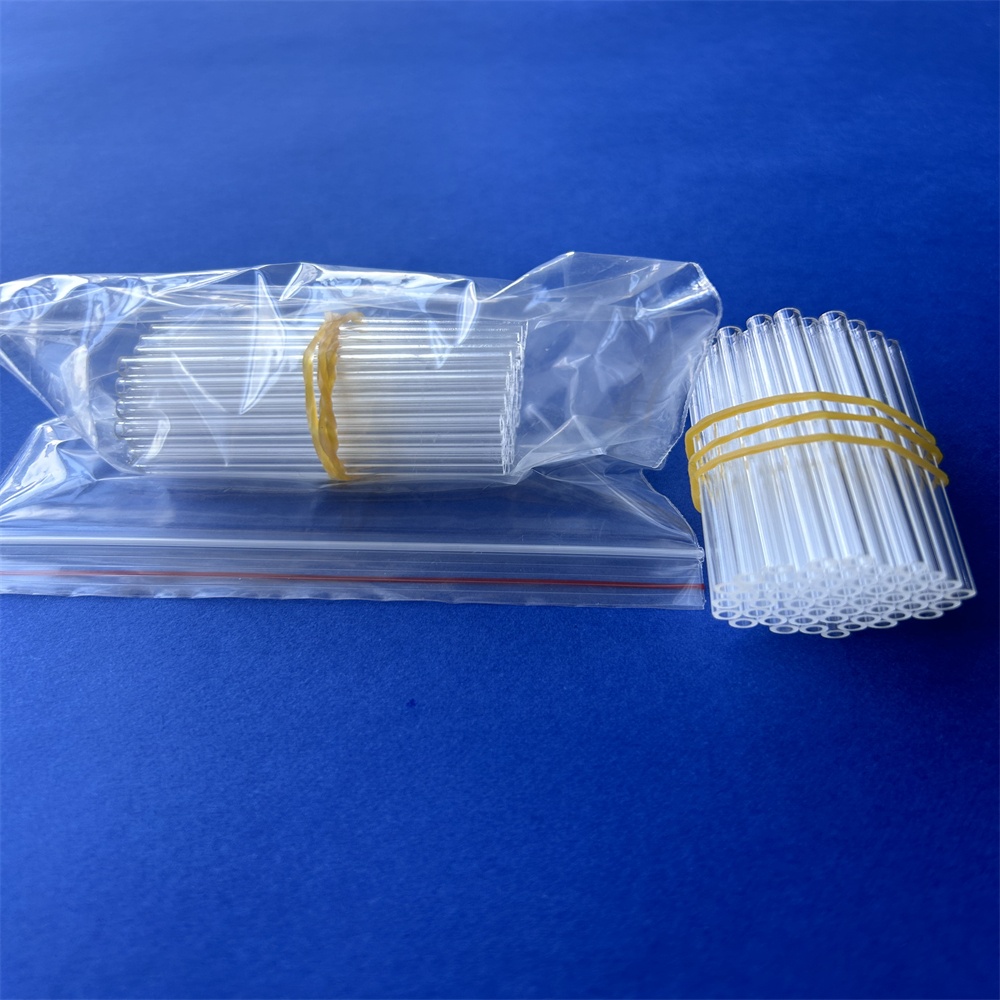
Small Diameter 0.1-20mm High Temp 99.99% Pure Quartz Capillary Tube
View Product Details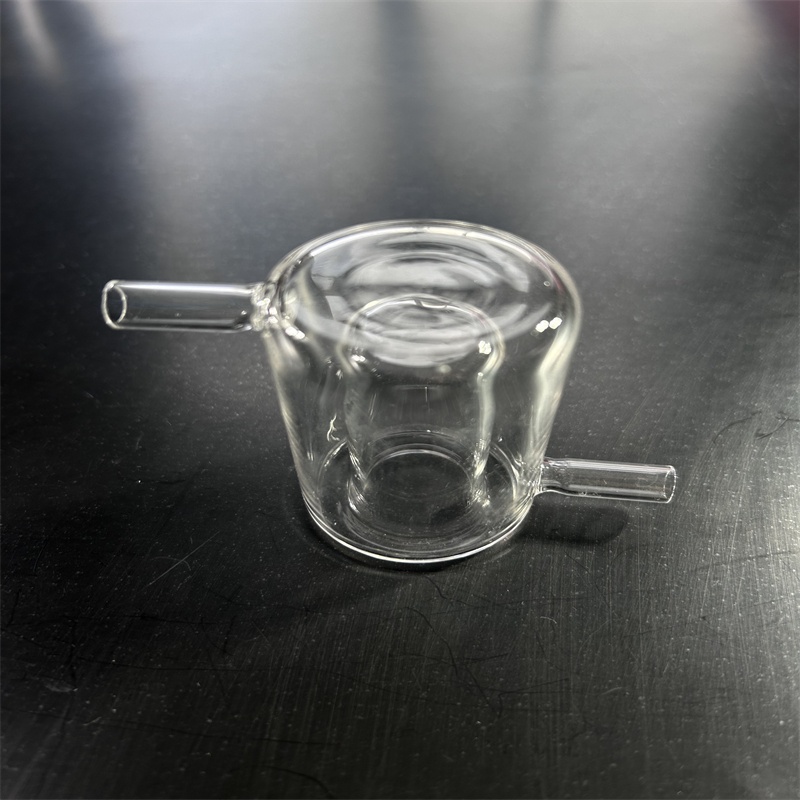
Custom 99.99% Pure Ozone Free High Temp Quartz Glass Reactor Twin Tube
View Product Details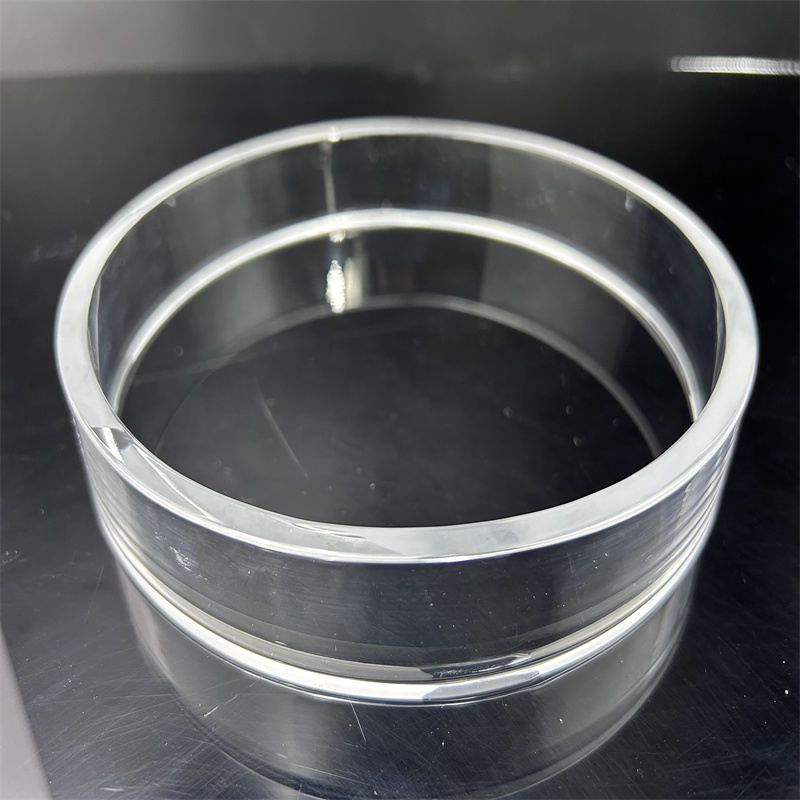
Customizable High Transparent Corrosion-Resistant Fused Quartz Bell Jar
View Product Details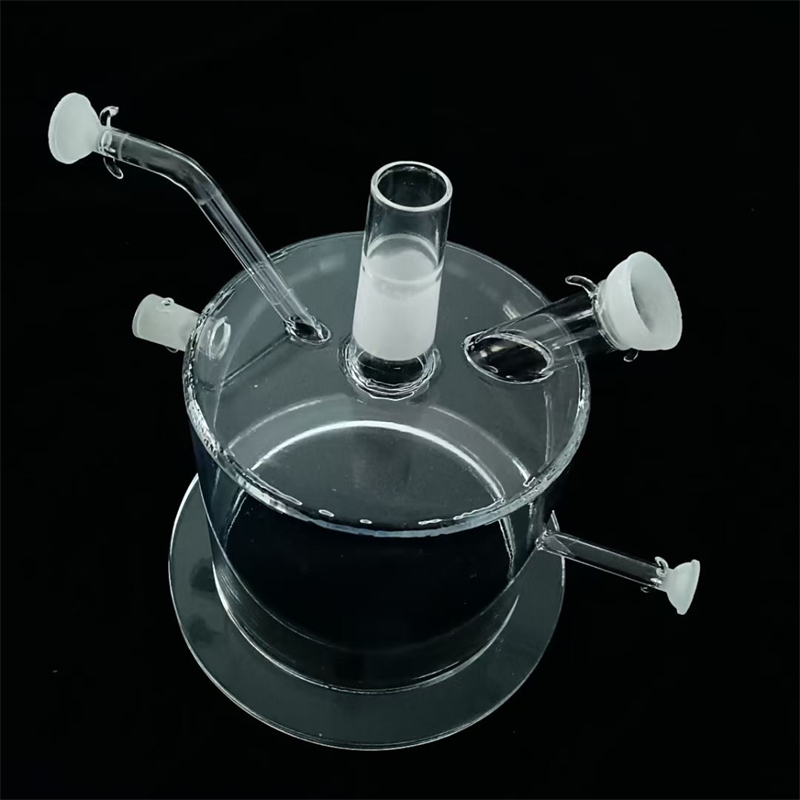
Customized High Pressure Clear Quartz Glass Tube with Bending & Welding
View Product Details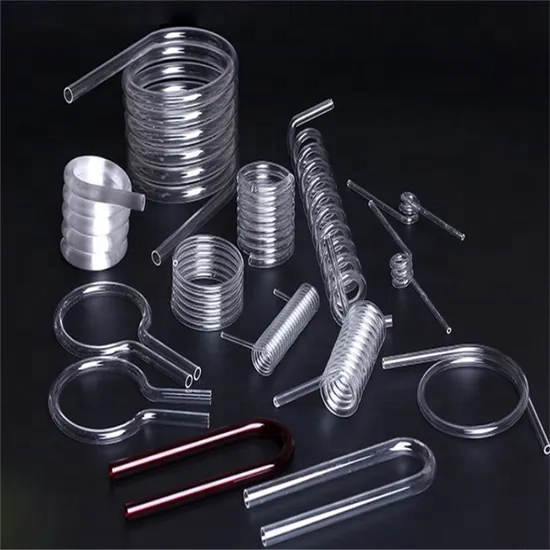
Custom Different Sizes U-Bent Quartz Glass Spiral Tube Fabrication
View Product Details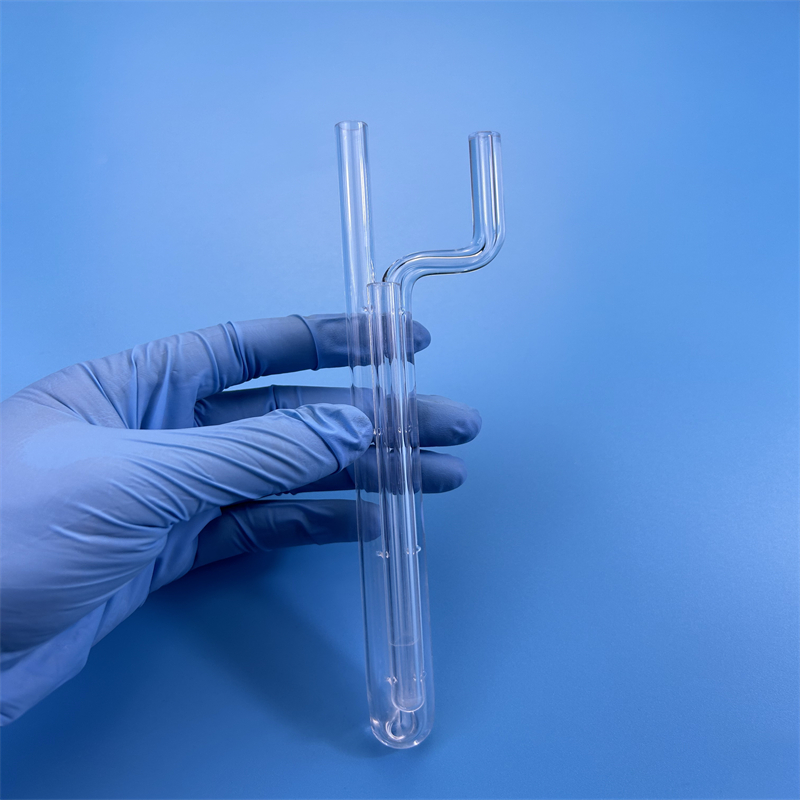
Chemisorption BET Test High Pressure 99.99% Quartz Glass Twin Tube
View Product Details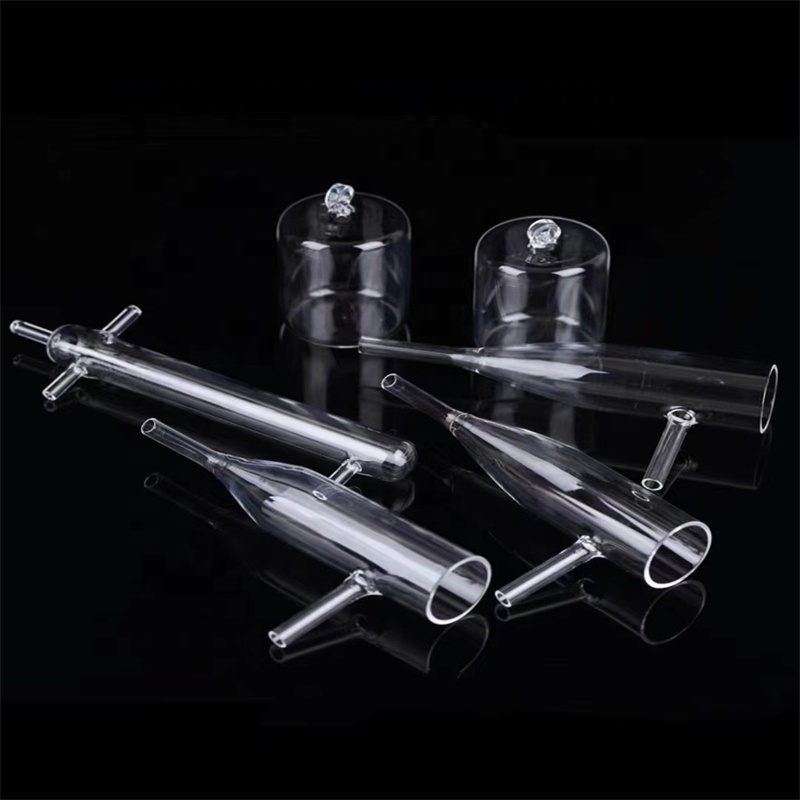
Custom Clear Laboratory High Temp Twin Tube for CVD Vacuum Furnace
View Product Details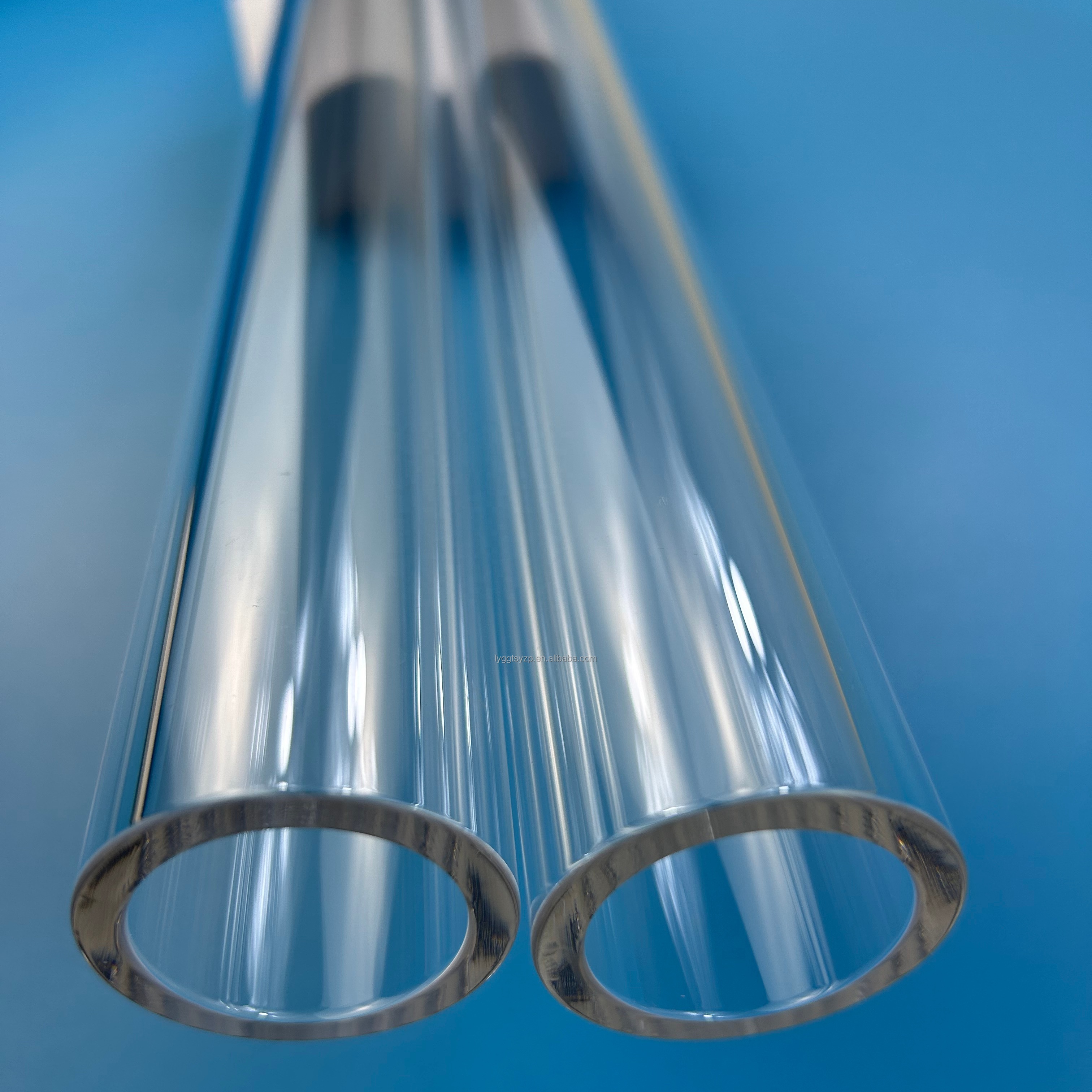
Polished Clear Quartz Twin Tube Ozone Free Heater for Semiconductor
View Product DetailsHigh-Purity Fused Silica Substrates: Technical Foundation for Advanced Optics & Microelectronics
An authoritative guide to material selection, thermal dynamics, optical transmittance, and surface metrology for Hungarian research institutions and industrial enterprises in Szeged.
Fused silica substrates represent the pinnacle of engineered glass technology, offering an unmatched combination of optical transparency from Deep Ultraviolet (DUV) through Near Infrared (NIR), near-zero thermal expansion, exceptional dielectric strength, and extreme chemical inertness. As research facilities, laser processing units, and semiconductor equipment developers in Szeged continue to push the boundaries of photonic and material sciences, the demand for precision-fabricated synthetic and fused quartz substrates has expanded exponentially.
Manufactured from high-purity silicon tetrachloride ($\text{SiCl}_4$) or ultra-pure natural quartz crystal sands sourced directly from Donghai, China—the world’s premier quartz manufacturing cluster—our synthetic fused silica (JGS1) and clear fused quartz (JGS2/JGS3) substrates undergo rigorous double-sided chemical-mechanical polishing (CMP). This process achieves surface roughness ($Ra$) under 0.5 nm ($5\text{ Å}$) and scratch-dig specifications matching 10/5 standards, fulfilling the requirements of ultrafast attosecond laser systems, microfluidic bio-chips, and high-temperature vacuum CVD deposition platforms.
1. Optical Grade Classifications & Spectral Transmittance Spectrum
Understanding the molecular and optical distinction between fused silica material grades is paramount for Hungarian optical engineers and procurement specialists when requesting customized quotes. The table below delineates the three primary synthetic and natural fused quartz classifications utilized across European industries:
| Material Grade | Source Origin | Spectral Range | OH Content (ppm) | Primary Application Scenarios |
|---|---|---|---|---|
| JGS1 (Synthetic Fused Silica) | Synthetic ($\text{SiCl}_4$) | 185 nm – 2500 nm (DUV/UV/Vis) | < 5 ppm (Dry) or ~1200 ppm (Wet) | Laser optics, ELI-ALPS beamline windows, UV photolithography, deep-UV spectroscopic wafers. |
| JGS2 (Fused Quartz) | High-Purity Crystal Sand | 220 nm – 2700 nm (UV/Vis/NIR) | < 30 ppm | High-temperature sight glasses, industrial thermal shields, vacuum viewports, furnace boats. |
| JGS3 (Infrared Fused Silica) | Electrically Fused Synthetic | 260 nm – 3500 nm (Vis to Mid-IR) | < 5 ppm | Infrared sensors, thermal imaging substrates, CO2 laser optics, optical spectroscopy cells. |
For applications involving deep ultraviolet lasers, such as 193 nm ArF or 248 nm KrF excimer beamlines, JGS1 substrates prevent solarization and optical absorption center formation under prolonged pulse irradiation. Conversely, JGS3 provides superior transmission in the infrared band by eliminating the fundamental $\text{OH}^-$ absorption band located at 2.73 $\mu\text{m}$.
2. Thermal, Mechanical, and Electrical Metrology Data
The remarkable thermal shock resistance of fused silica stems from its extraordinarily low coefficient of thermal expansion ($\text{CTE} = 5.5 \times 10^{-7} /\text{K}$). A fused silica disc heated to 1000°C can be quenched directly into ice water without mechanical fracturing or catastrophic structural degradation—a critical property for high-heat industrial process viewing and chemical synthesis reactors.
| Physical / Thermal Property | Metric Value | Engineering Significance |
|---|---|---|
| Density | 2.20 g/cm³ | Lightweight structural optical integration |
| Mohs Hardness | 5.5 – 6.5 (Knoop: 600 kg/mm²) | Scratch resistance during cleanroom handling |
| Softening Point | 1683 °C | Maintains geometry under thermal stress |
| Continuous Operating Temp | 1100 °C | Ideal for high-temp annealing and CVD |
| Peak Working Temp (Short-Term) | 1350 °C | Transient pulse laser and flame exposure |
| Dielectric Constant (1 MHz) | 3.75 | Low-loss electrical insulation in high-frequency MEMS |
| Dielectric Breakdown Voltage | 25 – 40 kV/mm | High-voltage semiconductor isolation barriers |
Localized Application Scenarios in the Szeged Industrial & Academic Ecosystem
How our custom-tailored fused silica substrates and quartz glass fabrications drive innovation across key technological pillars in Szeged and the Southern Great Plain region of Hungary.
1. ELI-ALPS Ultrafast Laser Research Facility
The Extreme Light Infrastructure Attosecond Light Pulse Source (ELI-ALPS) in Szeged represents a international hub for high-intensity laser physics. Our JGS1 synthetic fused silica substrates with λ/10 wave-front flatness and high Laser-Induced Damage Threshold (LIDT) serve as critical mirror substrates, beam splitters, and vacuum window interfaces for attosecond pulse generation, high-harmonic generation (HHG) gas cells, and target chambers.
2. Biomedical & Microfluidic Chip Fabrication
In cooperation with the Biological Research Centre (BRC) Szeged and university medical laboratories, our high-purity thin fused quartz wafers (0.1 mm to 1.0 mm thickness) act as transparent, non-fluorescent substrates for microfluidic bio-chips, cell culture monitoring, micro-channel laser grooving, and electrophoresis analytical equipment. The low autofluorescence in the UV-Visible spectrum ensures uncompromised fluorescence microscopy readings.
3. University of Szeged (SZTE) Material Science Labs
Academic research departments focused on nanostructured materials, catalysis, and chemical kinetics routinely require specialized quartz lab ware, including slotted XRD sample holders, chemisorption BET twin tubes, and UV-transparent spectrophotometer cuvettes. Our drawing-based micro-machining allows researchers to order custom experimental glassware in single-piece lots without high tooling fees.
4. Photovoltaic, Semiconductor & Thin-Film CVD Lines
With major green energy and automotive industrial parks expanding around the Szeged-Csongrád-Csanád region, advanced manufacturing facilities require robust high-temperature furnace tubes, quartz boats, and large-diameter quartz flange rings. Engineered to operate continuously at 1100°C under vacuum or reactive atmospheric conditions, our components prevent alkali ion contamination during epitaxial layer deposition.
Strategic Development Trends in the Szeged & Central European Quartz Market
The industrial landscape in Southern Hungary is undergoing a massive transformation, driven by massive EU science investments, deep-tech incubator programs, and the inflow of advanced manufacturing mega-projects (including electric vehicle battery ecosystems and photonics R&D parks). Key trends influencing quartz substrate procurement include:
- Direct B2B OEM Sourcing Bypassing Regional Distributors: Hungarian engineering firms and scientific buyers are actively shifting away from traditional Western European stockists toward direct-factory partnerships in China to secure 30%–50% cost efficiencies while retaining strict quality compliance.
- Demand for Custom Micro-Fab Capabilities: Standard off-the-shelf plates no longer meet modern optoelectronic requirements. The market demands laser drilling down to 0.1 mm diameters, precision edge beveling, surface polishing up to 10/5 scratch-dig, and custom stepped slot milling.
- Fast-Track Prototyping & Agile Production: R&D groups in Szeged require quick turnaround sample production (1 to 2 weeks lead time) for initial mechanical trials before committing to volume wholesale orders.
- Comprehensive Quality Certification: European importers demand rigorous trace element spectroscopic reports, dimensional inspection certificates, and RoHS/REACH compliance paperwork accompanying every export shipment.
Why Choose Lianyungang Zelvo Quartz Products Co., Ltd.?
Combining regional raw material abundance from Donghai with advanced CNC machining to deliver world-class quartz components directly to Central Europe.
Raw Material Advantage
Located in Donghai, Jiangsu—China’s famed "Crystal Capital"—we tap directly into premier silica supply chains, ensuring consistent 99.99% SiO2 purity with near-zero bubble and inclusion content.
Full In-House Processing
Our workshop features multi-axis CNC micro-milling machines, laser cutting/drilling setups, double-side optical polishing tools, automatic glass lathe welding, and high-temperature annealing furnaces.
Strict E-E-A-T Quality Metrology
Every batch undergoes spectrophotometric transparency verification, coordinate measuring machine (CMM) dimensional checks, surface roughness measurement, and stress-strain polarization analysis before export.
Frequently Asked Questions for B2B Importers in Szeged & Hungary
Clear, authoritative answers regarding international shipping, customs compliance, material specifications, and engineering customization.
How are fragile quartz substrates and glass components packaged for air/sea transit to Hungary?
We utilize export-standard shockproof packaging protocols. Individual quartz plates and optical substrates are sealed in vacuum dust-free cleanroom bags, wrapped with multi-layer high-density EVA shock-absorption foam, and encased within reinforced wooden crates. For air express shipments via DHL/FedEx/UPS to Szeged, we guarantee zero-breakage delivery with full transit insurance coverage.
What geometric tolerances and optical surface finishes can your facility guarantee?
Our standard manufacturing tolerances range from ±0.05 mm to ±0.1 mm, with ultra-precision CNC grinding achieving tolerances down to ±0.01 mm upon request. Optical surface flatness can reach λ/10 per 25 mm diameter, with scratch-dig ratings from 60/40 down to 10/5 for demanding laser research applications.
What trade incoterms and payment methods do you accept for Hungarian commercial orders?
We support flexible international trade terms including FOB China ports (Shanghai/Qingdao), CIF, CIP Budapest, CPT Szeged, and DDP (Delivered Duty Paid) direct to your laboratory or factory floor. Payment terms include Telegraphic Transfer (T/T), L/C at sight, PayPal for sample orders, and major corporate payment channels.
Can you manufacture customized quartz parts based on AutoCAD or STEP files?
Yes. Our engineering sales team can review 2D drawings (DWG, DXF, PDF) and 3D CAD files (STEP, IGES, SLDPRT). We evaluate material thermal characteristics, mechanical stress points, and machining feasibility within 2 hours during business working hours.
Are your quartz materials compliant with EU REACH, RoHS, and environmental standards?
Absoutely. All raw fused silica glass materials sourced and manufactured by Zelvo Quartz consist of 99.99% pure silicon dioxide, completely free of hazardous heavy metals, lead, mercury, or restricted chemical additives, fulfilling all EU RoHS and REACH environmental guidelines.