Engineered Quartz Glass Product Showcase
Custom fabricated fused quartz tubing, twin-bore reactors, UV capillaries, and pressure-resistant vessels optimized for Cluj-Napoca OEMs and academic laboratories.
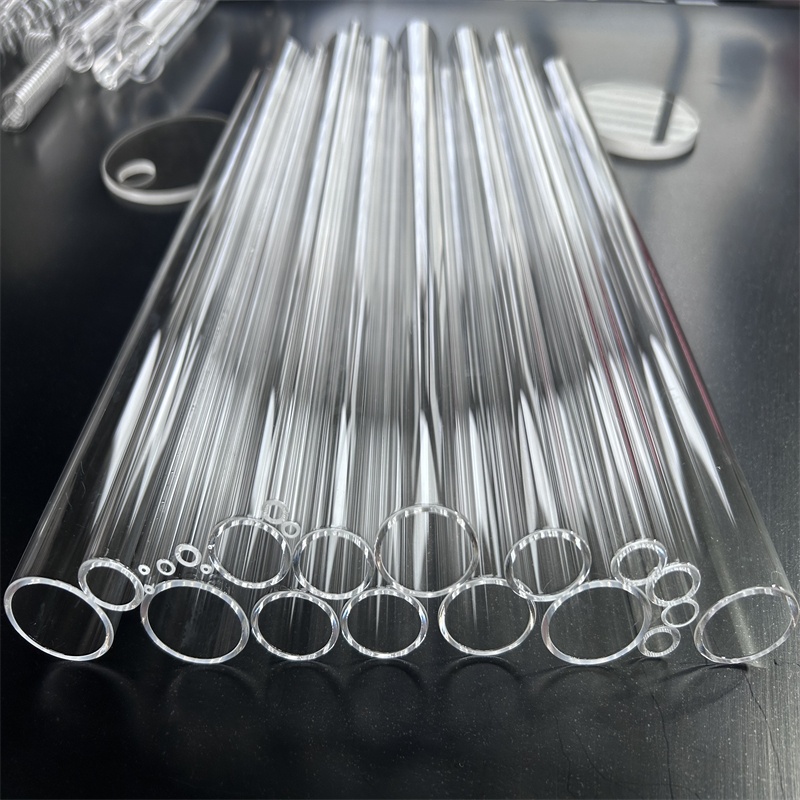
High Temp 99.99% Pure Fused Quartz Twin Tube
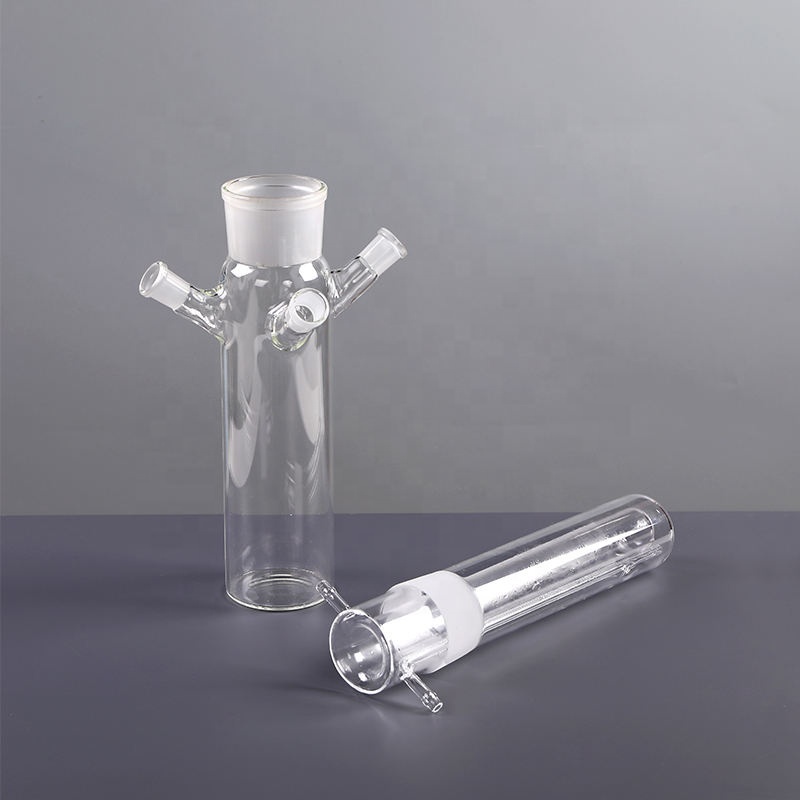
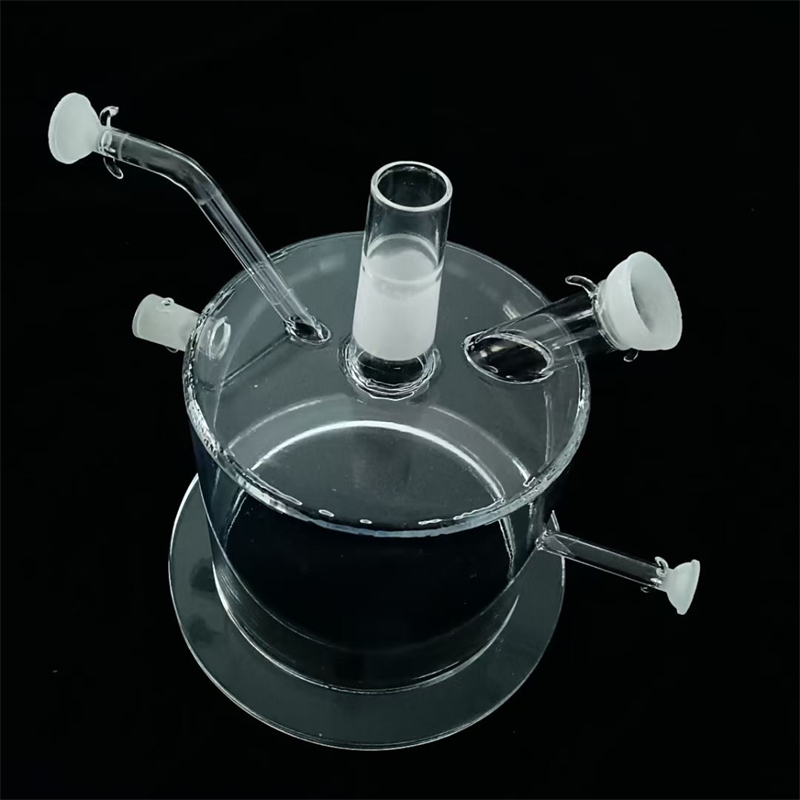
Customized High-Purity Quartz Glass Reactor Container
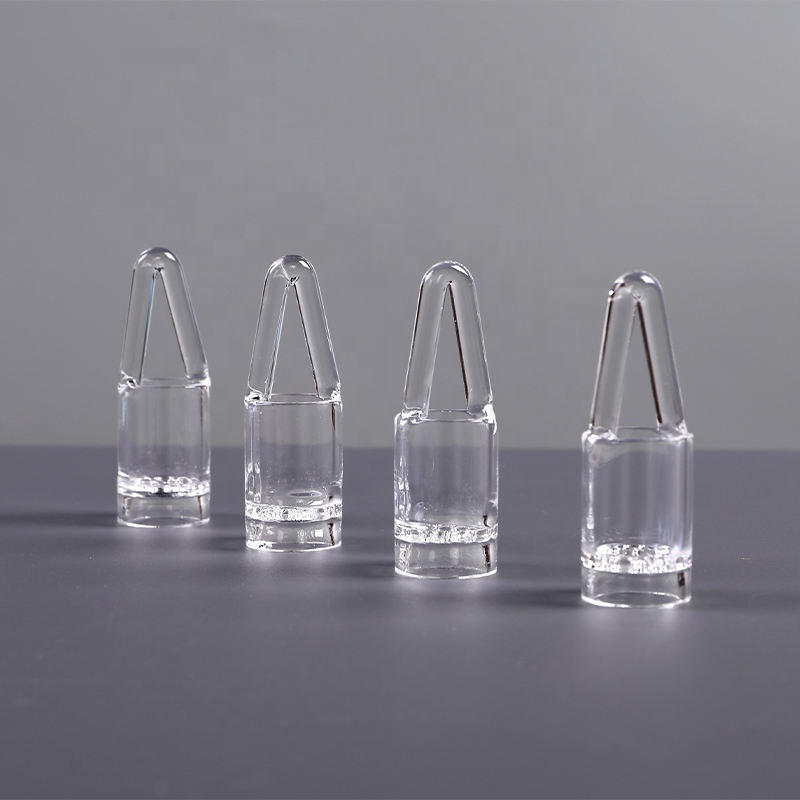
High Pressure 99.99% Pure Quartz Glass Tube
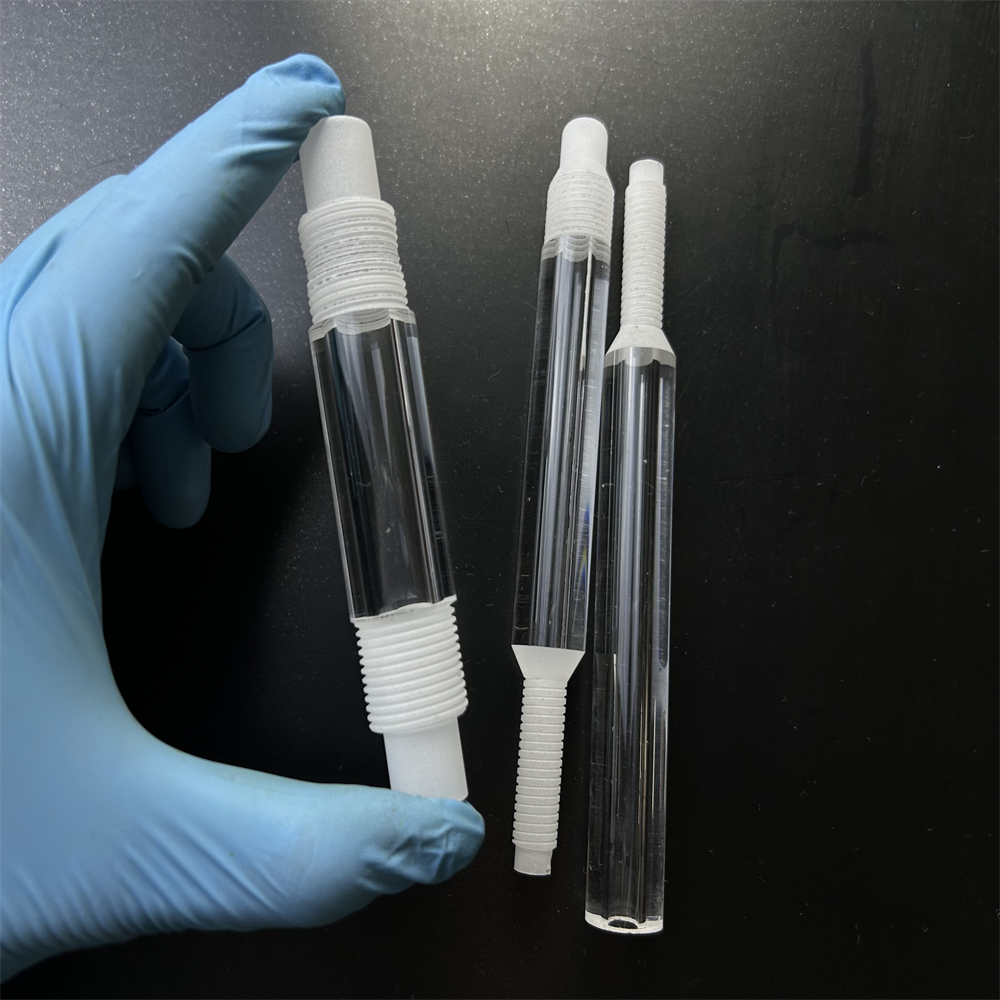
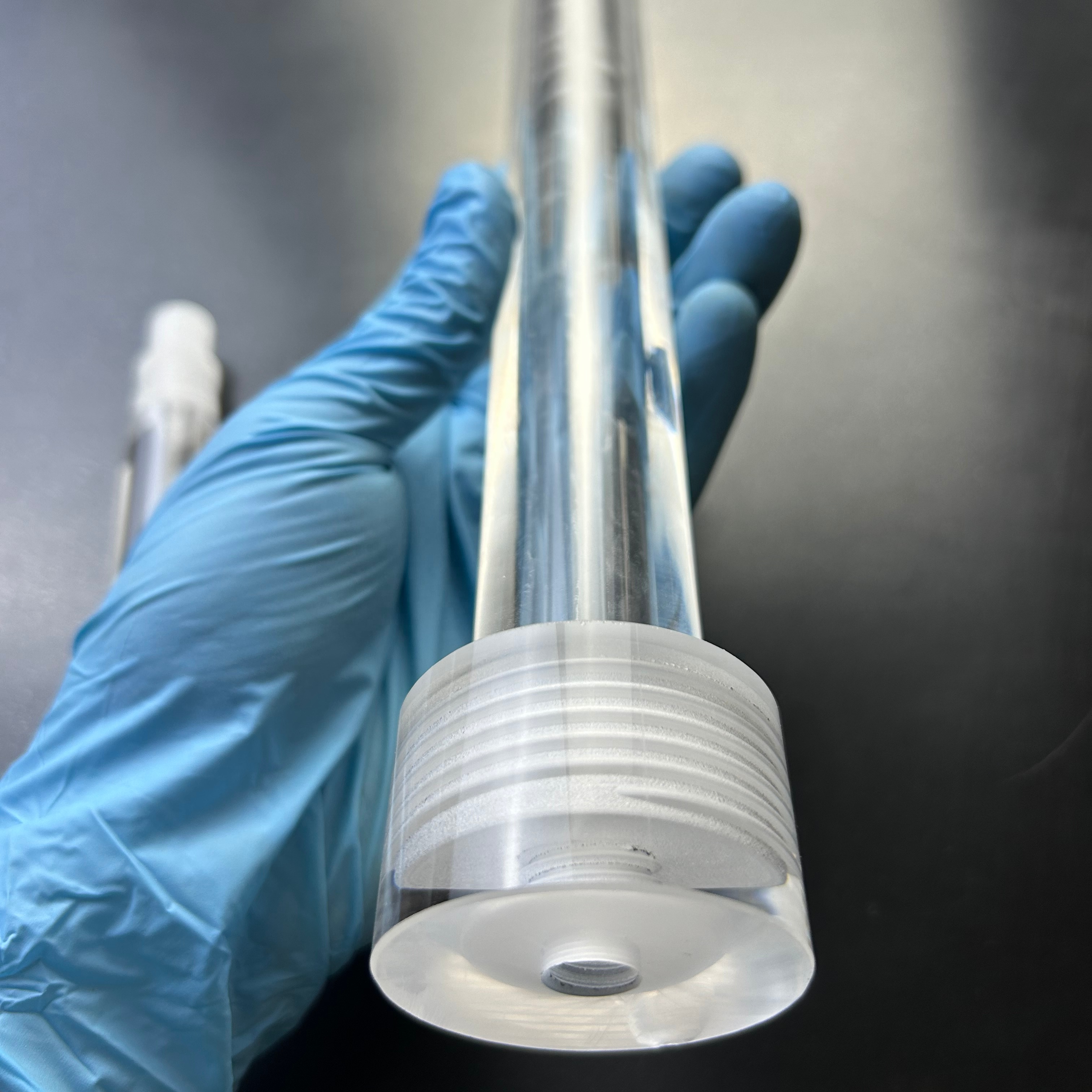
Threaded Transparent UV Quartz Glass Tube
Custom High Pressure Clear Quartz Glass Tube
Transparent U-Bent Quartz Glass Tube
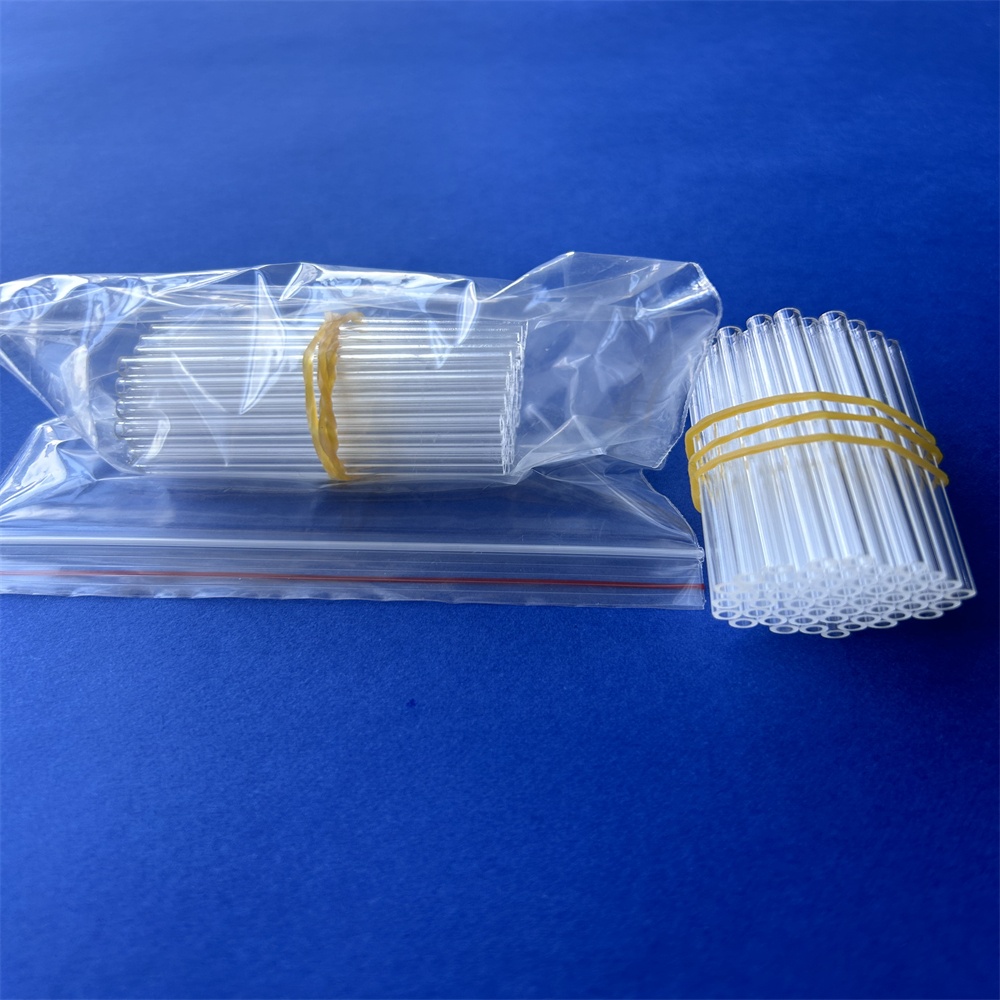
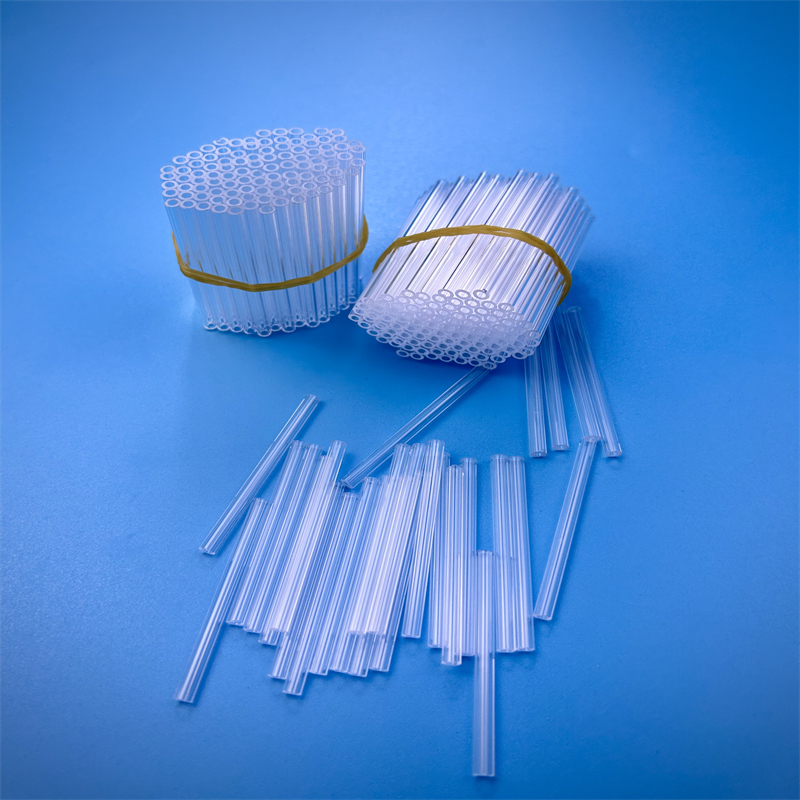
0.1-20mm Small Diameter Quartz Capillary Tube
Polished Clear Quartz Glass Twin Tube
High-Purity Fused Quartz Tube Technical Whitepaper: Engineering Material Excellence for Cluj-Napoca's High-Tech Industries
An authoritative breakdown of material thermal-mechanical kinetics, optical spectral transmittance, and precision glassworking methodologies for Transylvania's scientific and industrial buyers.
As Cluj-Napoca solidifies its status as the prime innovation engine and high-tech manufacturing hub of Romania—frequently dubbed the Silicon Valley of Transylvania—the regional demand for advanced material substrates has experienced exponential growth. Modern industrial facilities in the Tetarom Industrial Parks, alongside cutting-edge research institutes at the Technical University of Cluj-Napoca (UTCN) and Babeș-Bolyai University (UBB), require structural components capable of withstanding extreme thermal shock, aggressive chemical plasma, and high UV radiant flux. Fused quartz tubing manufactured from 99.99% pure silica powder ($\text{SiO}_2$) forms the bedrock of these advanced technological applications.
Understanding the distinction between synthetic fused silica and natural fused quartz is vital for procurement engineers in Cluj-Napoca. Fused quartz is produced by melting naturally occurring high-purity quartz crystal rocks at temperatures exceeding $1750^\circ\text{C}$ in electric arc or gas-fired furnaces. The resulting amorphous matrix exhibits an exceptionally low coefficient of thermal expansion ($5.5 \times 10^{-7} /^\circ\text{C}$), rendering it virtually immune to sudden temperature differentials. A clear quartz glass tube can be heated to $1100^\circ\text{C}$ and immediately quenched in ice-cold water without micro-cracking or structural failure. This thermal stress tolerance is crucial for chemical synthesis reactors, furnace process tubes, and optical pyrometer sight glasses deployed throughout Cluj's growing industrial ecosystem.
| Physical / Chemical Parameter | Standard High-Purity Fused Quartz Value | Engineering Relevance for Cluj-Napoca Buyers |
|---|---|---|
| Chemical Purity ($\text{SiO}_2$) | $\ge 99.99\%$ (4N Purity Level) | Prevents ionic contamination in semiconductor etching and pharmaceutical synthesis. |
| Density ($\rho$) | $2.20 \text{ g/cm}^3$ | Lightweight, rigid structural integrity for vacuum envelope assemblies. |
| Thermal Expansion Coefficient | $5.5 \times 10^{-7} \text{ K}^{-1} \ (20^\circ\text{C} \text{ to } 320^\circ\text{C})$ | Extreme thermal shock tolerance; zero structural warp under fluctuating heat loads. |
| Continuous Working Temperature | $1100^\circ\text{C}$ | Ideal for thermal diffusion furnaces, CVD process tubes, and catalyst heating beds. |
| Short-Term Max Temperature | $1300^\circ\text{C}$ | Softening point begins near $1683^\circ\text{C}$; annealing point at $1215^\circ\text{C}$. |
| Dielectric Strength | $25-40 \text{ kV/mm } (20^\circ\text{C})$ | Superior electrical insulation for high-frequency induction heaters and plasma torches. |
| Optical Transmission Range | $220\text{nm} - 2500\text{nm}$ (Clear UV Grade) | High spectral transparency across UV-A, UV-B, UV-C, Visible, and Near-IR spectrums. |
| Hydroxyl Content ($\text{OH}^-$) | $< 20 \text{ ppm}$ (Low-OH Option Available) | Low-OH prevents thermal sag at extreme temperatures and eliminates IR absorption bands. |
For high-yield industrial applications, trace metallic impurities inside the quartz glass matrix must be strictly controlled. Even trace contamination of alkali metals (such as Sodium, Potassium, or Lithium) acts as a catalyst for devitrification—a physical degradation phase where vitreous quartz transitions into crystalline cristobalite above $1150^\circ\text{C}$, leading to opacity and structural failure. Below is our typical elemental chemical analysis breakdown (PPM) for 99.99% clear quartz glass tubes exported to Romania:
| Element Symbol | Aluminum (Al) | Calcium (Ca) | Copper (Cu) | Iron (Fe) | Potassium (K) | Lithium (Li) | Sodium (Na) | Titanium (Ti) |
|---|---|---|---|---|---|---|---|---|
| Content (PPM) | $\le 14.0$ | $\le 0.4$ | $\le 0.05$ | $\le 0.2$ | $\le 0.6$ | $\le 0.6$ | $\le 0.7$ | $\le 1.1$ |
Localized Application Scenarios in Cluj-Napoca & Transylvanian Industrial Hubs
Tailored engineering implementations matching the operational challenges of local Romanian enterprises, research centers, and utility facilities.
1. Semiconductor & Optoelectronic R&D (UTCN & UBB Labs)
In Cluj-Napoca's university microfabrication cleanrooms, high-purity quartz tubing serves as the primary process chamber for chemical vapor deposition (CVD), atomic layer deposition (ALD), and silicon wafer thermal oxidation. Our custom flanged tubes and twin-bore heater sleeves prevent trace ionic diffusion, protecting delicate sub-micron semiconductor architectures from metallic poisoning during high-temperature thermal cycles.
2. Photocatalytic Degradation & Wastewater Purification
Along the Someșul Mic river basin and local Municipal Water Treatment plants, industrial UV disinfection requires ozone-free, high-transmission quartz sleeves. Our specialized internal-illumination quartz reactors allow $254\text{nm}$ UV-C germicidal light to penetrate contaminated aqueous flows with zero spectral degradation, destroying pharmaceuticals, micro-pollutants, and bio-pathogens efficiently.
3. Pharmaceutical Synthesis & Fine Chemical Processing
Cluj's robust pharmaceutical manufacturing facilities require reaction vessels that offer complete inertness against hot acids (including Hydrochloric, Nitric, and Sulfuric acids at boiling points). Our custom clear quartz reactor containers, complete with precision ground-glass joints and helical cooling coils, eliminate leachables and maintain absolute fluid purity in sensitive API (Active Pharmaceutical Ingredient) synthesis.
Localized Industry Development Trends in Cluj-Napoca & Cluj County
Aligning material engineering with the green transition, smart sensor integration, and Horizon Europe manufacturing initiatives across Transylvania.
EU Horizon Europe & Green Transition Integration
Driven by Romania’s National Recovery and Resilience Plan (PNRR) and EU Horizon Europe funding, Cluj-Napoca is expanding its clean-tech research into green hydrogen storage, solar photovoltaics (PV), and advanced energy storage systems. Our ultra-pure fused quartz twin tubes and high-pressure quartz sight glasses provide critical thermal and electrical isolation for green hydrogen electrolysis pilot units and photovoltaic cell tube furnaces installed across Cluj County.
Transition to Industry 4.0 & Precision Automated Fabrication
Manufacturing facilities in Transylvania are rapidly adopting Industry 4.0 automation, requiring quartz components with sub-millimeter geometric tolerances. Traditional manual glassblowing is being complemented by 5-axis CNC laser cutting, ultrasonic micro-drilling, and automated lathe flame welding. We supply Cluj OEMs with dimensionally stable quartz glass tubes that seamlessly integrate into automated optical sensor housings, thermal pyrometer sleeves, and robotic pick-and-place assembly lines.
Why Cluj-Napoca Industry Partners Choose Lianyungang Zelvo Quartz Products Co., Ltd.
Combining the world's richest quartz raw material hub with high-precision international export expertise.
Strategic Raw Material Source
Headquartered in Donghai, Jiangsu—globally recognized as China's "Crystal Capital"—we leverage direct access to world-class high-purity quartz sands. This vertical integration guarantees consistent 99.99% $\text{SiO}_2$ raw material purity, competitive direct-factory pricing, and complete batch-to-batch chemical stability for our Romanian clients.
Drawing-Based Custom Engineering
From 2D CAD drawings or 3D STEP files, our senior master glass artisans and CNC machinists execute complex custom fabrications: micro-capillary cutting (OD 0.1mm), laser hole drilling without micro-cracks, precision threading, fire polishing, U-bending, and vacuum flange quartz welding.
R&D Friendly 1-Piece MOQ & Fast SLA
We eliminate high minimum order quantity barriers for university researchers and startup incubators in Cluj-Napoca. Enjoy a 1-piece prototyping MOQ, guaranteed $\le 2$-hour initial technical response SLA, and comprehensive pre-shipment dimensional inspection reports with photo/video verification.
Frequently Asked Procurement & Engineering Questions (Cluj-Napoca B2B FAQ)
Comprehensive technical, logistical, and compliance answers for buyers in Romania and the European Union.
What is the continuous thermal strain limit of your clear quartz tubes during prolonged industrial exposure?
Our 99.99% clear fused quartz tubes possess a continuous operating temperature threshold of $1100^\circ\text{C}$ ($2012^\circ\text{F}$) under normal atmospheric conditions. For short-term peak operational spikes, the material reliably endures up to $1300^\circ\text{C}$. The strain point is reached at $1070^\circ\text{C}$, the annealing point occurs at $1215^\circ\text{C}$, and structural softening initiates near $1683^\circ\text{C}$. For continuous operation above $1150^\circ\text{C}$, we recommend our specialized Low-OH quartz tubing to prevent structural sag and thermal devitrification.
How do you ensure safe international transit to Cluj-Napoca (CLJ Airport or Tetarom Logistics Parks) without fragile glass breakage?
We utilize a multi-tiered export packaging system engineered specifically for delicate quartz glassware. Tubes are individually sealed in anti-static PE film, encased in custom-cut high-density EPE shock-absorption foam, and packed inside heavy-duty multi-layer corrugated cartons or fumigated export wooden crates. Every package includes tilt and shock indicator labels. We partner with top express carriers (DHL, FedEx, UPS) and air freight logistics hubs connecting directly into Cluj International Airport (CLJ) or Bucharest Henri Coandă (OTP), offering full transit insurance under CIP/DDP delivery terms.
Are your custom quartz components compliant with EU Directives (RoHS, REACH, and CE standards) for Romanian imports?
Yes. All fused quartz glass products manufactured by Lianyungang Zelvo Quartz Products Co., Ltd. consist of 100% inorganic silicon dioxide ($\text{SiO}_2$) and are completely free from hazardous substances regulated under EU Directive 2011/65/EU (RoHS 2.0) and REACH Regulation (EC) No 1907/2006. Material Test Certificates (MTC), chemical purity certificates, and Certificate of Origin (Form A / Eur.1 documentation) are provided with every batch to ensure frictionless Romanian customs clearance.
Can you custom fabricate quartz tubes according to strict technical drawings (ISO 2768 fine tolerance standards)?
Absolutely. We specialize in precision drawing-based fabrication. We accept 2D formats (DWG, DXF, PDF) and 3D CAD files (STEP, IGES). Our CNC laser machining and lathe capabilities achieve outer diameter (OD) and inner diameter (ID) tolerances down to $\pm 0.01\text{ mm}$, wall thickness consistency within $\pm 0.02\text{ mm}$, and custom length cuts with smooth fire-polished or ground end faces according to your exact optical and mechanical engineering specifications.
What optical spectral transmission characteristics can we expect in the UV-C spectrum ($200\text{nm}-280\text{nm}$)?
Our high-purity clear UV-grade fused silica/quartz tubing exhibits an optical transmission exceeding $85\%$ at the germicidal wavelength of $254\text{nm}$ for a standard $1\text{ mm}$ wall thickness. For ultra-demanding deep-UV applications ($193\text{nm}$ excimer laser lines or photolithography), we offer synthetic fused silica options achieving $>90\%$ internal transmittance, ensuring negligible solarization and minimal UV attenuation over thousands of operational hours.
What payment methods, currencies, and Incoterms are available for Romanian buyers?
We accommodate flexible international trade terms including FOB, CFR, CIF, EXW, CIP, FCA, DDP, and DDU. Payment currencies accepted include EUR, USD, GBP, and CNY via Wire Transfer (T/T), Irrevocable L/C at sight, Credit Card, or PayPal. For verified industrial clients and academic research institutes in Cluj-Napoca, structured commercial terms can be tailored following initial project review.
Ready to Request a Custom Quartz Tube Quote for Cluj-Napoca?
Send us your technical CAD drawings, dimensions, thermal requirements, or target sample quantities. Our experienced sales engineering team will evaluate your specifications and issue a competitive factory-direct quote within 2 hours.