Precision Flanged Quartz Tubes, Optic Plates & Custom Rings
Direct drawing-to-part fabrication with micron-level tolerances, helium leak integrity, and ultra-high thermal shock resistance for Keihin industrial applications.
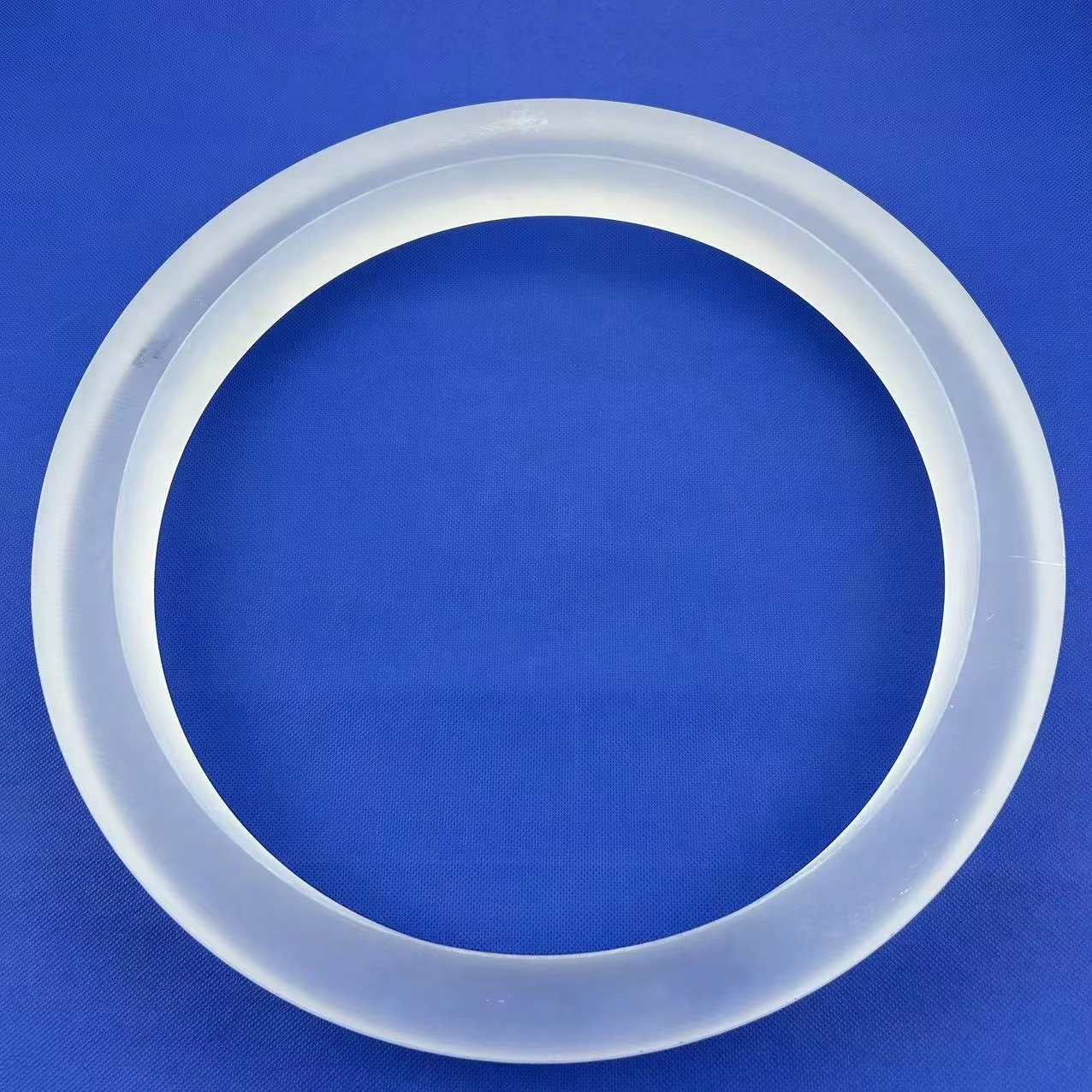
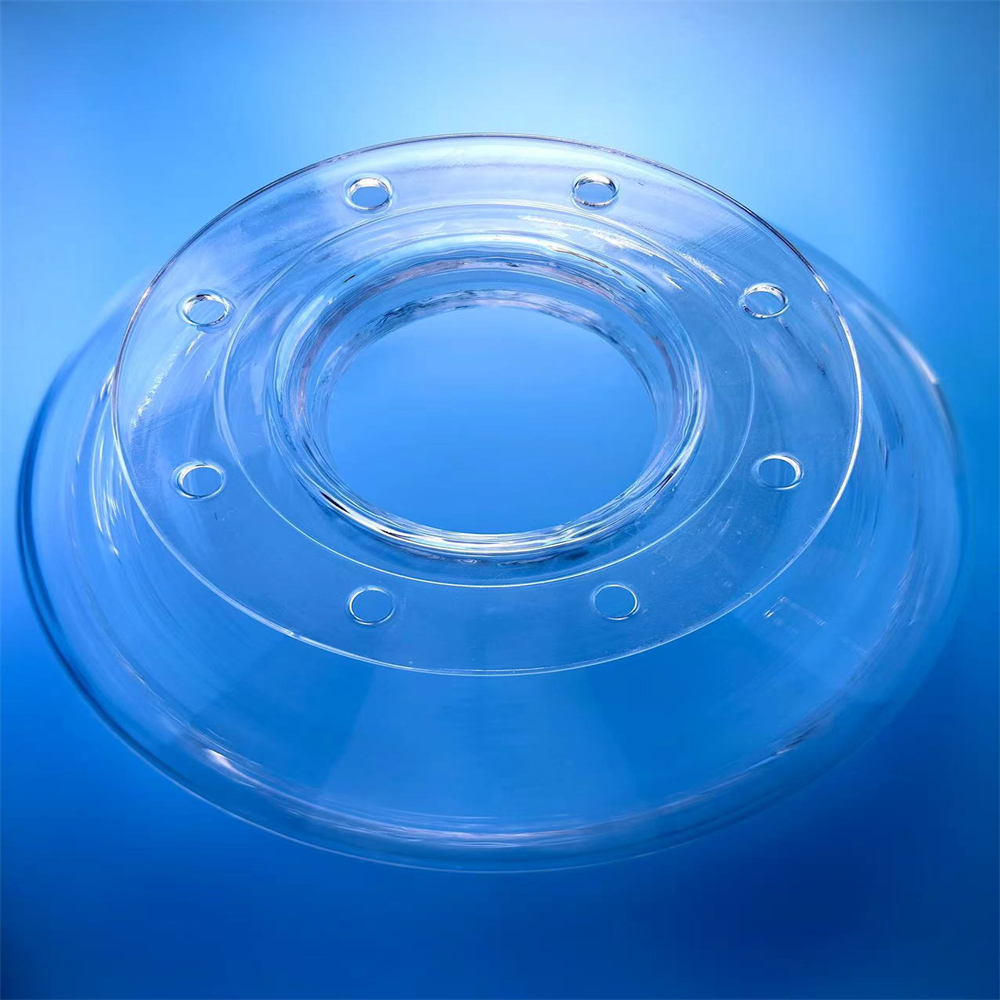
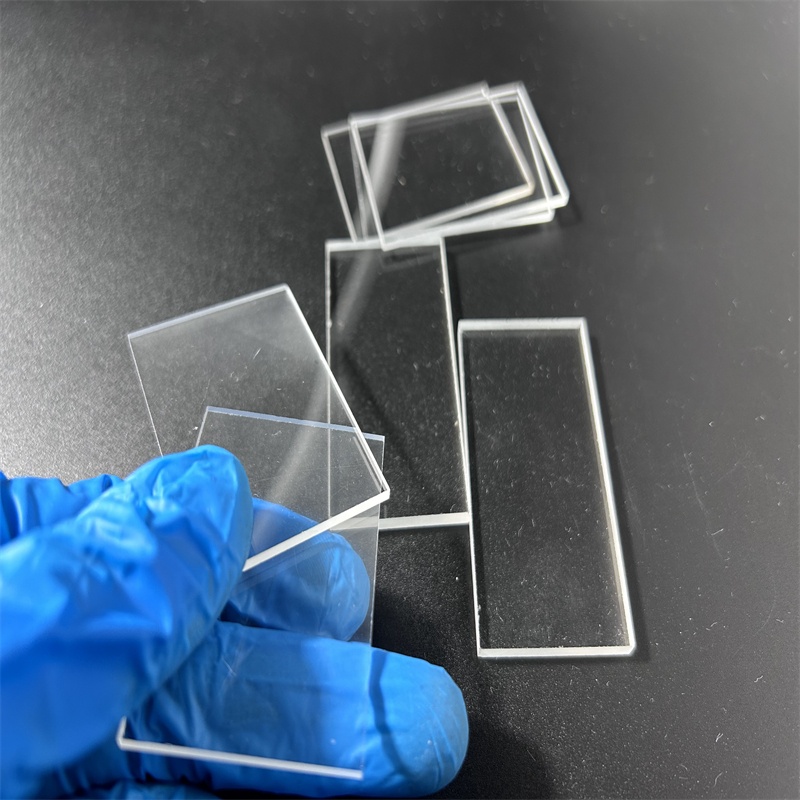
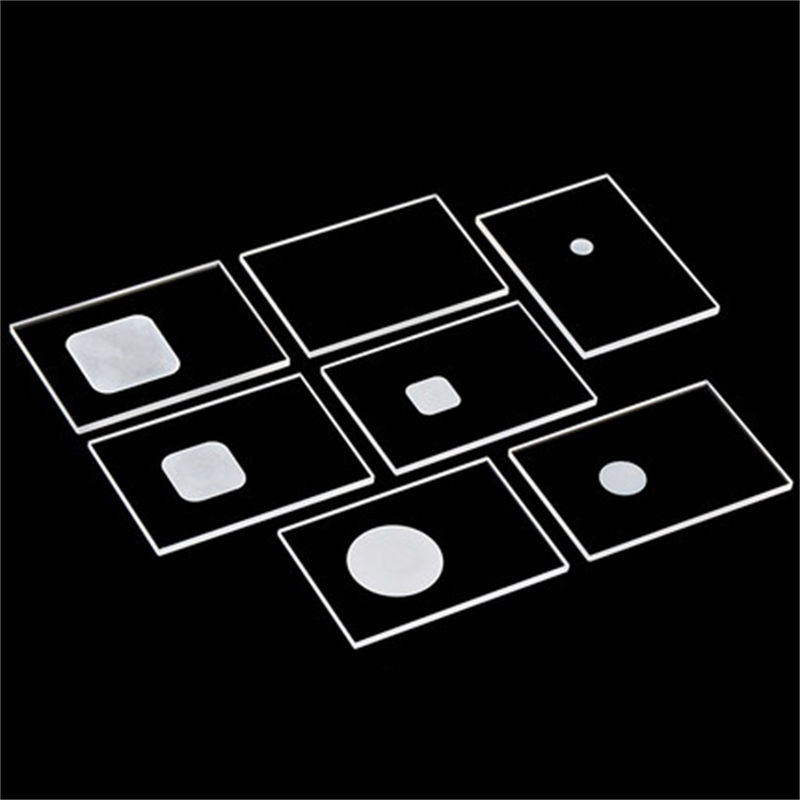
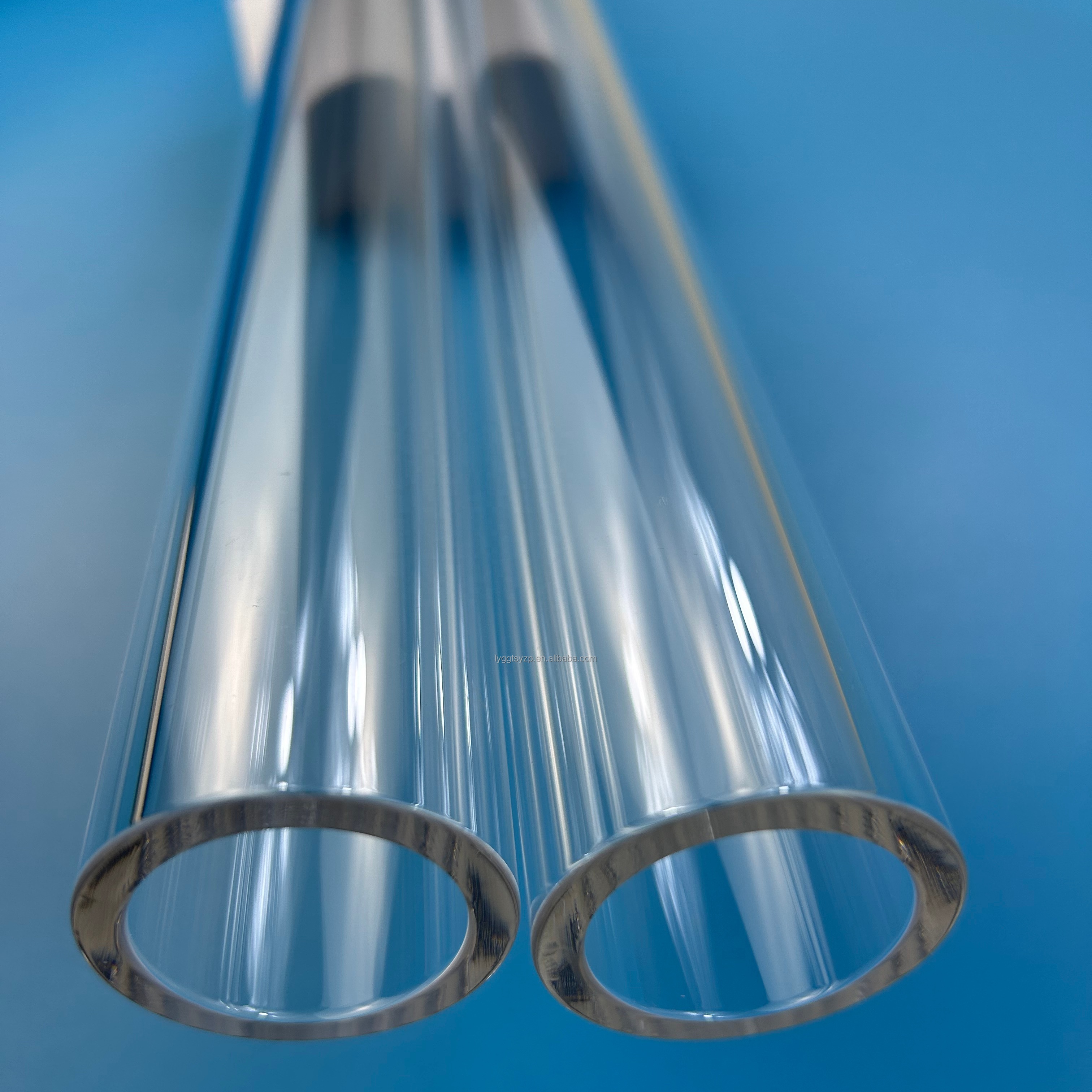
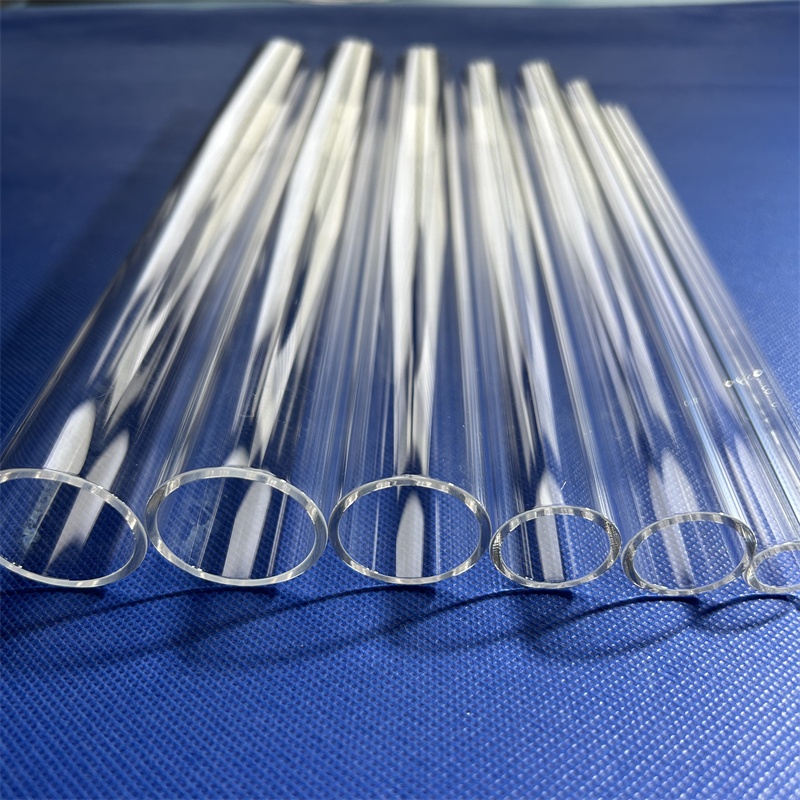
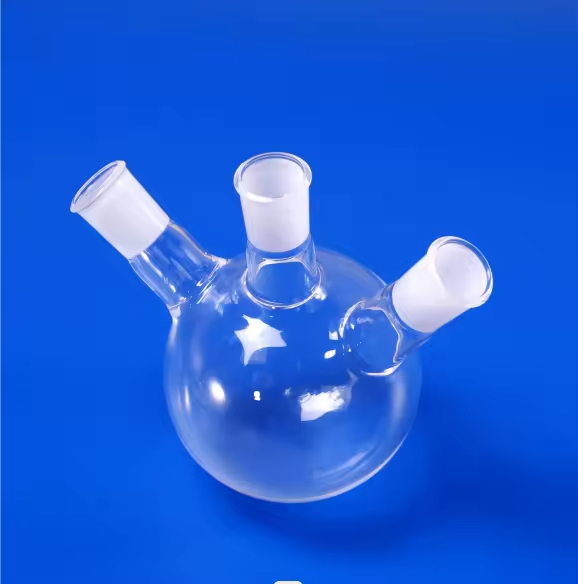
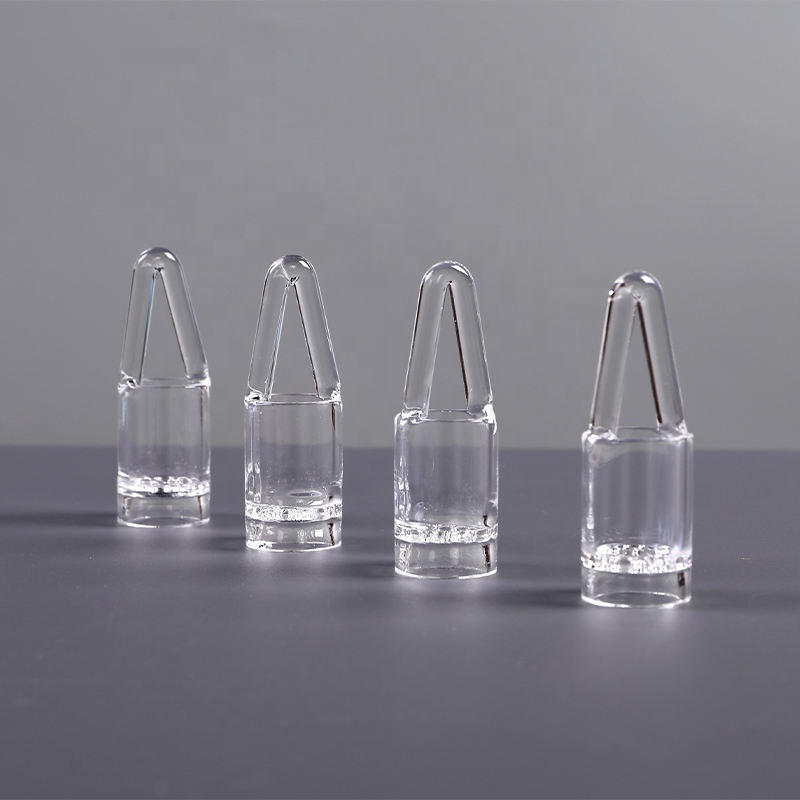
Precision Quartz Glass Flange Fabrication: Addressing Extreme Thermal, Chemical, and Vacuum Demands in Kawasaki's Advanced Manufacturing Infrastructure
Kawasaki, anchoring the vital Keihin Industrial Region along Tokyo Bay, represents one of the world's most concentrated clusters of advanced petrochemical complexes, semiconductor tooling manufacturers, electronic materials laboratories, and next-generation clean hydrogen demonstration sites. In these aggressive production and testing environments, traditional borosilicate glass and metallic joinery fail catastrophically due to high thermal expansion, halogen chemical vapor corrosion, or dielectric breakdown. High-purity fused silica and quartz glass flanges serve as the indispensable mechanical-optical interface, securing process isolation while permitting real-time plasma diagnostics and non-destructive optical monitoring.
Lianyungang Zelvo Quartz Products Co., Ltd. operates as a dedicated OEM fabrication partner for Kawasaki plant managers, vacuum system builders, and research scientists. Located directly within Donghai County—China's silicon capital that accounts for over 80% of Asia's natural crystal refining capacity—Zelvo bridges raw mineral purity with advanced 5-axis CNC ultrasonic diamond grinding, laser trepanning, and controlled-atmosphere hydrogen-oxygen flame lathe welding. For Japanese equipment designers requiring conformance to SEMI F47, JIS B 2220, or custom Ultra-High Vacuum (UHV) ISO-KF/NW geometry, Zelvo provides end-to-end metallurgical transparency and comprehensive dimensional verification from initial single-piece prototyping to serialized delivery across Kanagawa Prefecture.
Key Insight for Kawasaki Vacuum Engineers: Unlike standard fused silica flanges that suffer from localized micro-fractures during repetitive thermal cycling (ambient to 1100°C), Zelvo components undergo a secondary controlled electrical annealing schedule at 1215°C to eliminate residual hoop stress, guaranteeing a helium leak rate below 1 × 10⁻¹⁰ Pa·m³/s when joined with high-fluoropolymer or metal O-ring seals.
Whether configuring transparent viewports for low-pressure chemical vapor deposition (LPCVD), chlorine-resistant exhaust manifolds for fine chemical synthesis along Kawasaki Coastal Zone (Rinko Area), or beam-entry window flanges at the KING SKYFRONT innovation district, selecting the appropriate material grade—clear fused quartz (natural quartz sand fusion) versus synthetic fused silica (SiCl₄ gas phase synthesis)—is critical to long-term lifecycle economics and zero-defect process yields.
High-Purity Quartz Flange Applications Across Kawasaki’s Industrial Map
Engineered to resolve structural failures under extreme temperatures, deep vacuum, and aggressive chemical exposure across key regional manufacturing sectors.
Keihin Petrochemical & Corrosive Exhaust Lines
Continuous thermal exposure in cracker sampling, halogen gas scrubbing, and organic synthesis units along the Kawasaki coastal petrochemical strip. Quartz flanges withstand boiling mineral acids (except hydrofluoric) and thermal swings up to 1100°C without plastic deformation or joint embrittlement.
Semiconductor PECVD & Dry Etch Chambers
Integrated as flanged sight glasses, gas inlet nozzles, and microwave plasma coupling plates. High electrical resistivity (>10¹⁸ Ω·cm at 20°C) and trace metal purity (<10 ppm total impurities) eliminate cross-contamination during sub-7nm silicon wafer fabrication and compound semiconductor processing.
KING SKYFRONT Nanotechnology & Optics R&D
High-transmission optical quartz flanges utilized in laser spectrometry, synchrotron radiation ports, and vacuum UV chambers. Ground to optical flatness (λ/4 per 25mm) with surface roughness Ra < 0.2µm to preserve wavefront coherence across 185nm to 2500nm wavelengths.
Clean Energy & Hydrogen Pyrolysis Reactors
High-pressure quartz reactor sight ports and flange-sealed pyrolyzers operating in Kawasaki's carbon neutrality pilot plants. Extremely low coefficient of thermal expansion (5.5 × 10⁻⁷ /K) resists micro-cracking caused by intense thermal gradients during cyclic hydrogen combustion.
Procurement & Technology Trends Shaping Kawasaki’s Quartz Supply Chain
How shifting trade policies, decarbonization imperatives, and high-frequency vacuum processing affect technical component sourcing.
Transition to Ultra-Dry, Low-OH Synthetic Flanges
As Keihin semiconductor and optical fiber equipment makers advance into deeper UV wavelengths and higher-frequency vacuum plasma, standard electrically fused quartz containing 150–200 ppm of hydroxyl ([OH]⁻) radicals is being replaced by dry synthetic quartz (<1 ppm [OH]⁻). This eliminates infrared absorption bands at 2.73µm and suppresses plasma etch-induced bubbling, maximizing chamber service life.
Agile OEM Sourcing to Bypass Domestic Monopolies
Japanese Tier-1 equipment manufacturers in Kawasaki have traditionally faced 16 to 24-week delivery backlogs and exorbitant unit costs from local legacy glass suppliers. Engineering procurement leads are actively qualifying certified direct manufacturers like Zelvo who maintain raw material stockpiles in Donghai and offer 10-day turnaround on custom drawing modifications without sacrificing JIS dimensional rigor.
Stringent Cleanroom Double-Vacuum Packaging Protocols
Keihin high-tech facilities increasingly specify that arriving components must meet Class 1000 or Class 100 cleanroom compliance right at unboxing. Zelvo has adopted an ultrasonic deionized water immersion wash, followed by nitrogen gas purge drying and double-layer vacuum heat sealing, preventing airborne particulate deposition during international air transit into Haneda and Narita airports.
Engineering Specifications: Fused Quartz Flanges vs. Standard Borosilicate
Quantifiable performance metrics guiding materials engineers during drawing release and design qualification.
| Physical / Thermal Parameter | Zelvo 99.99% Fused Quartz | Standard Borosilicate 3.3 |
|---|---|---|
| Chemical Purity (SiO₂ Content) | ≥ 99.99% | ≈ 81.0% |
| Max Continuous Operating Temp | 1100 °C | ≈ 450 °C |
| Short-Term Peak Thermal Limit | 1300 °C | ≈ 500 °C |
| Softening Point (°C) | ≈ 1683 °C | ≈ 820 °C |
| Thermal Expansion Coeff. (20-300°C) | 5.5 × 10⁻⁷ /K | 33 × 10⁻⁷ /K |
| Thermal Shock Gradient (Water Quench) | > 1000 °C ΔT | ≈ 150 °C ΔT |
| Dielectric Strength (20°C, 1MHz) | 25–40 kV/mm | 15–20 kV/mm |
| Optical Transmission Range | 190 nm – 3500 nm | 350 nm – 2500 nm |
| Helium Leak Hermeticity Rate | < 1×10⁻¹⁰ Pa·m³/s | Varies (Seal Dependant) |
Precision Machining Tolerances
Metrology & Quality Assurances
- Coordinate Measuring Machine (CMM): Full geometric validation of flange bolt circles, sealing grooves, and step heights.
- Polarimeter Stress Analysis: 100% optical birefringence testing ensuring no unannealed hoop stresses remain post-welding.
- Helium Mass Spectrometry: Non-destructive vacuum leak testing certifying sub-nanotorr integrity before packing.
- Spectral Spectrophotometry: Full-spectrum UV-Vis-NIR transmission charts provided on optical viewport batches.
Integrated OEM Manufacturing Competencies for Kawasaki Industry
Combining Donghai’s raw material leadership with deep engineering craftsmanship to fulfill bespoke industrial glass requirements.
Drawing-to-Part Customization
CAD/CAM driven CNC ultrasonic milling, laser drilling, precision stepped grooving, multi-port quartz manifold welding, and flame fire polishing tailored to your 2D/3D blueprints.
Certified 99.99% Raw Purity
Direct supply access to Donghai high-purity natural silica sand and synthetic SiCl₄ precursors. Comprehensive ICP-MS impurity certification guaranteeing minimal metallic alkali drift.
Rapid Engineering Response (≤2h)
Dedicated technical sales engineers evaluate design feasibility, recommend wall thicknesses, and issue formal CAD/cost proposals within 2 business hours for Kawasaki procurement teams.
Direct Keihin Door-to-Door Logistics
Specialized shock-absorbing suspended foam wooden crating with tilt-and-drop indicator sensors. Seamless DDP / CIF shipping via Tokyo/Yokohama container ports or express air delivery.
Frequently Asked Questions by Kawasaki Engineers & Buyers
Addressing common queries regarding standards compliance, thermal management, vacuum sealing, and logistics.
Q1 Can you fabricate quartz flanges matching Japanese JIS B 2220 and NW/KF vacuum dimensions?
Yes. We regularly produce quartz flanges compliant with JIS 5K/10K/20K bolt patterns, NW/KF (NW16, NW25, NW40, NW50), ISO-LF, and ConFlat (CF) sealing dimensions. We also specialize in custom stepped grooving designed to accommodate fluoropolymer (FKM/FFKM) O-rings or copper gasket seals tailored to your exact vacuum chamber specifications.
Q2 How does Zelvo eliminate weld-line failure on high-pressure quartz flanged tubes?
Welding a flat quartz flange to a heavy-wall quartz tube induces significant thermal gradients. We utilize automated hydrogen-oxygen glass-blowing lathes that maintain continuous pre-heating of both members. Following union, the entire assembly undergoes a 1215°C full-immersion annealing schedule in an electric programmable kiln to release localized stress, followed by polariscope verification.
Q3 What is the typical lead time for delivering custom quartz flanges to Kawasaki?
For custom prototype flanges (1 to 5 pieces) based on client CAD drawings, production typically requires 7 to 10 working days. Expedited air shipment to Tokyo Haneda (HND) or Narita (NRT) airports takes 2 to 4 days, followed by domestic customs clearance and door delivery directly to your facility in Kawasaki within 2 to 3 weeks total from drawing sign-off.
Q4 How do you ensure optical clarity and zero bubble inclusion for laser inspection viewports?
For optical inspection flanges and laser transmission windows, we utilize semiconductor optical-grade fused silica (JGS1 or synthetic equivalent). This grade guarantees Bubble Class 0 (zero bubbles or inclusions greater than 0.05 mm under DIN 58927 standards) and delivers over 90% transmission across the deep ultraviolet spectrum down to 190nm.
Q5 What minimum order quantity (MOQ) applies to non-standard experimental prototypes?
Our MOQ is strictly 1 piece for custom quartz parts, supporting initial proof-of-concept testing, academic experiments at KING SKYFRONT, and replacement maintenance runs in Keihin petrochemical facilities. Volume discount pricing brackets automatically apply for pilot runs (10–50 pcs) and scheduled annual OEM supply agreements.
Q6 Can you machine counterbore holes, O-ring grooves, and blind tapped holes in quartz?
Yes. Our CNC facility features specialized 5-axis ultrasonic machining centers designed specifically for brittle vitreous silica. We mill precise O-ring retaining dovetails, perimeter bolt clearance holes, counterbores, and custom bevels with surface edge chipping controlled under 0.1 mm, preventing stress riser propagation during mechanical clamping.
Q7 Which commercial trade and shipping terms do you support for Japanese corporations?
We routinely transact under DDP (Delivered Duty Paid), CIF (Yokohama/Tokyo Port), CIP (Haneda Airport), FOB, and EXW terms. We support settlements in JPY, USD, and EUR via commercial telegraphic transfer (T/T), Letters of Credit (L/C), or secure corporate escrow, providing complete Japanese commercial documentation including Certificates of Origin (CO) and Material Test Reports (MTR).
Q8 How are brittle quartz assemblies protected against damage during oceanic or air freight?
Every quartz flange and welded assembly is enclosed in a dust-free polyethylene sleeve, encapsulated in multi-density custom-contoured high-elasticity EPE foam, and encased within shock-isolated inner cartons. Outer packaging consists of export-grade plywood crates bolted to pallet skids equipped with external drop-tilt monitor labels.
Request a Rapid Engineering Drawing Review & Quotation
Partner directly with Donghai's leading precision quartz fabricator. Send your 2D PDF, 3D STEP file, or rough sketch with application temperatures and vacuum targets. Our senior engineering team will confirm dimensional feasibility, recommend optimal quartz material grades, and return a competitive factory-direct quote within 2 hours.