Engineered Quartz Components Ready for Export to Grenville
From single-piece laboratory prototypes to high-volume semiconductor production runs, explore our verified optical, tubular, and planar quartz components built to sub-millimeter tolerances.
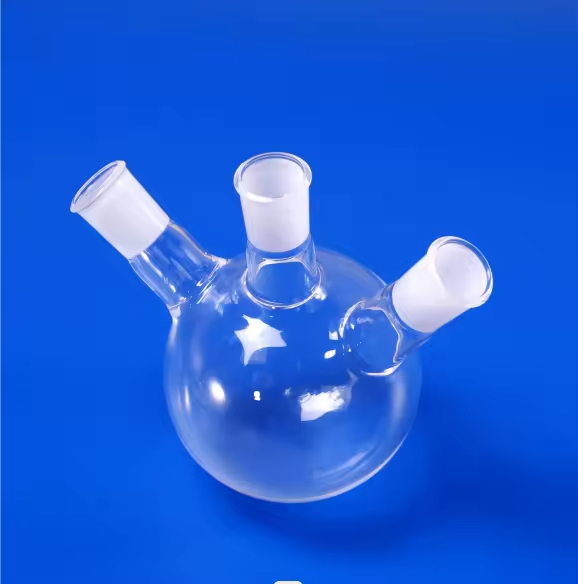
High Temperature Resistance Transparent Quartz Glass Twin Tube Bottom Flask
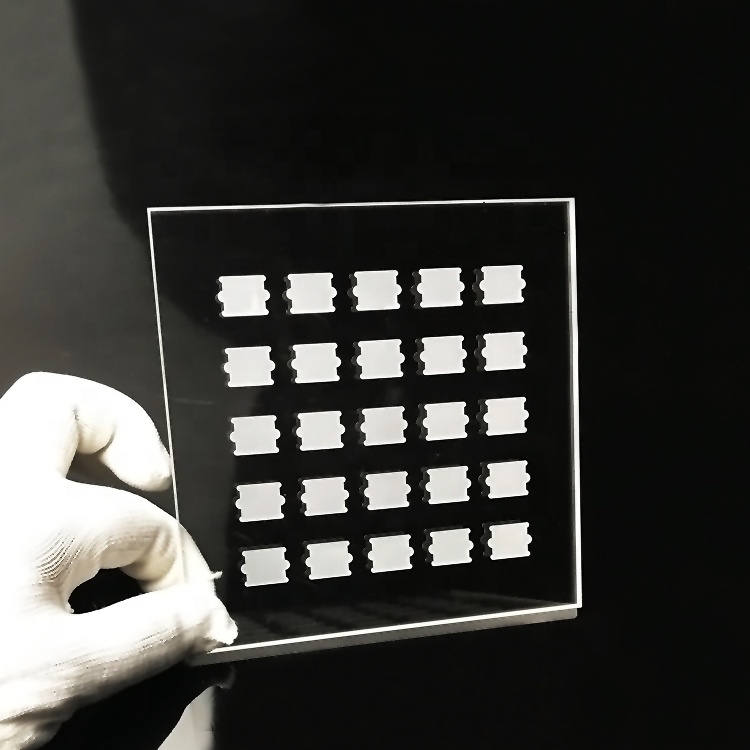
Factory Custom Fused Quartz Glass Circular High Quality XRD Sample Holder
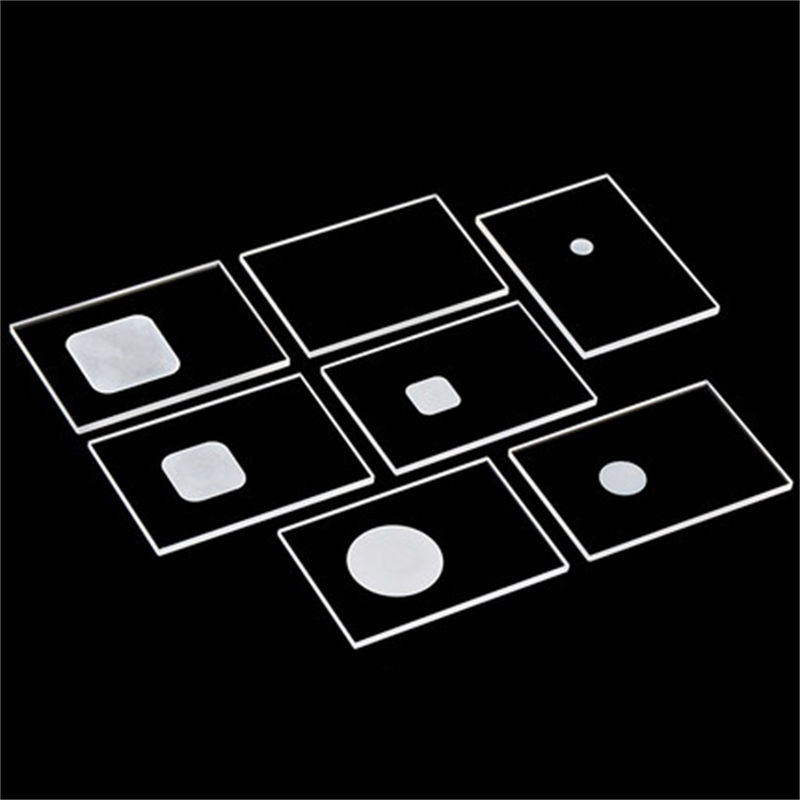
High Temperature Fused Quartz Glass Sheet for XRD Sample Tank Testing
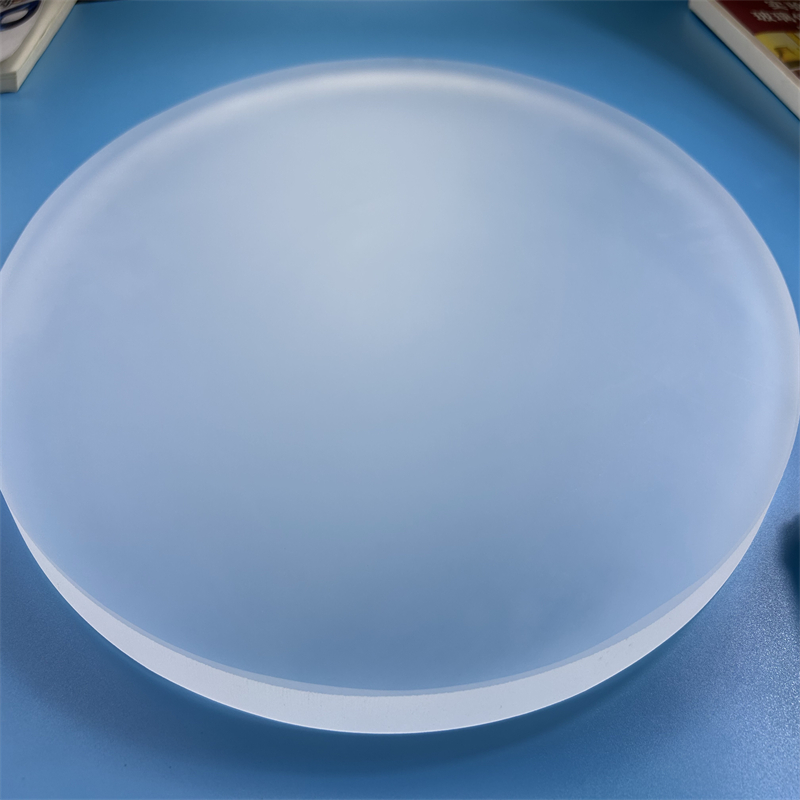
High Temperature Resistance Frosted Quartz Disc/Plate Semiconductor Applications
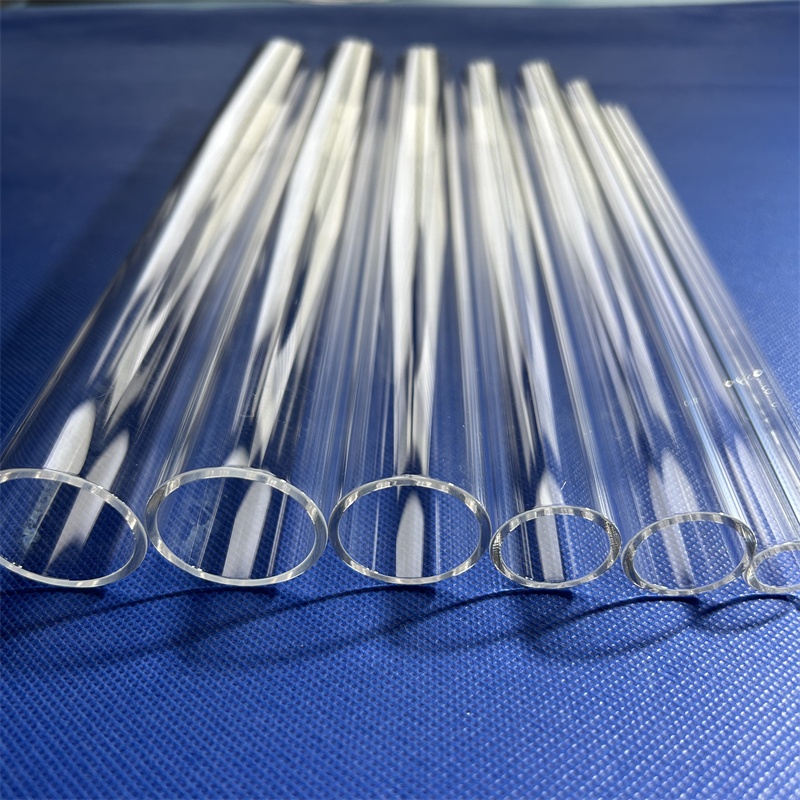
Transparent High Pressure 99.99% Pure Quartz Glass Tube Furnace Boiler
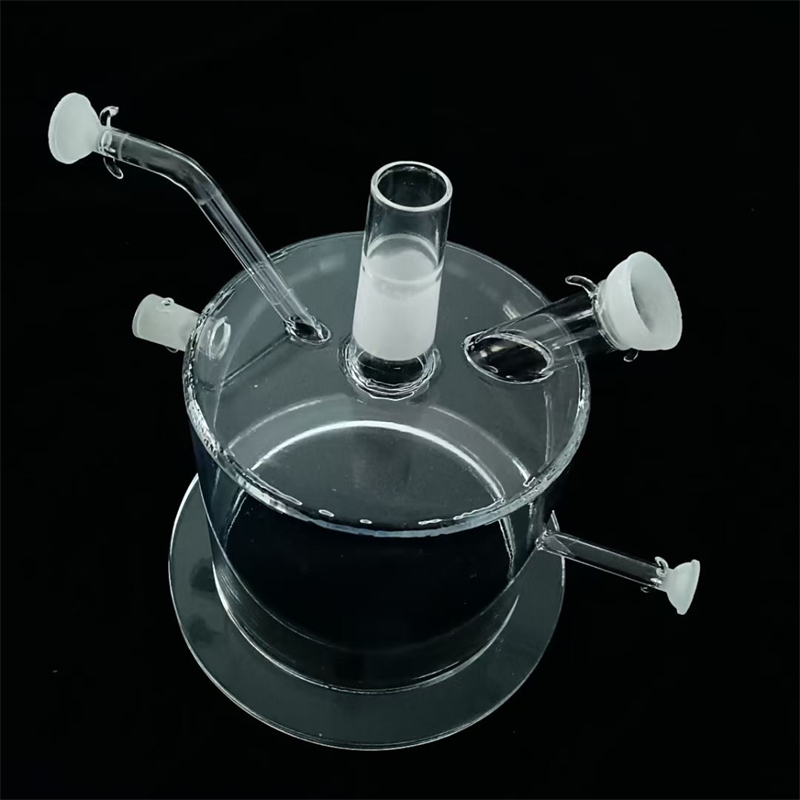
Customized High Pressure Clear Quartz Glass Tube Bending/Welding
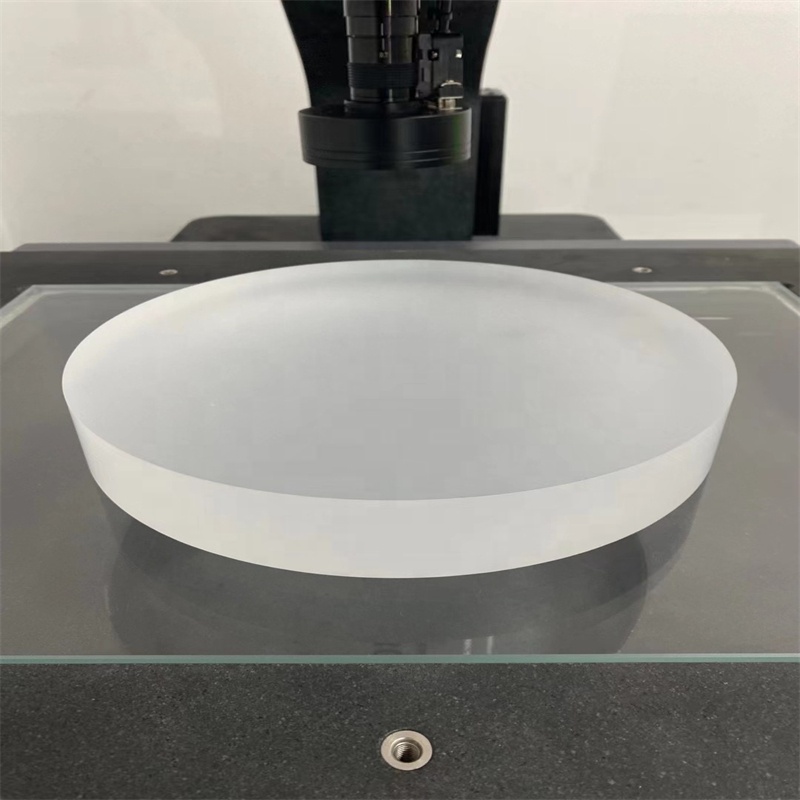
Custom Size Clear Fused Quartz Plate Premium Quality High Temperature
High Precision Optical Grade Quartz Glass Thermal Isolator Window
Material Characteristics & Surface Physics of Frosted Quartz Discs
An authoritative engineering breakdown of silica purity thresholds, controlled micro-abrasive scattering, and structural behavior under cyclical thermal loading.
In high-demand industrial processing, standard borosilicate or soda-lime glass substrates catastrophically degrade when exposed to temperature regimes exceeding 450°C or sudden thermal differentials. Frosted quartz glass discs fabricated by Zelvo Quartz utilize high-purity natural silica sand refined to ≥ 99.99% SiO2 content (or synthetic silicon tetrachloride precursor yielding 99.999% purity), producing a crystalline lattice essentially free from refractory metal contaminants such as iron, titanium, and alkali oxides (Na, K, Li). This structural chemistry ensures near-zero devitrification below 1150°C, offering continuous structural integrity up to 1100°C and intermittent thermal resistance up to 1300°C.
The frosting morphology across the disc face is achieved through calibrated micro-abrasive sandblasting (using ultra-pure silicon carbide or alumina particulate) or precision chemical immersion (buffered ammonium bifluoride etching). Unlike clear planar quartz, which permits direct specular light transmission (> 92% from 260 nm to 2500 nm), the frosted quartz disc functions as a Lambertian optical diffuser. The micro-cavity peak-to-valley topography (typically specified between Ra 0.8 μm to Ra 3.2 μm) scatters directional radiation across a hemispherical angle, eliminating concentrated hotspot flux in UV curing, infrared semiconductor annealing, and laser homogenizer arrays.
Furthermore, in thin-film coating and vacuum chuck handling, standard polished quartz disks are vulnerable to thermodynamic wafer stiction and friction weld phenomena induced by molecular vacuum forces. The controlled micro-roughness of our frosted discs creates a micro-gaseous boundary layer and reduces actual contact surface area by up to 74%, completely mitigating wafer hang-up while preserving strict planar tolerances across diameter ranges from Ø10 mm to Ø600 mm.
Near-Zero Thermal Expansion
Exhibits an ultra-low linear thermal coefficient of 5.5 × 10⁻⁷ /K (20°C to 320°C), allowing rapid thermal cycling and water-quench testing from 1100°C without micro-fracturing.
Broad Spectrum Diffusion
Converts collimated UV (254 nm), visible, and NIR illumination into highly uniform diffuse radiation, preventing local thermal hot-spots in high-density photo-reactors.
Aggressive Chemical Inertness
Completely stable against all organic solvents, halogens, concentrated sulfuric, nitric, and hydrochloric acids at boiling temperatures, attacked solely by HF and strong hot bases.
Comparative Matrix: Material Grade Benchmarking
| Performance Parameter | Frosted Quartz (Natural JGS2) | Synthetic Silica (JGS1 Grade) | Borosilicate Glass (3.3 Ref) | Engineering Sapphire (Al₂O₃) |
|---|---|---|---|---|
| SiO₂ / Material Purity | ≥ 99.99% | ≥ 99.999% | ~80.5% SiO₂ | ≥ 99.99% Al₂O₃ |
| Continuous Work Temp | 1100 °C | 1150 °C | 450 °C | 1700 °C |
| Thermal Shock Resistance (ΔT) | 1000 °C (Instant Quench) | 1100 °C (Instant Quench) | 150 °C max | 100 °C max |
| Thermal Expansion (20-300°C) | 5.5 × 10⁻⁷ K⁻¹ | 5.2 × 10⁻⁷ K⁻¹ | 33 × 10⁻⁷ K⁻¹ | 58 × 10⁻⁷ K⁻¹ |
| Surface Texture Capability | Frosted / Ra 0.8 – 3.2 μm | Optical Polish / Frosted | Polished / Limited Frost | Polished Only (Cost Restrictive) |
| Hydrofluoric Acid Resistance | Soluble (Controlled Etch) | Soluble (Controlled Etch) | Decomposes Fast | Inert |
| Cost / Machinability Index | Optimal Balance / High Precision | High Spec / Premium Cost | Low Cost / Poor Thermal | Very High / Difficult Geometry |
Grenville Regional Industrial Application Analysis & Sourcing Vectors
The Grenville region—encompassing critical technological nodes across scientific testing centers, specialized advanced manufacturing plants, environmental clean-tech installations, and marine/coastal analytical infrastructures—is currently experiencing a significant technical transformation. As facilities transition toward clean energy manufacturing, high-temperature synthesis, and rigorous localized environmental testing, engineering procurement managers across Grenville require thermal glass substrates that bypass the performance bottlenecks of imported generic lab glassware.
In analytical laboratories located across Grenville, frosted quartz glass discs are heavily deployed as diffuse sample trays in FTIR and diffuse reflectance spectroscopy. Polished glass causes internal total reflection and detector saturation, skewing baseline calibration curves. The frosted micro-faceted interface provides homogeneous optical scattering, allowing Grenville research technicians to obtain repeatable spectral signatures across particulate mineral powders, chemical catalysts, and agricultural samples without specular interference.
Concurrently, Grenville’s chemical processing and specialized marine-test laboratories face aggressive saline humidity, halogenated atmospheres, and sudden thermal shifts. In industrial pyrolysis chambers and municipal water treatment plants utilizing intense amalgam UV disinfection reactors, frosted fused silica discs serve as pressure-resistant, UV-transparent sight windows that diffuse output across flow channels while resisting catastrophic devitrification caused by corrosive waterborne scale.
Thermal Process Sight Windows
Installed inside Grenville metallurgical furnaces and high-heat test ovens up to 1100°C. Disperses intense filament glare, providing operators with safe visual thermal monitoring without glare hazards.
XRD Zero-Background Discs
Cut and precision-ground to fit standard goniometer specimen stages. Frosted and slotted configurations ensure uniform powder distribution with zero amorphous silica diffraction peaks.
Semiconductor Wafer Baffles
Deployed as thermal baffle plates in horizontal diffusion tube furnaces. Prevents thermal leakage through furnace ends and uniformizes convective gas dynamics across silicon and SiC processing.
Photochemical UV Reactors
Used in high-output photochemical reactors and germicidal systems. Converts high-intensity UV-C lines into broad-angle diffuse irradiation, eliminating dead zones in continuous fluid streams.
Manufacturing Excellence in China's Crystal Capital
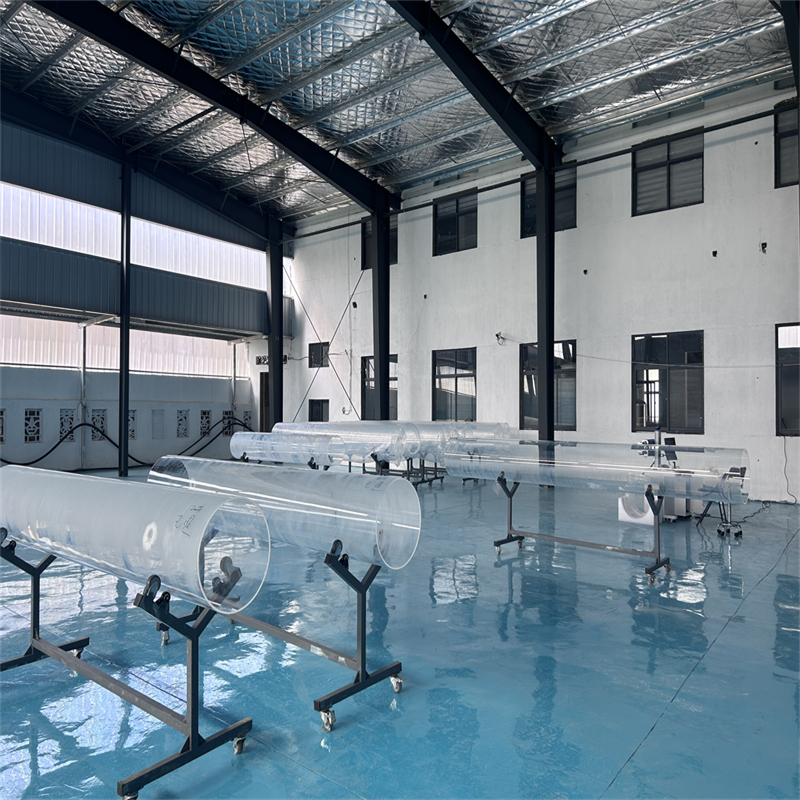
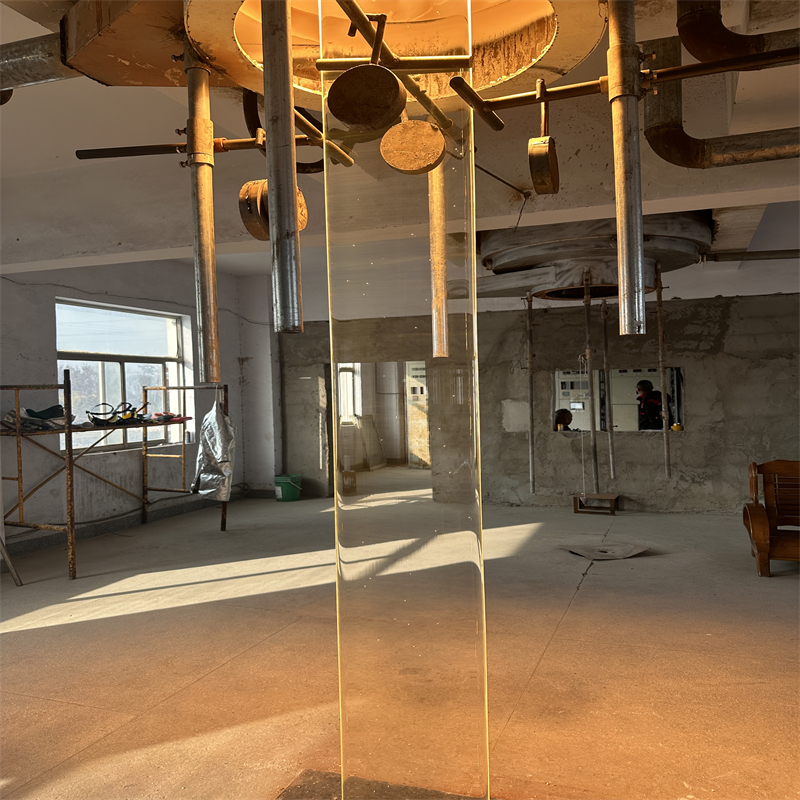
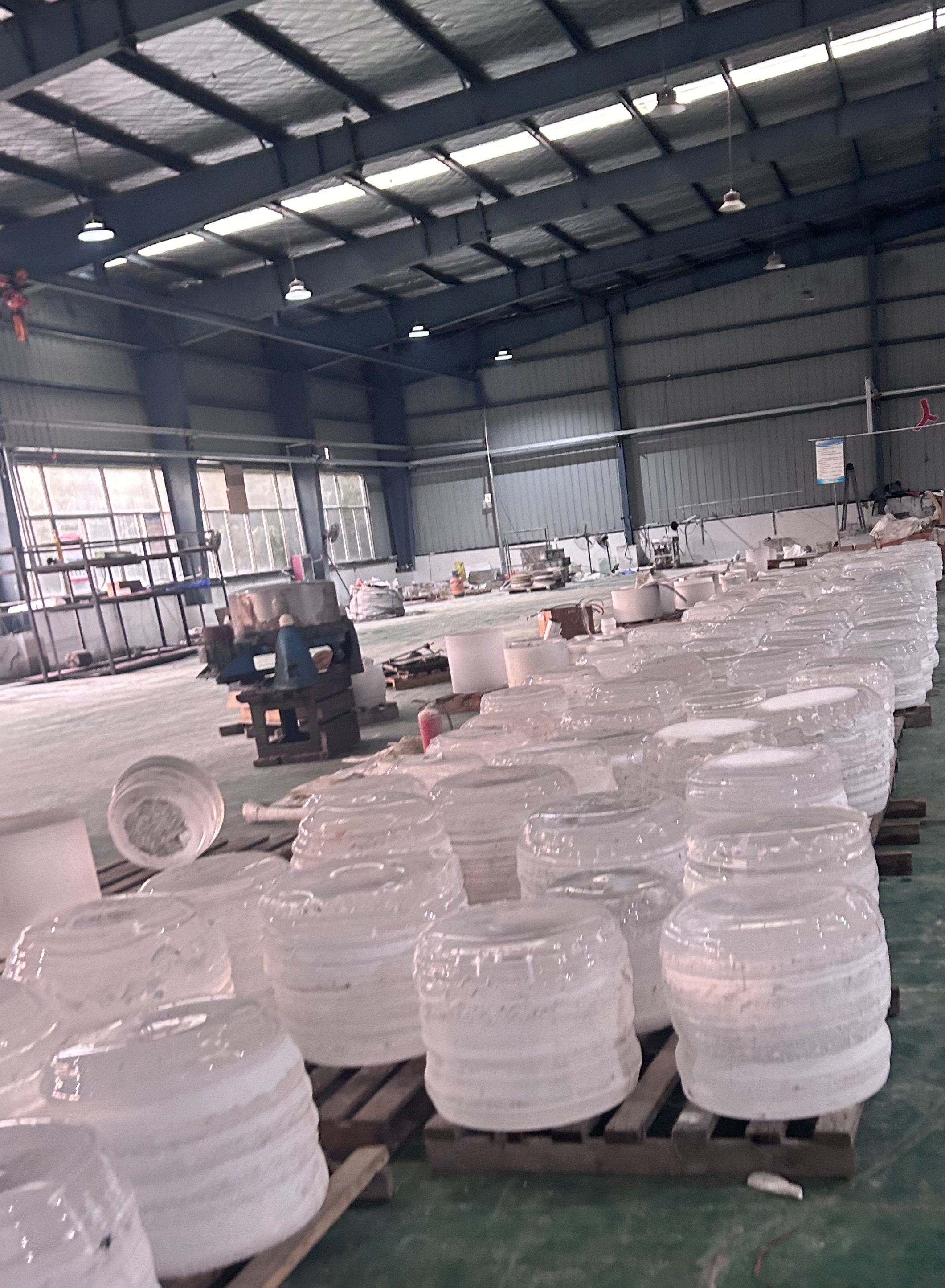
Lianyungang Zelvo Quartz Products Co., Ltd. operates out of Donghai County, Jiangsu Province—the global hub of natural high-purity quartz reserves and thermal processing infrastructure. With over a decade of master artisan and CNC glass-working experience, we oversee raw crystal selection, vacuum electric fusion, CNC diamond cutting, precision grinding, and optical sandblasting under strict ISO quality control protocols.
- ✓ CNC Ultrasonic Edge Grinding
- ✓ Laser Drilling & Slot Grooving
- ✓ Ra 0.8–3.2 μm Frosting Control
- ✓ Single or Double-Sided Frosting
- ✓ 100% Polariscopic Stress Relief
- ✓ Certified Drawing Tolerances ±0.05 mm
Frequently Asked Questions for Grenville Procurement Managers
Answers to common engineering questions regarding material purity, surface roughness, thermal limits, and logistics protocols when shipping to the Grenville market.
◆ What distinguishes sandblasted frosted discs from acid-etched frosted discs?
Sandblasting utilizes high-velocity micro-particles to mechanically fracture the outer surface layer, yielding deep light diffusion and a higher surface roughness profile (Ra 1.6 – 3.2 μm) optimal for thermal glare dispersal and anti-stiction wafer carriers. Chemical acid etching with buffered fluorides provides a softer, tactile matte finish (Ra 0.4 – 1.0 μm) that minimizes particulate entrapment, making it preferable for biological liquid cell microscopy and cleanroom optics.
◆ What is the maximum thermal ramp rate and quenching limit for these discs?
Due to fused quartz's near-zero coefficient of thermal expansion (5.5 × 10⁻⁷ /K), a 3.0 mm thick disc heated to 1100°C can be dropped directly into 20°C room temperature water without shattering (ΔT ≥ 1000°C shock resistance). However, prolonged operation above 1150°C in atmospheres containing alkali vapor or fingerprints will trigger devitrification into crystalline cristobalite, which reduces thermal shock resistance.
◆ Can Grenville clients order custom diameters, center bores, and edge bevels?
Yes. Over 85% of our production is drawing-based. We support standard metric and imperial dimensions up to 600 mm in diameter and thickness options from 0.5 mm to 30 mm. We utilize CNC diamond tooling and laser cutting systems to fabricate concentric holes, notches, mounting slots, stepped shoulders, and C-chamfered or pencil-ground edges with standard tolerances of ±0.1 mm, or ±0.05 mm on critical optical requests.
◆ What are the standard international packaging and shipping terms for Grenville?
To ensure 0% transit breakage over ocean or air routes to the Grenville region, each quartz disc is vacuum sealed or dust-free bagged, layered in high-density polyethylene shock absorption foam, and packed inside heavy-duty multi-layer export wooden crates. We offer FOB, CIF, CFR, EXW, and door-to-door DDP arrangements via DHL, FedEx, air freight, or ocean consolidations with full tracking and customs documents.
◆ How does frosting affect UV-C and IR spectral transmission?
Frosting does not alter the intrinsic material absorption band of fused silica; it alters the angular directionality of the transmitted photons. Integrated sphere spectrophotometer tests indicate that while total hemispherical transmittance remains above 84% – 88% across UV, visible, and NIR bands, direct in-line specular transmission is reduced to under 12%, converting harsh laser or arc emissions into safe, uniform illumination.
◆ What is the minimum order quantity (MOQ) for prototypes and evaluation batches?
We support laboratory R&D and pilot programs with an accessible MOQ of just 1 piece for customized discs and plates. Clients can test exact dimensional fit, optical diffusion performance, and thermal resilience under live operating conditions before confirming volume replenishment agreements.
Accelerate Your Quartz Sourcing for the Grenville Region
Submit your technical drawing (.DWG, .DXF, .PDF) or project specifications today. Our engineering sales team will assess mechanical feasibility, provide material grade recommendations, and return a comprehensive quotation within 2 hours.